Landscape in Arles — History & Analysis
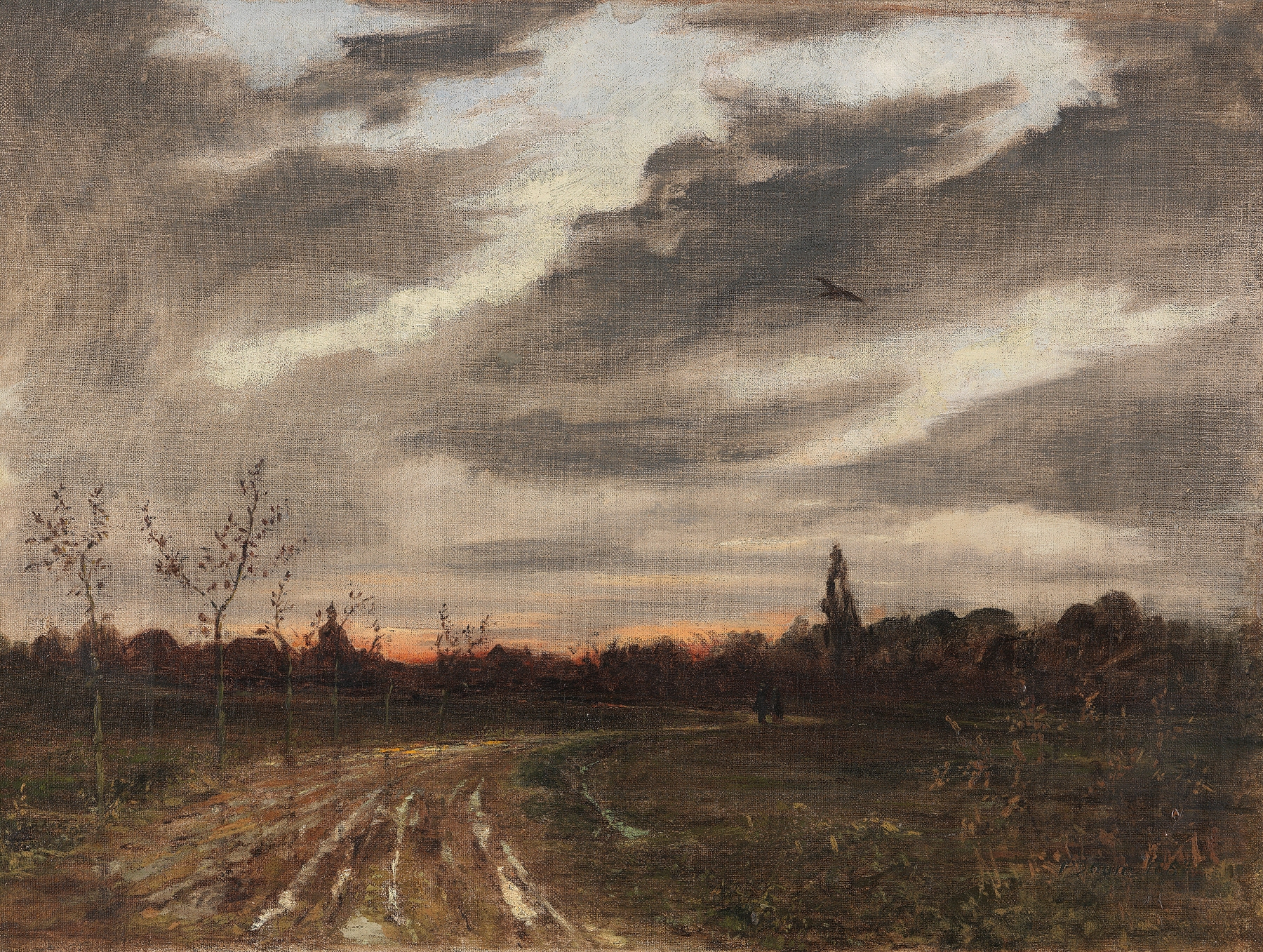
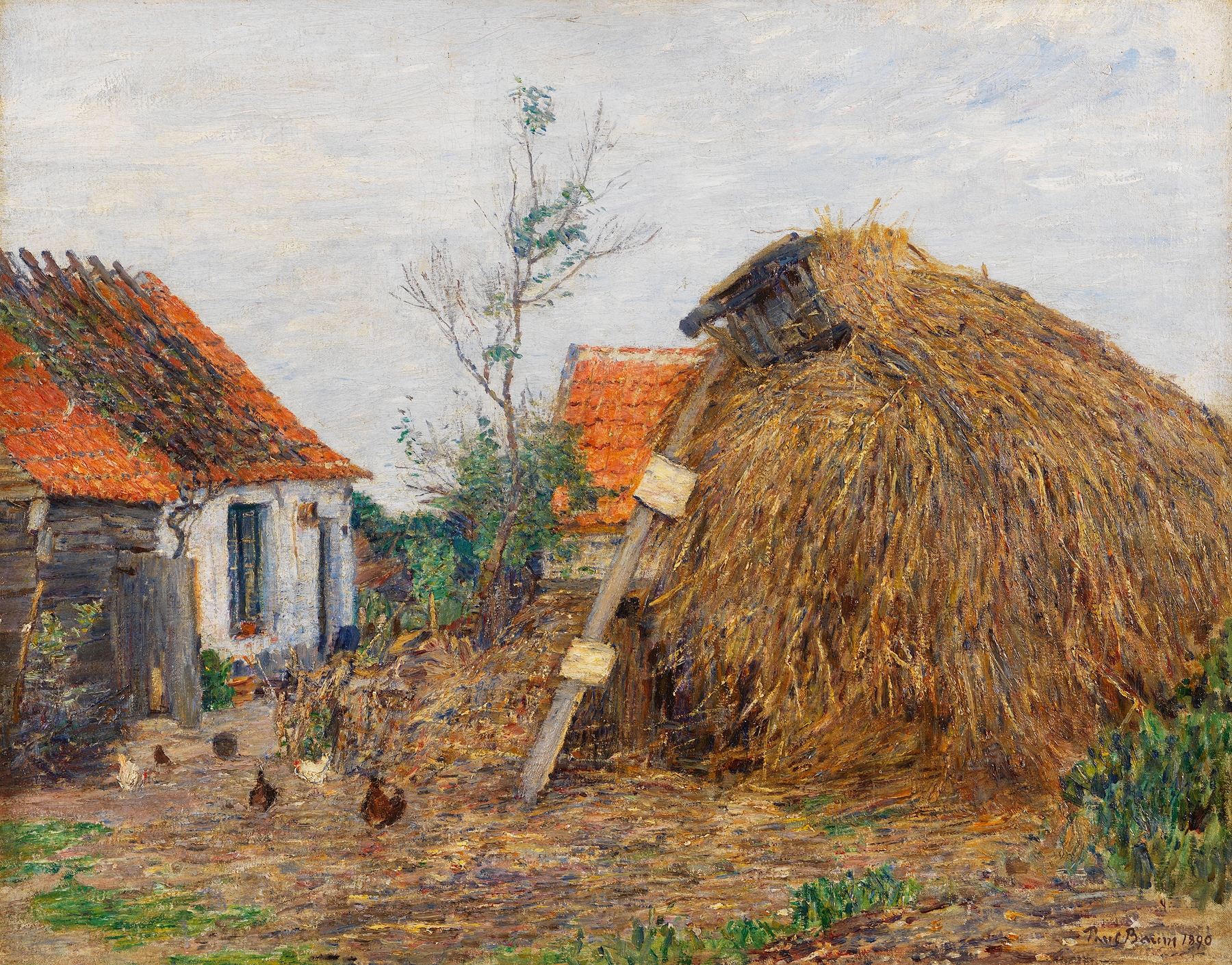
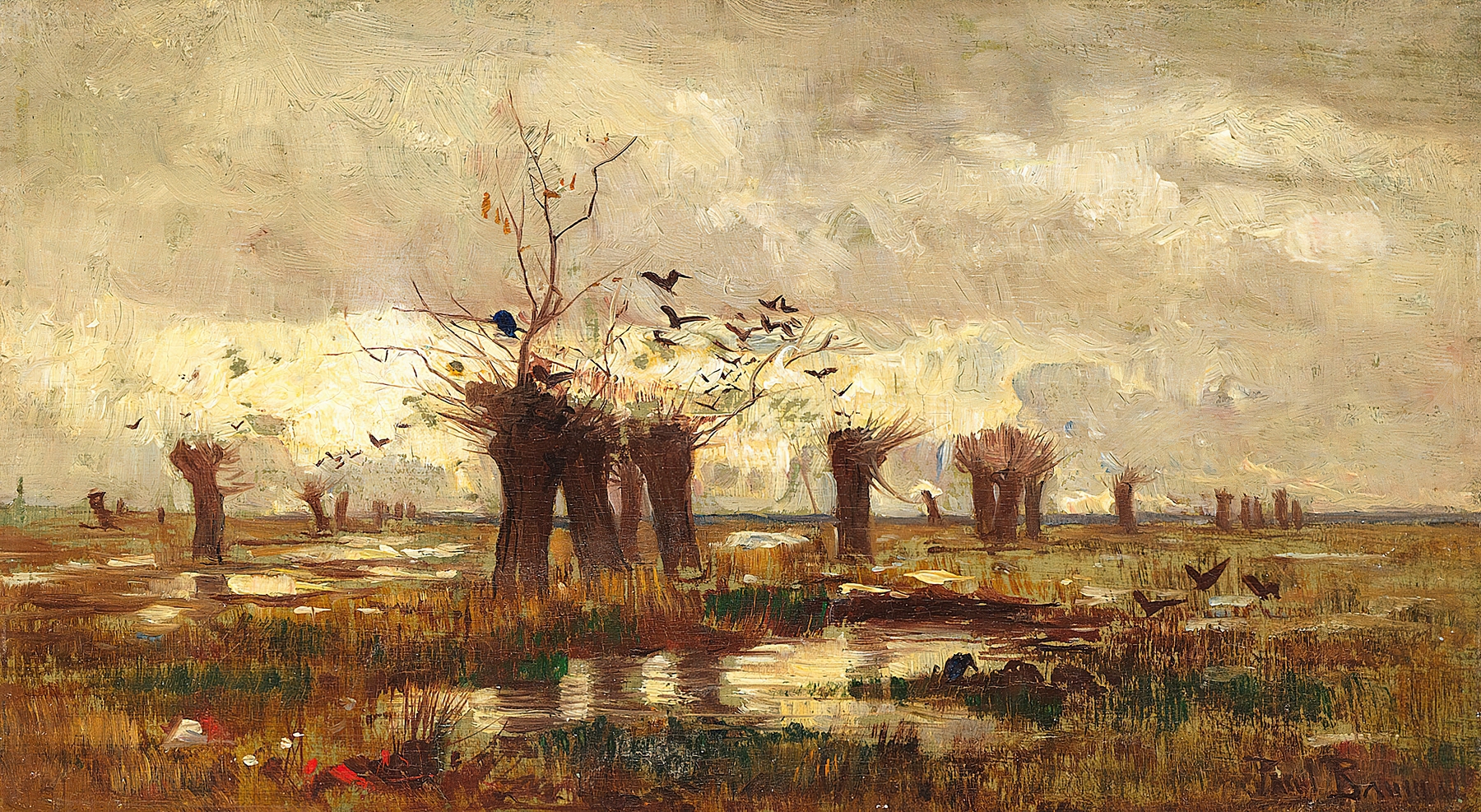
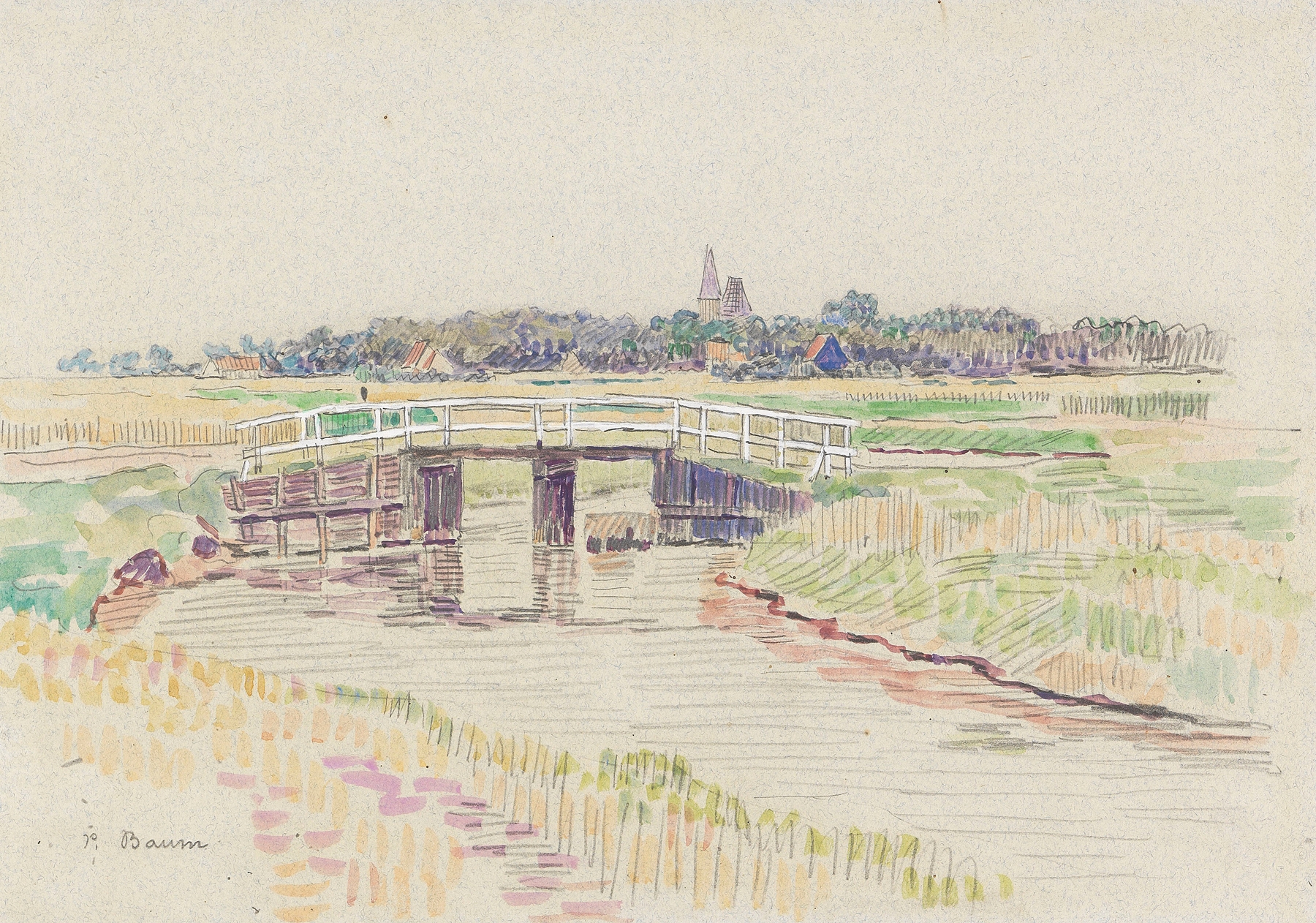
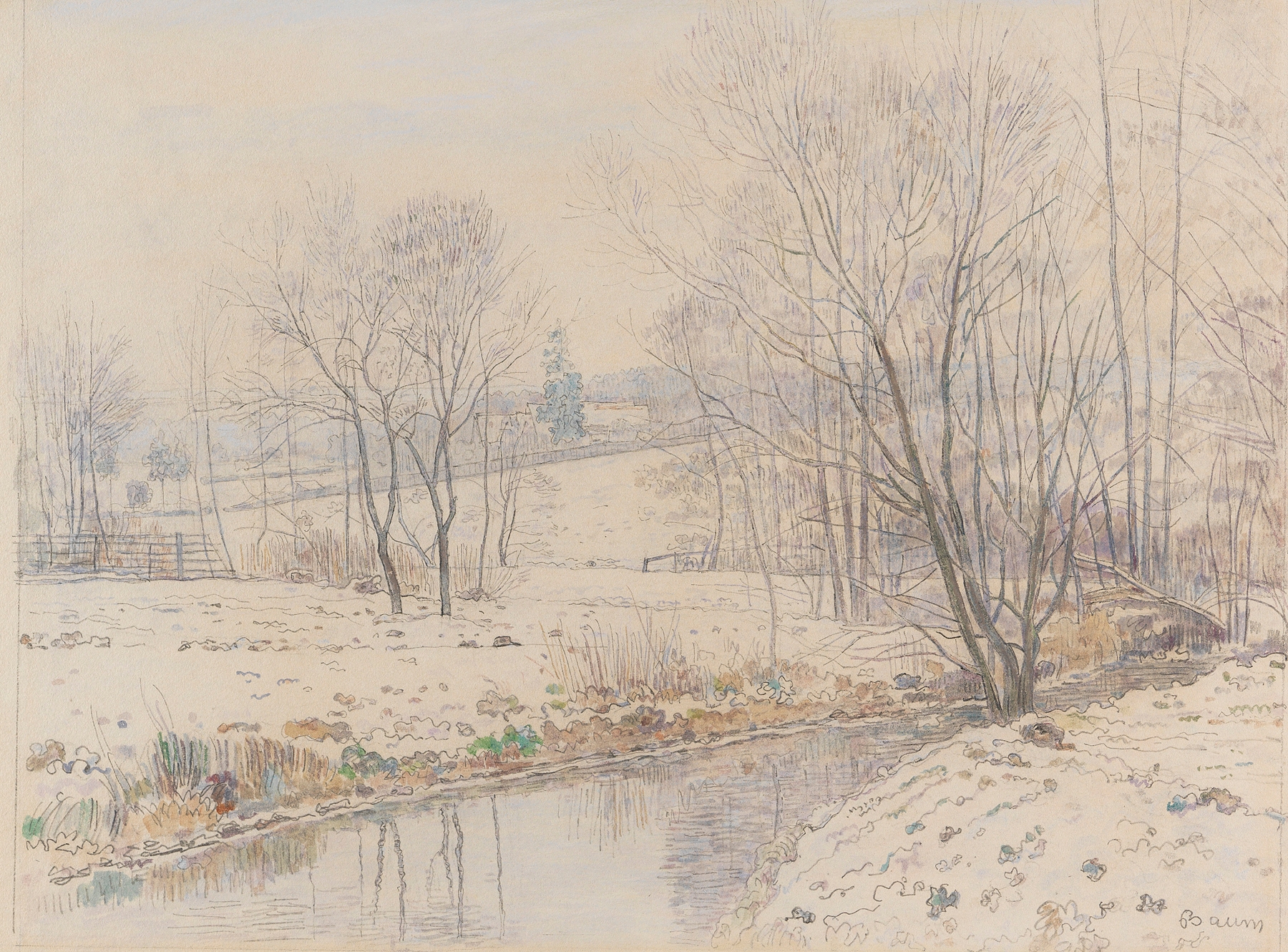
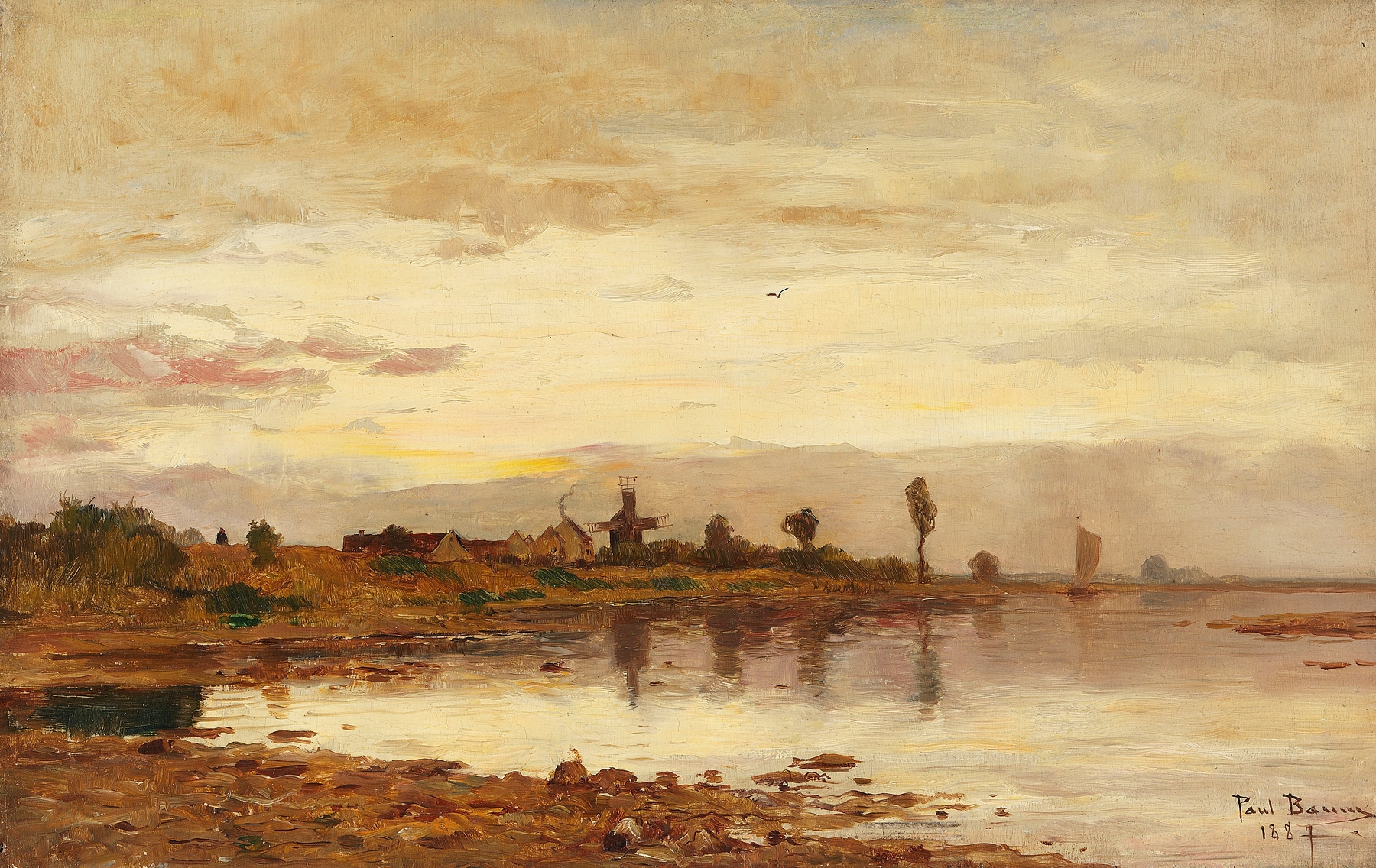
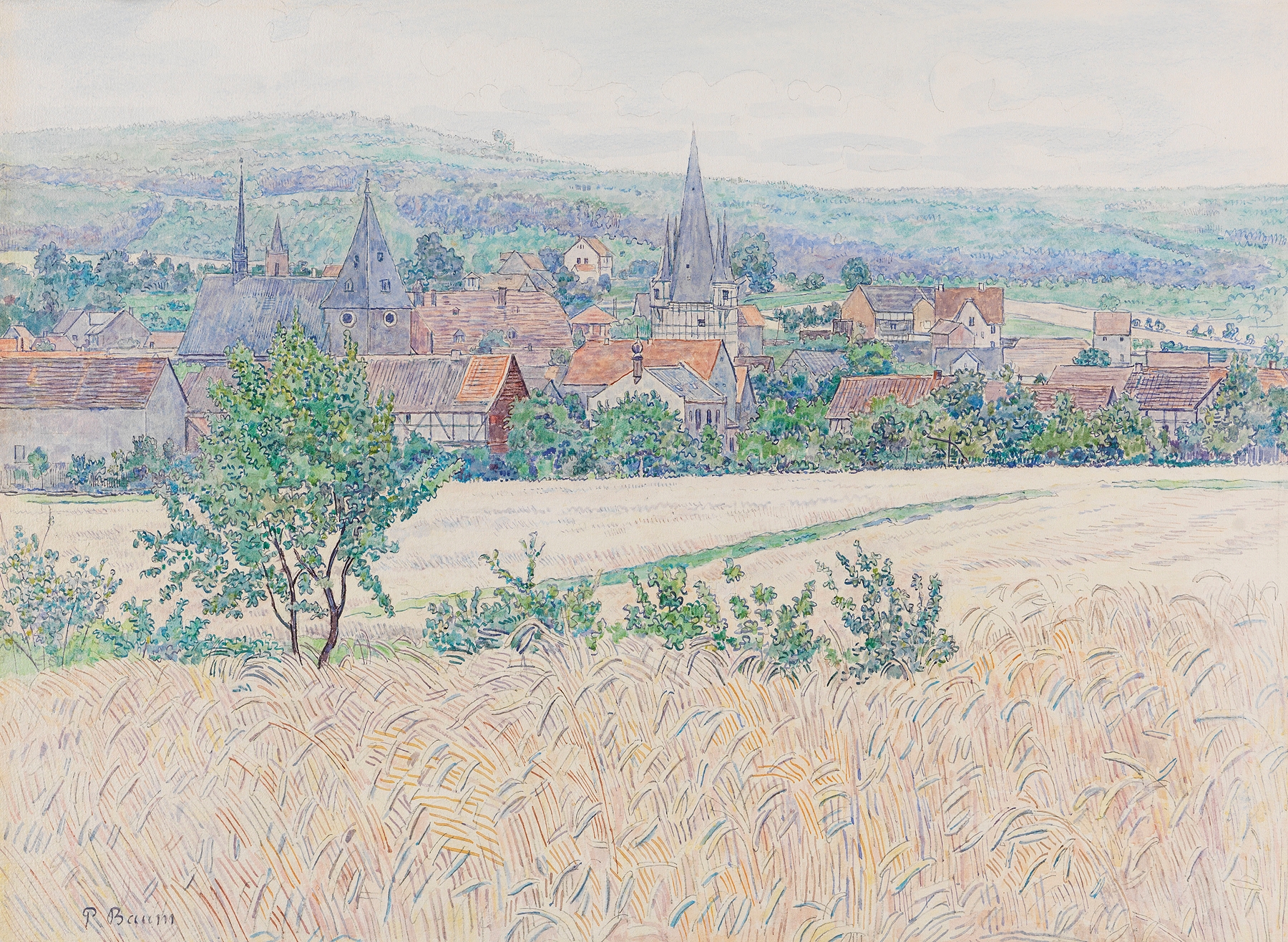
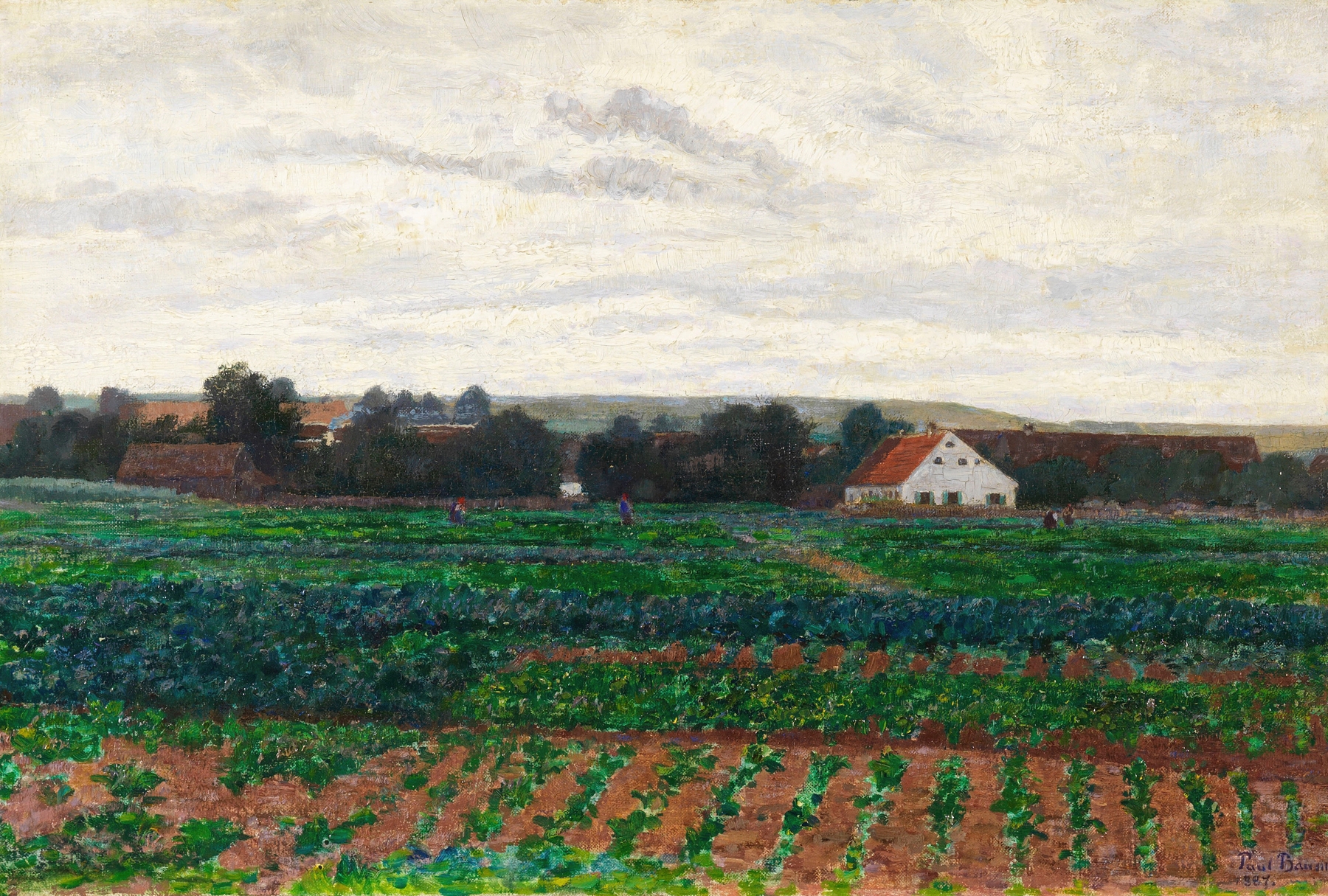
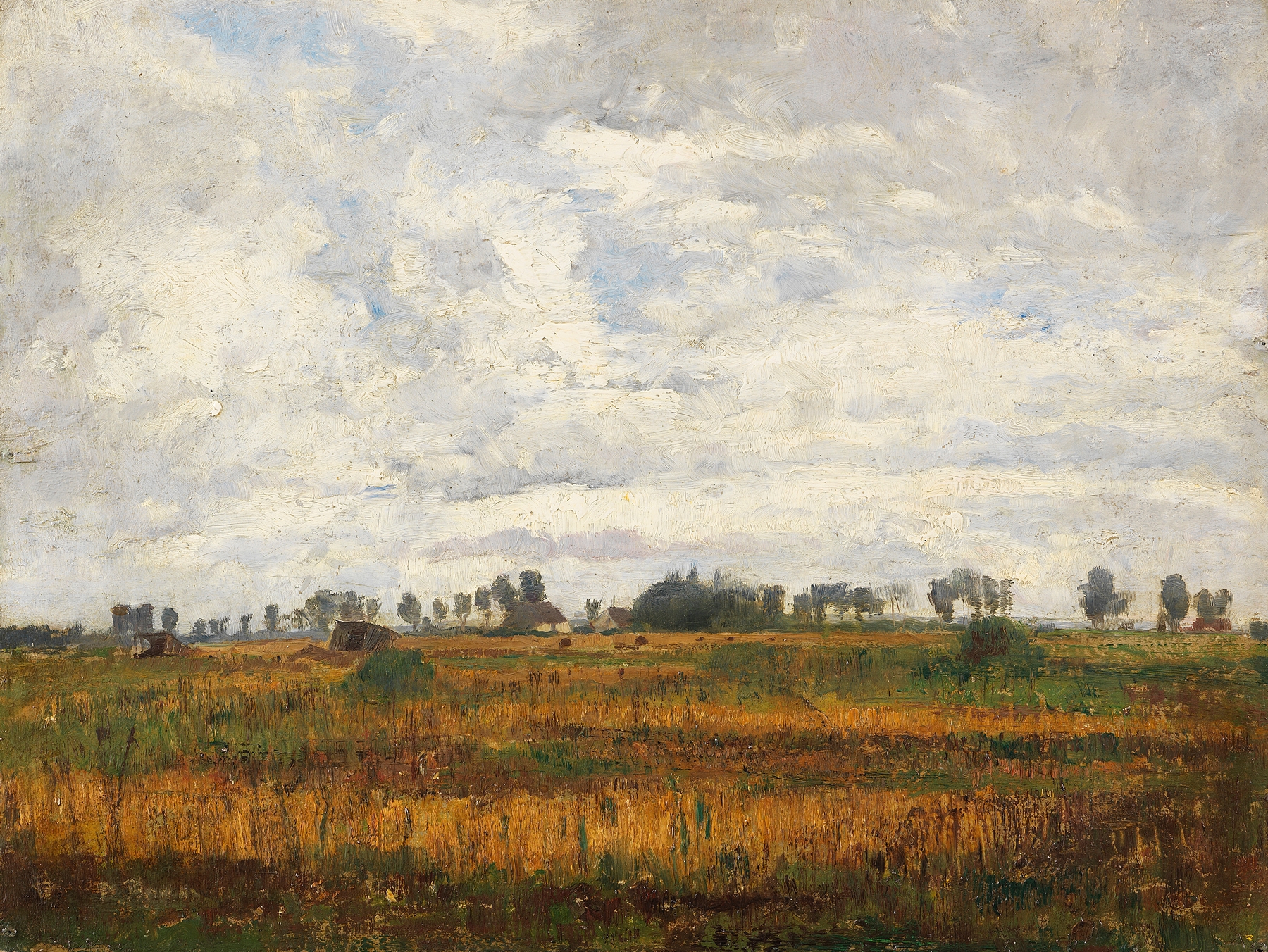
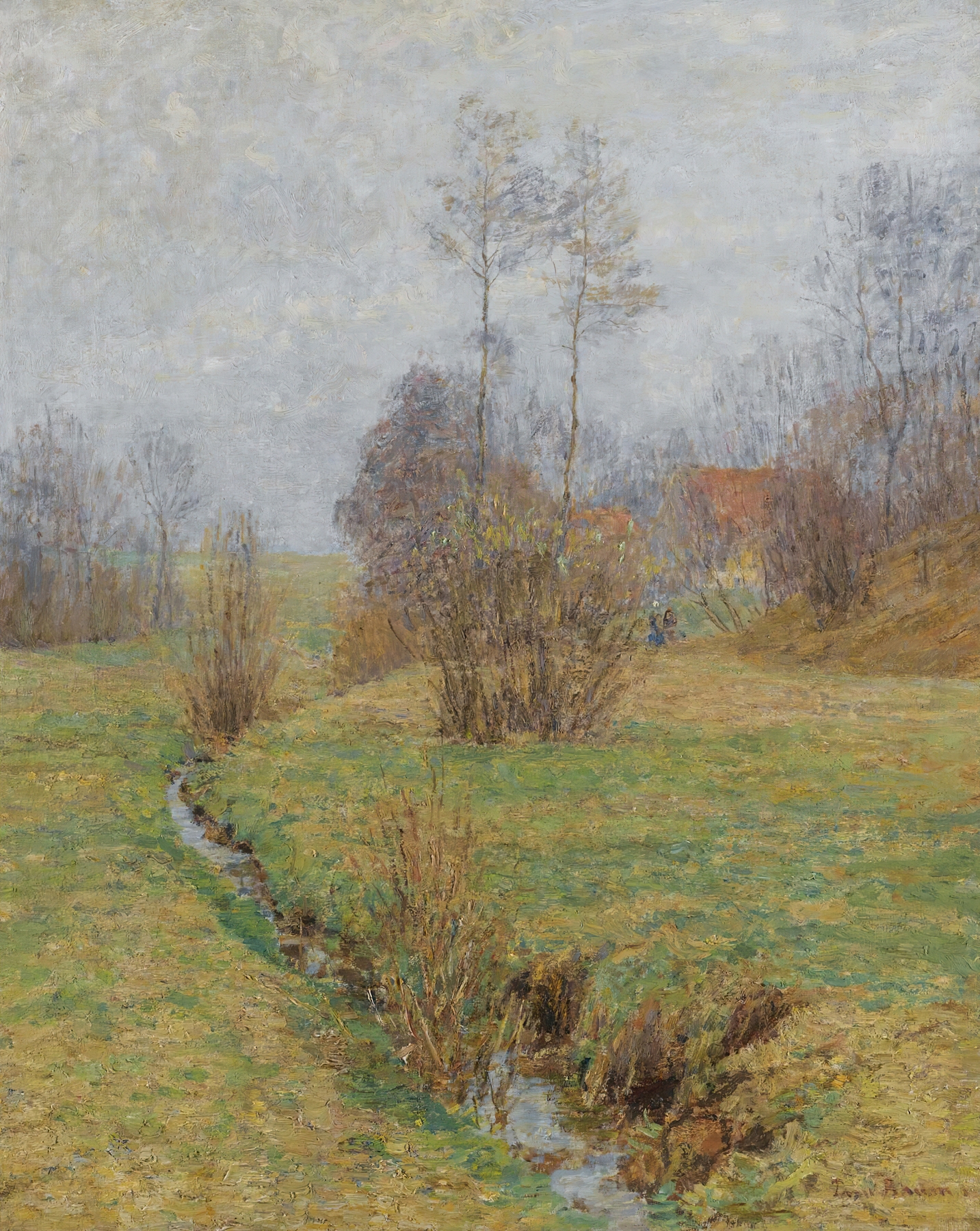
“The canvas doesn’t lie — it simply waits.” In this moment of stillness, nostalgia envelops the viewer like a tender embrace from a long-lost friend, inviting introspection and reflection. Look to the left at the vibrant splashes of green and gold, where the undulating hills cradle the serene landscape. Notice how Baum expertly balances light and shadow, creating a warm glow that infuses life into the scene. The sweeping brushstrokes evoke a sense of movement, yet the composition remains anchored by the quiet presence of distant trees, which stand as silent witnesses to the passage of time.
Beneath the surface, there is a poignant contrast between the vibrant colors and the somber sense of longing. The fleeting nature of the idyllic scene hints at the inevitable changes wrought by time, evoking memories that linger just out of reach. This tension between the beauty of nature and the underlying ache of nostalgia resonates deeply, reminding us of the transitory nature of experience and the enduring human spirit.
In 1909, Baum created this piece during a period marked by a quest for personal expression amid the shifting tides of the art world. Working in the picturesque surroundings of Arles, he was influenced by the post-impressionist movement, drawing inspiration from the landscapes that Van Gogh had famously immortalized. At this time, he sought to carve his own path, exploring color and form with a distinctive flair that would contribute to the evolving narrative of modern art.