Landscape in Suffolk — History & Analysis
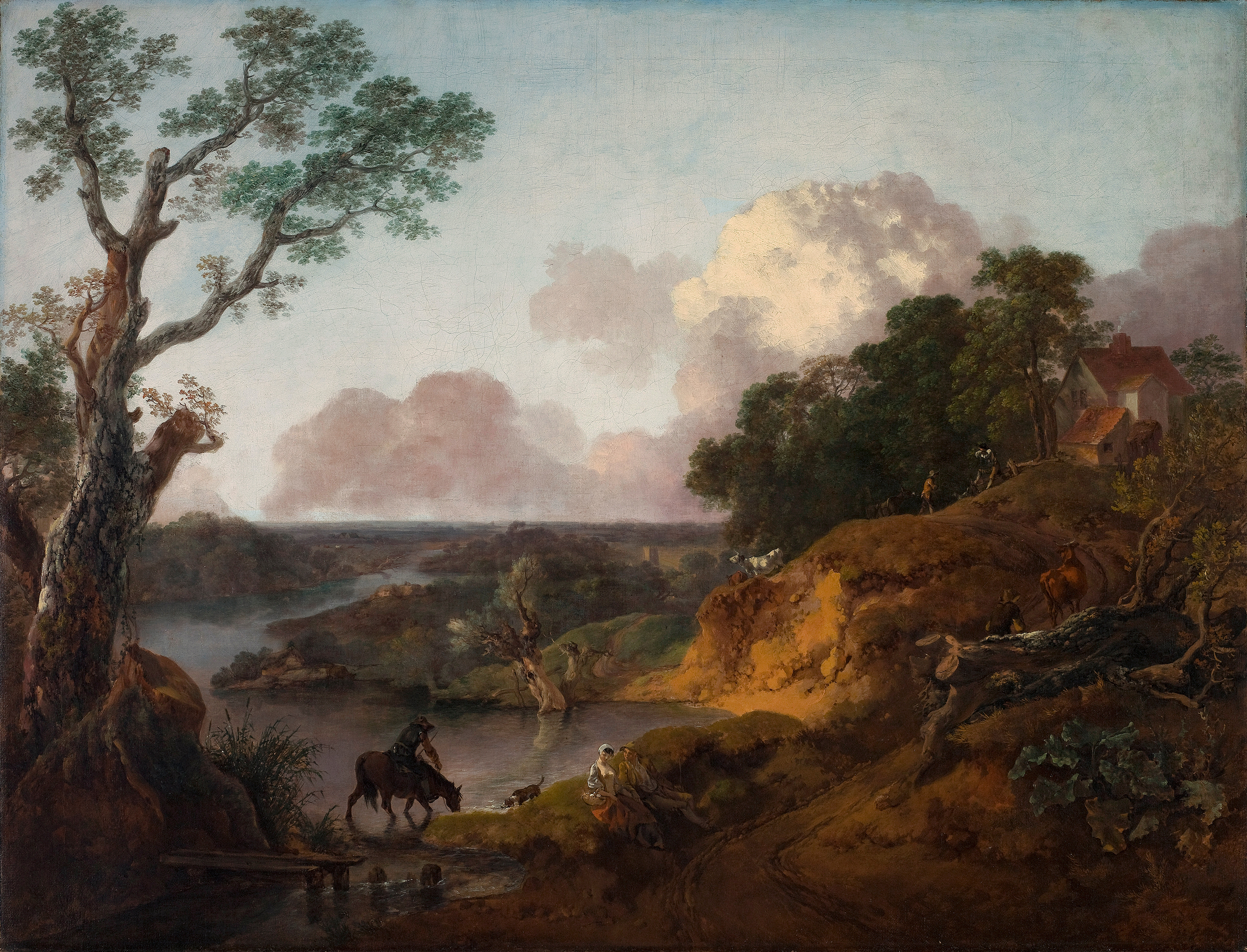
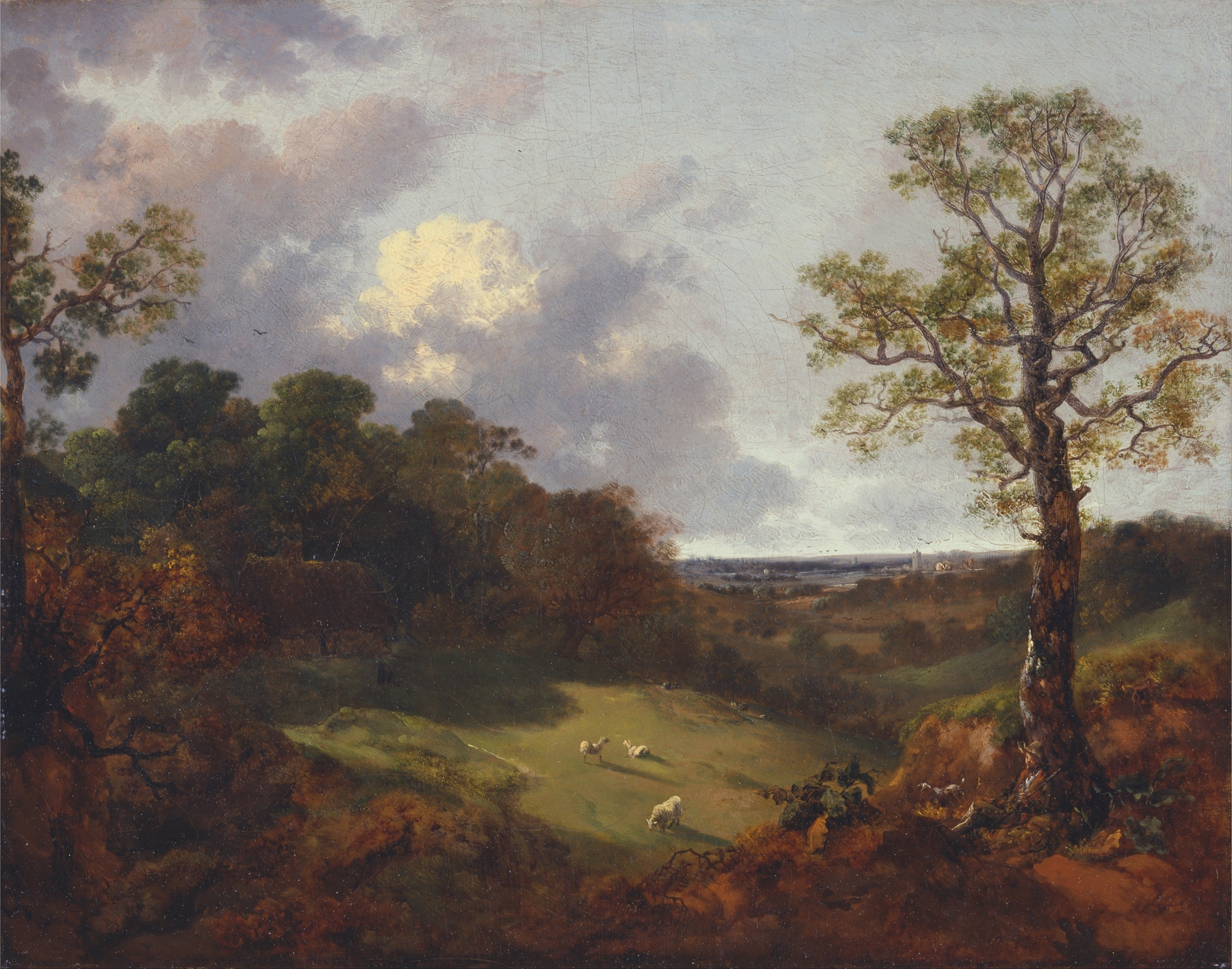
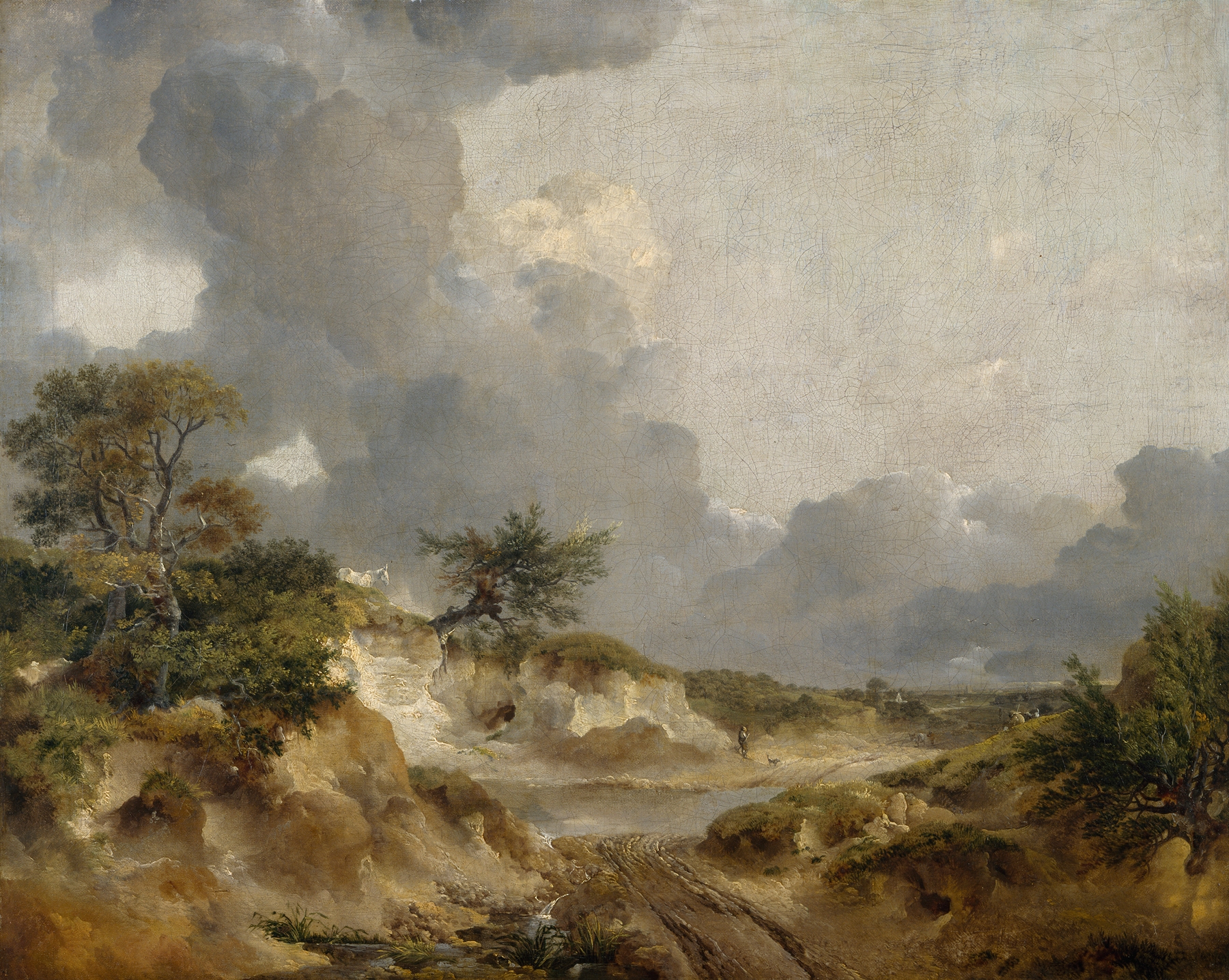
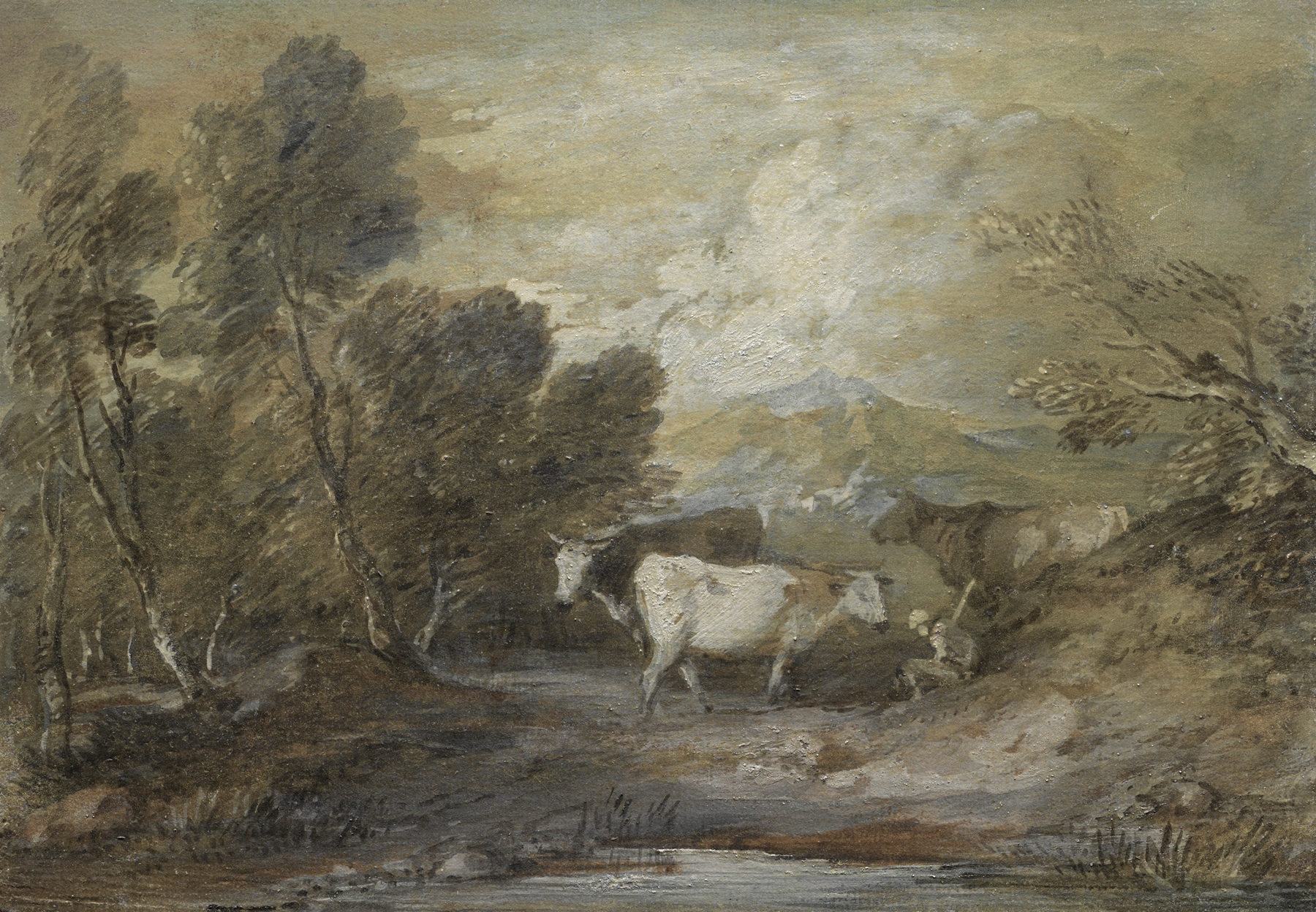
Who listens when art speaks of silence? In Landscape in Suffolk, the canvas whispers of desire, inviting the viewer to engage in a dialogue with nature’s quietude. Look to the left at the gentle undulation of the hills, where shades of emerald and gold blend seamlessly into the distant horizon. Notice how the light filters through the leaves, casting soft shadows that dance across the land. The brushwork is loose yet deliberate, evoking a sense of movement and life within the stillness.
Each stroke captures the essence of the Suffolk landscape, encouraging us to revel in its serene beauty. Upon closer inspection, the painting reveals deeper layers of longing and tranquility. The solitary figure, almost lost in the vastness of the scene, embodies the yearning for connection — both to the earth and to oneself. The interplay between light and shadow suggests a tension between illumination and obscurity, hinting at the unseen stories hidden within the landscape.
It’s a reflection of desire not just for physical beauty, but for a profound communion with nature. Thomas Gainsborough created Landscape in Suffolk during a time of personal and professional evolution. Working in England in the mid-18th century, he sought to elevate landscape painting to the same status as portraiture. This piece reflects his keen observation of the English countryside and his desire to convey emotional resonance through natural settings, amidst the growing Romantic movement in art.