Landscape in the Style of Ancient Masters: after Ni Zan (1301-1374), Cao Zhibo (1272-1355) — History & Analysis
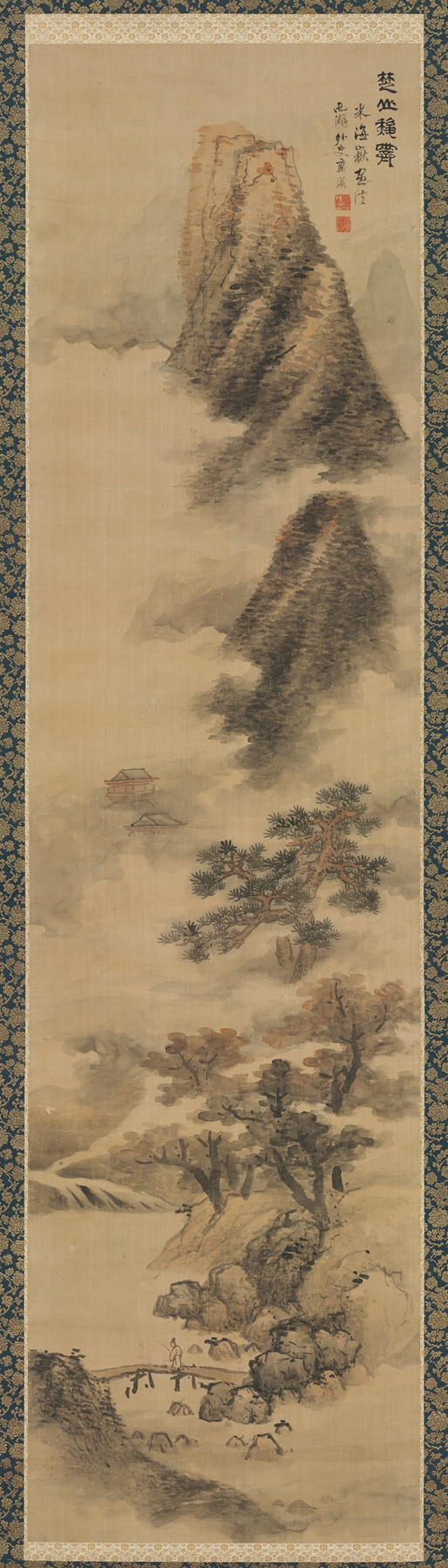
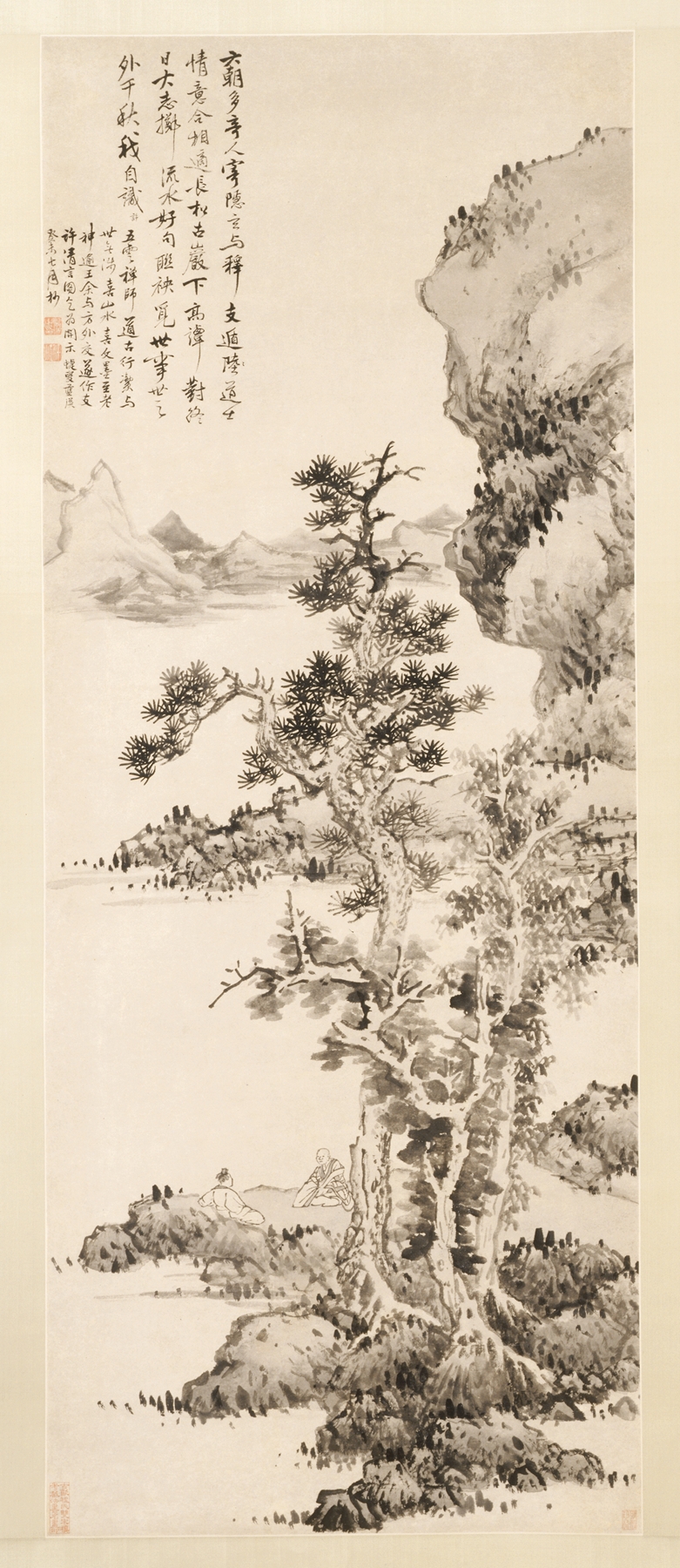
Could a single brushstroke hold eternity? In Landscape in the Style of Ancient Masters: after Ni Zan, the act of painting becomes a portal, inviting contemplation of time’s unyielding passage and the delicate balance between beauty and decay. Focus on the sweeping mountains that rise majestically in the distance, their peaks kissed by the soft blush of dawn. Notice how the artist employs subtle gradations of ink, evoking a mist that wraps around the landscape like a whisper. The gentle undulations of the hills draw your eye, while the delicate lines of trees convey a sense of fragile grace, as if they stand poised between this world and the next.
The color palette is muted yet rich, reflecting the wisdom of ancient masters while also hinting at the weariness of age. Beneath this serene façade, layers of meaning unfold. The interplay of light and shadow speaks to the inevitability of transience, where each stroke embodies the artist's struggle against decay. The contrast between the grandeur of the landscape and the delicate imperfections of its execution suggests a reverence for the past, even as it mourns what will eventually fade.
Here, decay is not merely an end, but a vital part of existence, interwoven with the beauty that emerges through time’s embrace. In 1642, Lan Ying found himself amidst the cultural renaissance of the Ming dynasty, where the resurgence of traditional values met the challenges of a changing society. Painting in an era deeply influenced by the philosophies of both nature and heritage, he sought to honor the legacies of predecessors like Ni Zan and Cao Zhibo. His work stands as a testament to the enduring power of the landscape genre, capturing the essence of a moment while reflecting the complex tapestry of his own life and the world around him.