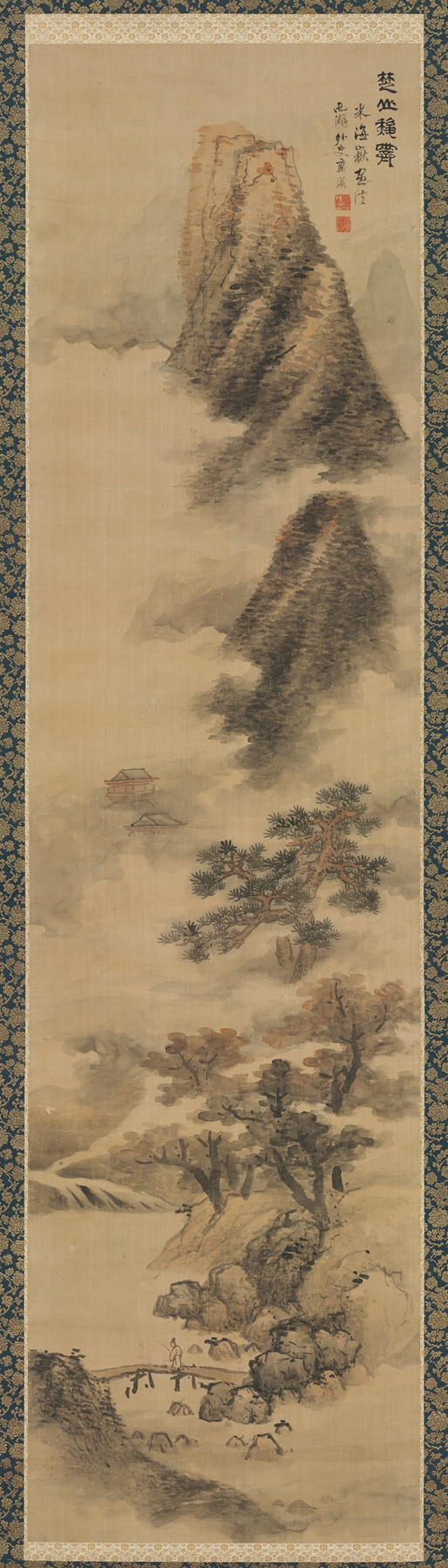
Zhi and Xu’s Pure Conversation — History & Analysis
Is this a mirror — or a memory? The ethereal brushstrokes invite the viewer into a realm where reality and reverie entwine, awakening a sense of shared consciousness. Focus on the soft washes of ink that flow gracefully across the canvas, guiding your eyes towards the serene figures at the center. Notice how the delicate linework captures the subtleties of their expressions, with each stroke breathing life into the conversation they share.
The muted colors evoke a tranquil harmony, while the interplay of light and shadow suggests a moment suspended in time, a fleeting exchange rendered eternal. Yet, beneath the surface, there lies a profound exploration of human connection. The artist juxtaposes the stillness of the surroundings with the dynamic exchange between the figures, hinting at the complexities of intimacy and understanding. Every element, from the elegant drapery of their garments to the subtle gestures of their hands, conveys a deeper emotional resonance, illustrating how dialogue can transcend the spoken word.
In 1643, while painting this work, Lan Ying found himself amidst a flourishing cultural movement in China, where literati art sought to express personal emotions and philosophical musings. This period, characterized by a return to traditional values and an emphasis on nature, heavily influenced his approach, blending poetic ideation with visual artistry. The painting not only reflects his immediate experience but also echoes the broader currents of an era steeped in introspection and transcendence.