Landscape in the Style of Ancient Masters: Songxuezhai Lan Ying — History & Analysis
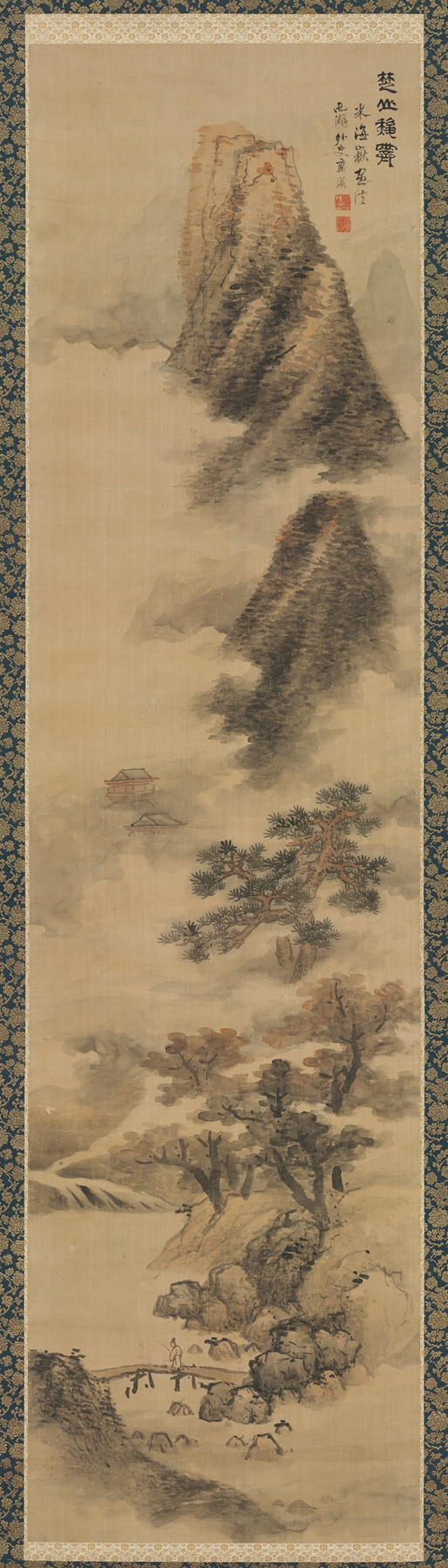
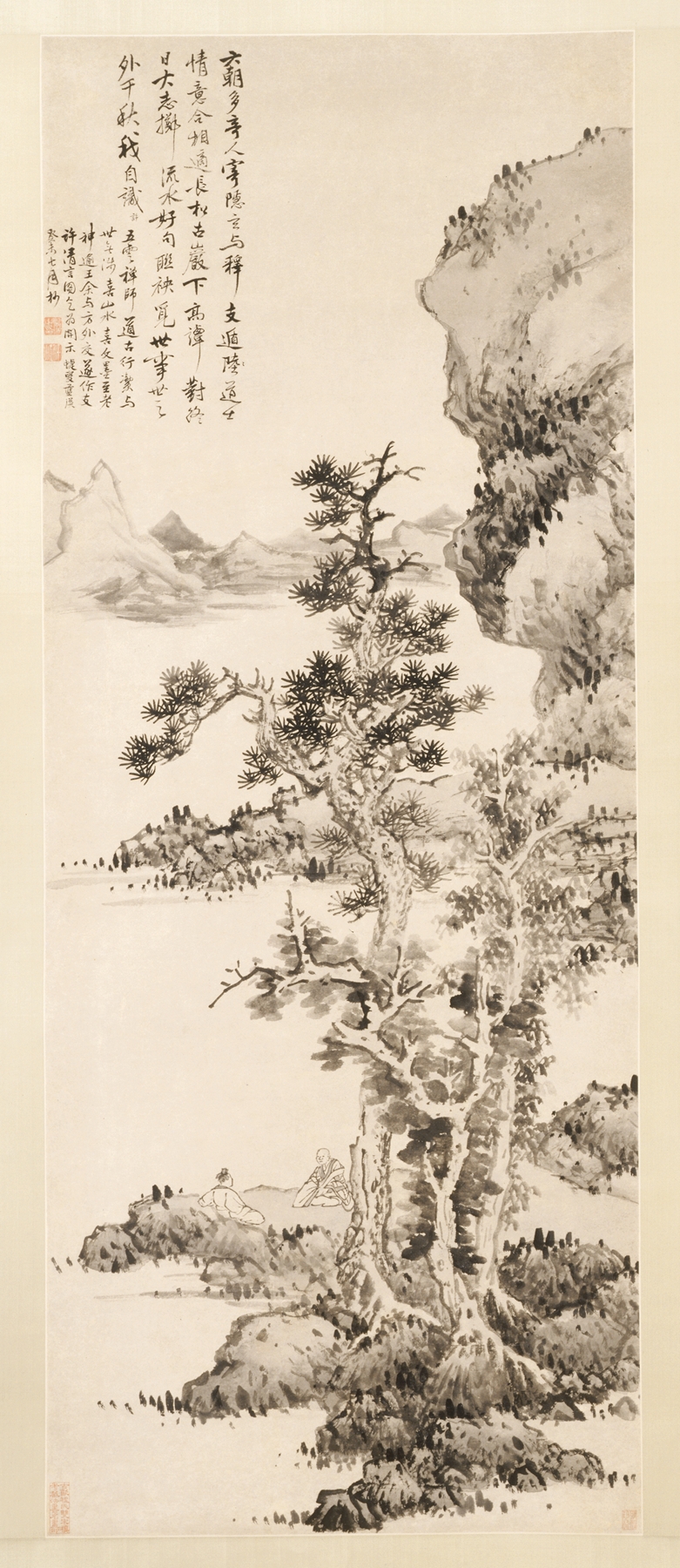
Could a single brushstroke hold eternity? In the delicate strokes of this landscape, a world unfolds—one where innocence meets the grandeur of nature, casting a spell that lingers in the silence between each stroke. Focus on the sweeping hills in the background, where soft greens and muted browns converge under an ethereal wash of pale blue sky. Notice how the brushwork transforms the mountains into gentle giants, imbued with a sense of timelessness. The foreground, punctuated by lively trees and tranquil waters, draws the eye with a vibrant palette that dances among the leaves.
Each element, meticulously crafted, reflects the artist's reverence for the natural world while inviting contemplation. The emotional tension lies in the juxtaposition of the serene and the sublime. The flowing water, rendered with fluid precision, mirrors the tranquility of existence, while the jagged peaks above evoke the mystery of life's challenges. It is a harmonious balance—the delicate innocence of the trees against the formidable strength of the mountains.
This interplay of softness and solidity encapsulates the essence of the human experience: beauty intertwined with adversity. Lan Ying created this layered masterpiece during the Ming dynasty in 1642, a period when traditional Chinese art was deeply influenced by the philosophies of nature. Living in a world marked by political instability and cultural shifts, he embraced the styles of ancient masters while forging his unique voice. His dedication to landscape painting was a personal refuge, allowing him to express both his longing for serenity and his connection to the natural realm.