Landscape in the Style of Ancient Masters: Artist's commentary — History & Analysis
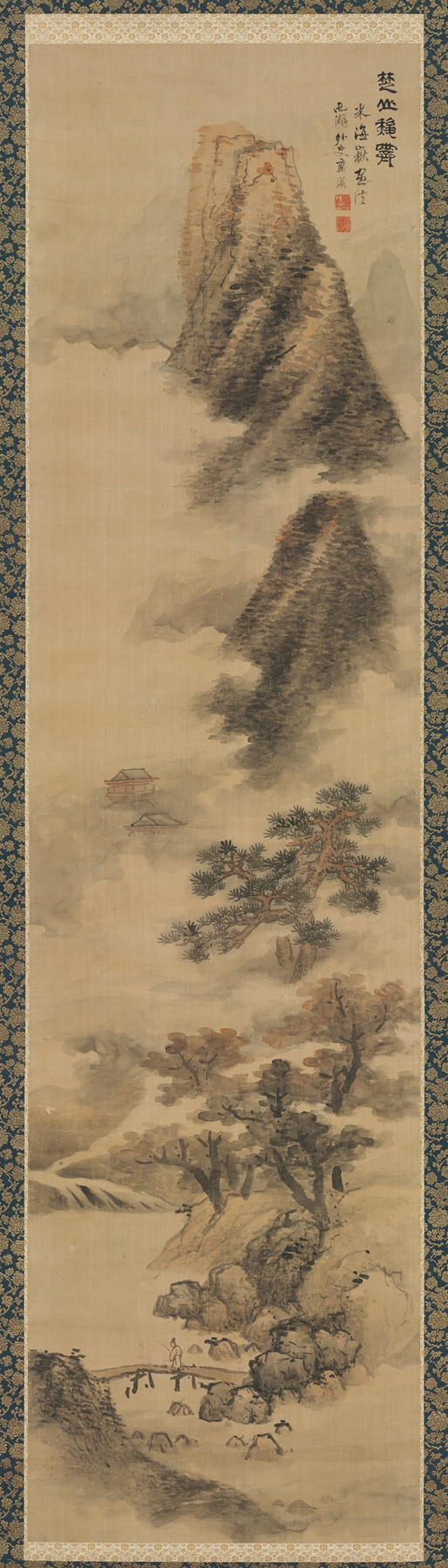
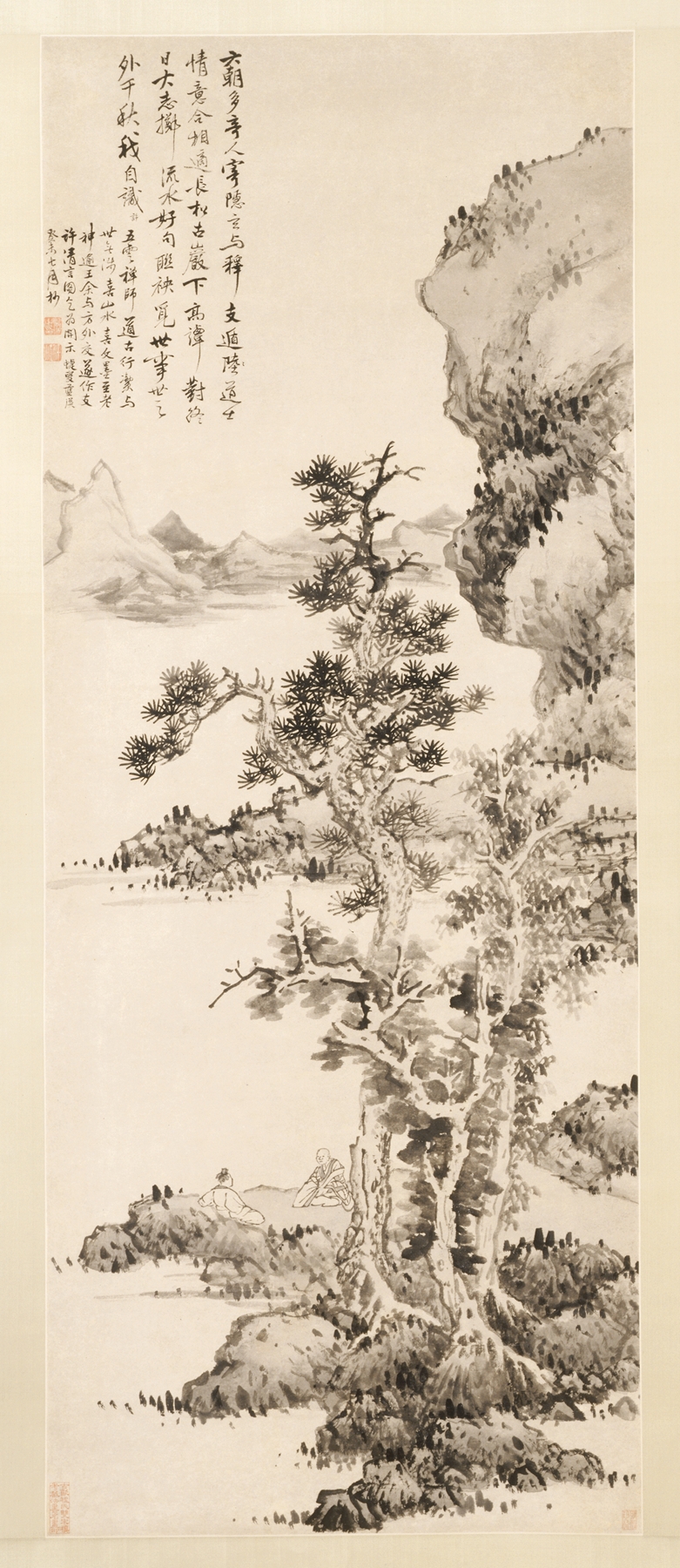
Is this a mirror — or a memory? In the delicate strokes and ethereal tones of this work, the viewer is drawn into a world steeped in nostalgia, evoking the bittersweet ache of remembrance. Focus on the soft, undulating hills that roll across the canvas, where the muted greens and blues blend seamlessly, creating an almost dreamlike landscape. Notice how the ink flows gracefully, guiding your eyes from the tranquil water at the foreground towards the distant mountains.
This composition, with its harmonious balance of light and shadow, hints at a serene yet melancholic atmosphere, reminiscent of ancient scrolls that whisper stories of days long past. Delve deeper, and you'll uncover layers of emotion woven into the fabric of the landscape. The serene water reflects not just the physical world, but the inner turmoil of loss and longing. Trees, rendered with masterful simplicity, stand as silent witnesses to the passage of time, symbolizing resilience amidst grief.
Each brushstroke serves as a reminder that beauty often coexists with sorrow, and the viewer is left to contemplate the delicate balance of memory and forgetting. In 1642, during the late Ming dynasty, when this piece was created, Lan Ying found himself amidst a cultural renaissance, yet faced personal struggles that influenced his work. This period marked a time of artistic exploration, with traditional styles being reinterpreted, as artists sought to express profound personal themes against a backdrop of societal change. Here, the landscape becomes a canvas for both beauty and loss, reflecting Lan Ying's journey as an artist navigating through the complexities of life.