Landscape in Wysoki Kościół — History & Analysis
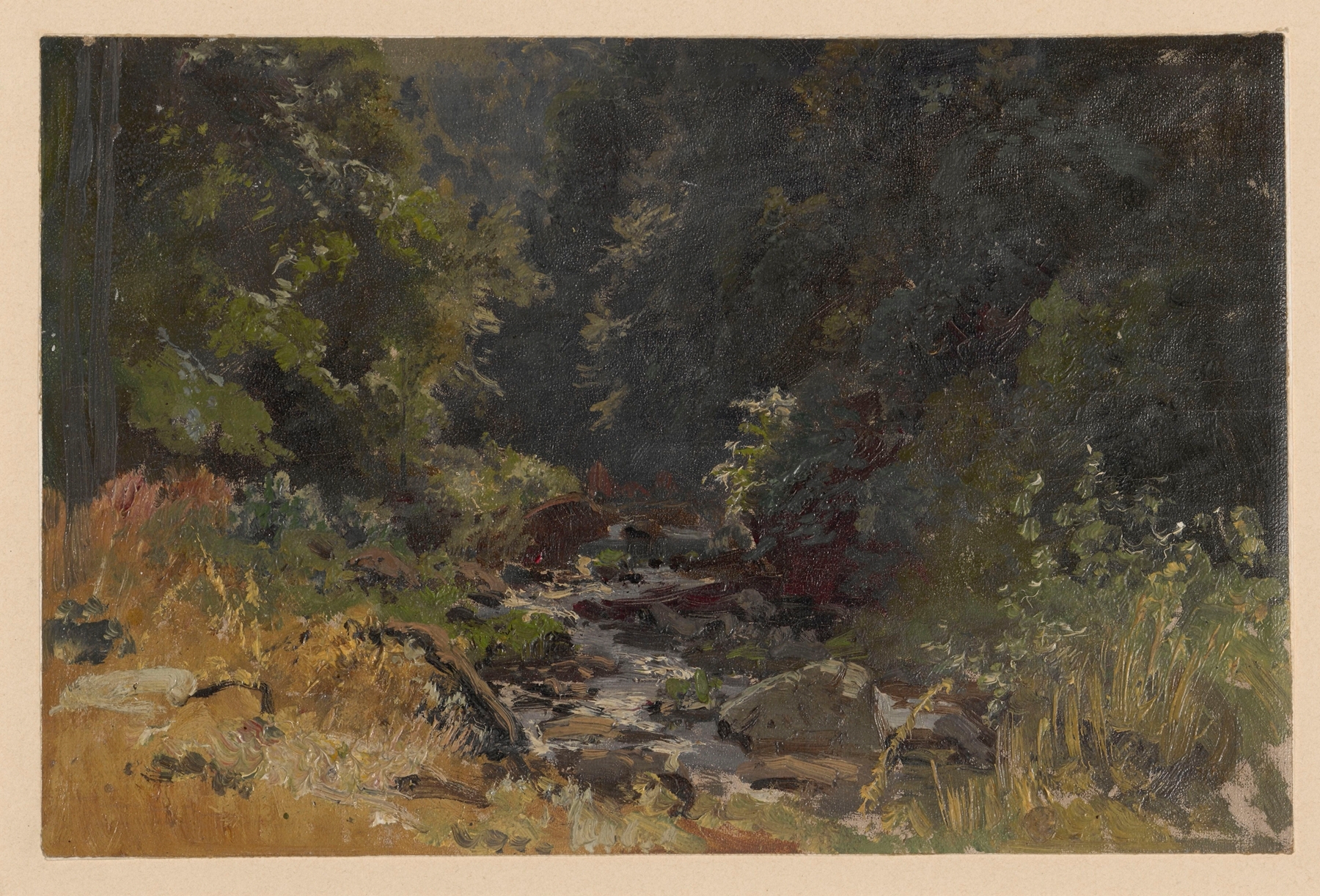
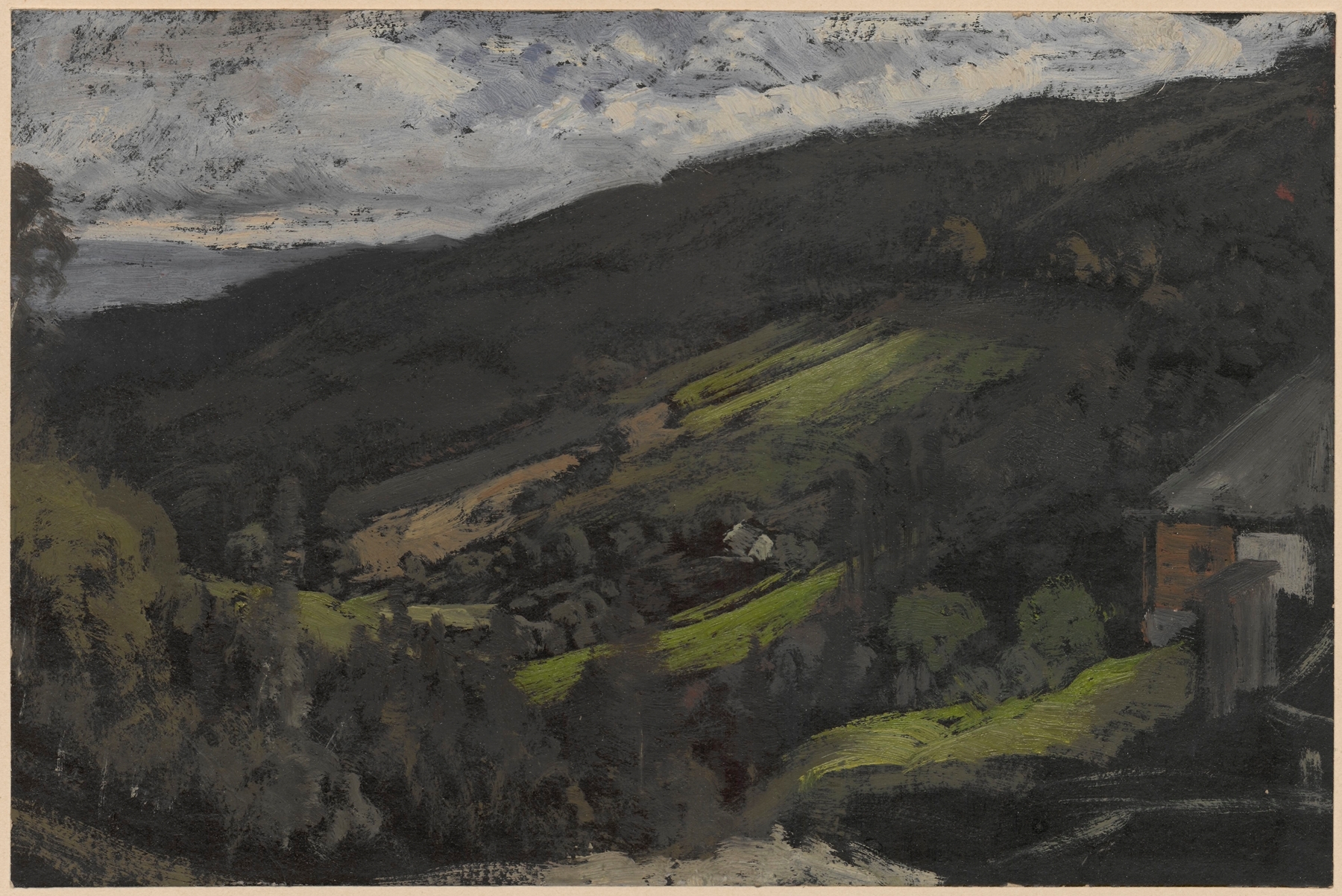
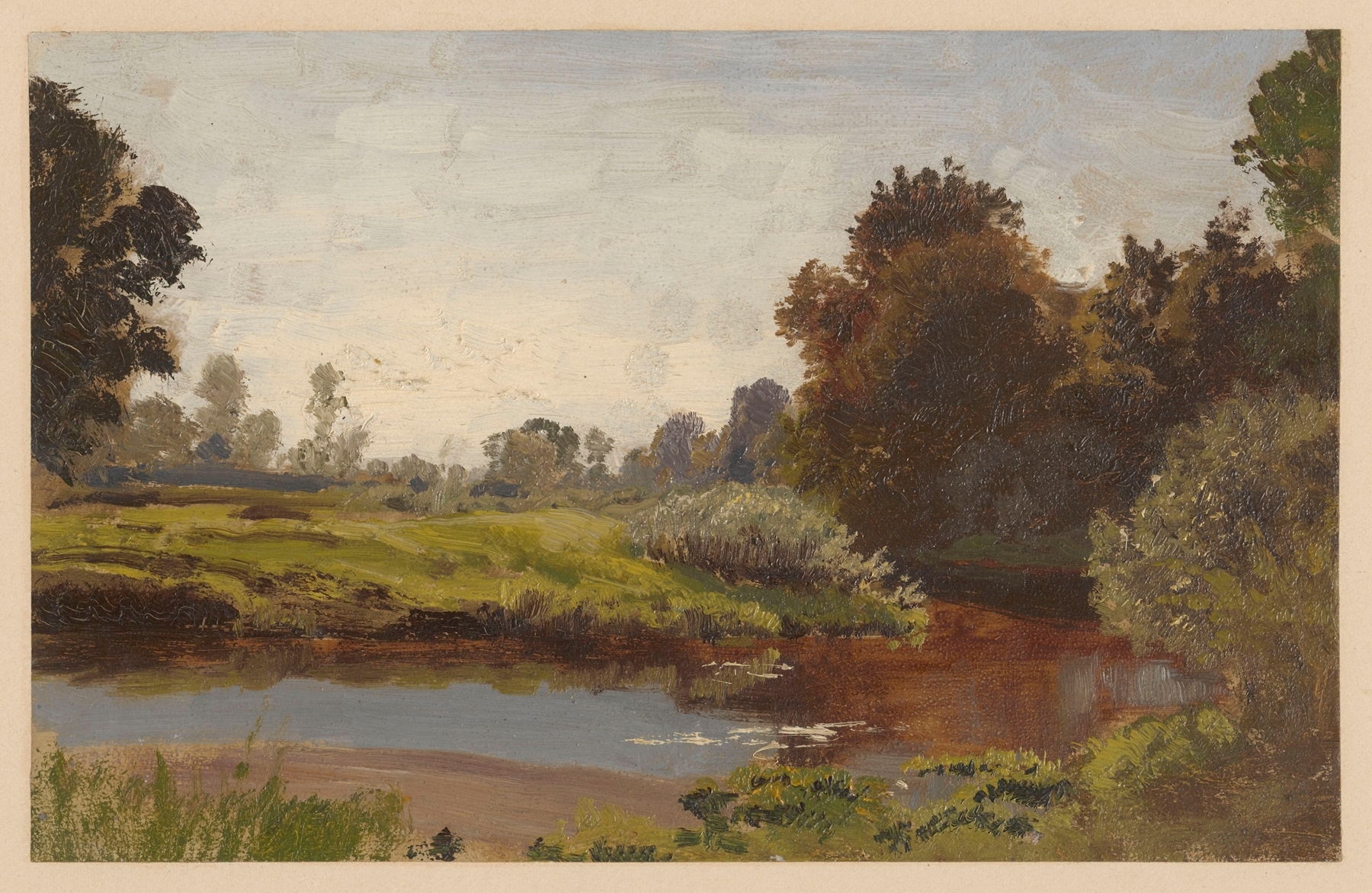
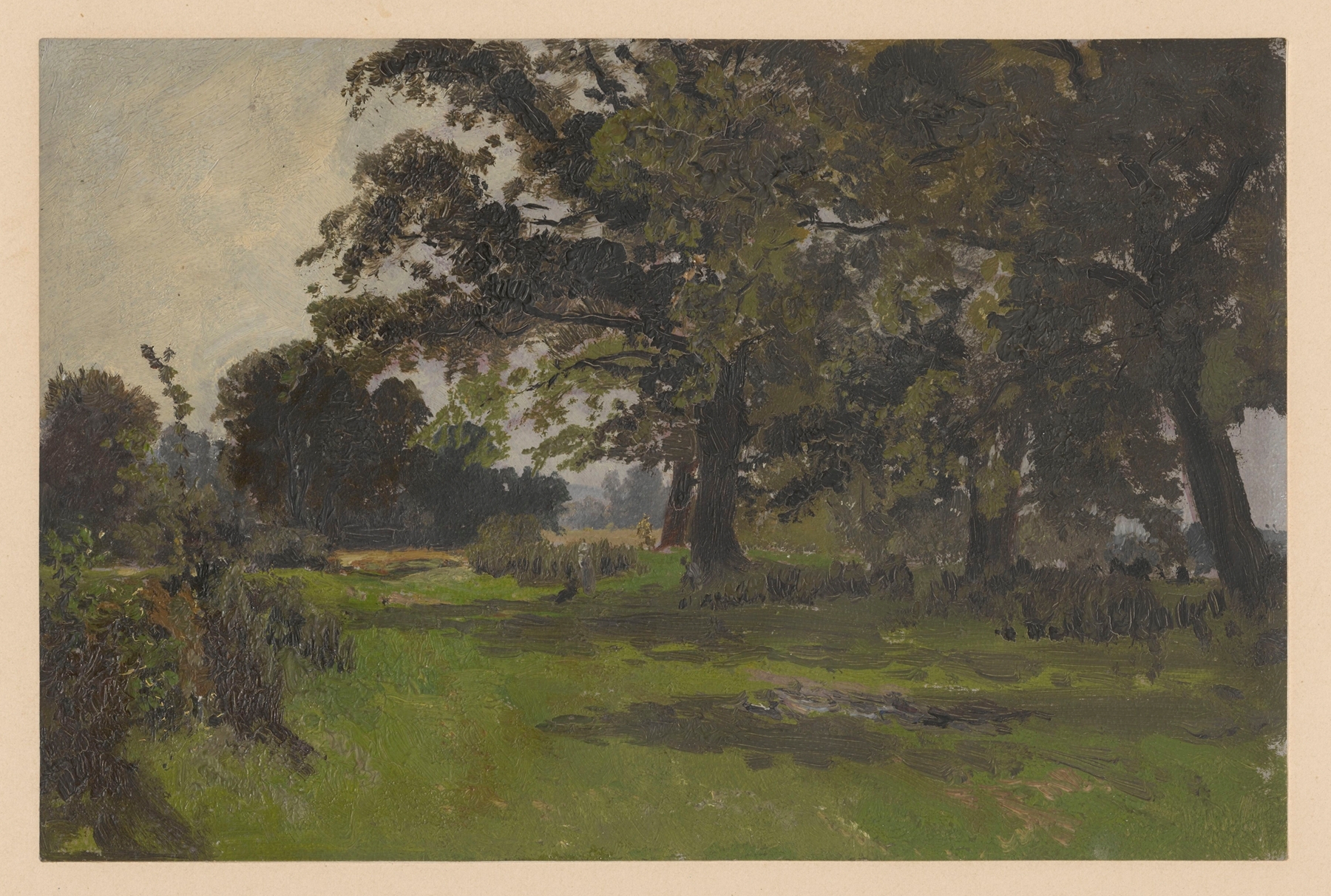
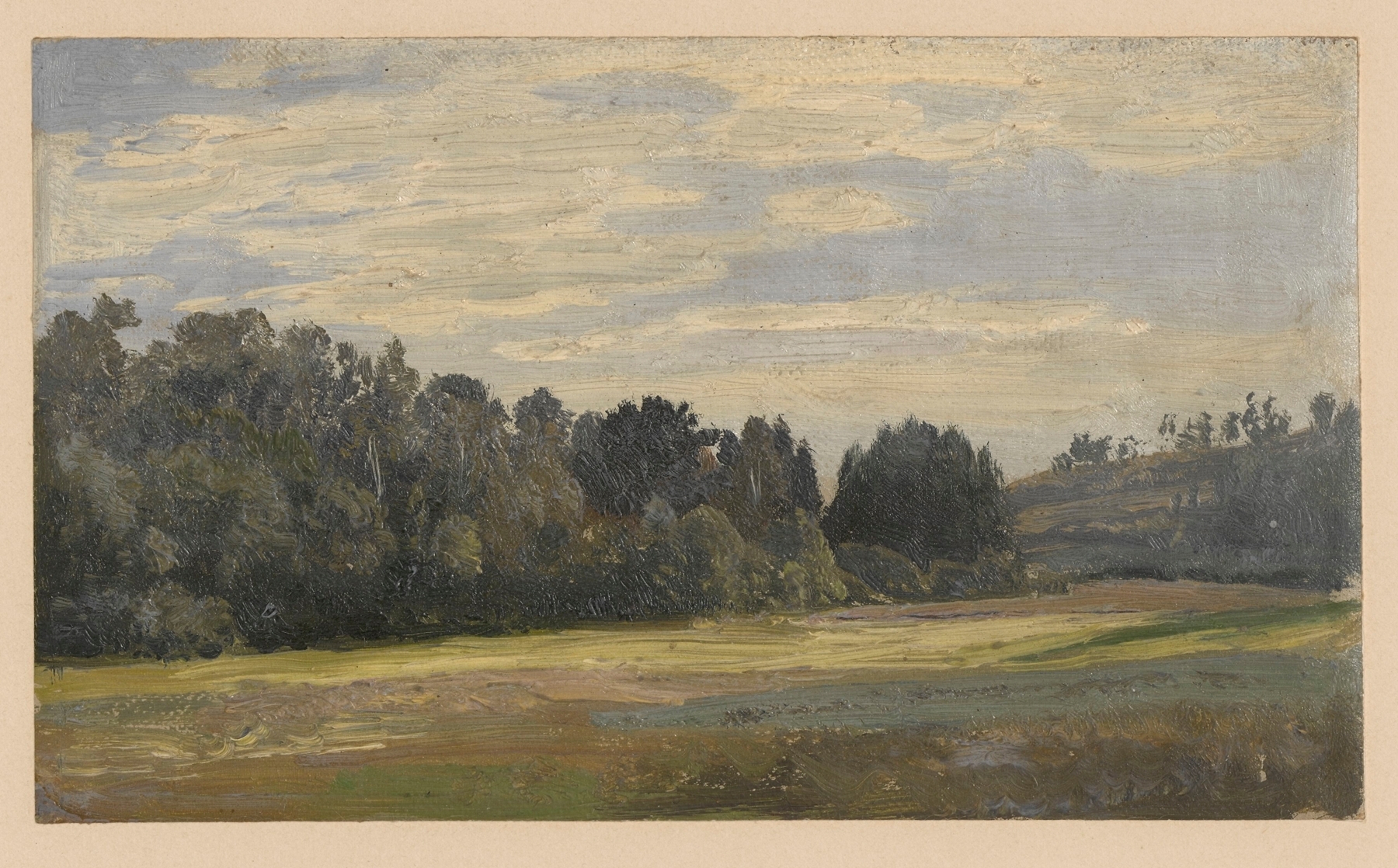
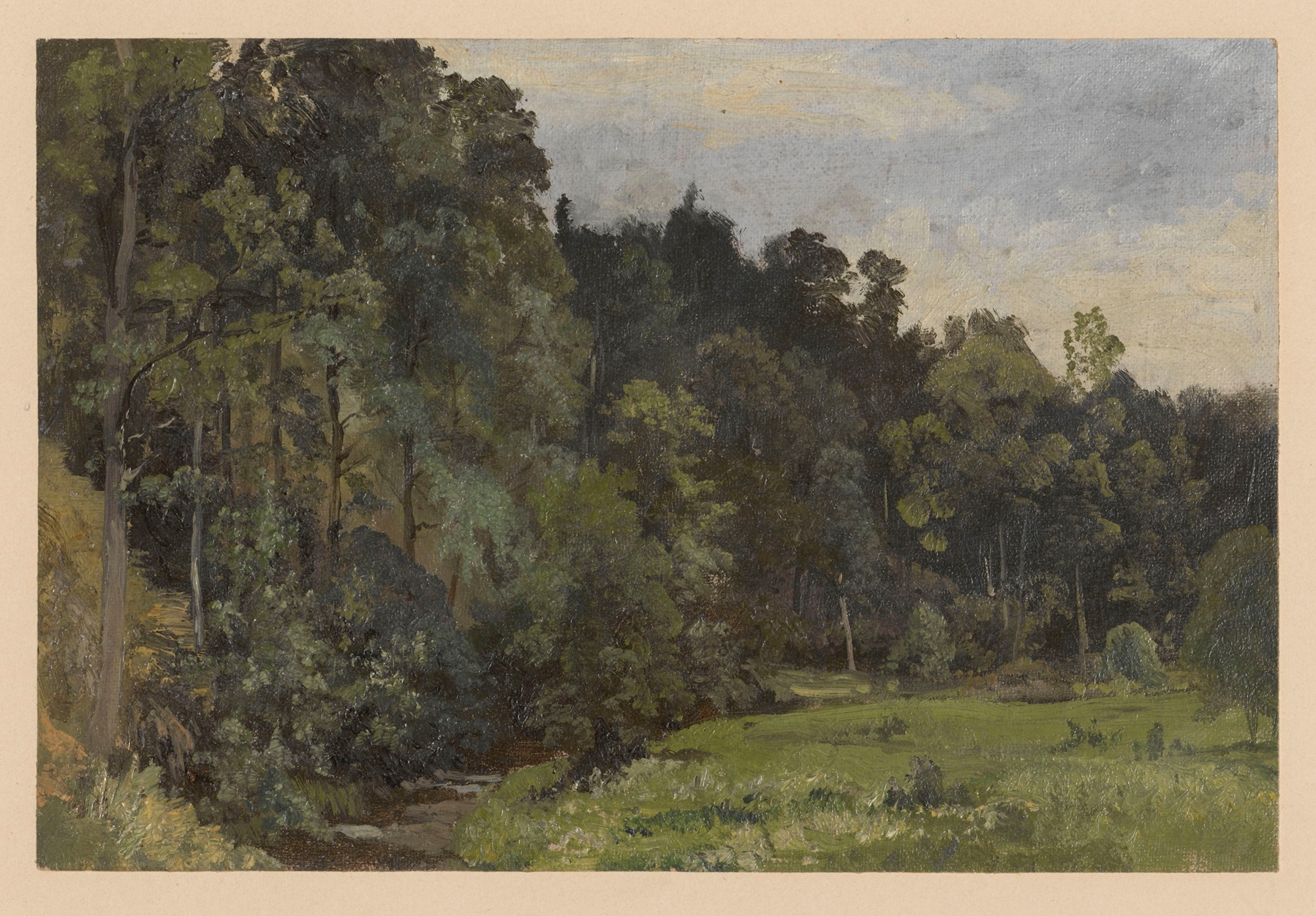
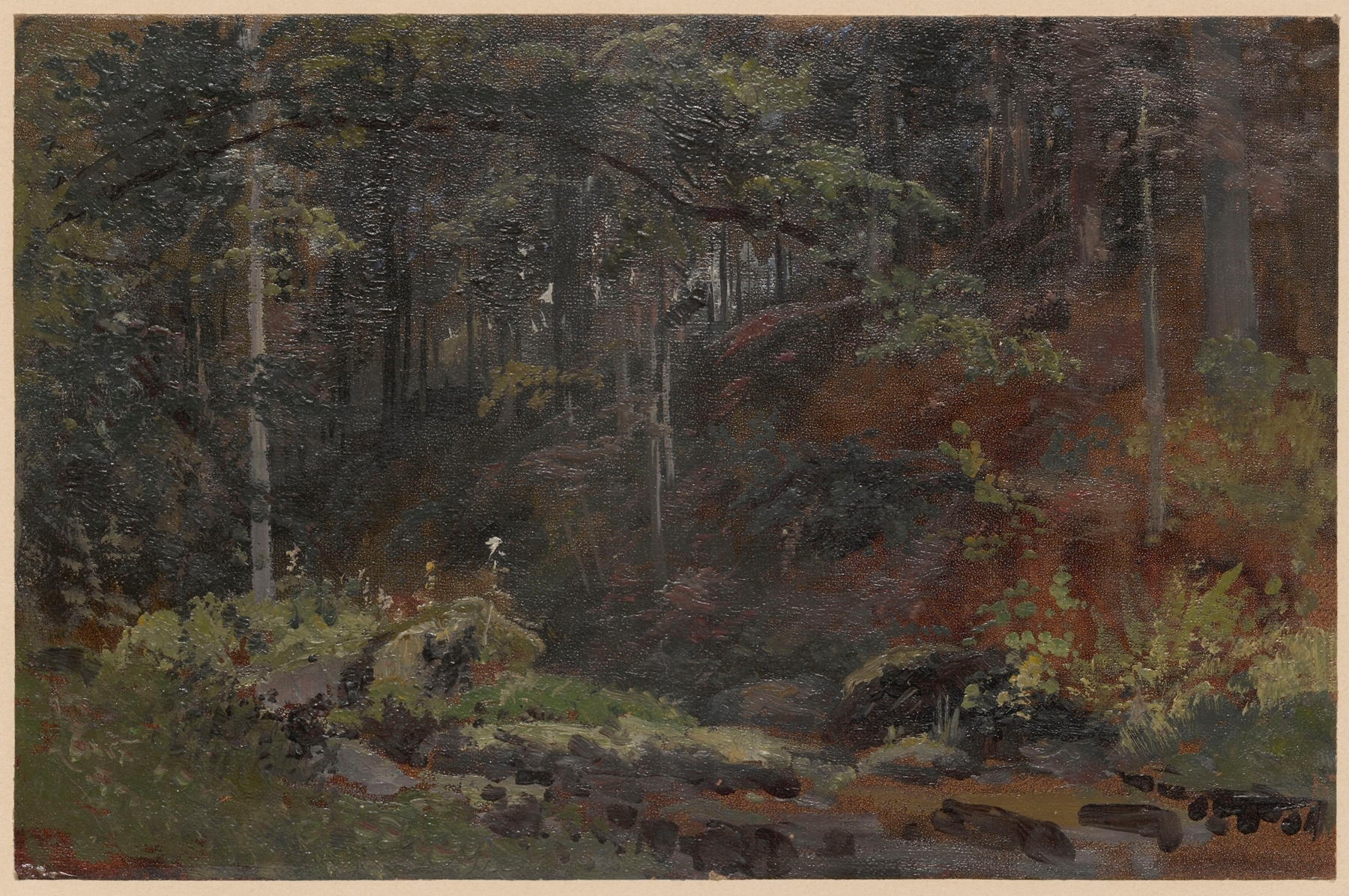
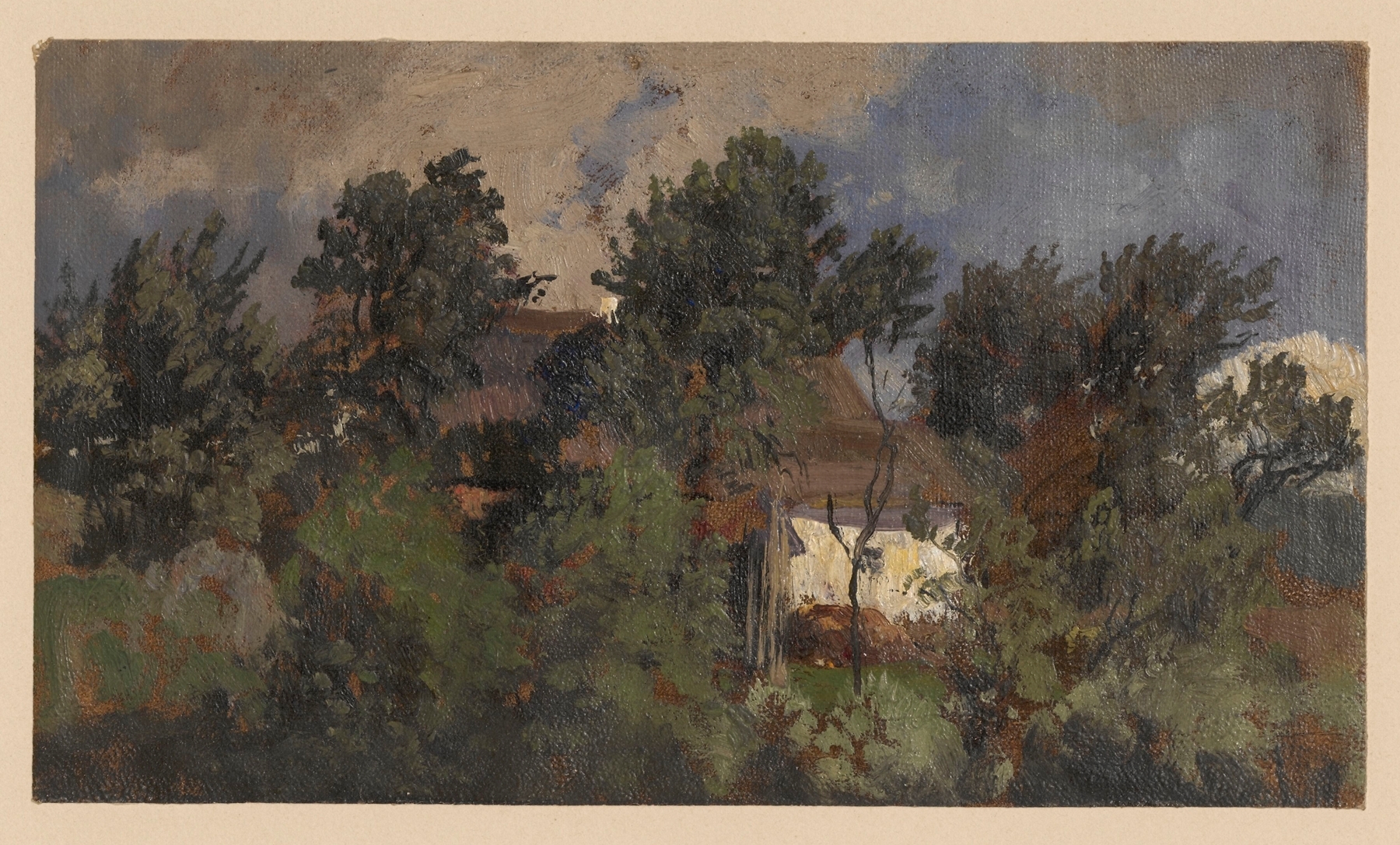
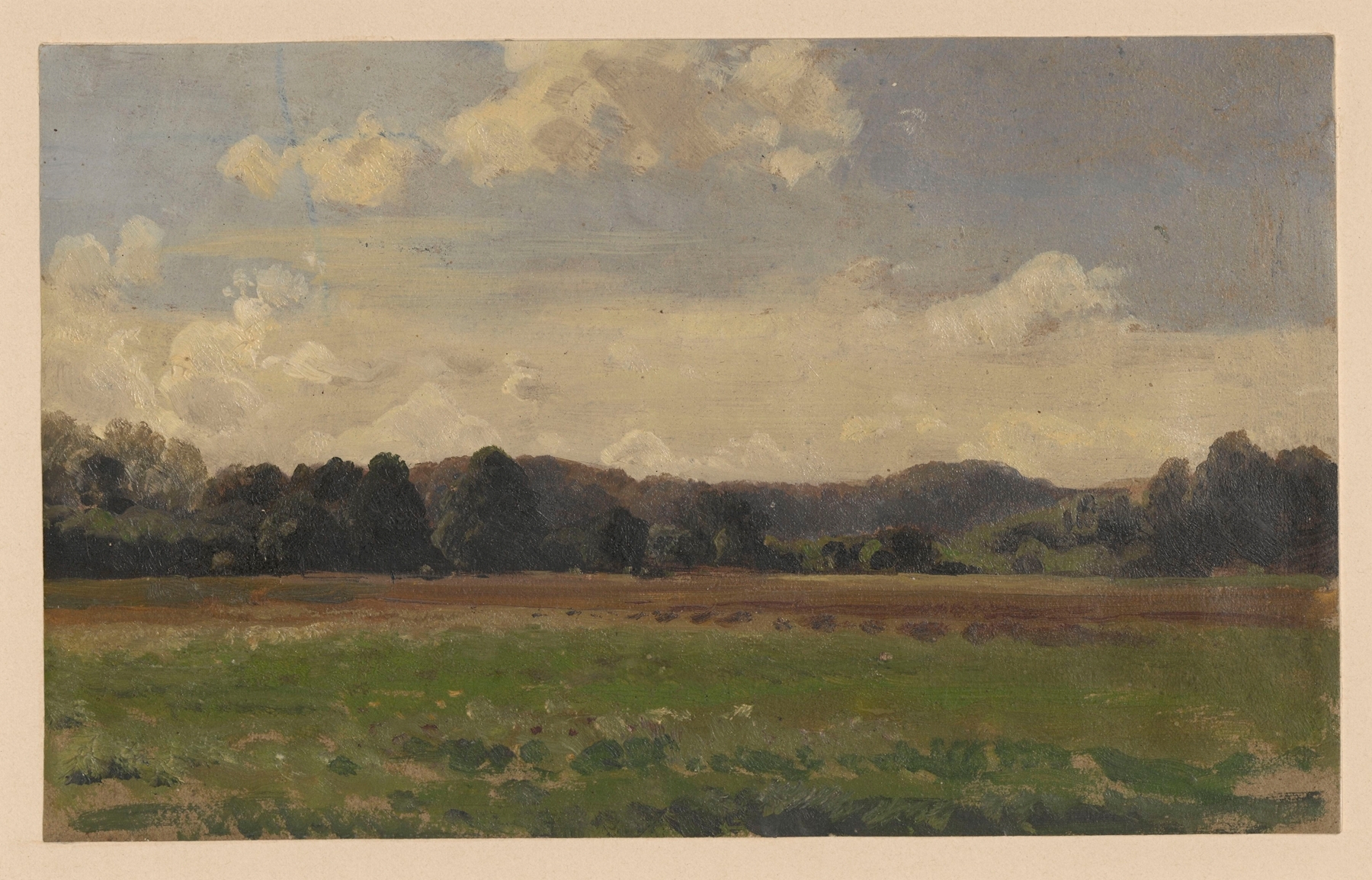
Did the painter know this moment would outlive them? In Landscape in Wysoki Kościół, the fleeting embrace of light and shadow beckons us to ponder the eternal amidst the ephemeral. Focus on the soft gradients of twilight that stretch gracefully across the canvas. The gentle hues of green and gold merge seamlessly, creating an idyllic countryside that invites the viewer to step inside.
Immediately, your gaze is drawn to the elongated shadows cast by the trees, their dark silhouettes contrasting with the luminescent sky. The deft brushwork captures not just the scene, but also the whisper of the wind, hinting at the life that thrives just beyond the painted surface. Yet, within this serene landscape lies a tension between light and shadow, a dialogue of presence and absence. The shadows do not merely stretch; they narrate the passage of time, suggesting moments lost and memories lingering.
The way the sunlight dapples the foreground suggests intimacy, while the looming shadows in the background evoke a deep sense of solitude, inviting reflection on what lies hidden from view. During the years between 1850 and 1881, Dressler was immersed in the Romantic tradition, painting landscapes that captured the beauty of nature and the human experience. He worked in Poland during a time of significant political change, where the commingling of national identity and personal expression was paramount. This period saw a rise in the appreciation for landscape painting, and Dressler's work reflected both the picturesque and the profound, marking him as a significant figure in the art of his time.