Landscape with a Gipsy camp — History & Analysis
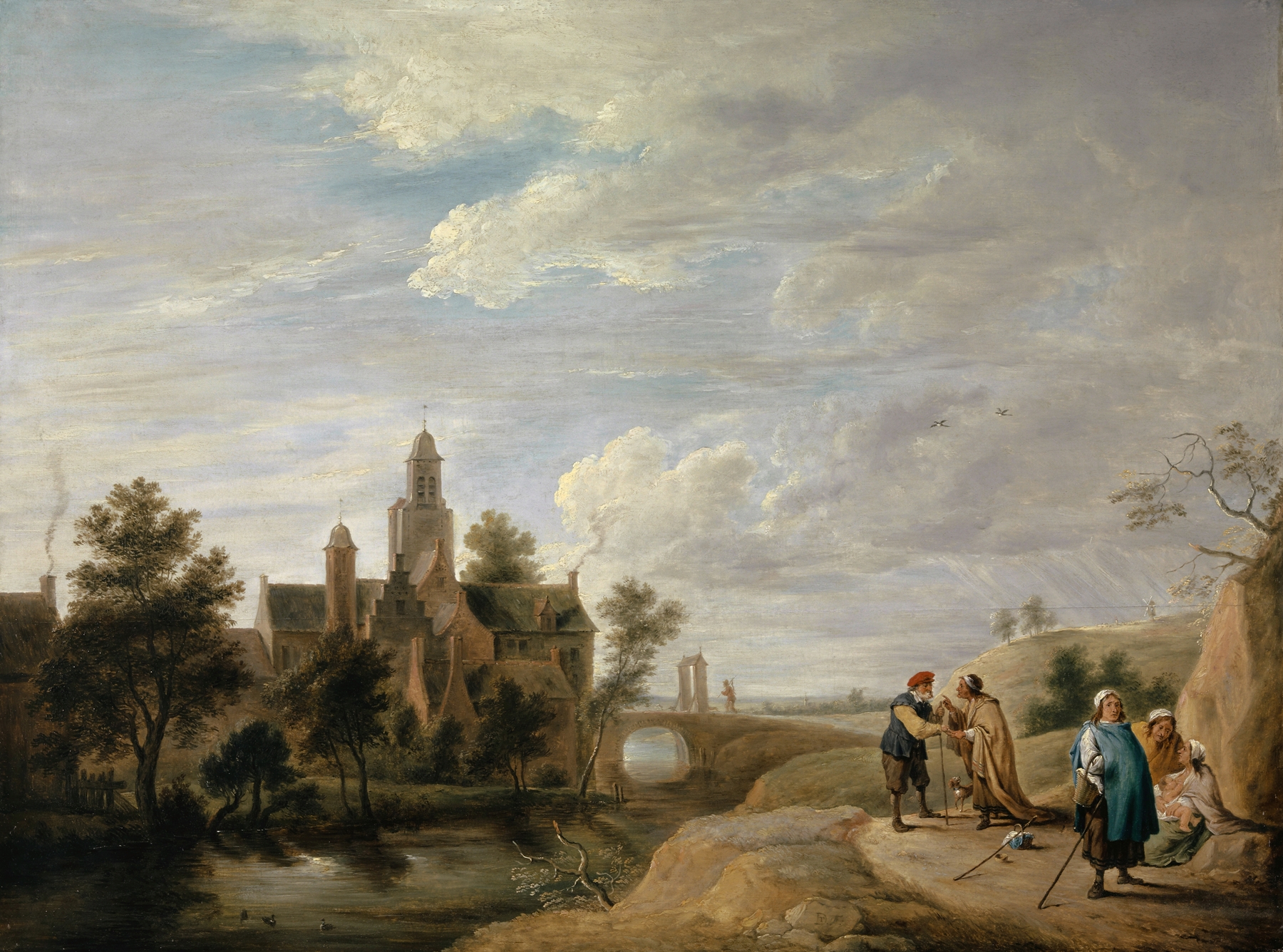
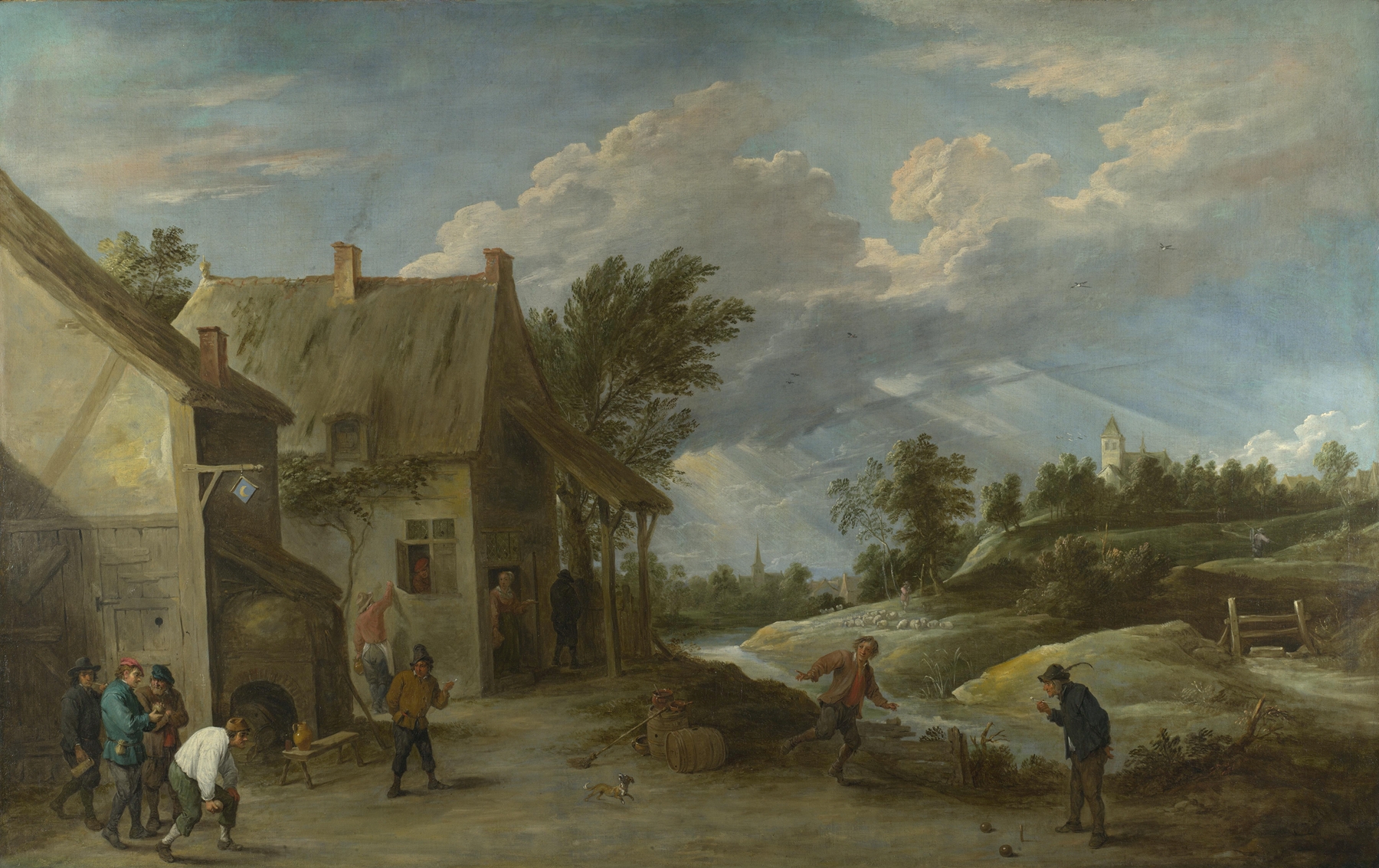
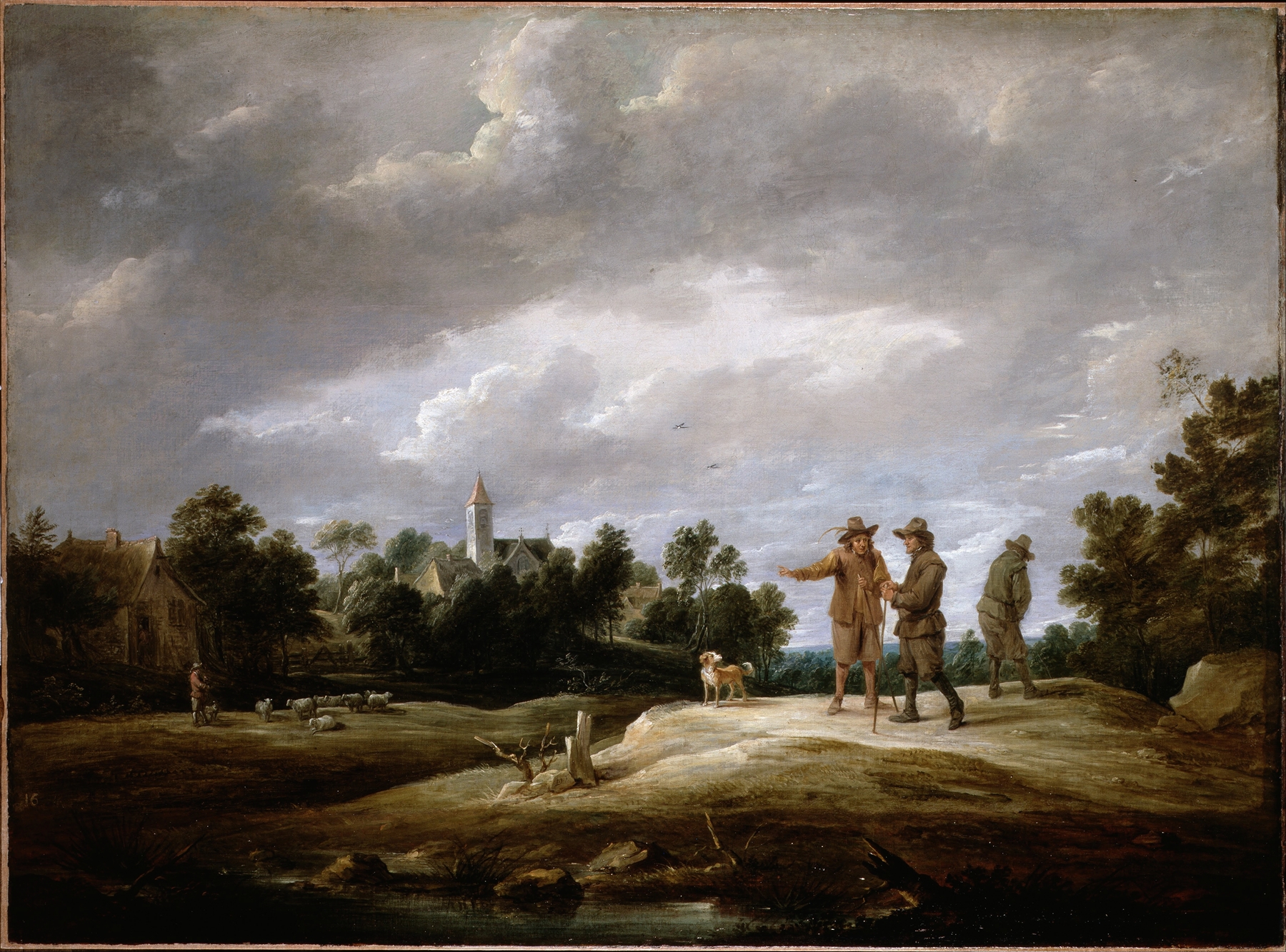
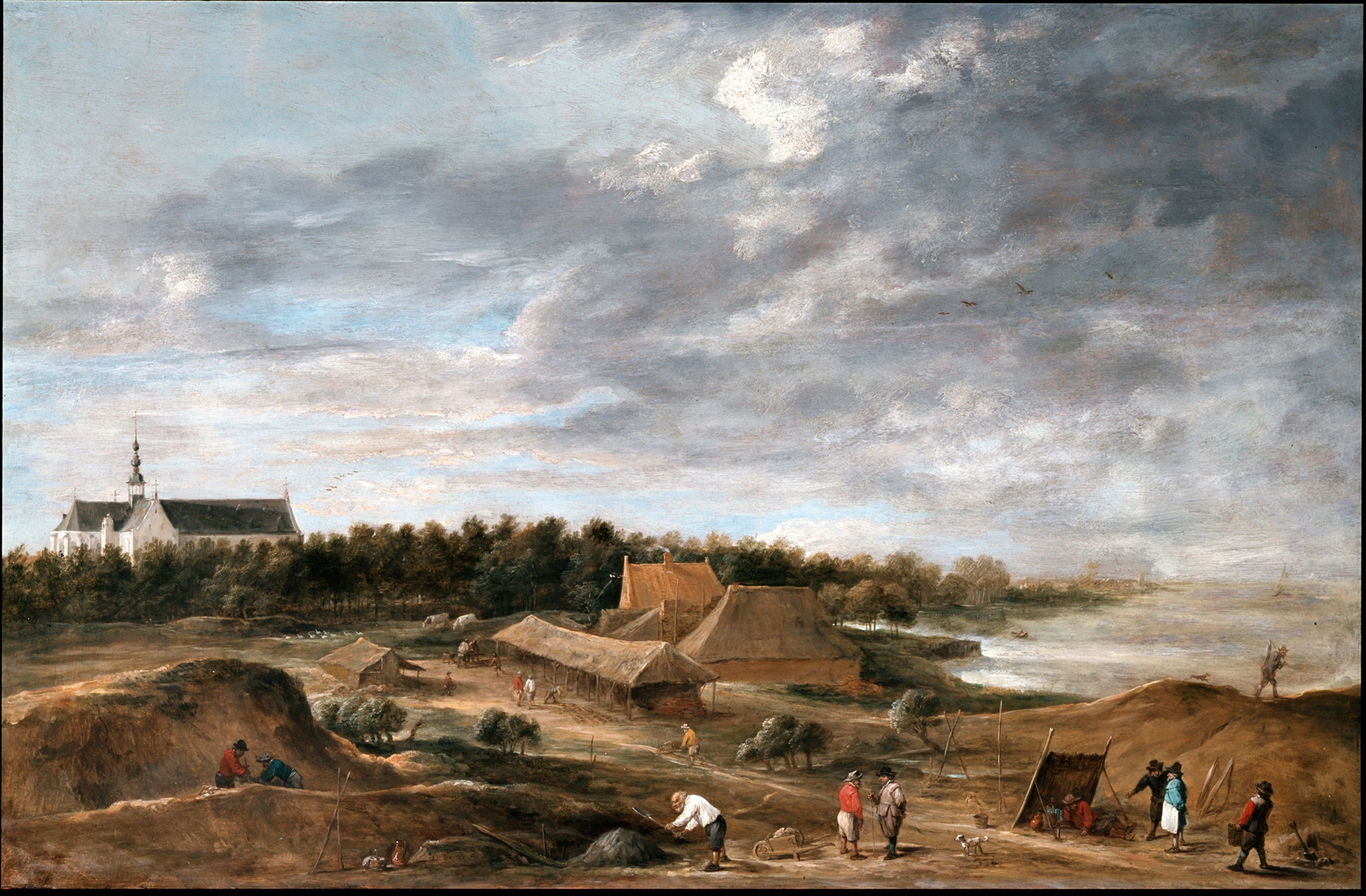
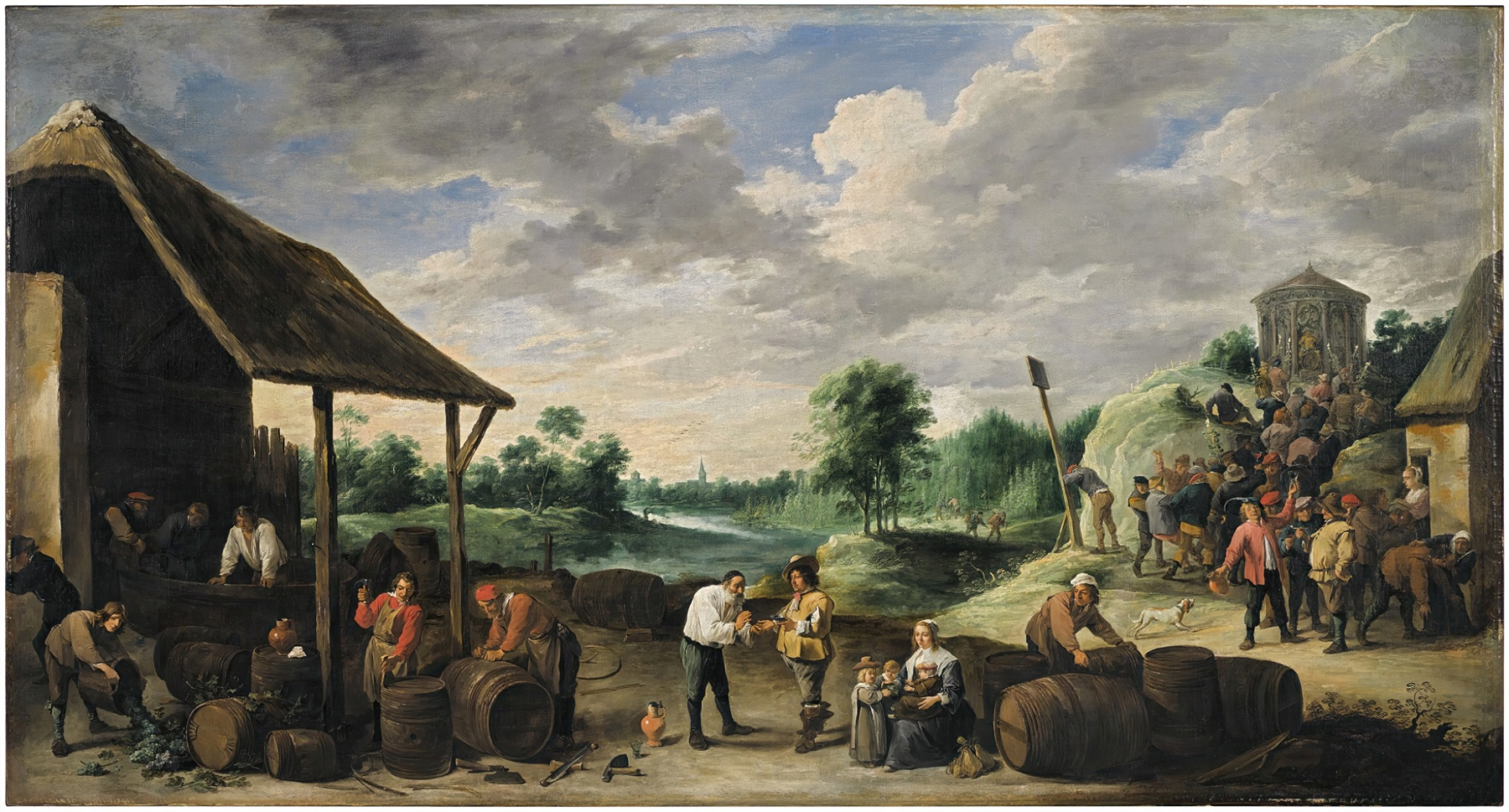
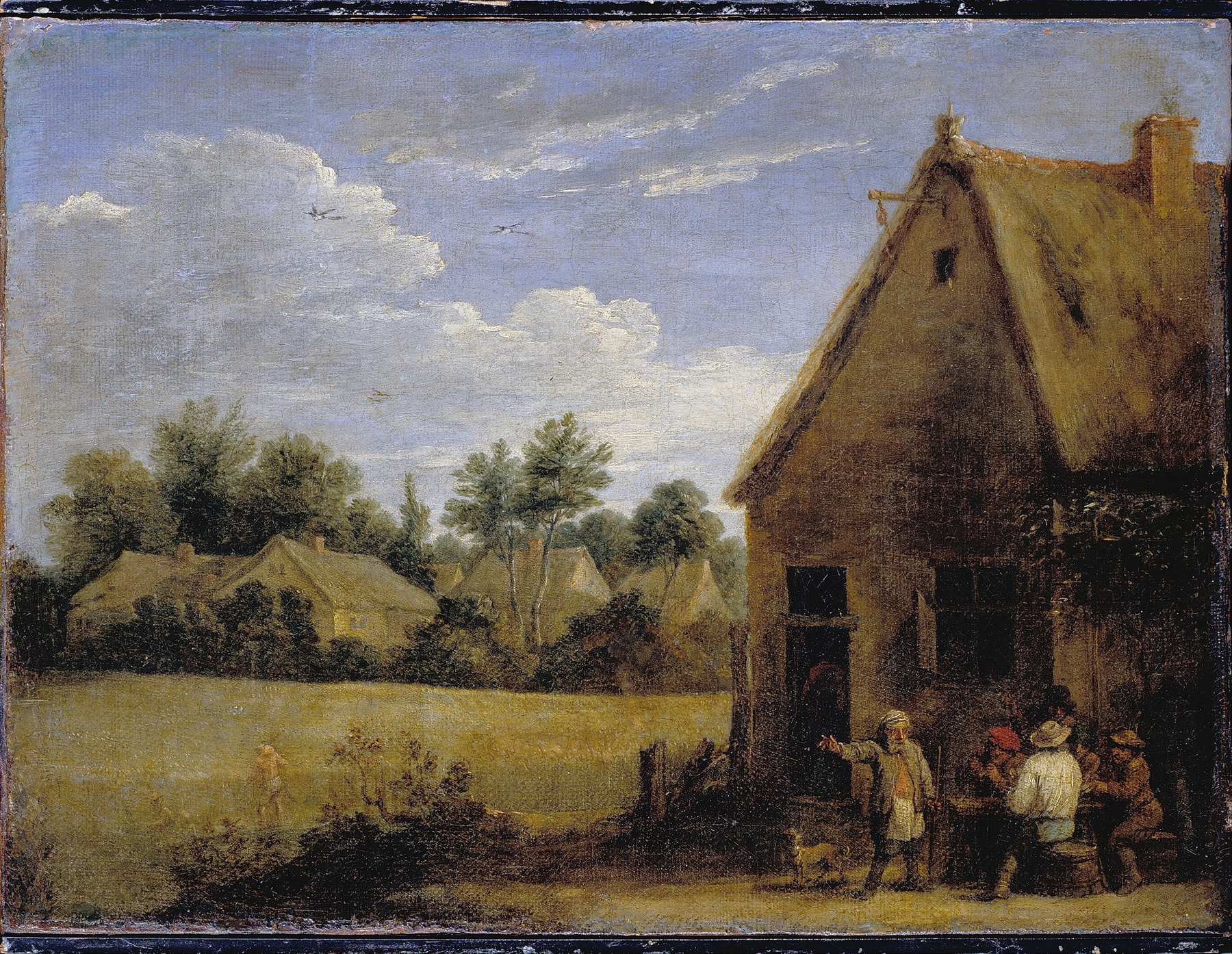
Who listens when art speaks of silence? In Landscape with a Gipsy Camp, whispers of nature intertwine with the quiet of human presence, inviting contemplation on the delicate balance between harmony and chaos. Look to the left at the gentle curve of a distant hill, its soft green hues embracing the horizon. The camp is nestled beneath a canopy of trees, where a warm light bathes the scene, illuminating the vibrant reds and browns of the gipsy tents.
The artist’s deft brushwork captures the interplay of light and shadow, guiding your gaze through the nuances of color and texture. The subtle detailing of figure and flora coexists, revealing an intricate composition that feels both spontaneous and deliberate. Beneath its pastoral beauty, the painting hints at deeper layers of coexistence and transient life. The gipsies, depicted in quiet activity, embody freedom yet evoke a sense of impermanence, as if they are both a part of the landscape and inherently separate from it.
The contrast between vibrant life and the tranquil surroundings speaks to the fragility of human existence against the vastness of nature, reminding us that every moment is woven into the fabric of the world. In 1641, David Teniers the Younger painted this piece in Flanders, a time when Baroque art was flourishing amidst political upheaval and social transformation. His focus on genre scenes and landscape reflected a growing interest in everyday life, capturing a world where the natural and human realms converge. Teniers established himself as a leading figure in the depiction of pastoral scenes, deftly illustrating the complexities of rural existence while infusing them with a sense of serene timelessness.