Landscape with a Lake — History & Analysis
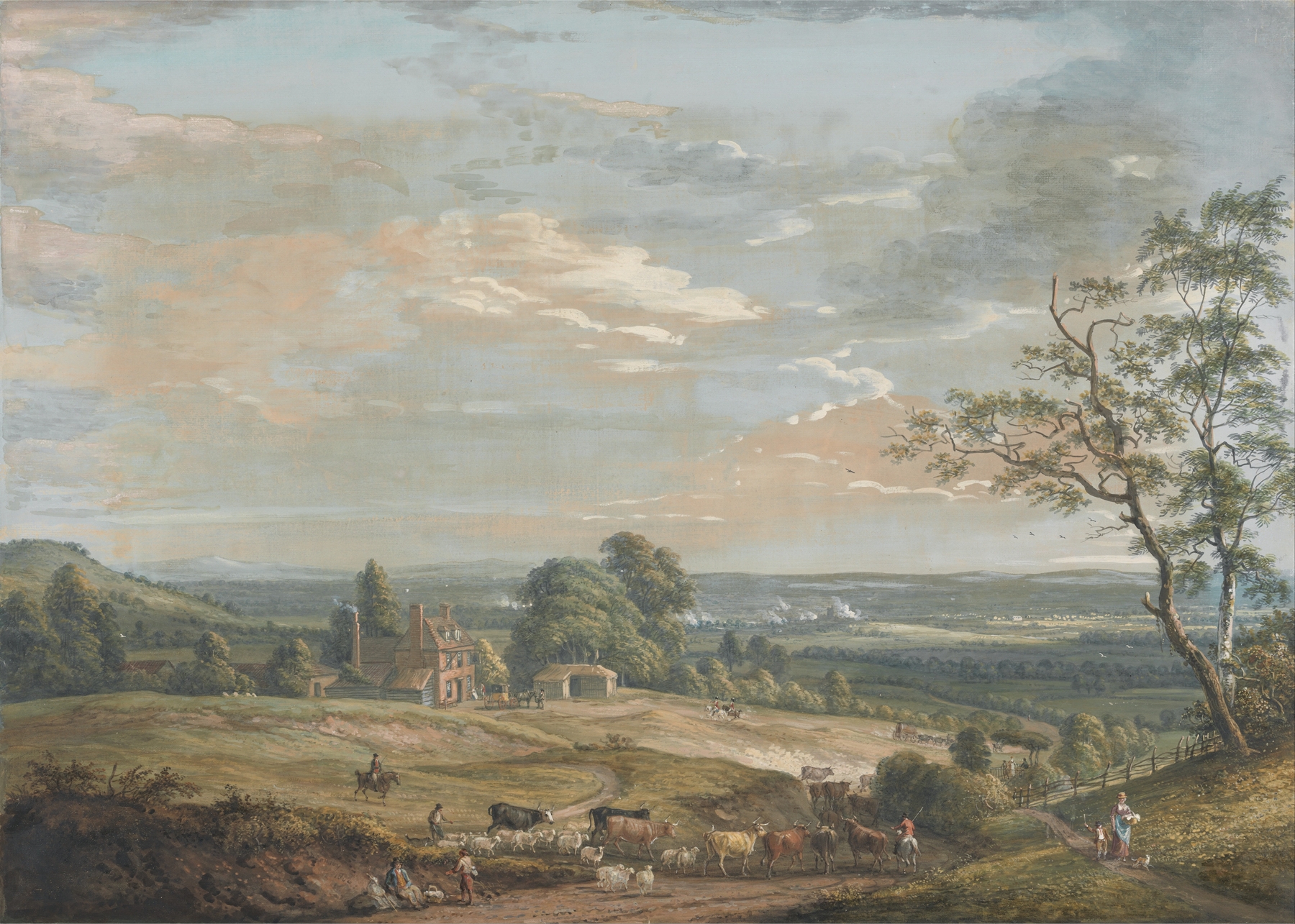
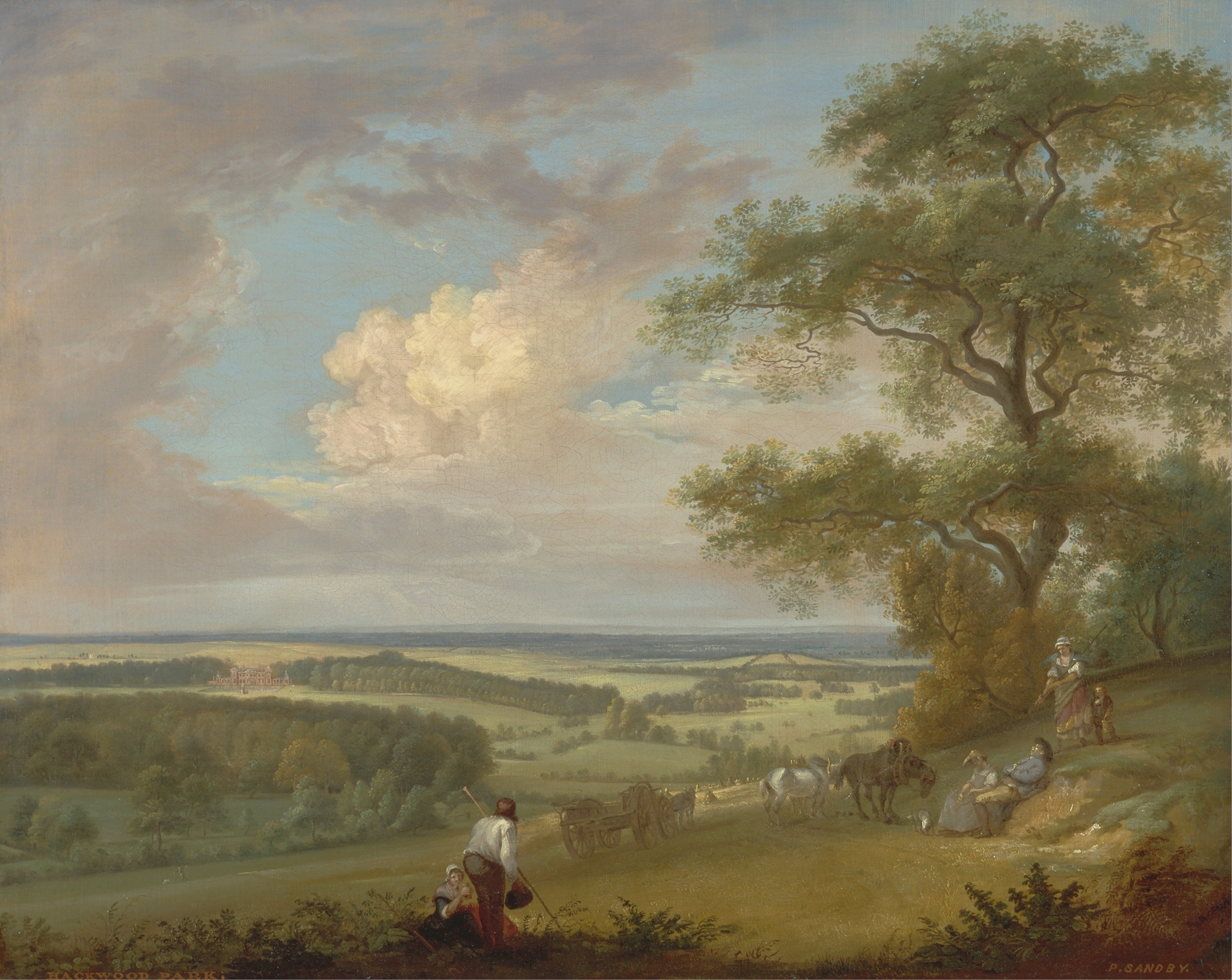
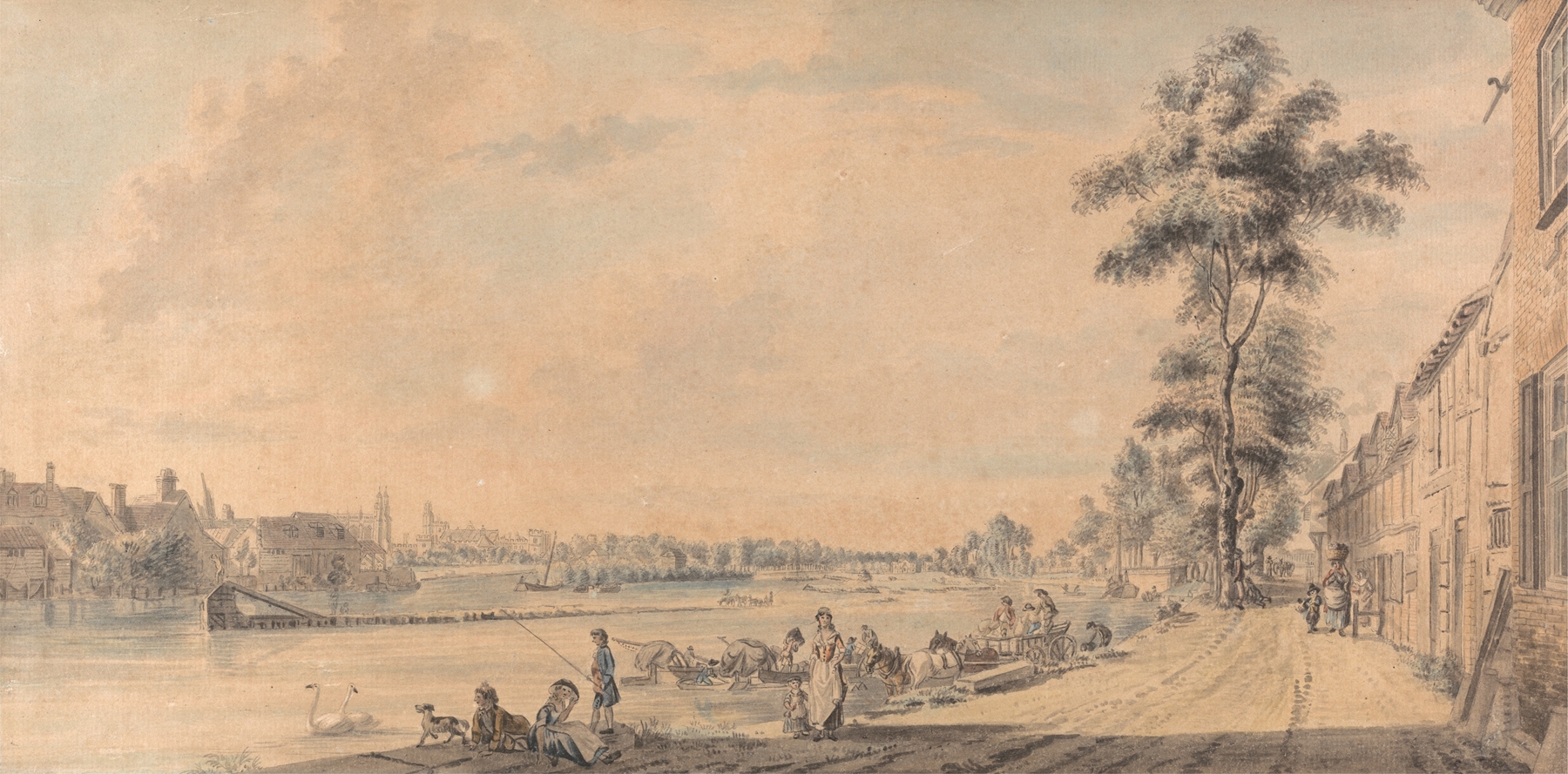
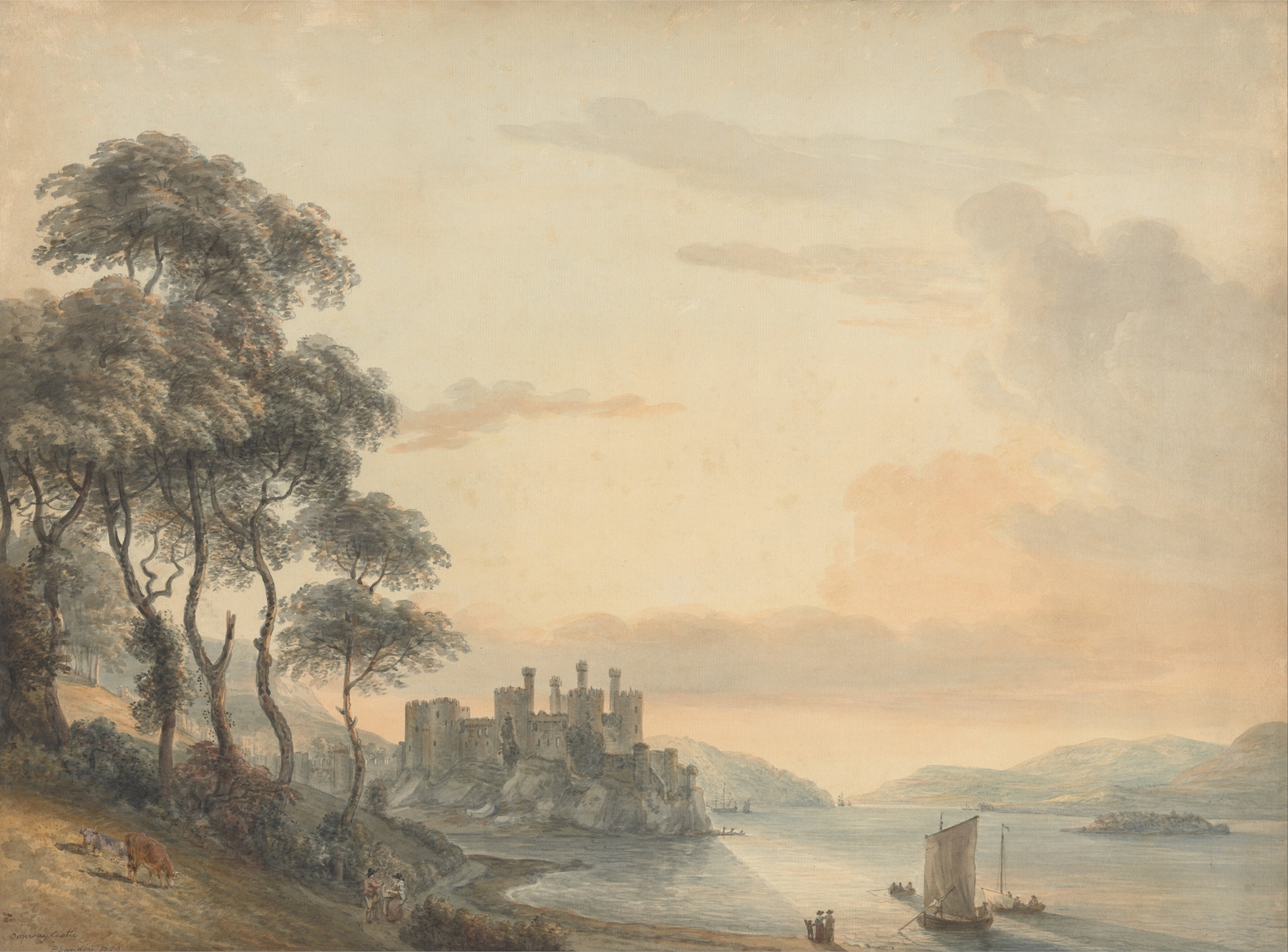
Could beauty survive in a century of chaos? The question lingers like a mist over a tranquil lake, inviting contemplation and sorrow in equal measure. Look to the center of the canvas where the lake mirrors a sky stretched wide, a reflection that feels both serene and haunting. The gentle ripples disrupt the stillness, each wave a whisper of grief shared between the earth and sky. Soft greens and blues dominate the palette, punctuated by hints of sunlight peeking through clouds, illustrating a delicate balance between light and shadow.
The painter’s brushwork is fluid, suggesting movement that contrasts with the stillness of the landscape, urging the viewer to explore its depths. Beneath the surface calm lies an undercurrent of emotional tension. The contrast between vibrant foliage and the muted sky speaks to a world caught between beauty and decay. Each tree, sturdy yet delicate, embodies resilience, while the encroaching clouds hint at inevitable change.
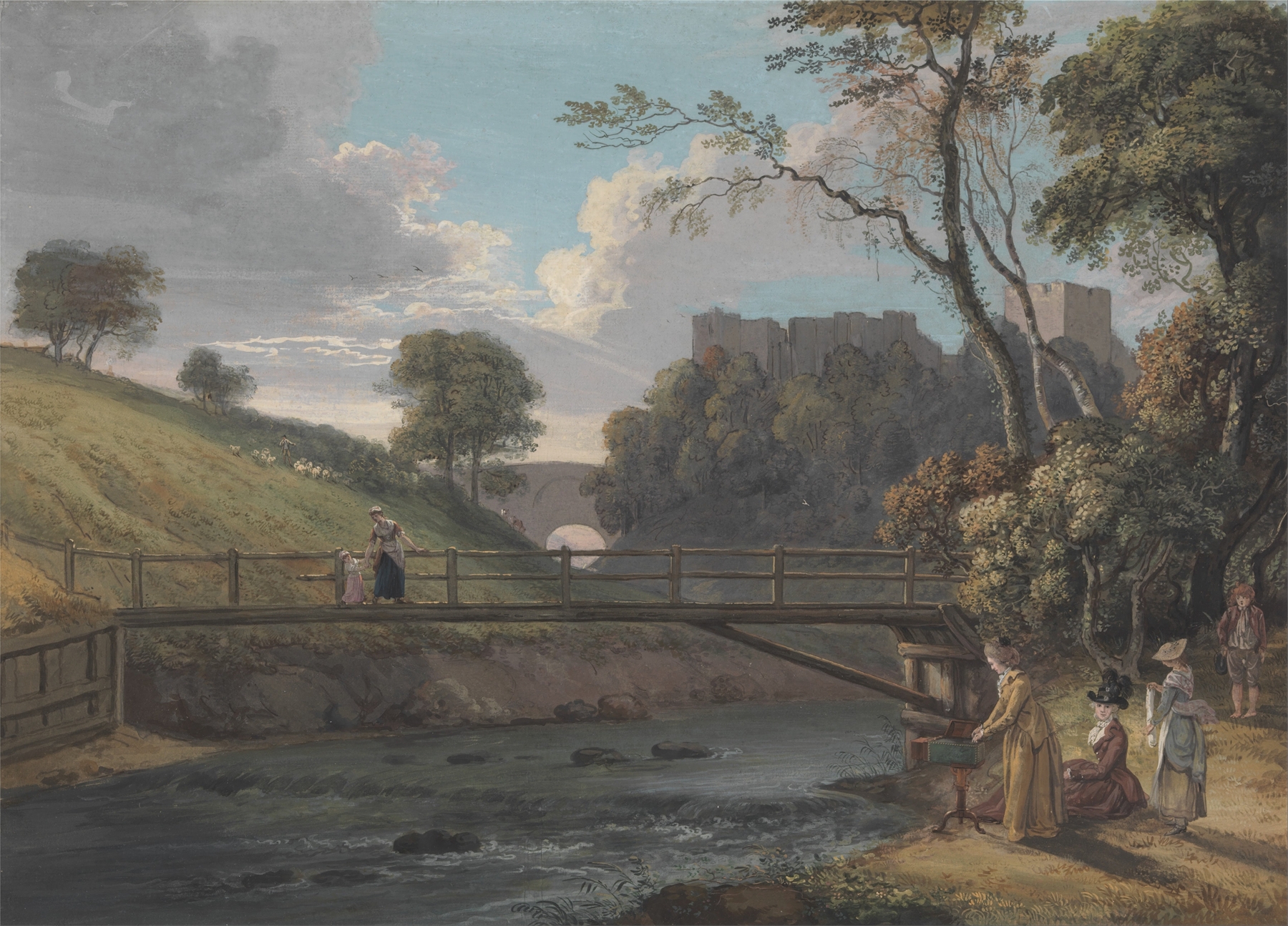
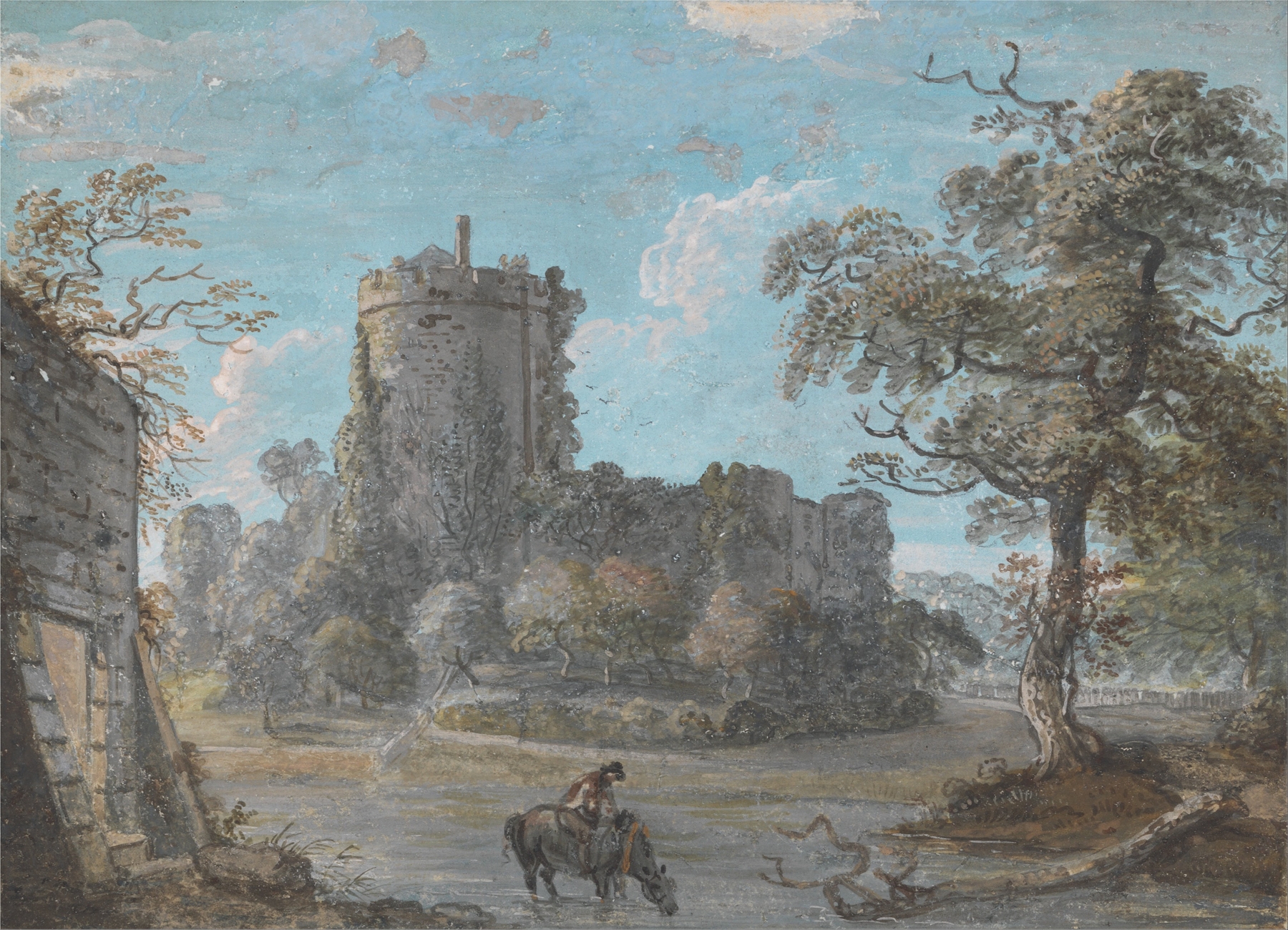
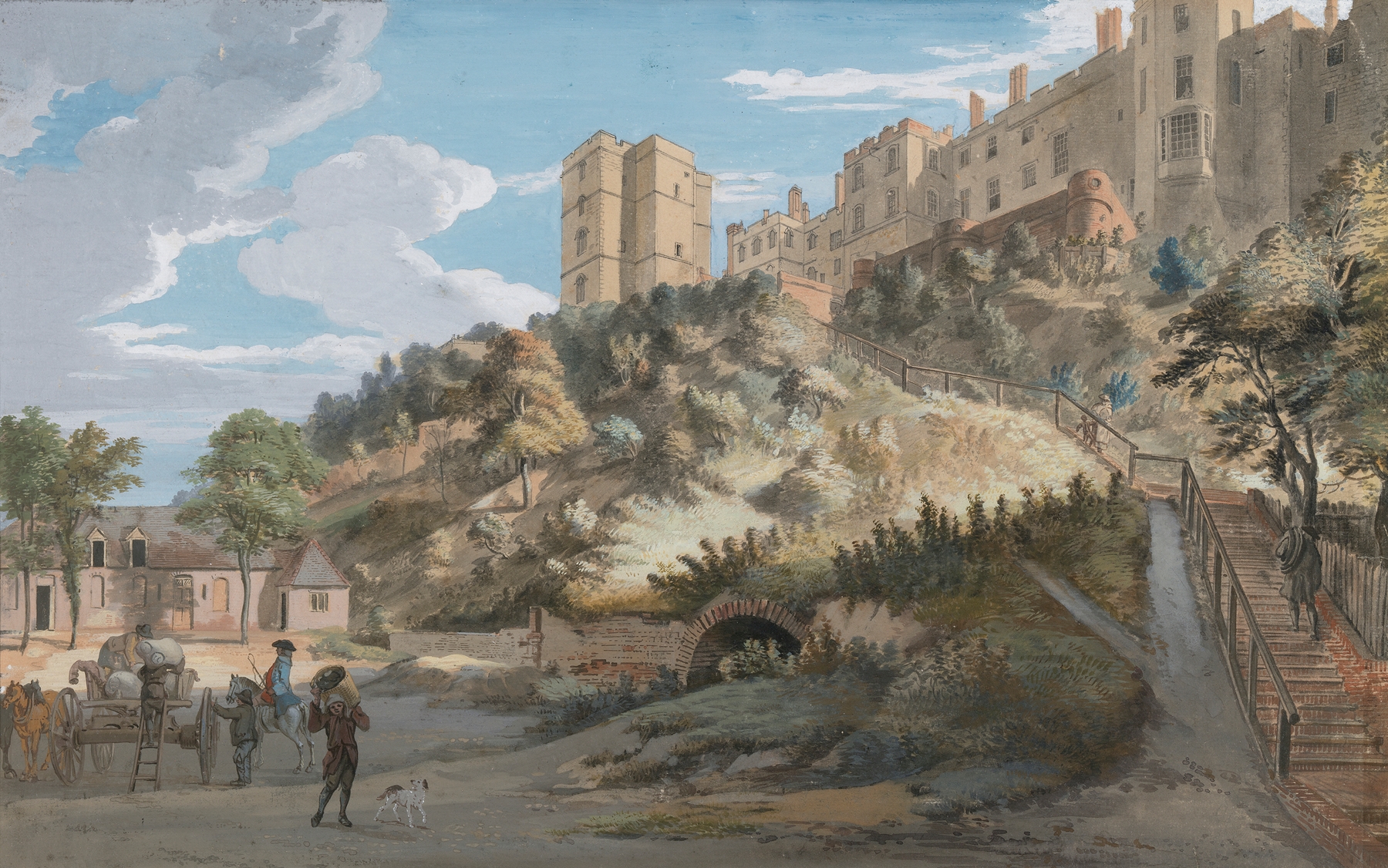
This tension allows the landscape to become a metaphor for human experience, an interplay of joy and grief, hope and despair, where nature bears witness to the passage of time and the weight of existence. Paul Sandby created this work during the late 18th century, a period marked by significant social upheaval and artistic evolution. As a prominent figure in British landscape painting, he was establishing a new genre that celebrated the natural world. Amidst the turmoil of his time, his landscapes offered a refuge, allowing viewers to escape, albeit momentarily, from the chaos of their lives and embrace the poignant beauty that still persisted in nature.