Landscape with a pond — History & Analysis
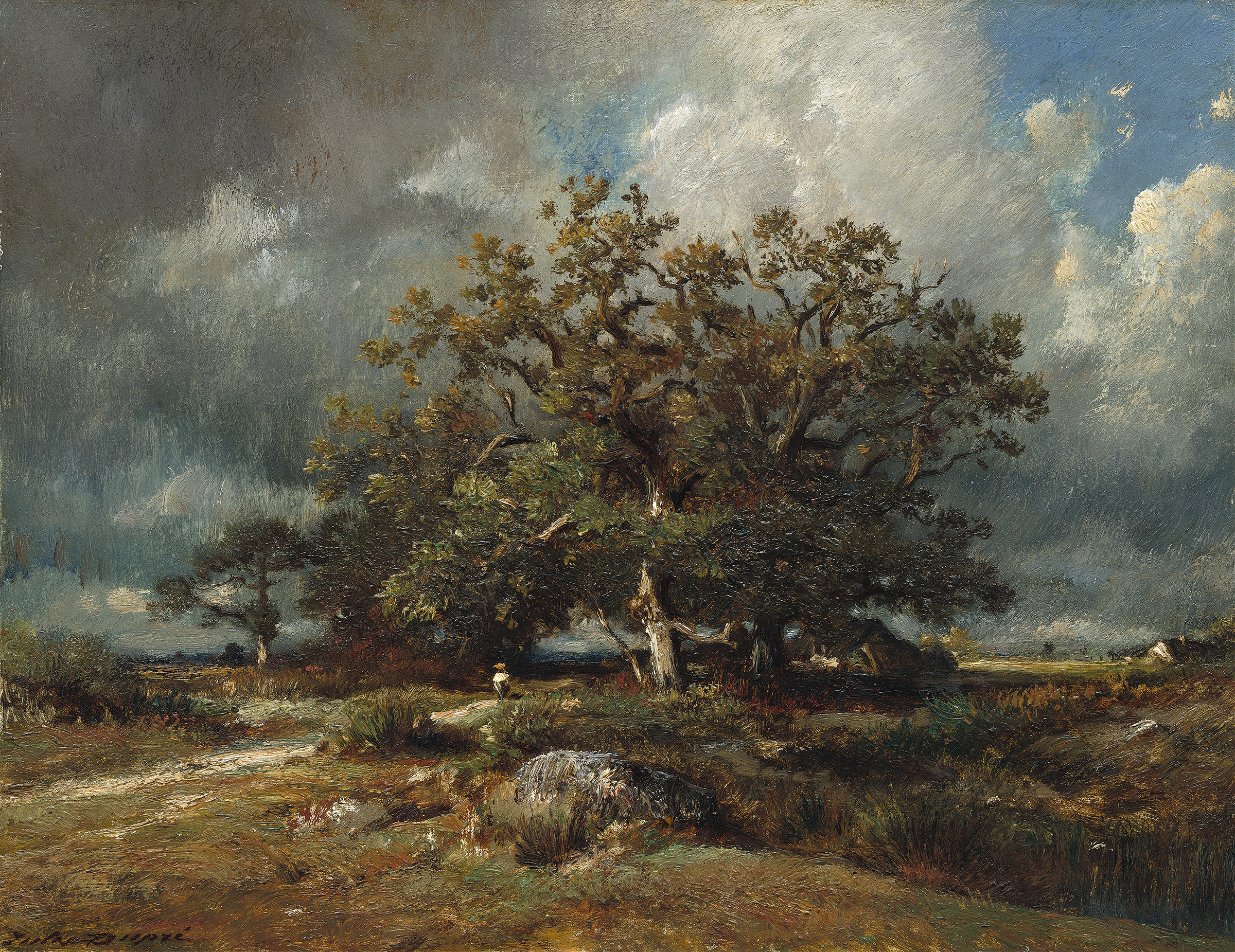
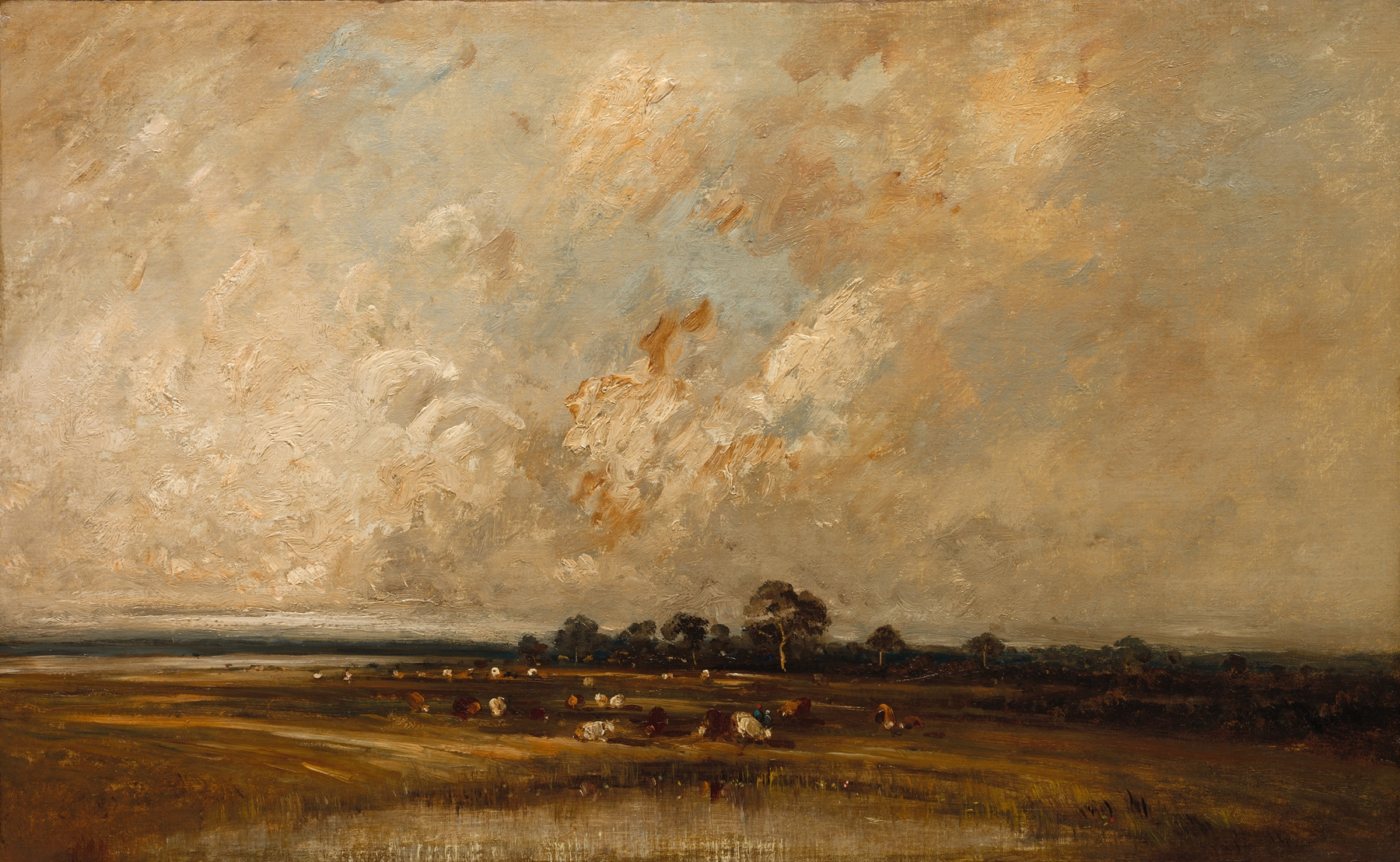
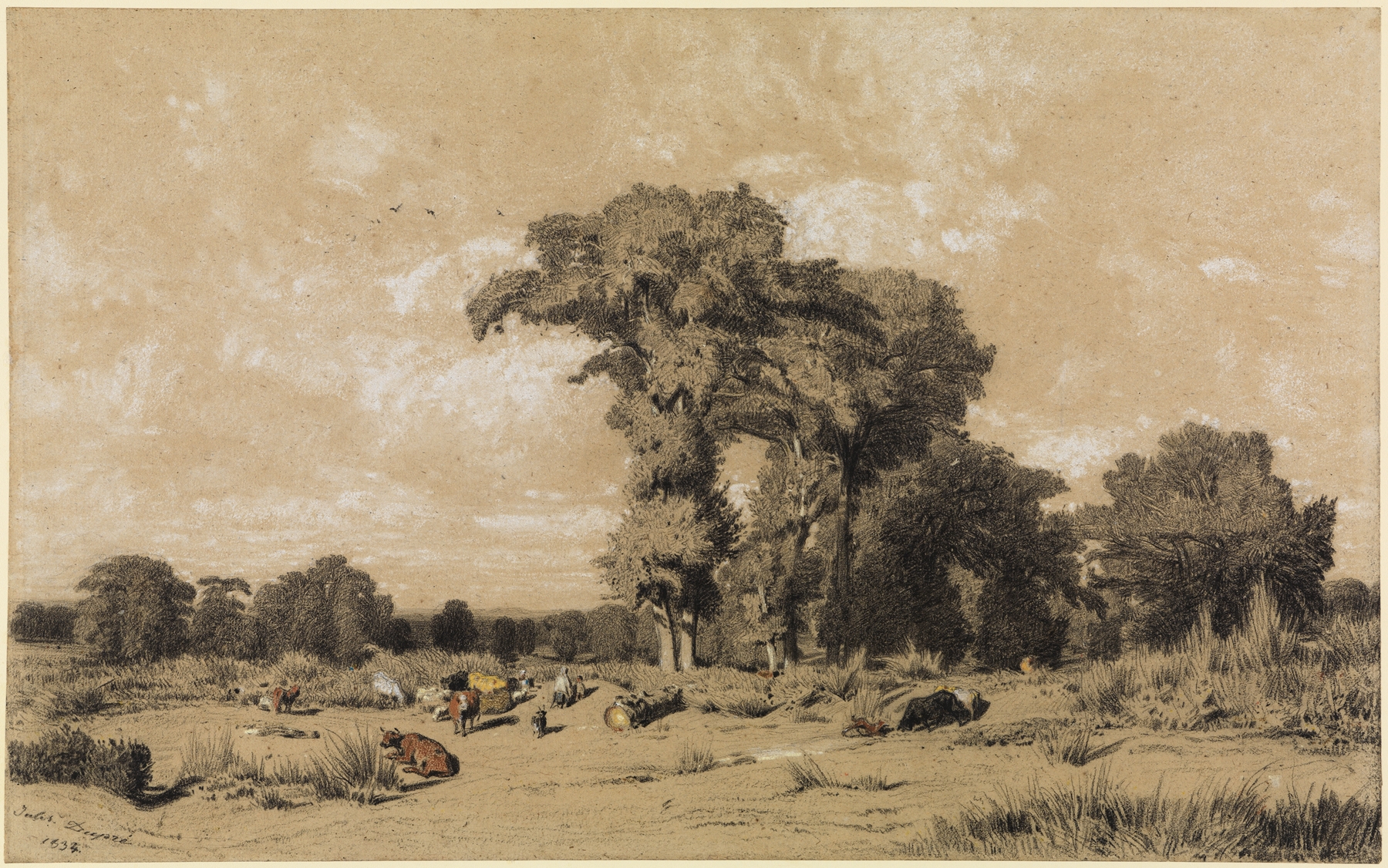
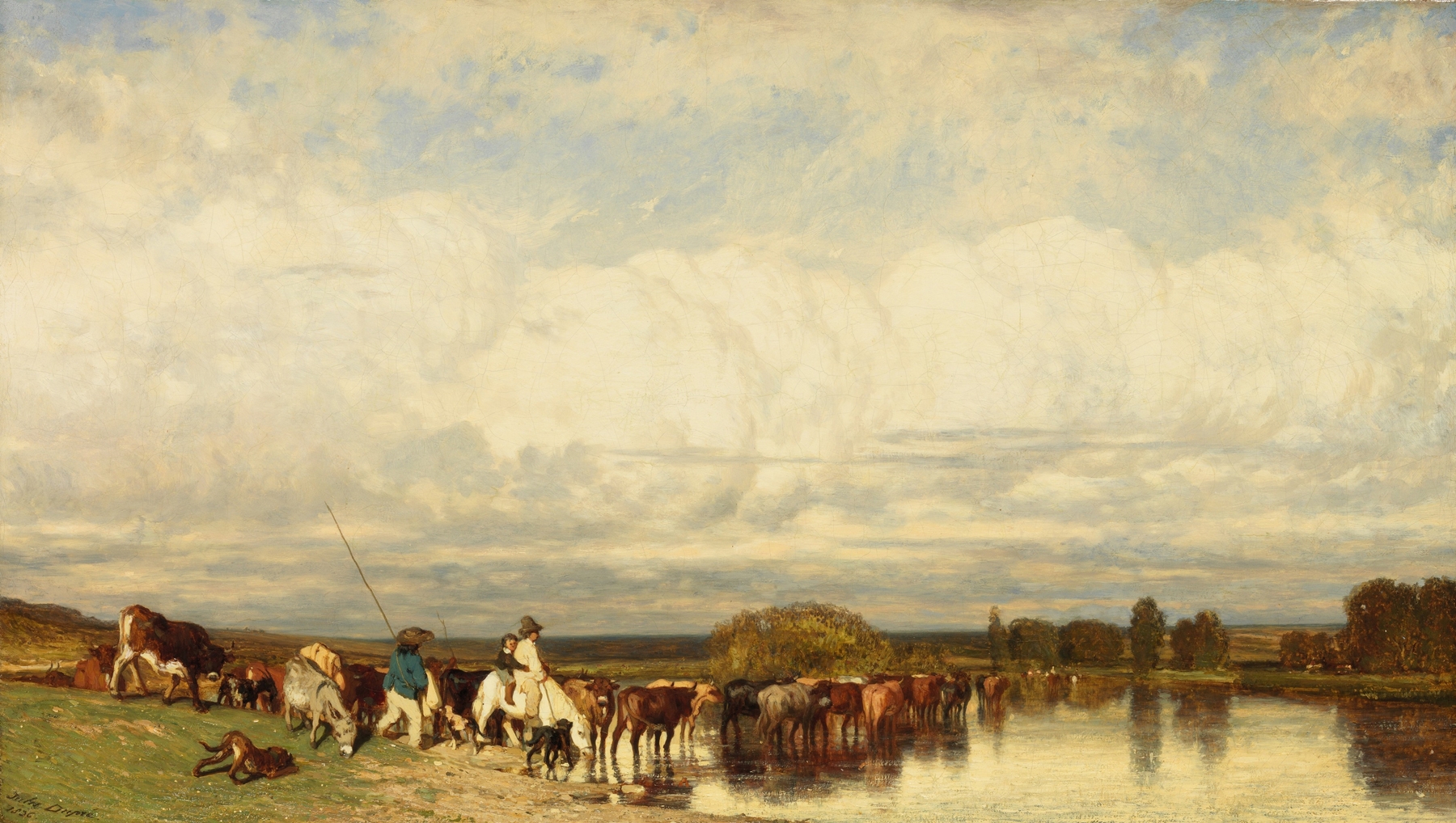
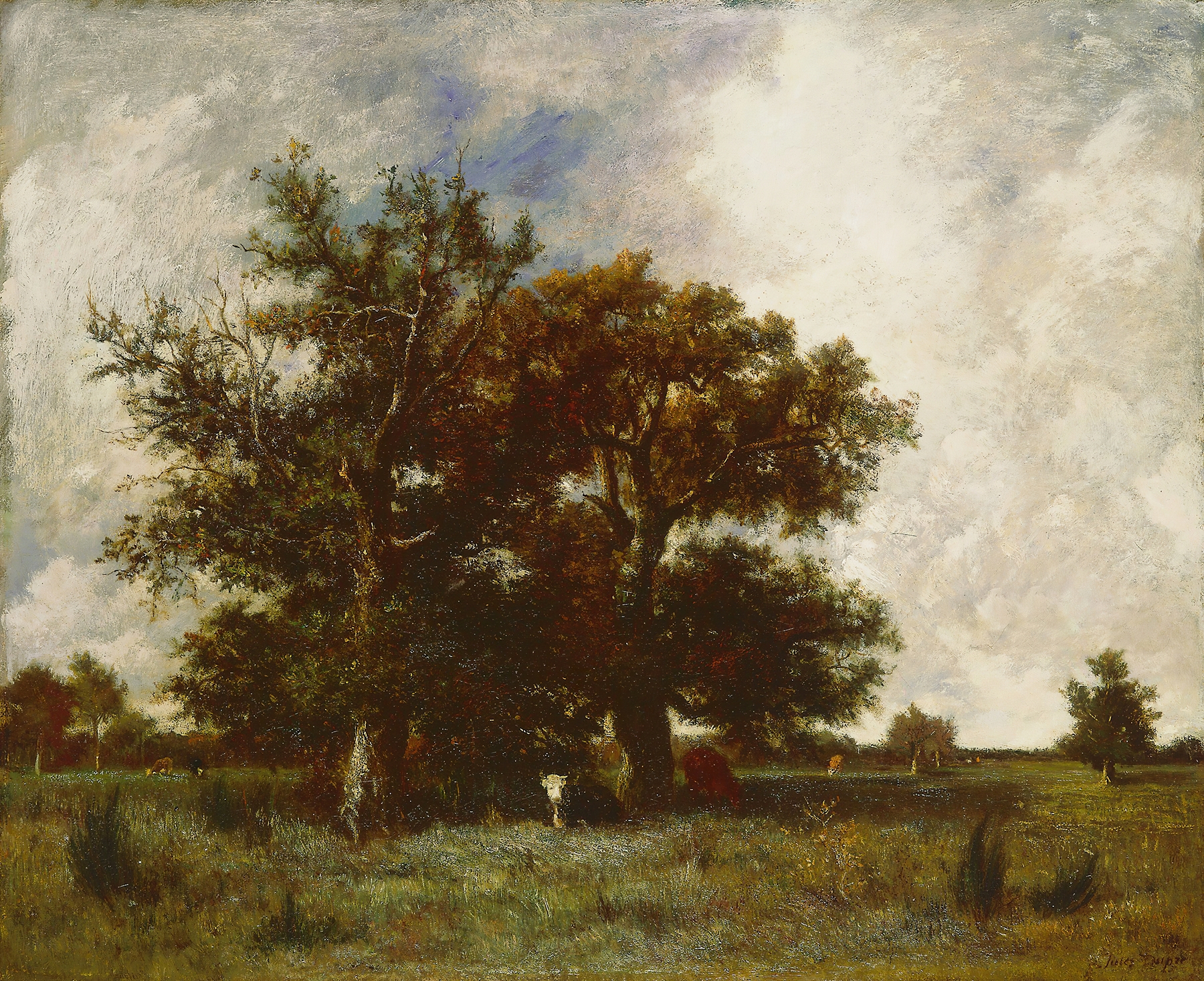
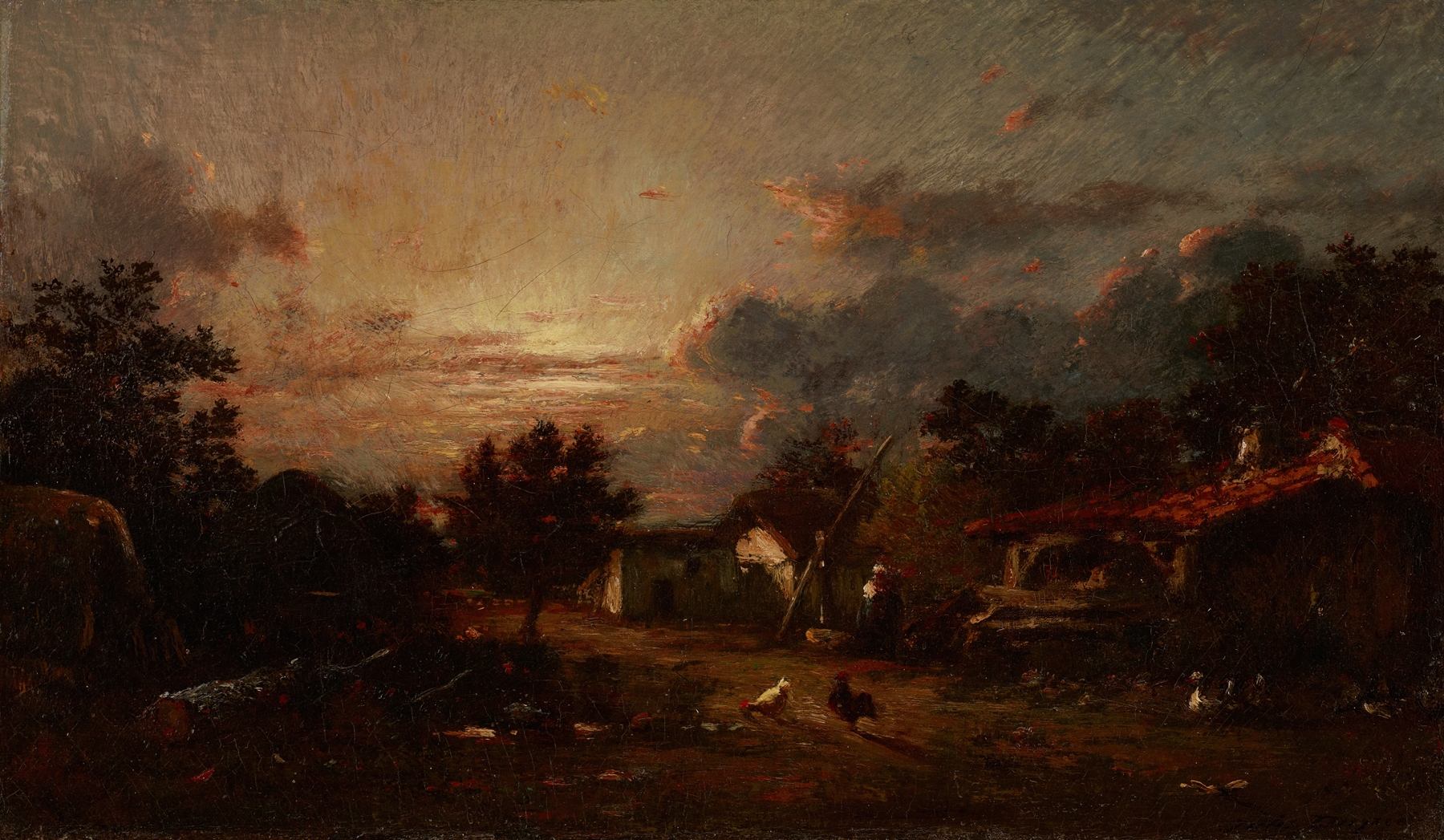
What secret hides in the quiet of the canvas? In Landscape with a pond, serene waters invite contemplation, while light dances gently across the scene, revealing both beauty and mystery. Look to the left at the tranquil pond, where the surface glimmers softly under a delicate play of light. Notice how the painter employs an earthy palette, blending greens and browns, which evokes a sense of calm and harmony.
The brushwork is loose yet deliberate, guiding the viewer through the lush foliage that frames the pond, drawing the eye towards the stillness at its center. The sky, brushed with wisps of clouds, adds an ethereal quality, enhancing the overall sense of peace. Beneath the surface of this idyllic landscape lies an emotional tension, where the peacefulness of nature contrasts with the solitude of the viewer. The pond reflects not only the surrounding beauty but also a sense of introspection, suggesting hidden depths waiting to be explored.
Subtle variations in light hint at the passage of time, encapsulating the fleeting nature of moments spent in stillness, as if inviting us to engage with our own inner worlds. Created between 1850 and 1860, this piece reflects Jules Dupré's commitment to capturing the sublime qualities of nature. Working amid the burgeoning Romantic movement, he sought to convey emotion through landscape, a response to the industrial changes sweeping through Europe. As he painted, the call for a return to nature resonated strongly, positioning his work as a bridge between the beauty of the natural world and the encroaching modernity of his time.