The Estuary Farm — History & Analysis
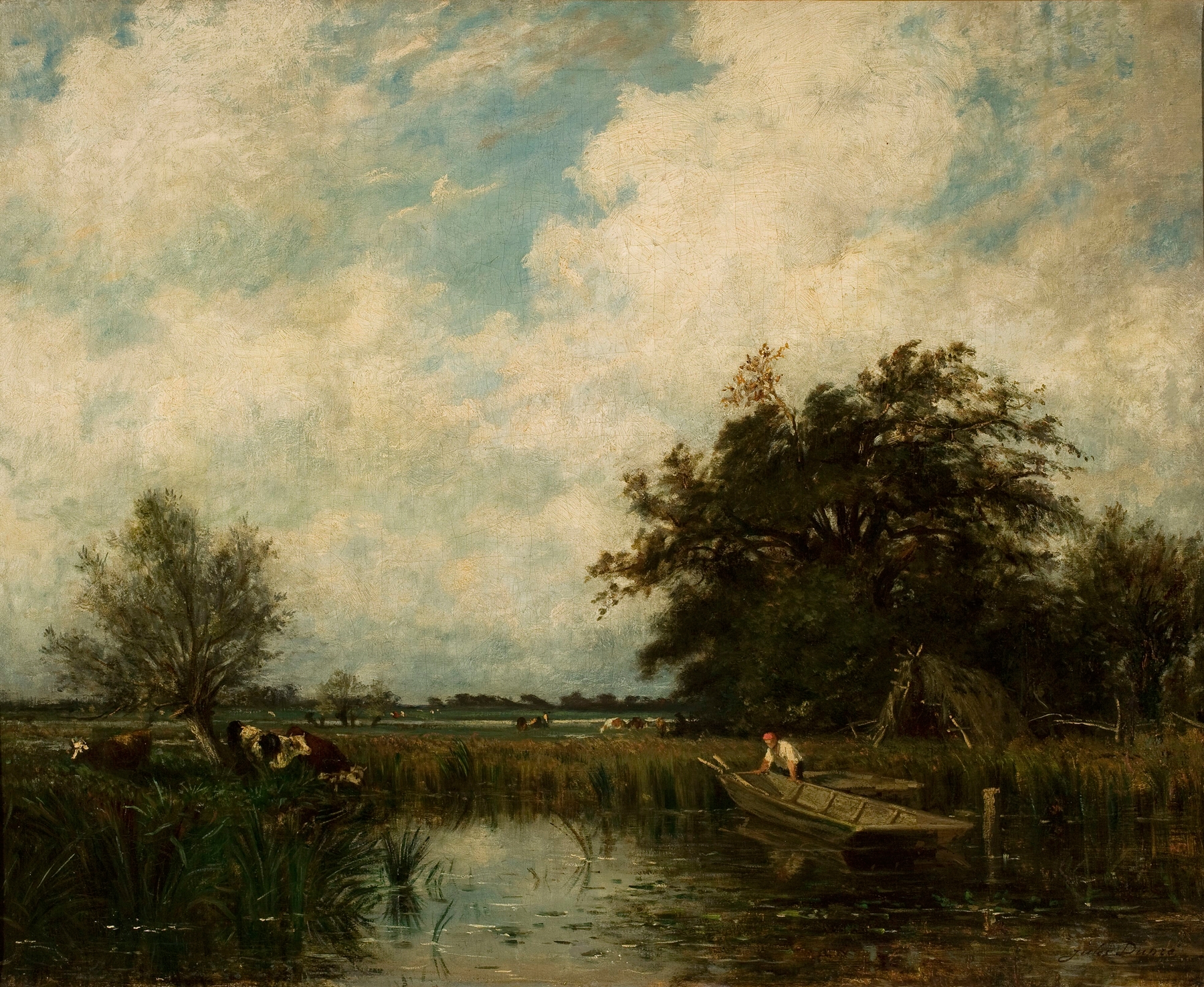
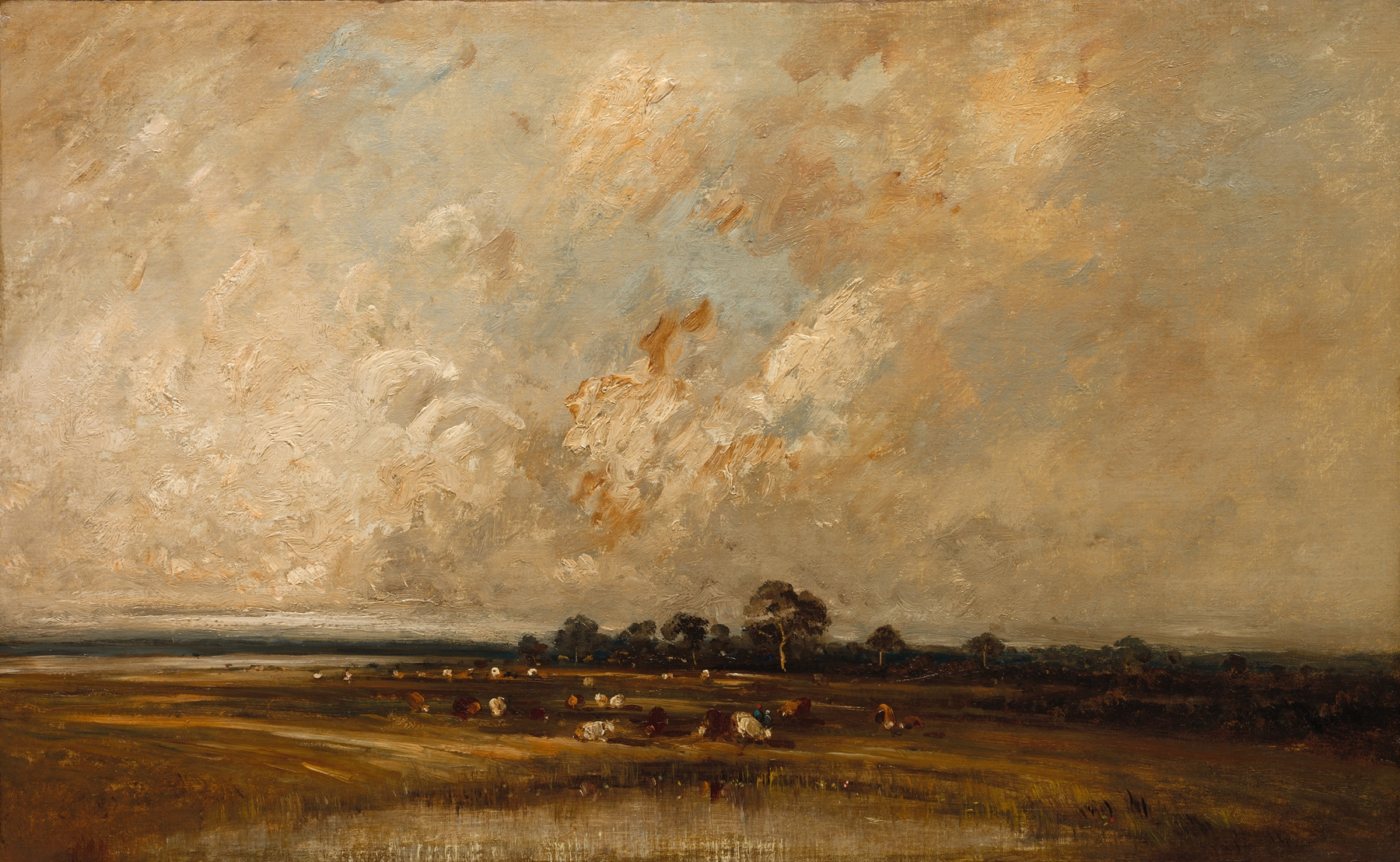
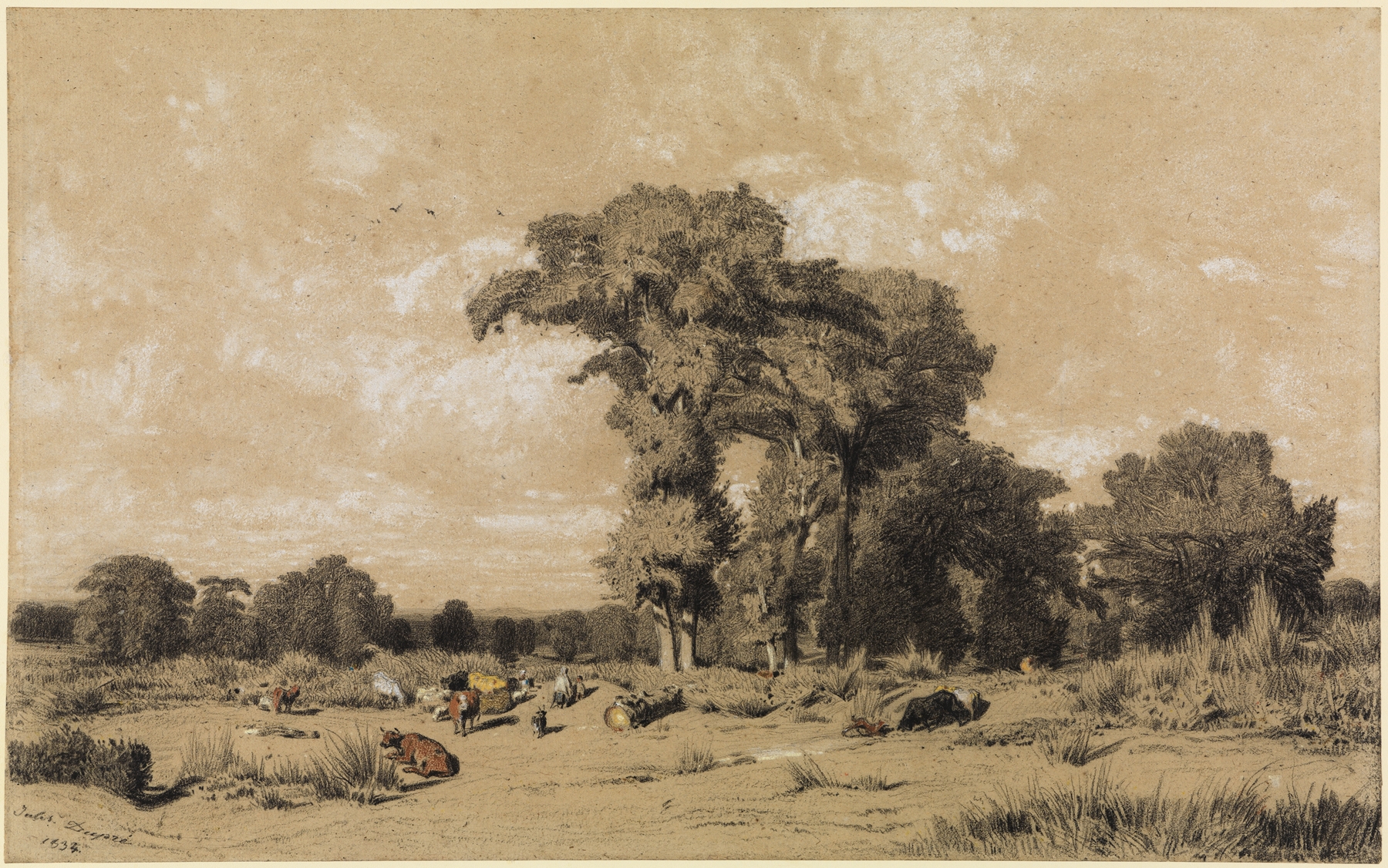
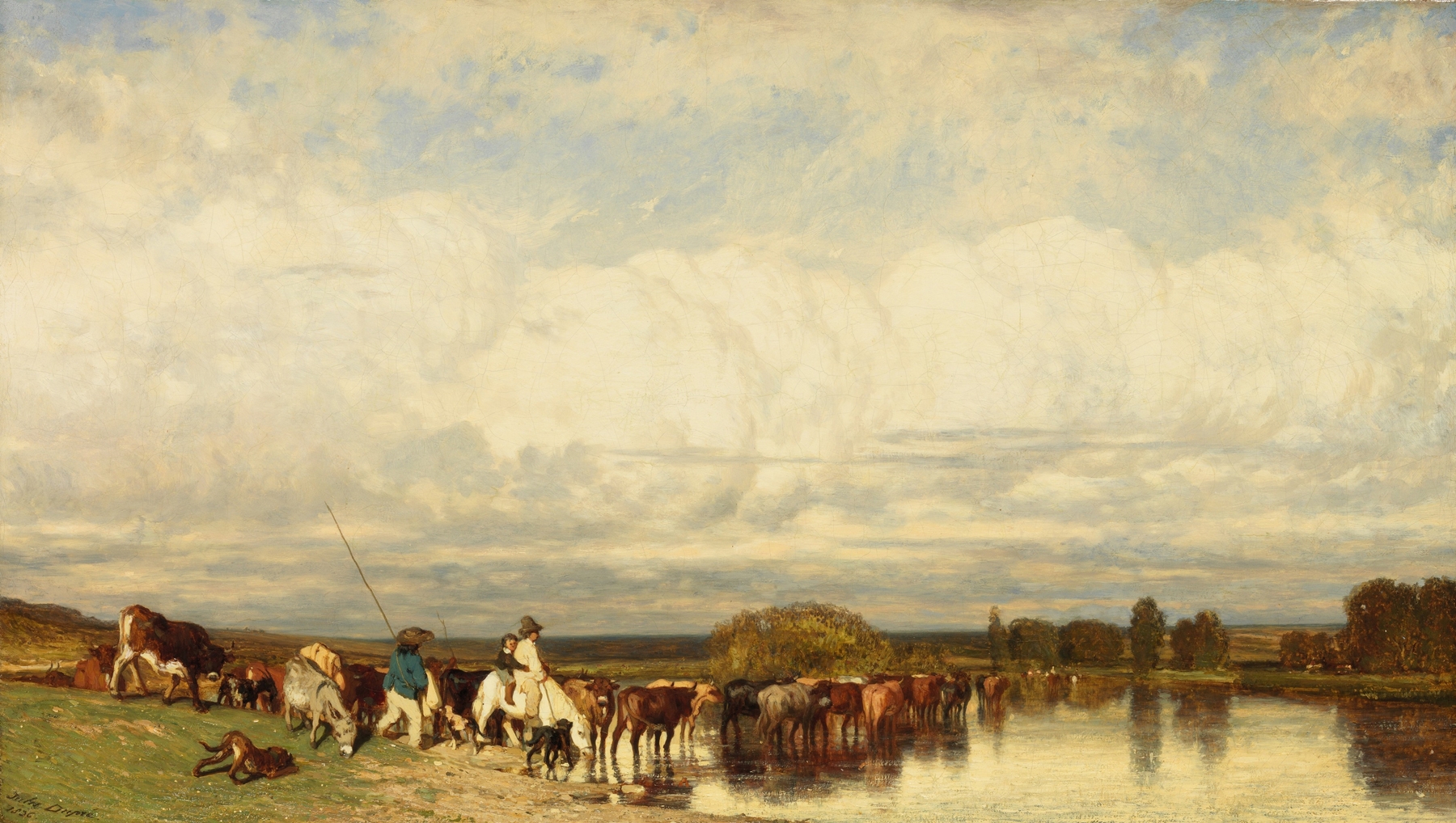
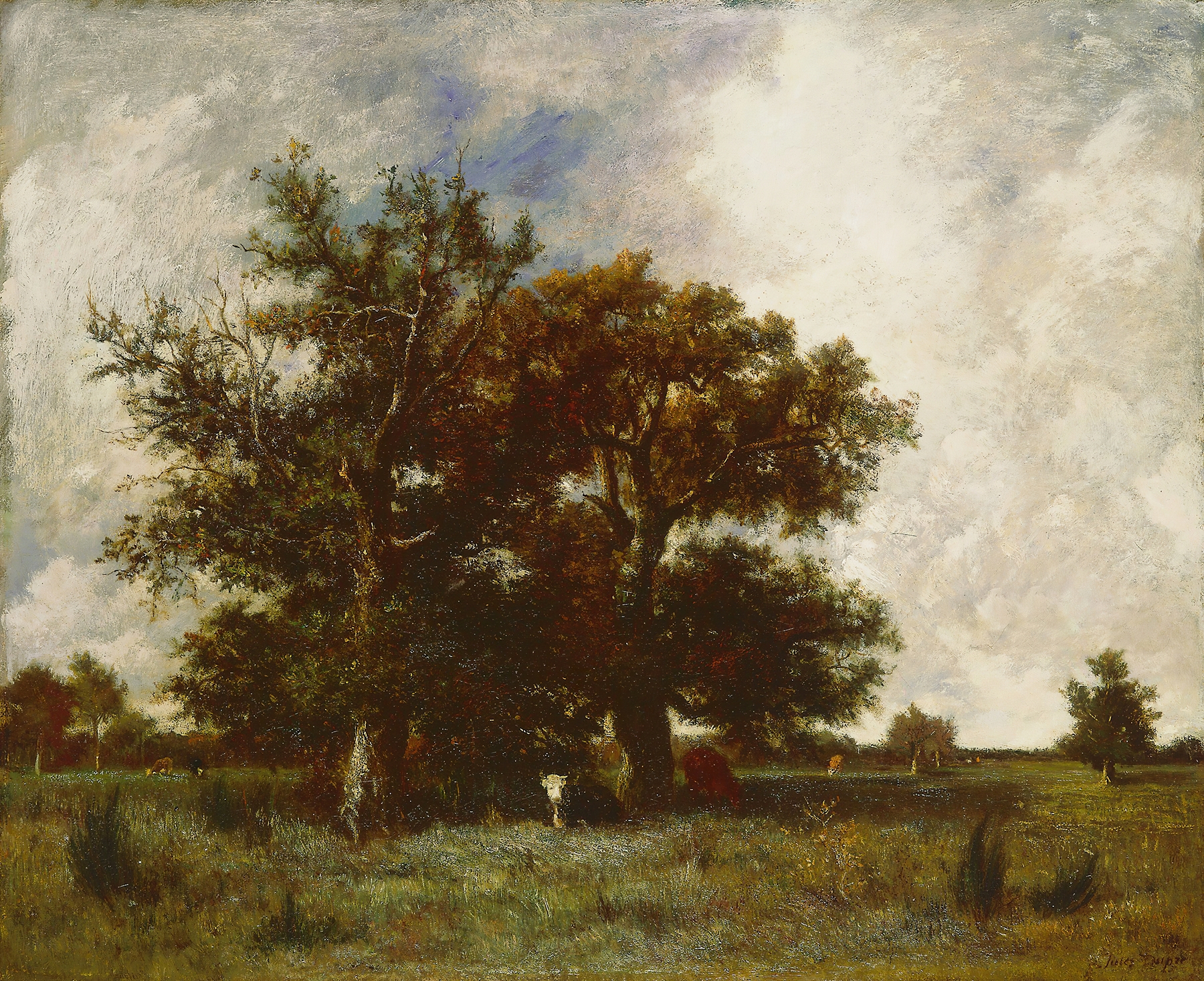
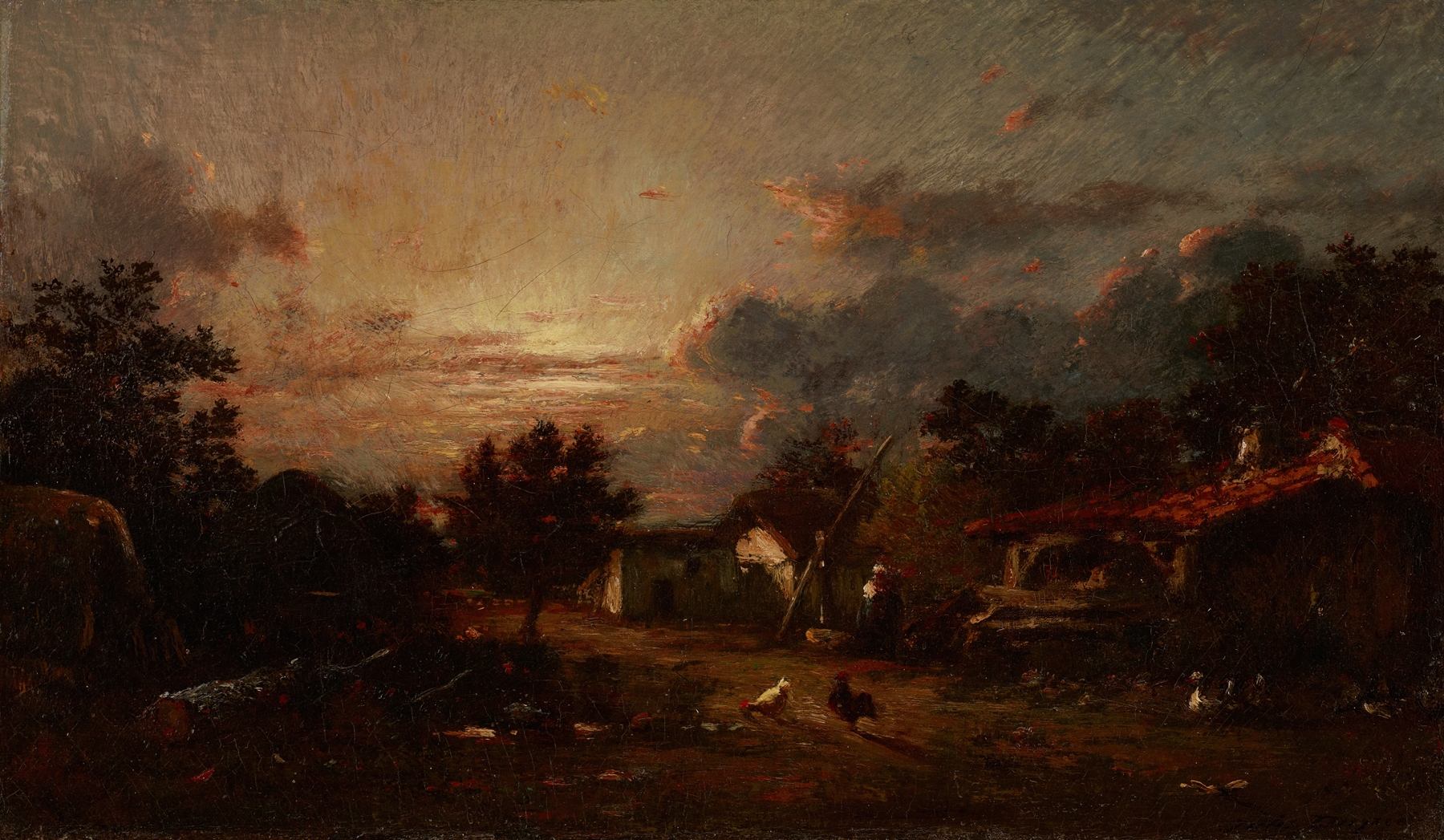
Can beauty exist without sorrow? In The Estuary Farm, the haunting tranquility of nature interweaves with an undercurrent of melancholy, beckoning the viewer into a realm where longing and fulfillment coexist. Look to the foreground, where gentle greens and browns blend seamlessly into the landscape, guiding your gaze toward the horizon where the sky meets the water. The brushwork is deliberate yet fluid, capturing the essence of a quiet day at the farm, while dappled sunlight plays across the scene, infusing it with life.
Notice how the composition draws you in, with the winding path leading your eyes toward the distant, low-hanging clouds, suggesting the interplay of hope and something unuttered. Hidden within the idyllic scenery lies an exploration of obsession — perhaps a longing for a simpler life, or the deep-rooted ties to nature that are often fraught with strife. The juxtaposition of the serene water and the looming clouds evokes a sense of transient beauty, reminding us that even in peaceful moments, an underlying tension persists. The farm stands as a symbol of both stability and vulnerability, a reminder that joy can often be intertwined with the inevitability of change.
During the years 1830 to 1835, Jules Dupré painted this piece amidst the rise of Romanticism in France, a movement that emphasized emotion and nature. Living in a time of great social and political upheaval, Dupré’s work reflects both his personal struggles and the broader artistic shift towards capturing the sublime. His commitment to portraying the majesty and fragility of the natural world resonates through this artwork, encapsulating a moment where beauty meets the weight of existence.