The Old Oak — History & Analysis
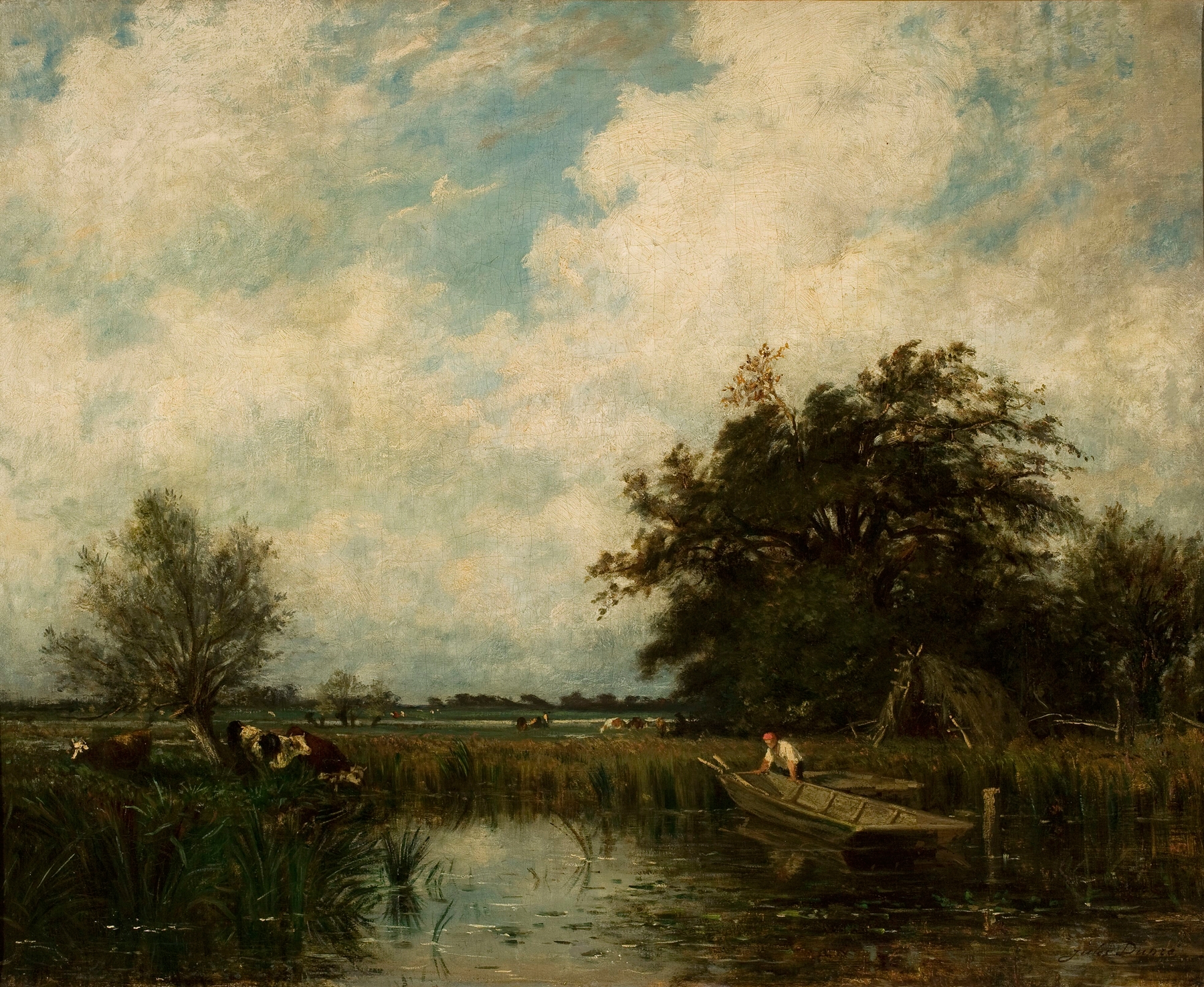
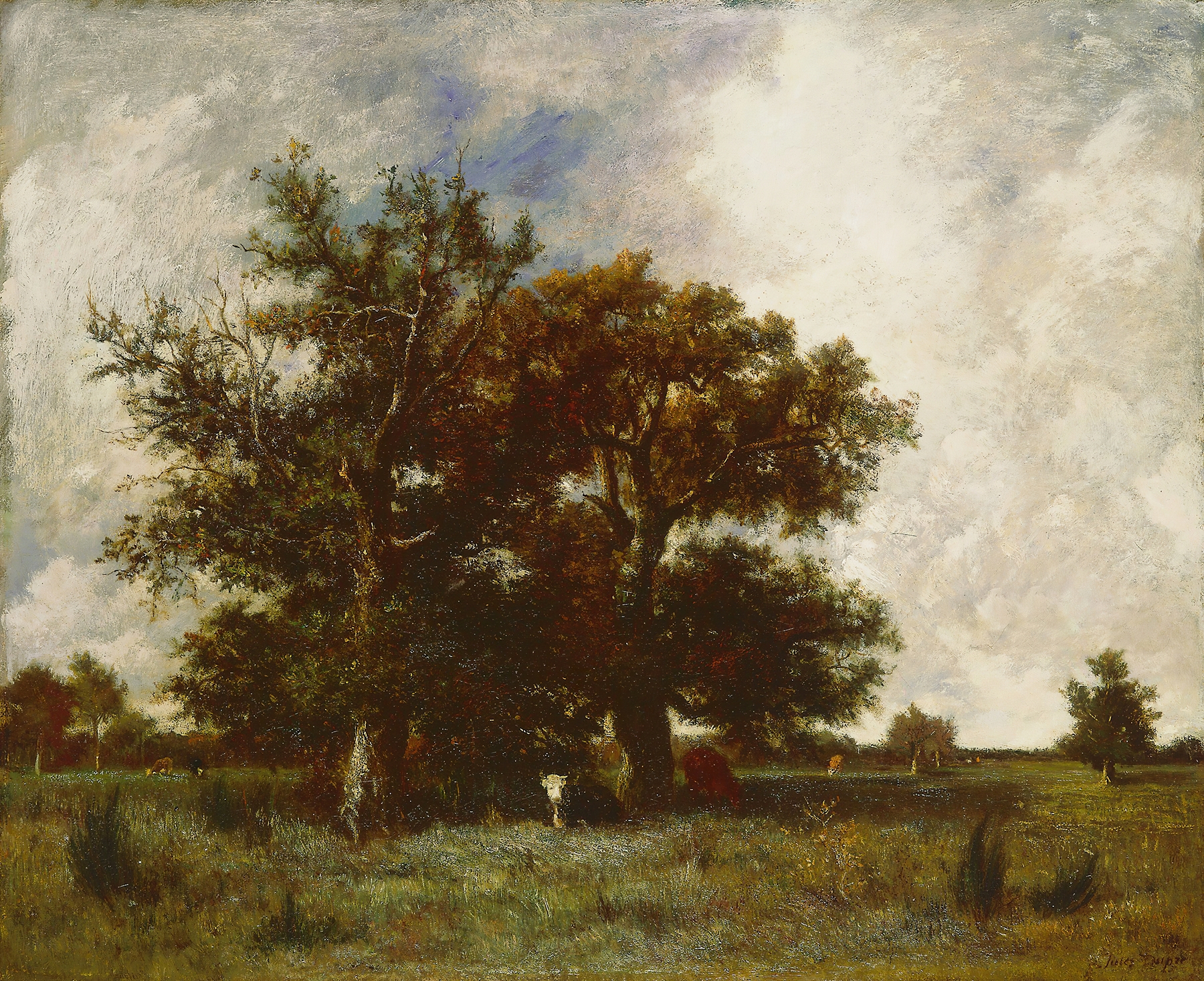
“Art reveals the soul when the world turns away.” In the tranquility of a still moment, nature awakens, tempting us to listen closely to the whispers of the earth. The brushstrokes cradle the heart of the viewer, inviting an introspection that goes beyond mere observation. Look to the left at the majestic oak, its gnarled branches reaching out like ancient fingers stretching towards the sky. The play of light dances gently through the foliage, creating a patchwork of shadows that breathe life into the scene.
Notice the rich earth tones that Dupré employs: dark greens and browns punctuated by warm hints of ochre, evoking a sense of harmony between the tree and the landscape. The composition draws you in, framing the oak as a sentinel of time, capturing a sacred moment of awakening. Delve deeper and feel the juxtaposition of permanence and transience. The oak stands resolute, a monument to endurance, yet the brushwork suggests a fleeting quality, as if the scene might slip away with the shifting winds.
The subtle interplay of light and shadow portrays not only the physical attributes of the tree but also its emotional resonance, evoking a sense of nostalgia and contemplation about one's own roots and the passage of time. In the early 1870s, Dupré was immersed in the Barbizon School’s ideals, focusing on nature and its representation. He painted The Old Oak during a period of personal reflection, often seeking solace in the landscapes of rural France. This artwork embodies the tension between the artist's internal exploration and the evolving art world around him, as Impressionism began to stir on the horizon.