Marshland — History & Analysis
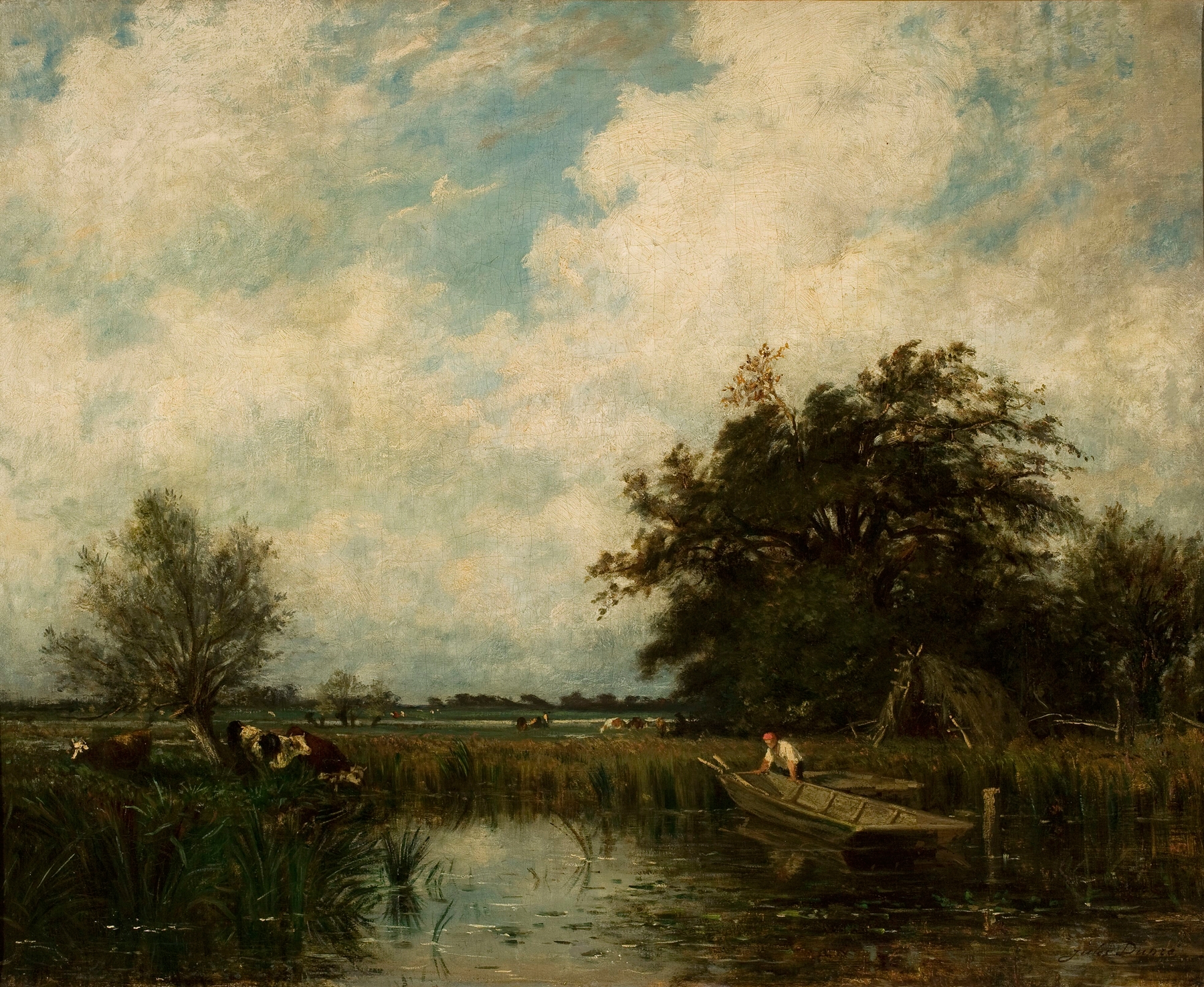
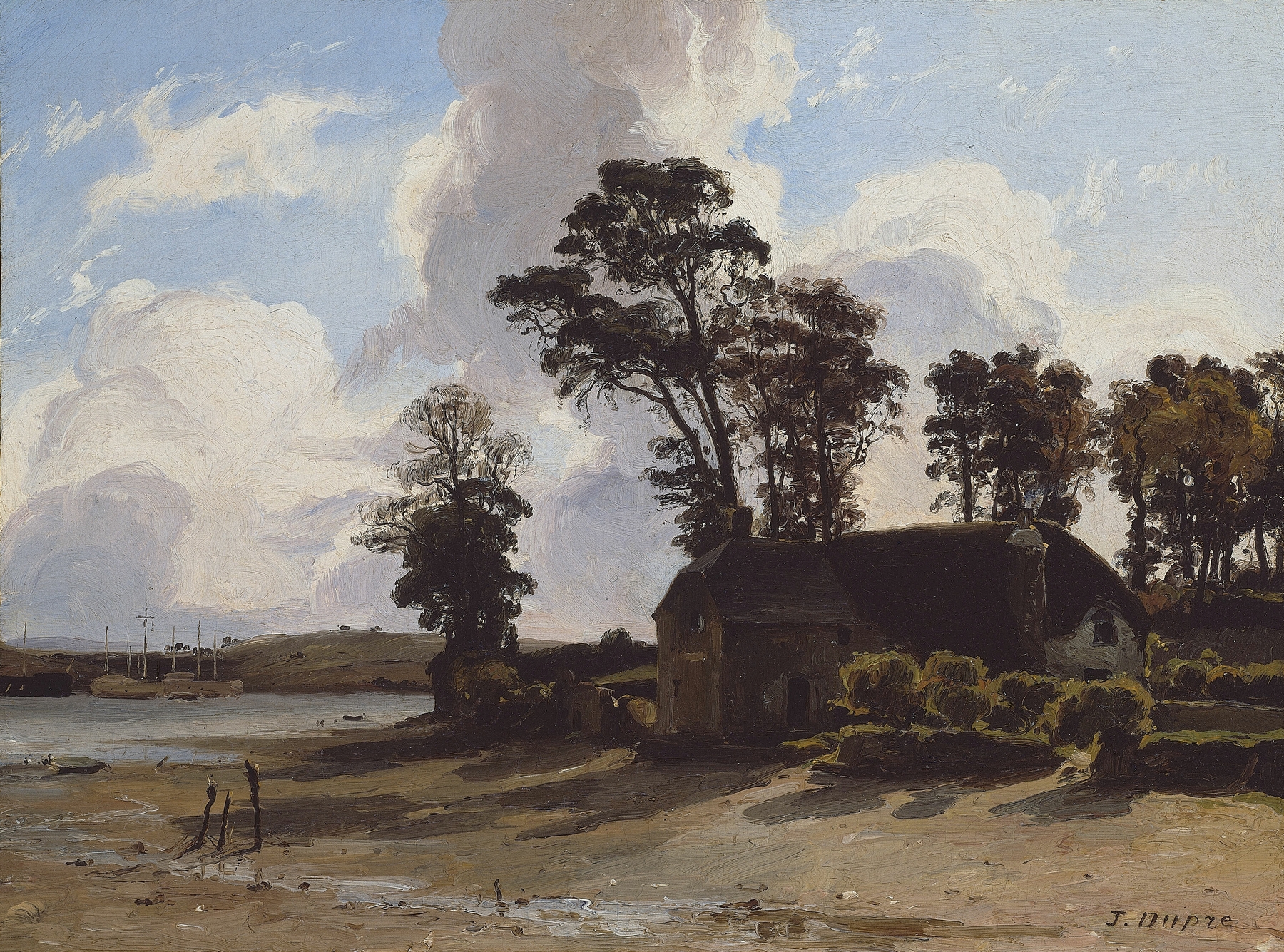
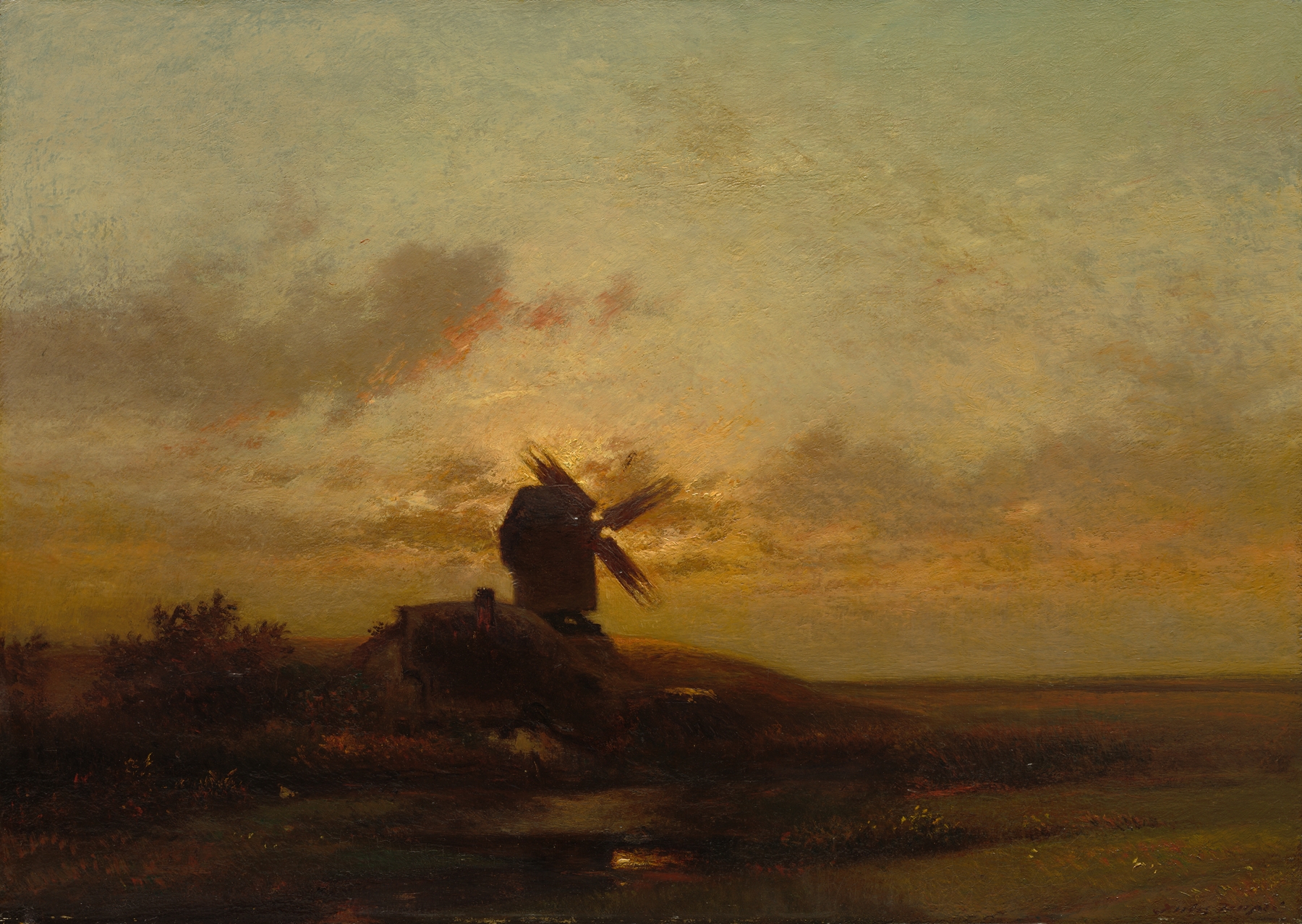
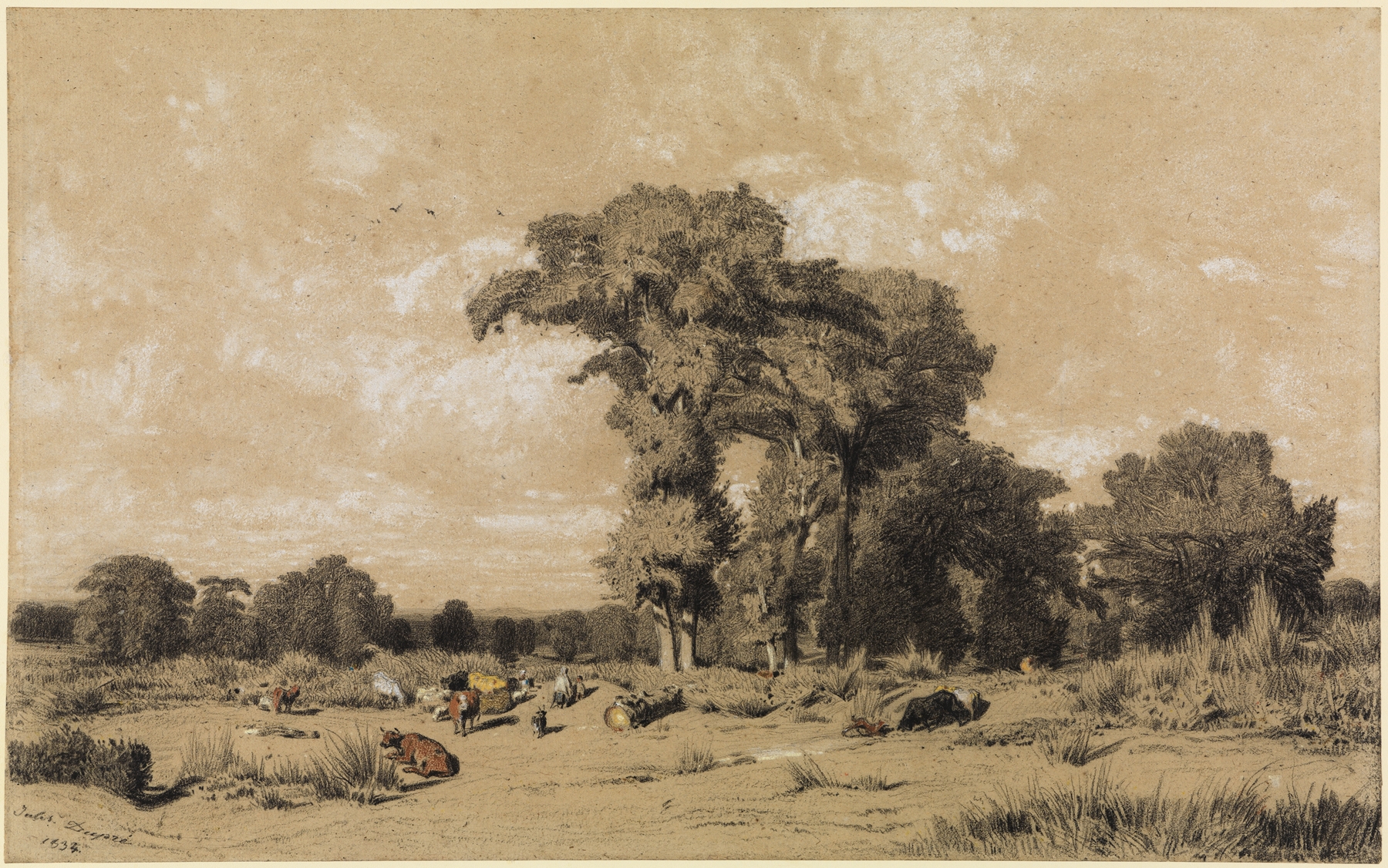
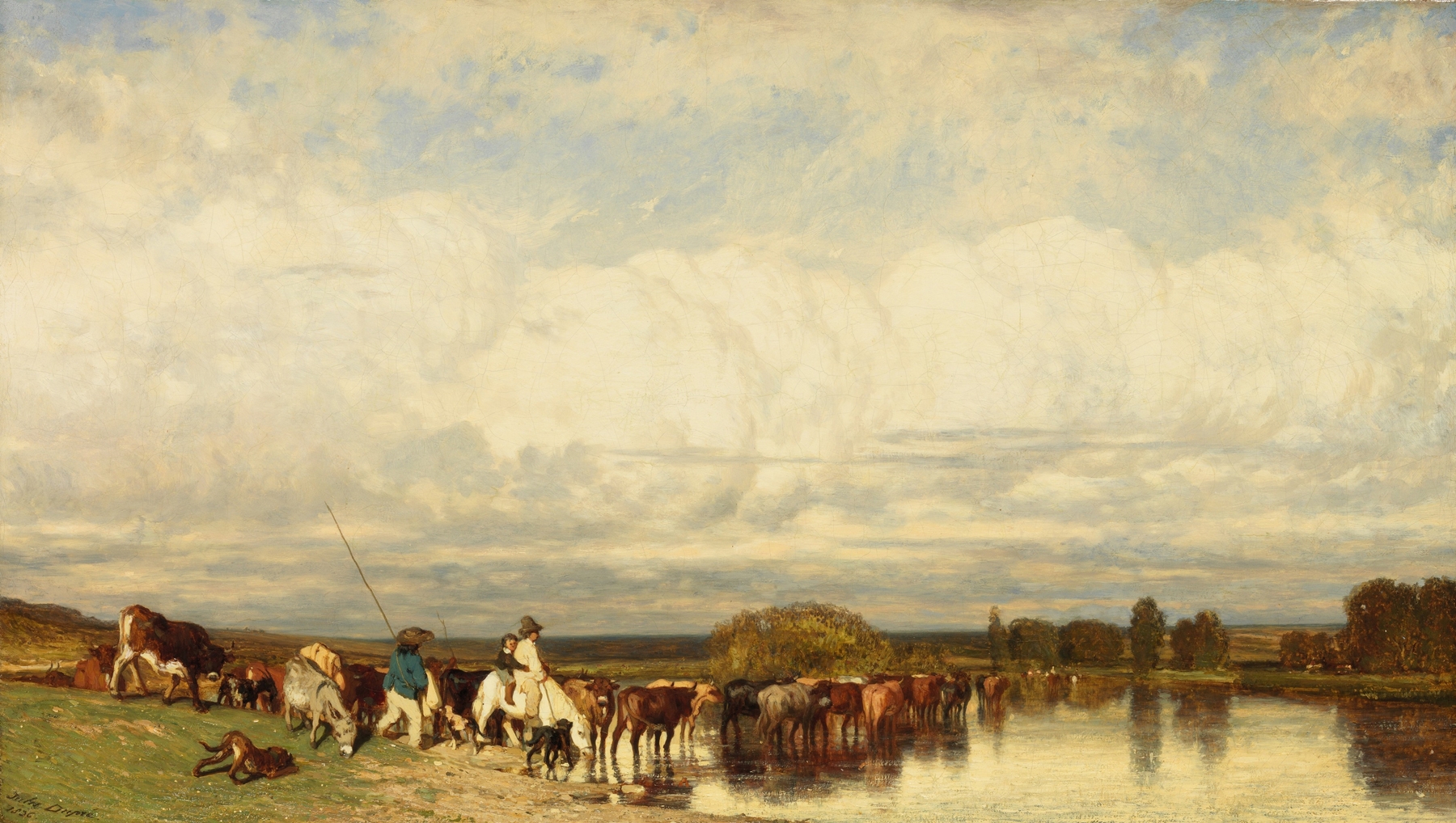
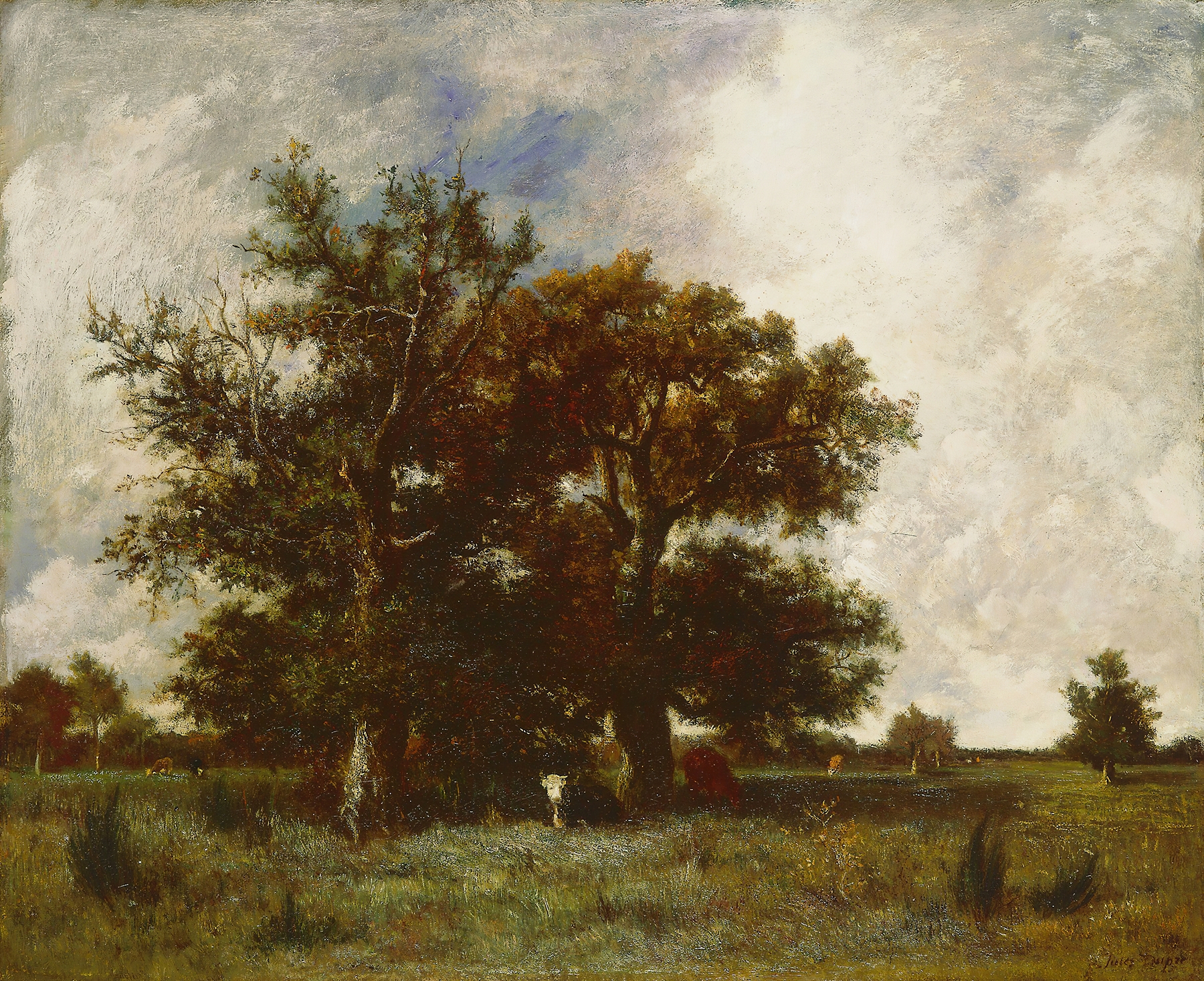
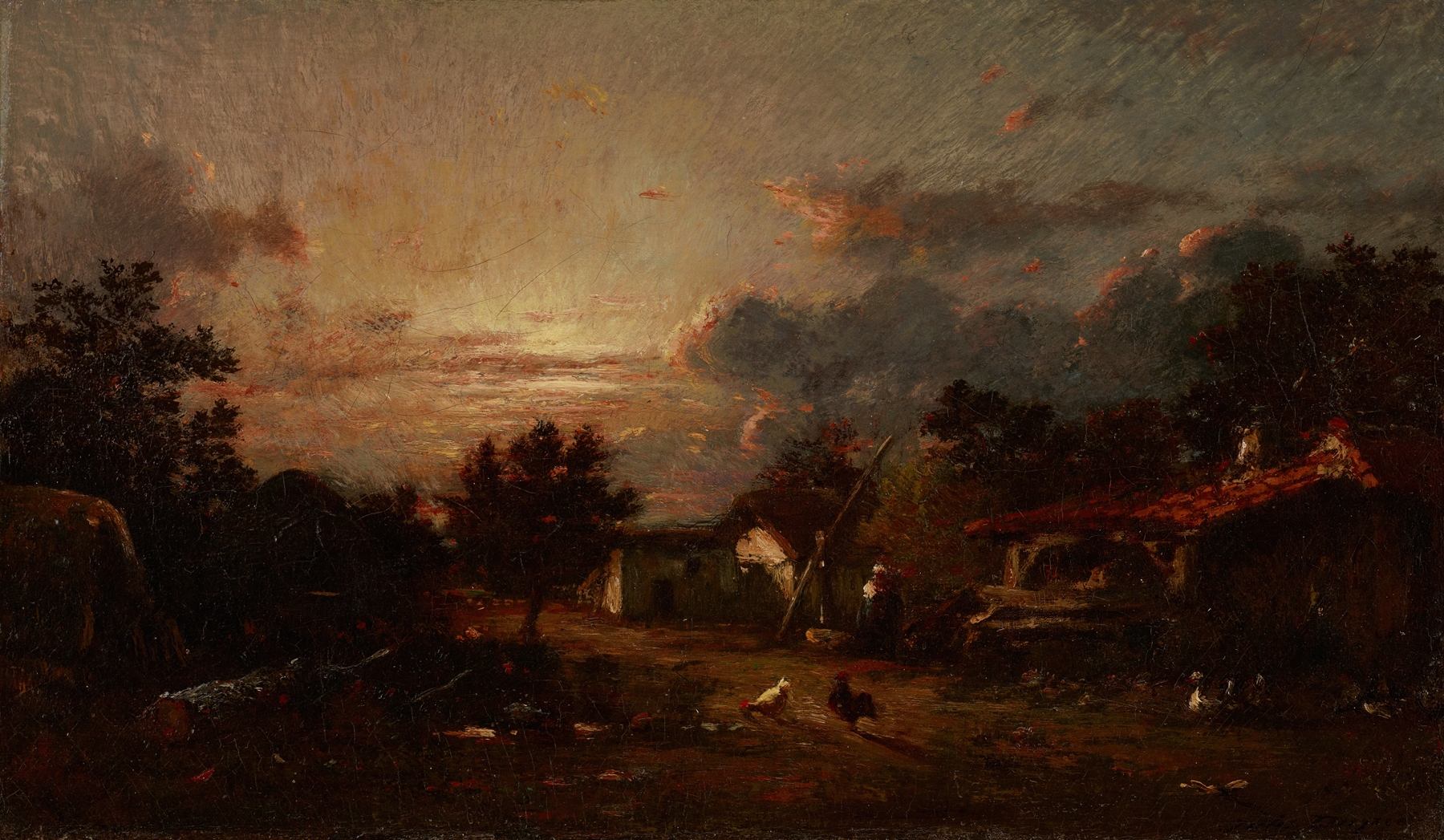
Is this a mirror — or a memory? In Marshland, the landscape resonates with an echo of longing, drawing us into its muted beauty that whispers of grief and reflection. Focus on the shimmering water at the center, where the horizon blurs into a gentle embrace of twilight hues. The warm browns and cool blues create a harmonious palette, evoking both comfort and melancholy.
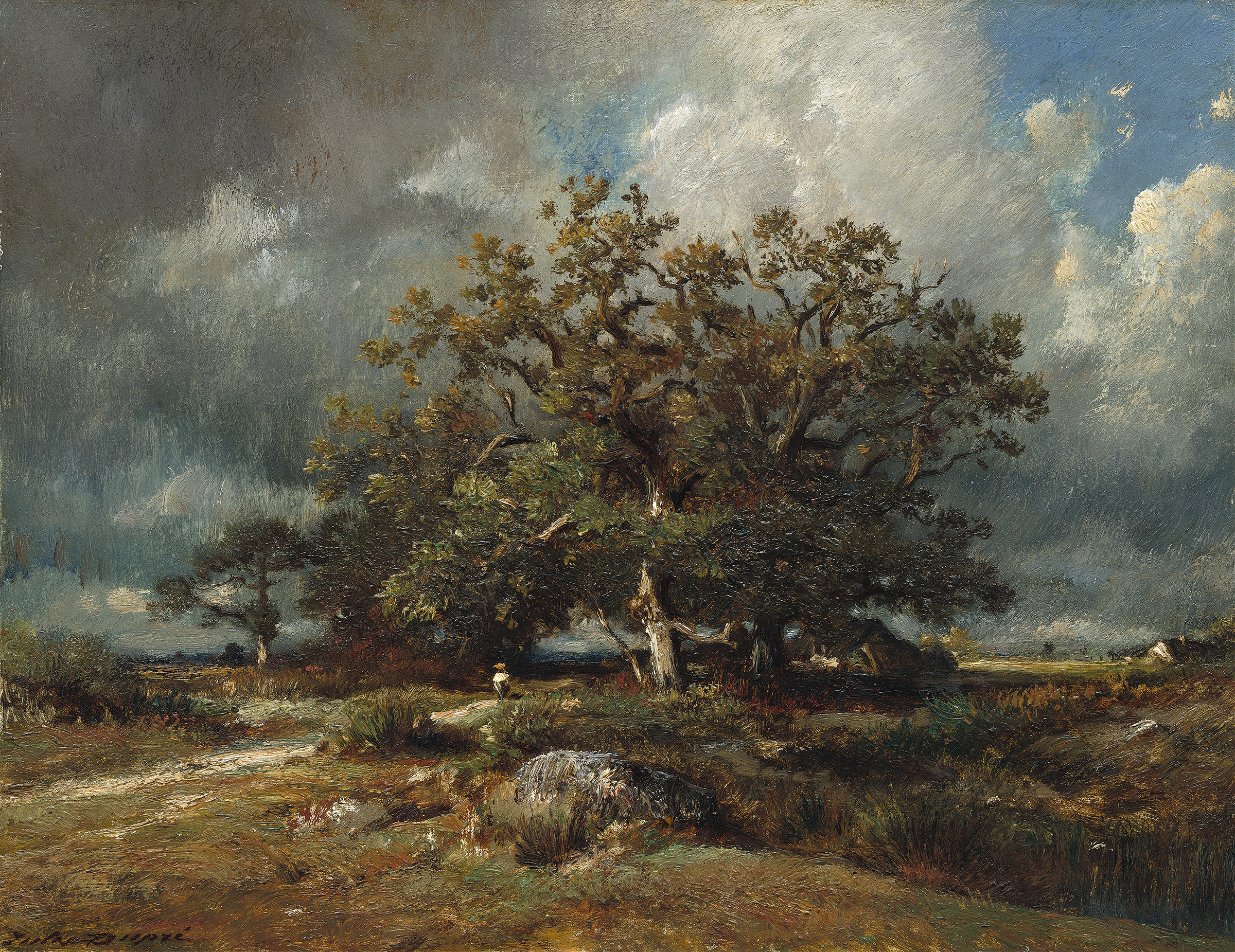
Notice how the soft brushstrokes blend the foreground and background, inviting the eye to wander, suggesting a moment suspended in time between reality and the past. The trees, with their gnarled branches reaching toward the sky, symbolize resilience amidst sorrow. Small details, like the delicate ripples on the water’s surface, suggest an unseen presence, perhaps memories stirred by the gentle breeze. This interplay of light and shadow captures the tension between hope and despair, as if the land itself mourns while also holding space for healing.
In the 1860s-1870s, Dupré was immersed in the French Barbizon school, known for its focus on natural landscapes and emotional depth. During this period, the artist sought solace in the rural surroundings, reflecting the societal upheavals of his time. The merging of nature and sentiment in this piece speaks not only to his personal struggles but also to a broader transformation in the world of art, as artists began to explore the profound connections between humanity and the landscape.