Landscape with a river and view of the Jesenik range — History & Analysis
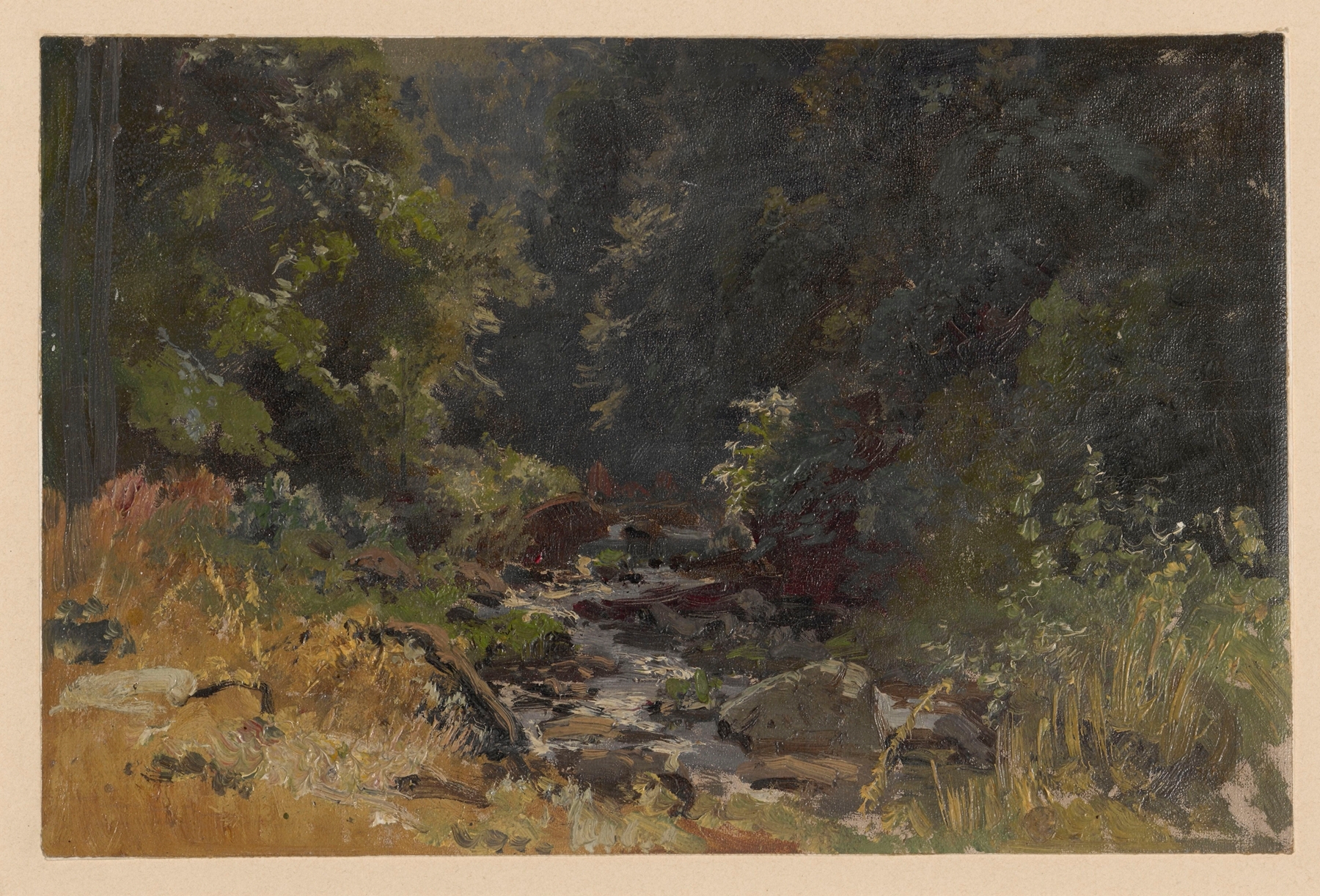
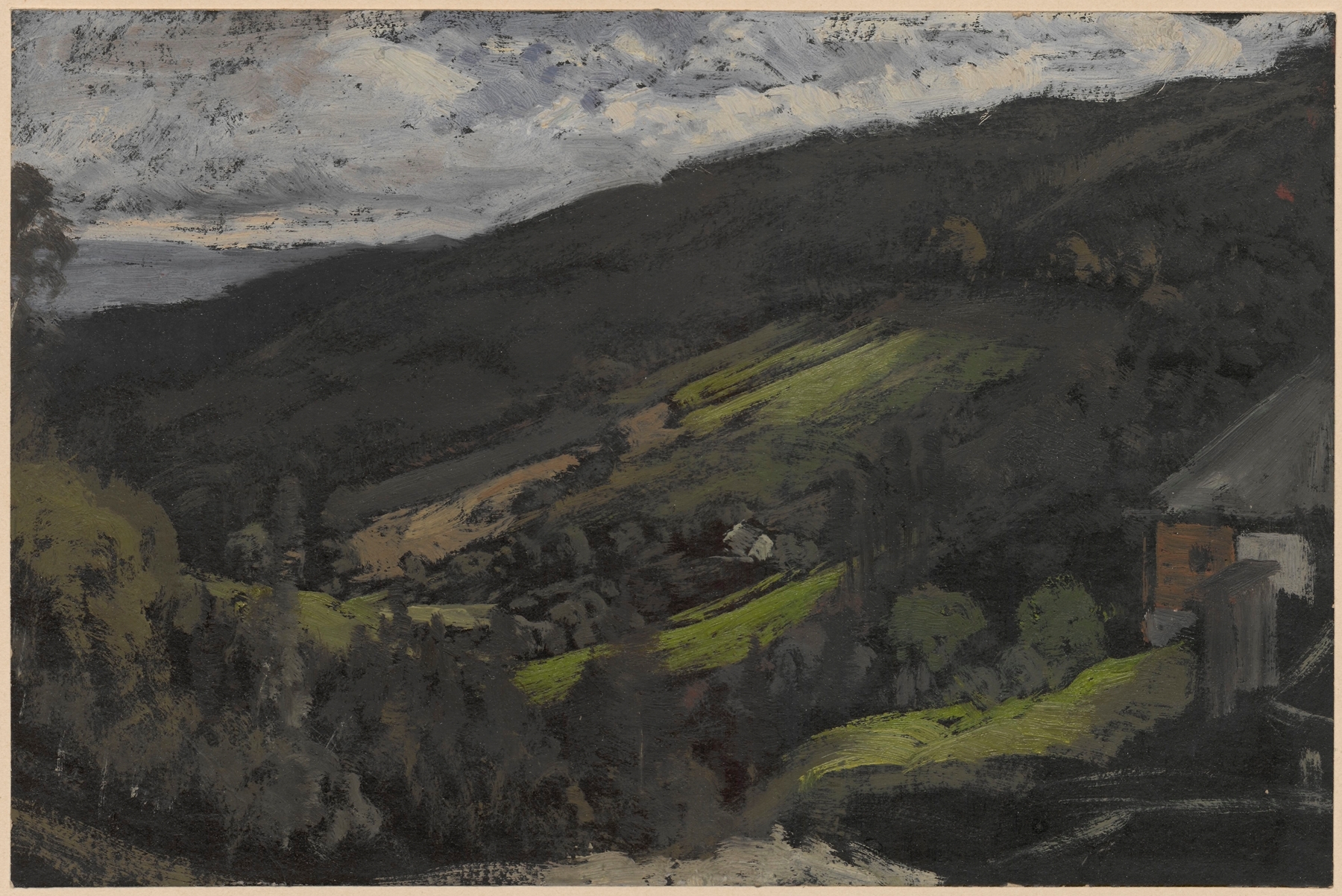
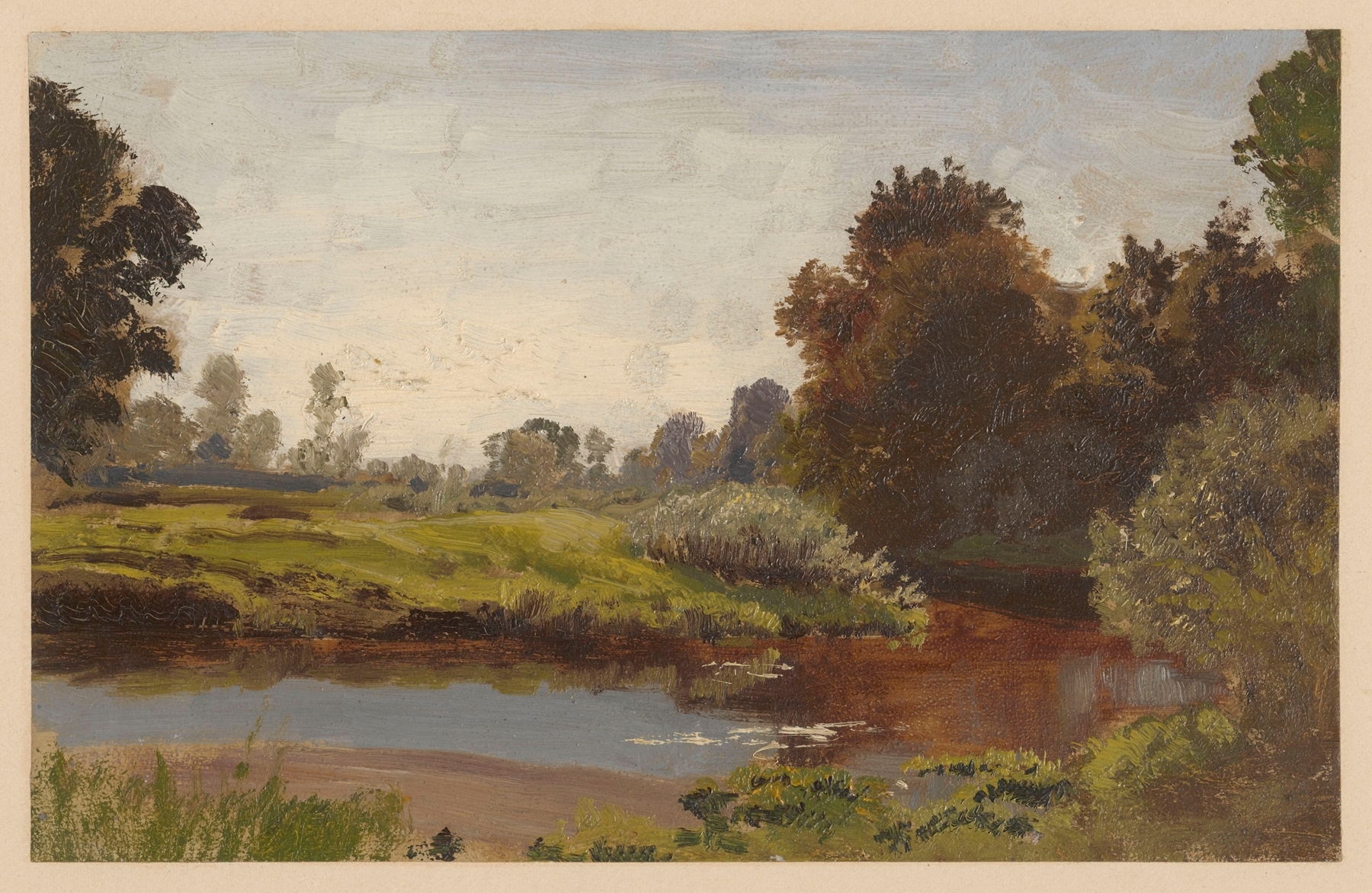
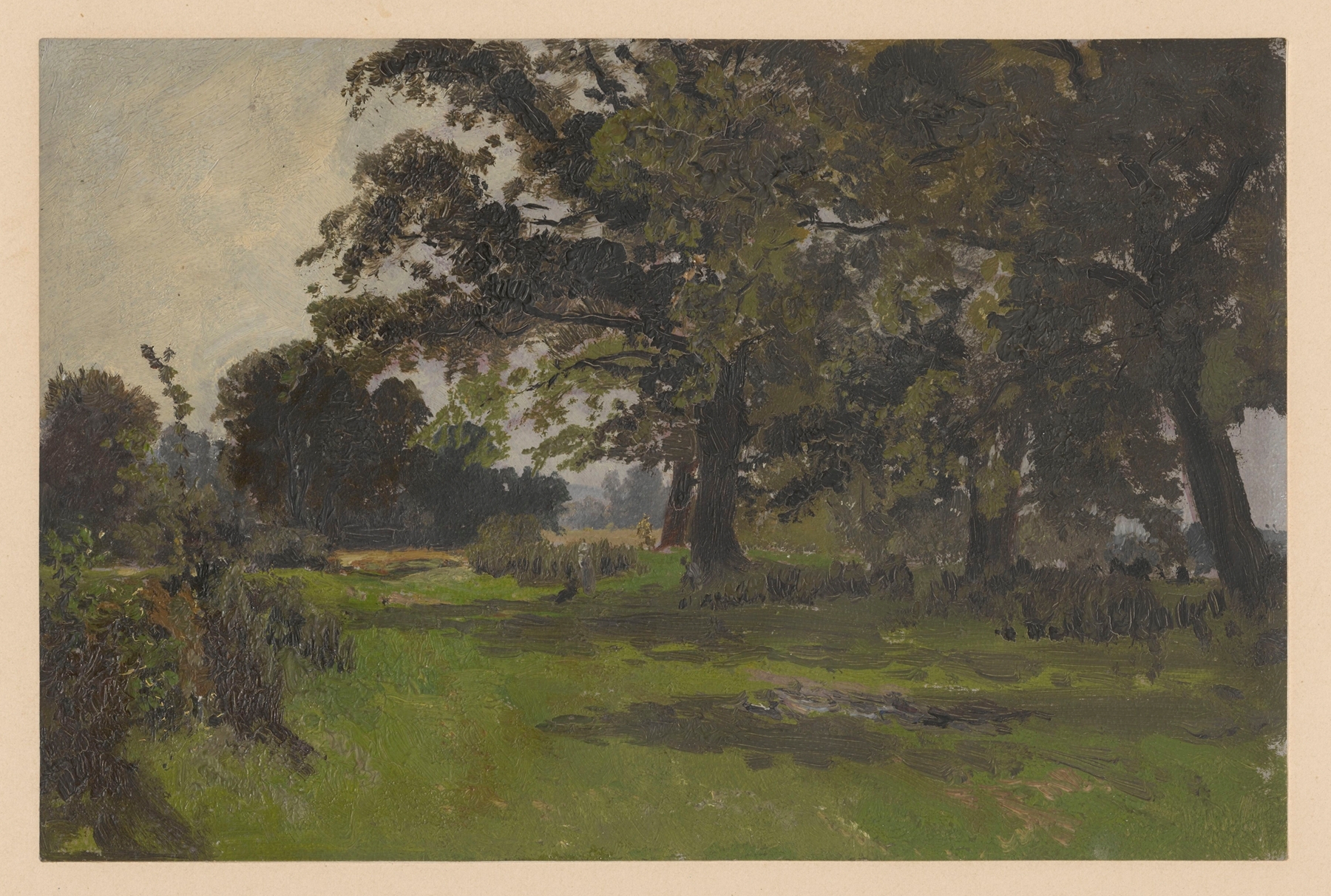
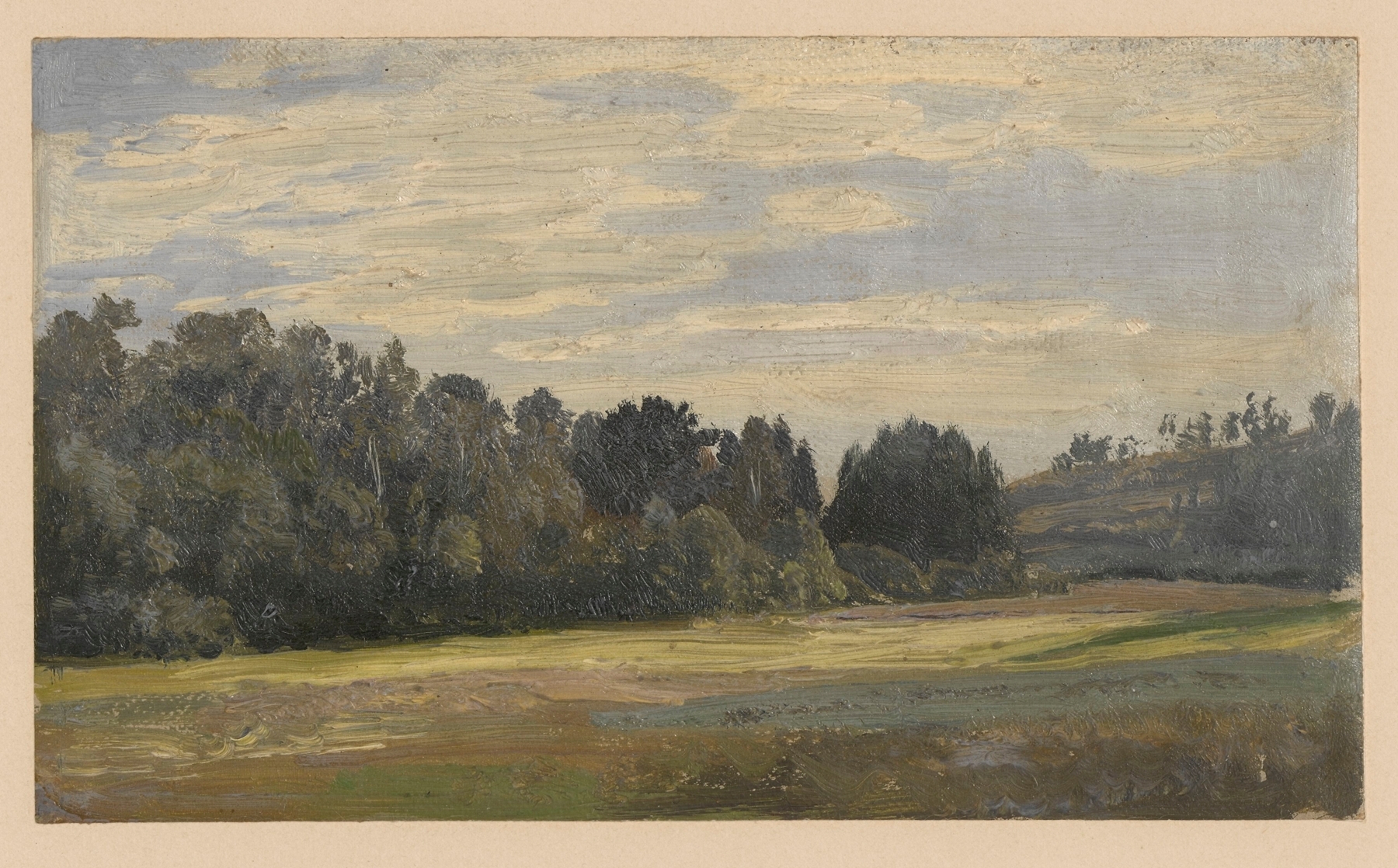
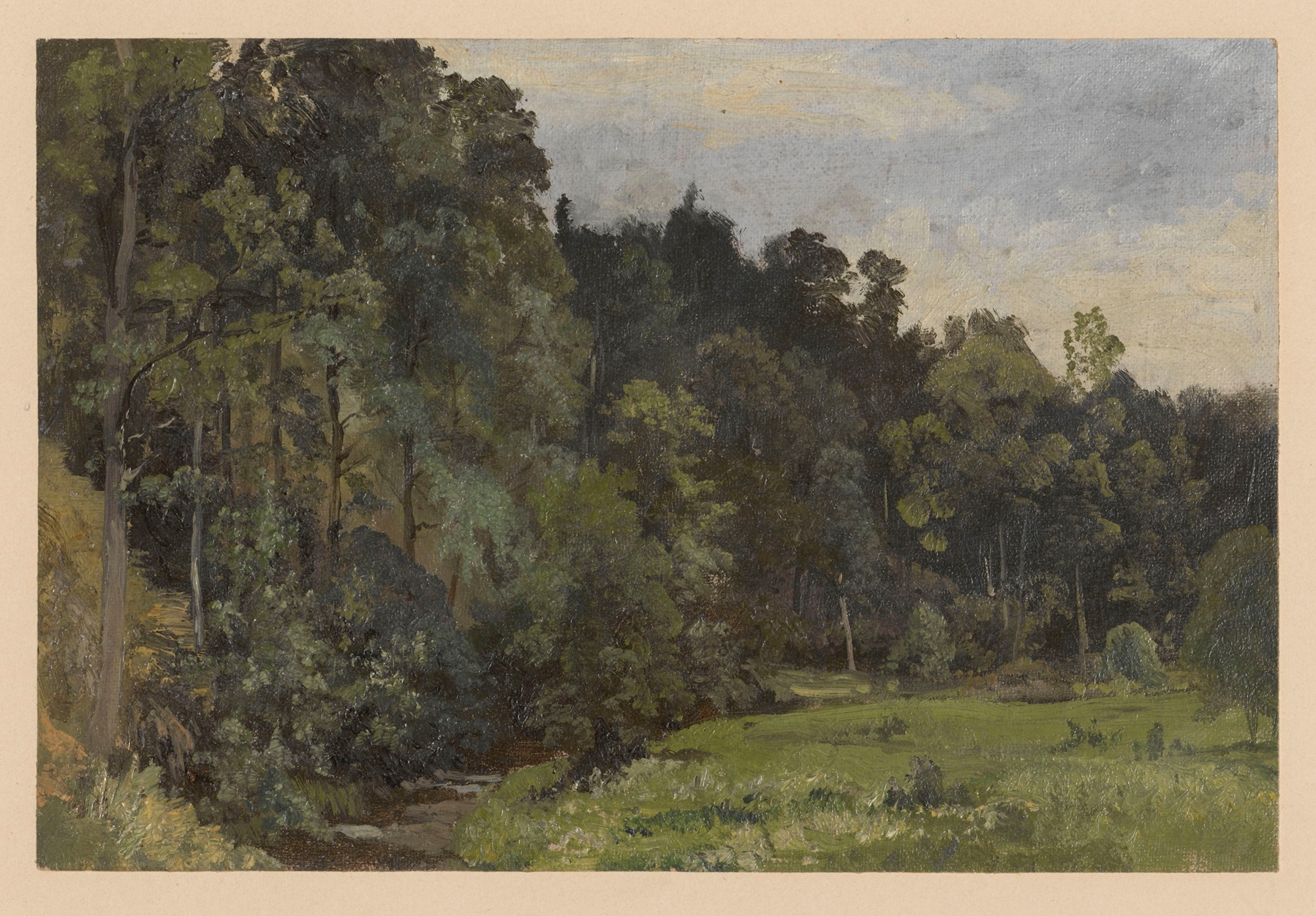
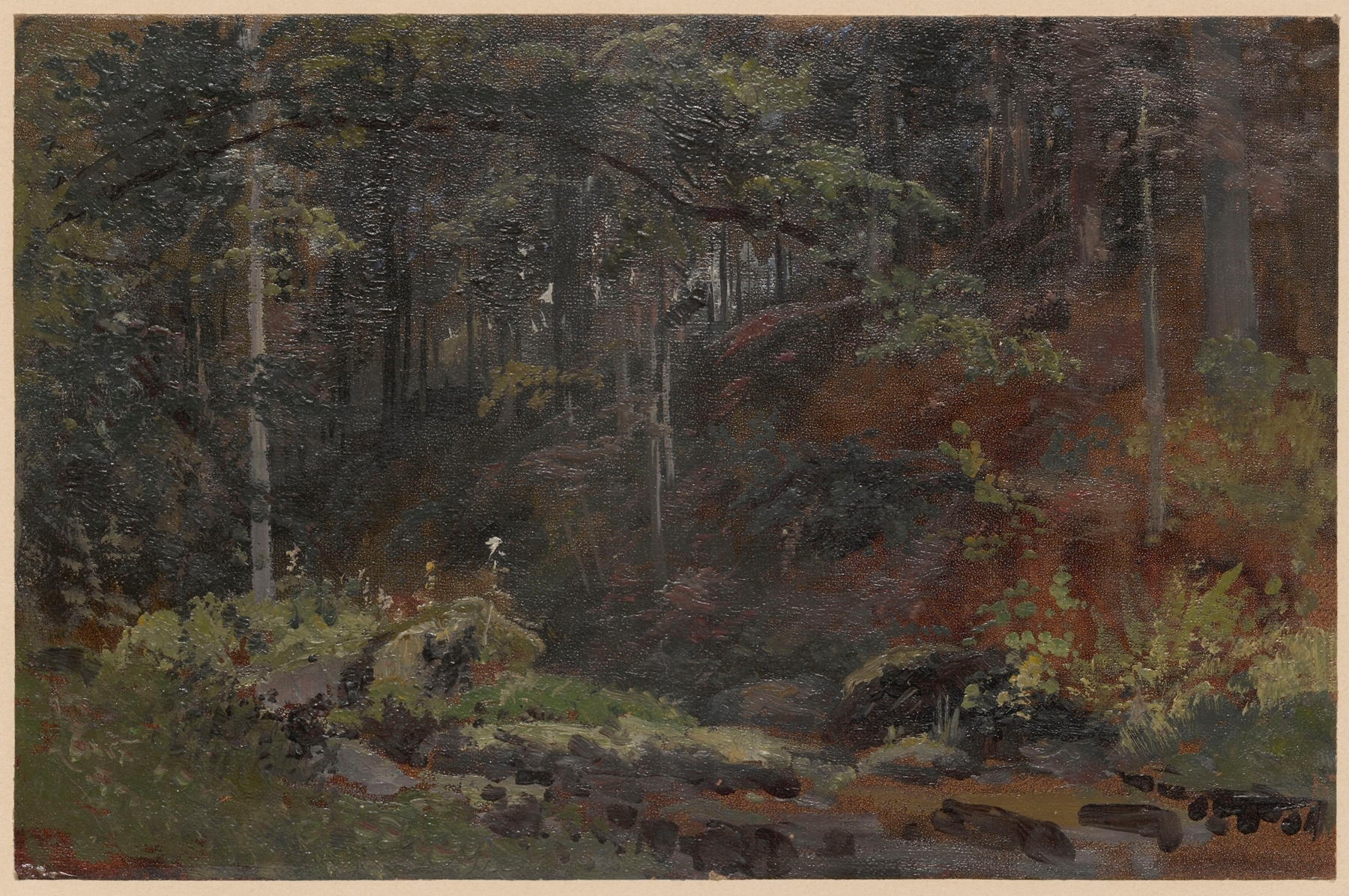
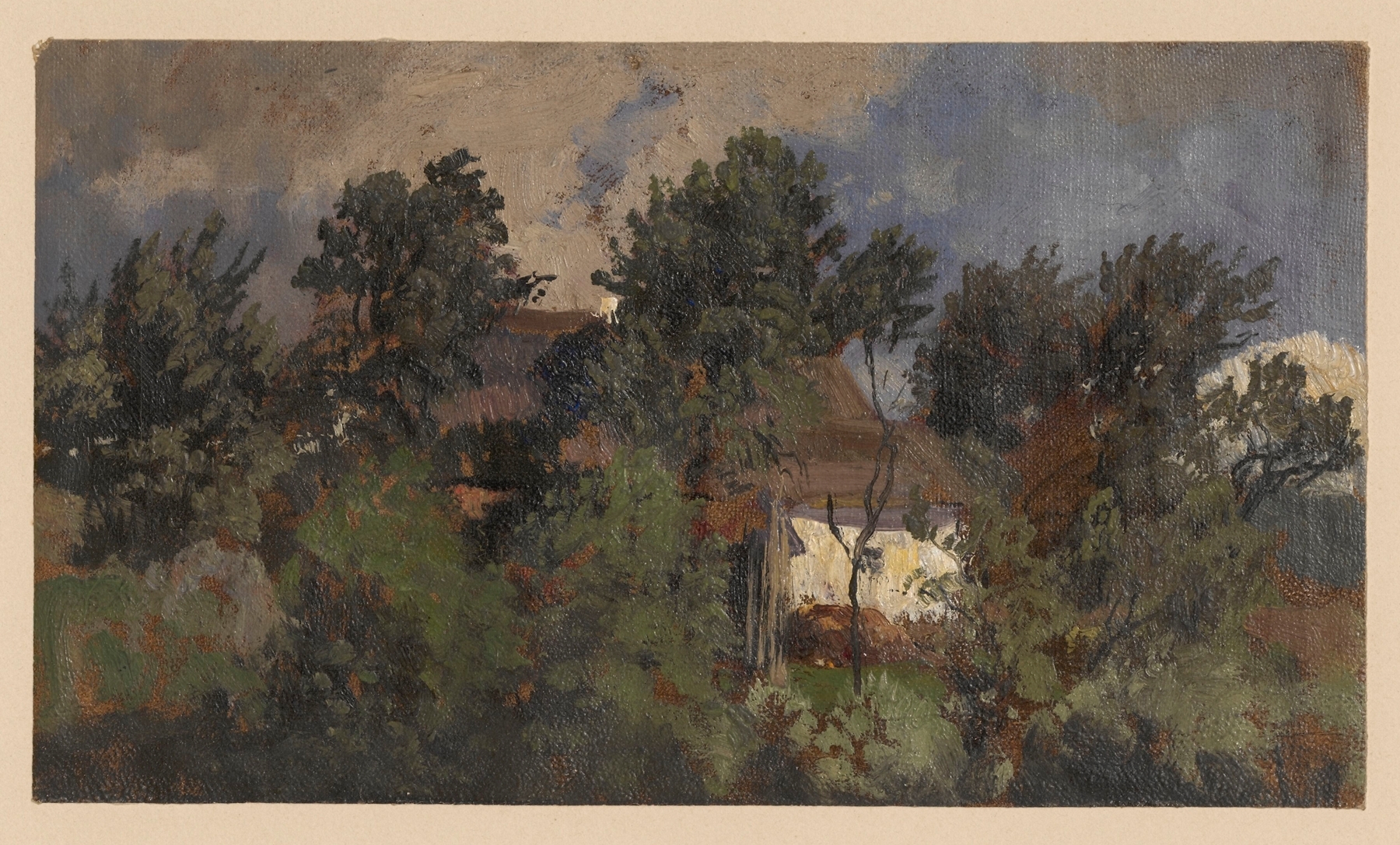
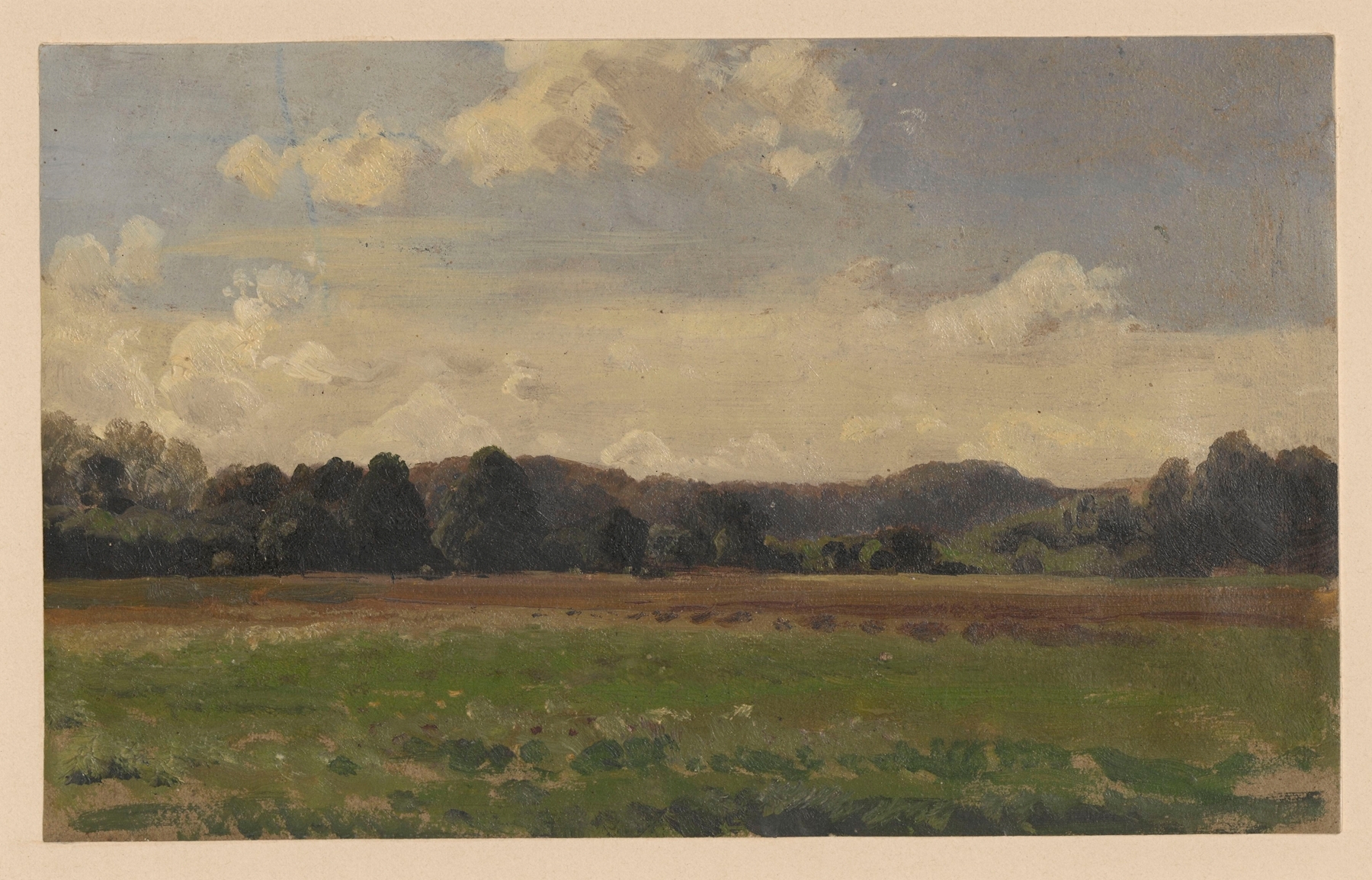
Who listens when art speaks of silence? In the serene embrace of nature, whispers of awe echo through the valleys, inviting the viewer to pause and reflect. Look to the horizon, where the gentle undulations of the Jesenik range rise majestically against a vast sky. The river meanders gracefully through the foreground, its shimmering surface mirroring the soft hues of dawn. Notice how the delicate brushstrokes blend greens and blues, creating a harmonious tapestry that breathes life into the landscape.
The subtle interplay of light and shadow not only defines the contours of the hills but also evokes a sense of tranquility that draws the eye deeper into the scene. Within the tranquil setting lies a rich emotional narrative. The juxtaposition of the placid river against the imposing mountains suggests a delicate balance between serenity and grandeur. The distant peaks, shrouded in soft mist, whisper of untamed wilderness, while the river's gentle flow embodies the passage of time.
This contrast invites contemplation of life's fleeting moments and the eternal beauty of nature, revealing layers of meaning beneath the surface. Adolf Dressler created this exquisite landscape between 1850 and 1881, a period marked by significant developments in European art. Working in what is now the Czech Republic, he navigated an era of Romanticism, where nature was revered for its sublime and awe-inspiring qualities. During this time, artists were increasingly drawn to the natural world, seeking to capture its beauty and evoke profound emotional responses, a mission Dressler fulfilled with remarkable grace in this piece.