Landscape with a road and hills — History & Analysis
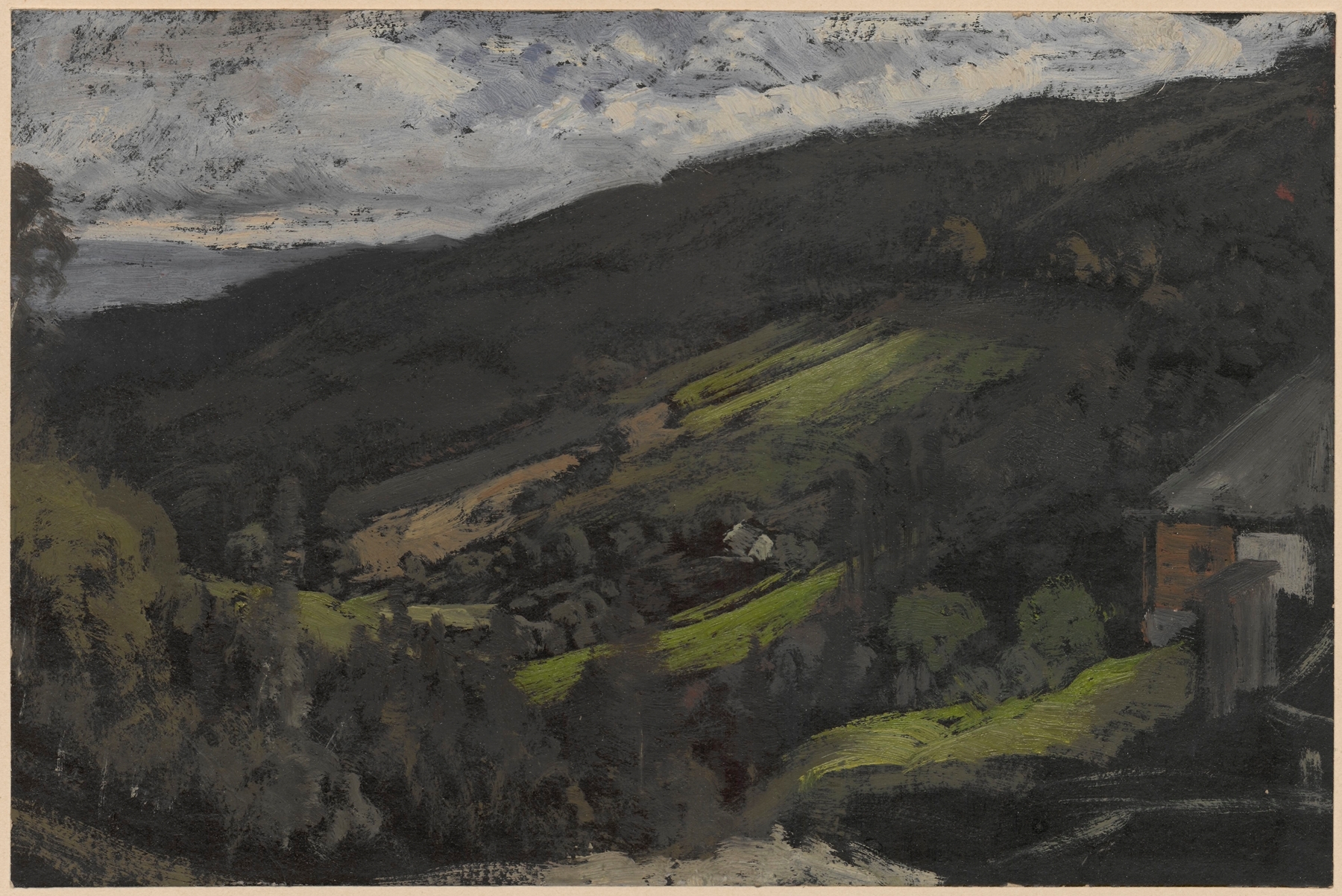
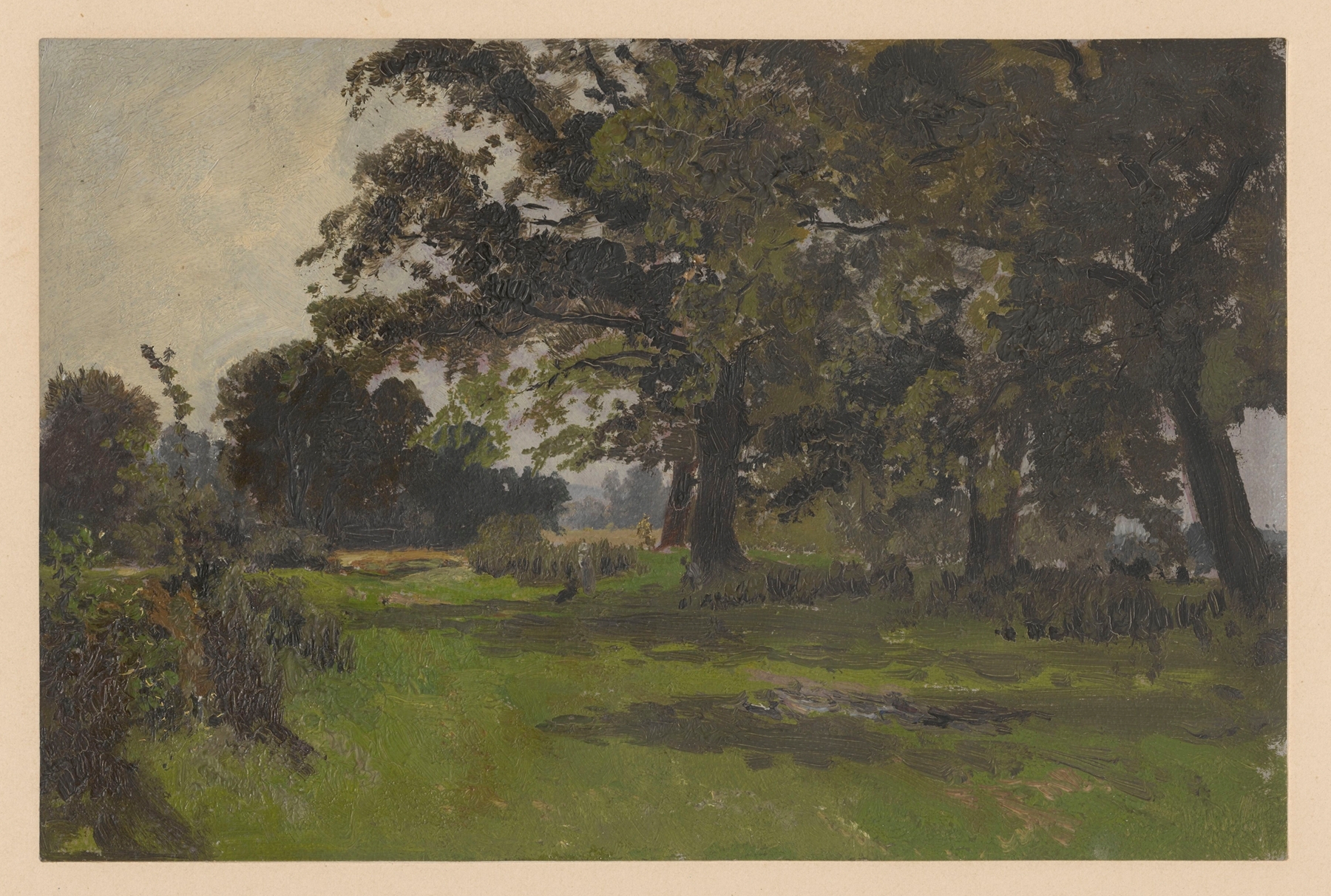
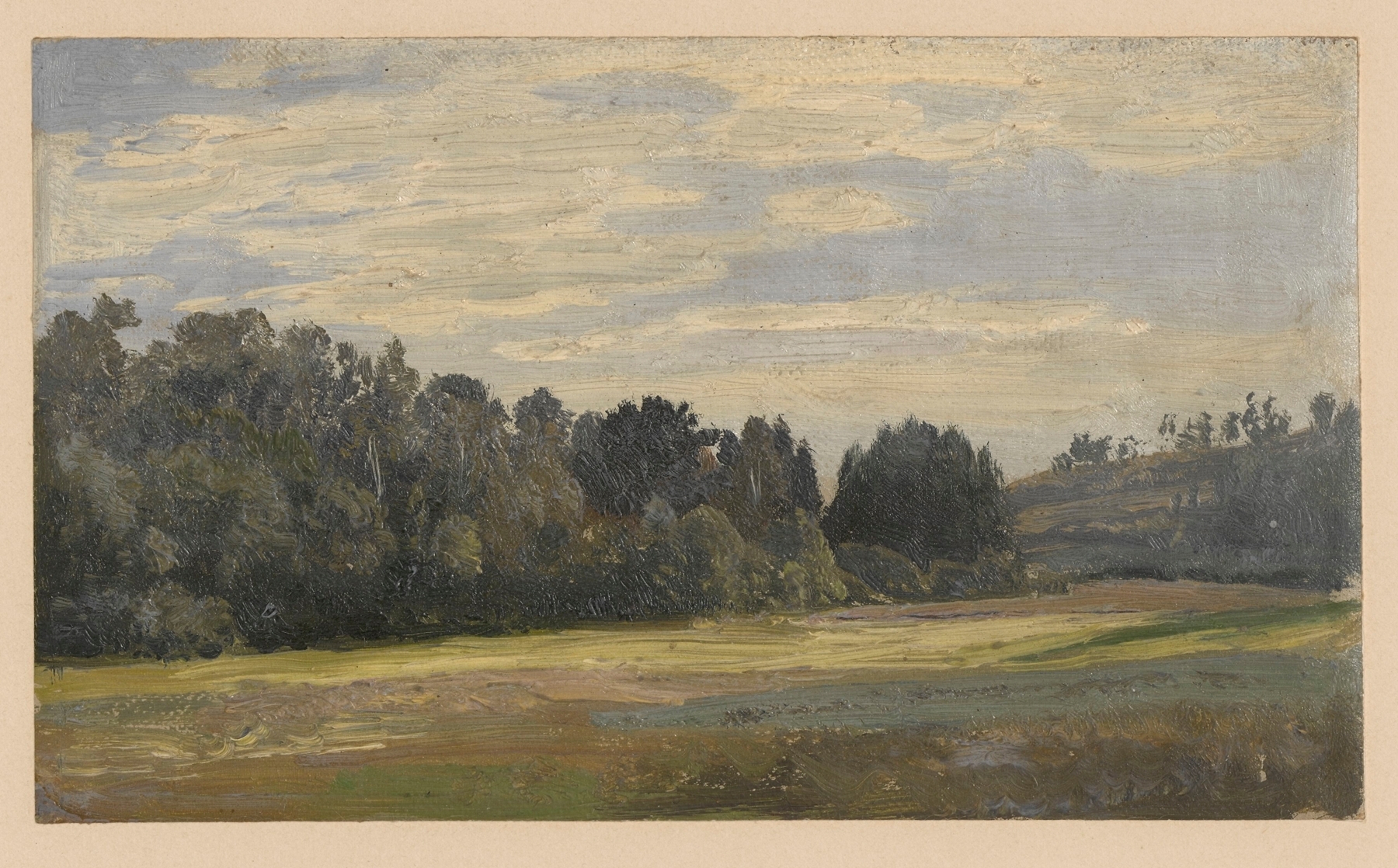
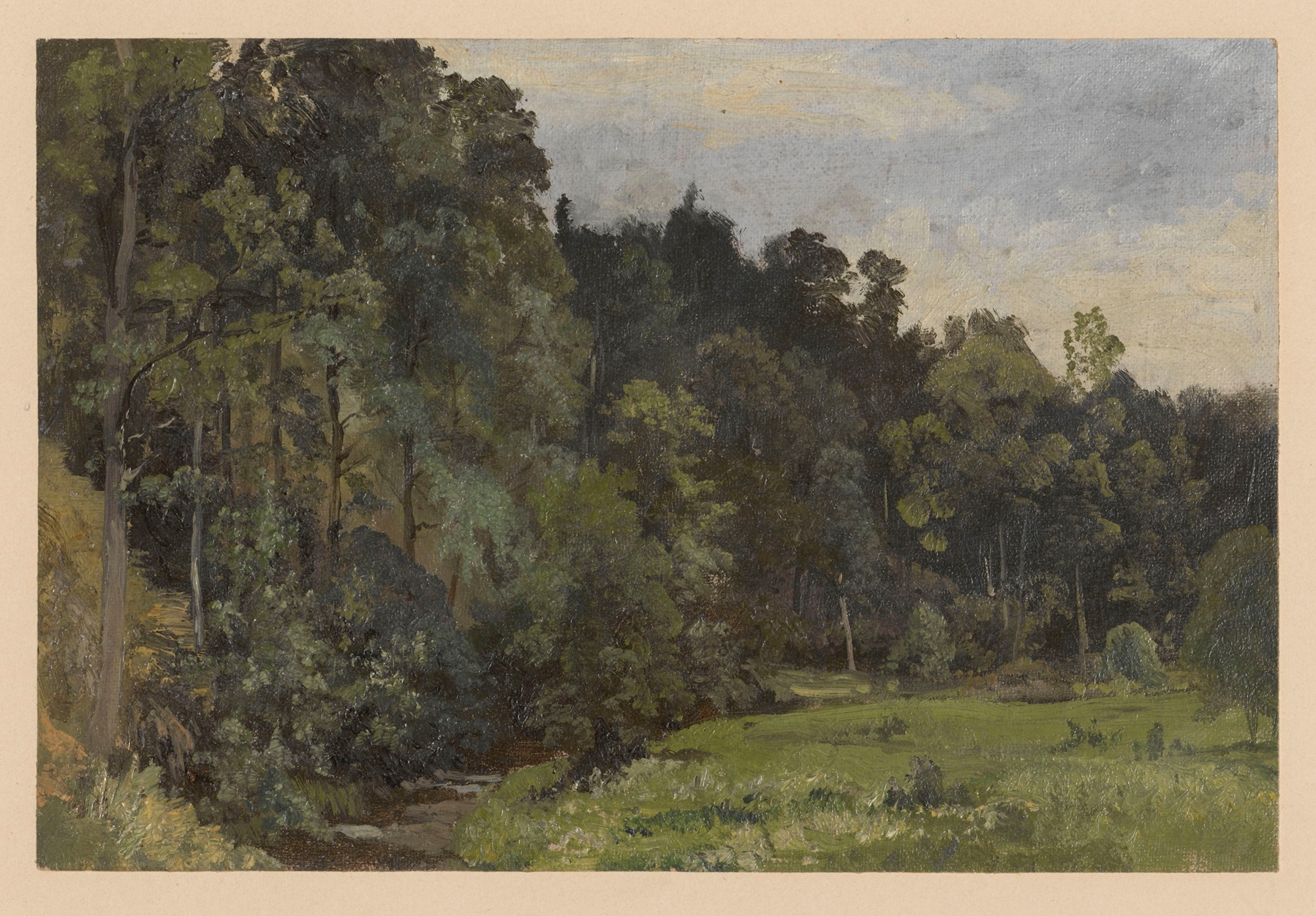
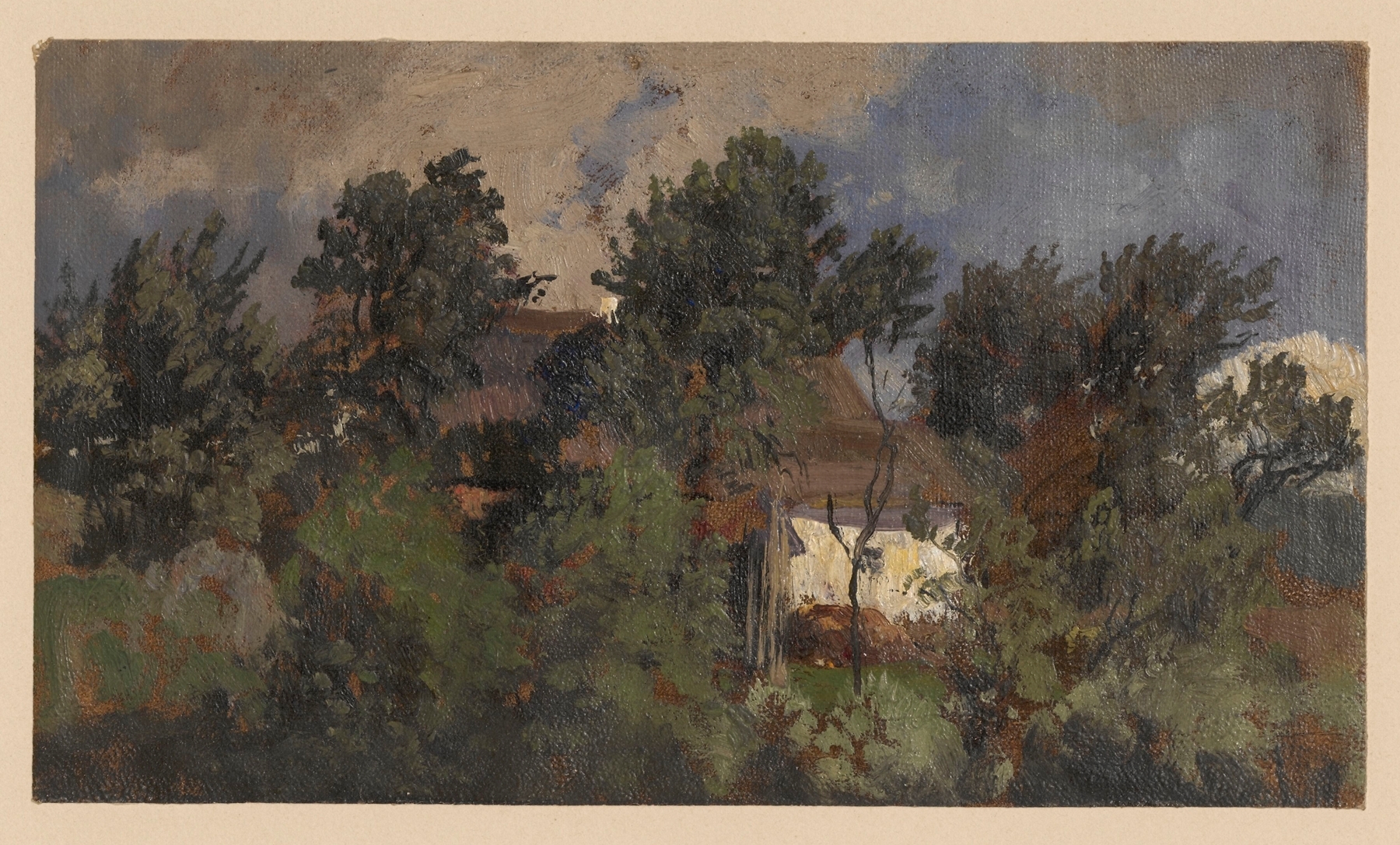
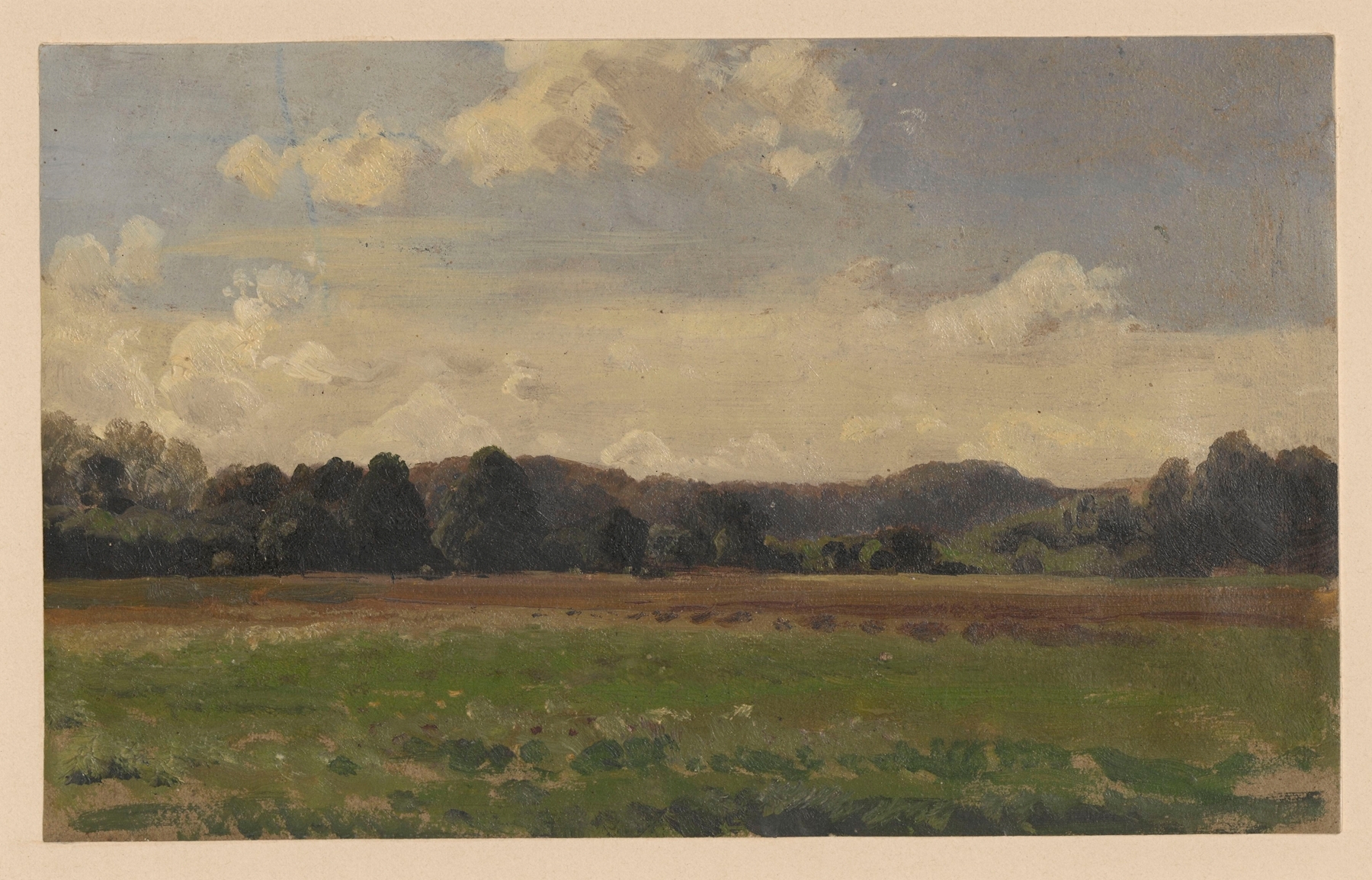
“Under the brush, chaos becomes grace.” In Landscape with a Road and Hills, shadows converge and dance, weaving a tale of nature’s serene struggle. Look to the center where a winding road emerges, leading the eye toward the distant hills. Soft hues of green and gold envelop the landscape, while the muted blues of the sky provide a gentle contrast. Notice how the light falls upon the undulating terrain, casting deep shadows that create a rhythmic pulse throughout the scene, drawing attention to the interplay of light and dark.
This dynamic use of color and shadow speaks to a sense of depth and movement, inviting contemplation. Beneath the surface of this tranquil vista lies a profound tension between the path and the hills, a metaphor for life’s journey against the weight of nature’s permanence. The road, seemingly inviting, suggests the promise of adventure, while the deep shadows may evoke a sense of foreboding or the unknown. Each brushstroke captures fleeting moments—of sunlight and shadow—reminding us of the duality of existence, where beauty and mystery coexist.
Adolf Dressler painted this piece between 1850 and 1881, a time when Romanticism was giving way to realism within the artistic landscape. Living in Germany, Dressler was influenced by the evolving aesthetic values of his contemporaries, embracing the natural world while reflecting on personal and broader societal themes. His work during this period sought to convey the essence of landscapes, often revealing the emotional undertones hidden beneath their surface beauty.