Landscape with Castle Ruin — History & Analysis
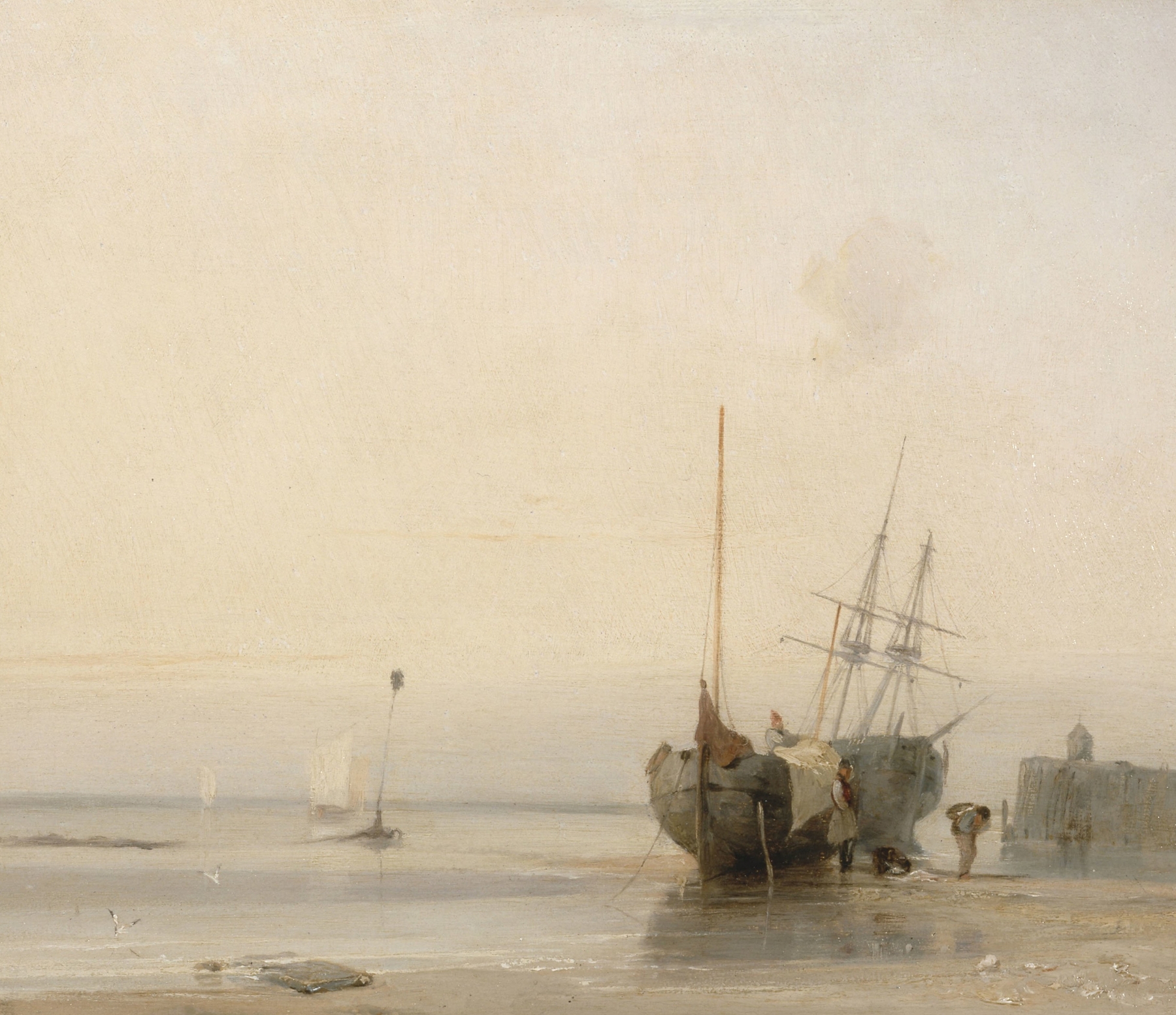
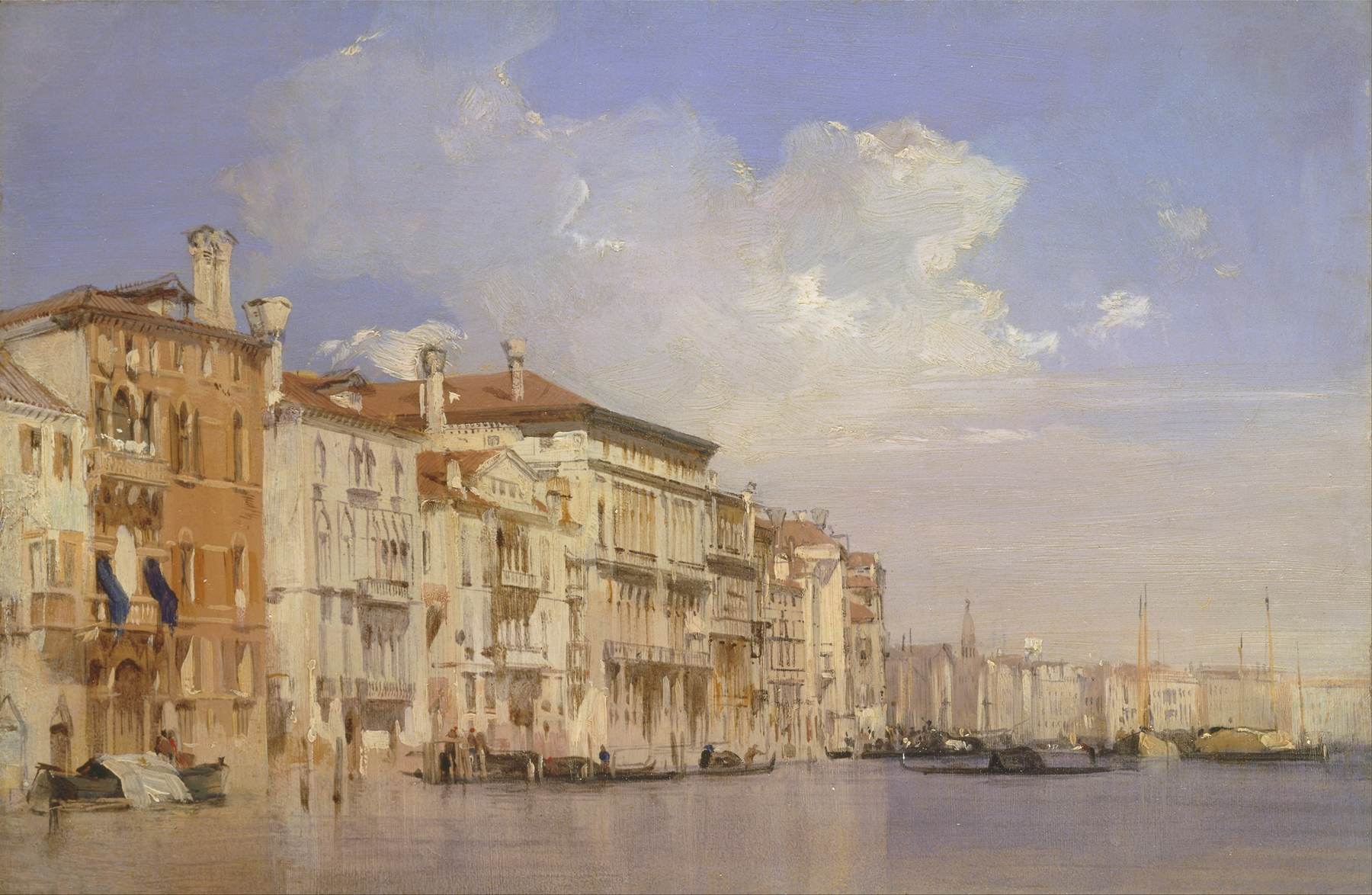
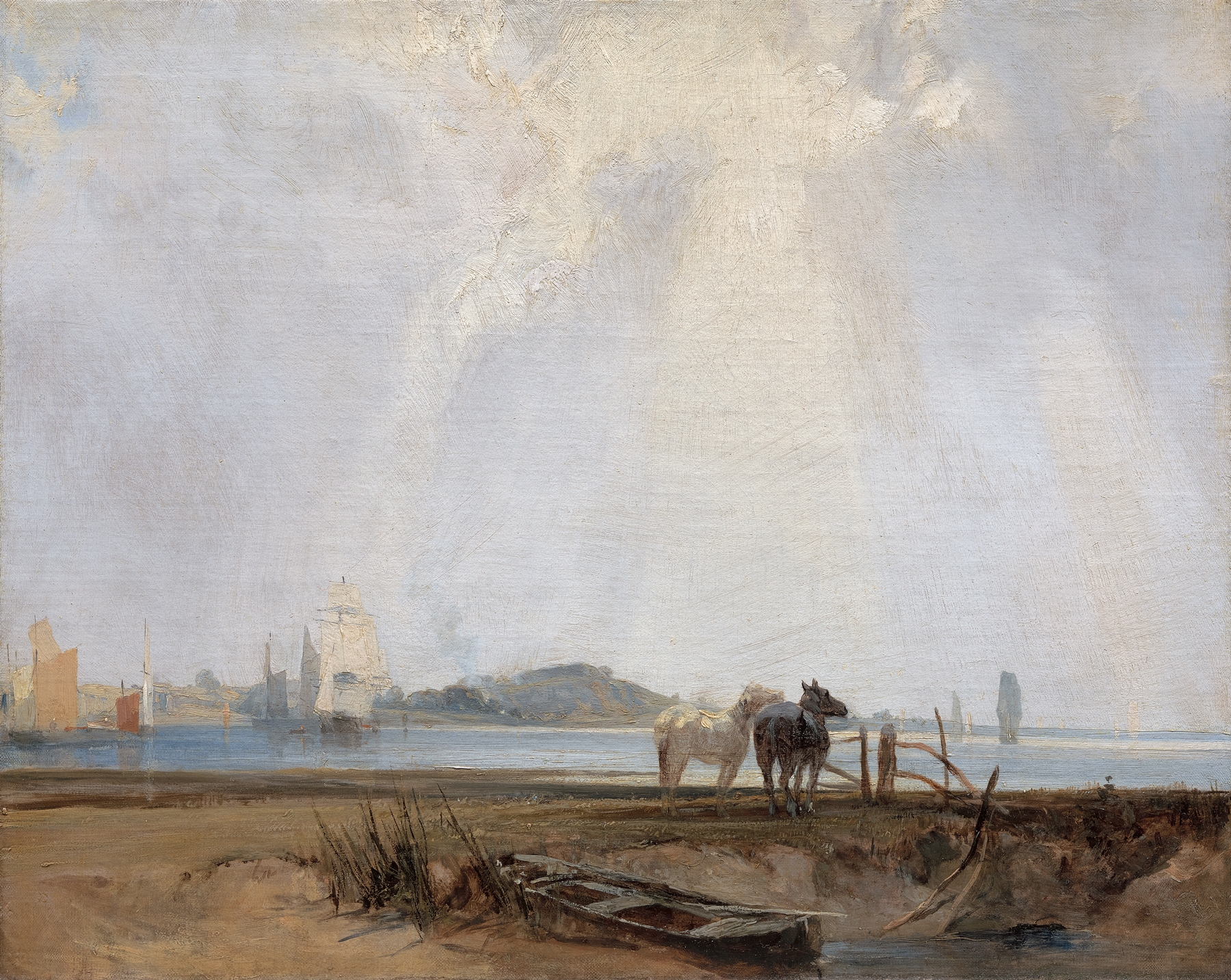
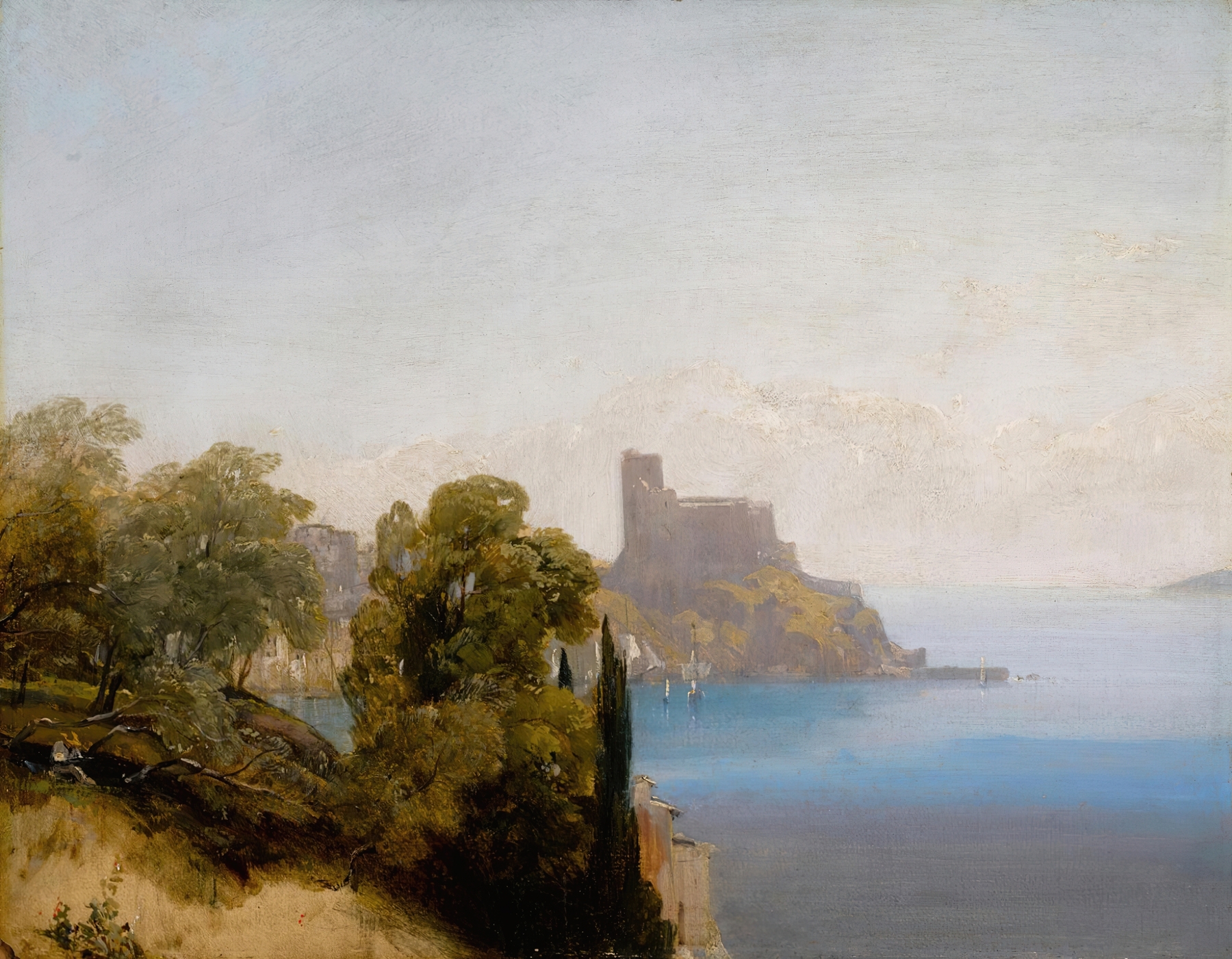
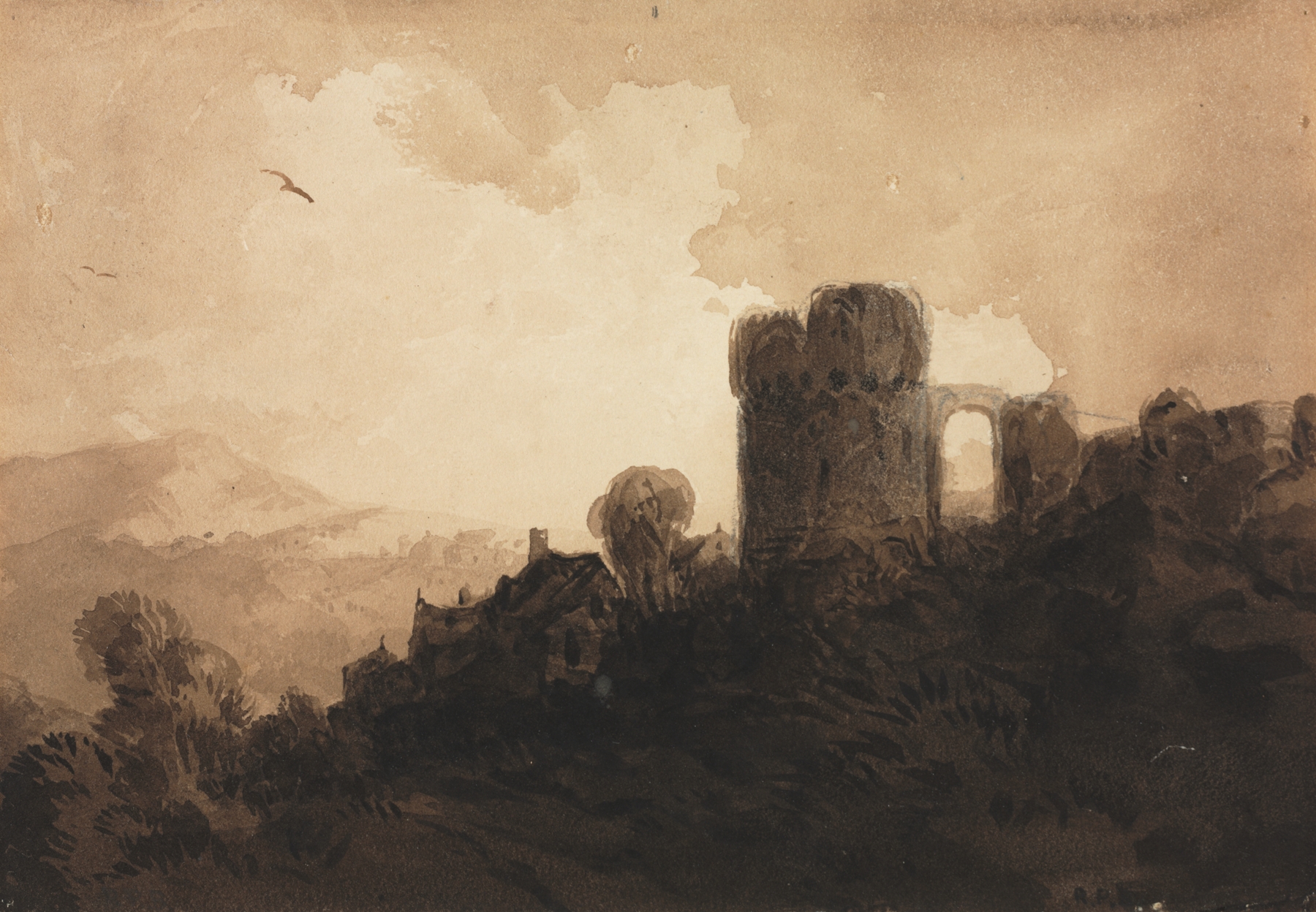
Can beauty exist without sorrow? In Landscape with Castle Ruin, the answer lies in the bittersweet remnants of a forgotten past, where echoes of history whisper through the trees. Focus on the crumbling castle to the left, its jagged silhouette piercing the soft, cloud-streaked sky. The brushstrokes reveal a delicate interplay of light and shadow, illuminating the vibrant greens of the surrounding landscape while casting the ruin in a melancholic gray. Notice how the foreground is alive with wildflowers dancing in the gentle breeze, drawing the eye towards the fortress that stands as a silent sentinel of time lost.
Bonington masterfully balances the rich textures of nature against the starkness of the ruin, creating a poignant contrast that captivates the viewer's gaze. Beneath the serene beauty lies a tension between nature's resilience and the impermanence of human achievement. The lush vegetation encroaches upon the castle, suggesting a quiet reclamation of what was lost, while the ruin itself tells a story of grandeur now faded. This juxtaposition invites contemplation of legacy: what survives in our memories and how it shapes our present.
The interplay of light and shadow not only enhances the scene's emotional depth but also reinforces the idea that beauty and sorrow are often intertwined. Richard Parkes Bonington painted this evocative landscape during a period of significant transition in the early 19th century. Working primarily in France, he was influenced by both the Romantic movement and the burgeoning Impressionist techniques that would later define modern art. As he captured this scene, the world around him was experiencing a profound shift, where the old ways of life were giving way to new ideas, reflecting his own quest to blend the past with the present in his art.