Landscape with Herdsmen — History & Analysis
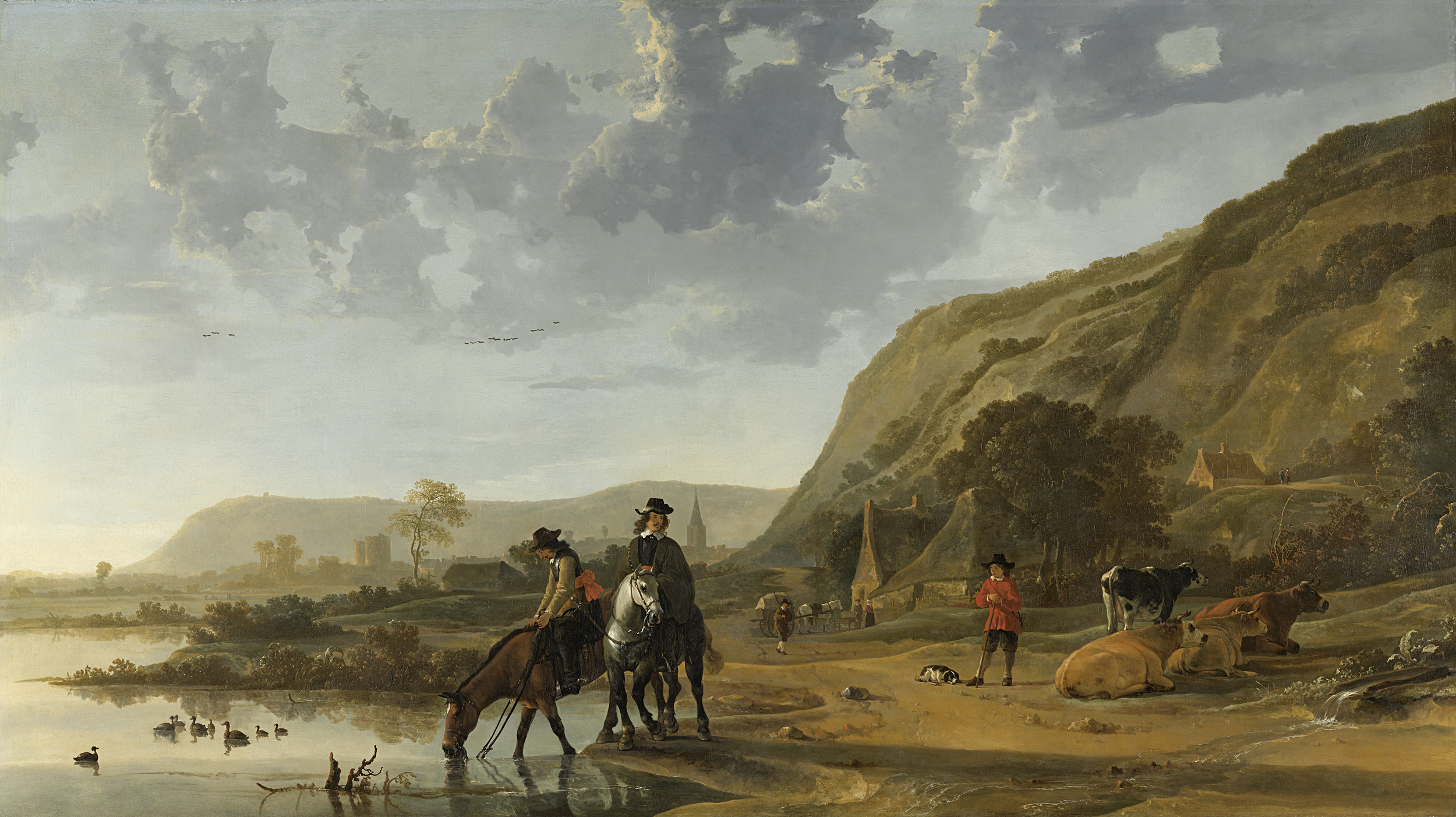
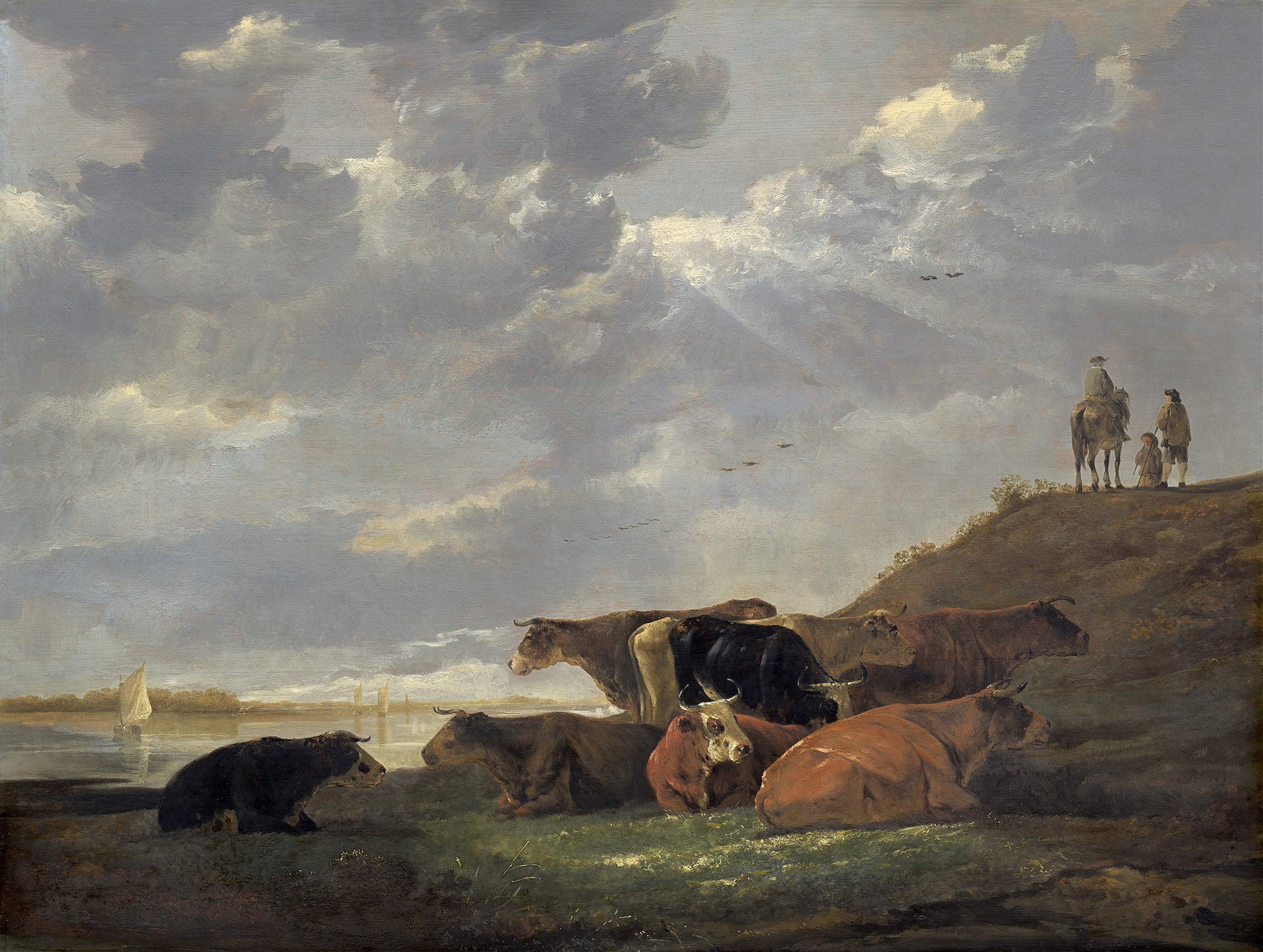
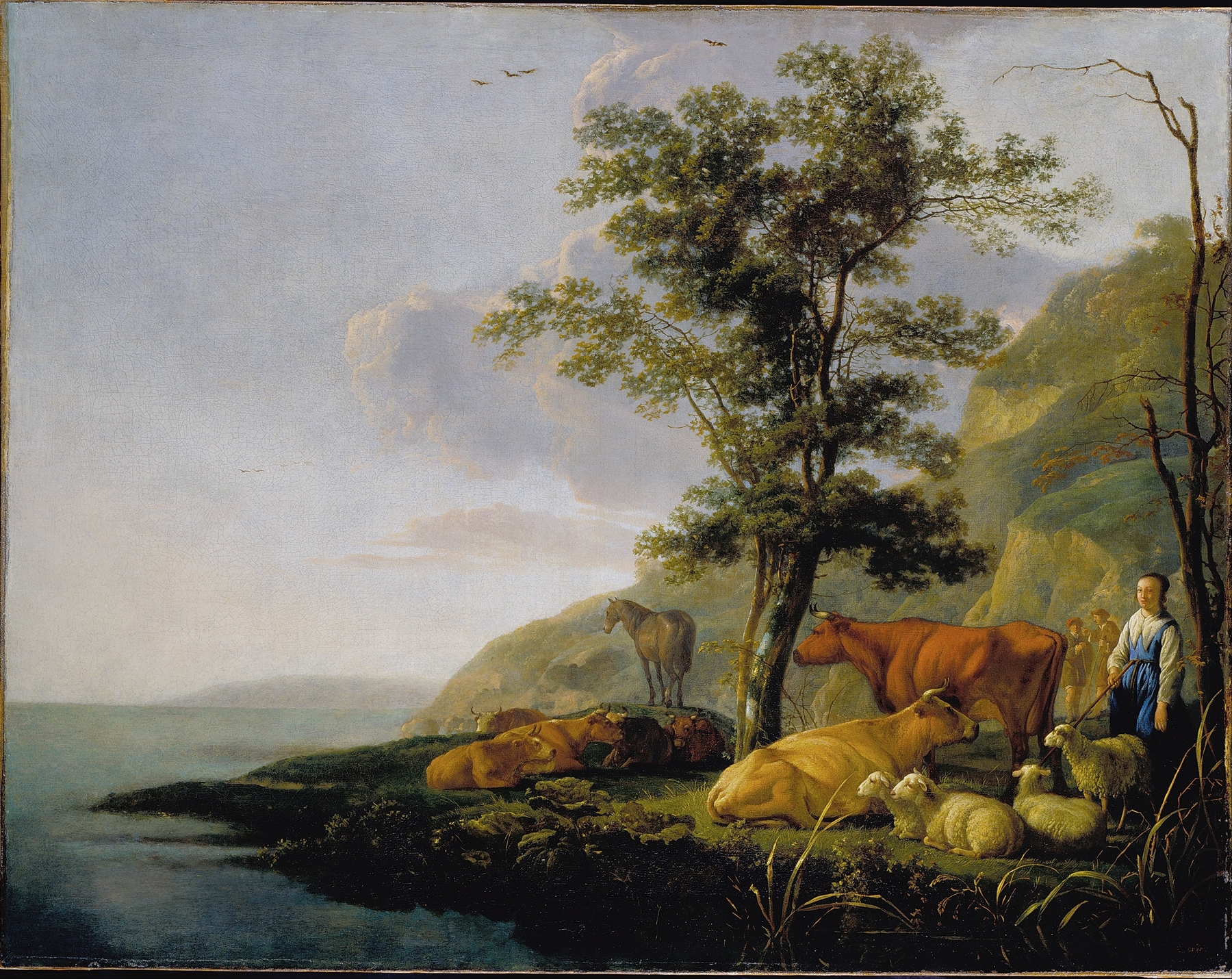
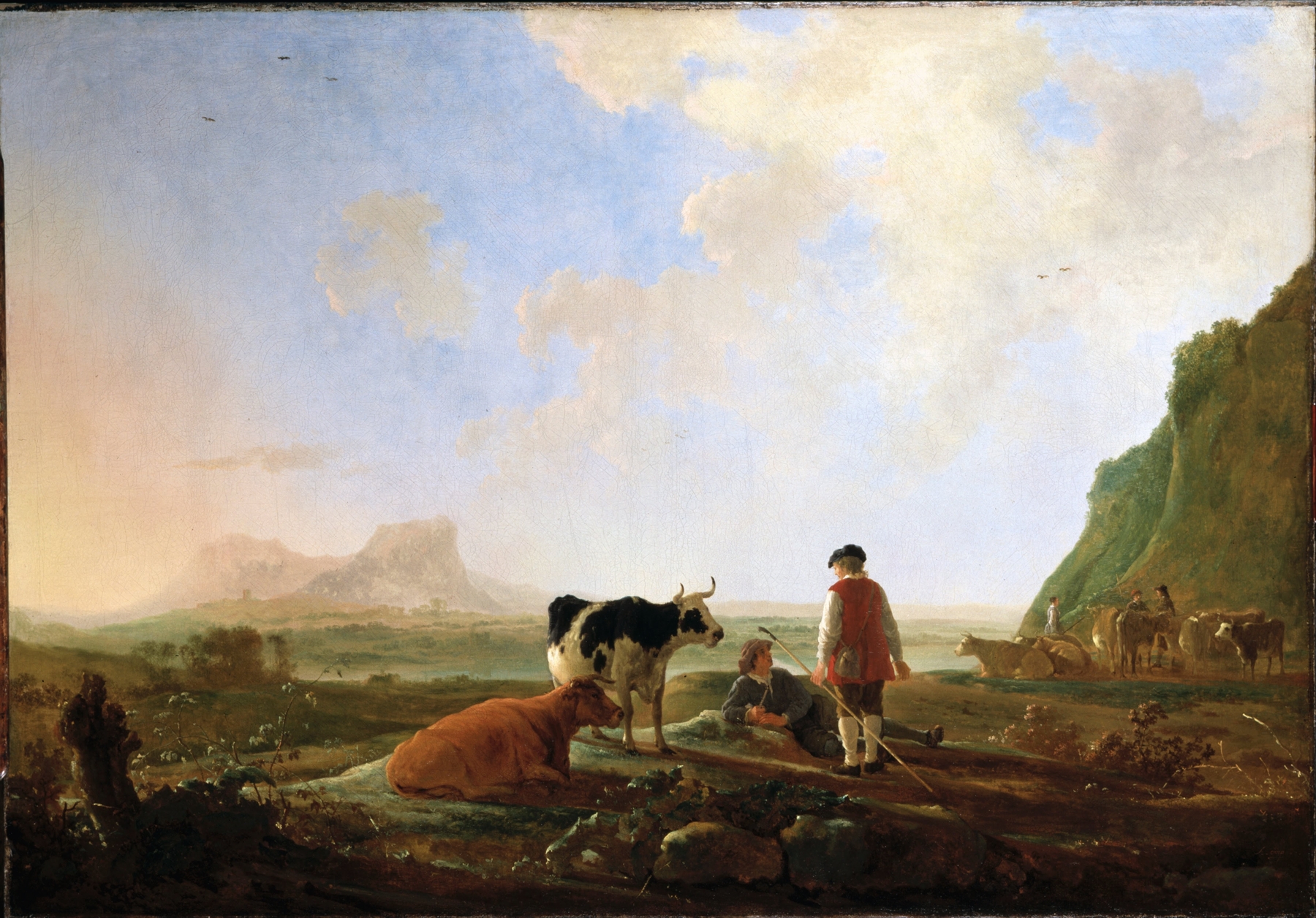
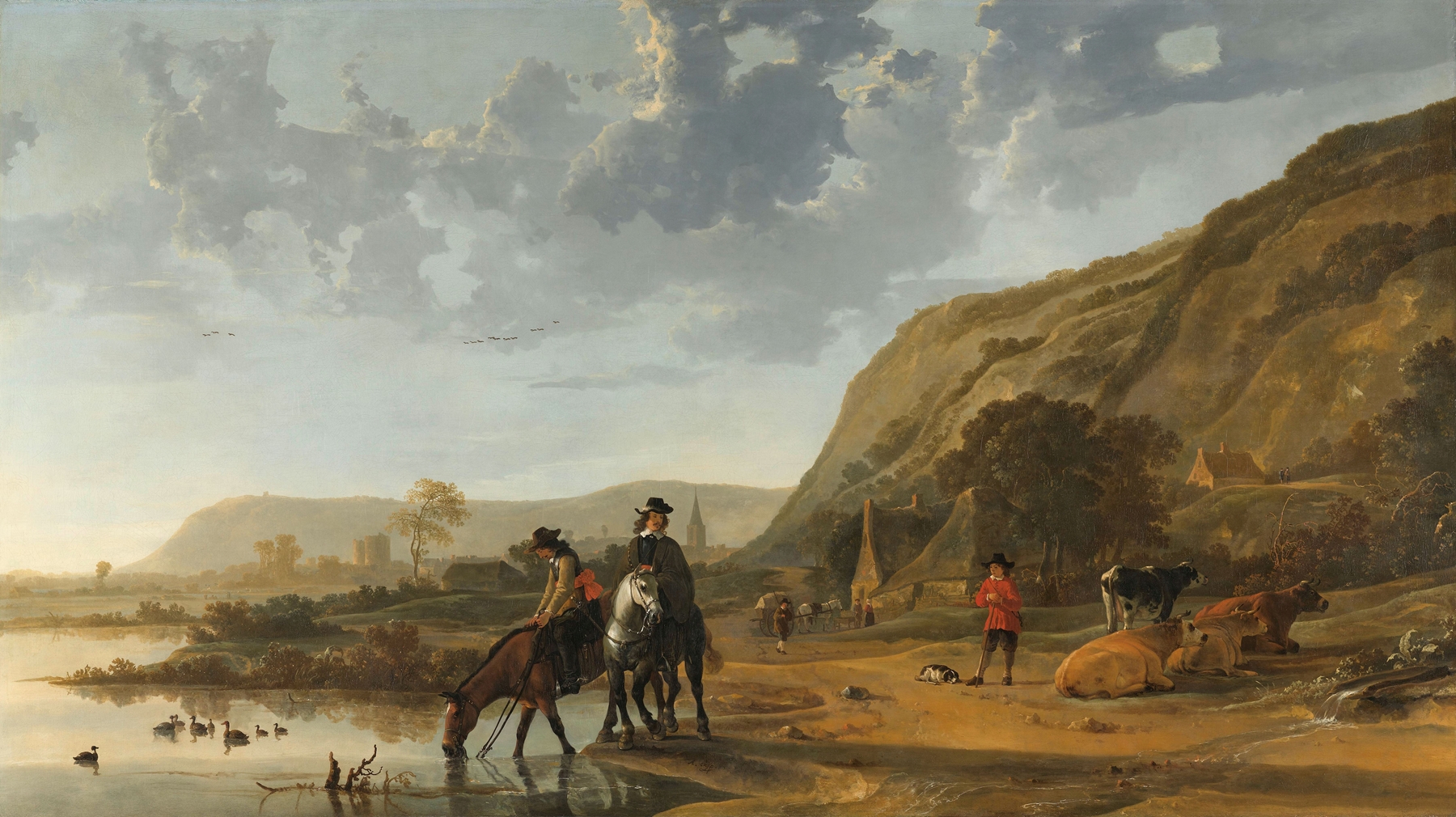
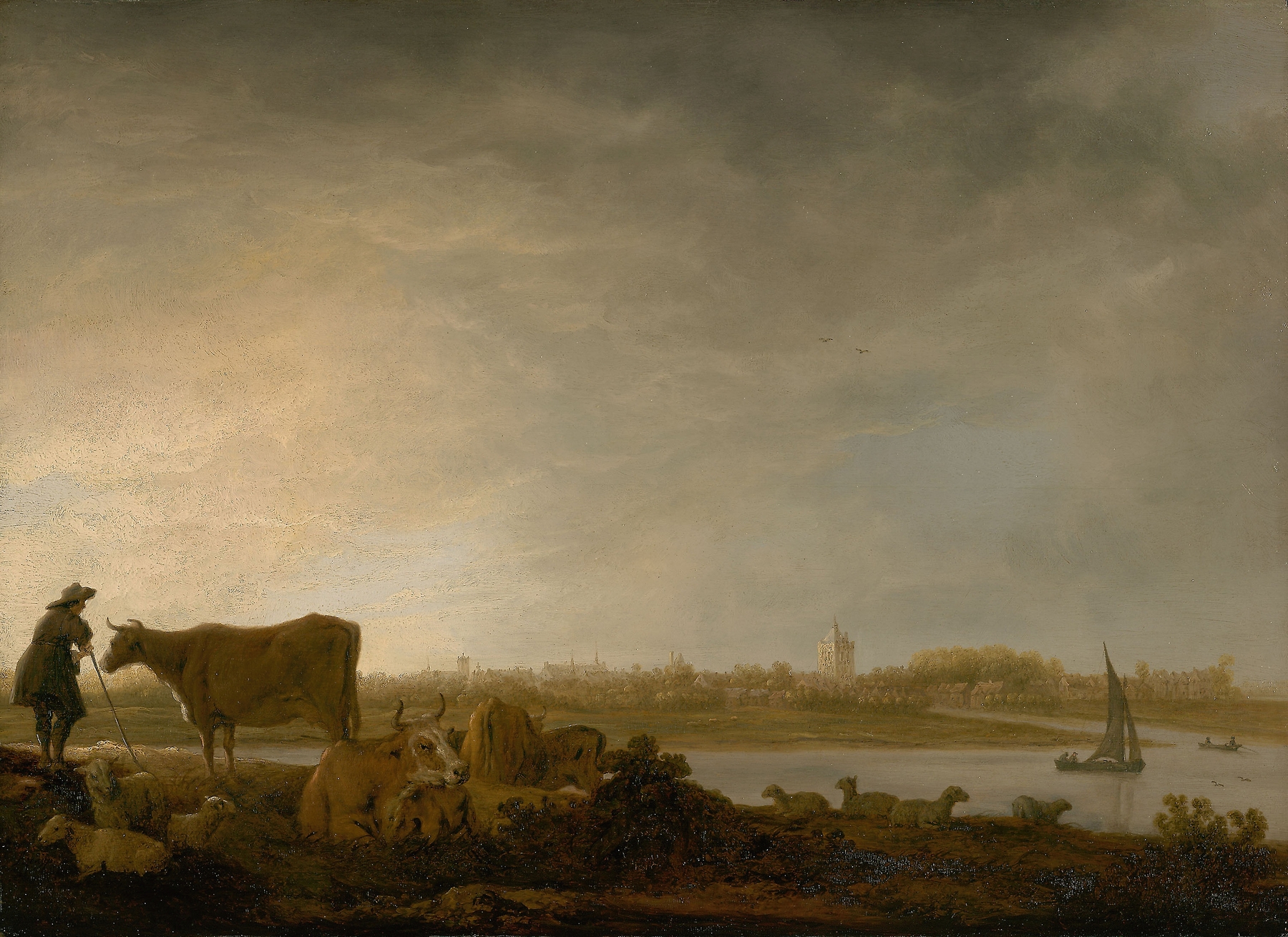
“Between color and silence, truth hides.” In the delicate interplay of light and shadow within this landscape, the viewer finds a profound balance that speaks to the heart of existence itself. Look to the sweeping horizon, where the soft, golden hues of the setting sun embrace the verdant fields. The herdsmen occupy the midground, their figures rendered with gentle precision, guiding their cattle through this tranquil scene. Notice how the light falls upon the cows’ glossy coats, reflecting the warmth of the day, while the muted greens and earthy browns harmonize to create a sense of peace and unity in the composition.
Yet, beneath this serene facade, a subtle tension lingers. The herdsmen seem to embody both diligence and freedom, caught in the act of their daily labor while simultaneously enjoying the vast, open landscape around them. The juxtaposition of the earthly, labor-intensive activity and the ethereal beauty of nature creates a dialogue about life’s dualities—work and leisure, obligation and serenity. The clouds drifting across the sky whisper secrets of change, hinting at the impermanence that colors every moment.
In the mid-1650s, Aelbert Cuyp was painting in the Netherlands, a period of prosperity and artistic flourishing. Immersed in the Dutch Golden Age, he sought to capture the countryside’s idyllic charm and the connection between humans and nature. During this time, Cuyp's work reflected a shift towards a more personal and emotional connection with the landscape, marking a significant evolution in the realm of art.