Landscape with Milkmaid — History & Analysis
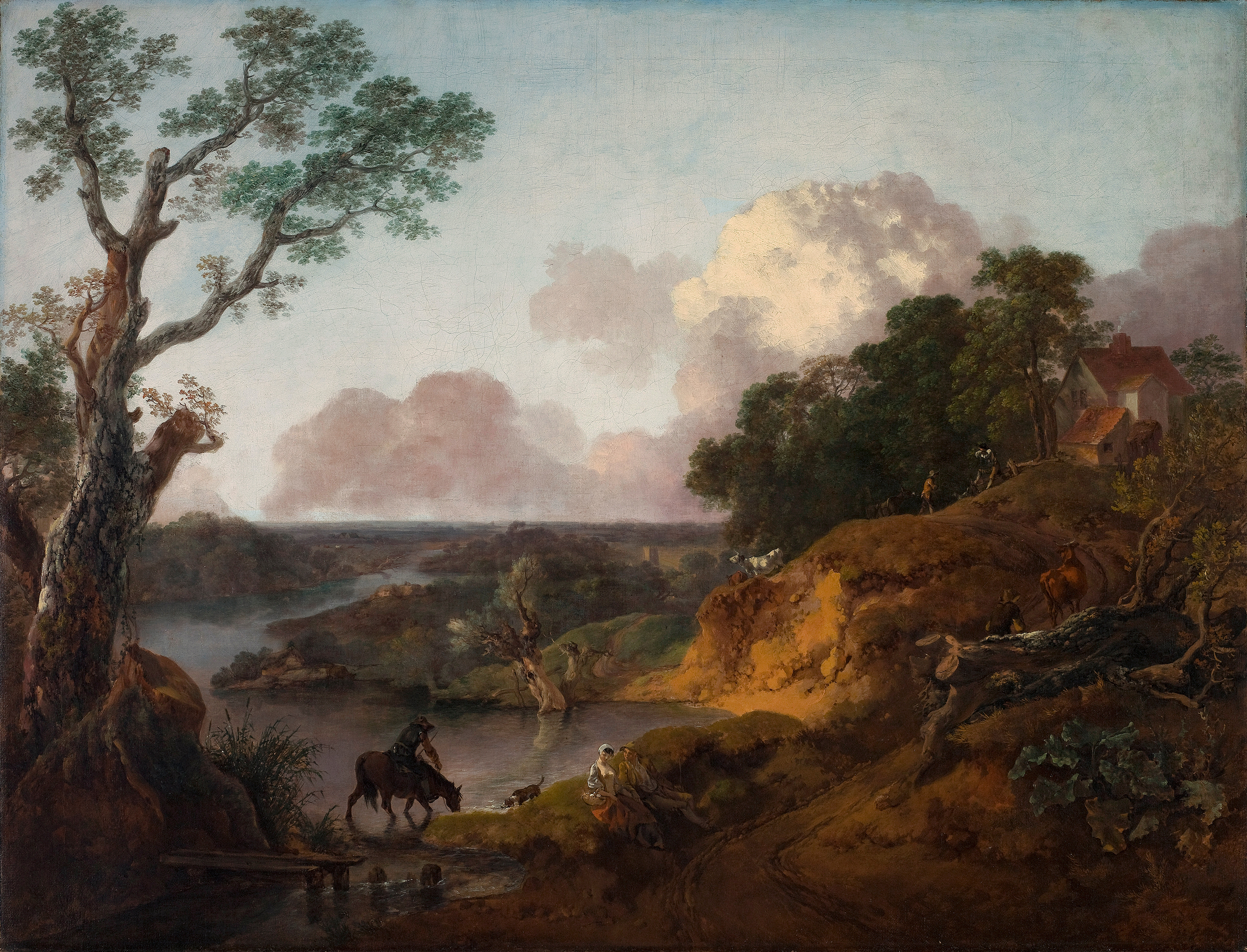
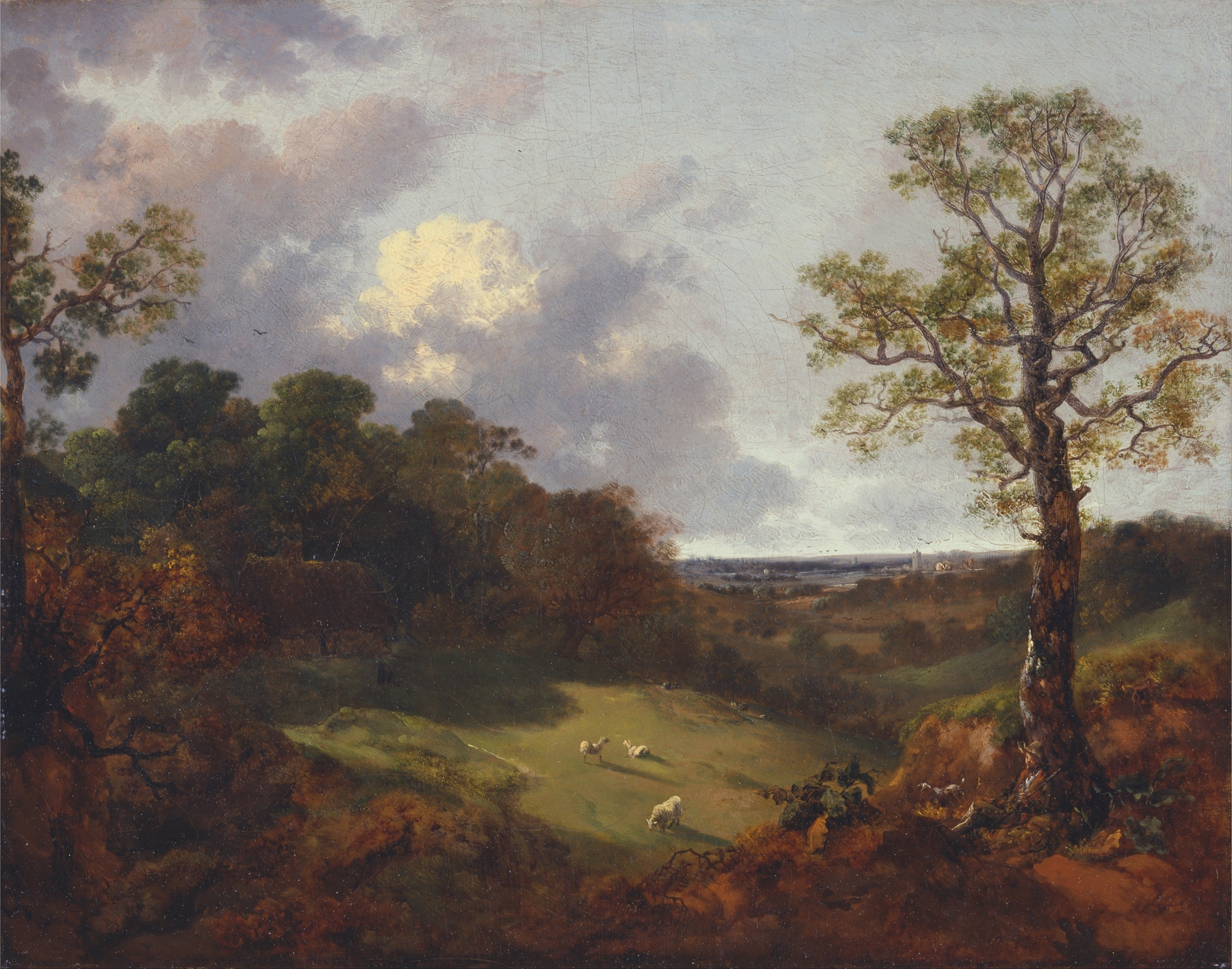
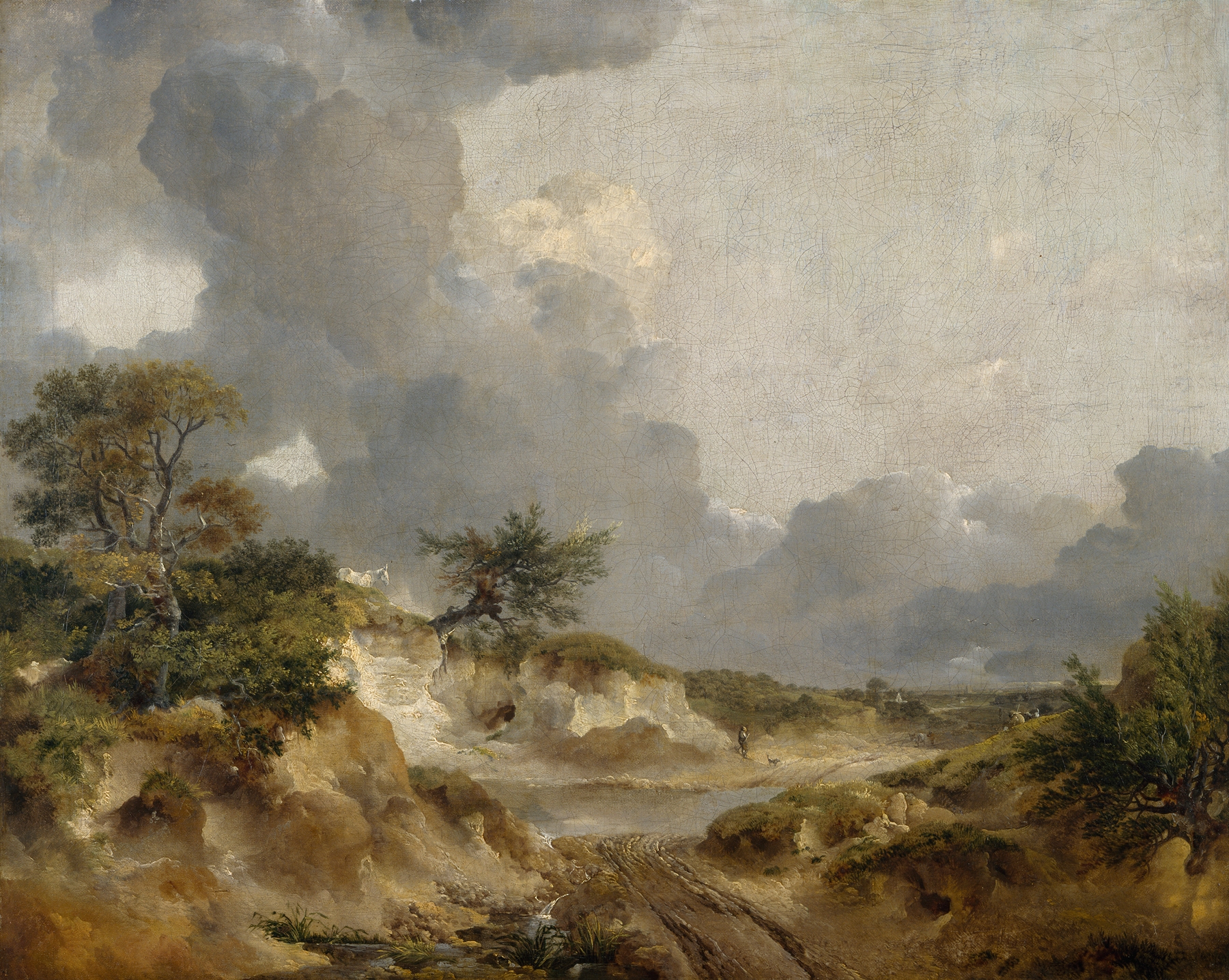
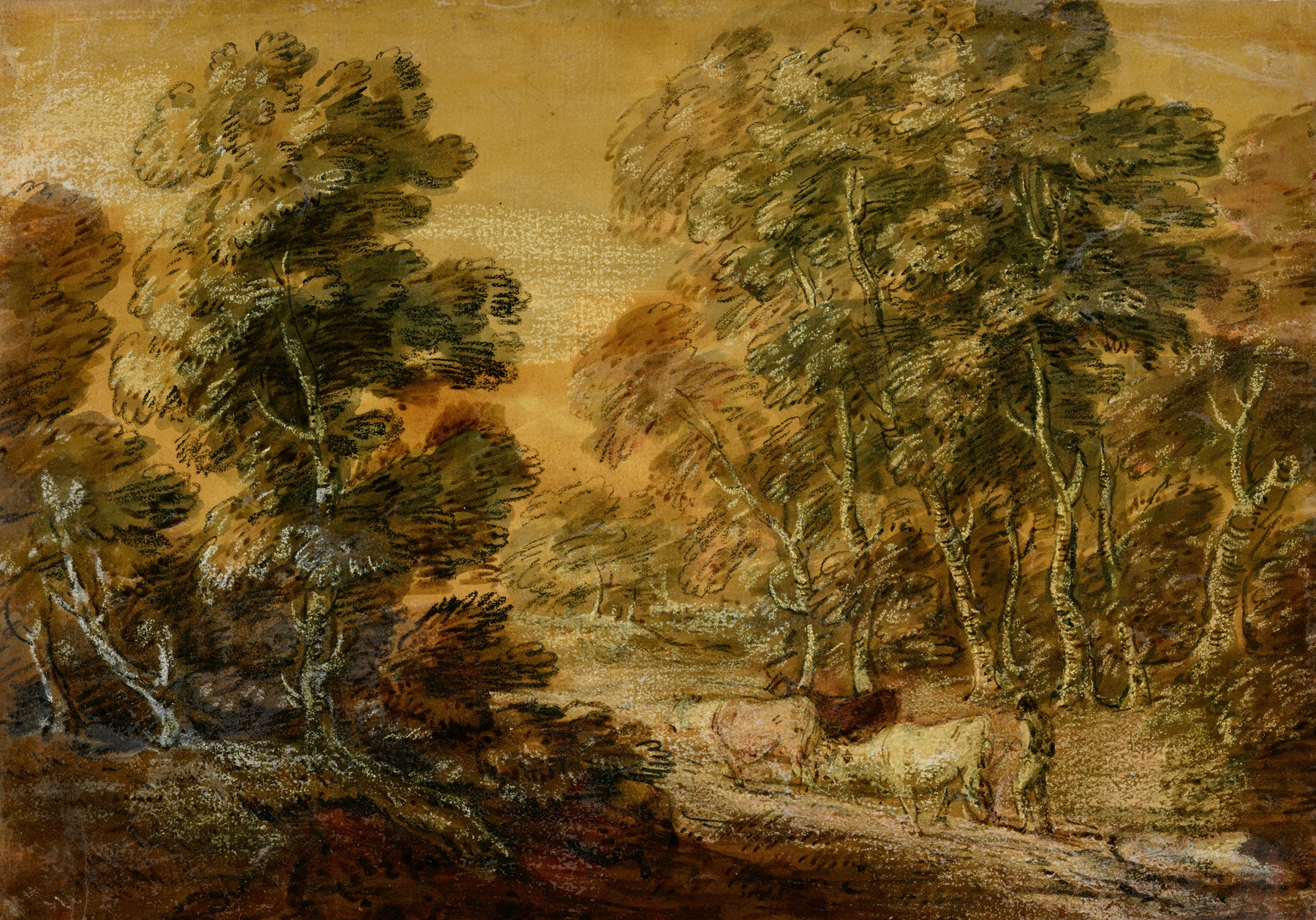
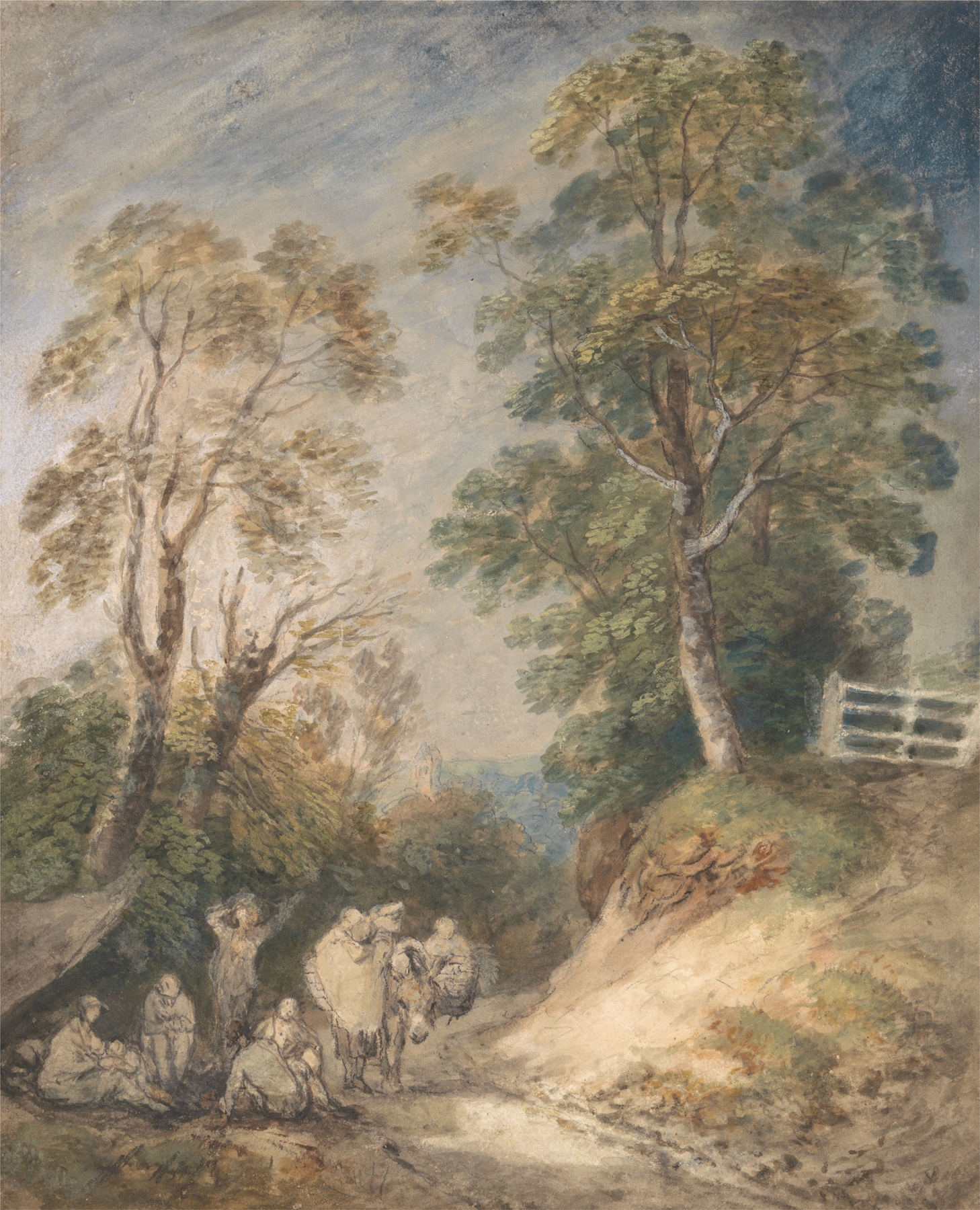
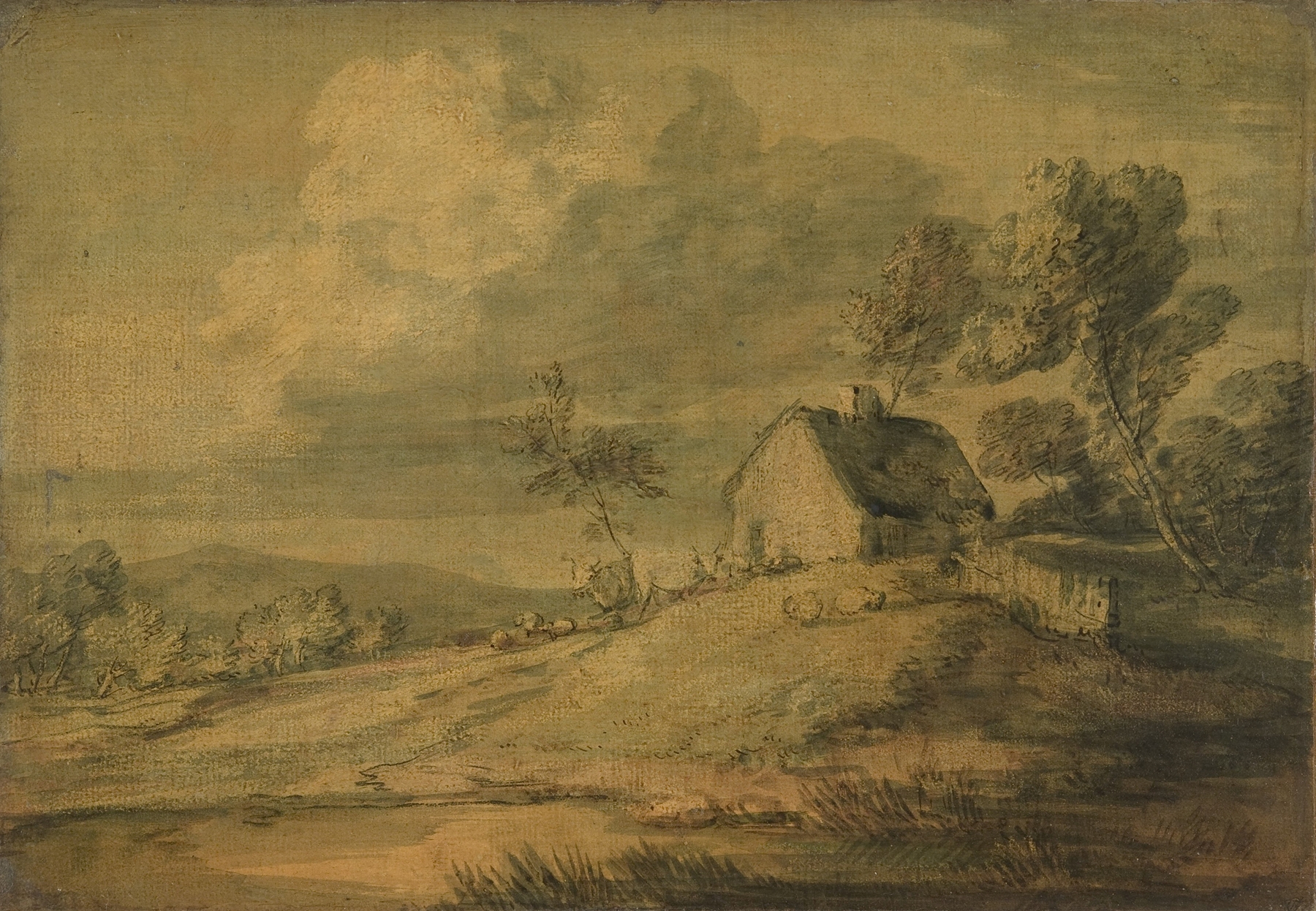
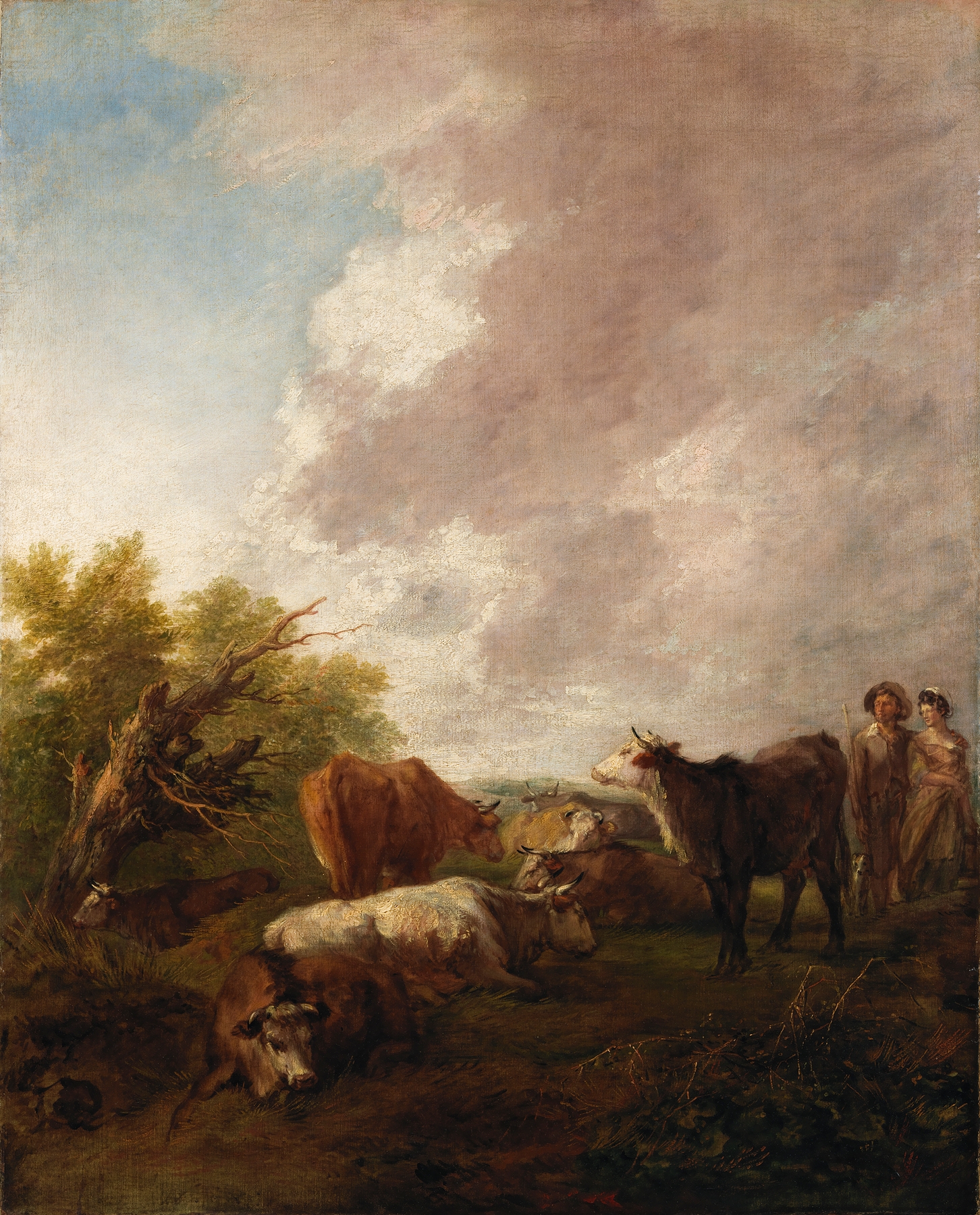
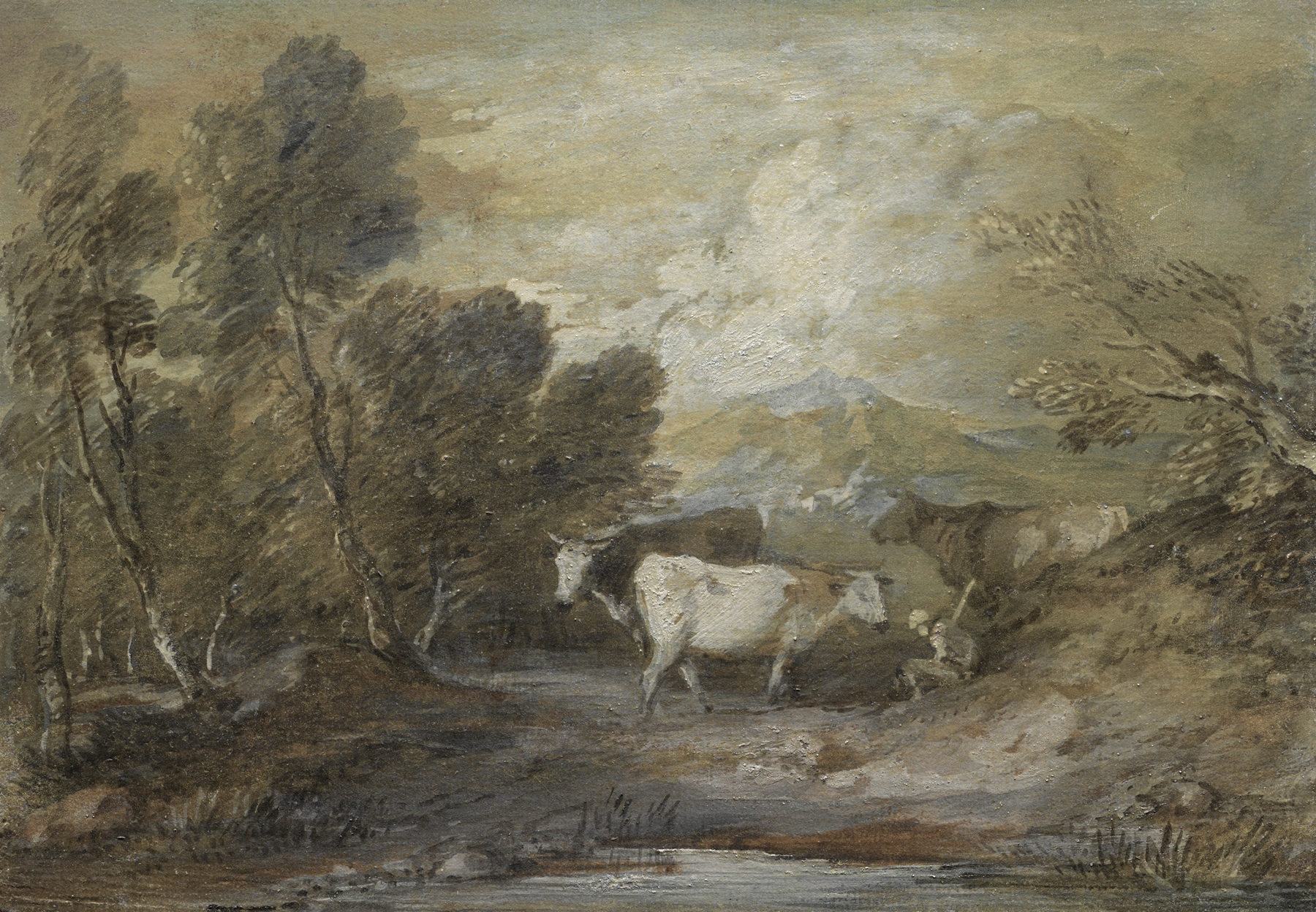
“Sometimes beauty is just pain, disguised in gold.” In Landscape with Milkmaid, this sentiment resonates deeply with the viewer, unraveling the complexities hidden within pastoral themes. Focus first on the milkmaid, nestled in the verdant expanse—her form almost a silhouette against the soft glow of the sun-drenched landscape. Notice how her gentle posture holds a delicate balance between labor and leisure, with the basket of milk resting on her hip, suggesting both responsibility and a fleeting moment of serenity. The interplay of light and shadow reveals the texture of her garments, draping like whispers of the countryside, while the lush greens and warm earth tones create a dreamlike quality that invites contemplation.
Yet, amidst the idyllic setting, there lies an undercurrent of tension. The milkmaid's serene expression belies the weight of her daily toil, illustrating the contrast between nature's beauty and the labor it demands. The horizon, dotted with distant hills, symbolizes both opportunity and isolation, reminding viewers that each picturesque moment is often intertwined with unseen struggles. There's an illusion of tranquility here, masking the relentless work required to maintain such beauty.
Gainsborough painted this artwork during a time when England was experiencing profound social changes, likely in the mid-18th century. As the burgeoning industrialization began to reshape rural life, the artist's focus on pastoral scenes reflected a longing for simpler, unspoiled moments. It was an era ripe with art that celebrated the idealized countryside, and Gainsborough's work stands as a testament to both the allure and the underlying realities of rural existence.