Landscape with Peasants — History & Analysis
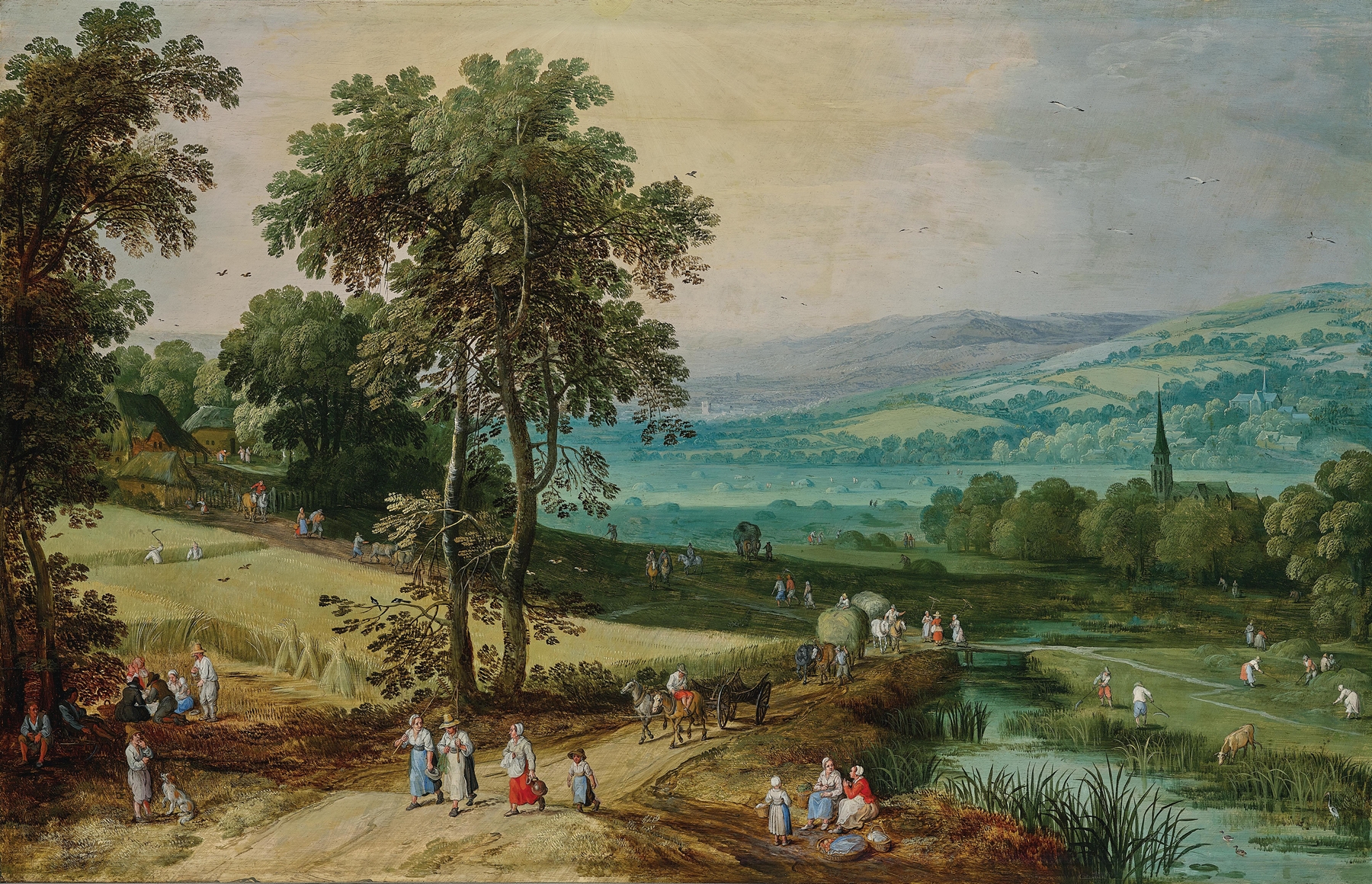
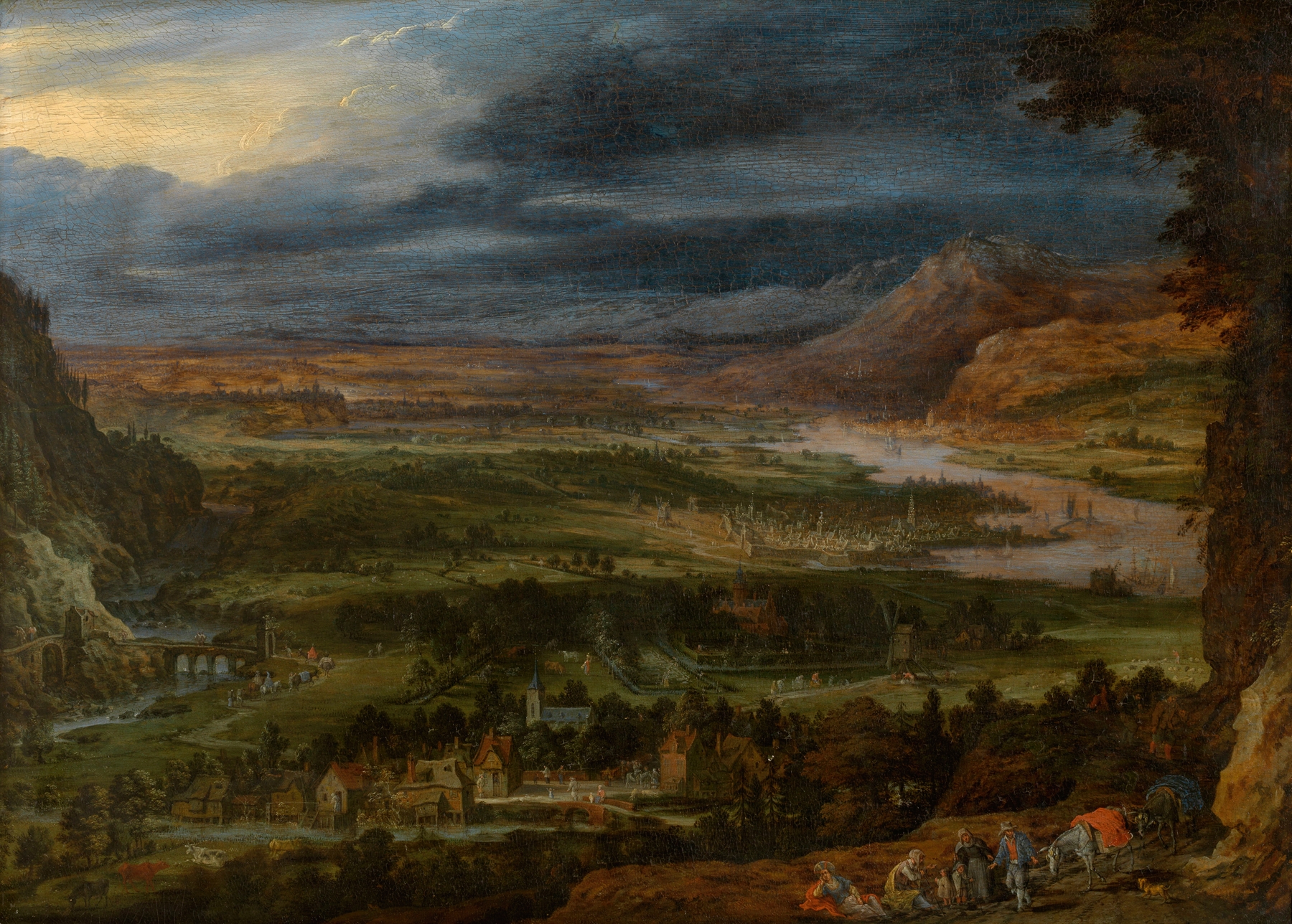
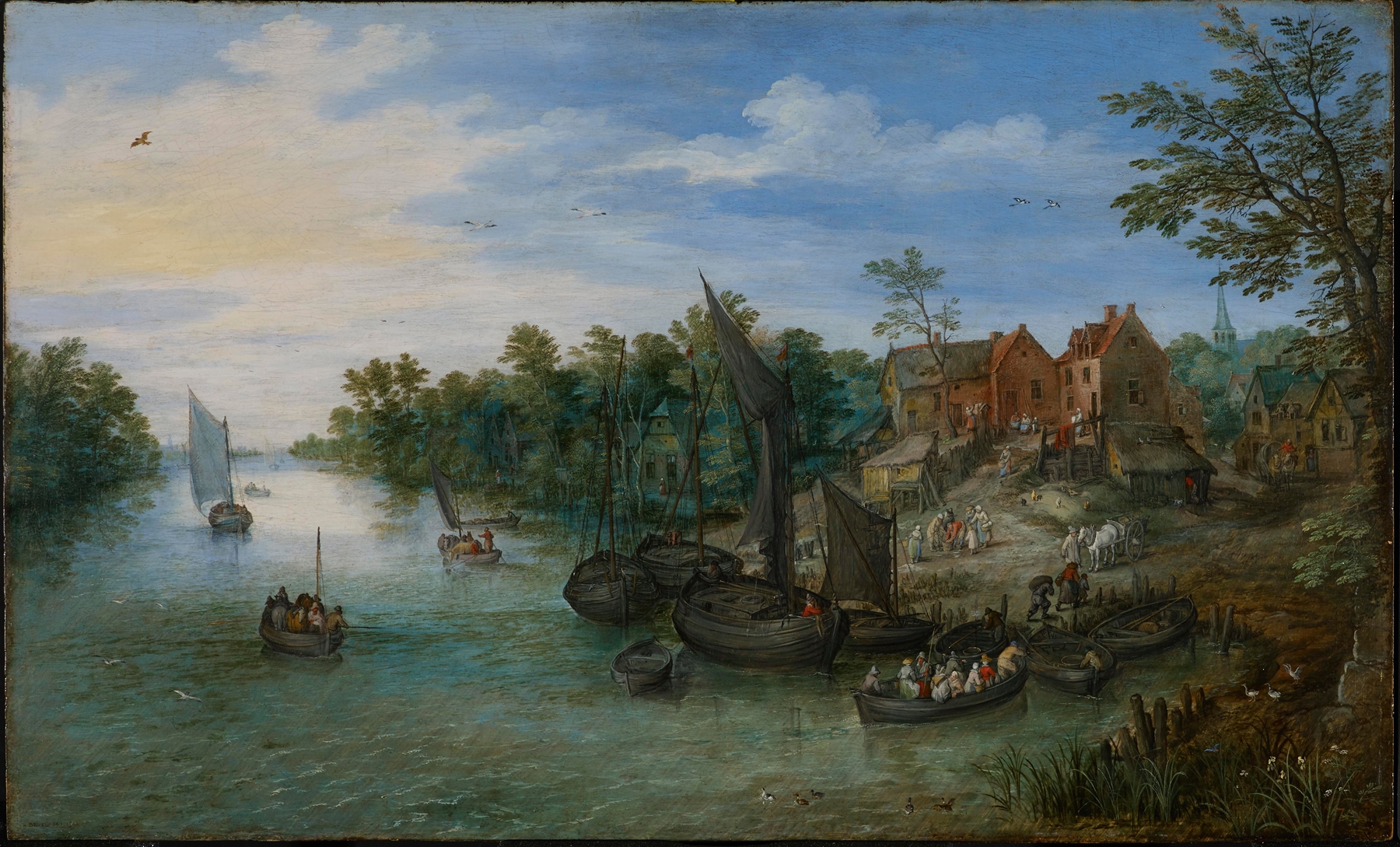
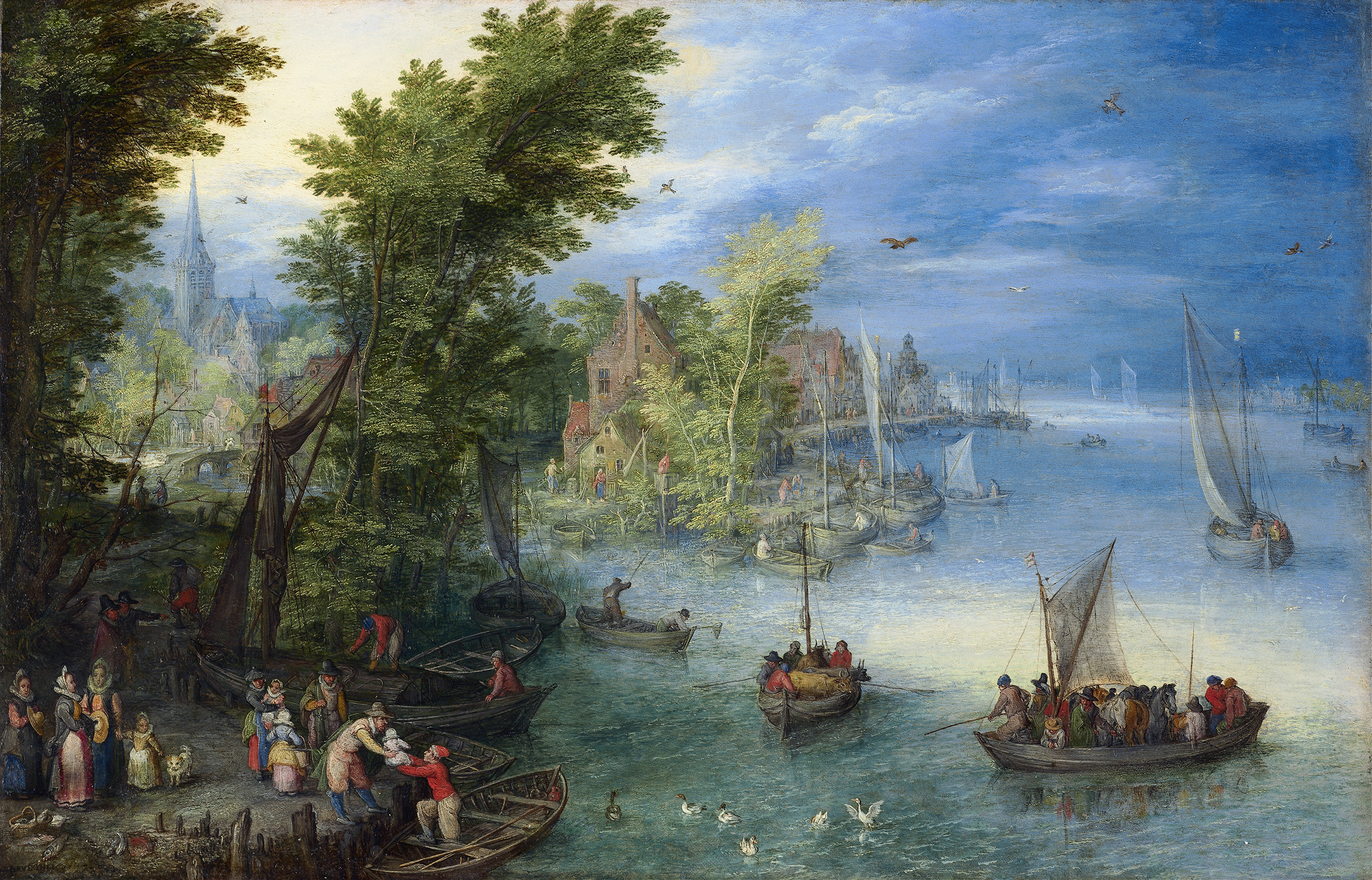
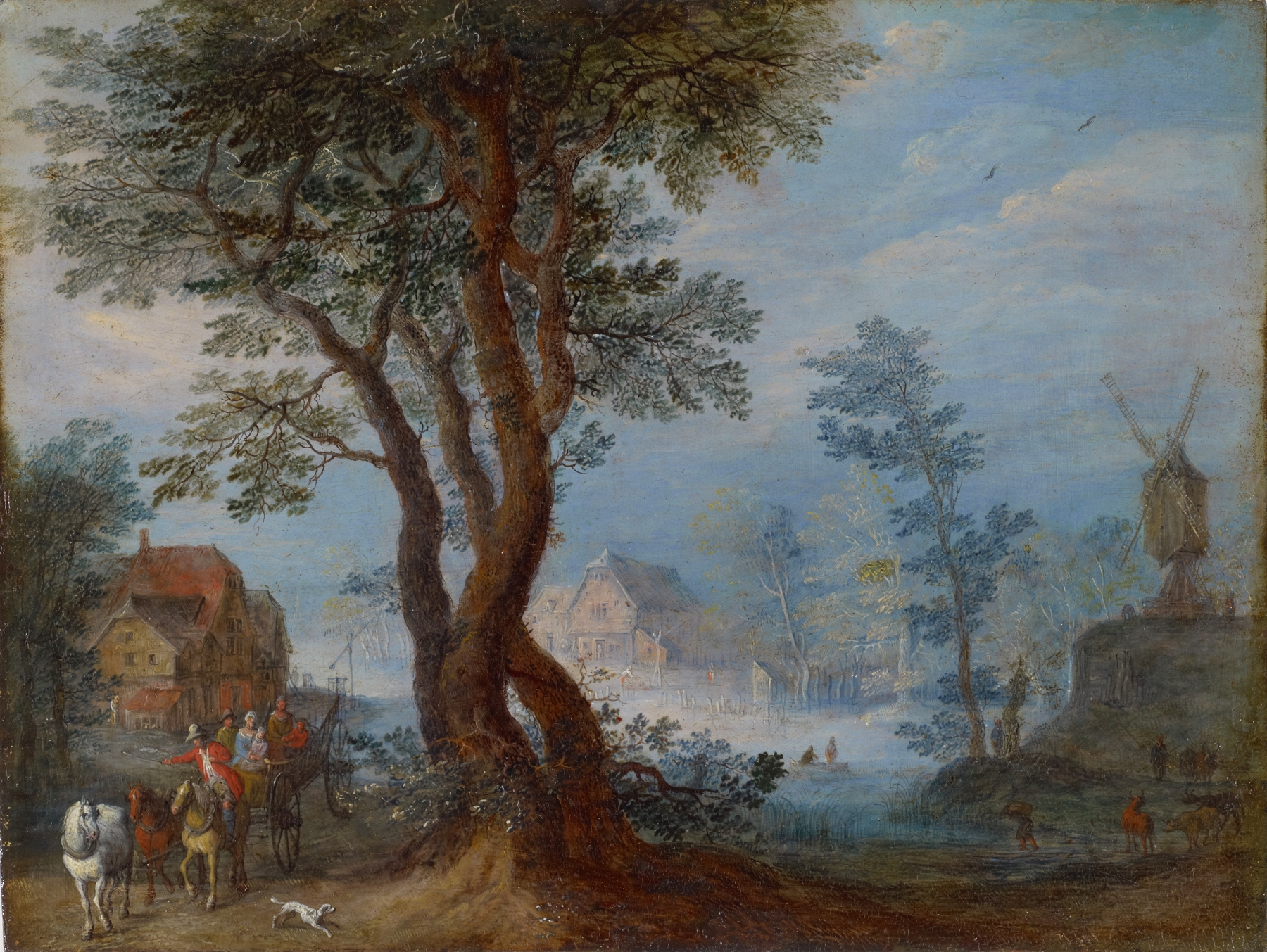
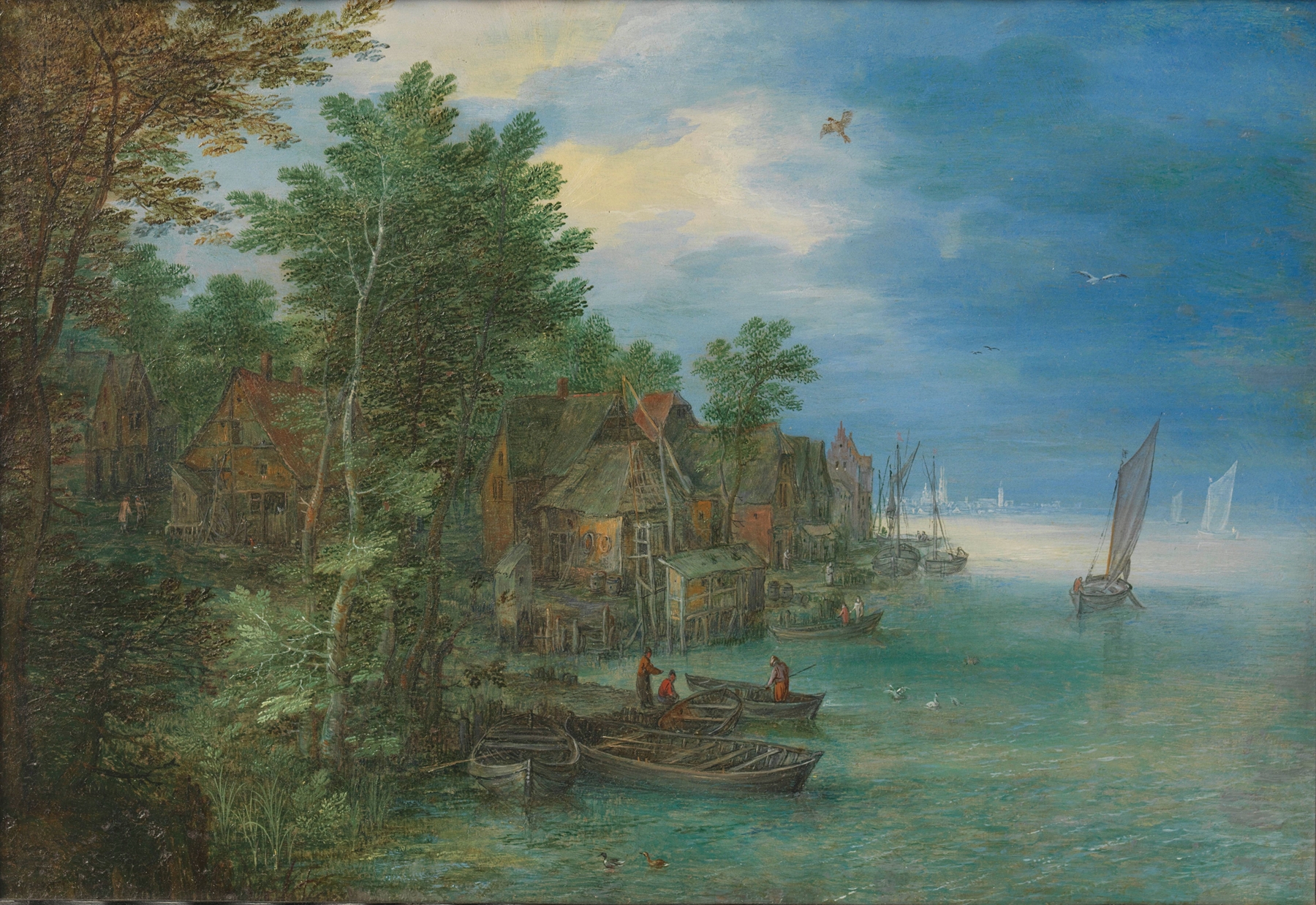
“The canvas doesn’t lie — it simply waits.” In the quiet pause between life and legacy, the inevitability of mortality breathes through every brushstroke. A landscape, vibrant yet haunting, invites contemplation of what endures and what fades. Focus on the foreground, where peasants toil under a vast, cloud-studded sky. Their labor is rendered with meticulous detail; the textures of their garments contrast sharply against the lush greenery, drawing your gaze to the rhythm of their work. Notice how the sunlight filters through the treetops, illuminating patches of earth and creating a mosaic of light and shadow that mirrors the cycles of life.
It’s a world alive with color, yet each hue whispers of temporality, framing the struggles and simplicities of daily existence. In the distance, a small village lies nestled among the rolling hills, a reminder of community and shared experiences. The juxtaposition of the peasants’ arduous labor against the serene backdrop speaks to the tension between human endeavor and the larger forces of nature. Each figure in the landscape embodies both resilience and fragility, a poignant reflection on the transitory nature of life.
The scene captures a fleeting moment, inviting the viewer to consider their own place within this continuum. Around the time this work was created, Brueghel was immersed in the vibrant art scene of the Northern Netherlands, where he explored themes of everyday life through detailed landscapes. Painted circa 1604, he sought to convey the intimate relationship between humanity and nature, capturing the essence of peasant life during a period marked by both prosperity and uncertainty. This painting stands as a testament to his ability to fuse realism with deeper philosophical inquiries, establishing a lasting dialogue on mortality and existence.