Landscape with robbers dividing the loot — History & Analysis
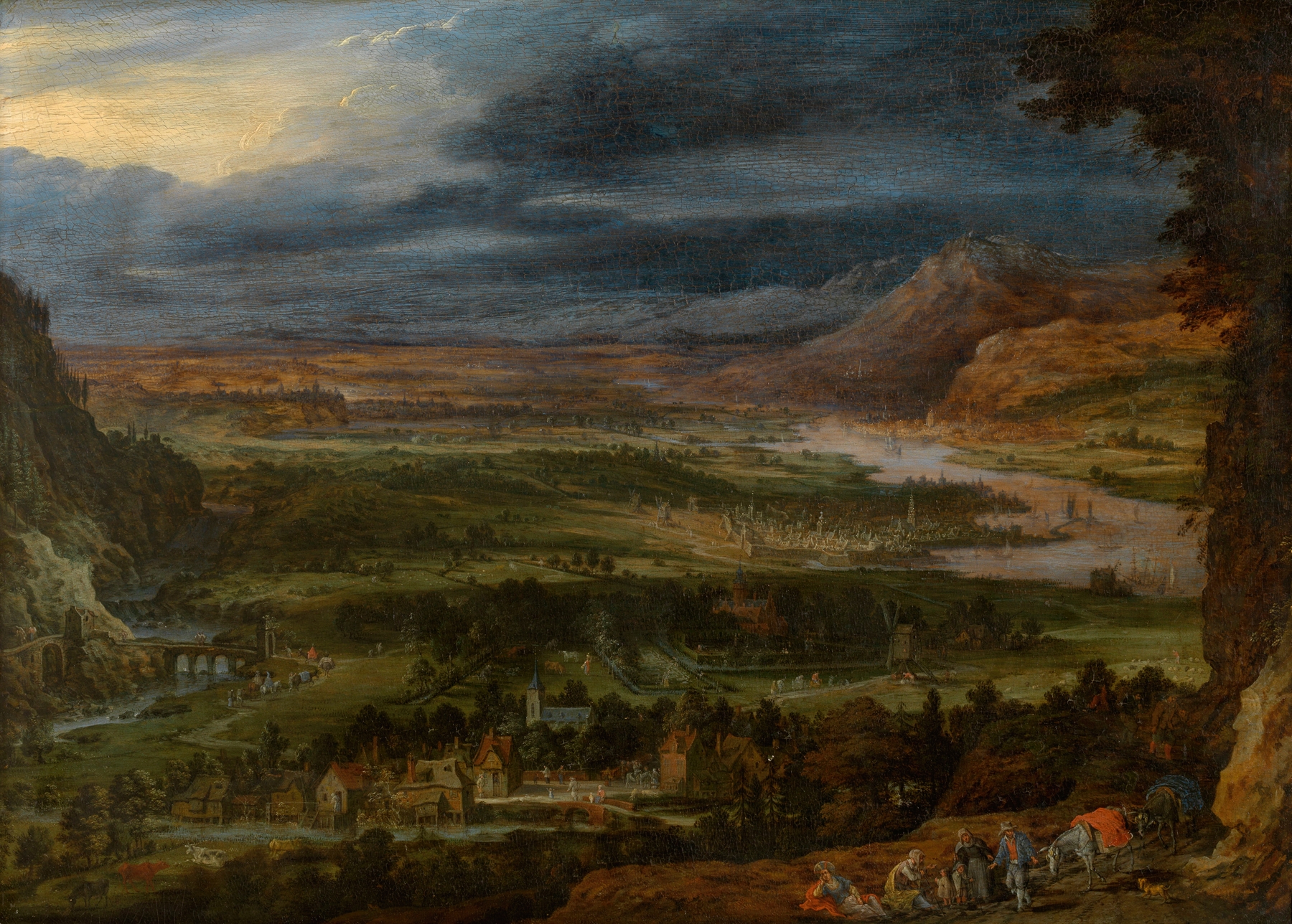
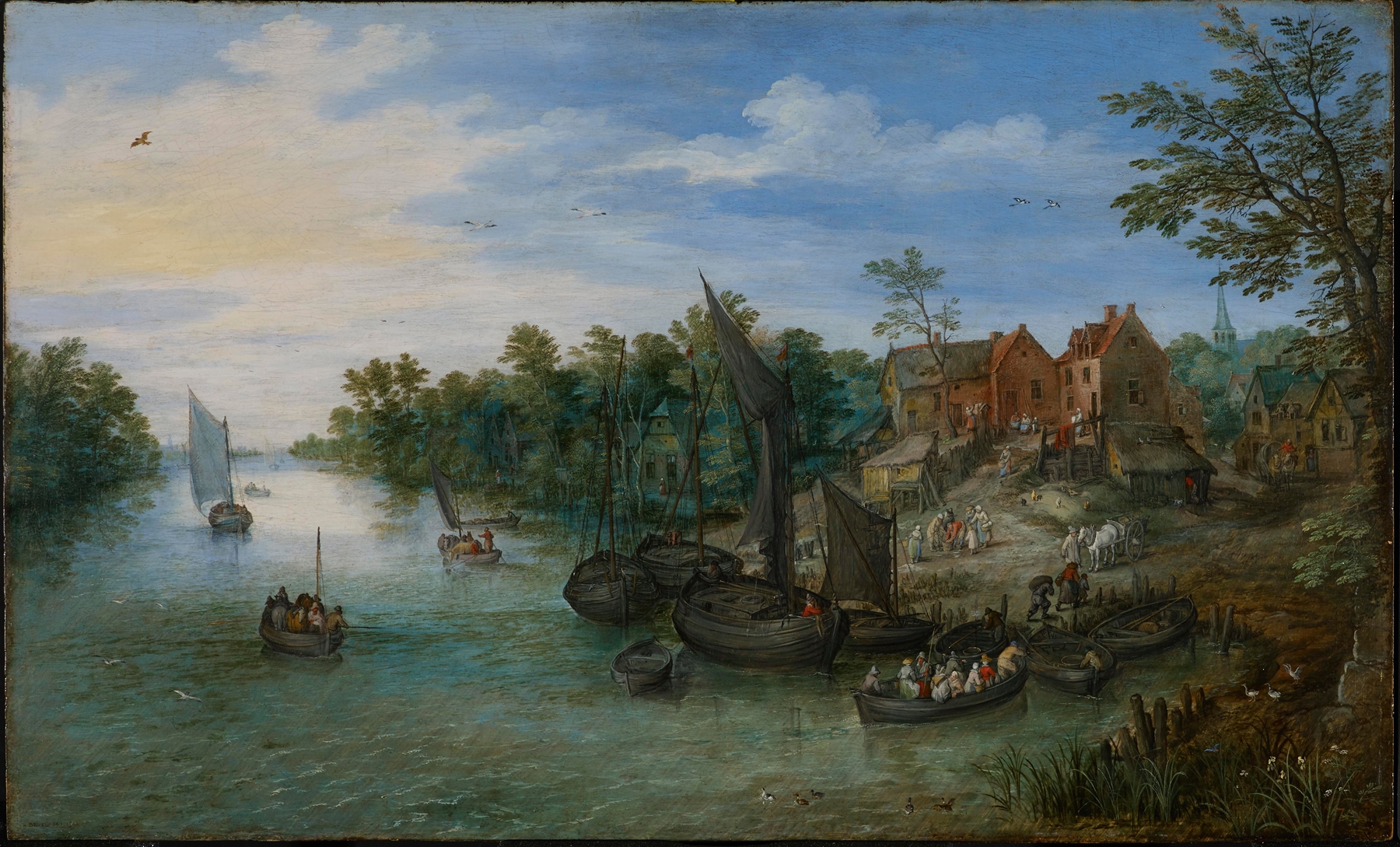
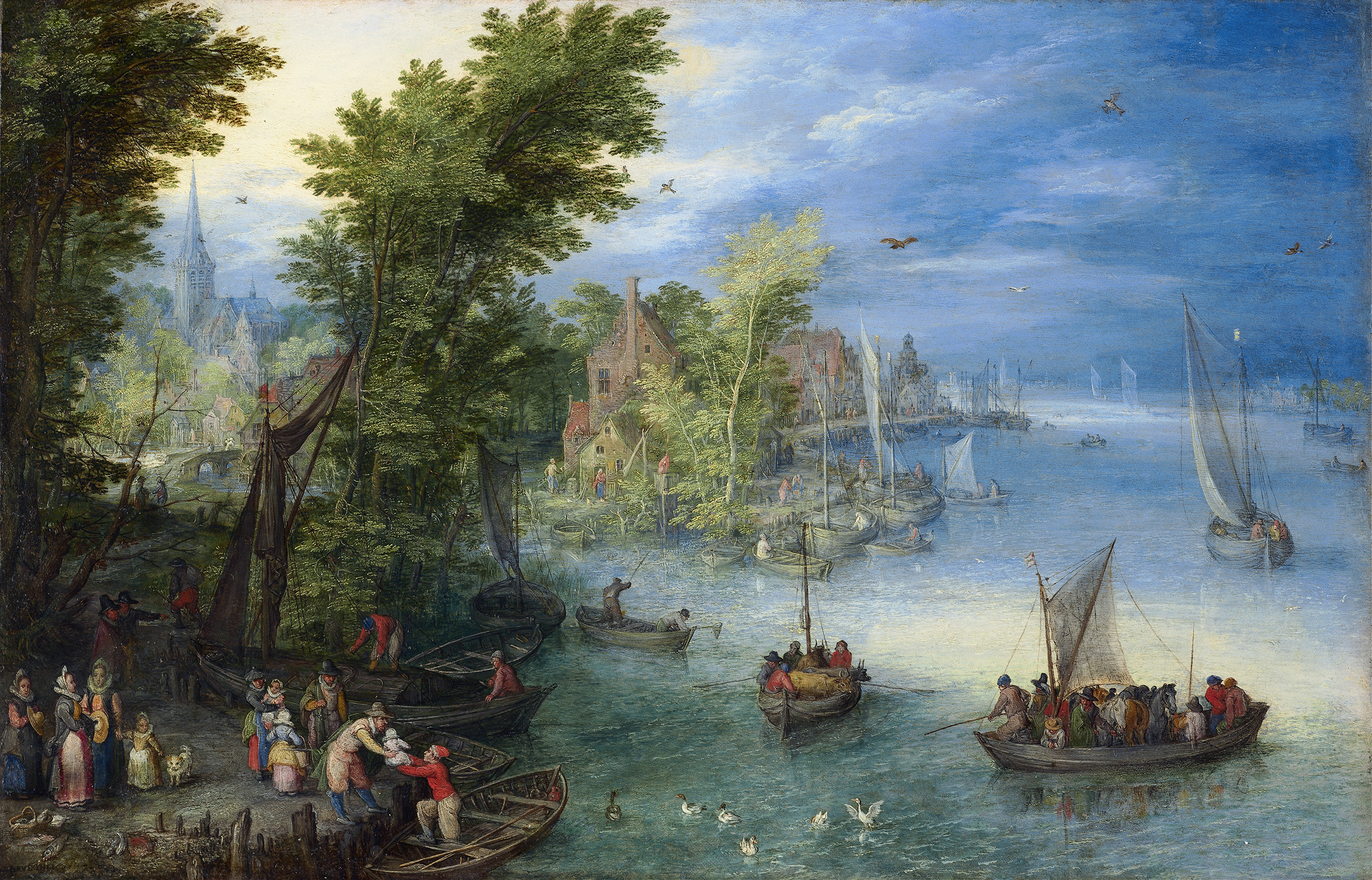
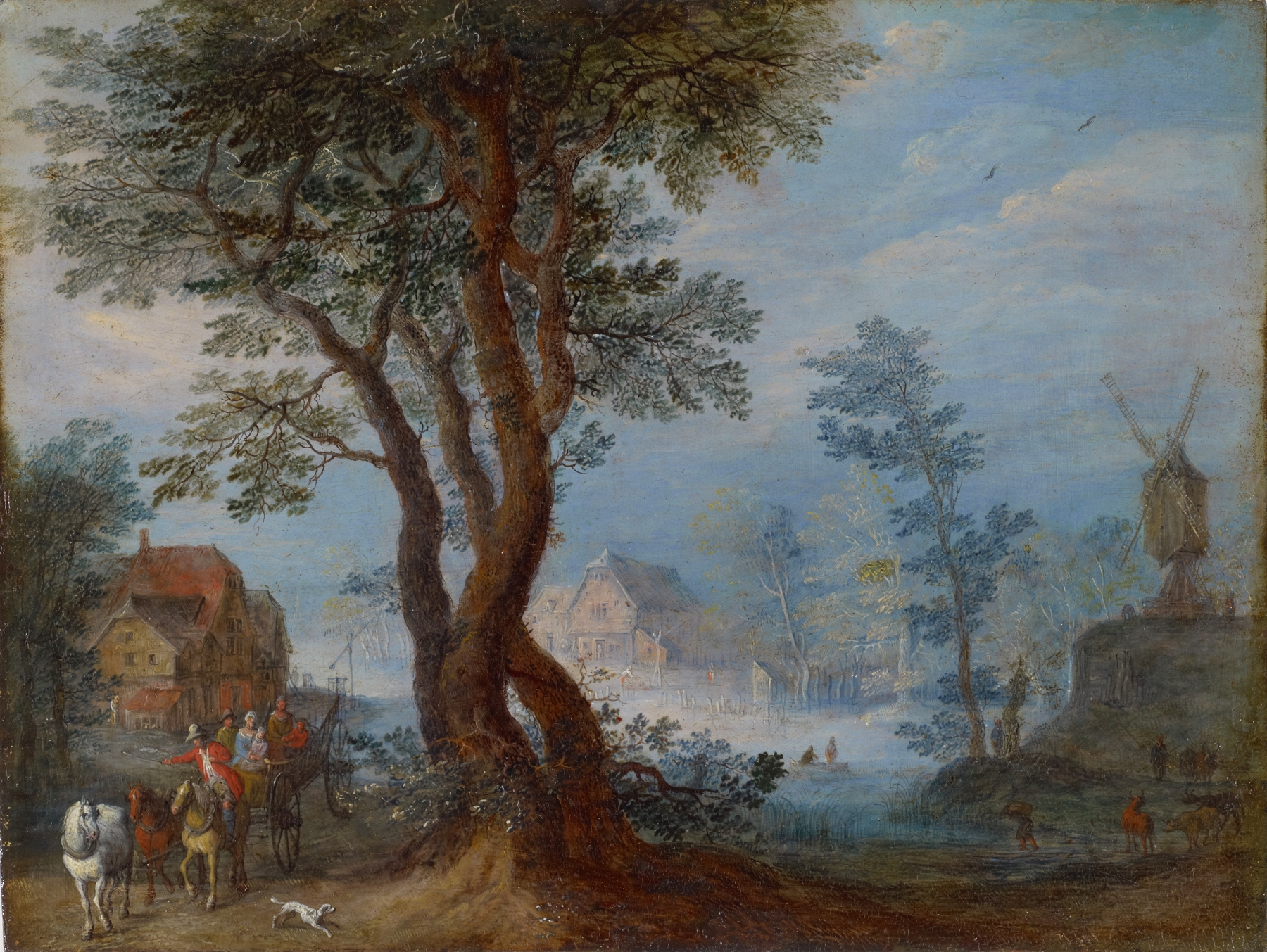
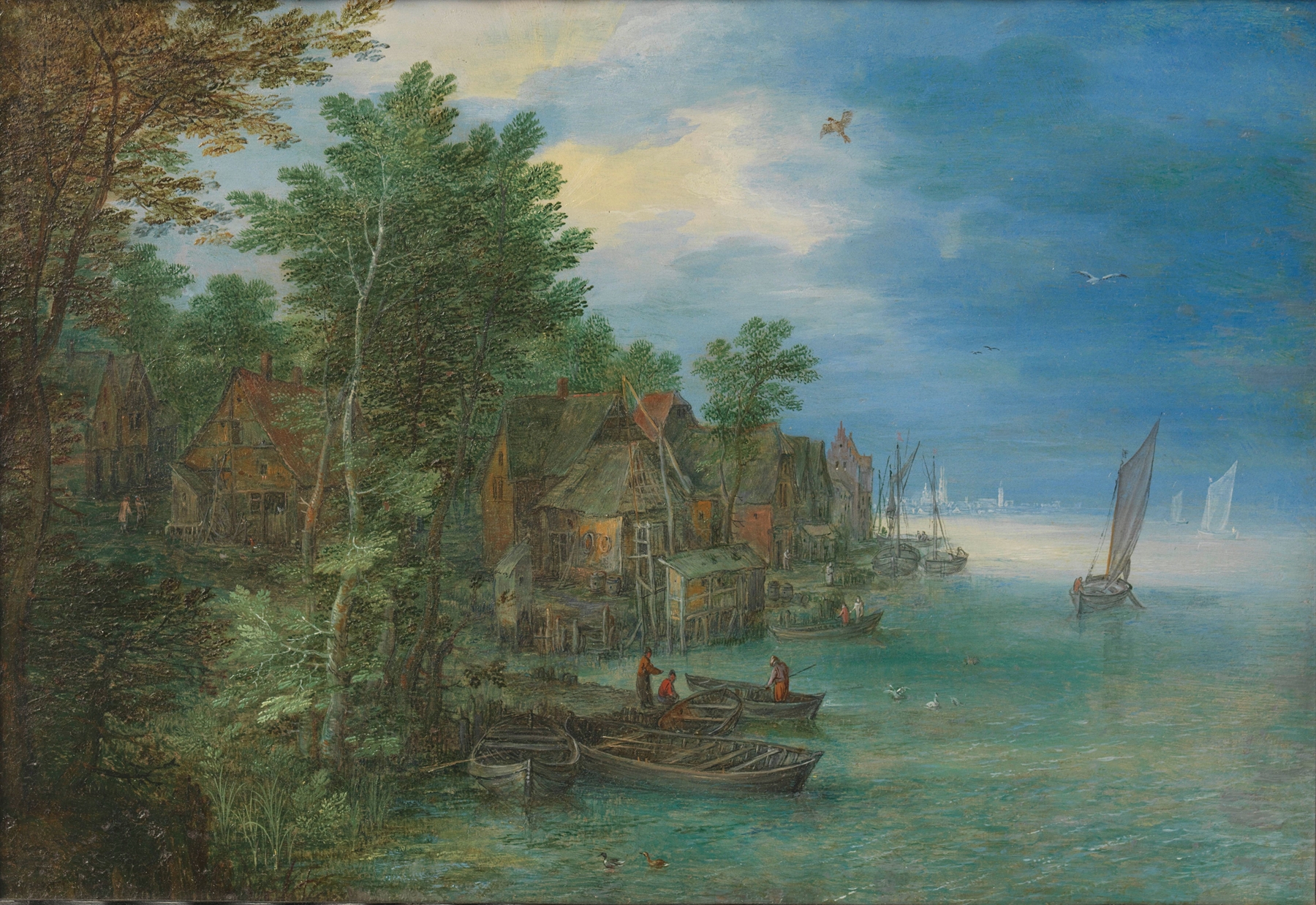
Is this a mirror — or a memory? In Landscape with Robbers Dividing the Loot, the lush scenery serves not only as a backdrop but a canvas for human fervor, revealing the shadows of greed beneath nature's vibrant hues. Look to the left at the sun-drenched clearing where the robbers, clothed in muted tones, huddle over their spoils. The rich greens of the foliage frame the scene, while the gentle blues of the sky invite a sense of serenity. Brueghel’s meticulous brushwork captures the texture of the earth and the gleaming gold of the stolen treasures, juxtaposing the beauty of nature with the corruption of humanity.
It draws the viewer's gaze toward the central figures, emphasizing their furtive glances and tense postures, underscoring the weight of their actions amidst such tranquility. Beneath the brightness, there’s an underlying tension that speaks to the duality of human nature. The robbers, embodying both camaraderie and suspicion, exhibit a complex interplay of trust and betrayal. The contrasting serenity of the landscape serves as a stark reminder of the violence and chaos they bring into this peaceful world.
Each detail—the glint of gold, the disarray of their clothing, and the distant figures fleeing—whispers of consequences that linger in the air, hinting at the inevitable repercussions of their choices. Brueghel created this work around 1605 in Antwerp, during a period marked by the flourishing of genre painting. He was deeply influenced by both the burgeoning interest in realism and the moral dichotomies present in society. This piece reflects the artist's acute awareness of human vice amid the beauty of his surroundings, echoing the complex relationship between humanity and nature during the early 17th century.