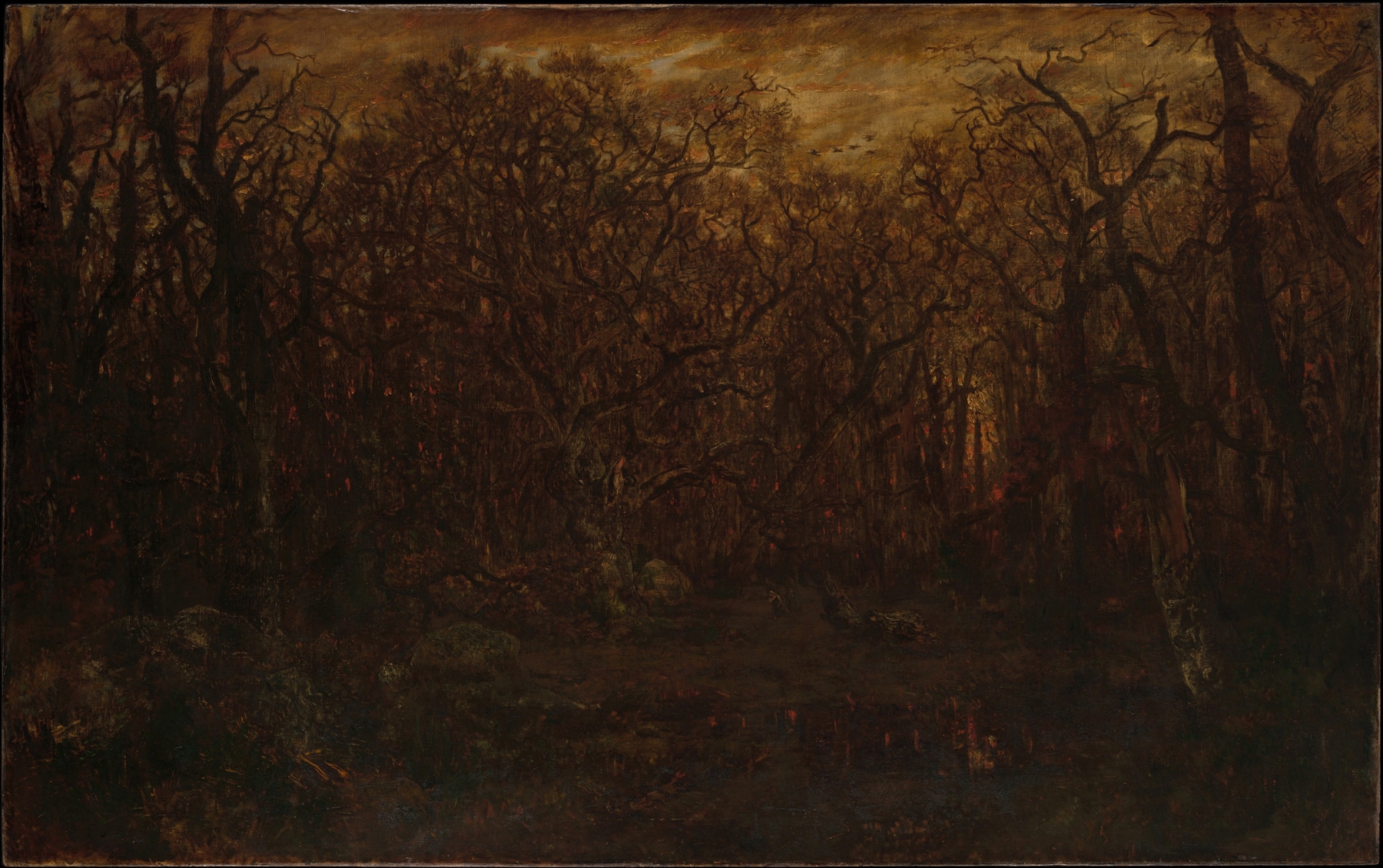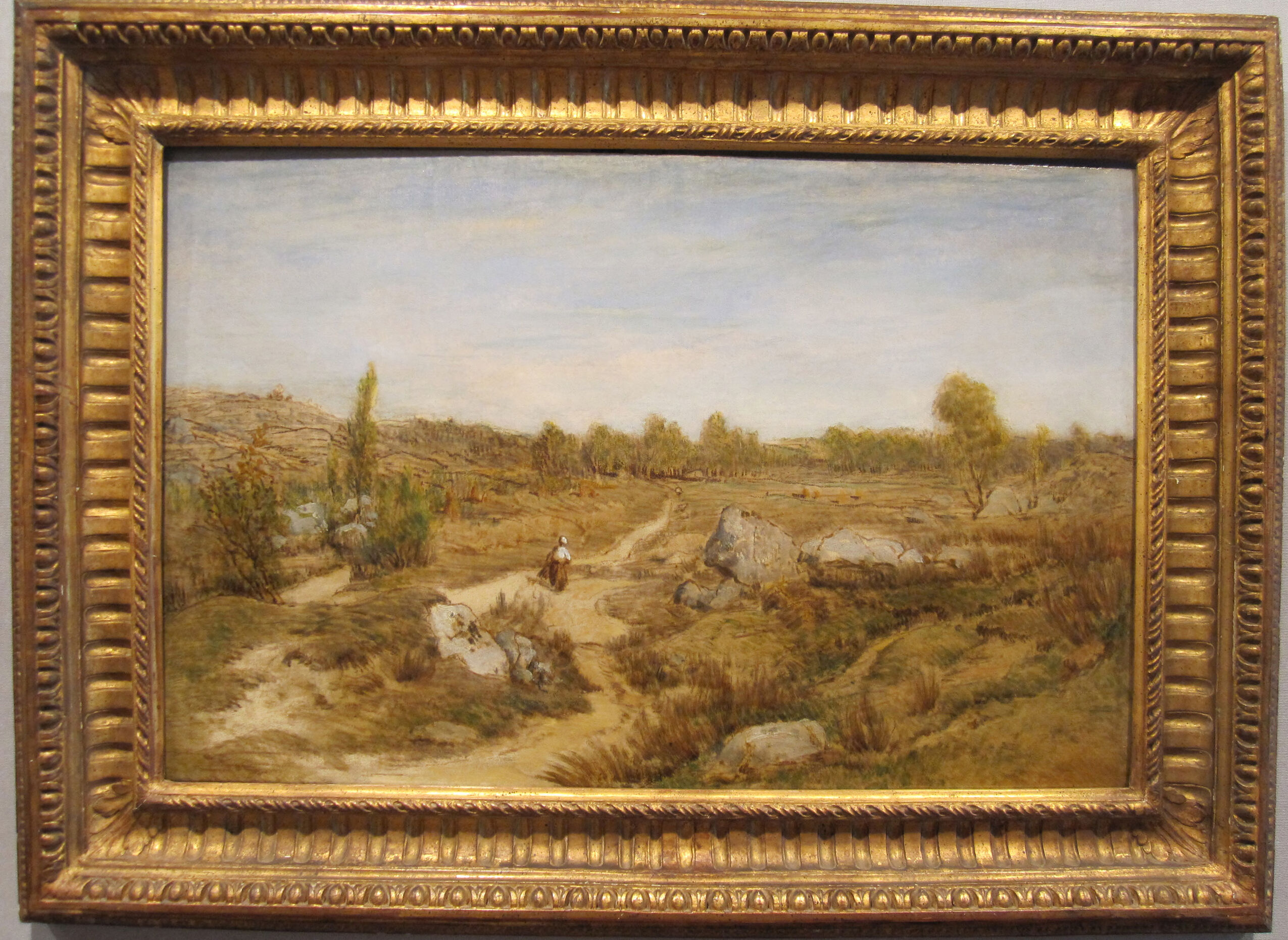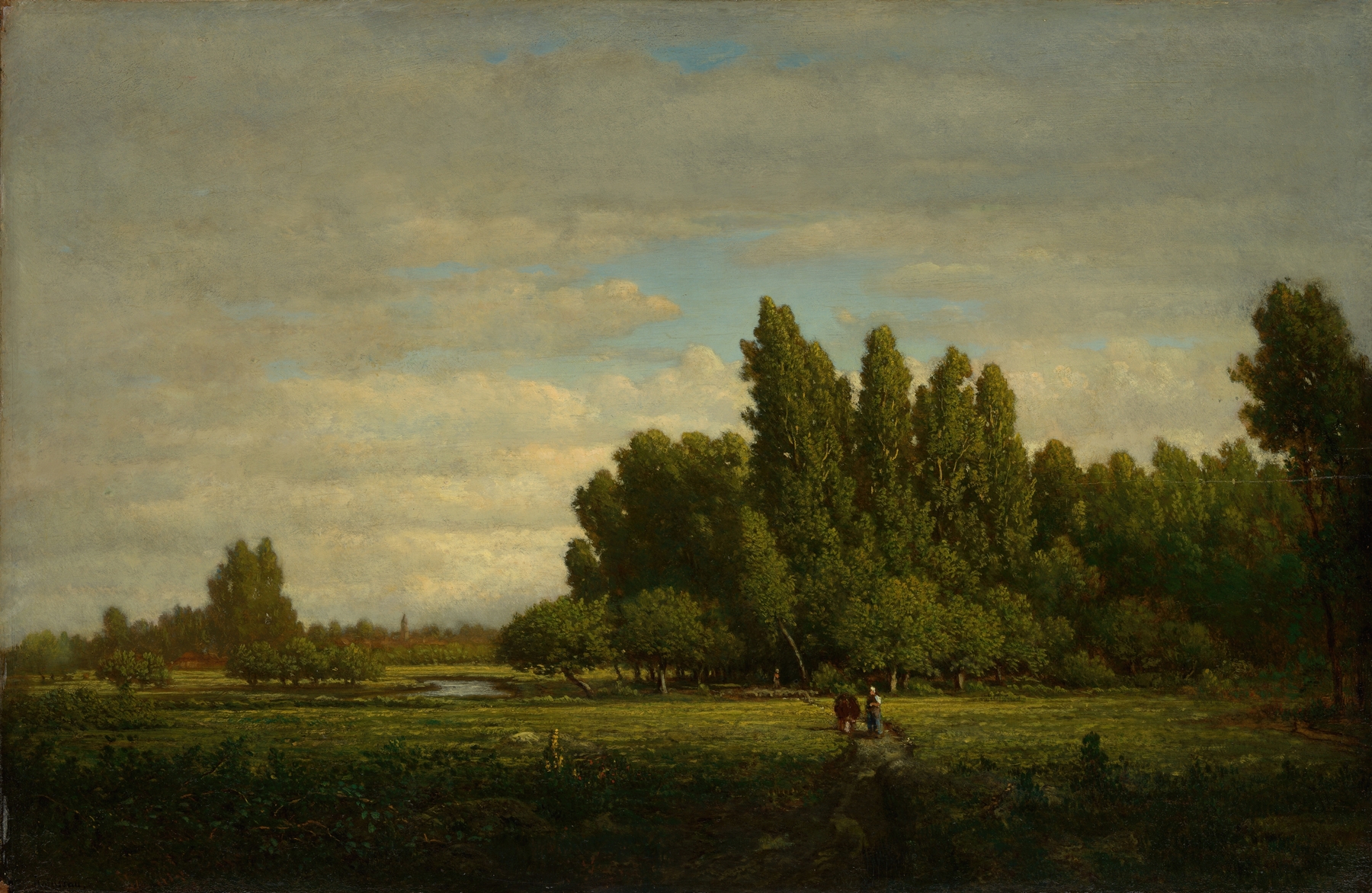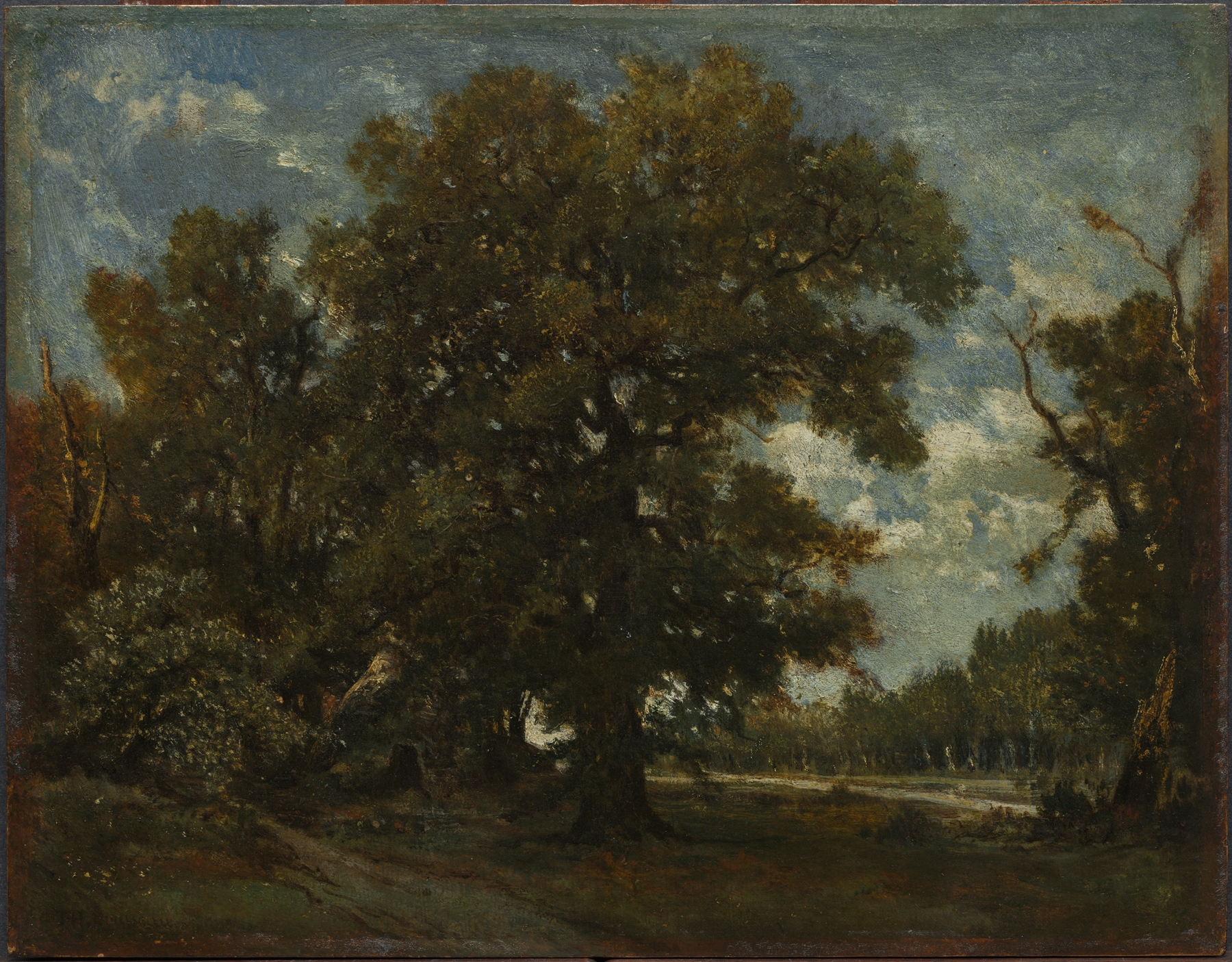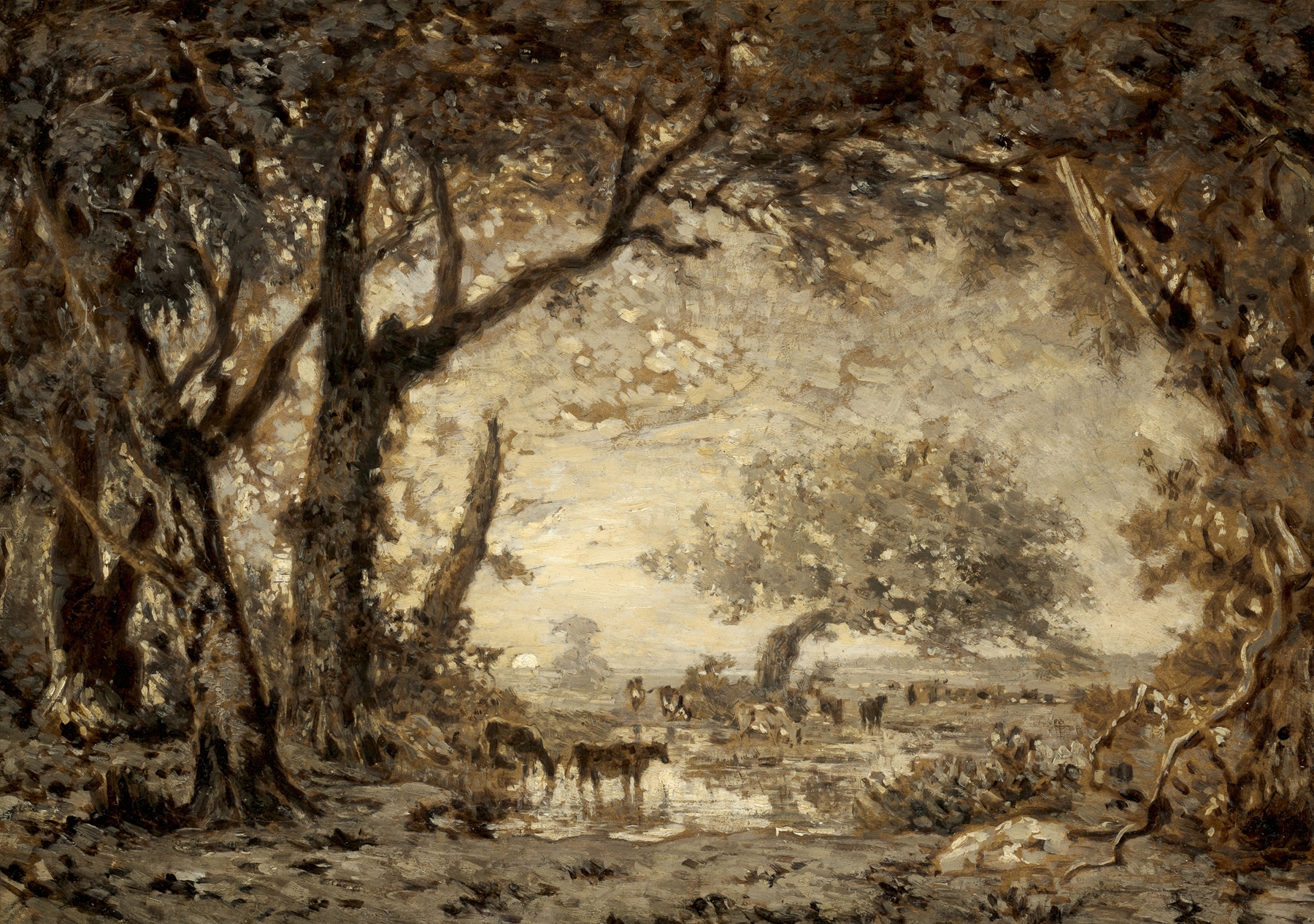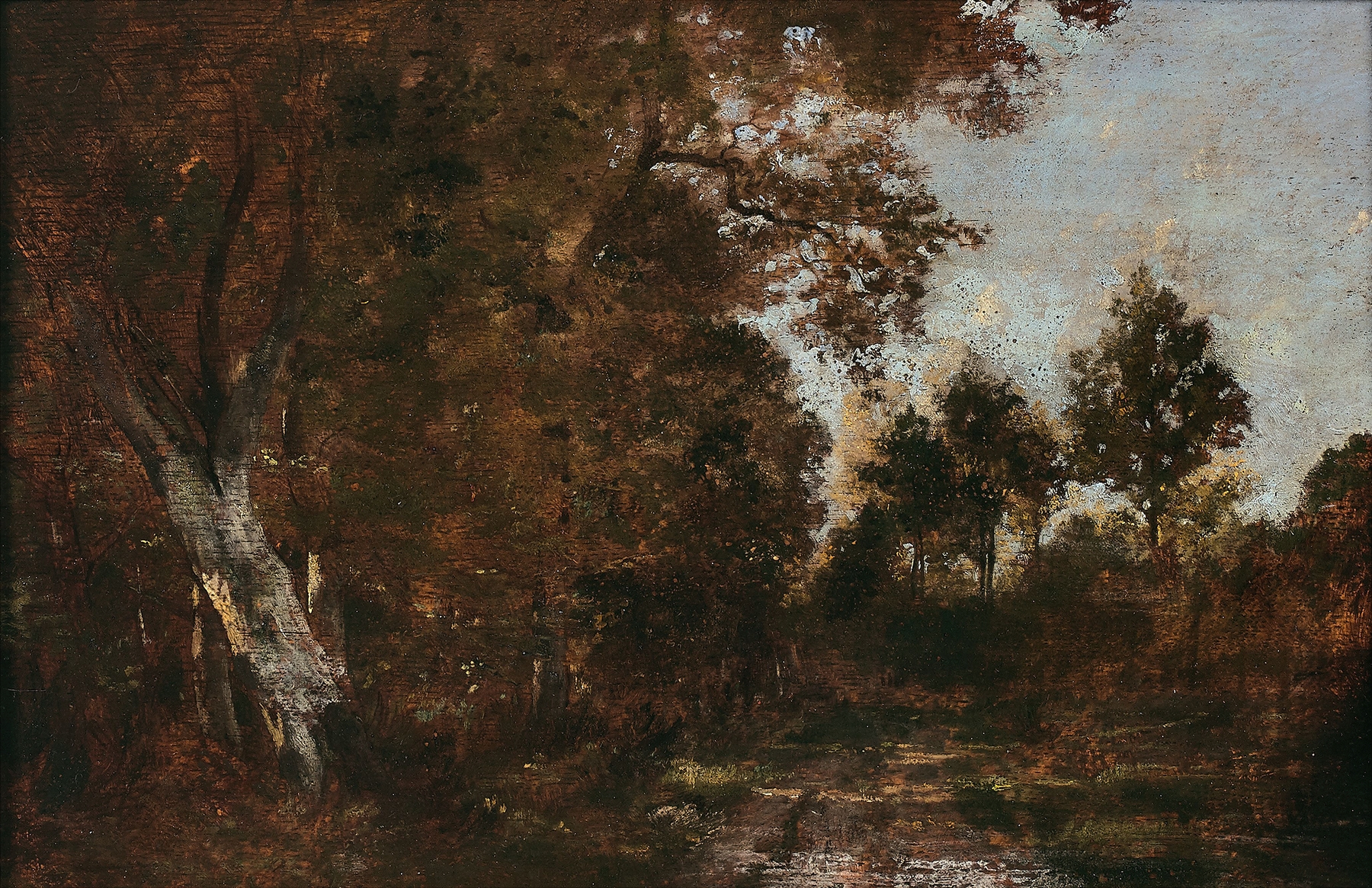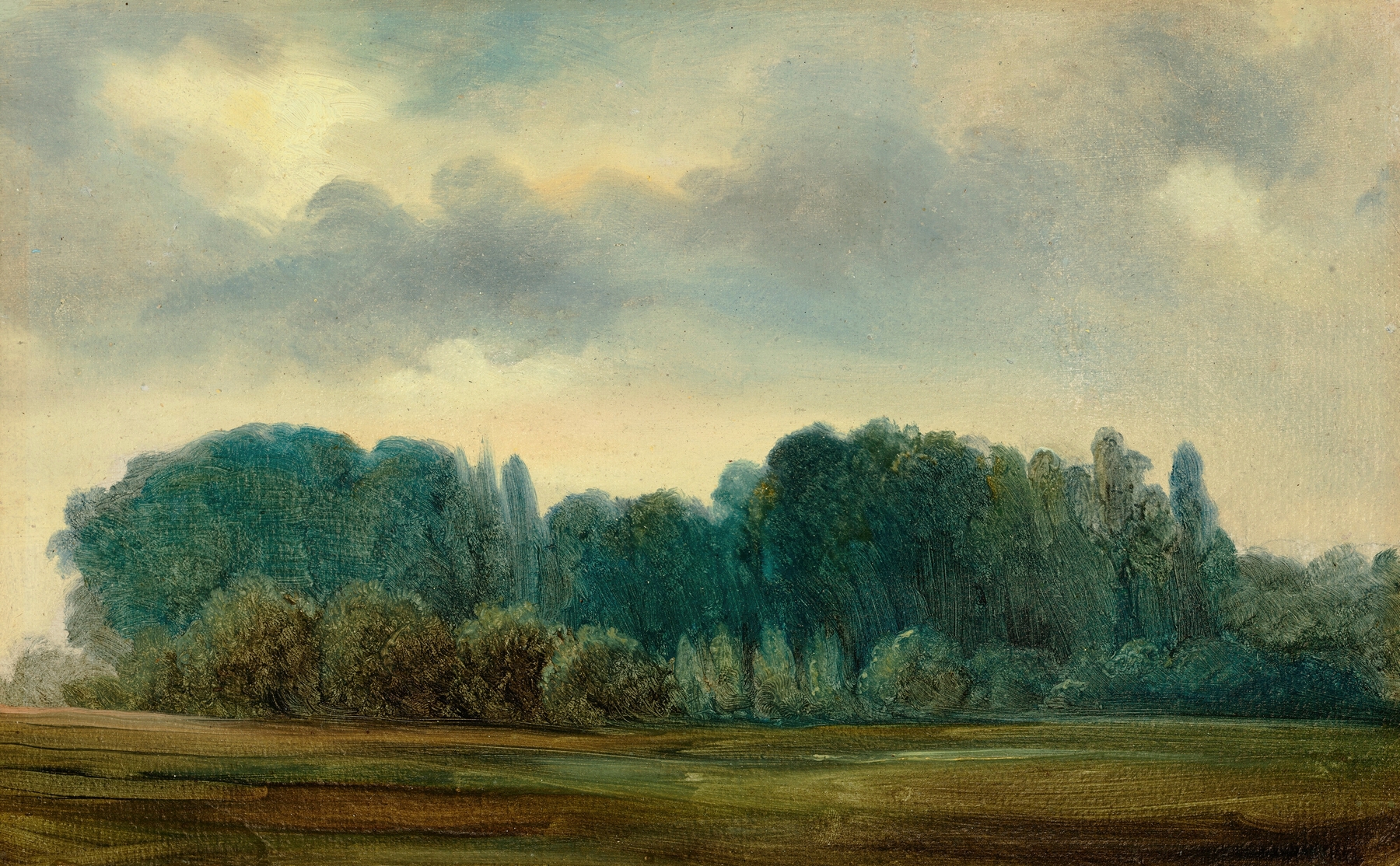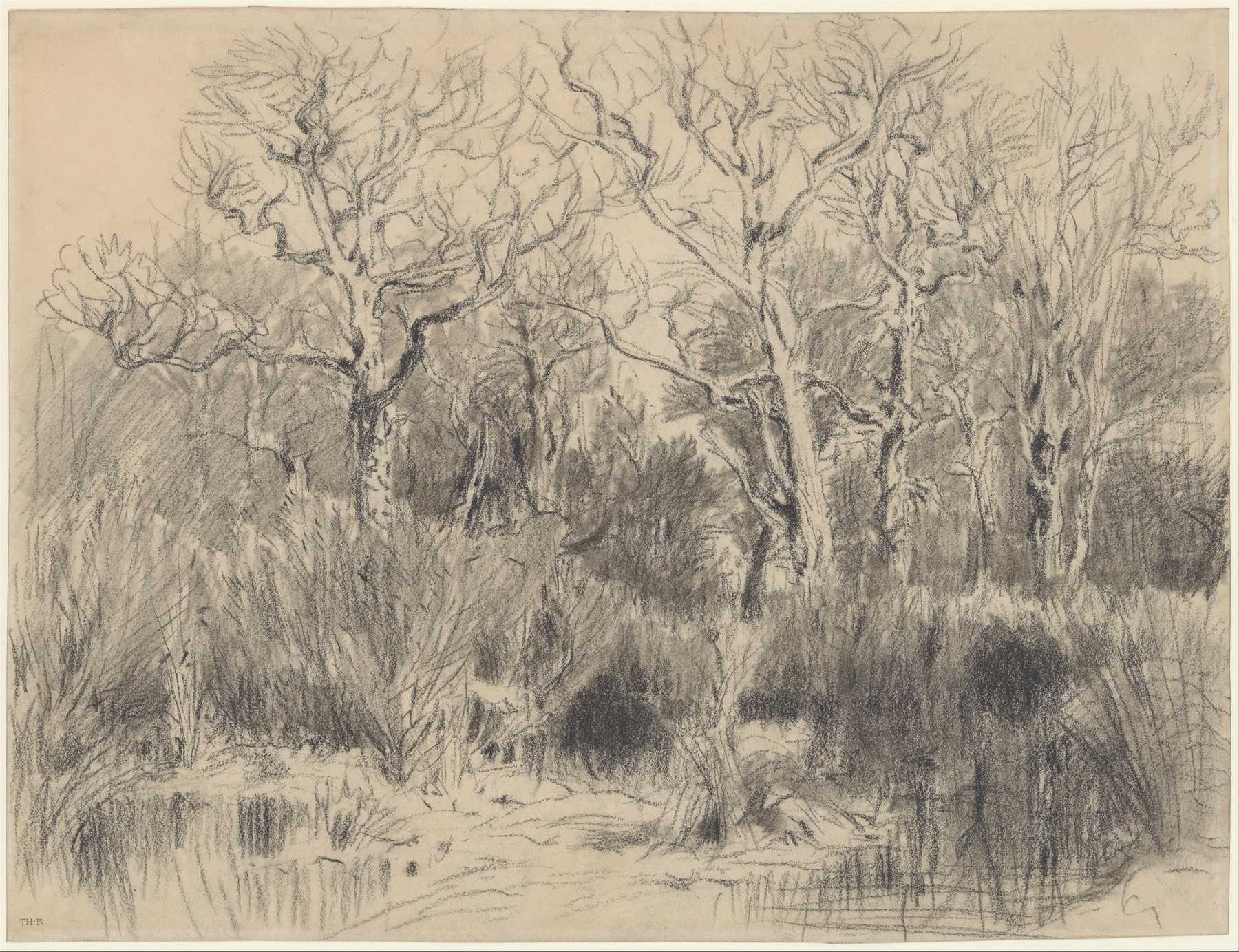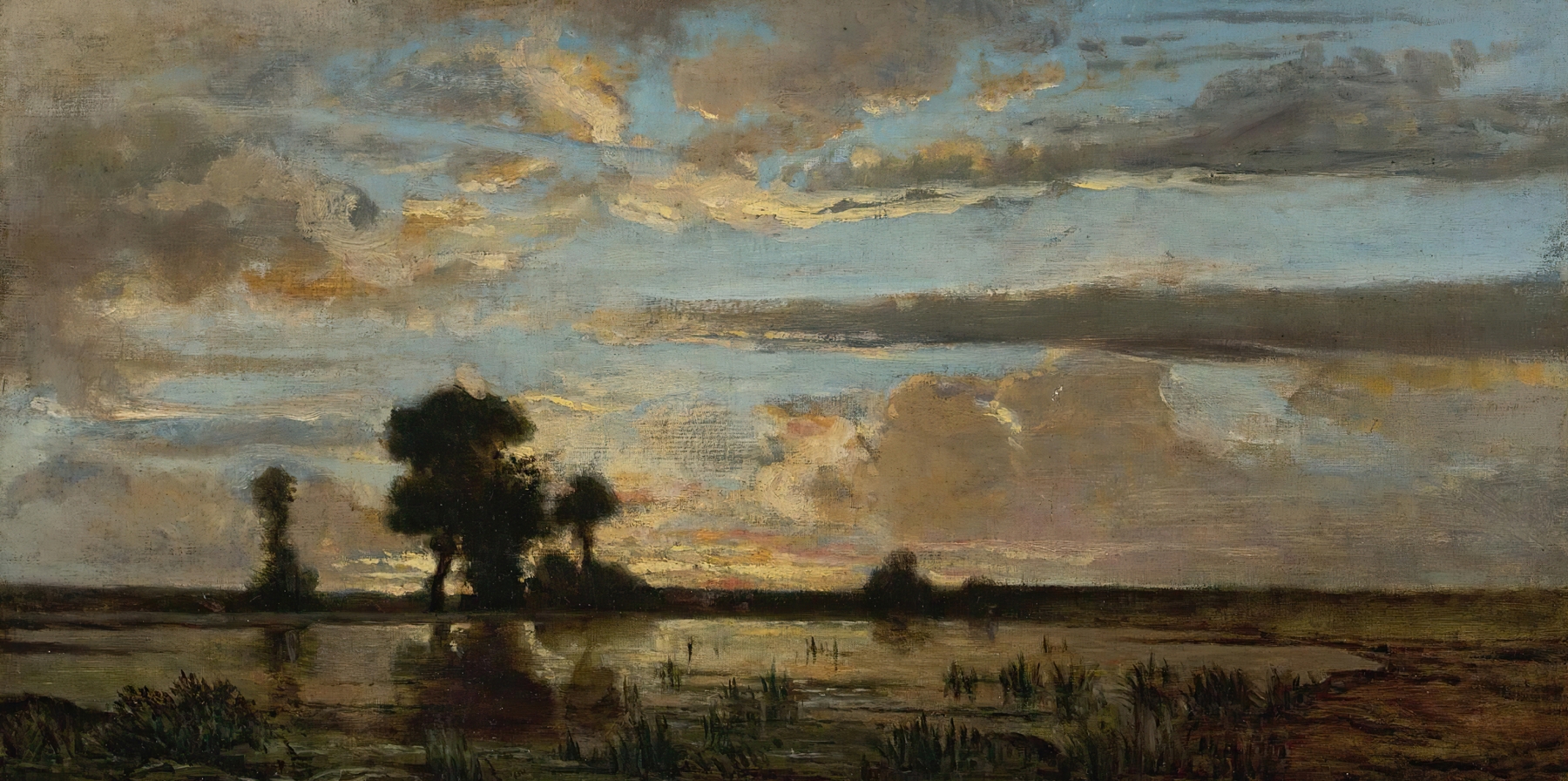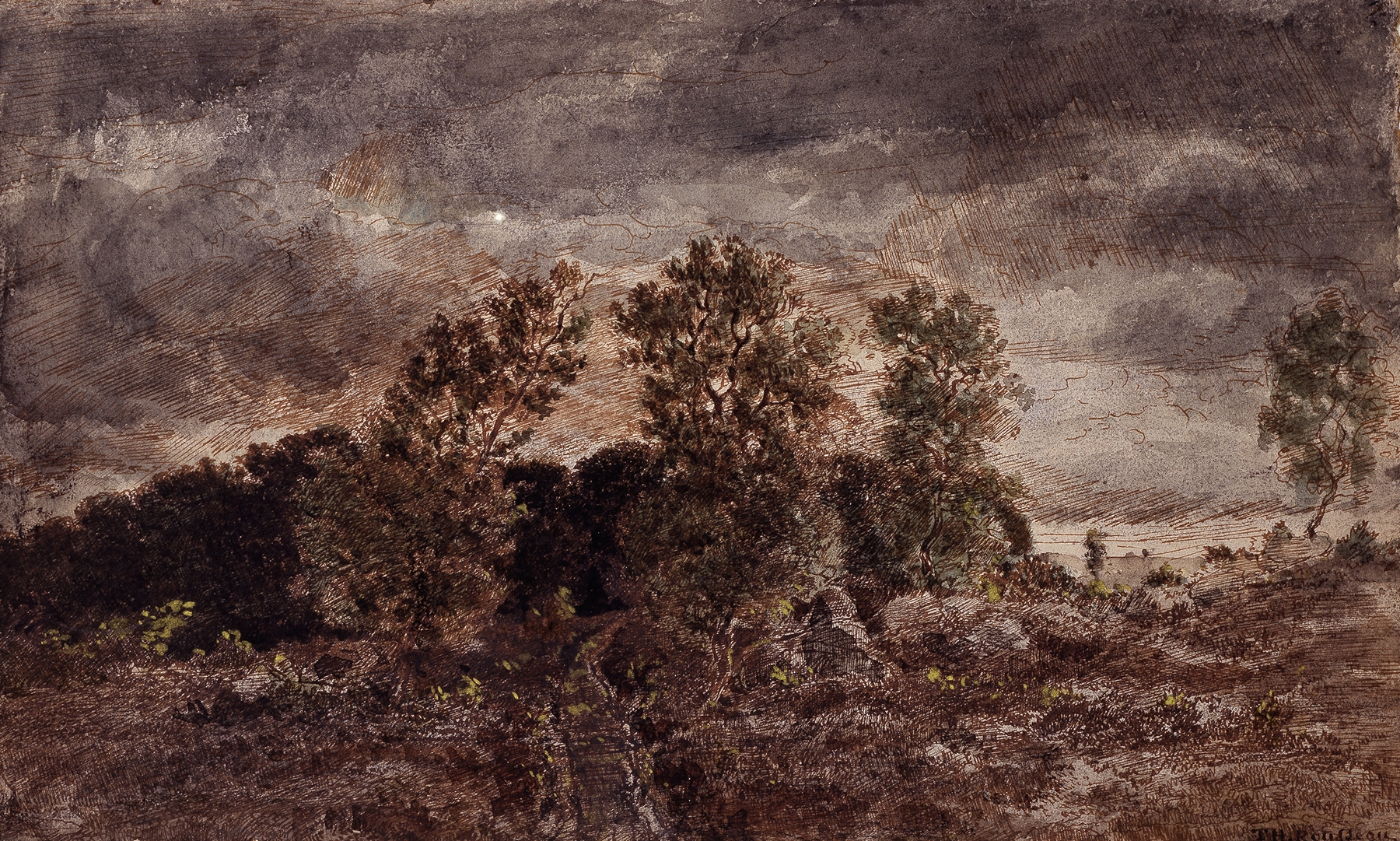
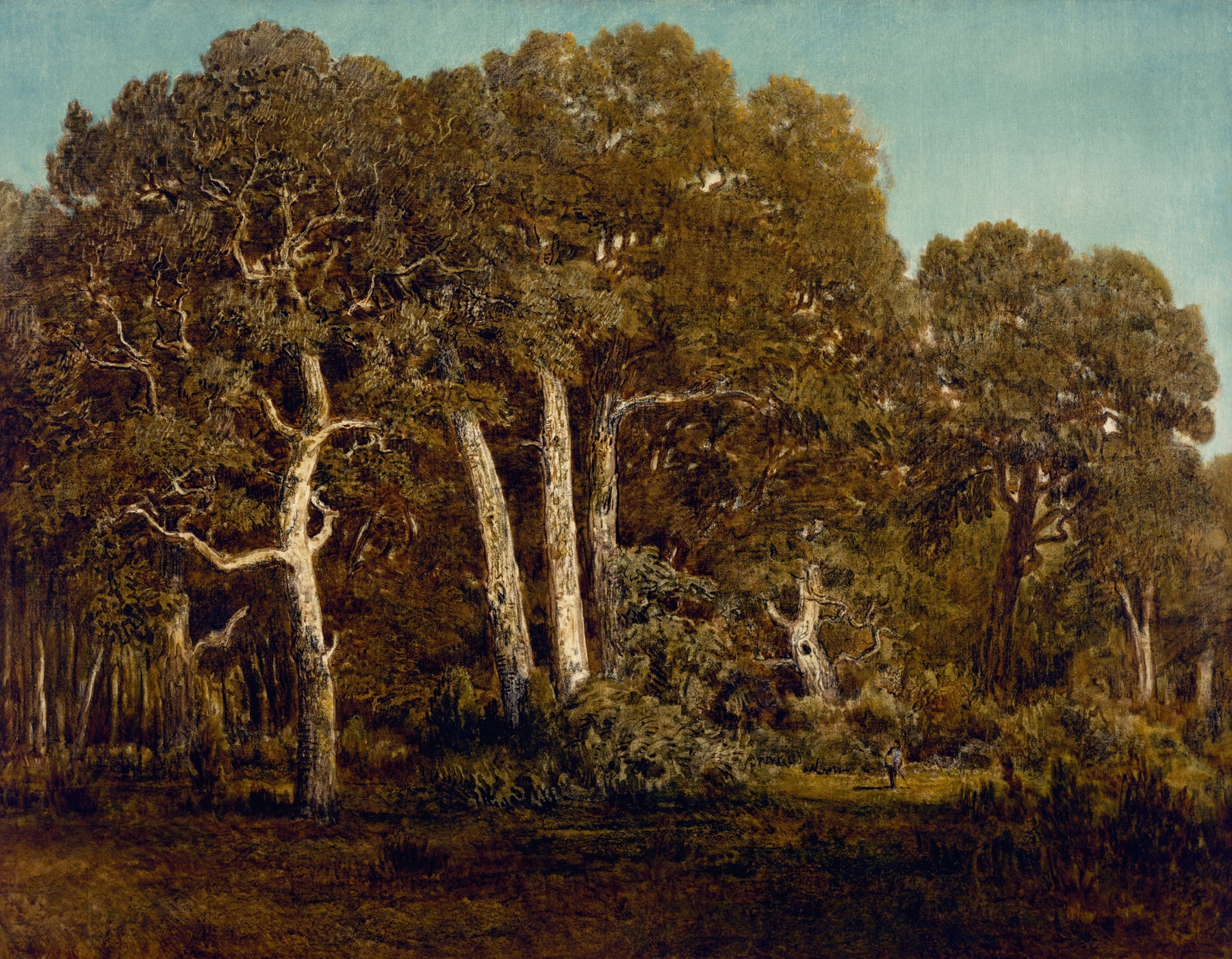
“The canvas doesn’t lie — it simply waits.” In the interplay of shadow and light, the truth of nature unfolds, revealing both the beauty and tumult of existence. Look to the left at the rolling hills, heavy with the promise of rain, where dark clouds loom, swirling in dramatic hues of gray and blue. Notice how the sunlight clings desperately to the foreground, illuminating the wild grasses and trees, creating a sharp contrast that beckons your gaze with a sense of urgency. The strokes are both spontaneous and deliberate, capturing the fleeting moment where calm meets chaos, revealing the artist’s deep connection to the landscape. The storm brews not just in the sky but within the scene itself, suggesting a visceral tension between tranquility and impending turmoil. Each shadow cast speaks to the duality of nature — the quiet beauty that precedes the storm and the raw power it wields. The scattered light across the canvas hints at hope, while the encroaching darkness conveys an unsettling foreboding, inviting the viewer to ponder the relationship between mankind and the environment. During the years between 1860 and 1867, Rousseau immersed himself in the natural landscapes of France, particularly around the Forest of Fontainebleau. This period marked a transition in the art world, as Romanticism began yielding to Realism, reflecting a growing awareness of nature’s sublime power. The artist’s dedication to capturing the essence of the landscape mirrored his own introspective journey, revealing both the magnificence and fragility of the world around him.