Landscapes in Various Styles after Old Masters 1 — History & Analysis
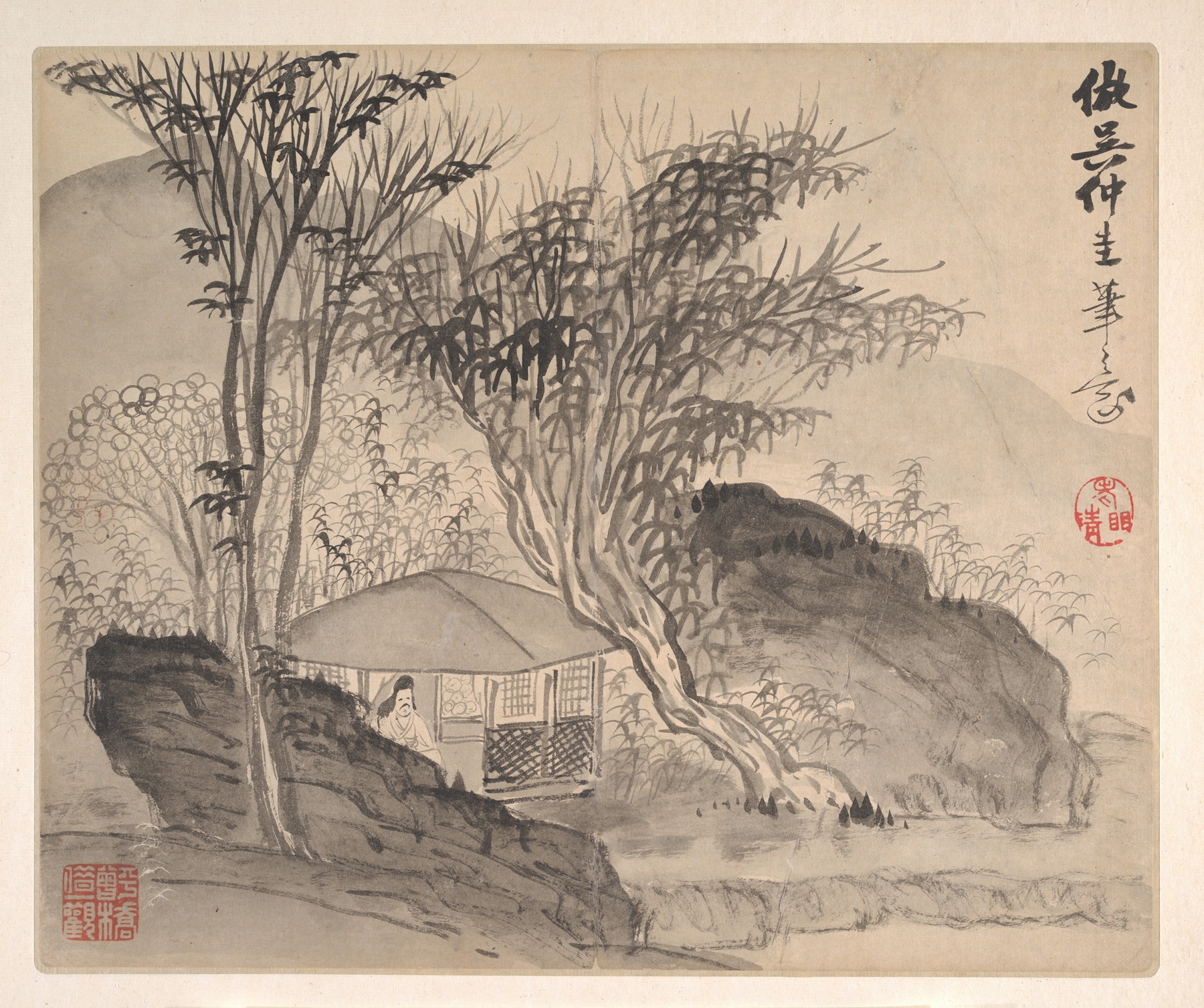
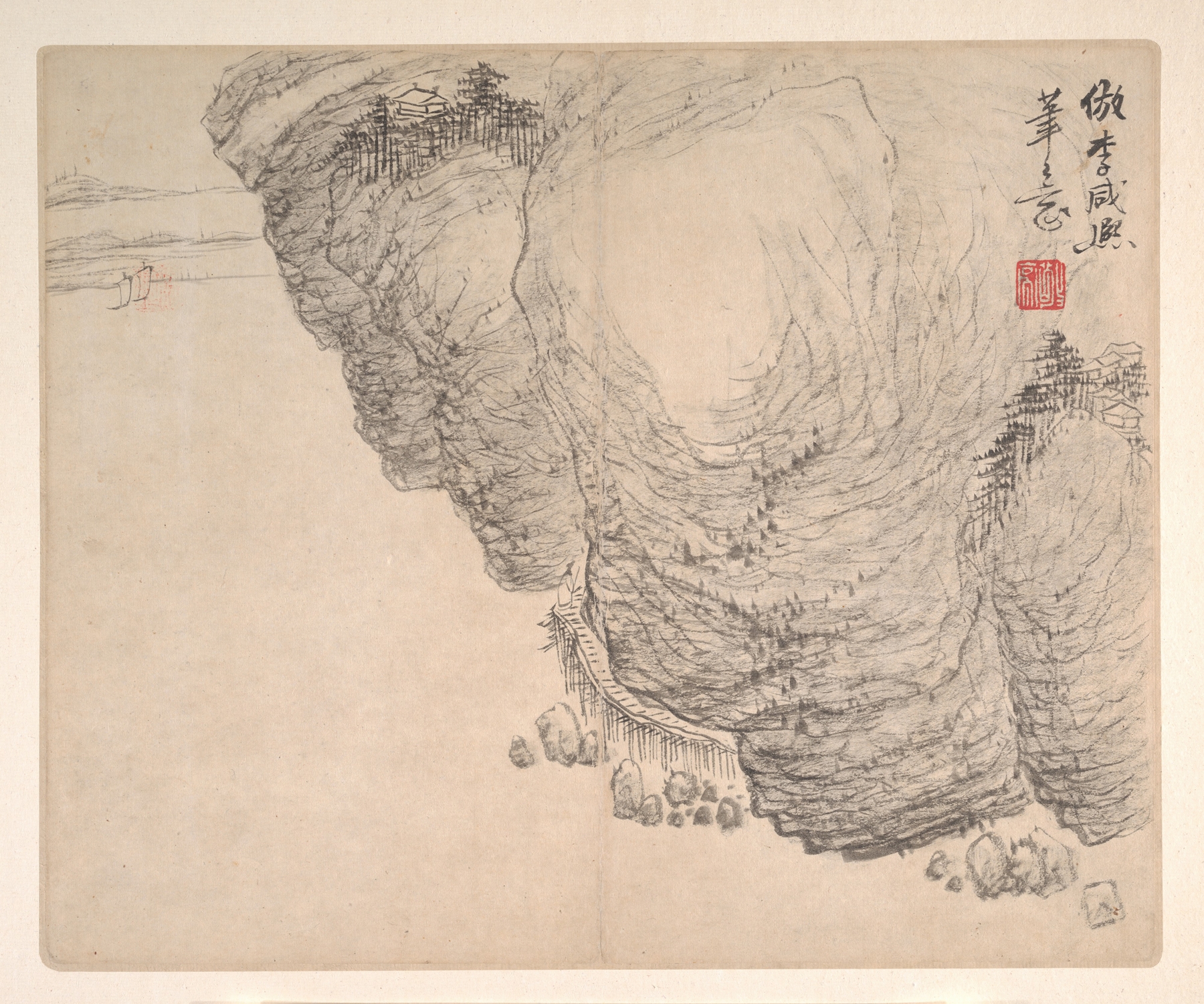
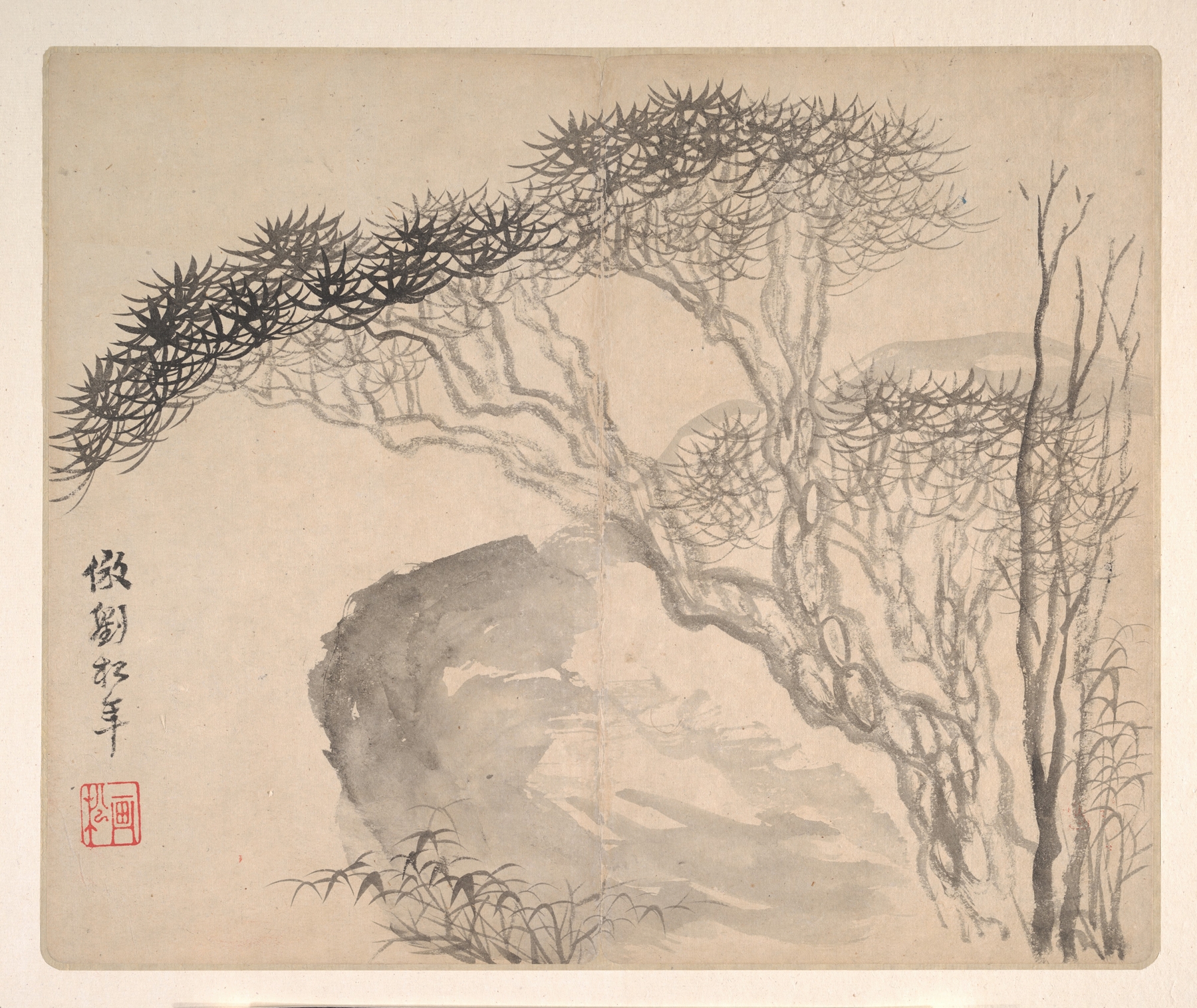
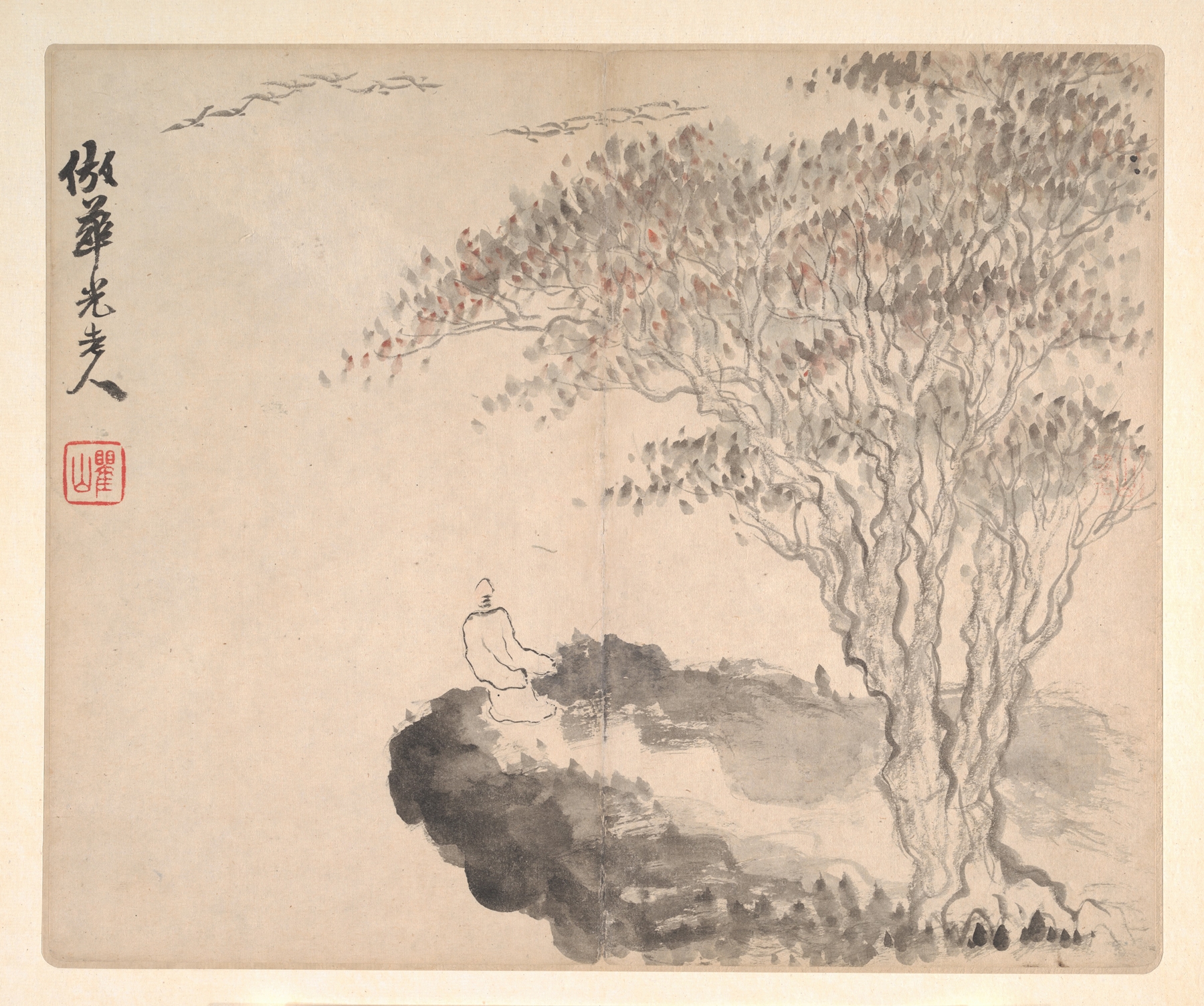
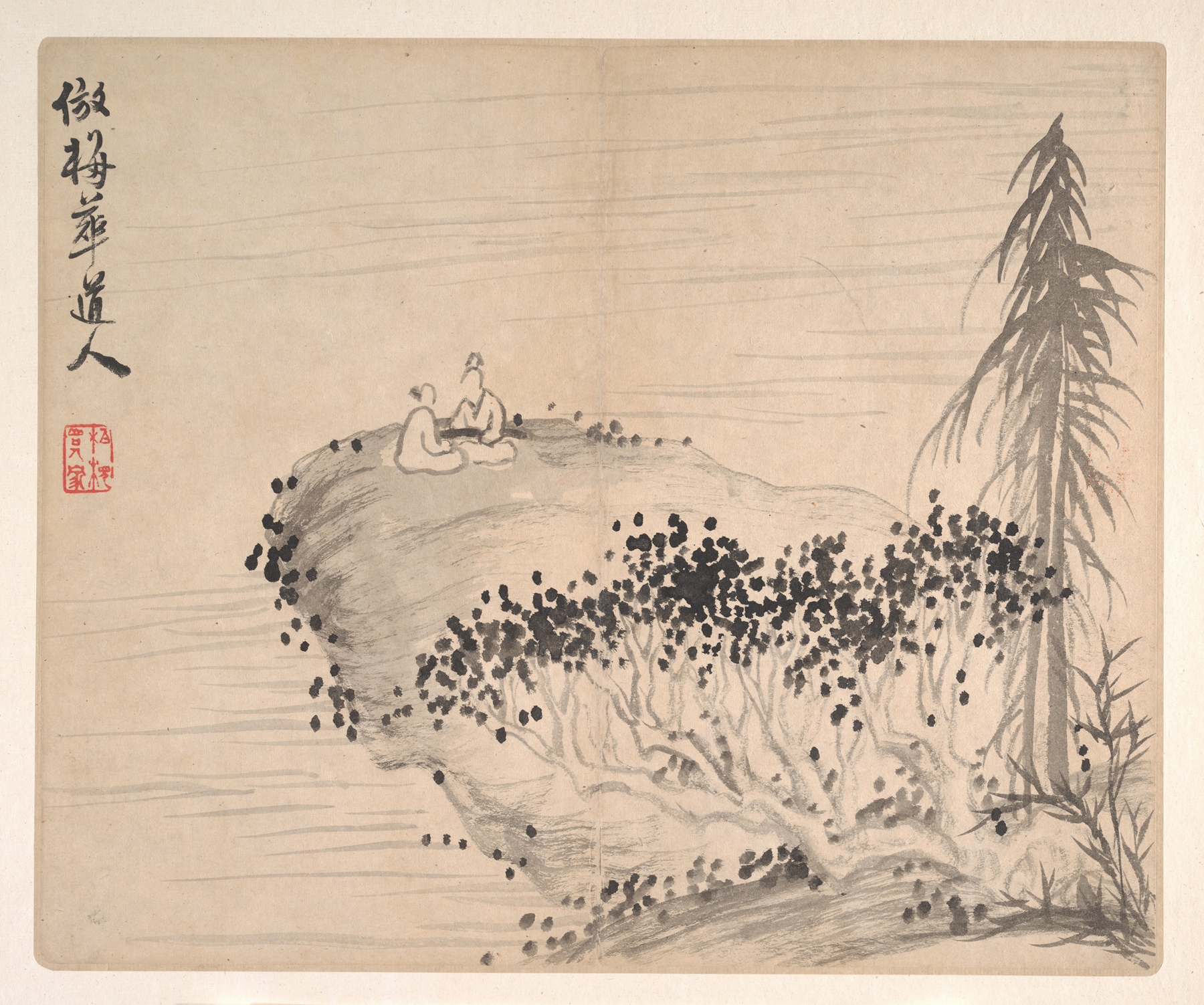
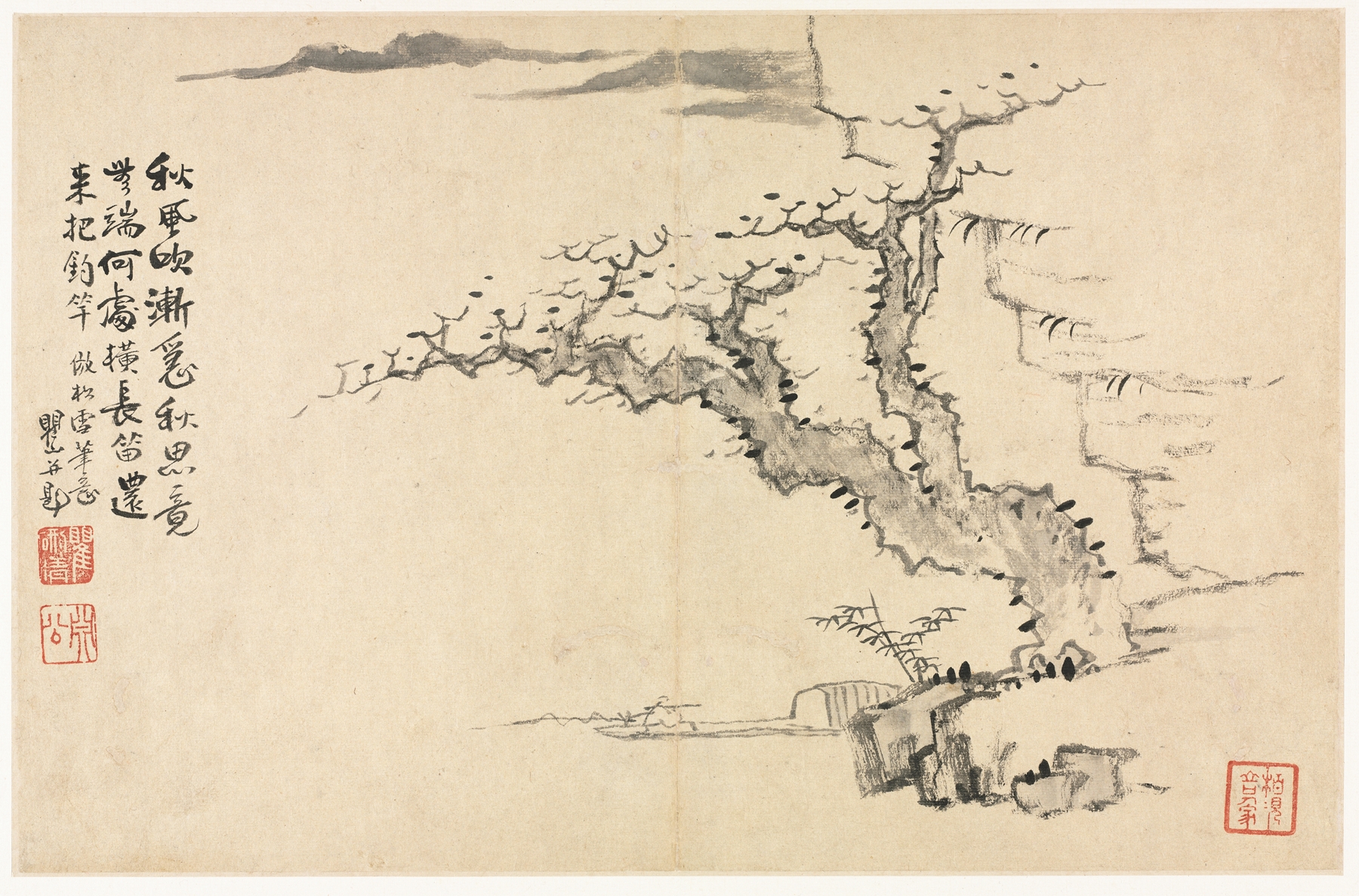
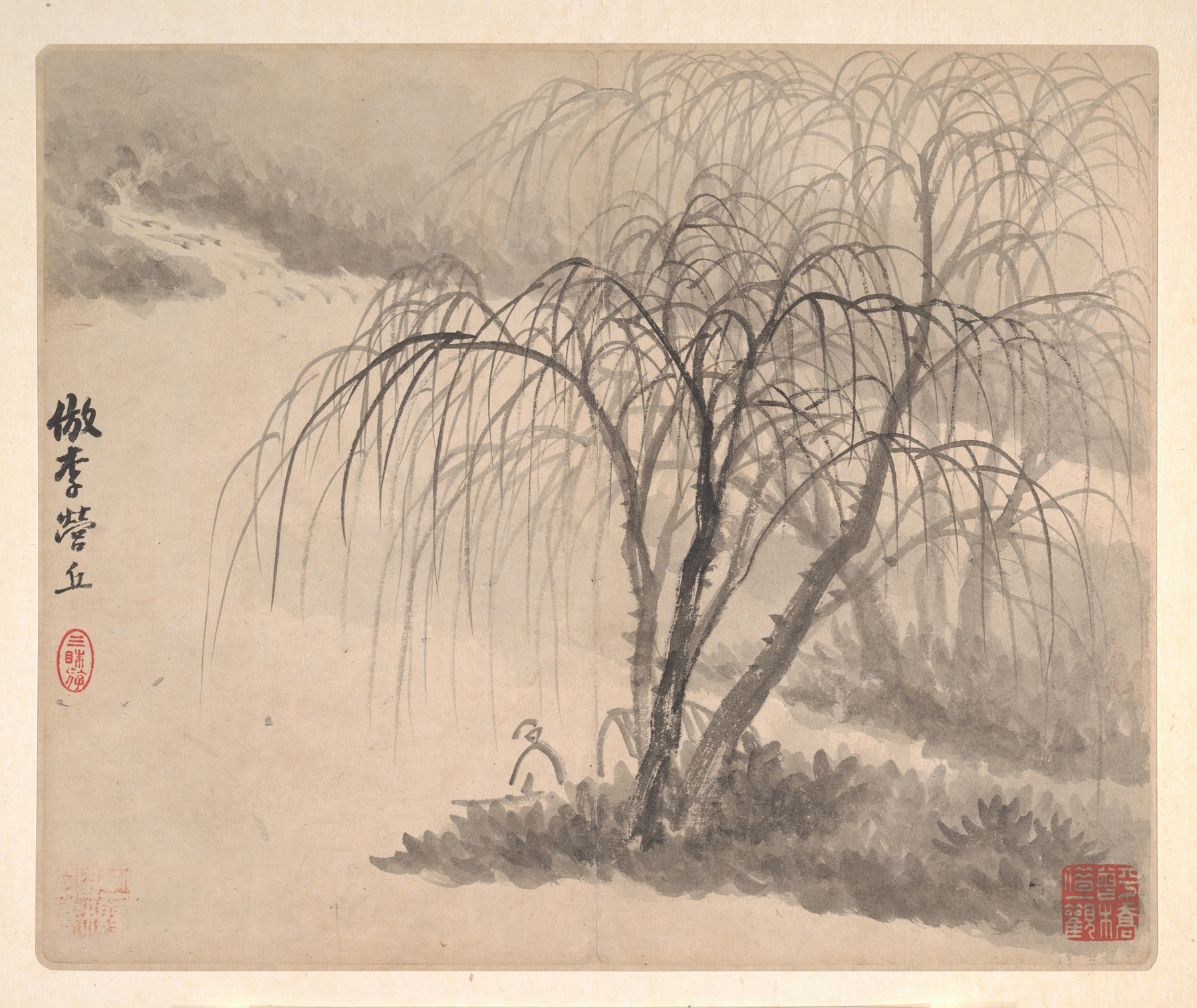
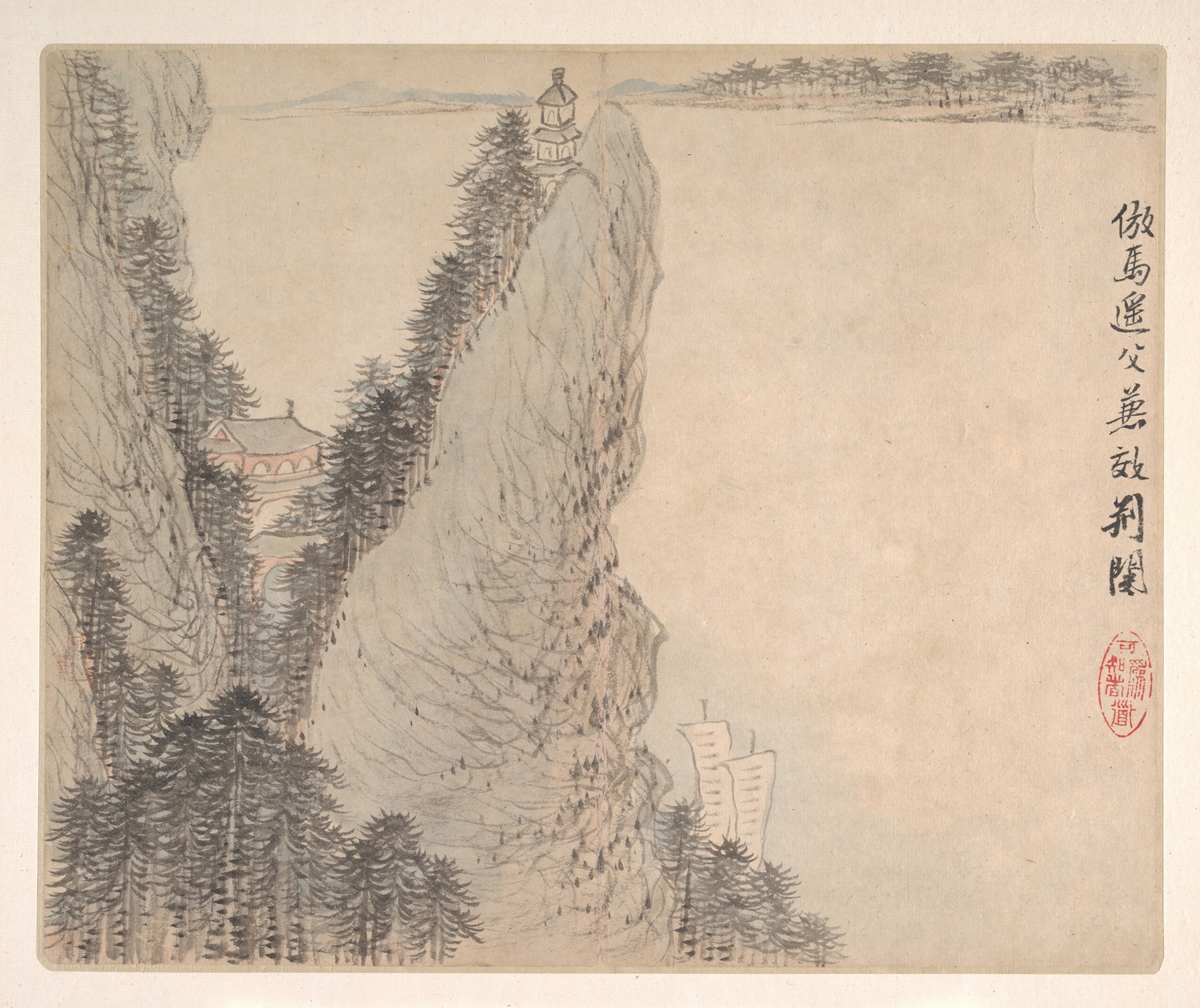
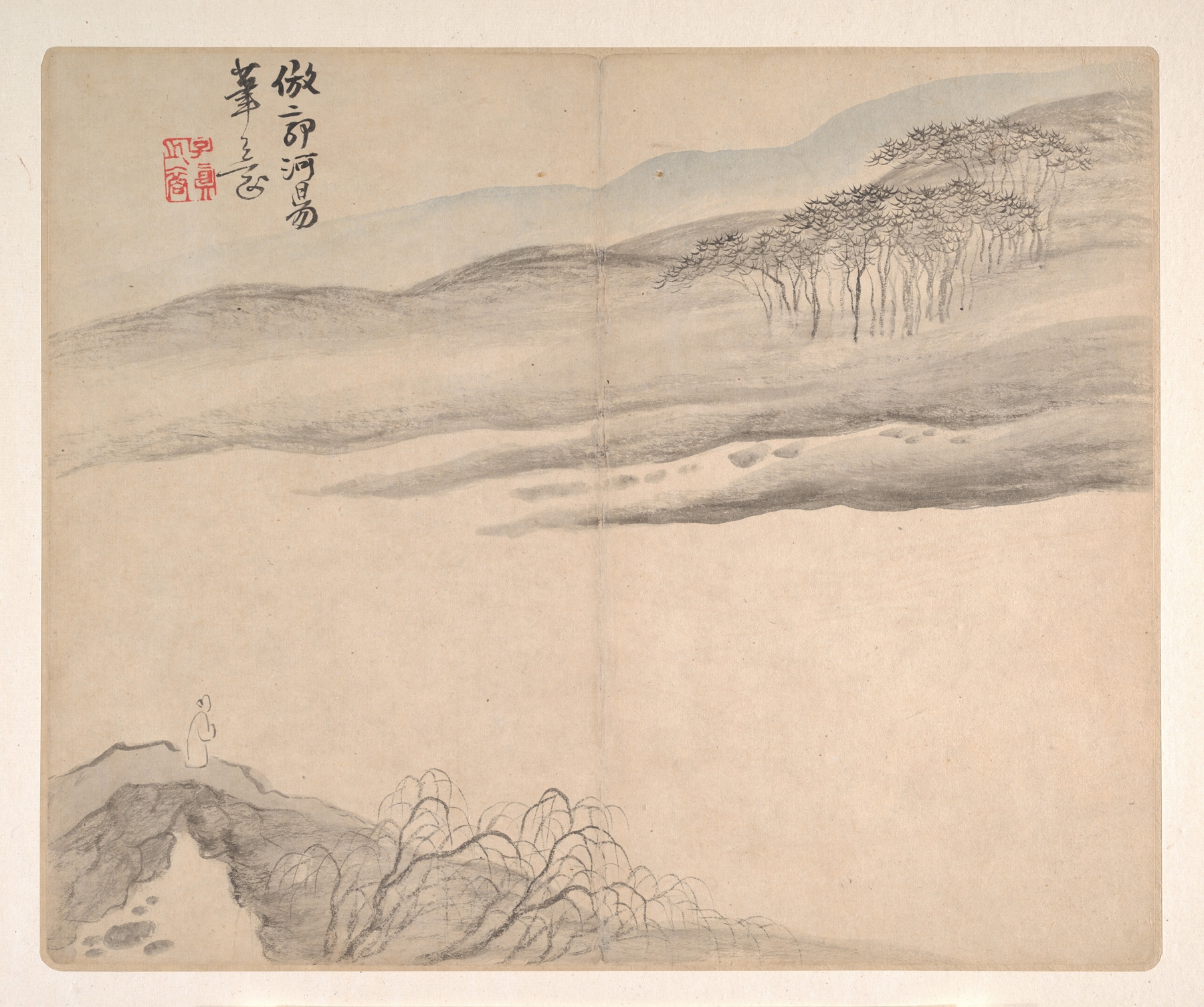
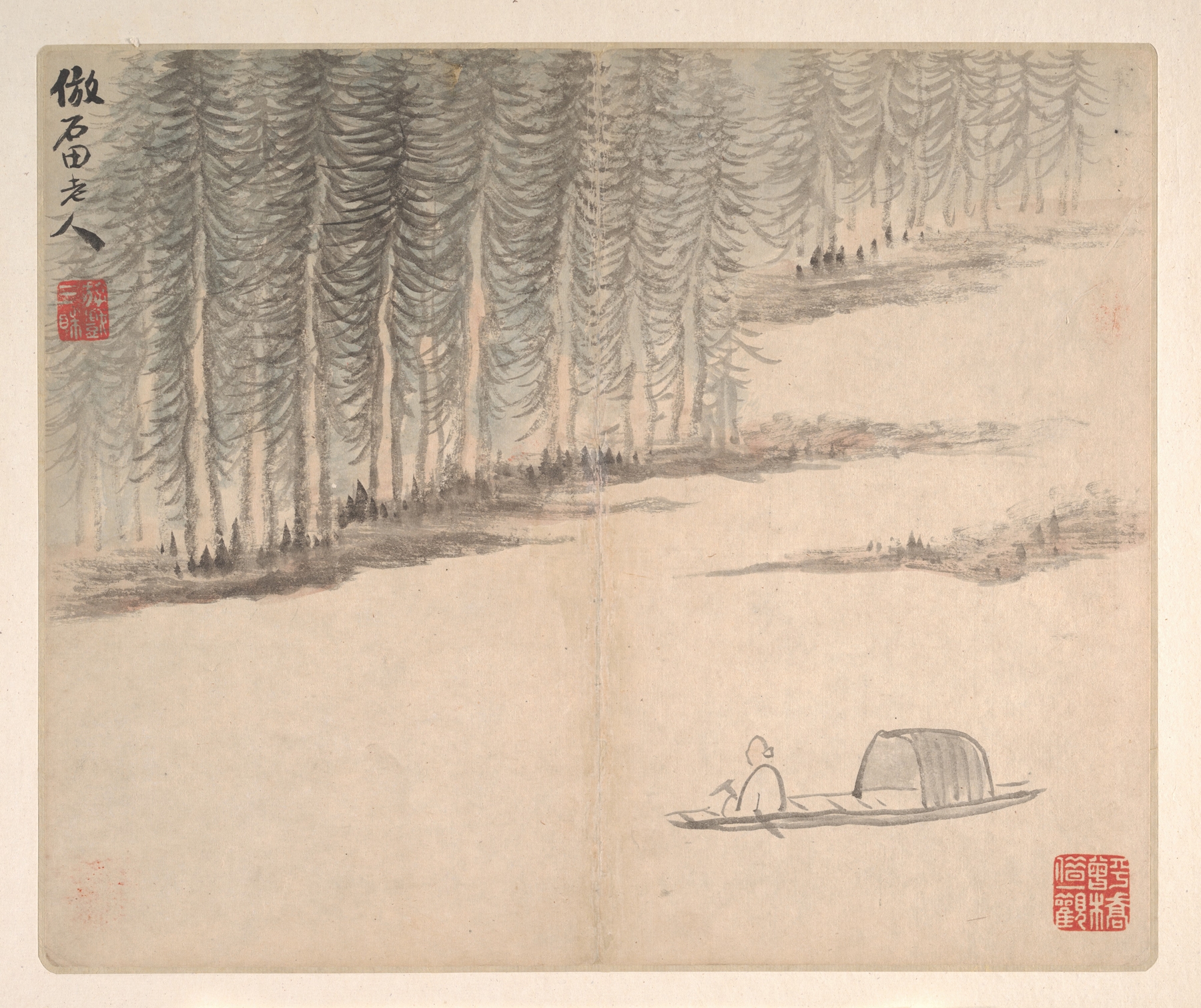
Can beauty exist without sorrow? In the hands of Mei Qing, this provocative question reverberates through the canvas, inviting contemplation on the delicate interplay between light and shadow, joy and melancholy. Look closely at the vibrant hues that so deftly compose the landscapes, particularly the deep blues and lush greens that dominate the foreground. The brushstrokes are both fluid and precise, capturing the rolling hills and tranquil waters with an almost ethereal quality. Notice how the light dances upon the surface of the water, reflecting not just the beauty of nature, but also hinting at the deeper emotions lurking beneath.
The varied styles echo the influences of the Old Masters, yet Mei Qing infuses them with his own distinct voice, creating a harmonious blend of tradition and innovation. Beneath the surface of this idyllic scene lies a tension that speaks to feelings of betrayal and loss. Each element—the rustling trees, the still waters—carries an air of nostalgia, suggesting a past where beauty was perhaps tainted by heartbreak. The juxtaposition of serene landscapes with hints of darkness reveals an artist grappling with the weight of history, both personal and collective.
This duality is mirrored in the technique, as the vibrant colors give way to shadowy undertones, symbolizing the fragility of beauty in a world often marked by strife. In 1690, Mei Qing was establishing his unique artistic identity in China, amidst a complex cultural and political landscape. The era was marked by a flourishing interest in integrating various influences into local art, with the impact of Western techniques becoming increasingly significant. This period of experimentation and reflection shaped his work, allowing him to weave together traditional themes with personal experiences and broader societal shifts.