Landscapes in Various Styles after Old Masters 7 — History & Analysis
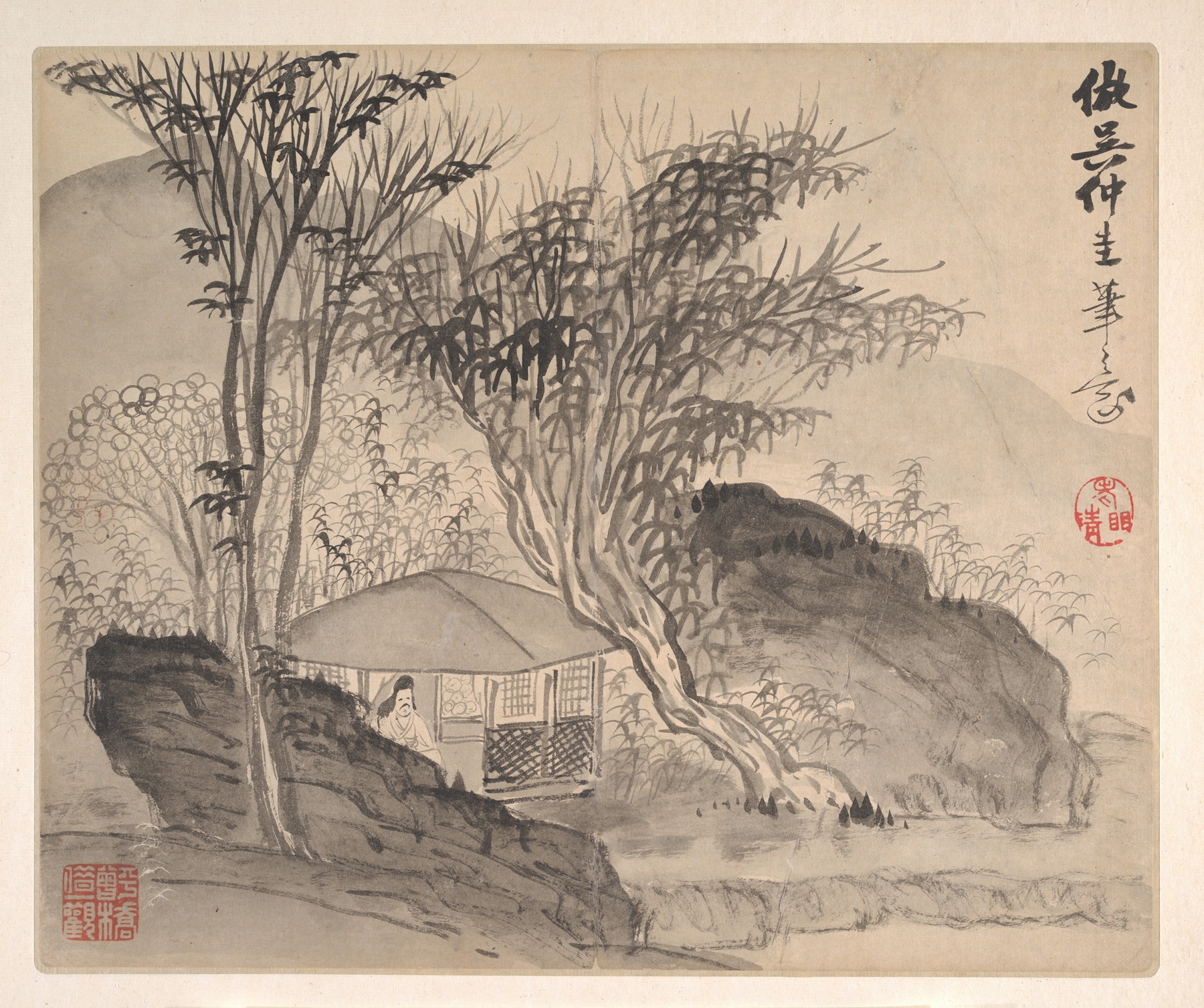
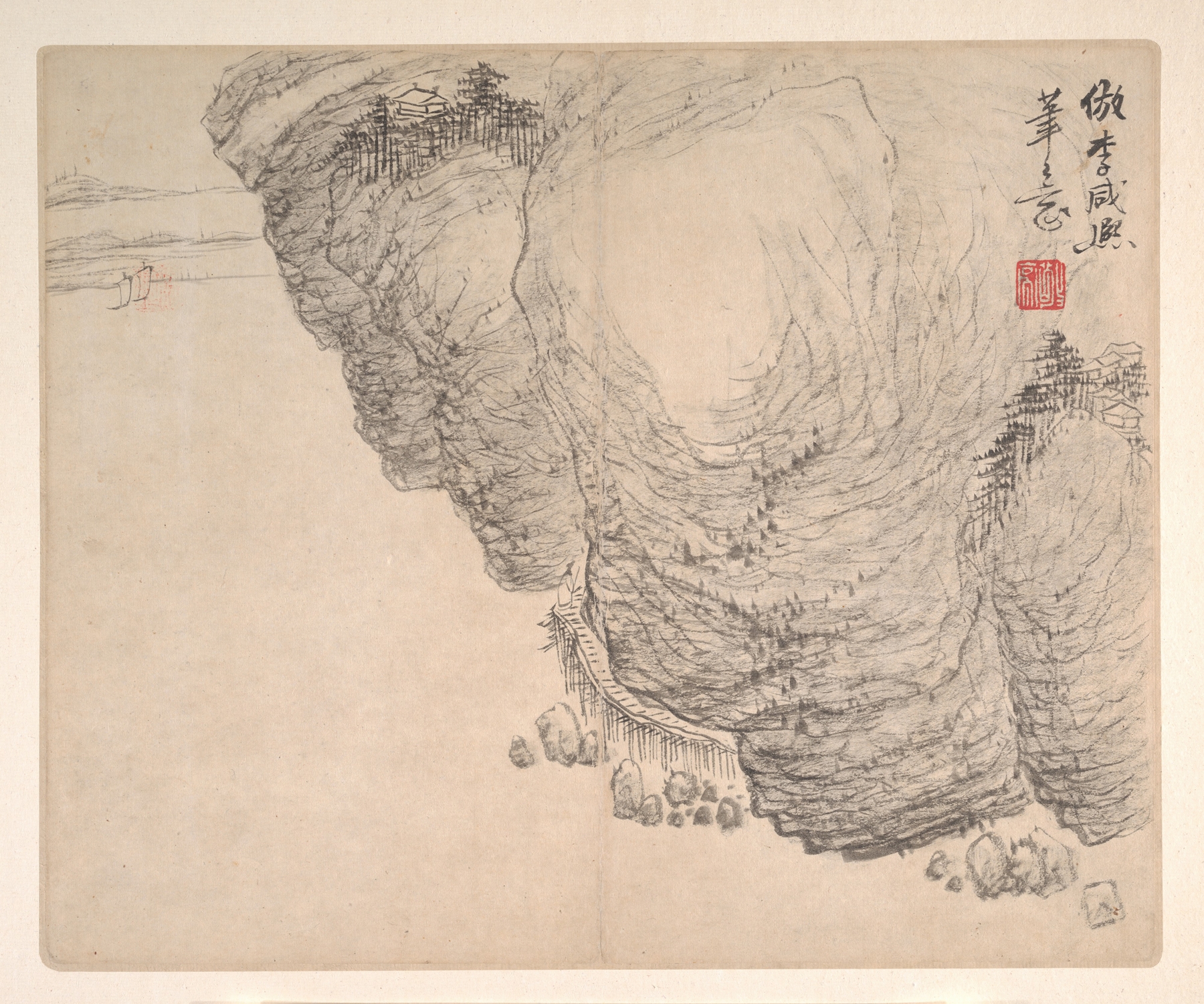
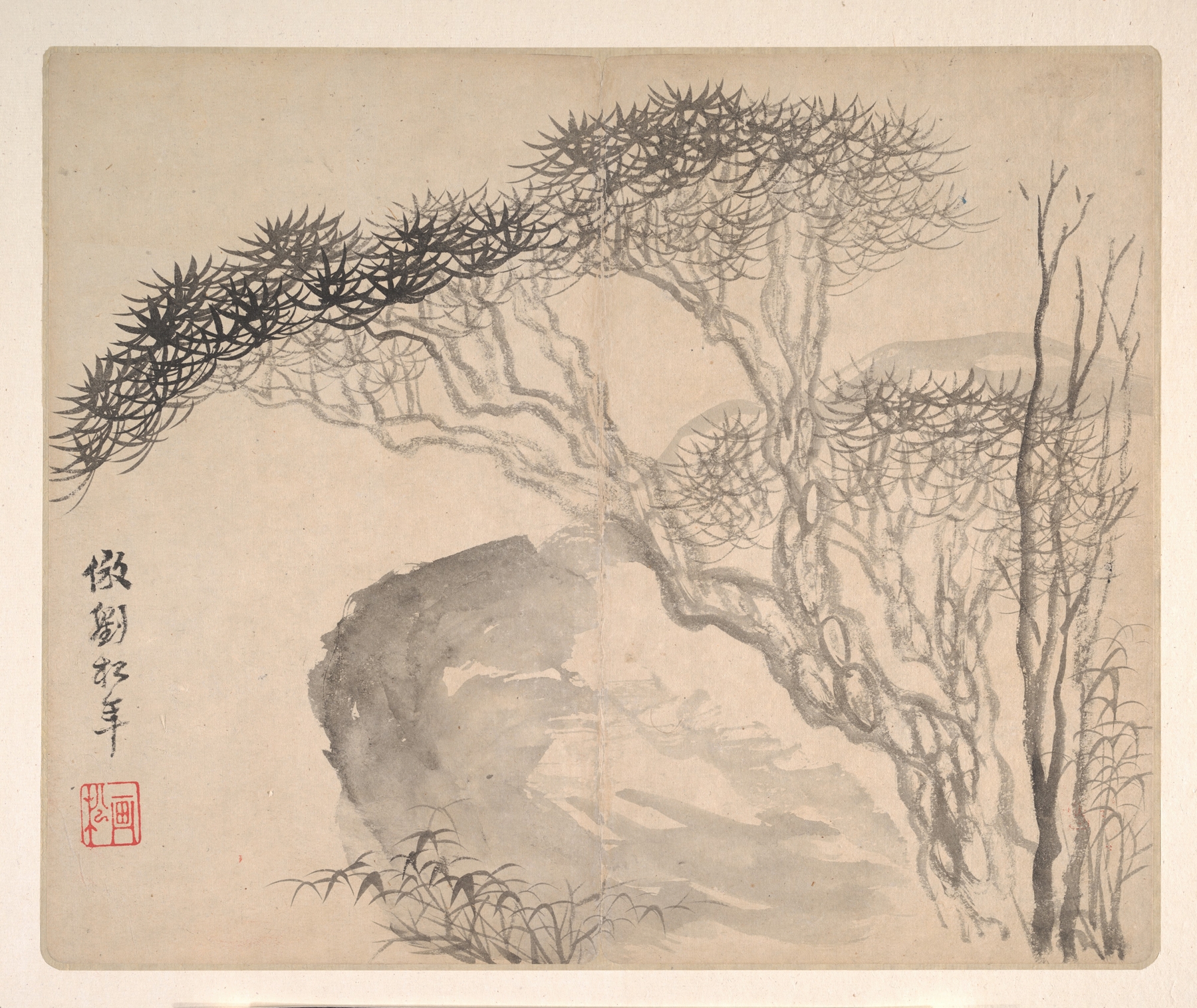
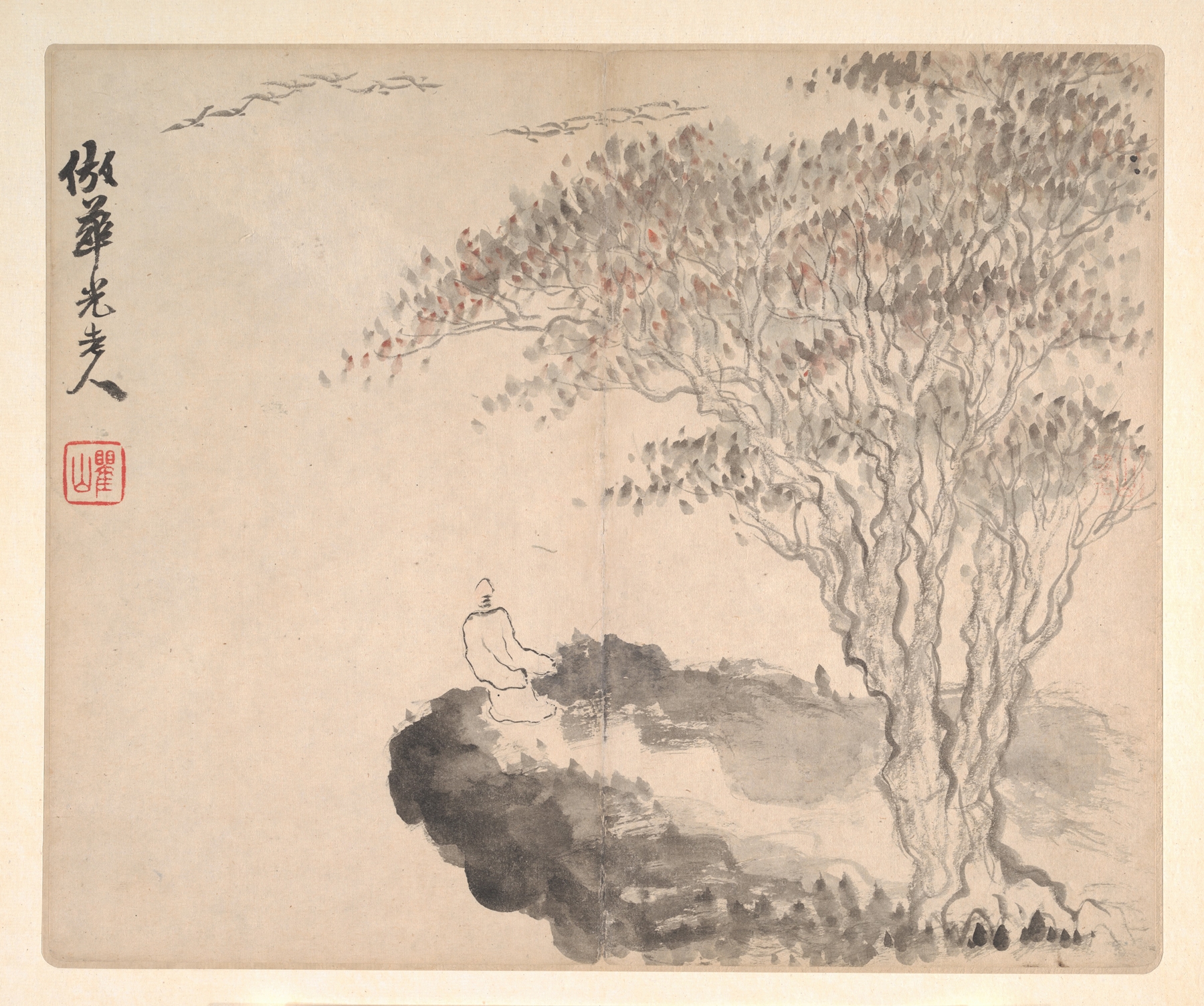
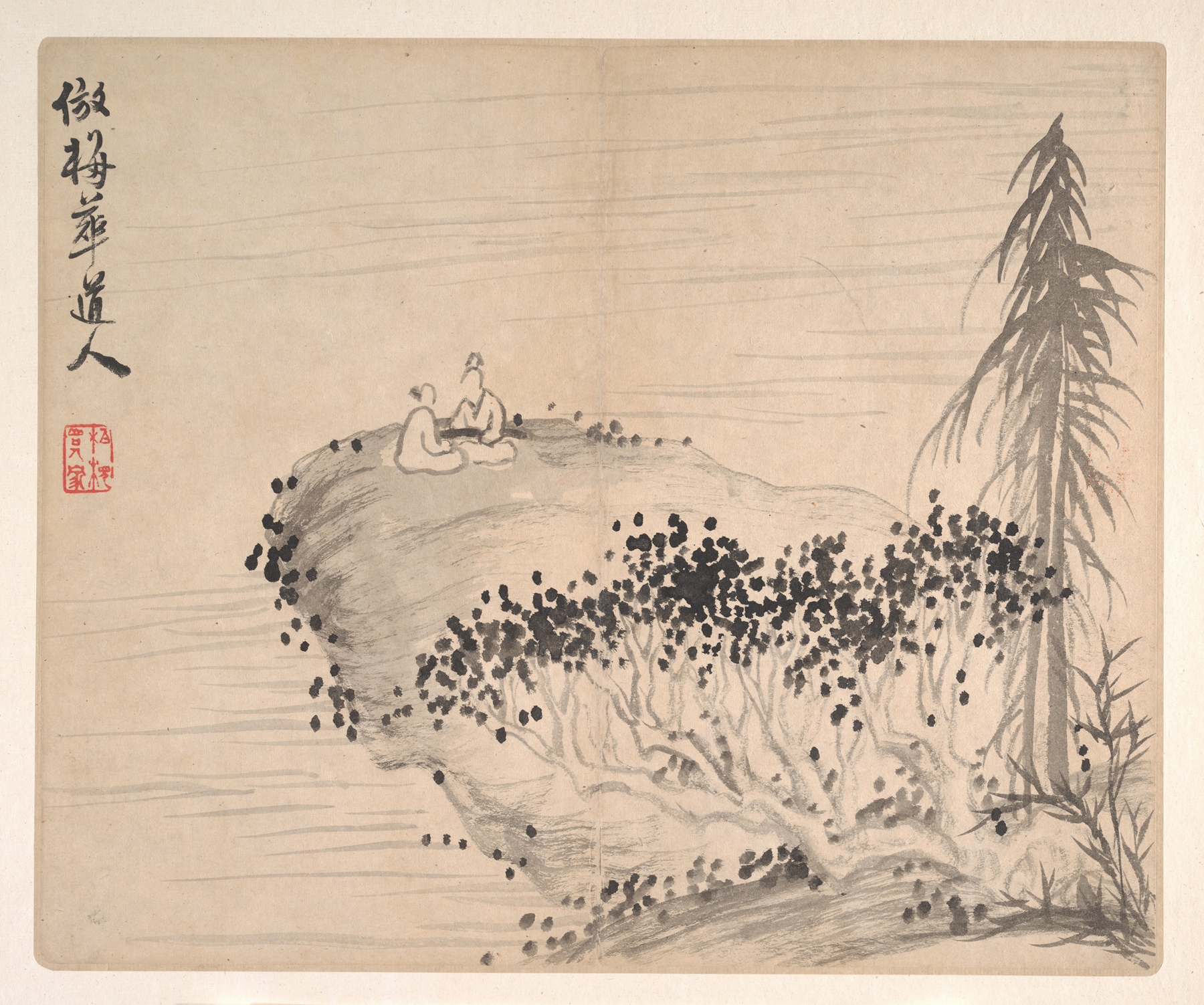
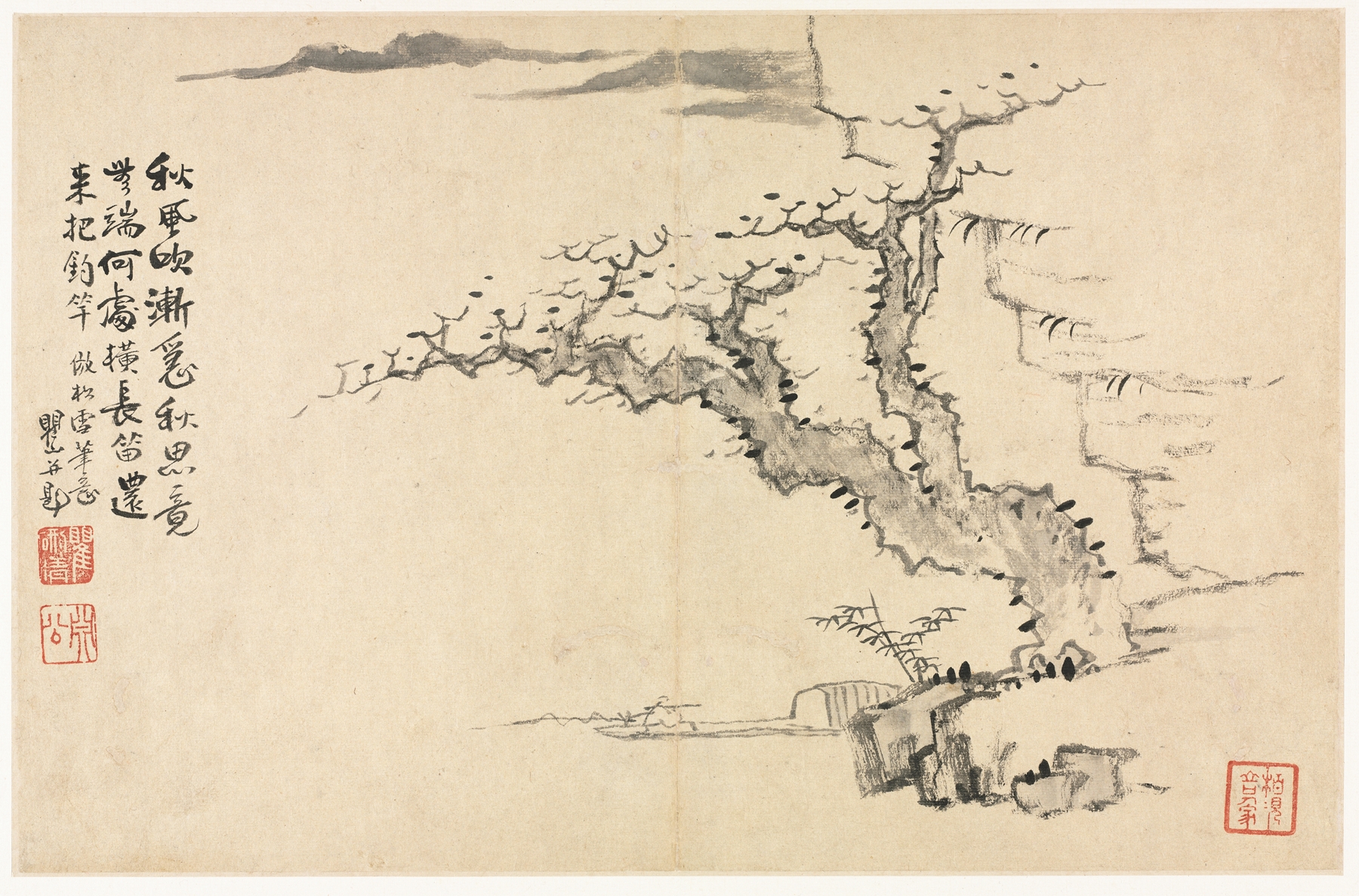
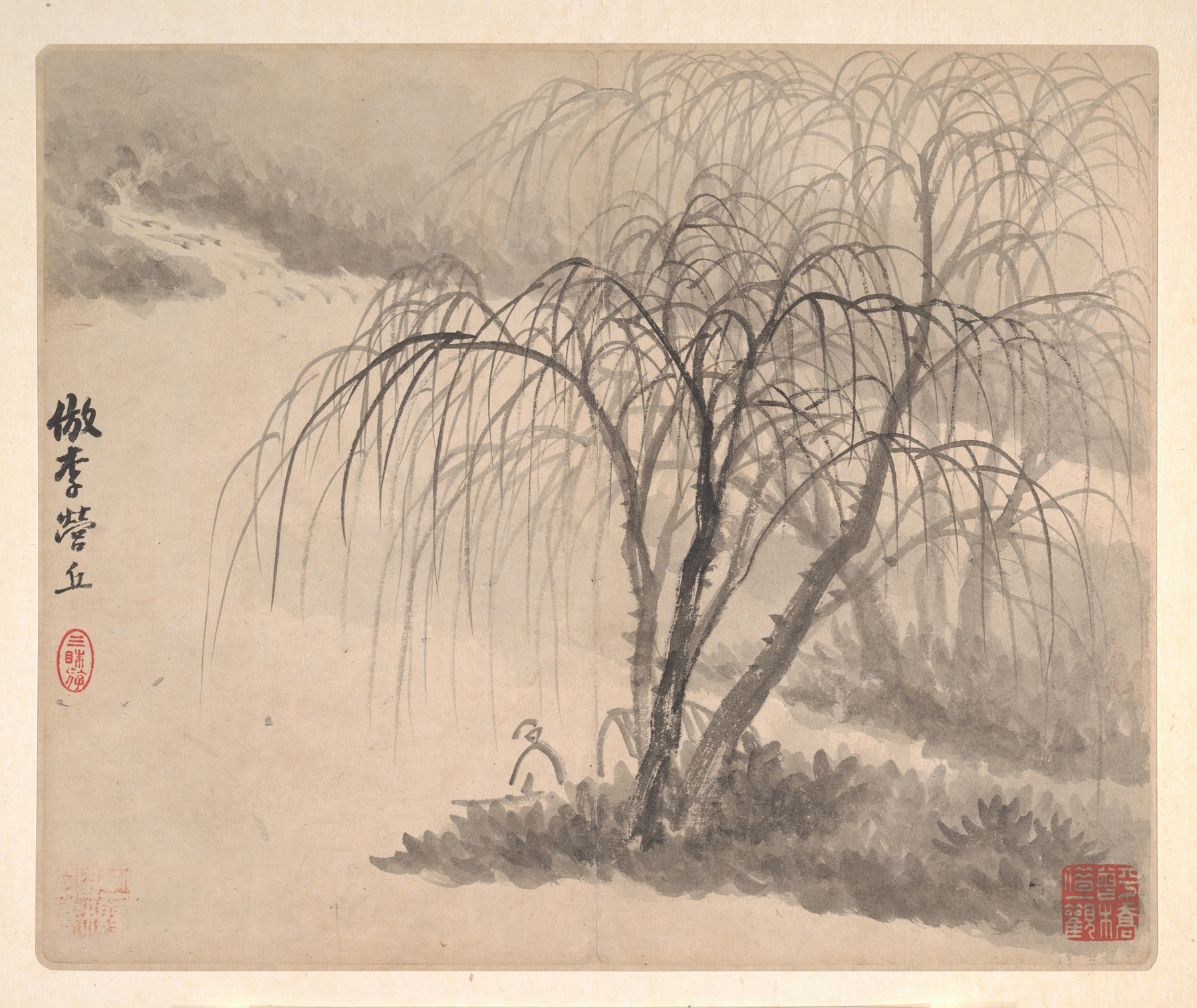
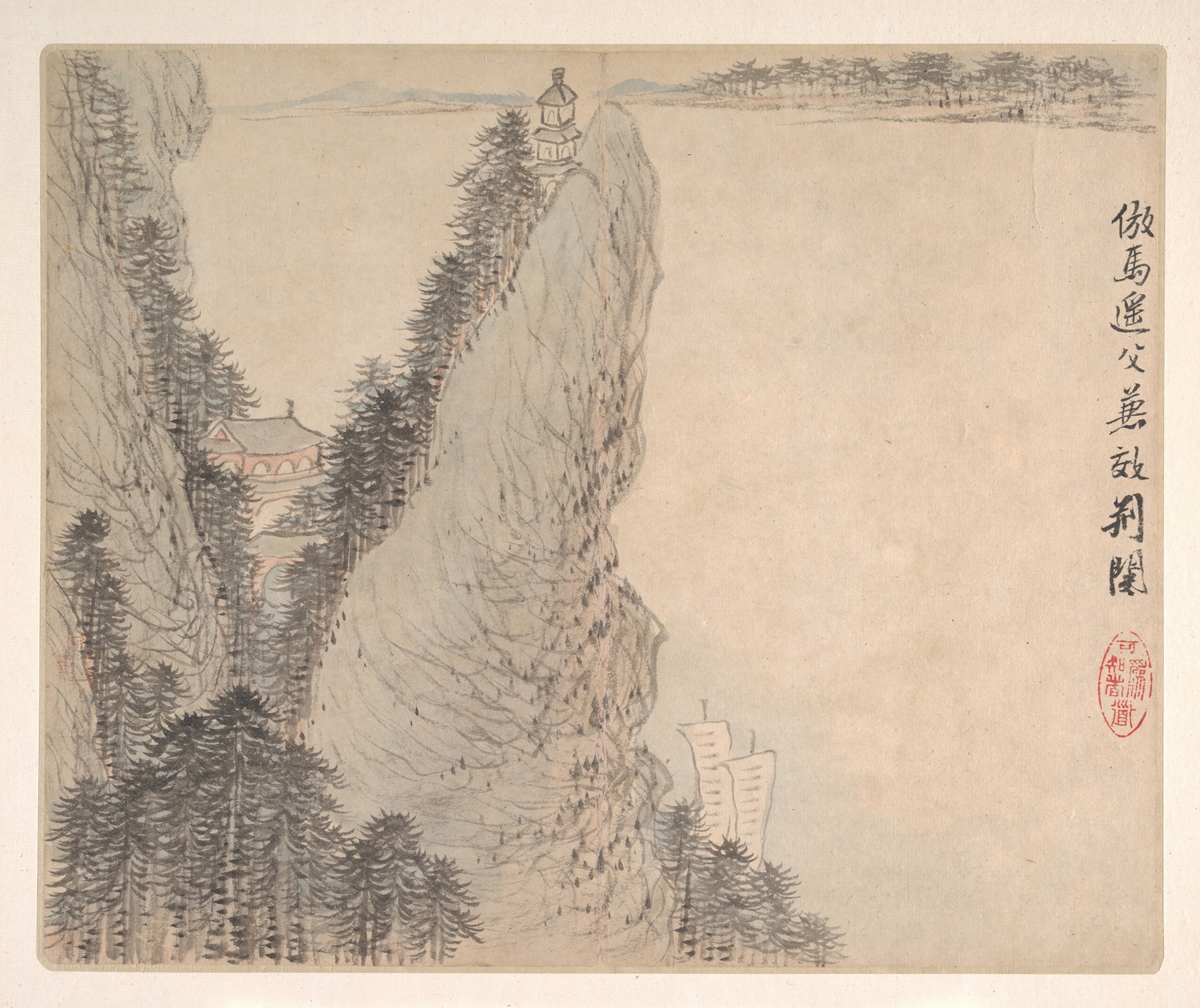
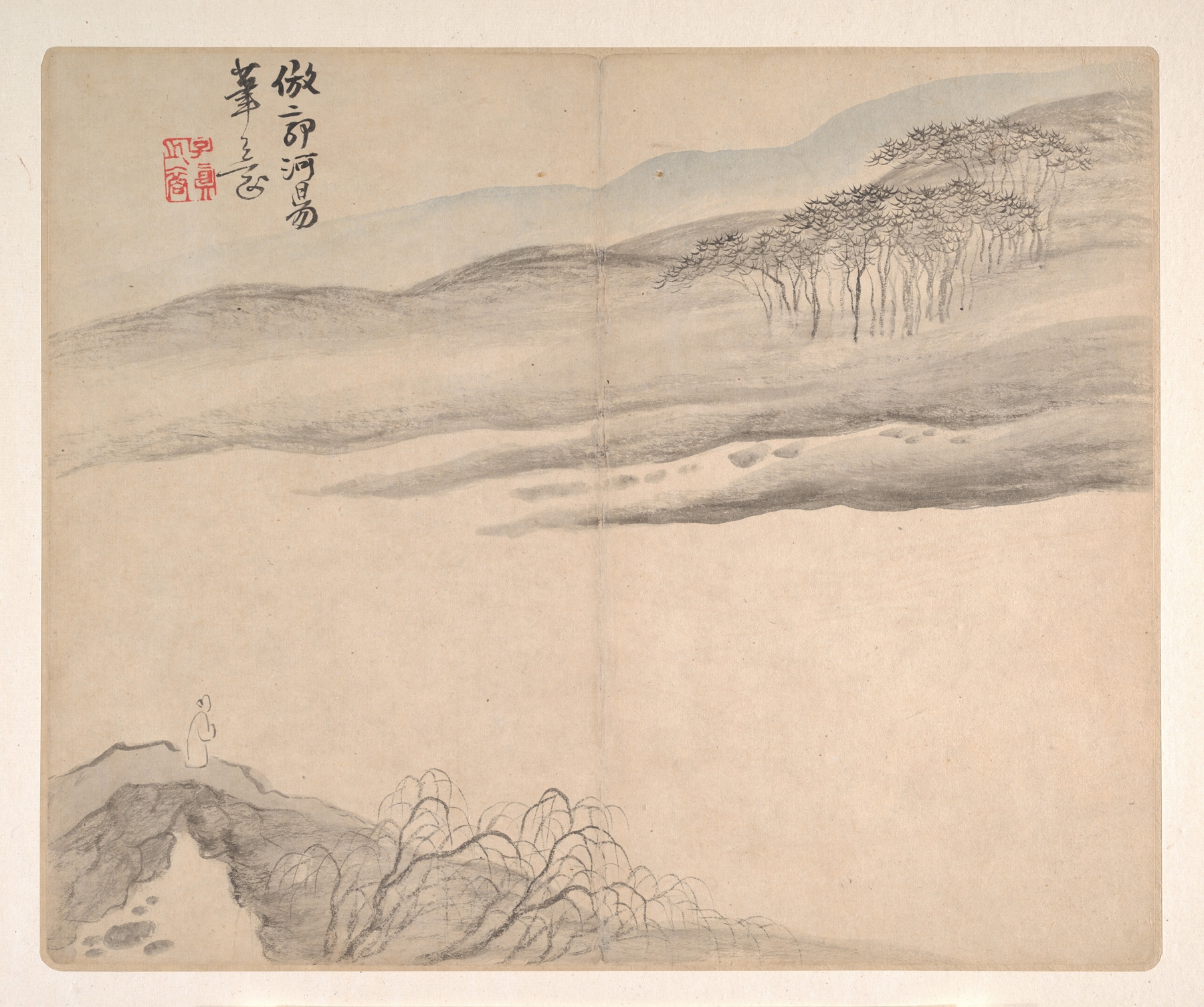
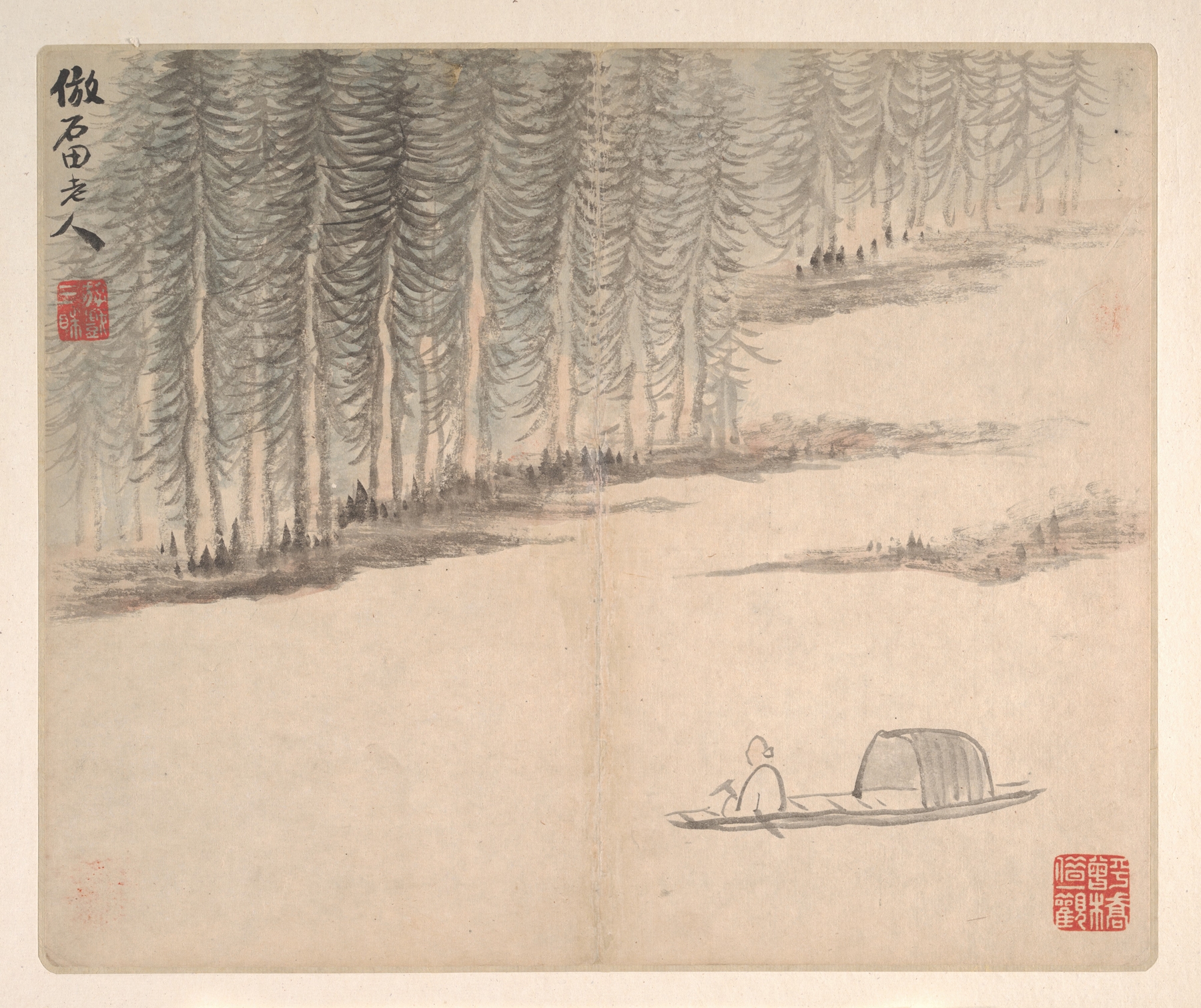
Could beauty survive in a century of chaos? In the hands of Mei Qing, this question transforms into a profound exploration of nature and artistry that transcends the turmoil of his time. Look to the left of the canvas where a delicate stream winds through lush foliage, reflecting hues of emerald and azure. The interplay of light—dappled sunshine filtering through the leaves—creates a sense of tranquility that invites viewers to pause and absorb the serenity. Notice how the brushstrokes reveal a masterful blend of traditional techniques with a contemporary touch, weaving together contours that dance between realism and abstraction.
The sky, an expansive canvas of soft clouds, hints at an imminent storm, contrasting the peaceful landscape below. In the midst of this idyllic scene, deeper meanings unfold. The juxtaposition of the serene stream against the impending storm symbolizes the delicate balance between peace and chaos, nature's beauty set against the unpredictability of life. The flora appears vibrant and alive, yet there are subtle hints of decay and wear, suggesting that even the most beautiful landscapes cannot escape the ravages of time and turmoil.
This tension between vibrancy and impermanence invites introspection, reflecting the artist's contemplation of existence amidst change. Mei Qing created this work in 1690 during a period of significant transition in China, marked by the decline of the Ming Dynasty and the rise of the Qing Dynasty. As an artist, he was deeply influenced by the old masters while seeking to forge his own identity in a shifting art world. This piece encapsulates his desire to pay homage to the past while simultaneously embracing the evolution of styles that characterized his era.