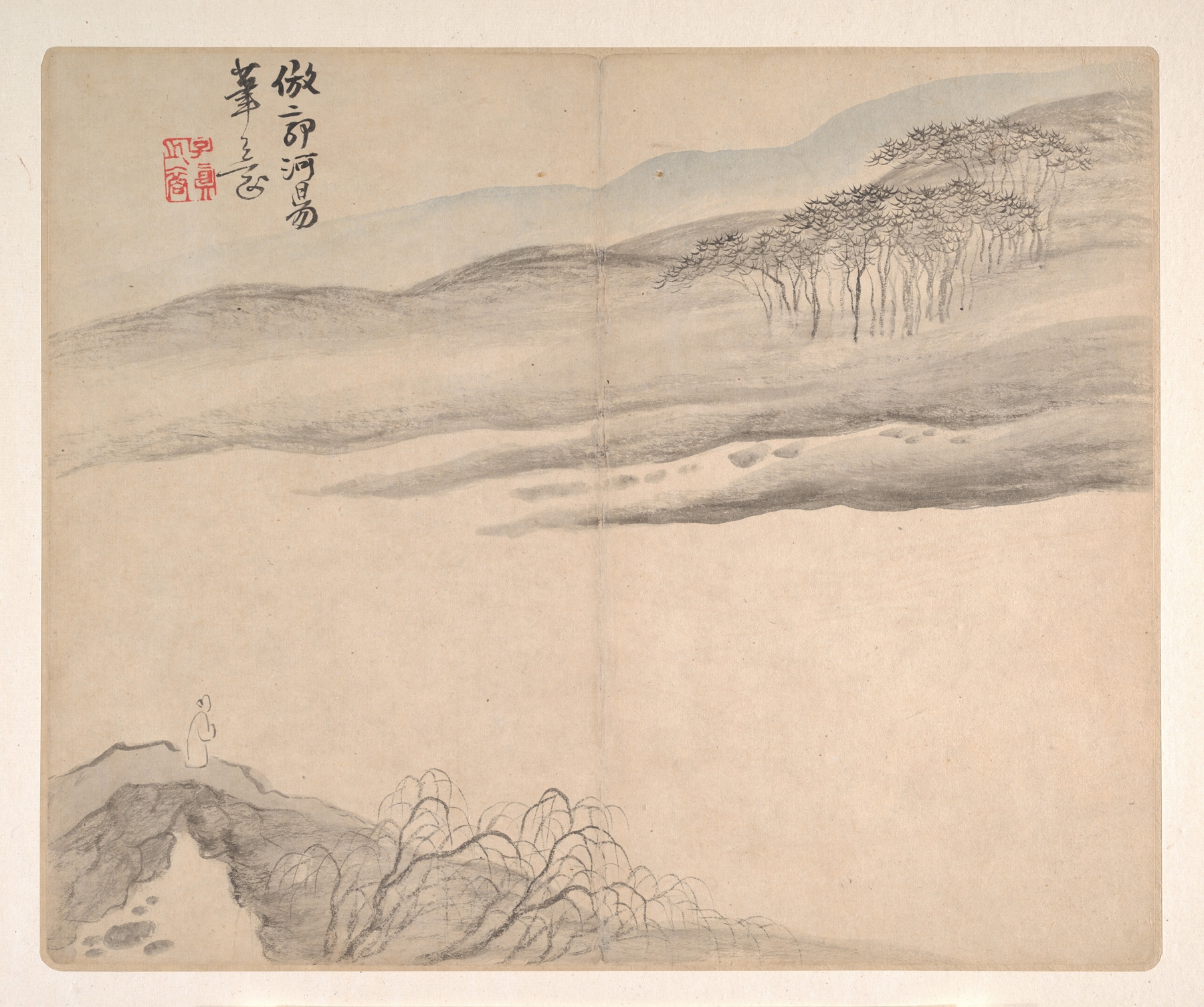
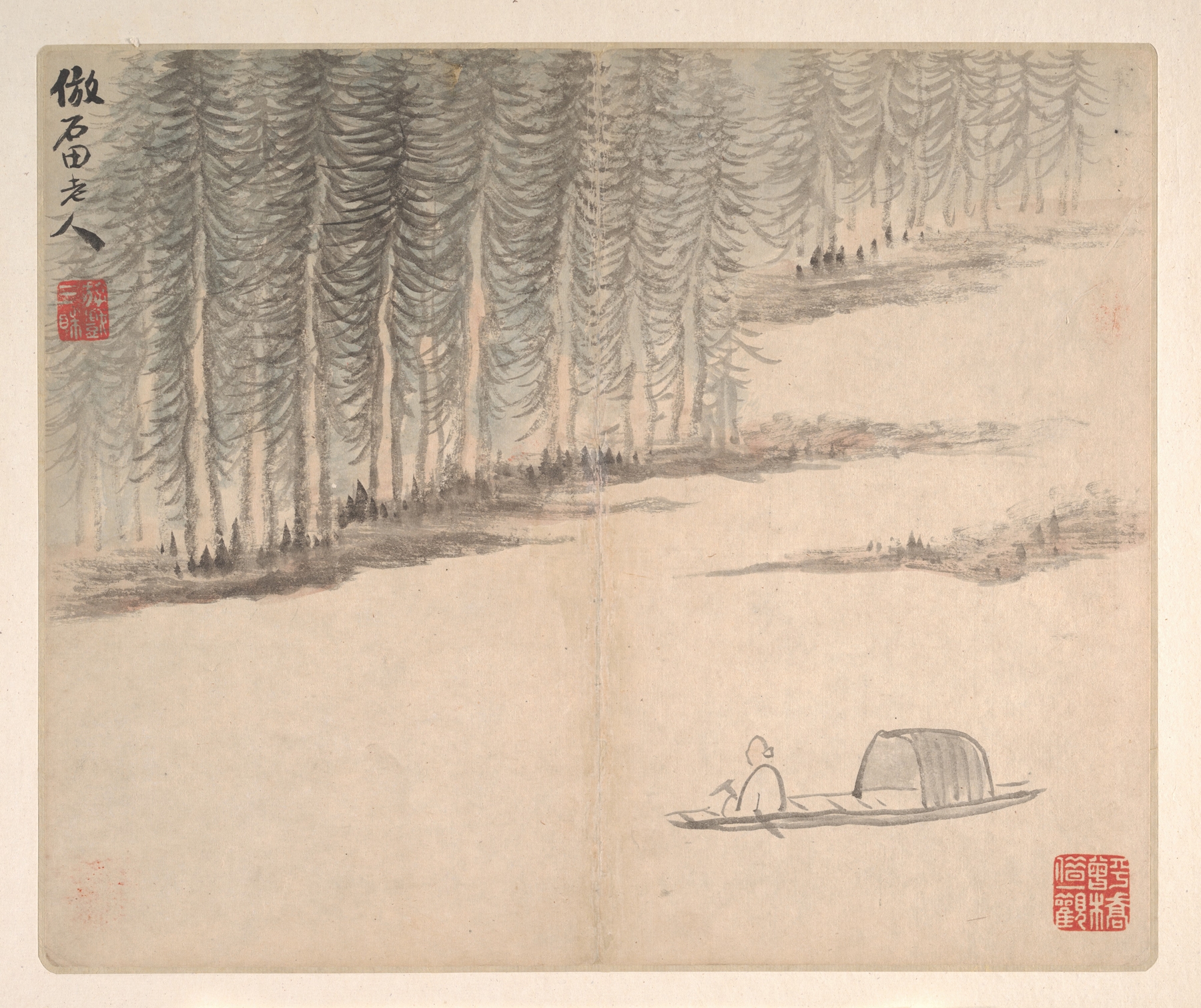
Landscapes in Various Styles after Old Masters 9 — History & Analysis
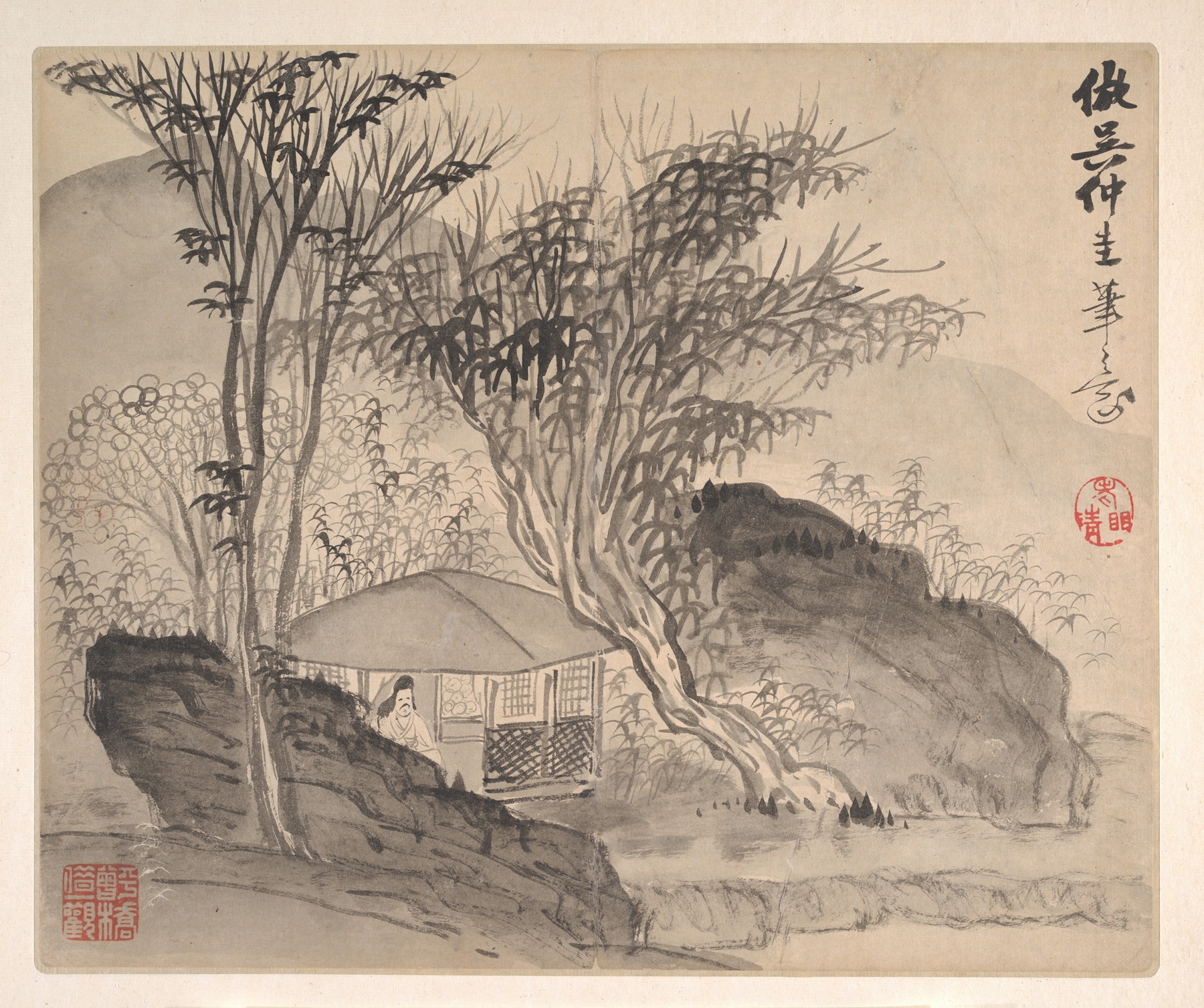
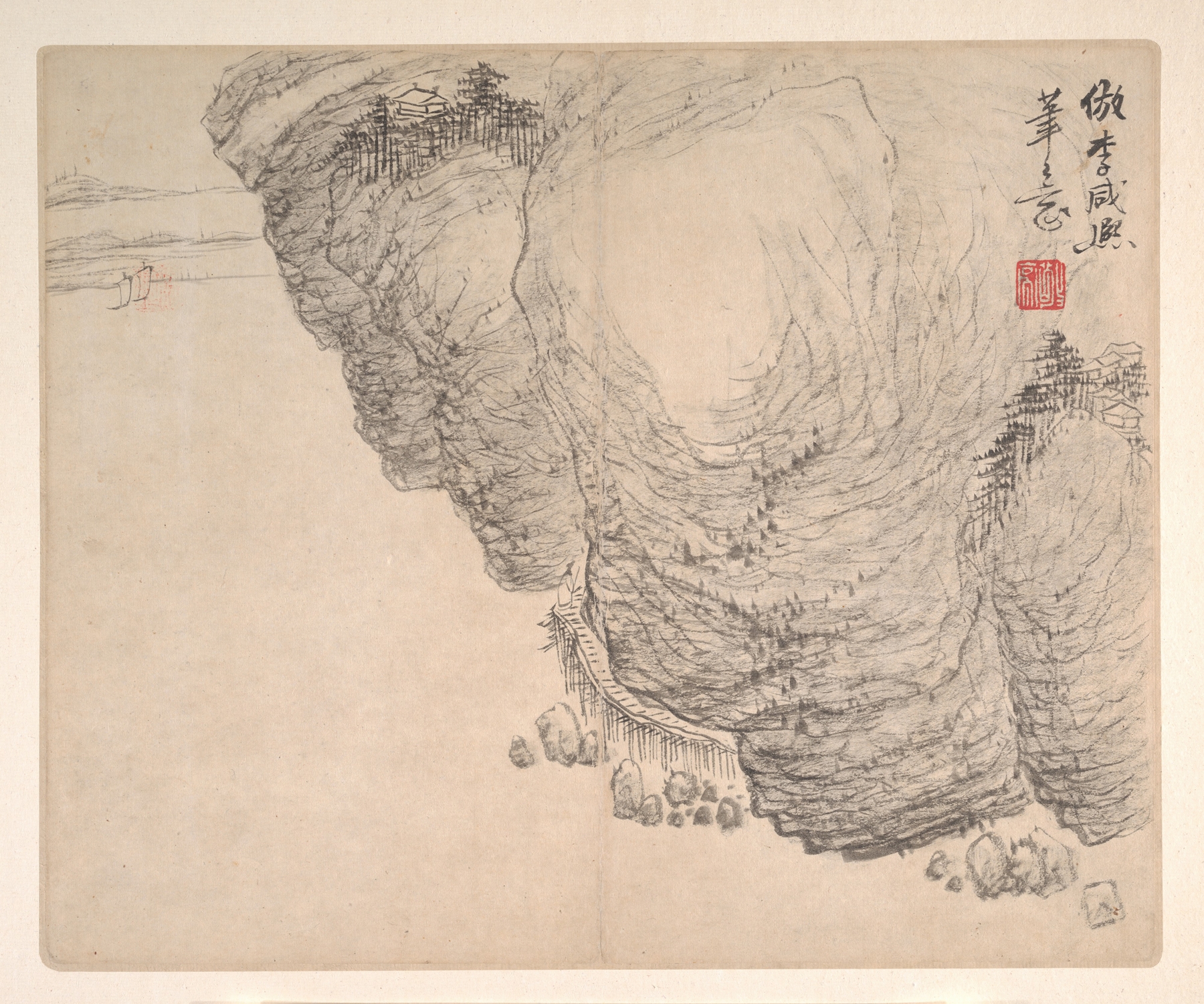
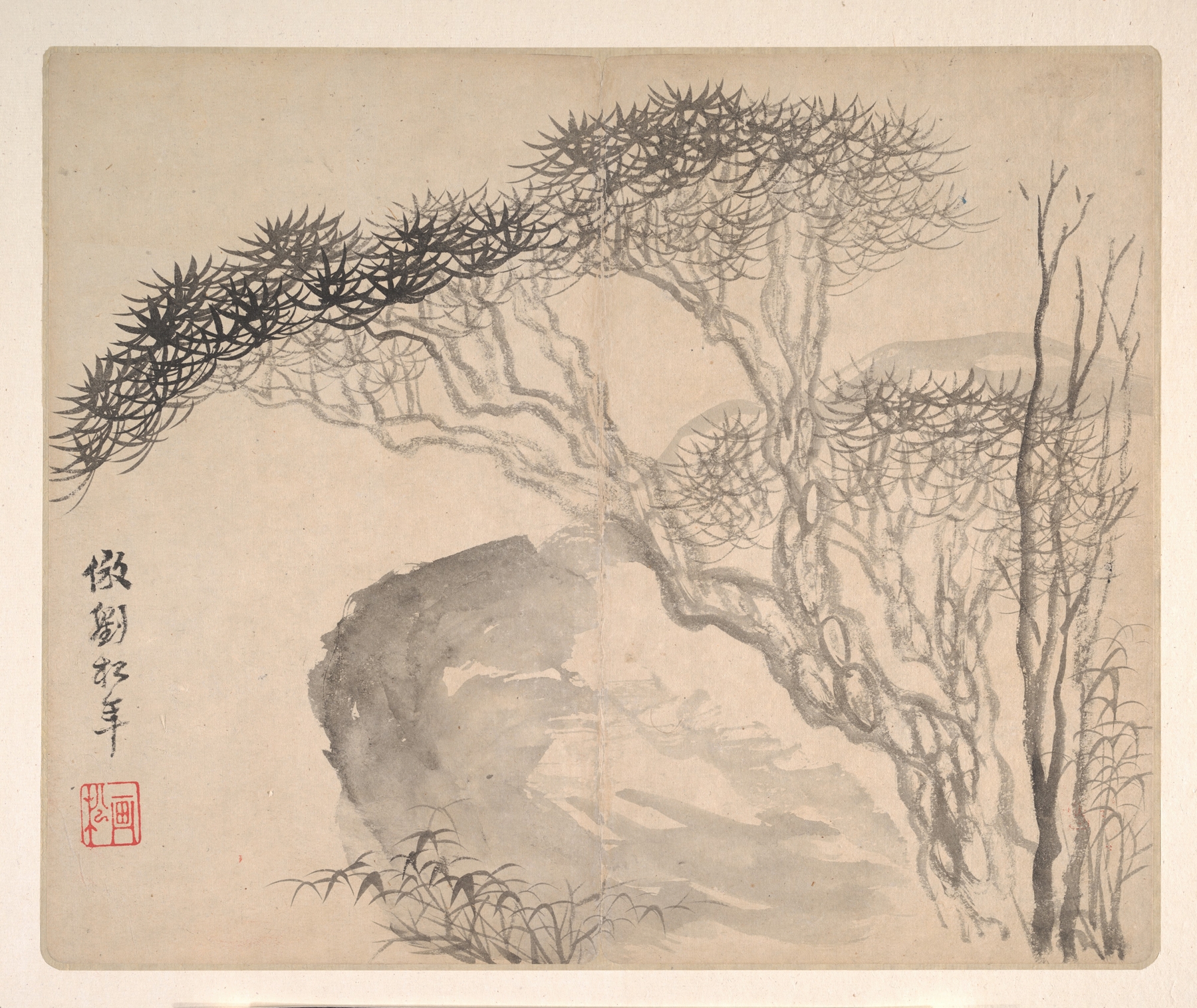
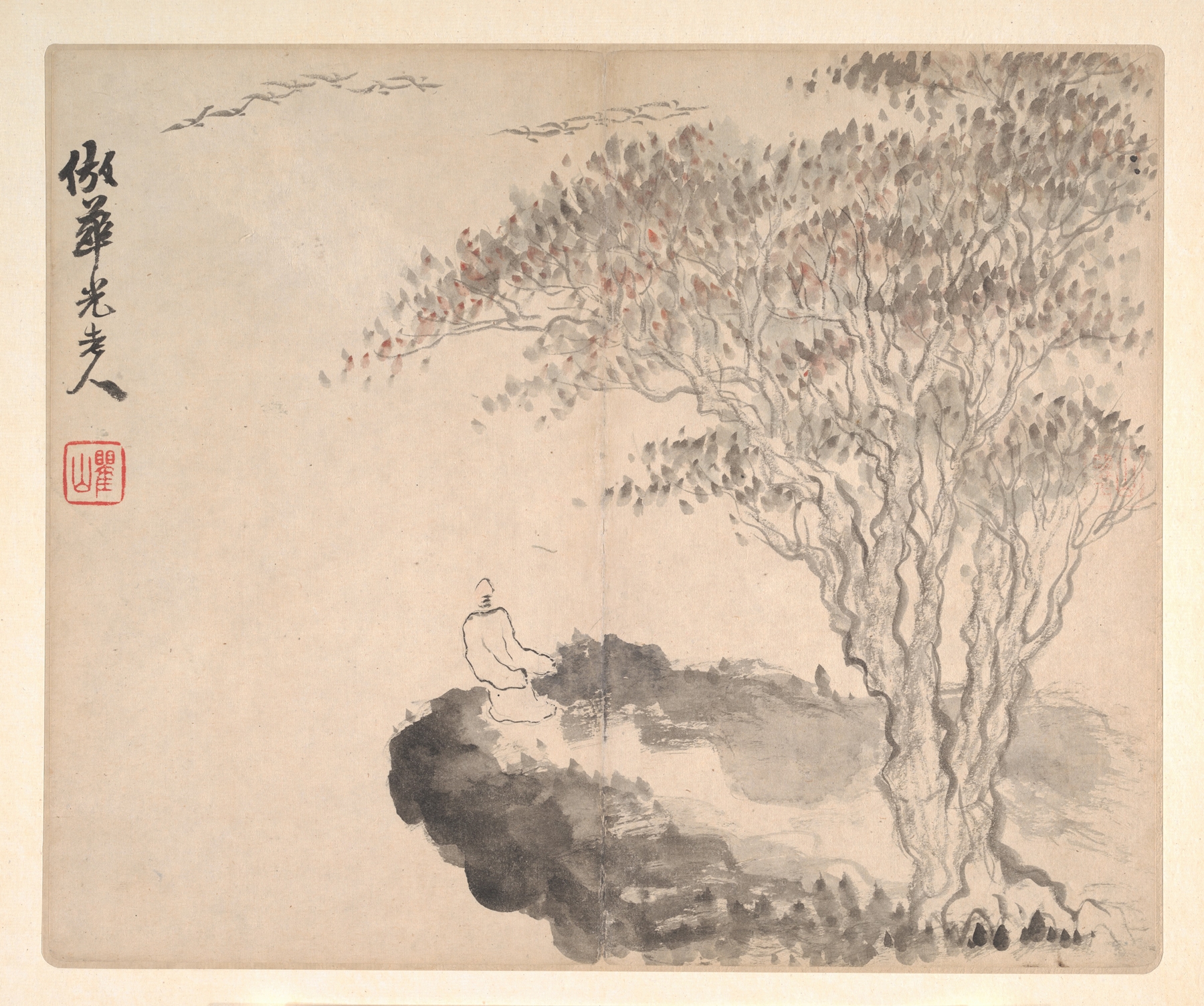
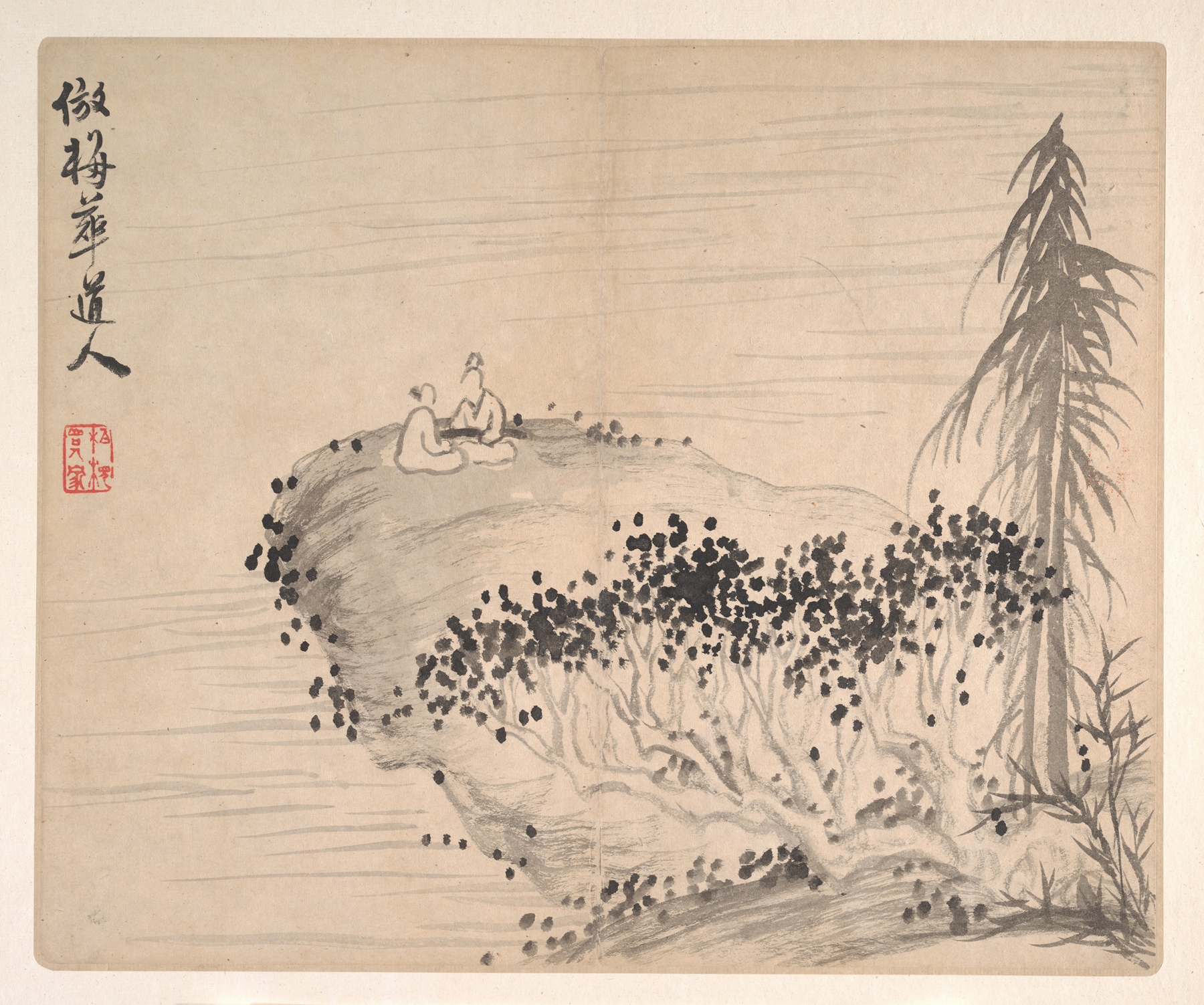
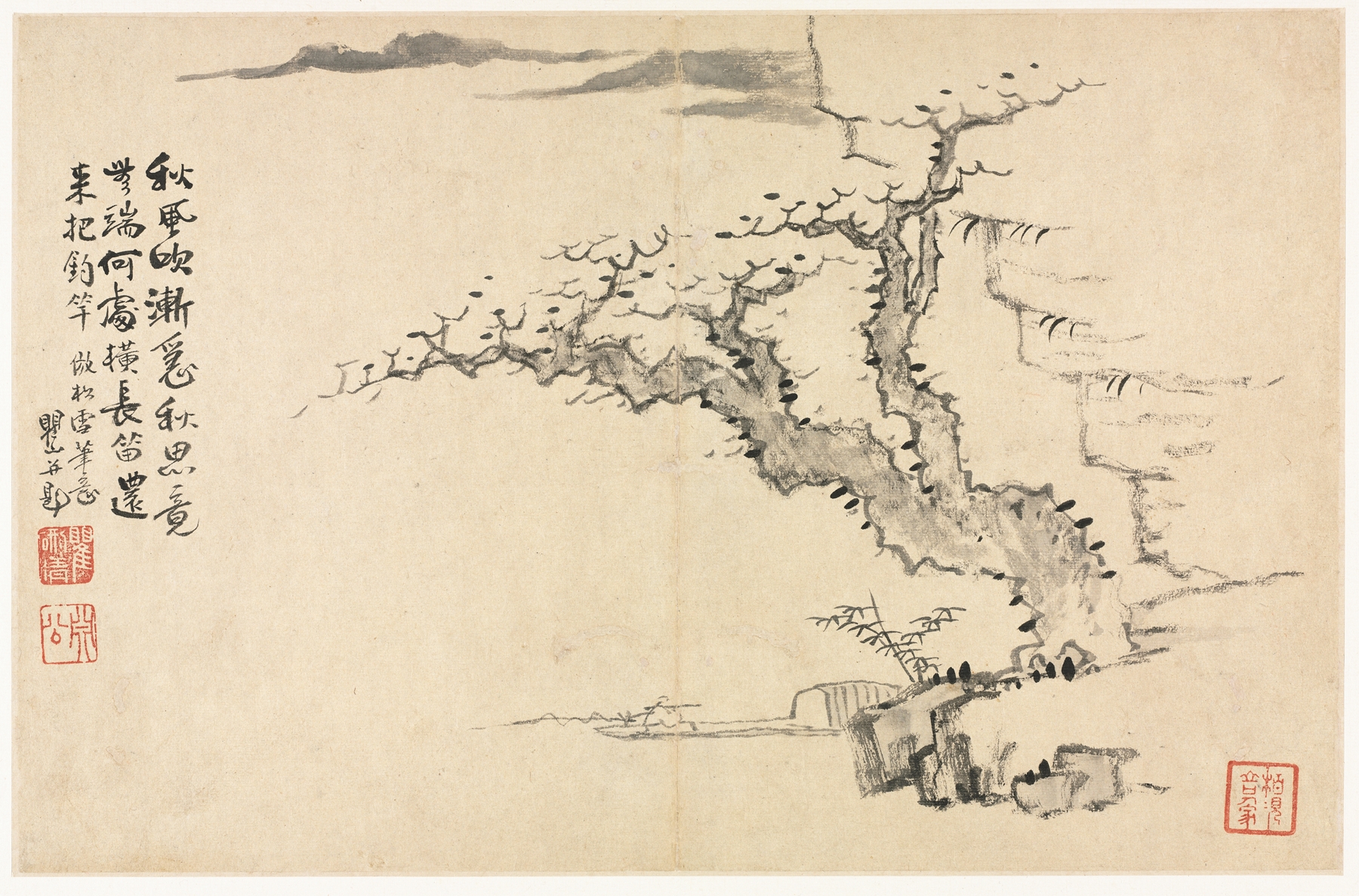
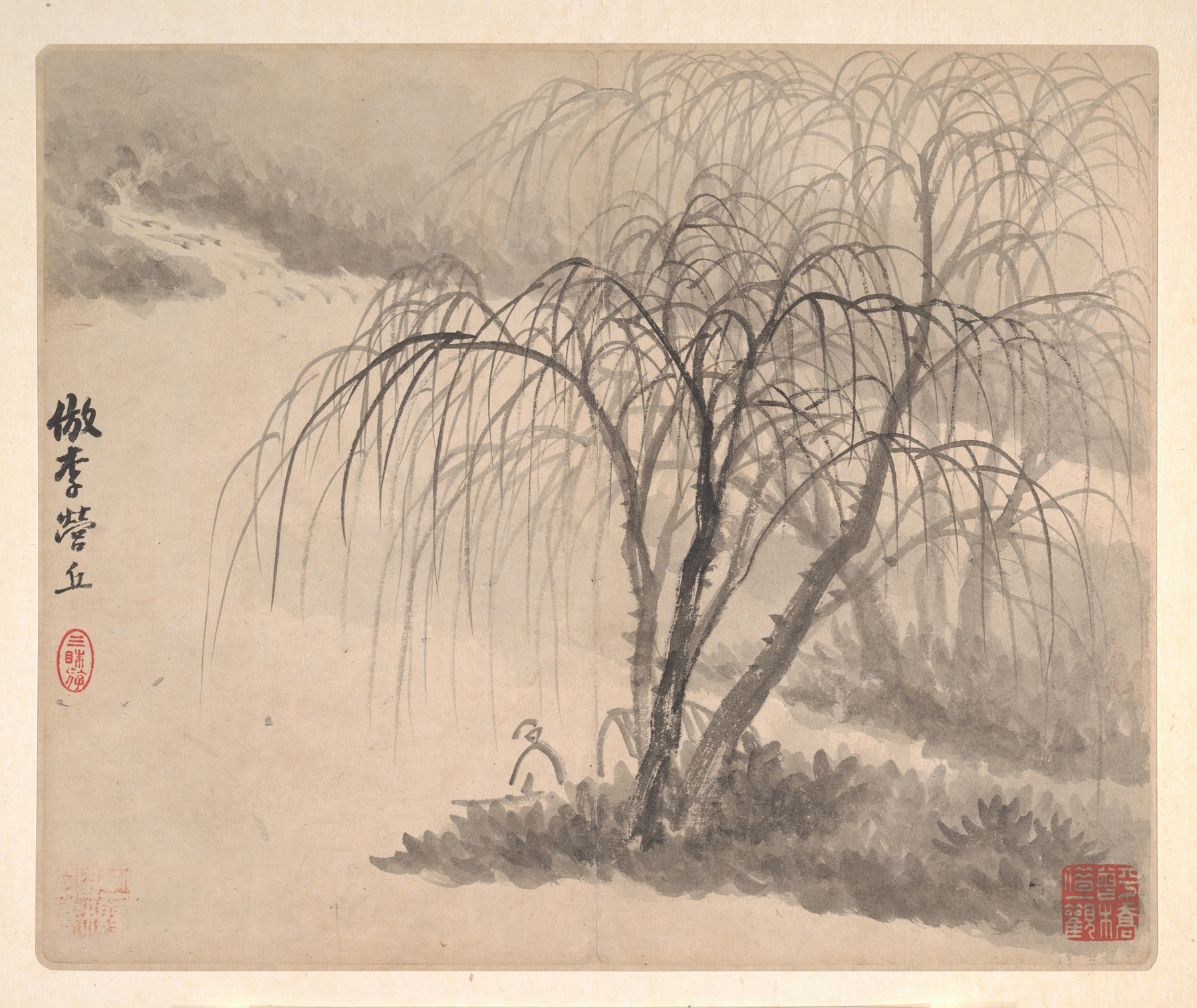
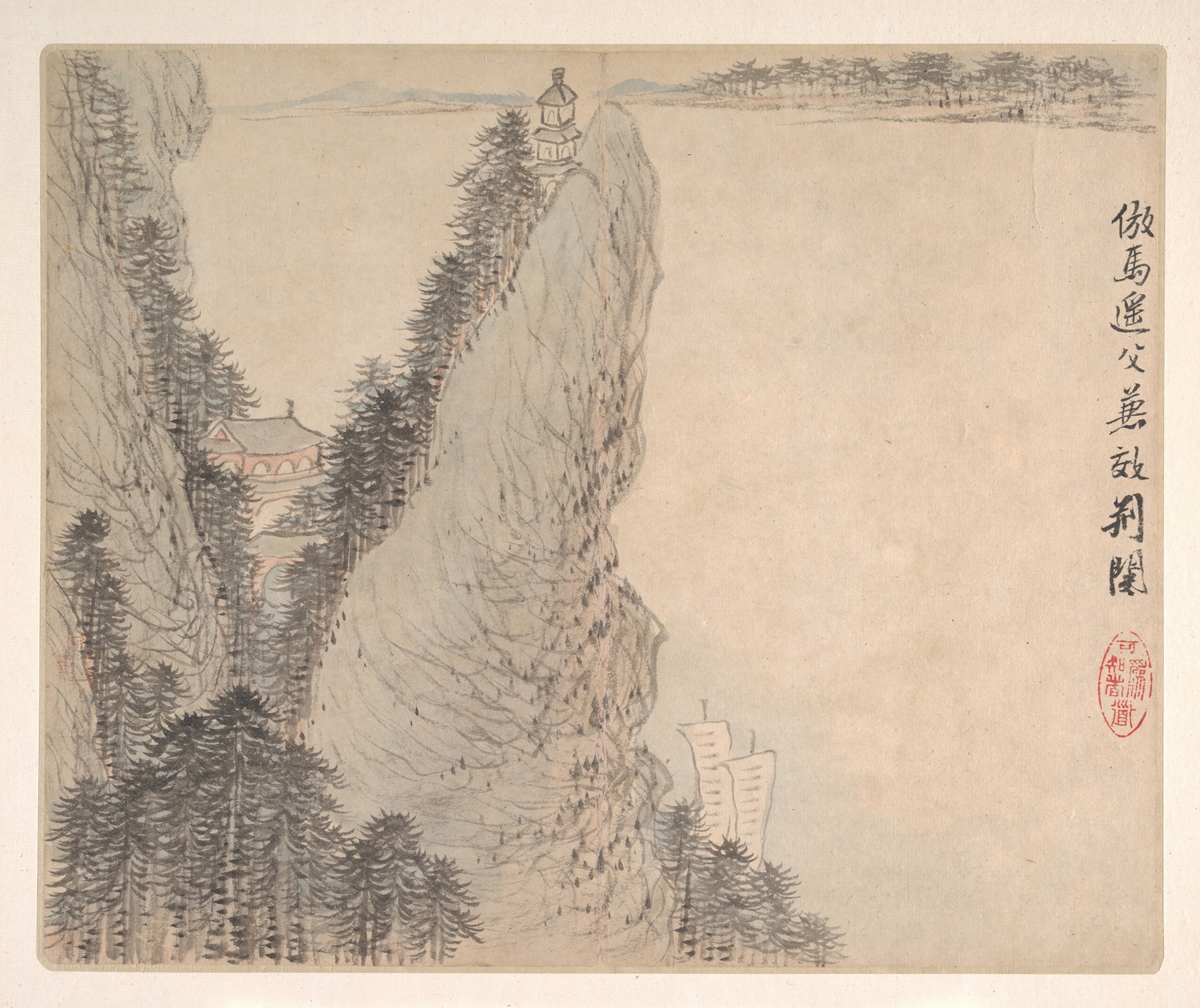
“The canvas doesn’t lie — it simply waits.” In a world overflowing with noise and distraction, there lies a profound emptiness that yearns to be explored. How do we fill the void without succumbing to the chaos around us? Look closely at the expansive horizon in this work; notice how it stretches endlessly across the canvas, drawing your gaze toward its subtle gradients. The soft hues of blue and green blend seamlessly, creating a serene backdrop that invites contemplation. Every stroke seems intentional, with delicate brushwork echoing the masterful techniques of those who came before, yet presenting a fresh, almost haunting simplicity.
The juxtaposition of vast spaces and delicate details evokes a sense of both peace and isolation. Within the landscape, one can sense the tension between the familiar and the unknown. The smooth transitions between colors suggest harmony, yet the sheer emptiness breeds a poignant loneliness, reflecting the solitude of the human experience. Natural elements appear almost ghostly, as if they are remnants of a once vibrant scene now stripped of life.
This duality invites the viewer to not only observe, but to feel the weight of absence and the beauty it can yield. Mei Qing created this work in 1690 during a time when Chinese art was undergoing a transformation, influenced by both traditional aesthetics and the emerging styles of the West. Living in the artistic milieu of the late Ming to early Qing dynasties, he was part of a dialogue that sought to redefine landscape painting. This piece serves as both homage and innovation, encapsulating a moment in history when the canvas became a space for both reflection and revelation.