Landschaft — History & Analysis
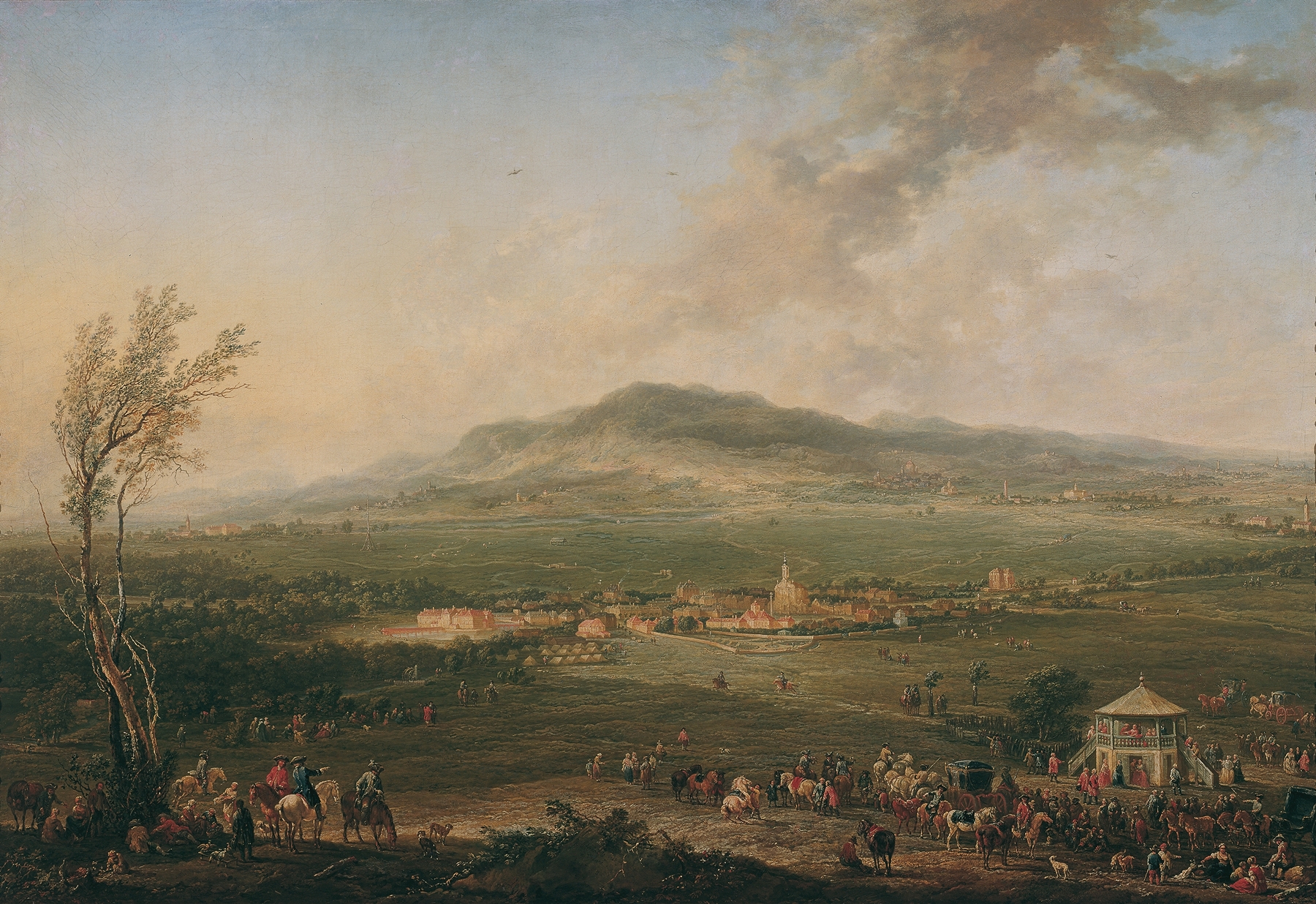
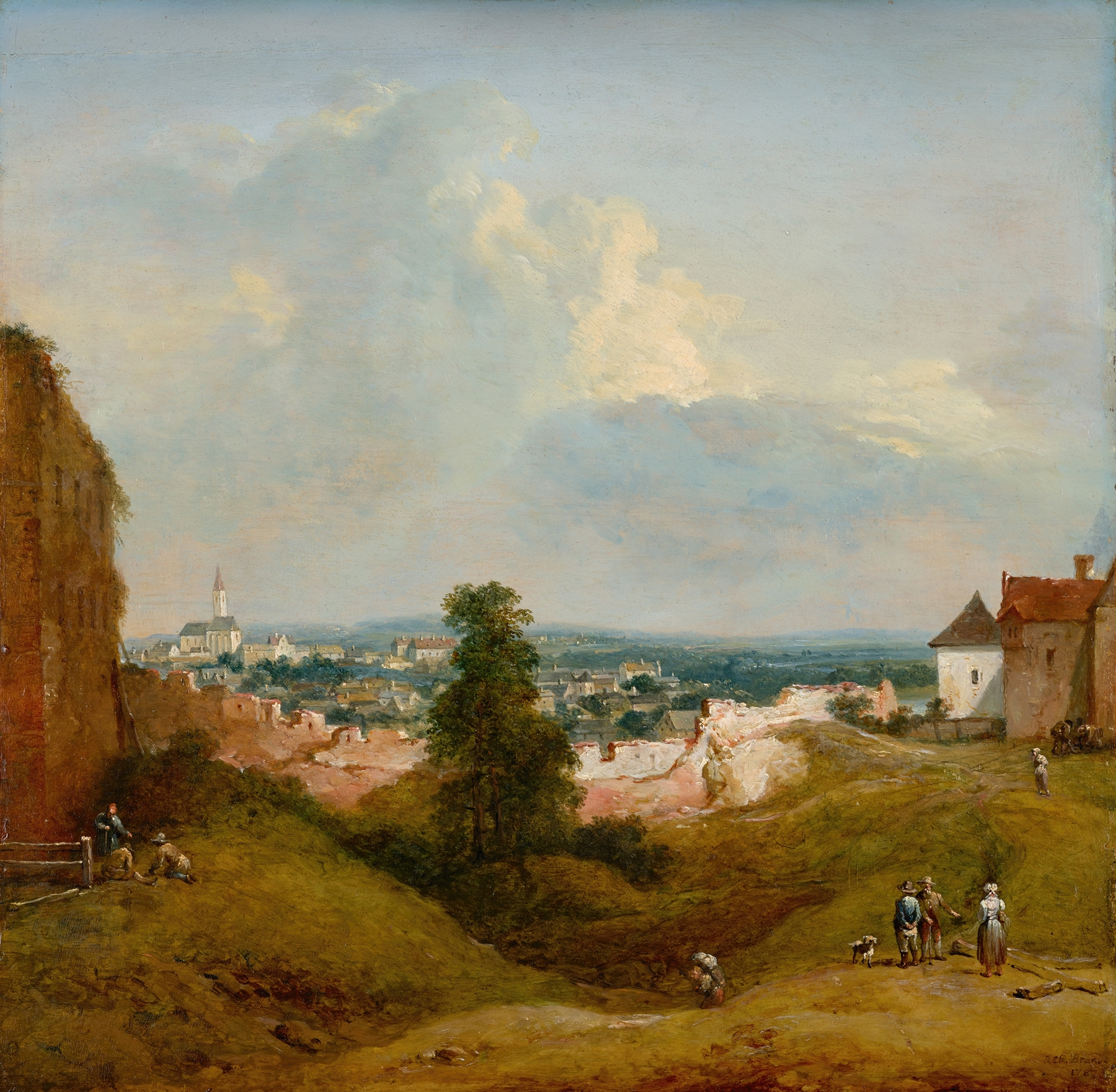
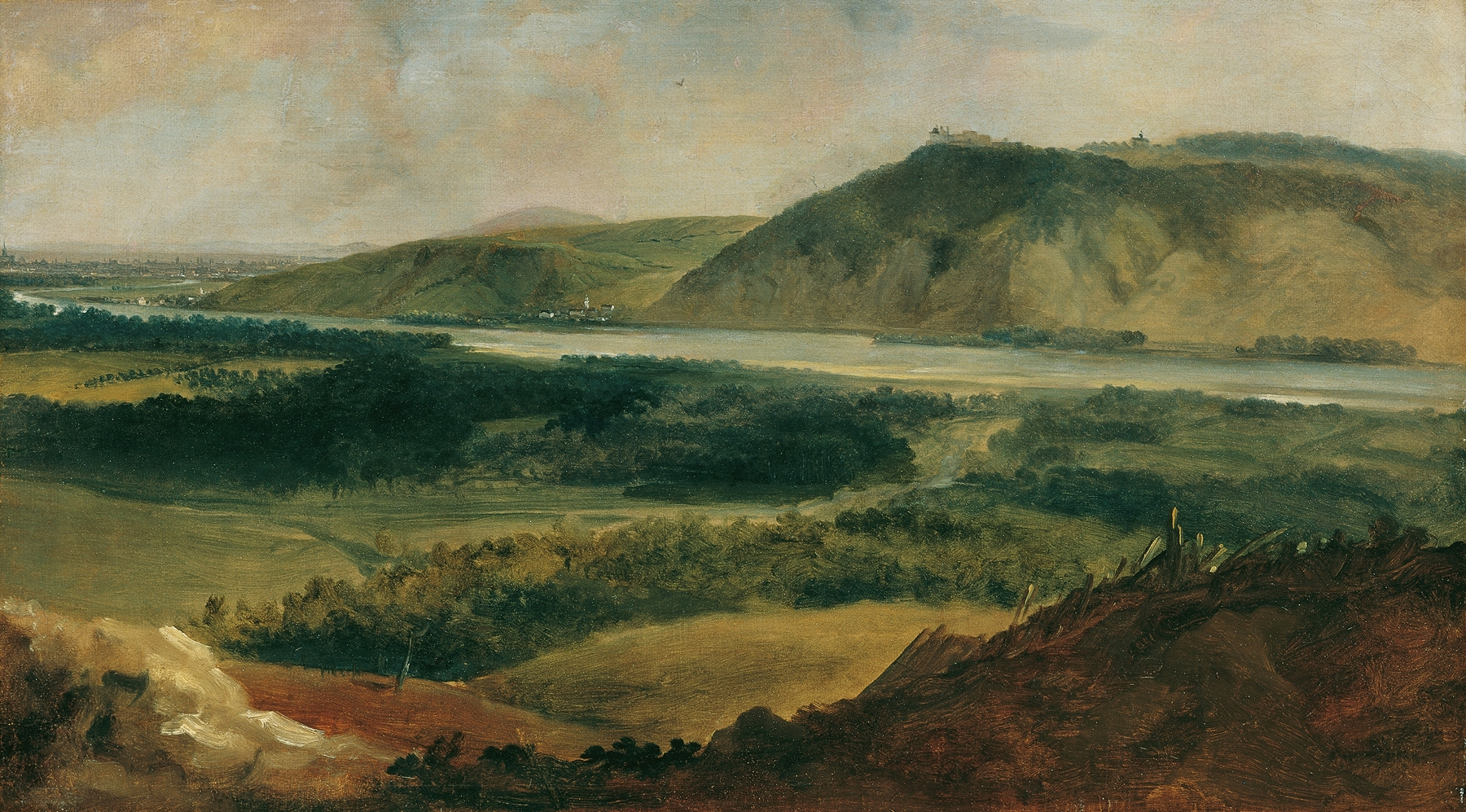
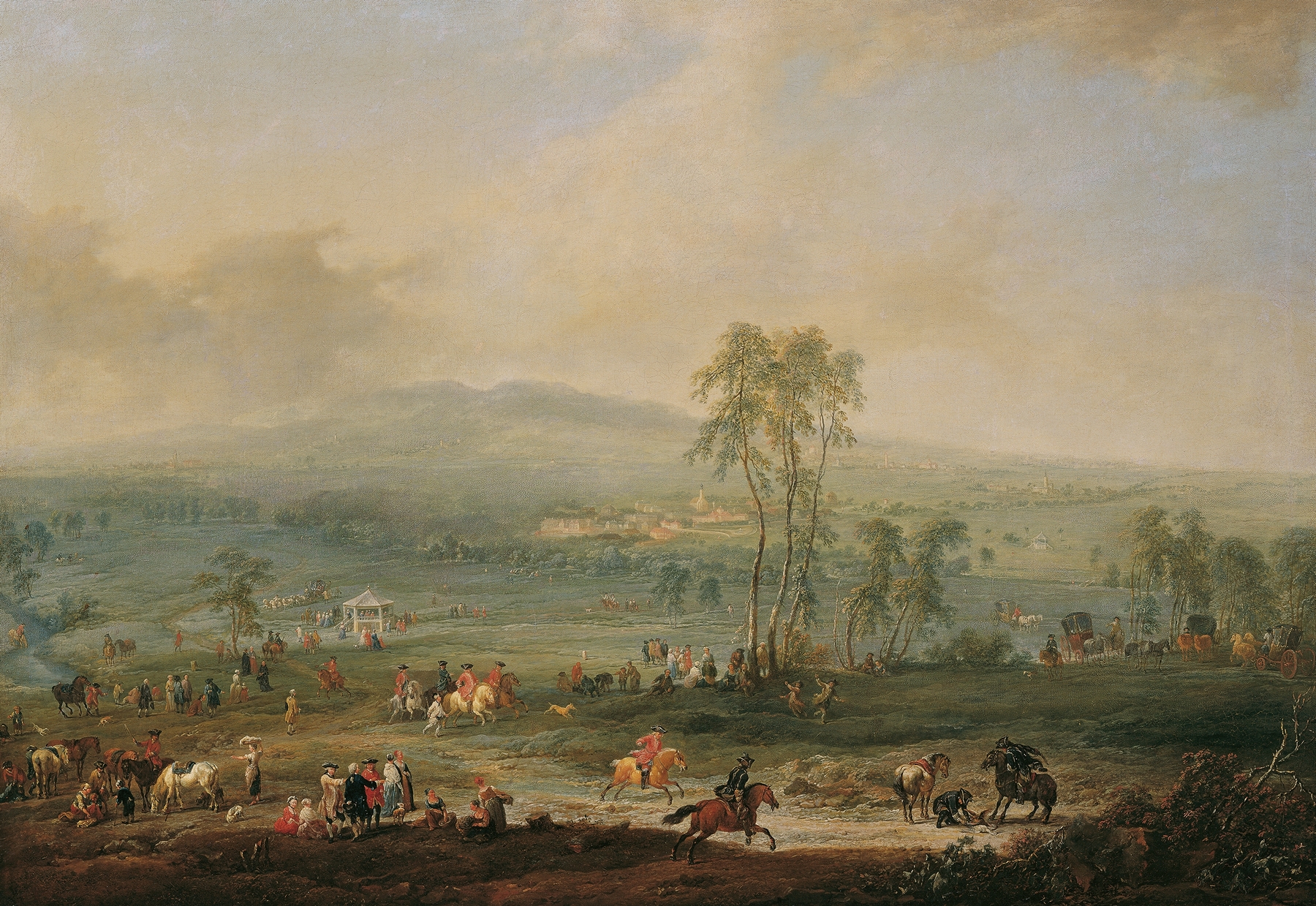
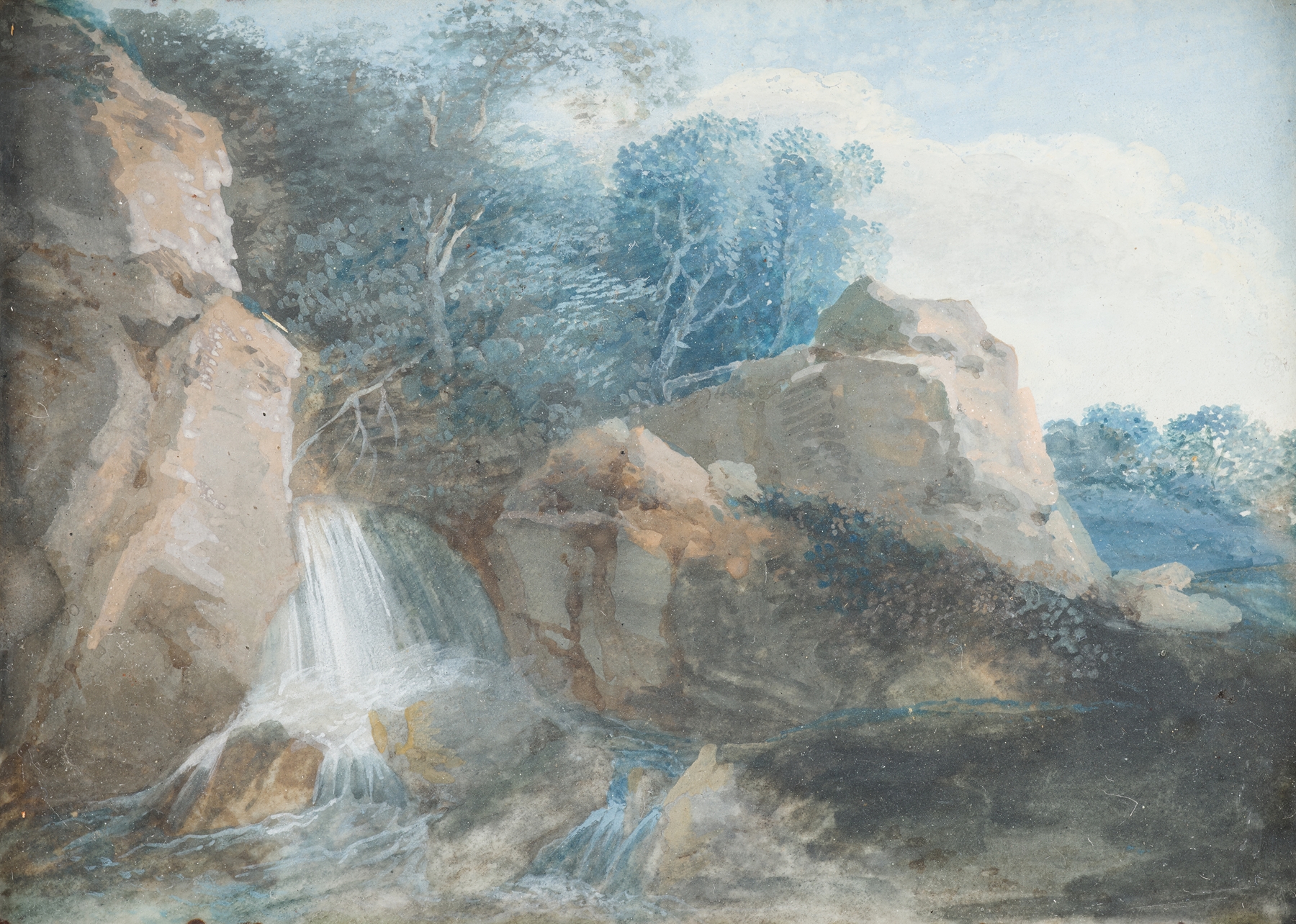
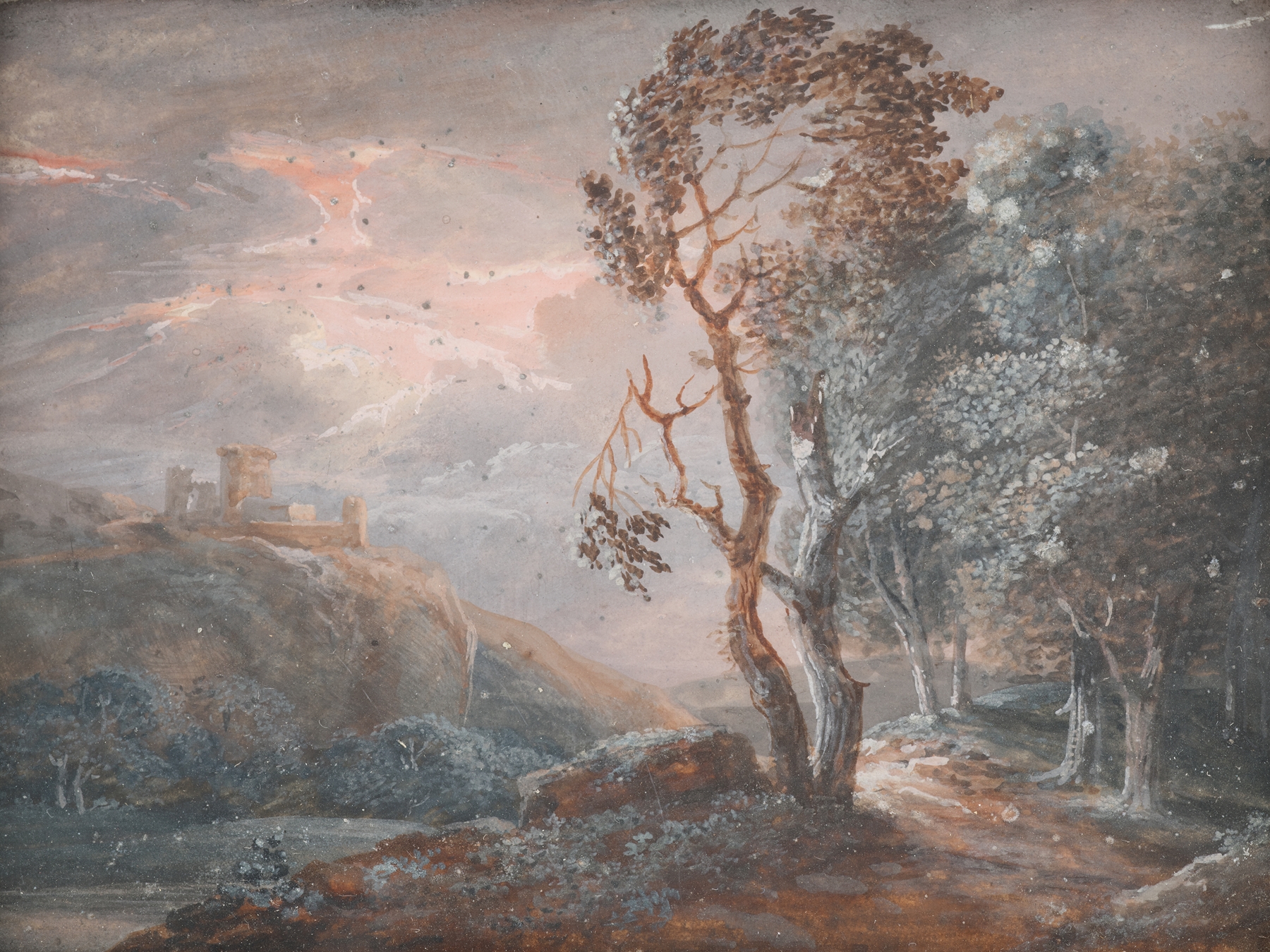
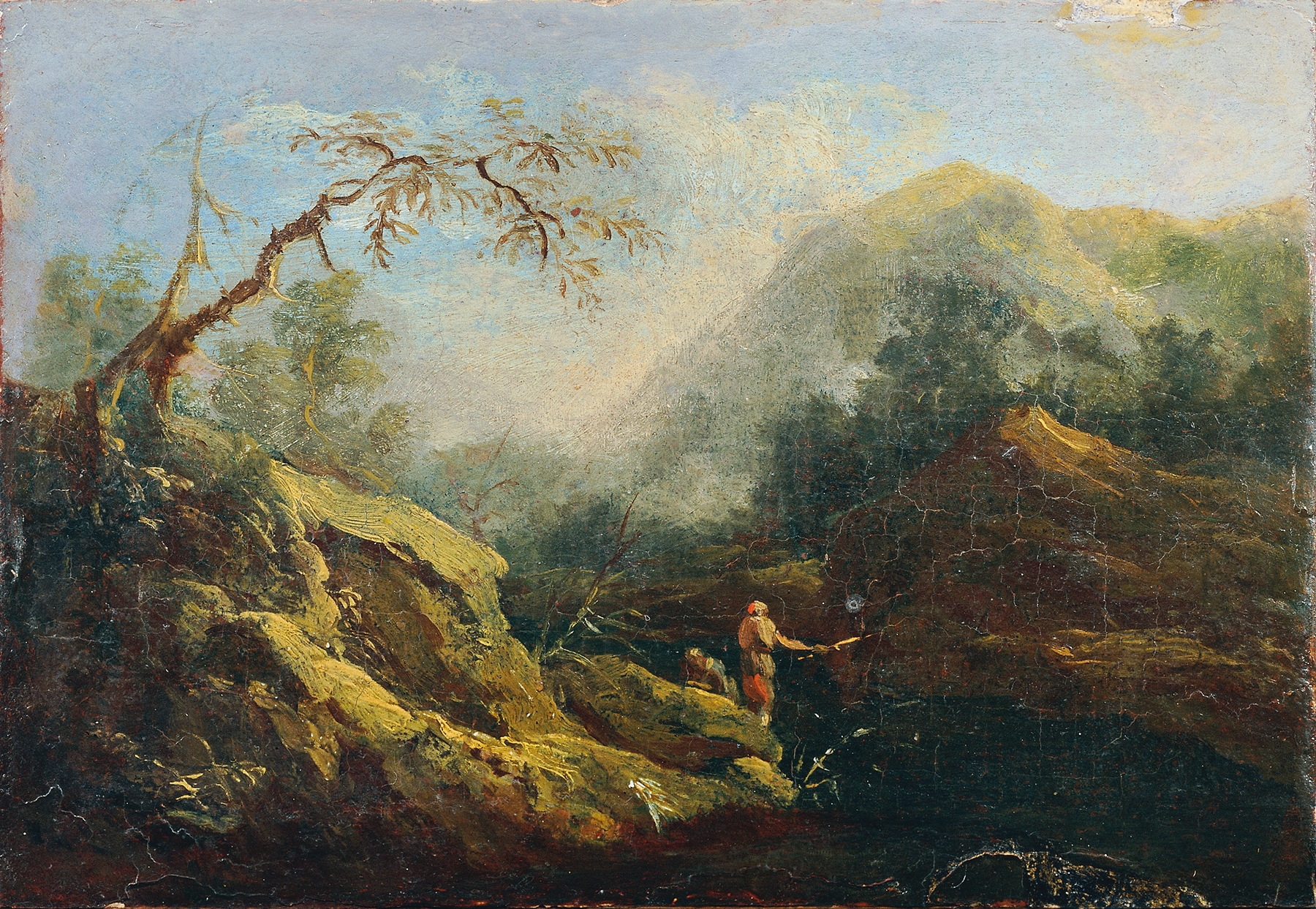
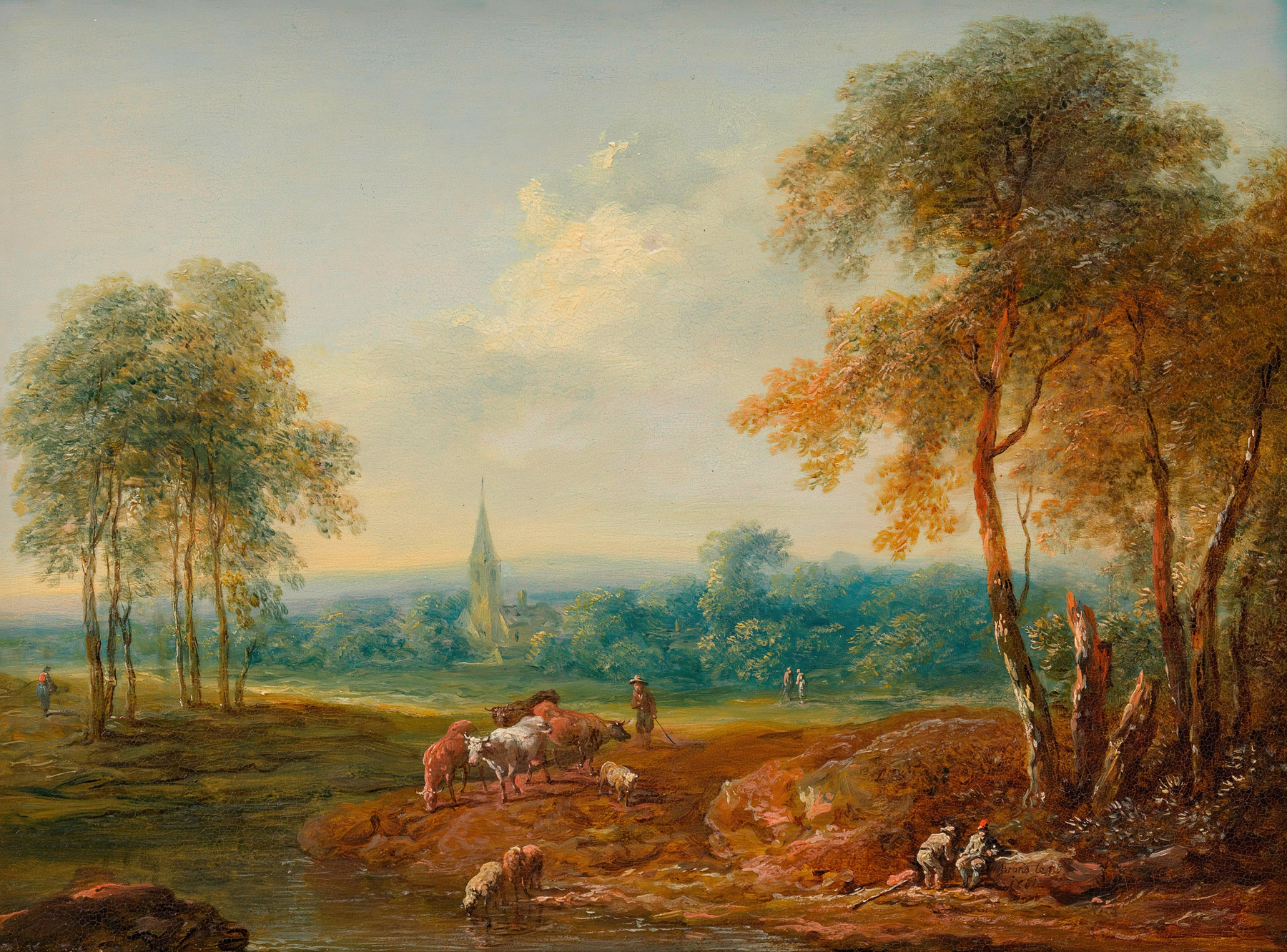
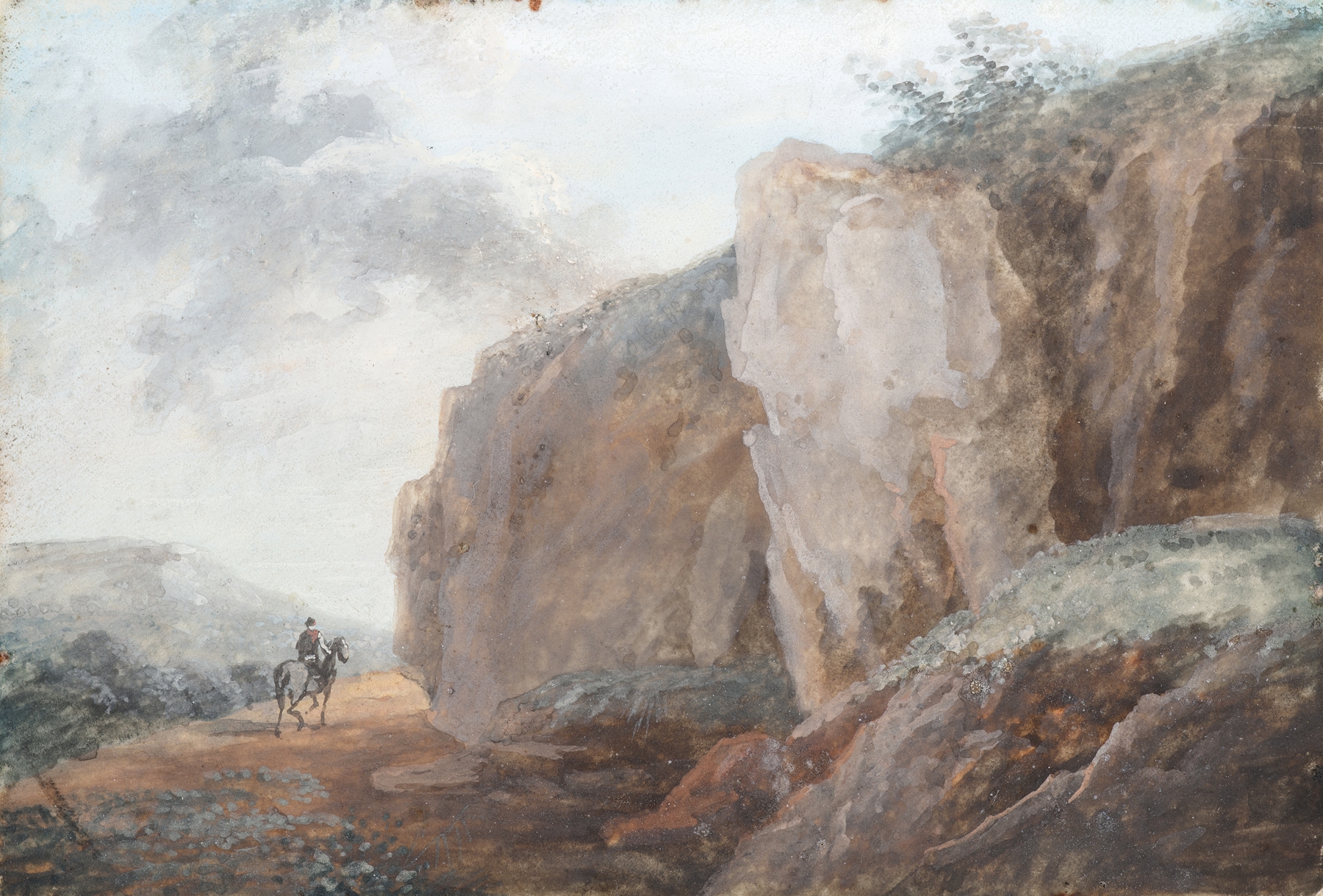
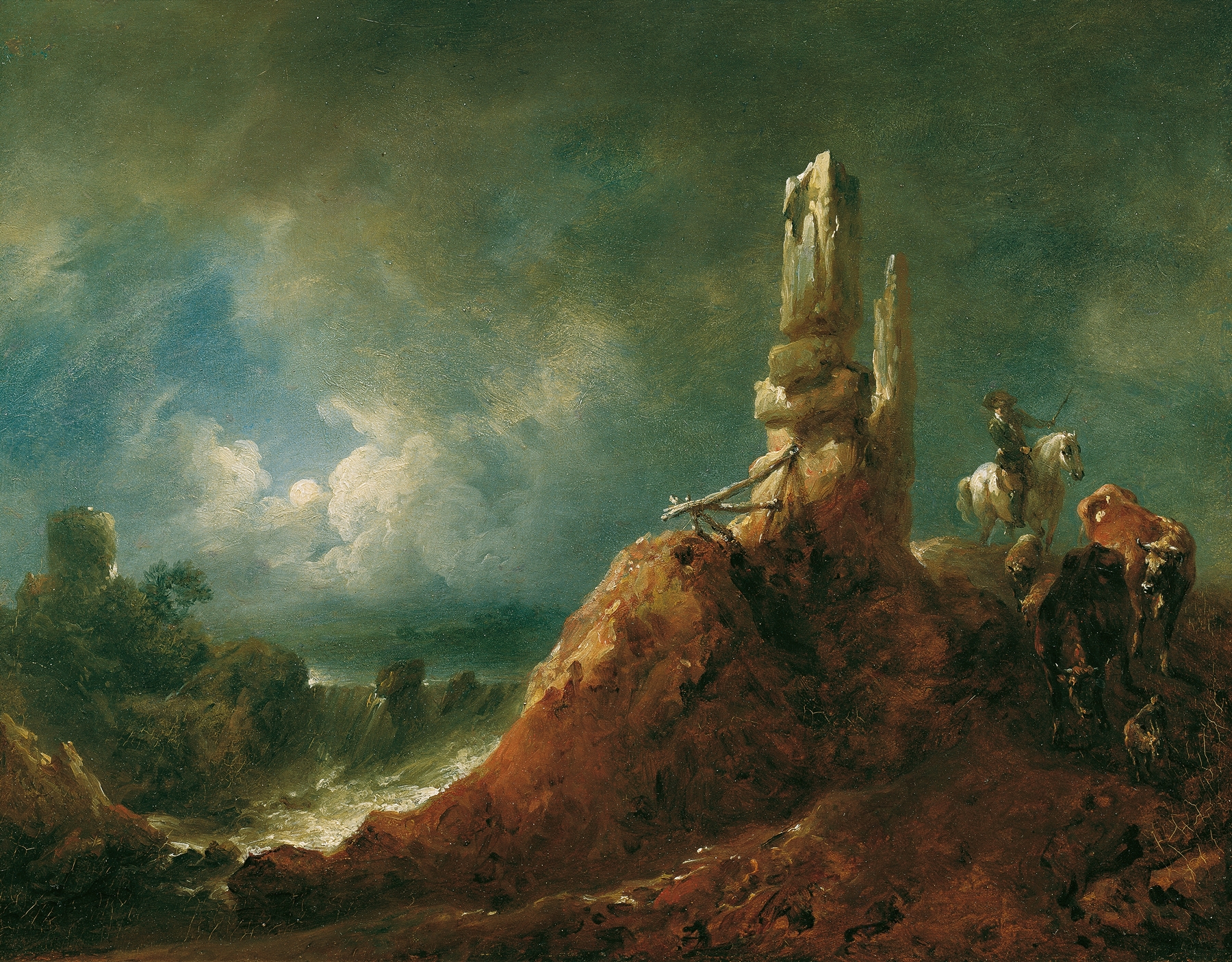
“To paint is to remember what time wants us to forget.” In the midst of fleeting moments, a dreamscape unfolds, inviting us to linger in the ephemeral space between memory and reality. Look to the hazy horizon where gentle hills melt into the sky, their soft pastels whispering of twilight. Focus on the delicate interplay of light and shadow, as it dances upon the foliage, creating a serene yet dynamic composition. The brushwork is both fluid and deliberate, allowing the viewer to feel the breath of nature within the canvas, imbued with a sense of tranquility that washes over the soul.
Hidden among the lush green and calming blue are contrasts that evoke longing and nostalgia. The vibrant strokes serve as a reminder of the beauty of nature, yet the soft, indistinct edges suggest the elusive quality of dreams, making the landscape both inviting and distant. Each detail, from the rustling leaves to the distant silhouettes, holds a narrative of its own, urging us to explore deeper meanings of connection and transience.
Johann Christian Brand painted Landschaft between 1770 and 1800 during a period rich with the burgeoning Romantic movement in art. Embracing the emotional resonance of landscapes, he sought to capture the sublime beauty of nature, reflecting the era’s fascination with the natural world and the inner workings of the human spirit. As Brand immersed himself in the scenery around him, he forged a path that would resonate with the evolving philosophies of art and life.