Landschap bij Genzano di Roma — History & Analysis
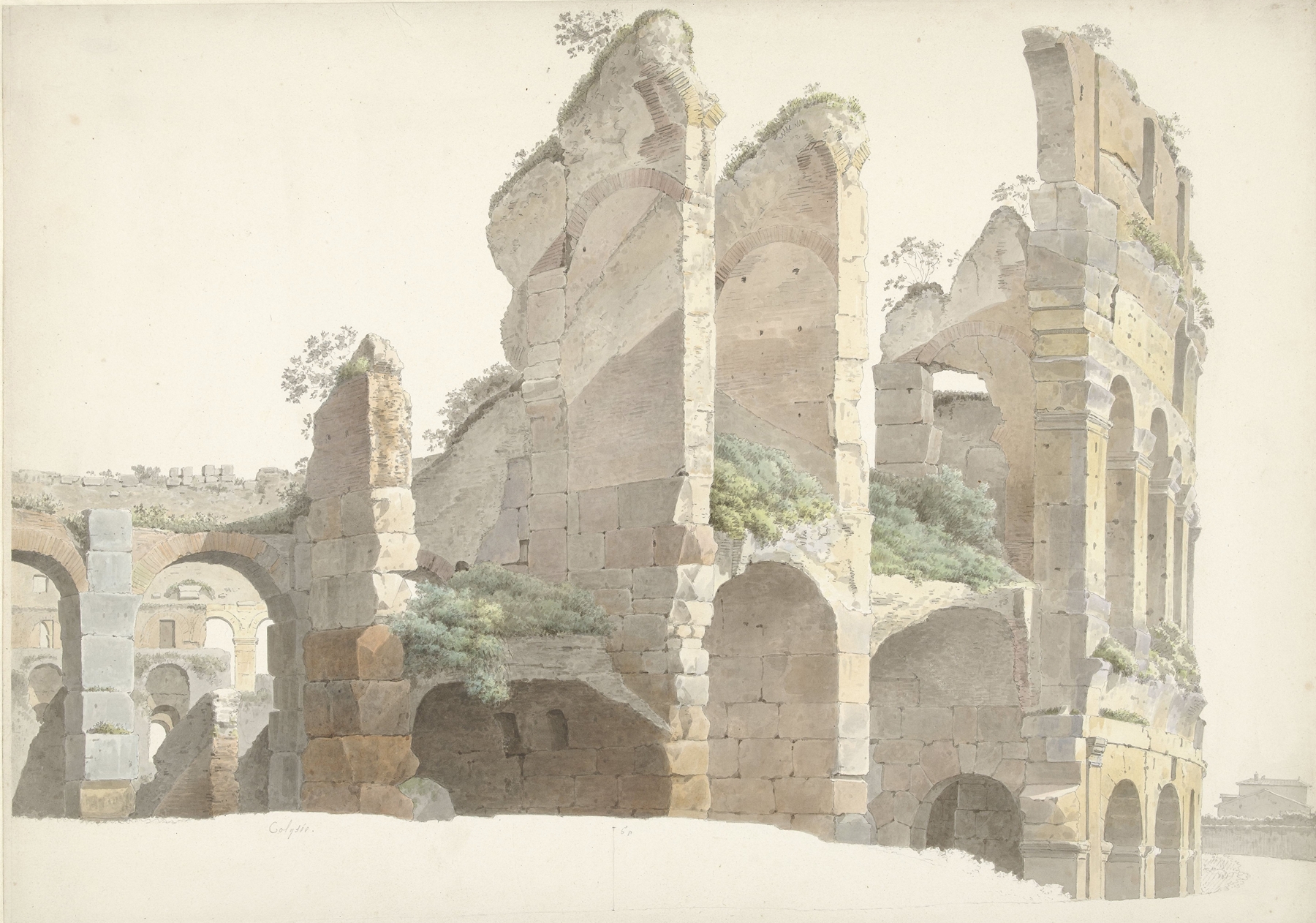
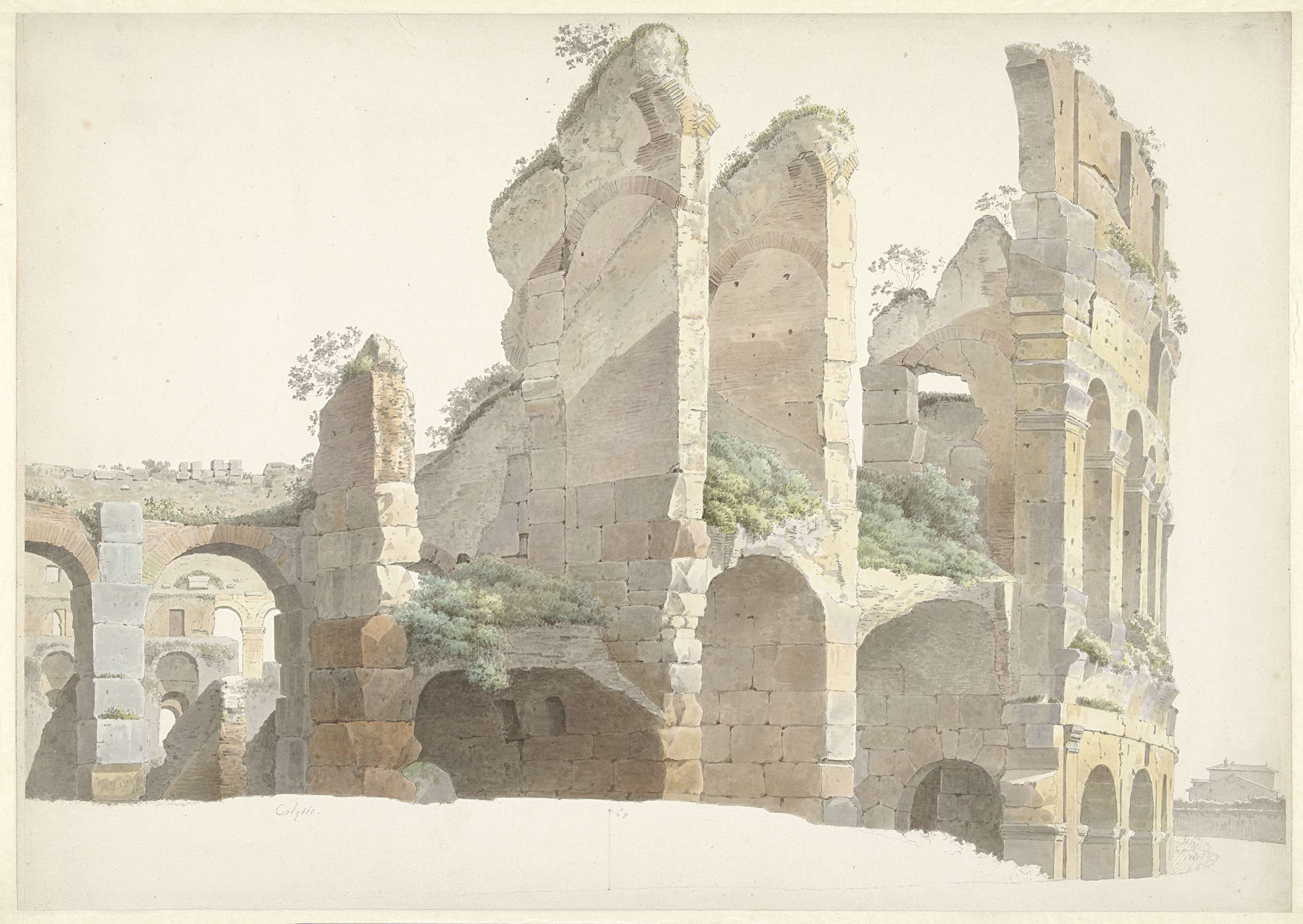
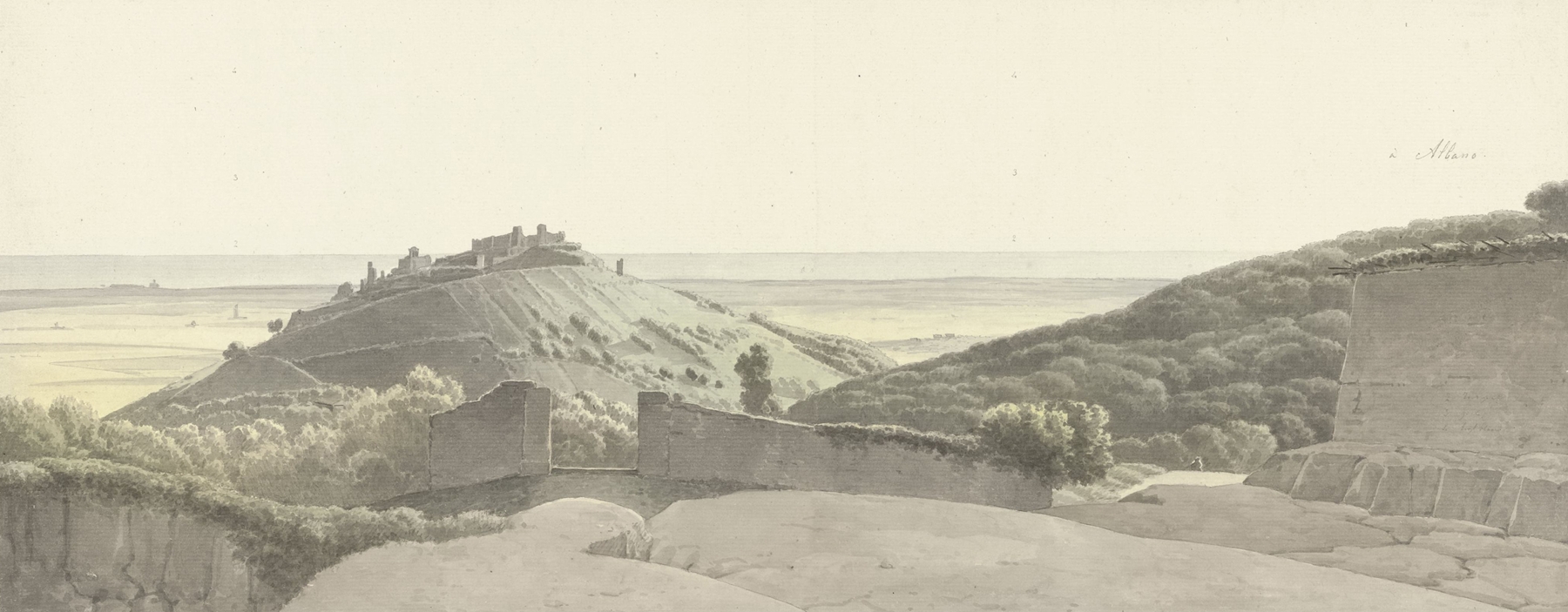
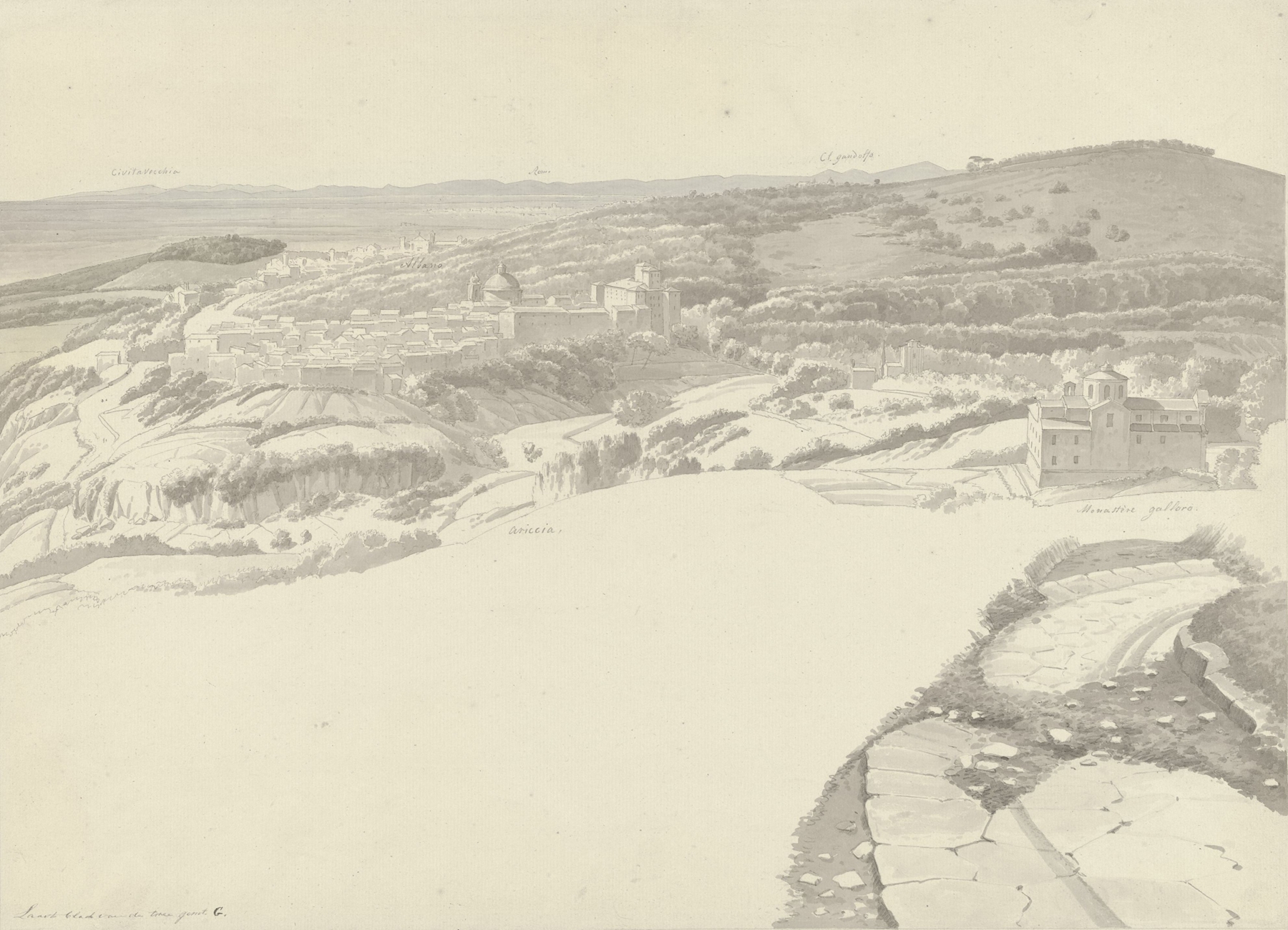
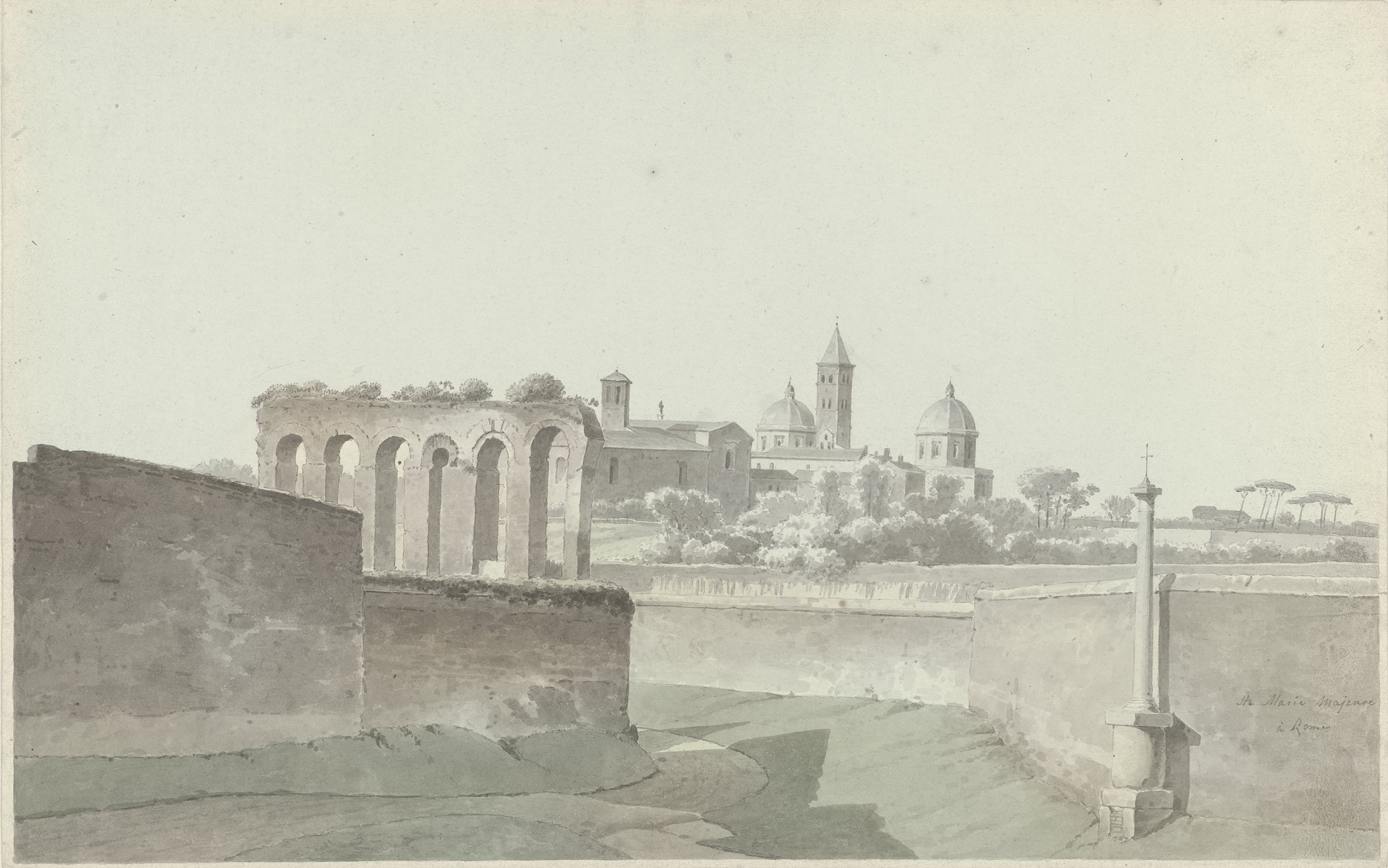
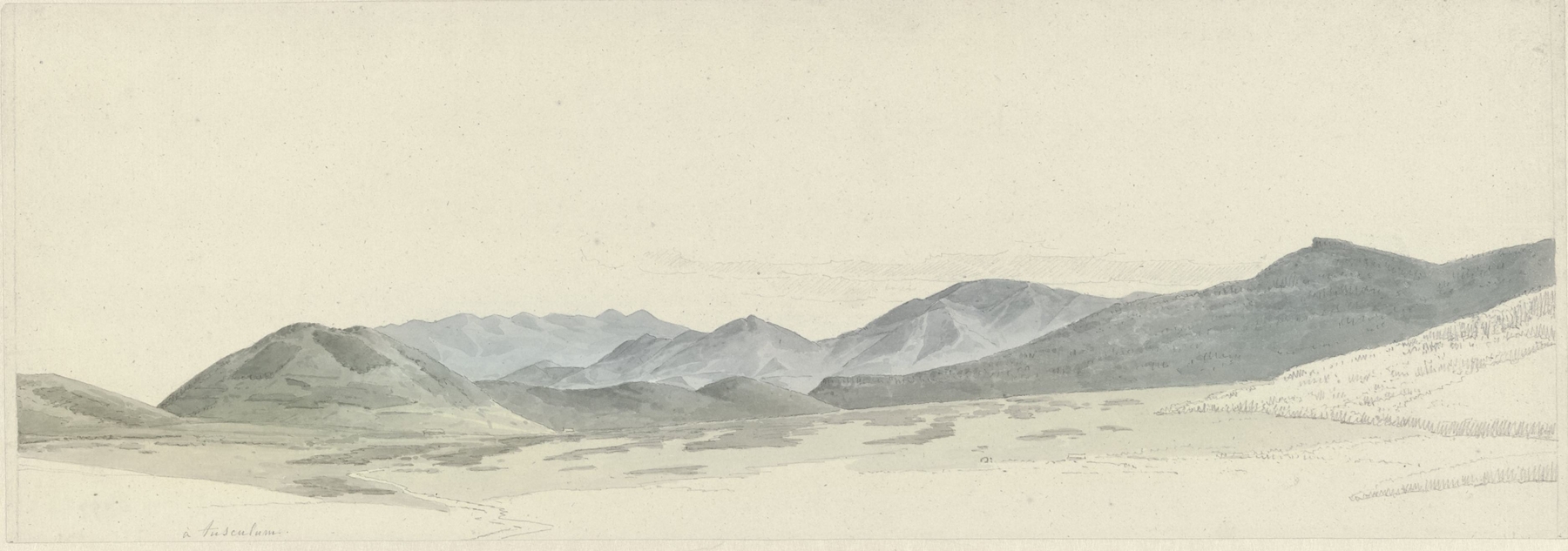
“Under the brush, chaos becomes grace.” This transformation captures the essence of a world on the brink of revolution, where nature's beauty quietly defies the turmoil surrounding it. Look to the left, where the rolling hills cradle a serene valley beneath a vast, cloud-speckled sky. The delicate strokes of green and gold draw the eye, inviting the viewer to journey through the organic layers of foliage and gently flowing lines of the landscape. Notice how the sunlight dances on the leaves, illuminating the vibrant palette that Josephus Augustus Knip masterfully employs, creating a harmonious blend of color and tone that encapsulates both tranquility and underlying unrest.
In the distance, the distant mountains loom like silent witnesses, their shadows suggesting the weight of change. The contrast between the lively foreground and the still, stoic background evokes an emotional tension, hinting at the revolutionary currents stirring in the very soil. Each brushstroke whispers stories of resilience, as the beauty of this landscape stands in stark opposition to the chaos that history foretells.
Knip painted this work during a time of great upheaval in Europe, particularly in the wake of the French Revolution. From 1778 to 1847, he navigated an era rich with political and artistic transformation, seeking to capture the shifting dynamics of society through his landscapes. In this piece, created while living in Italy, he reflects not only his surroundings but also a deeper yearning for stability amidst the encroaching storms of change.