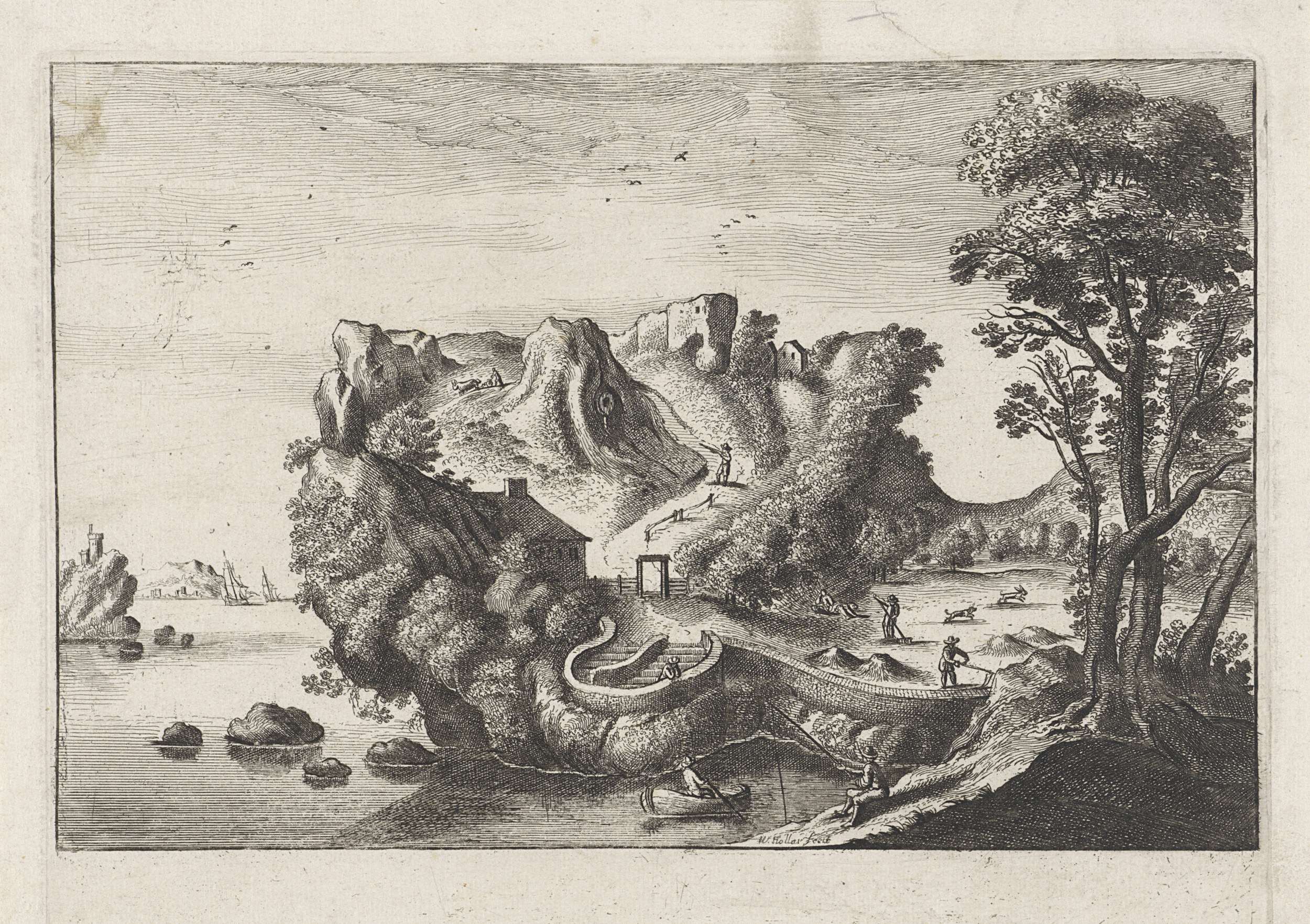
Landschap in de vorm van een mannenhoofd — History & Analysis
When did color learn to lie? The landscape morphs into a visage, a haunting testament to loss, where nature and humanity intertwine in disquieting silence. Look to the left at the contours of the hills, which gently rise and fall, mirroring the lines of a face. The muted hues of greens and browns blend seamlessly, creating a textured canvas that invites you in yet holds you at bay. Notice the way light filters through the trees, casting dramatic shadows that hint at a profound loneliness lurking beneath the surface. Every brushstroke seems deliberate, guiding the eye to the central feature—the visage—easily overlooked yet impossible to forget. The duality of this work reveals itself in its serene beauty as well as its unsettling implications. The landscape, while tranquil, becomes a mask for deeper emotional unrest—a contemplation of identity and solitude. Each element, from the twisted branches to the stoic sky, resonates with the idea of loss: the loss of self in nature, the loss of clarity in vision. This painting calls into question the very nature of reality, suggesting that our perceptions may be as misleading as the colors on the canvas. Created between 1625 and 1677, this piece emerged during a period of great change in Europe, as Baroque ideals began to flourish. Wenceslaus Hollar, a Czech engraver and draftsman, found himself navigating the artistic currents of his time while living in the Netherlands and England. His innovative blending of landscape and portraiture reflects a personal journey, marked by displacement and a pursuit of belonging, mirroring the tumultuous world around him.