Landschap met boerderij — History & Analysis
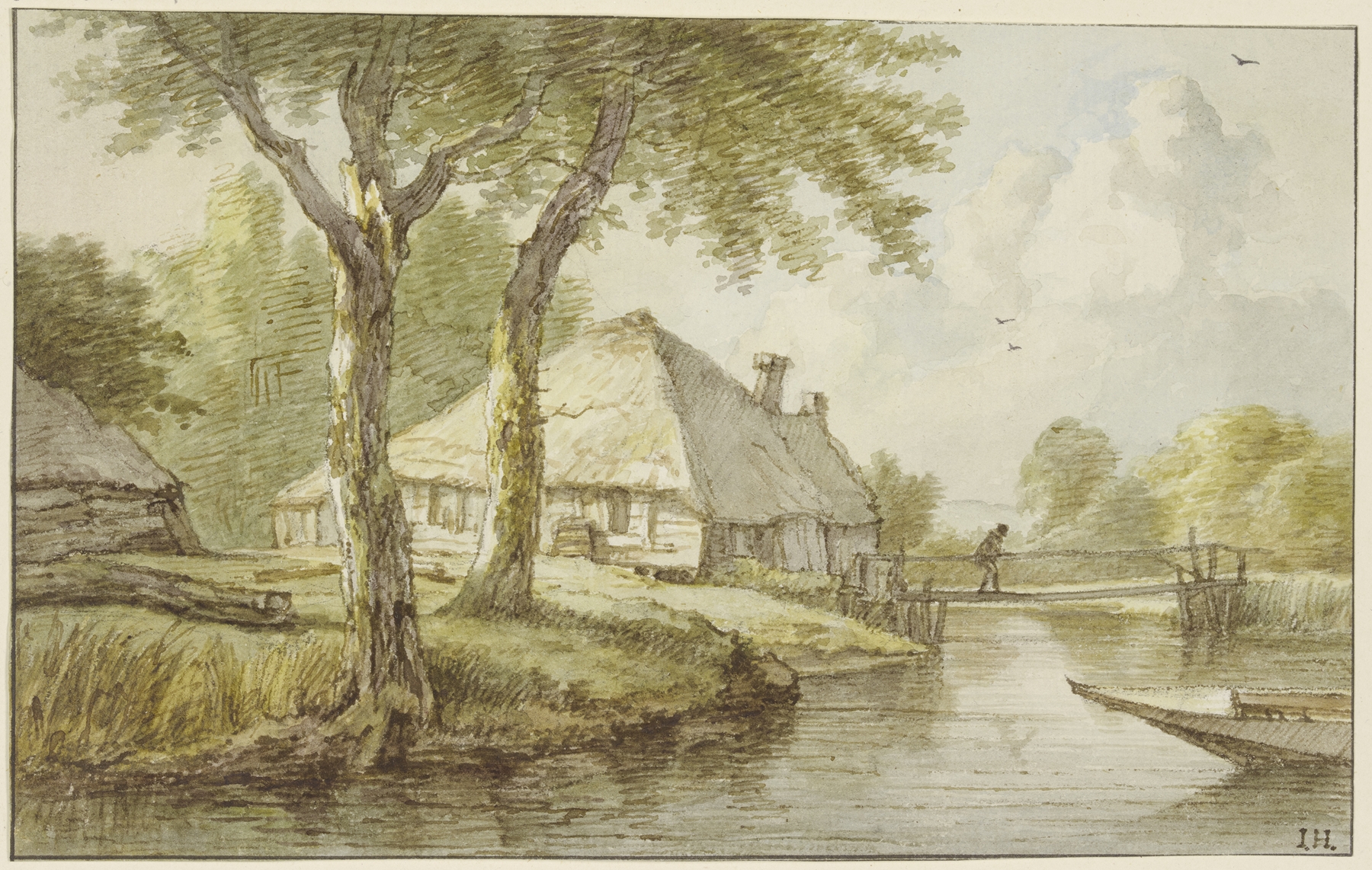
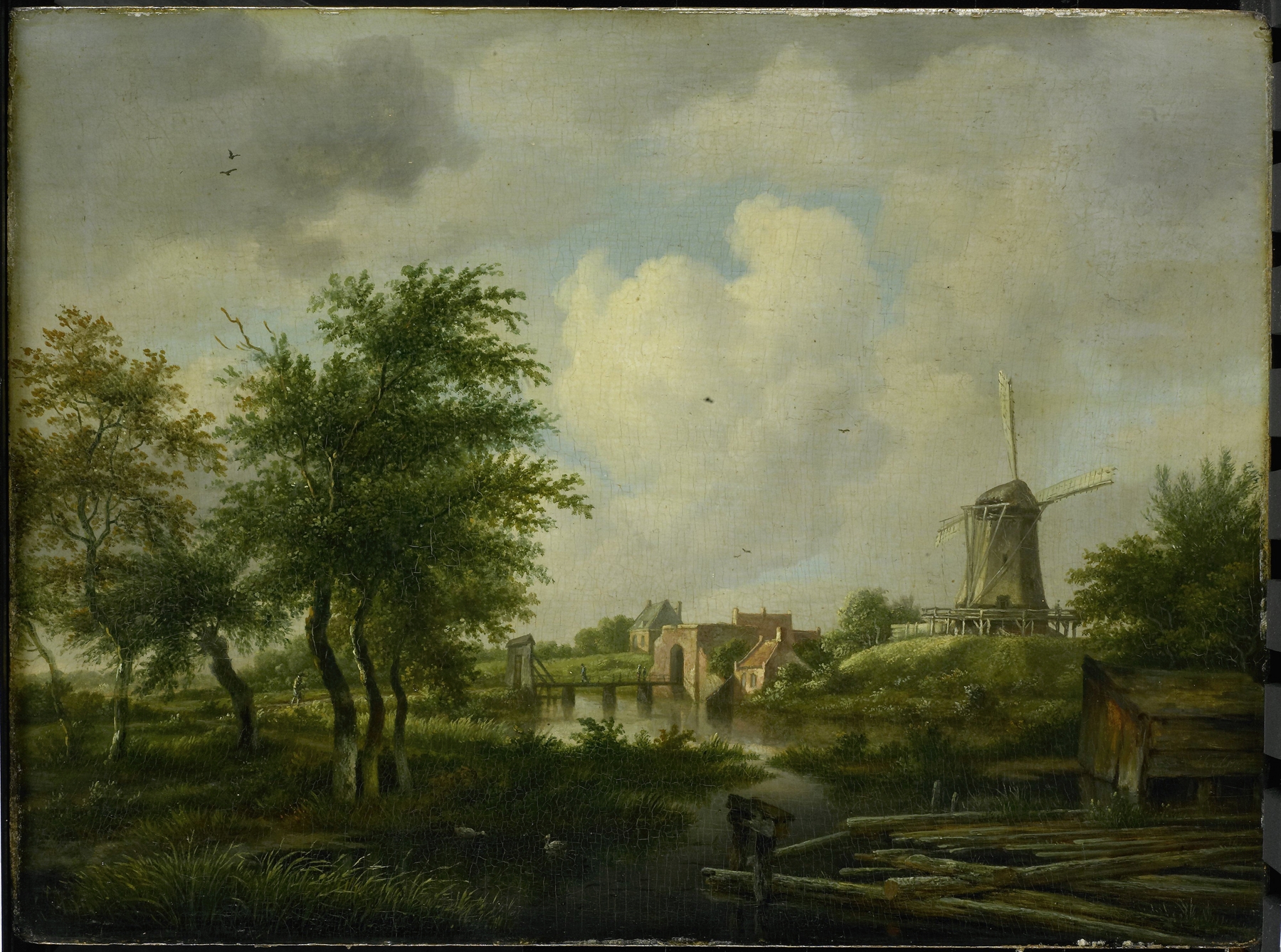
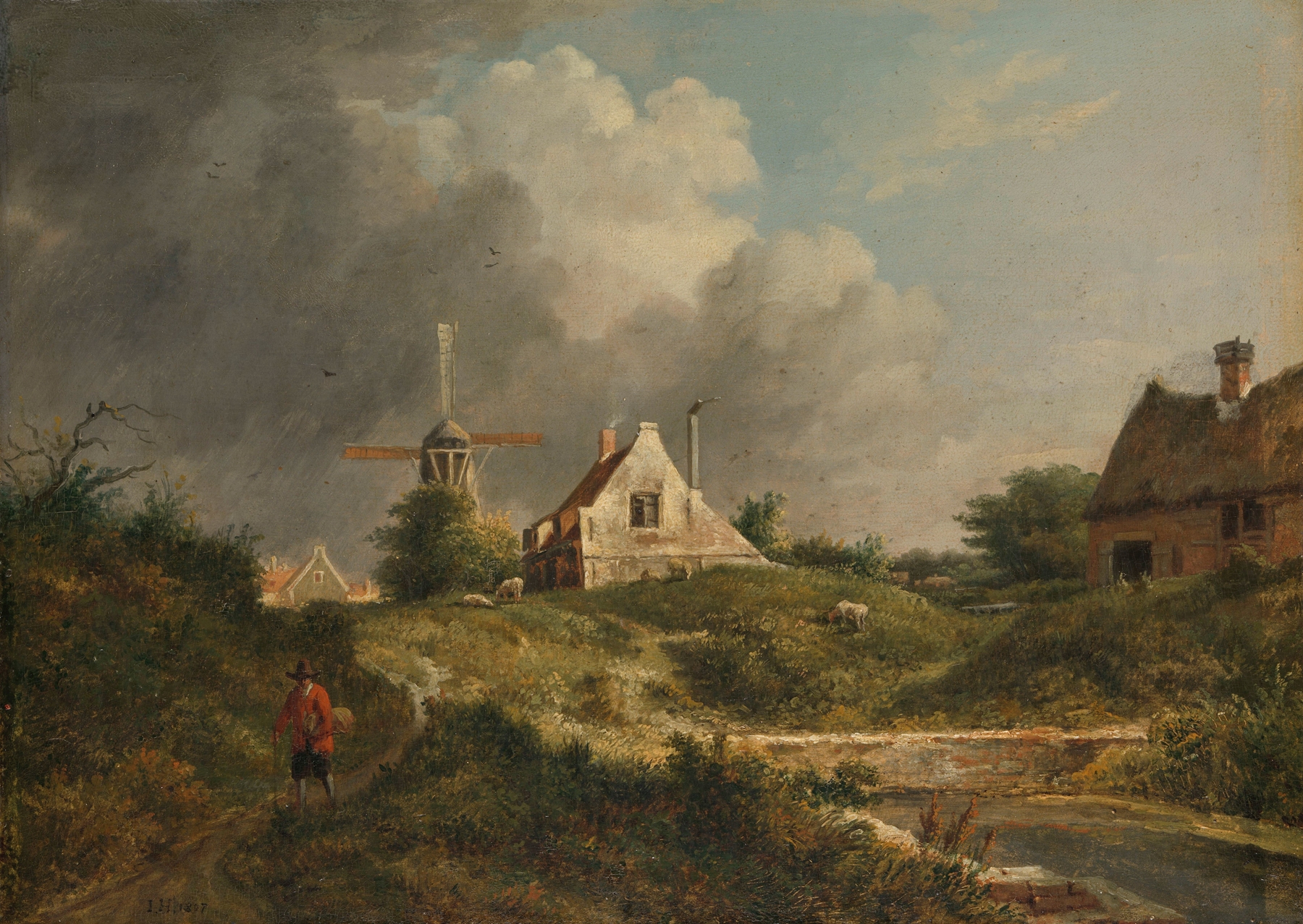
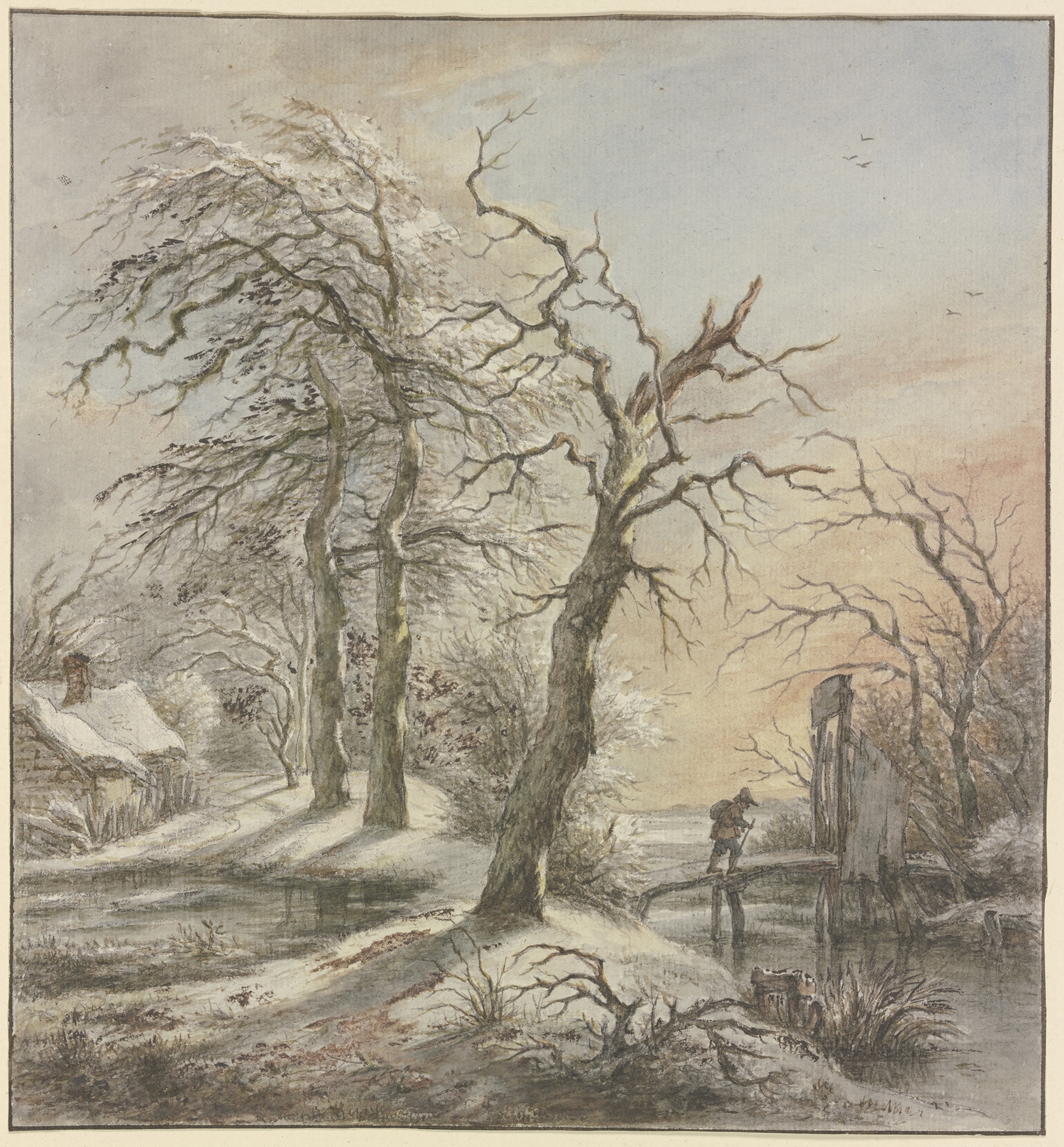
Can paint confess what words never could? In Landschap met boerderij, the brush captures an unsettling tranquility, whispering of stories concealed beneath the serene facade of a rural landscape. Look to the foreground, where gentle slopes cradle a humble farmhouse, its thatched roof blending seamlessly with the verdant surroundings. The artist's choice of a soft palette, dominated by earthy greens and muted browns, evokes a sense of harmony with nature.
Notice how the light filters through the trees, casting dappled shadows upon the path, leading the viewer’s gaze towards the horizon, where the sky blushes with hues of dawn or dusk—a poignant reminder of fleeting moments and unspoken emotions. As one delves deeper into the scene, subtle contrasts emerge—the sturdy farmhouse stands resolute, yet its isolation hints at a hidden vulnerability. The stillness of the landscape belies an undercurrent of tension; there is a story of betrayal waiting to unravel between the rolling hills and the distant trees. The untouched beauty of the land contrasts with the possibility of secrets buried beneath its surface, evoking a haunting sense of loss.
Jan Hulswit painted this evocative scene during a period of personal and artistic transition in the late 18th to early 19th centuries. His work emerged from the Netherlands at a time when romanticism was beginning to shape the artistic narrative, as artists sought to weave emotion into their landscapes. While the world around him changed, Hulswit captured the essence of rural life, leaving us to ponder the deeper truths hidden within the tranquility of his landscapes.