Landschap met boerderij bij een sloot — History & Analysis
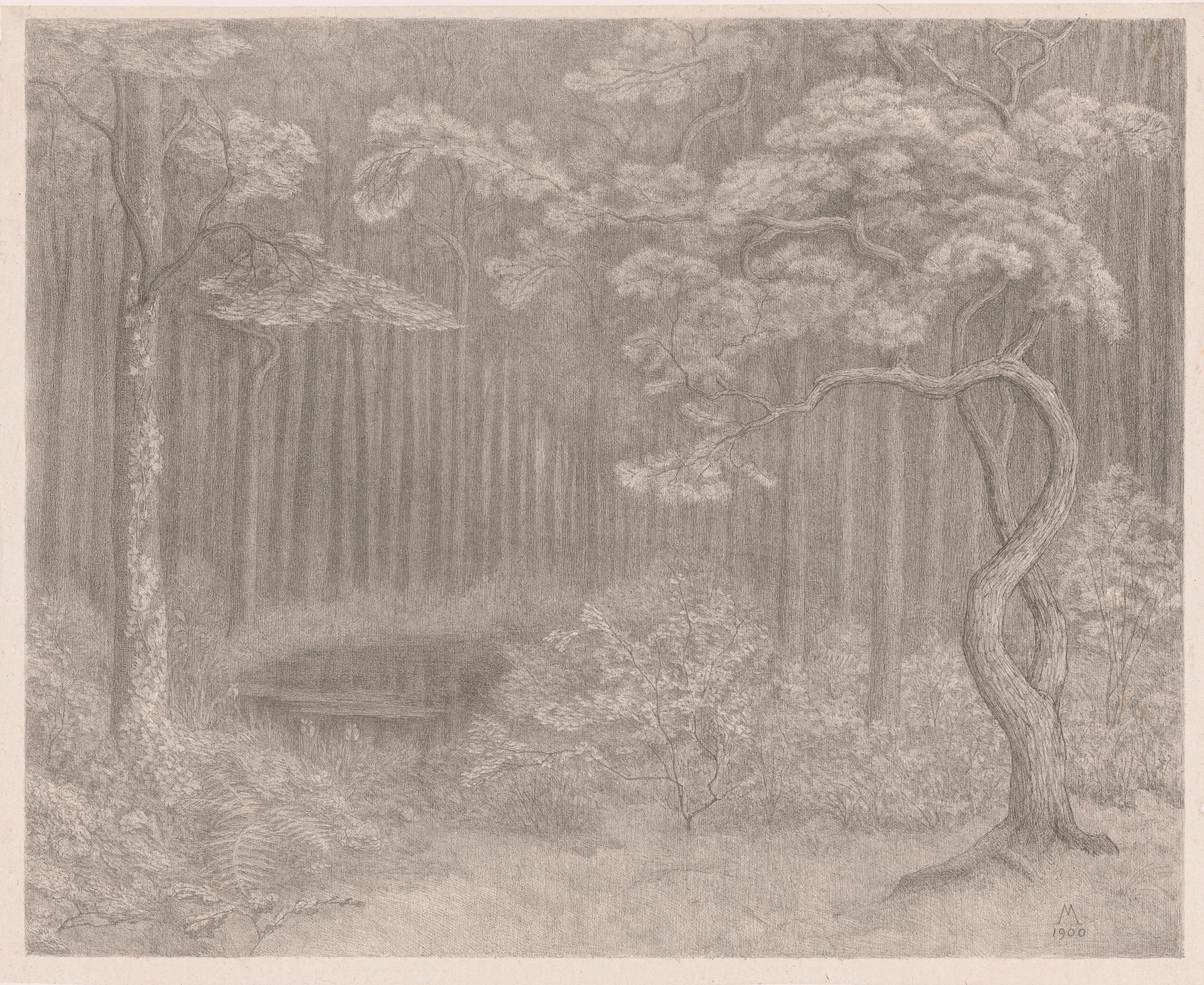
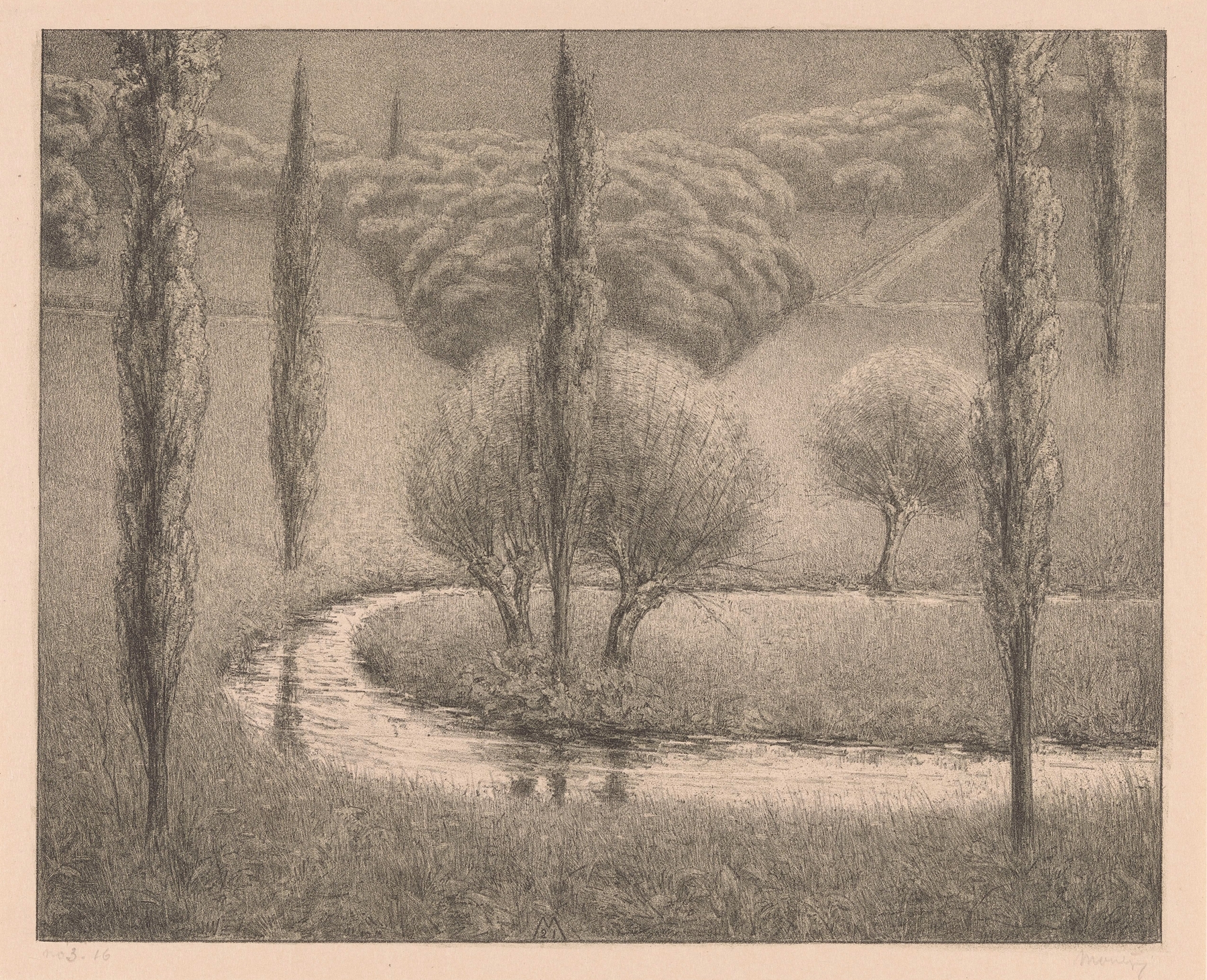
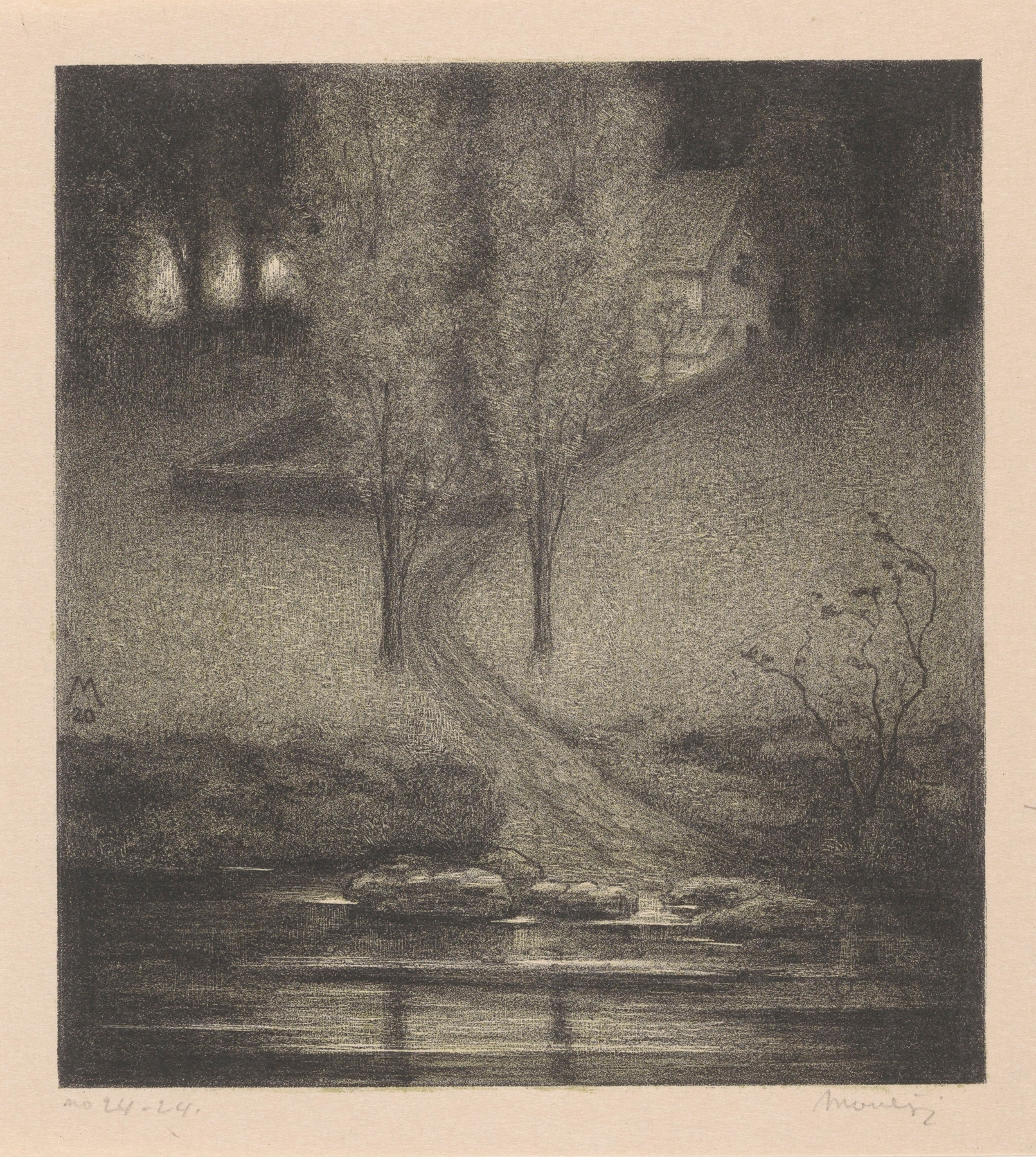
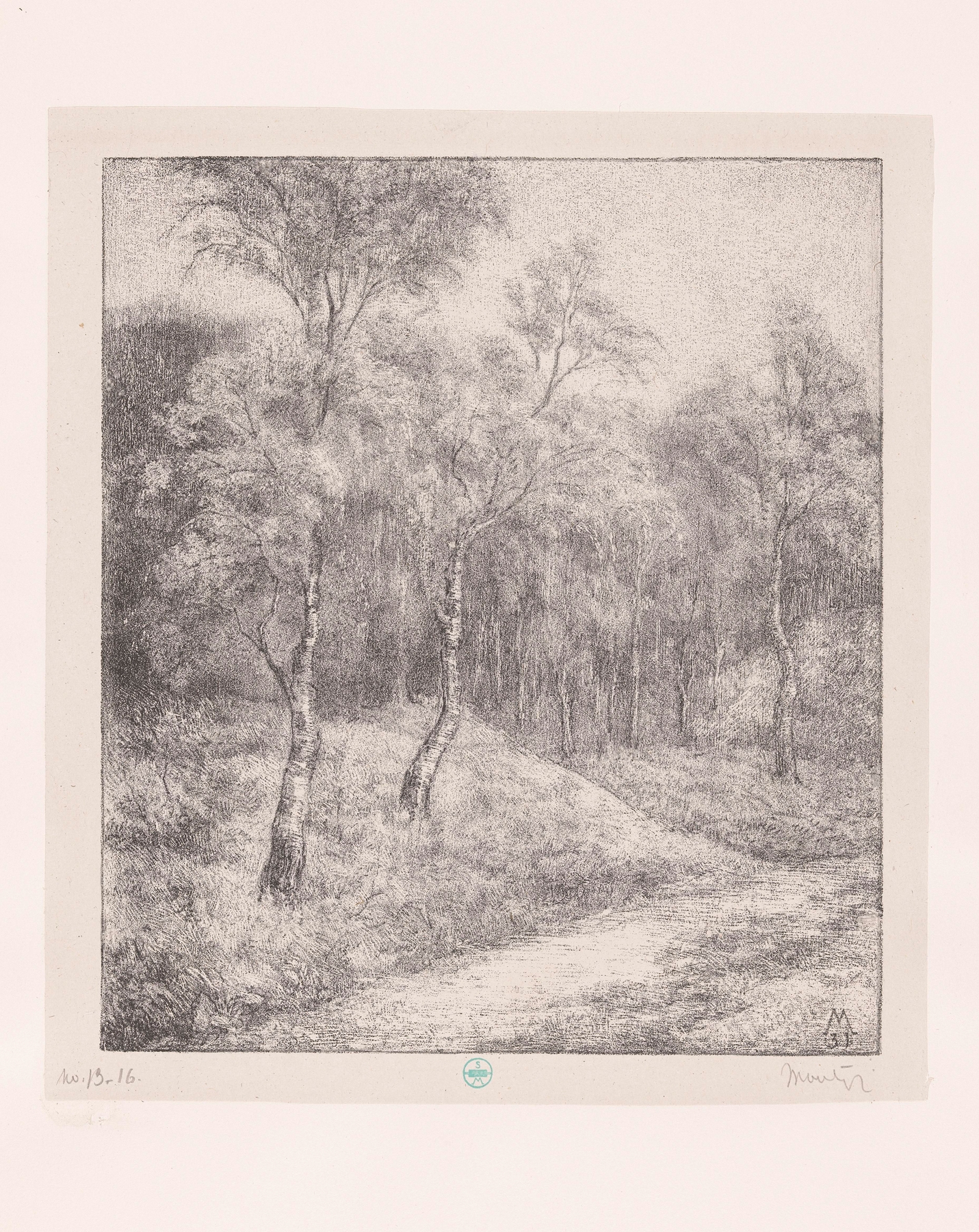
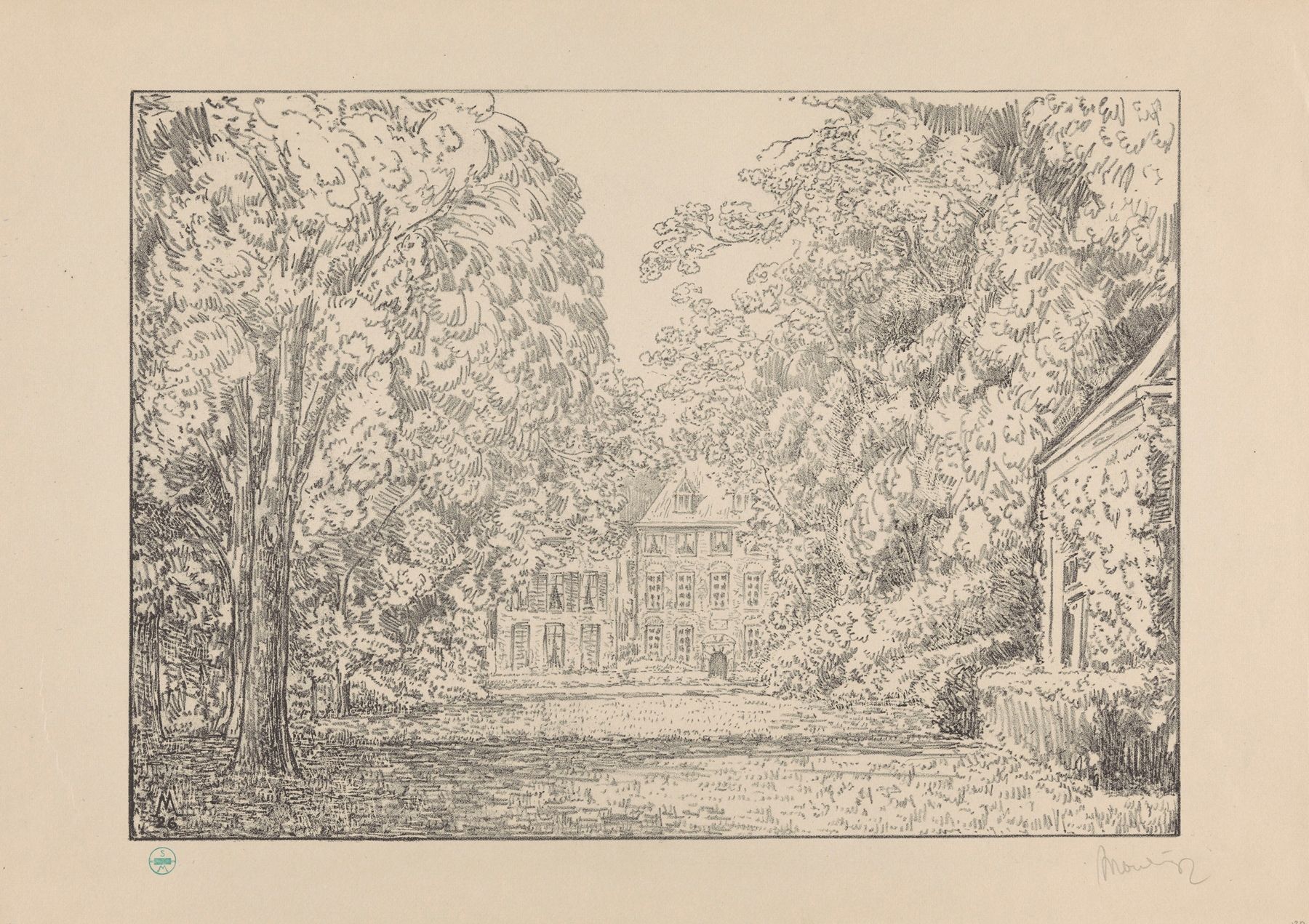
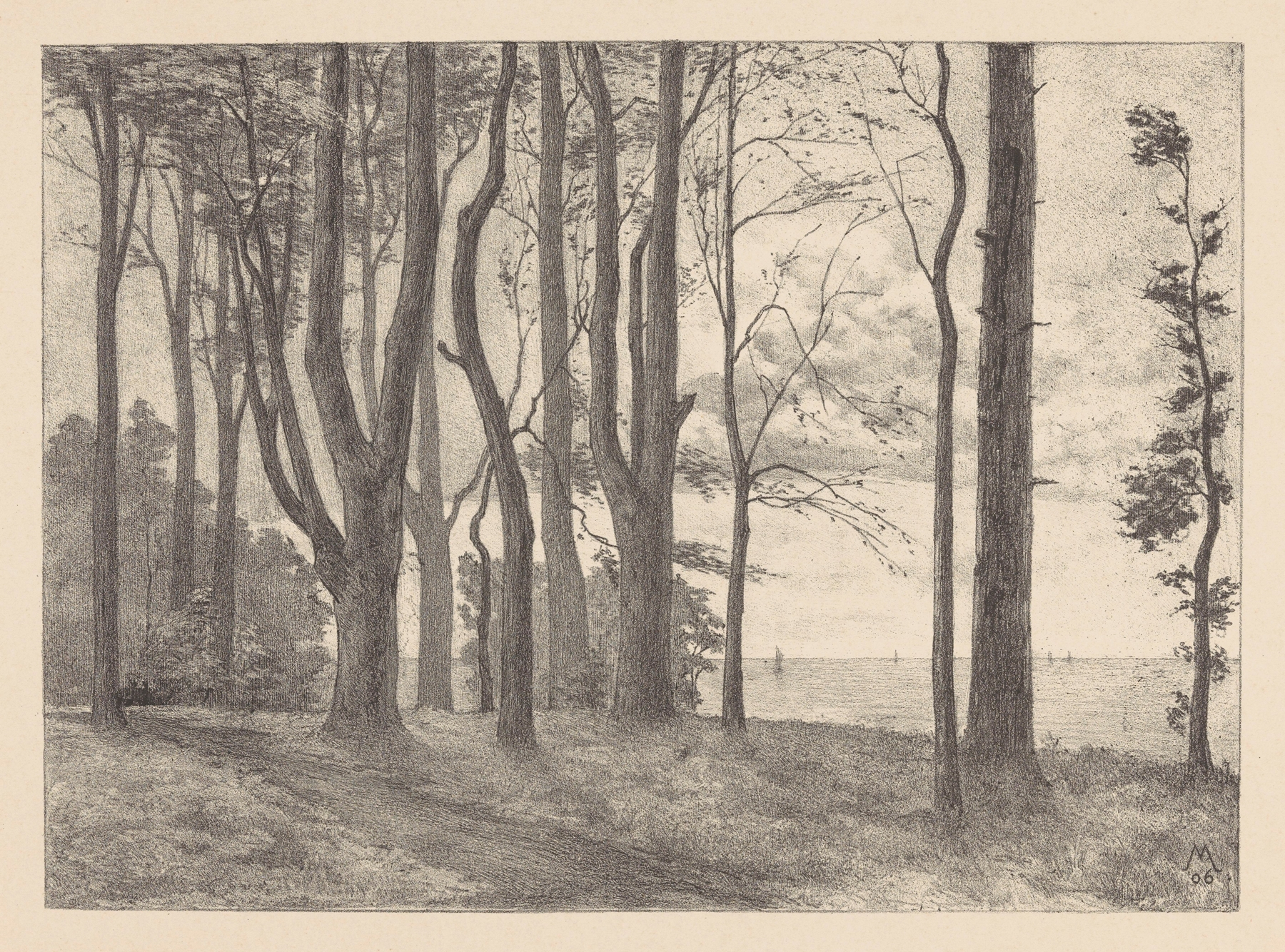
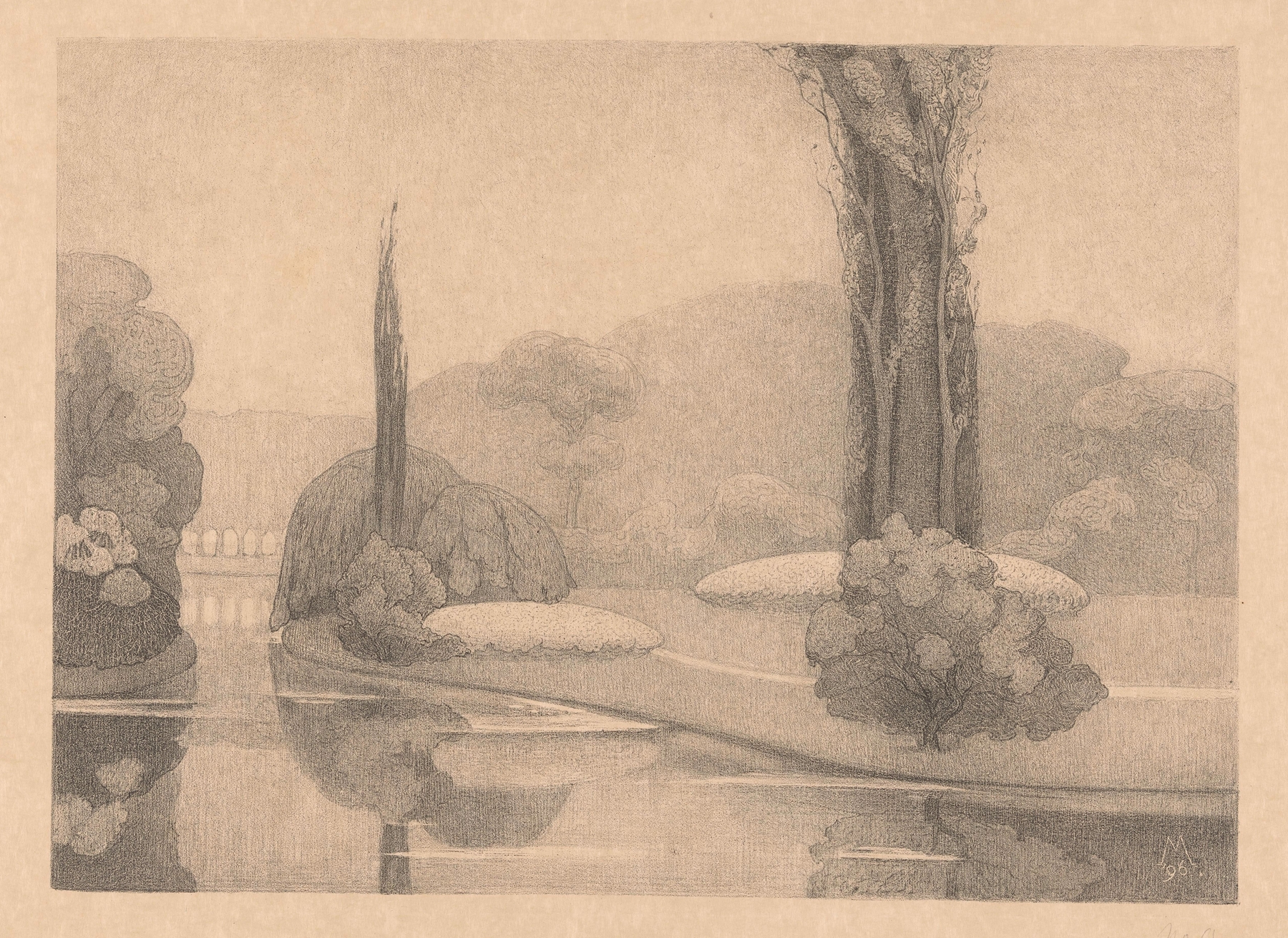
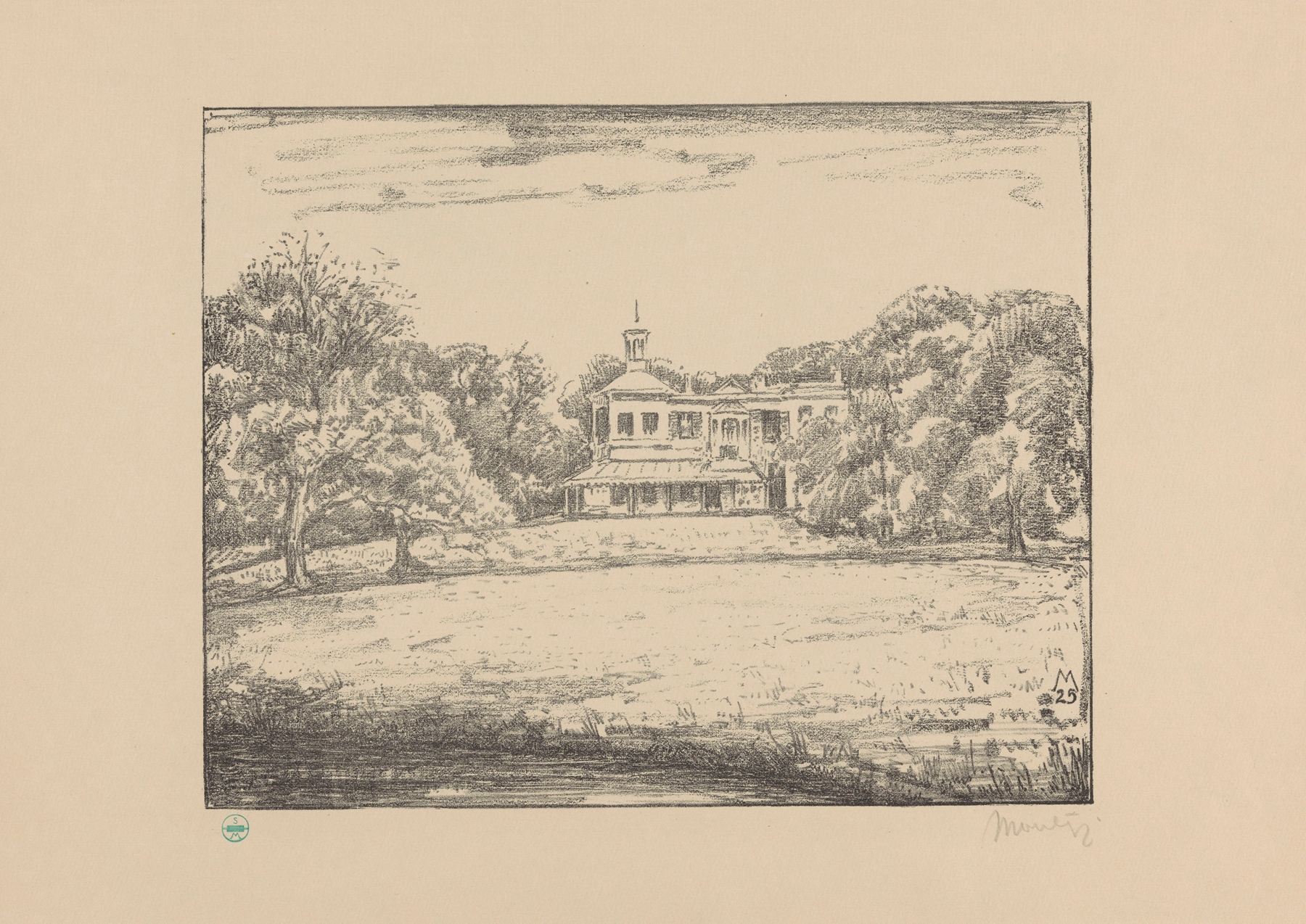
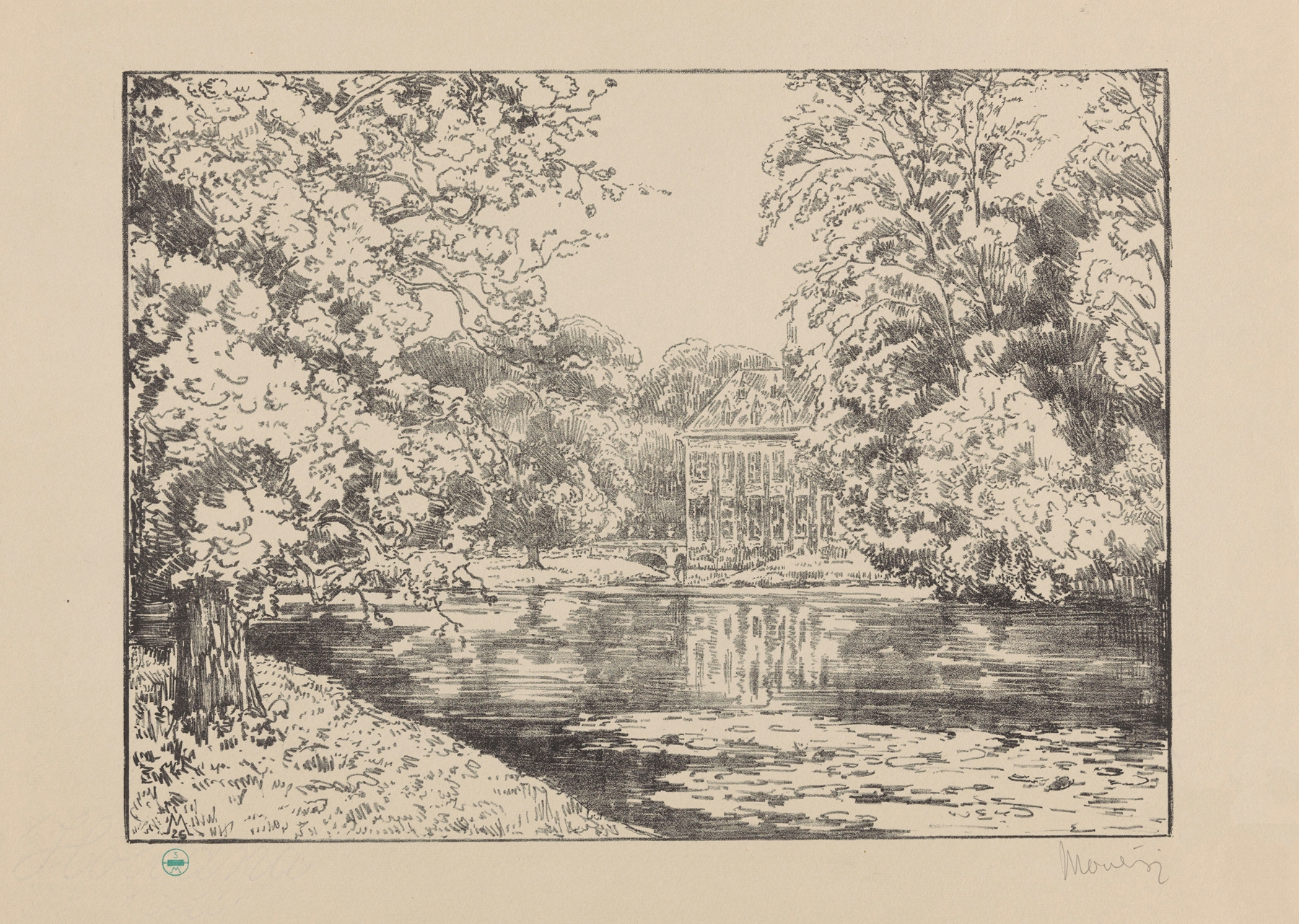
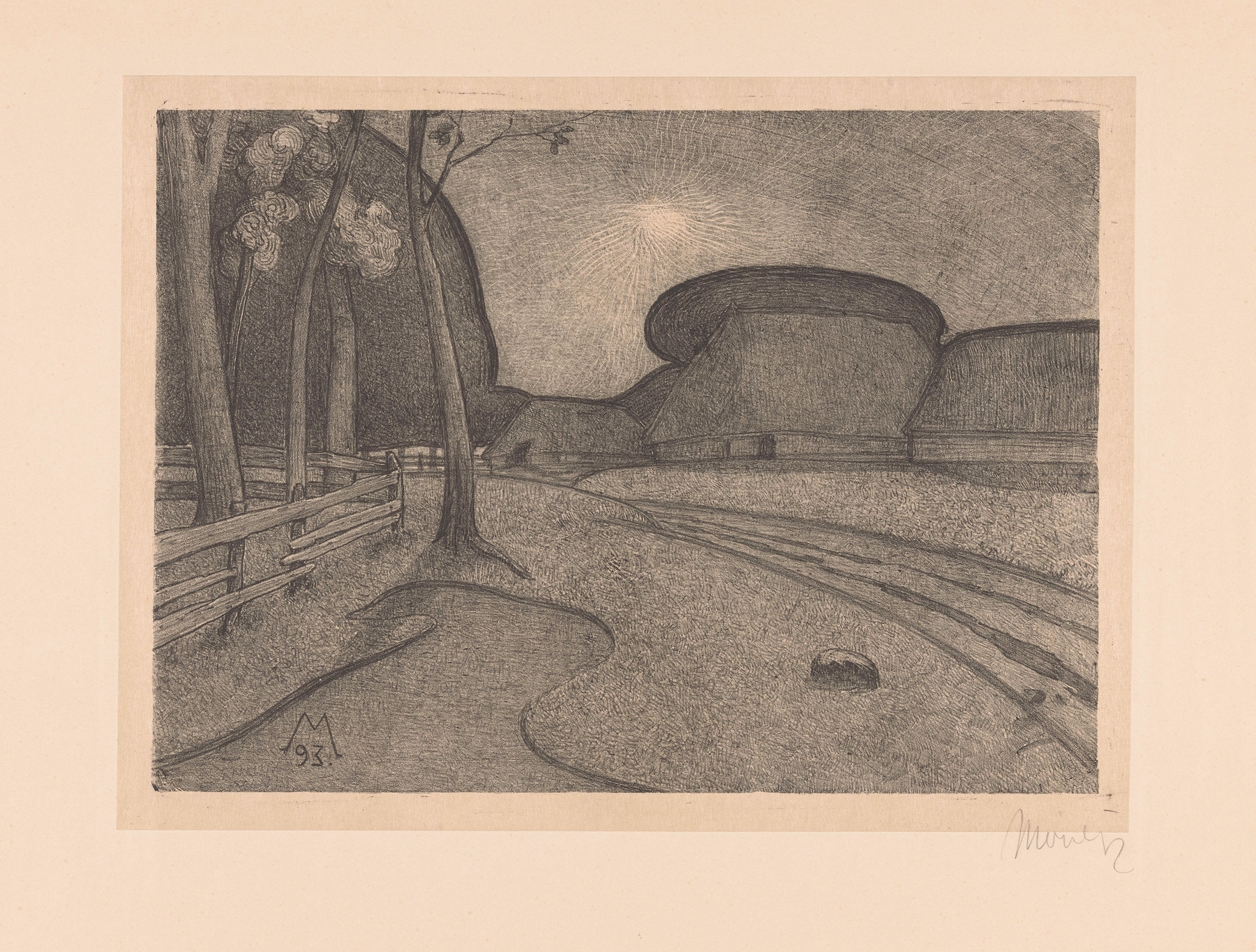
When did color learn to lie? The vivid hues of nature can often mask deeper truths, whispering secrets that only the most discerning eyes can unearth. Focus on the low horizon, where the gentle curve of the land cradles a quaint farmhouse nestled beside a winding ditch. The delicate interplay of greens and browns creates a tranquil atmosphere, while dappled sunlight filters through the leaves, casting fleeting shadows that dance on the water's surface.
Notice how the composition invites you into the scene, as if beckoning you to stroll along the bank, immersing yourself in the pastoral charm. Yet, beneath the serene facade lies an undercurrent of tension. The stillness of the water, with its mirror-like quality, reflects not just the beauty of the natural world but also an unsettling juxtaposition of stability and fragility. The farmhouse, a symbol of human habitation, stands resolute against the undulating landscape, yet its presence suggests a transitory existence within the vastness of nature.
The light, so enchanting, also evokes a sense of ephemeral beauty—an invitation to ponder what lies beyond the surface. In 1899, Simon Moulijn painted this work during a time when the Netherlands was experiencing a burgeoning appreciation for rural scenes. He was deeply influenced by the Impressionist movement, which emphasized the effects of light and atmosphere. This piece reflects his engagement with the changing artistic landscape, as he sought to capture the essence of his surroundings, blending realism and impressionism with a uniquely personal touch.