Landschap met houten brug in octagonaal kader — History & Analysis
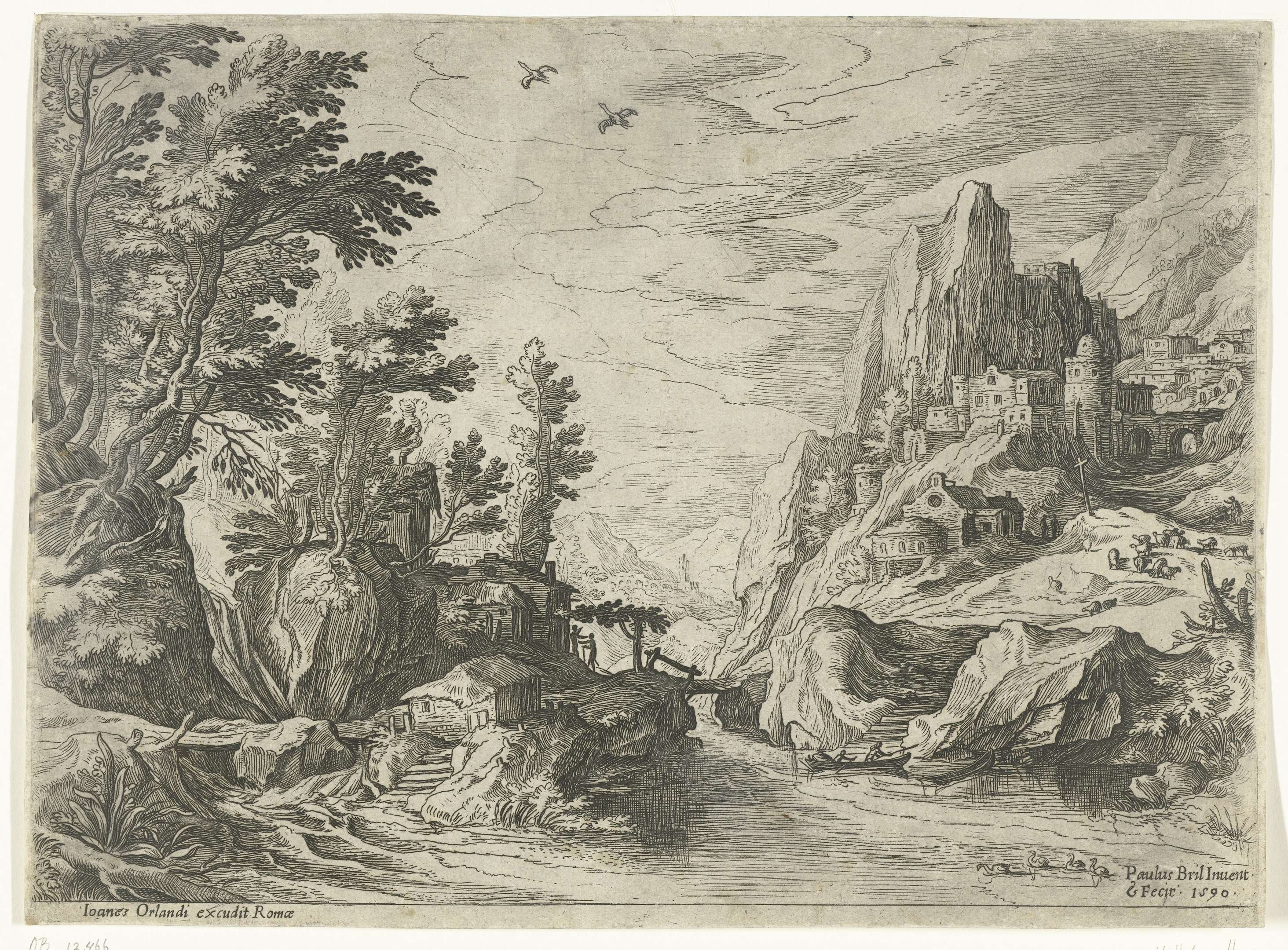
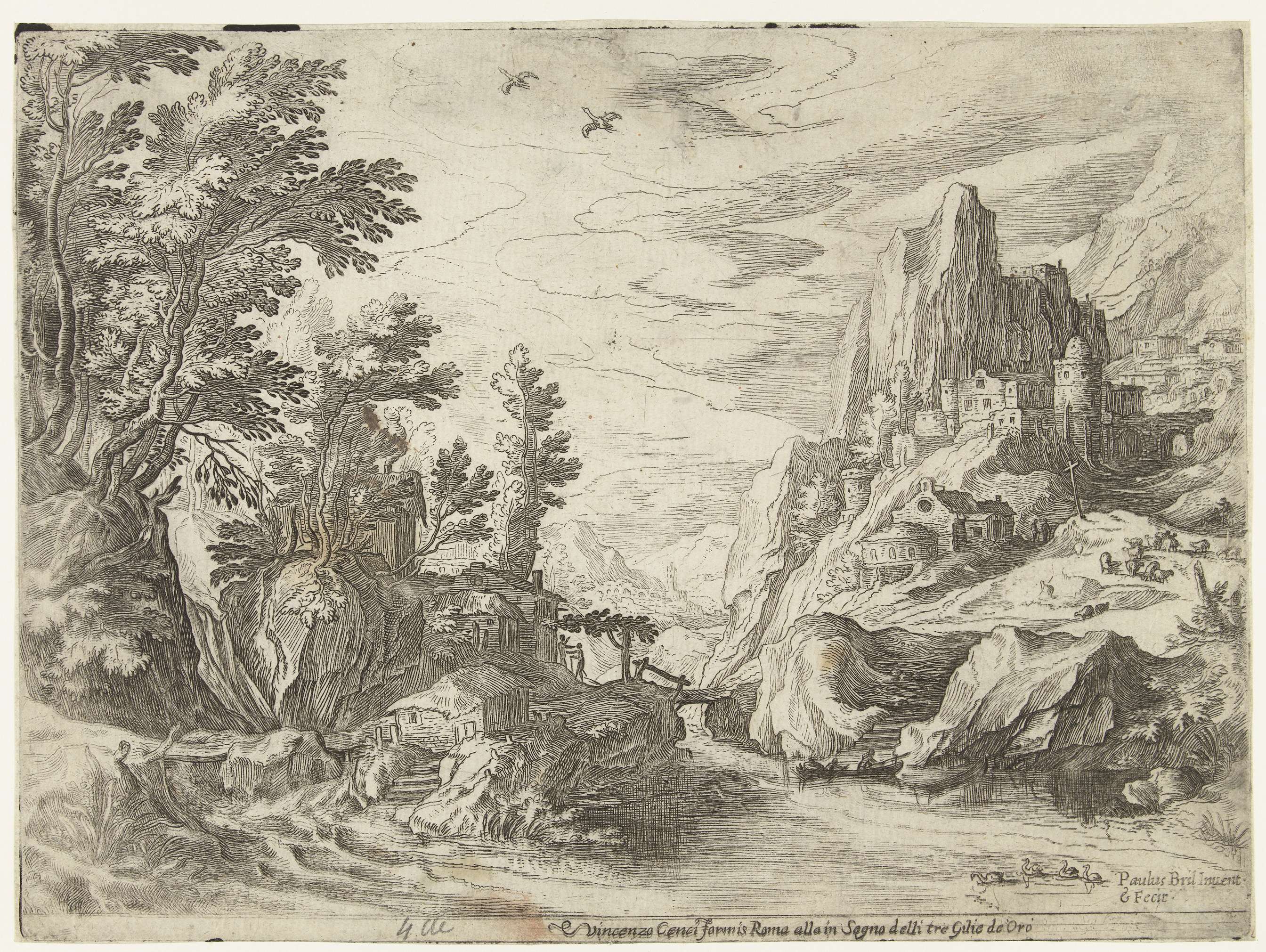
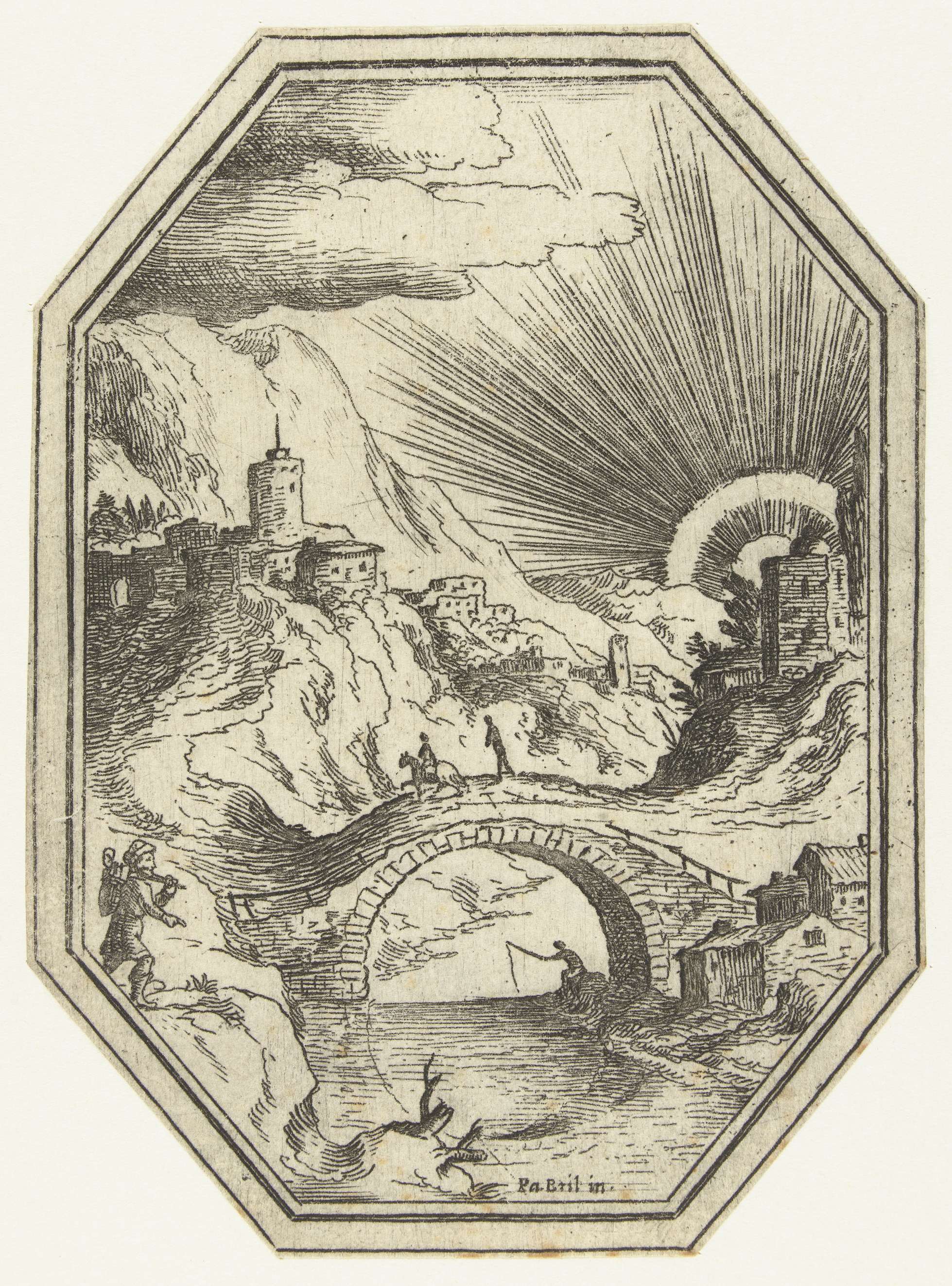
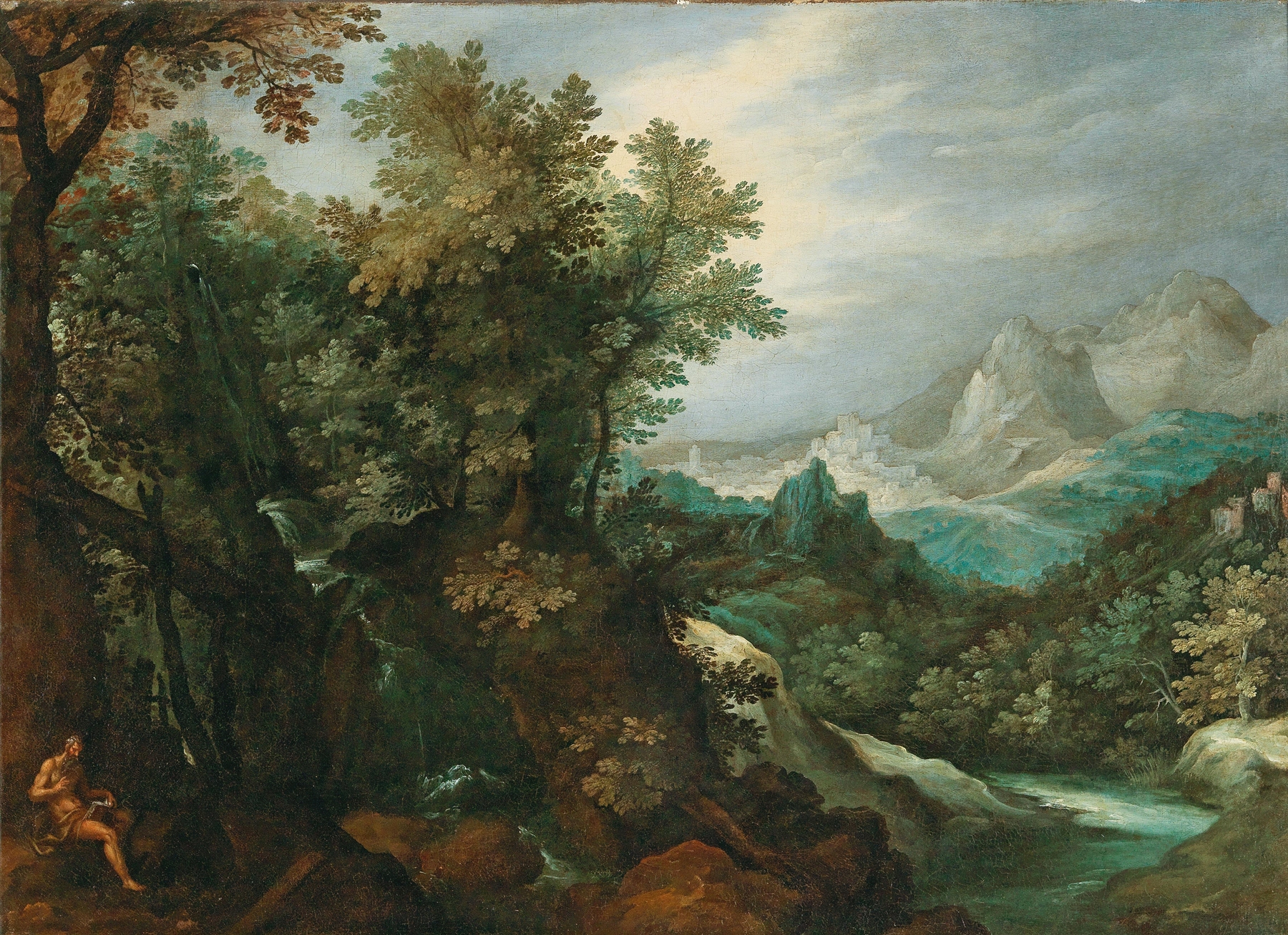
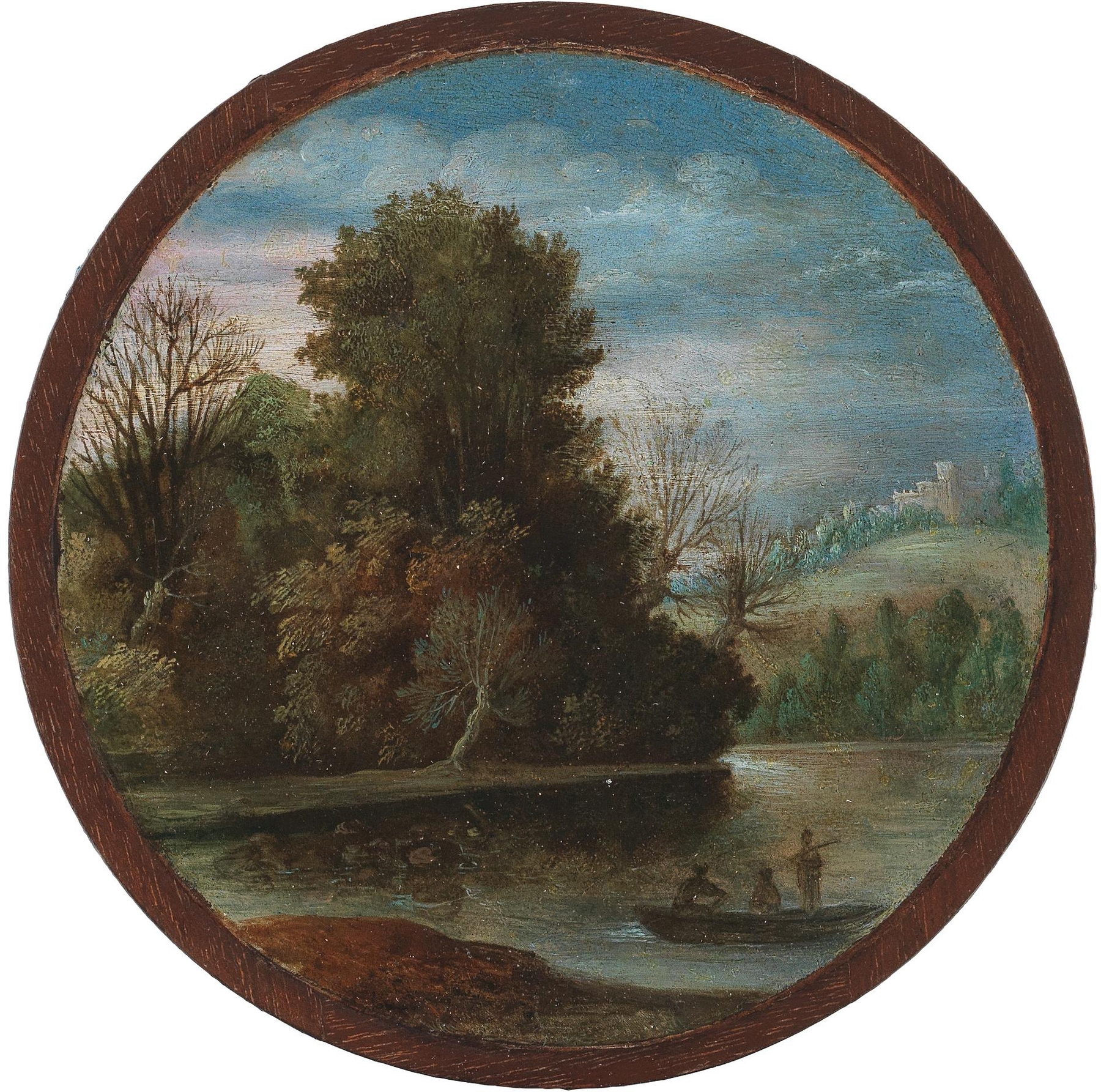
“Art reveals the soul when the world turns away.” In the quiet intimacy of Landschap met houten brug in octagonaal kader, fragility intertwines with resilience, inviting us to pause and reflect. Here, the delicate balance of nature is captured in a moment where the landscape breathes, revealing both beauty and vulnerability. Look to the center of the painting, where a weathered wooden bridge arches gracefully over a tranquil stream. The gentle hues of green and gold beckon your gaze, while the soft light dancing upon the water's surface creates a shimmering contrast with the deep shadows of the surrounding trees.
Notice how the octagonal frame encapsulates this serene scene, perhaps suggesting a portal into a world where nature remains untouched, its purity preserved by the artist’s deft brushwork. Beneath the surface, the interplay of light and shadow evokes a dichotomy between strength and fragility. The bridge, though sturdy, shows signs of wear, symbolizing the passage of time and the inevitable decay that nature endures. The surrounding foliage, lush yet delicate, hints at life’s transience, each leaf a reminder of the cycle of growth and loss.
This tension encapsulates the transient beauty of the landscape, urging viewers to contemplate their own connections to nature. In 1648, Paul Bril found himself in a period characterized by a rich dialogue between landscape and emotion. Living in Rome, Bril was deeply engaged in the burgeoning movement of landscape painting, where artists sought to depict the natural world with both fidelity and artistic expression. The cultural climate of the time encouraged explorations of beauty, supporting Bril's vision as he infused his works with a profound sense of place and feeling, forever inviting the viewer into a fragile yet enduring dialogue with nature.