Laundresses before the Wasserturm, Nuremberg — History & Analysis
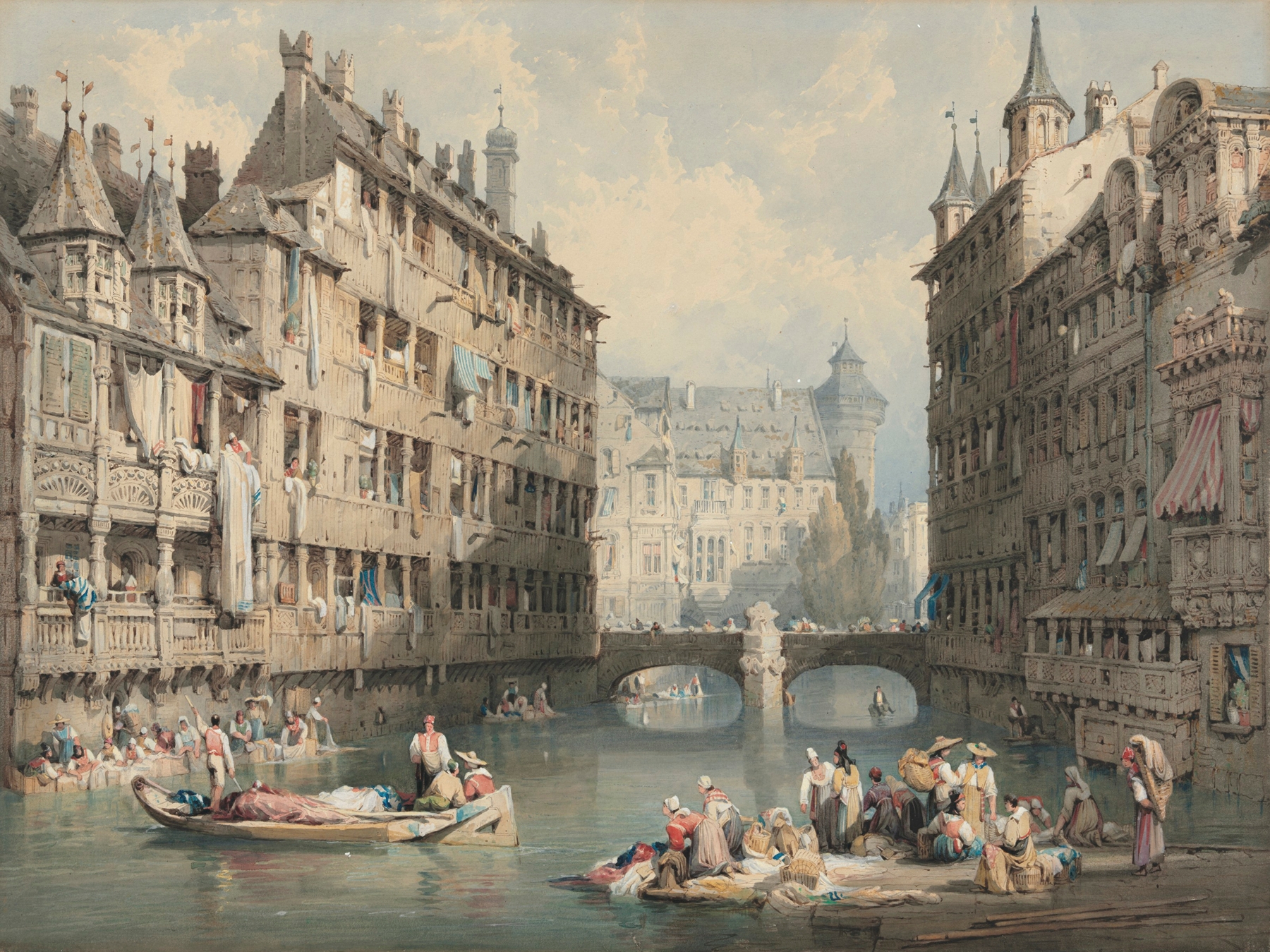
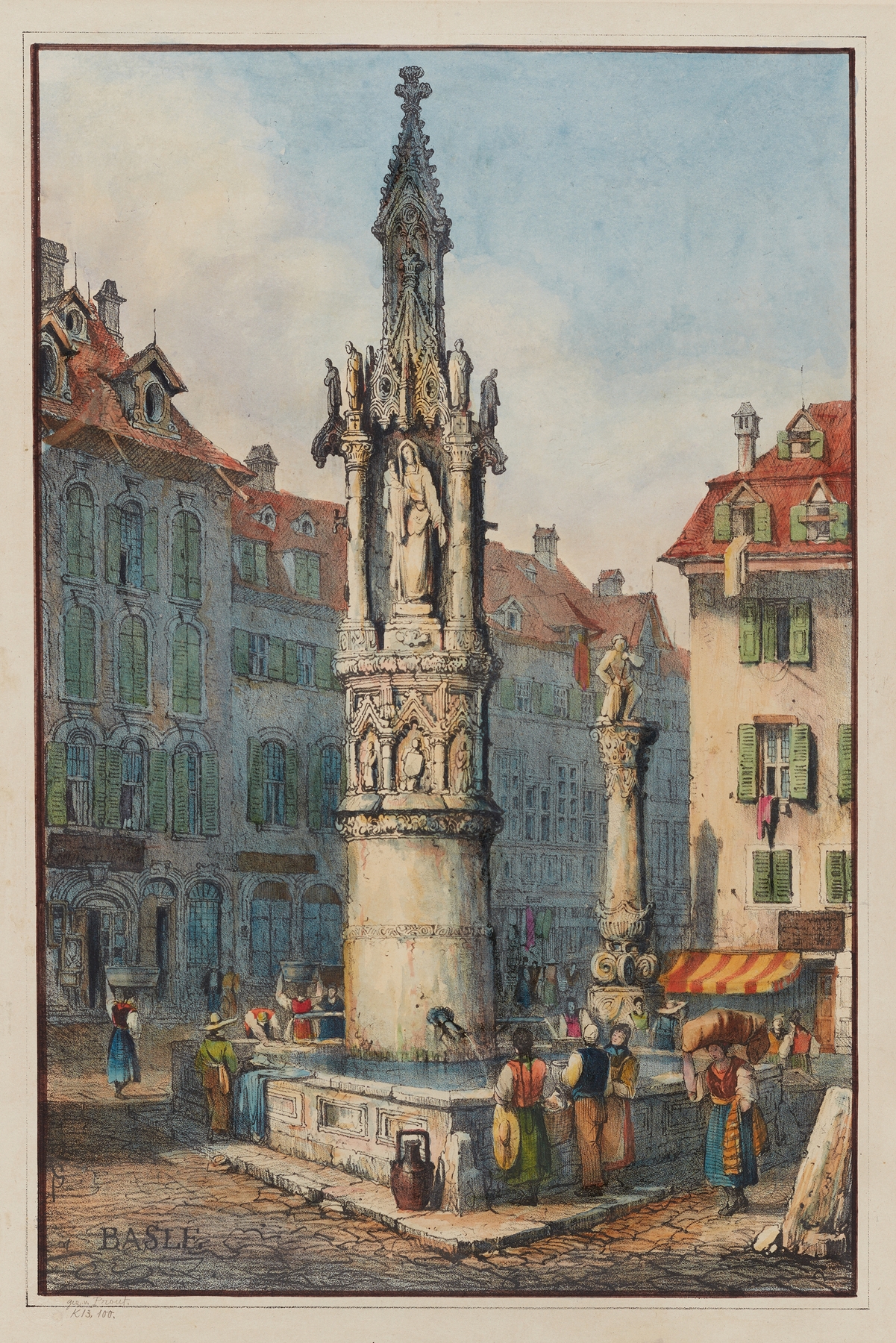
When did color learn to lie? In Laundresses before the Wasserturm, Nuremberg, a scene steeped in longing unfurls — a moment caught between the mundane and the poetic, where the vibrancy of life is both jubilant and bittersweet. Look to the left, where the figures of the laundresses emerge from the canvas, their clothing infused with a palette of sunlit blues and warm yellows. Notice how the sunlight dances on the fabric, making the whites of their linens glow with an ethereal brightness.
Each stroke reveals the artist’s mastery in capturing texture: the soft, billowing cloth contrasted against the rough stone of the Wasserturm in the background, inviting the viewer to journey through the layers of color and form. As you delve deeper into the scene, observe the expressions on the laundresses’ faces — a fusion of camaraderie and weariness that hints at their daily toil. The tower, a silent sentinel, looms behind them, suggesting a history filled with both stability and change. The rhythm of the women’s movements, much like the flow of water, embodies a yearning for freedom against the backdrop of a bustling cityscape, evoking the bittersweet nature of labor and community.
At the time this piece was created, Samuel Prout was actively exploring urban life in 19th-century England and Europe, juxtaposing human figures against architectural landmarks. While specific dates for this work are uncertain, it reflects an era when artists began to embrace realism and the everyday, capturing fleeting moments that resonate with deeper emotional truths. Prout’s keen observation and appreciation for color spoke to the ongoing dialogue within the art world, blending romanticism with the emerging modernity of his surroundings.