Lavanderas en el bajo de Belgrano — History & Analysis
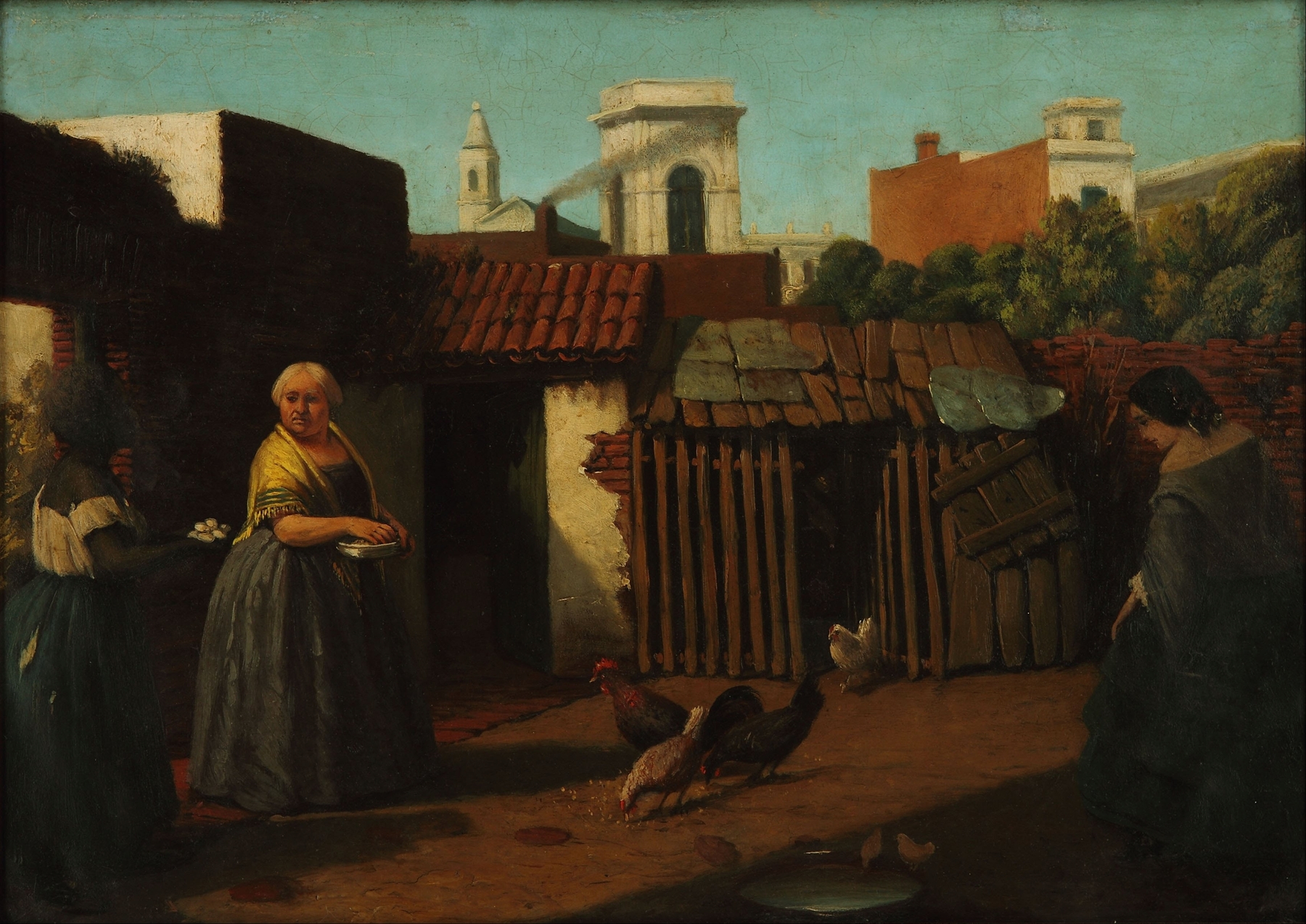
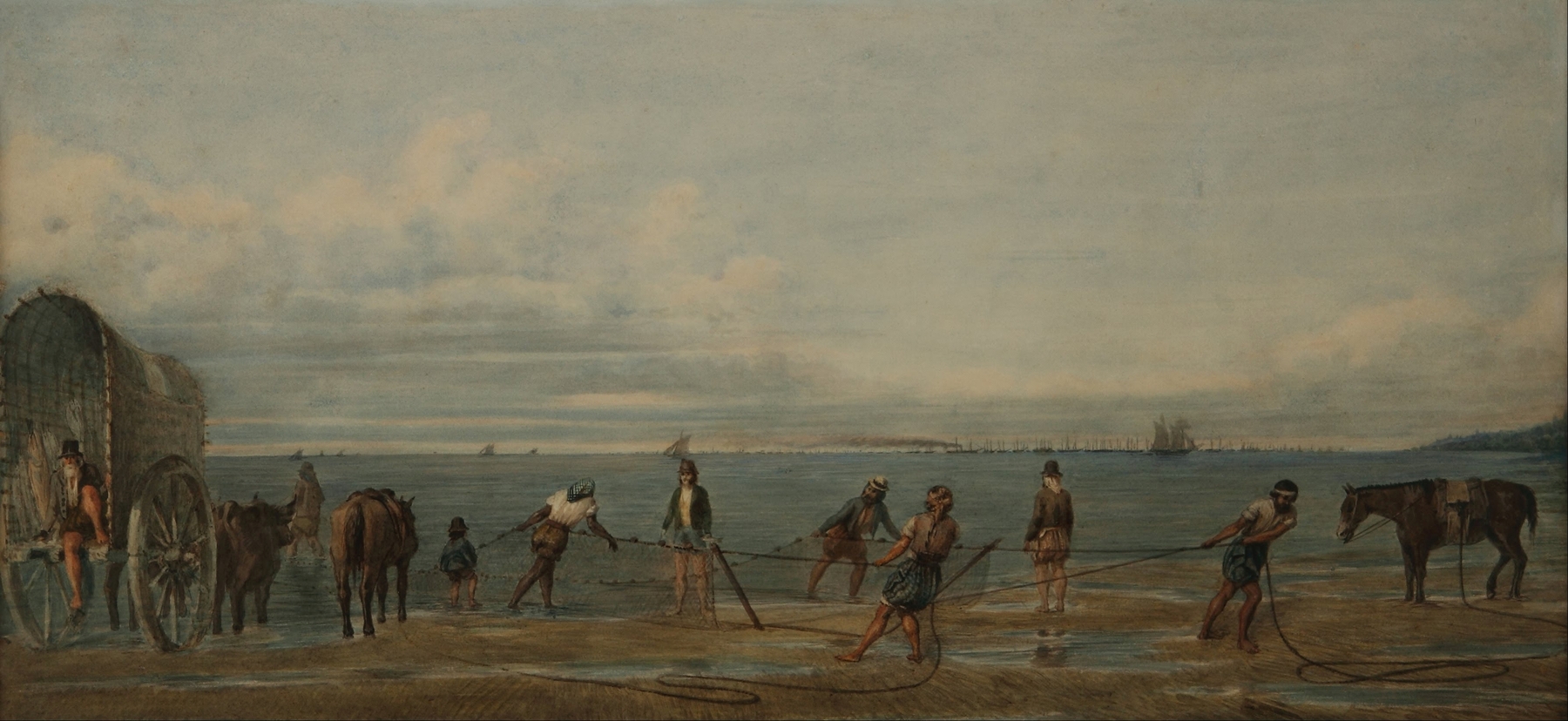
“To paint is to remember what time wants us to forget.” In a world where moments fade, art becomes the vessel of our awe-inspiring past, capturing the essence of existence. As you approach the canvas, look to the left at the women in vibrant traditional attire, their bodies bent over the task of washing. The intricate folds of their dresses, rendered in rich hues, create a striking contrast against the muted tones of the riverbank. Notice how the sunlight filters through the trees, casting dappled reflections on the water’s surface, illuminating their determined expressions.
The composition draws your eye along the shimmering flow of the river, leading to the gentle horizon, inviting contemplation of the serene yet laborious life depicted. Beneath the surface lies a tension between the tranquility of nature and the diligent work of the women. Each splash of water carries echoes of their toil, celebrating their resilience while emphasizing the weight of their daily routines. The juxtaposition of the soft pastels of the landscape against the vibrant colors of their clothing highlights not only their strength but also the beauty found in ordinary life.
The scene speaks to the sacredness of labor, suggesting that each wash of fabric is a testament to endurance in a world that often overlooks the mundane. Created in 1865, this piece emerged from Prilidiano Pueyrredòn’s deeply reflective period in Buenos Aires, where the artist sought to find identity in a rapidly changing society. The mid-19th century was marked by political upheaval and cultural evolution in Argentina, and Pueyrredòn was at the forefront of this artistic transformation. In capturing the everyday lives of women, he endeavored to immortalize their stories, merging the boundaries of realism and national identity within the canvas.