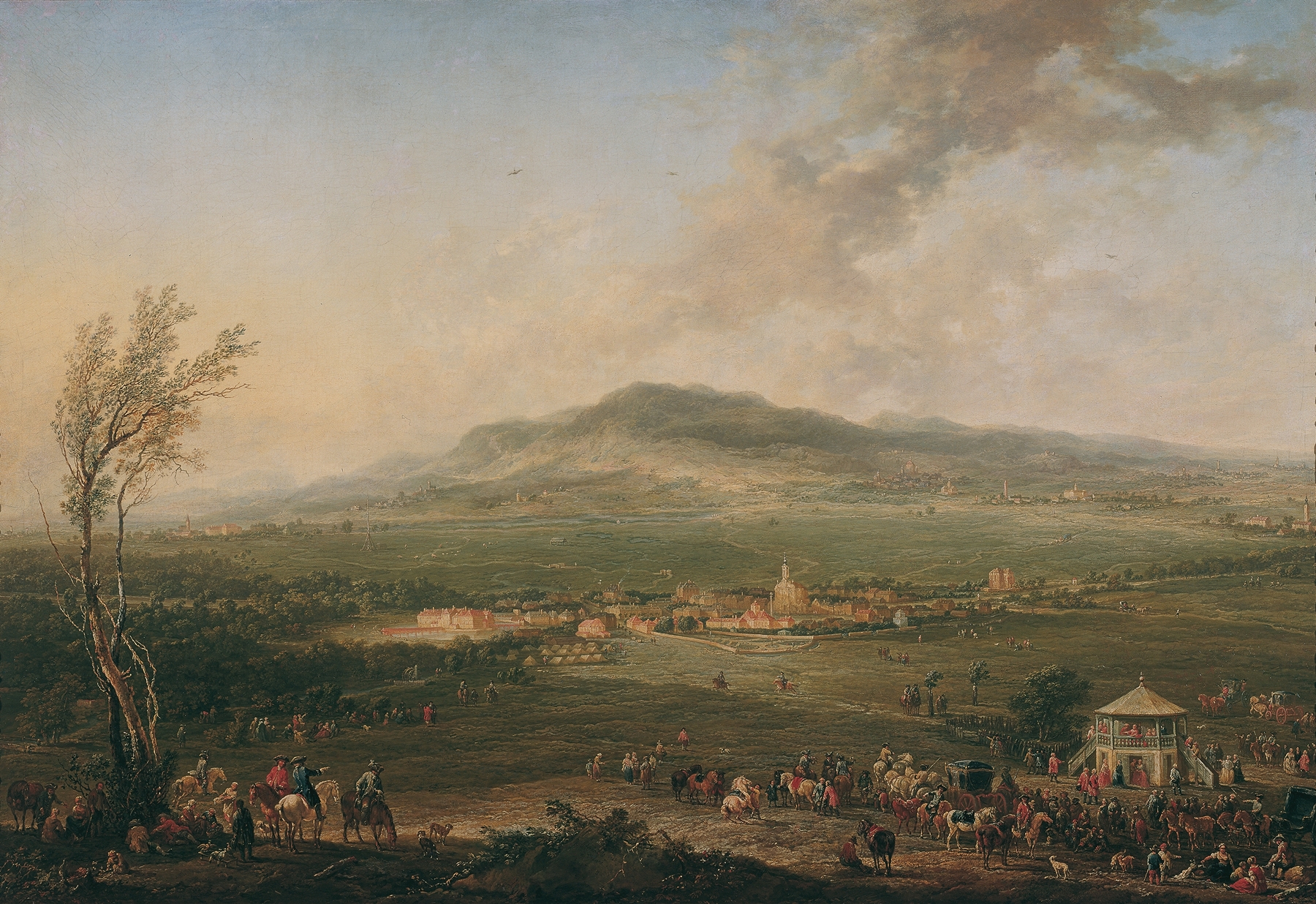
Laxenburg vom Hayd-Lusthaus gegen Maria Lanzendorf — History & Analysis
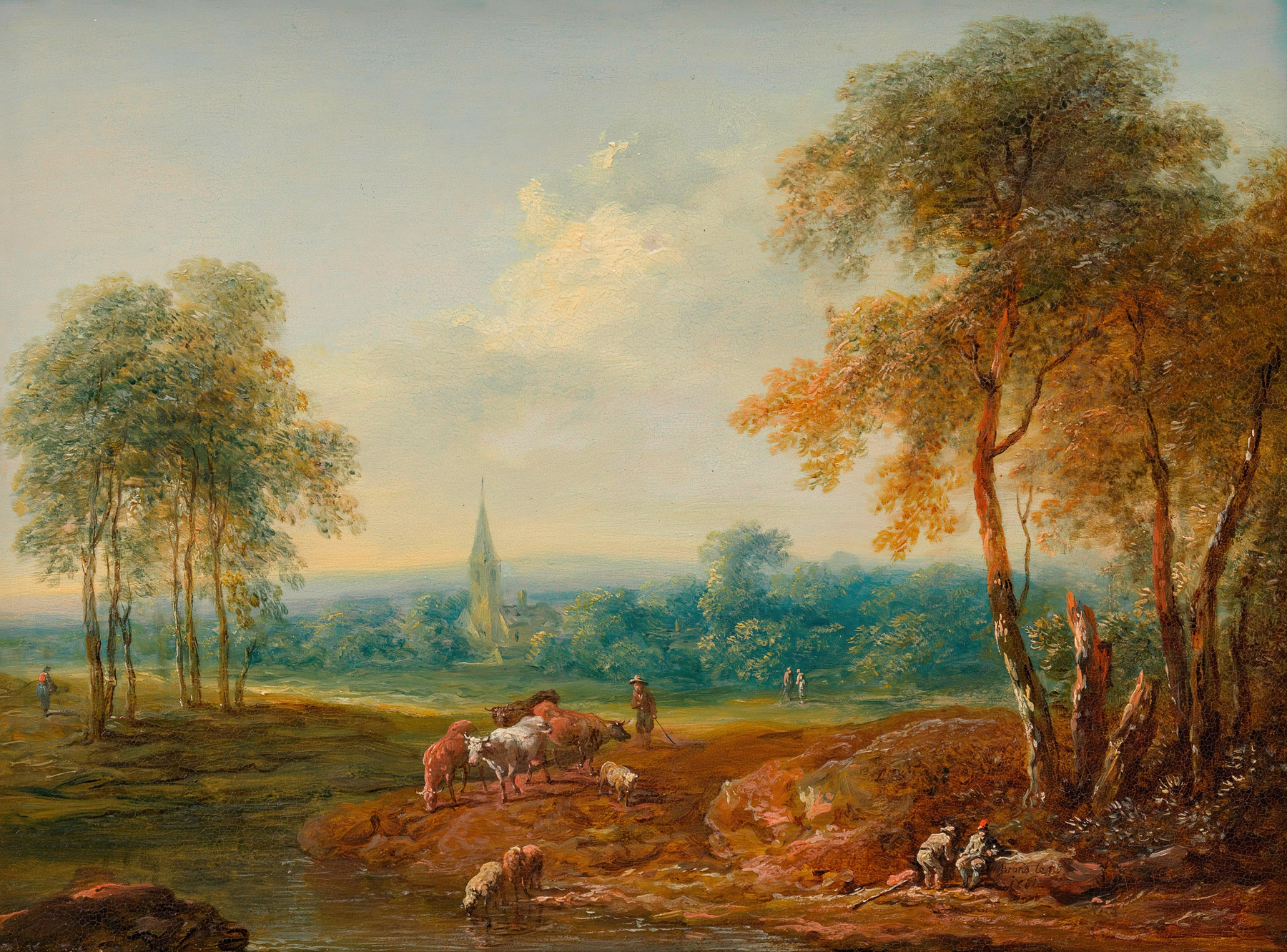
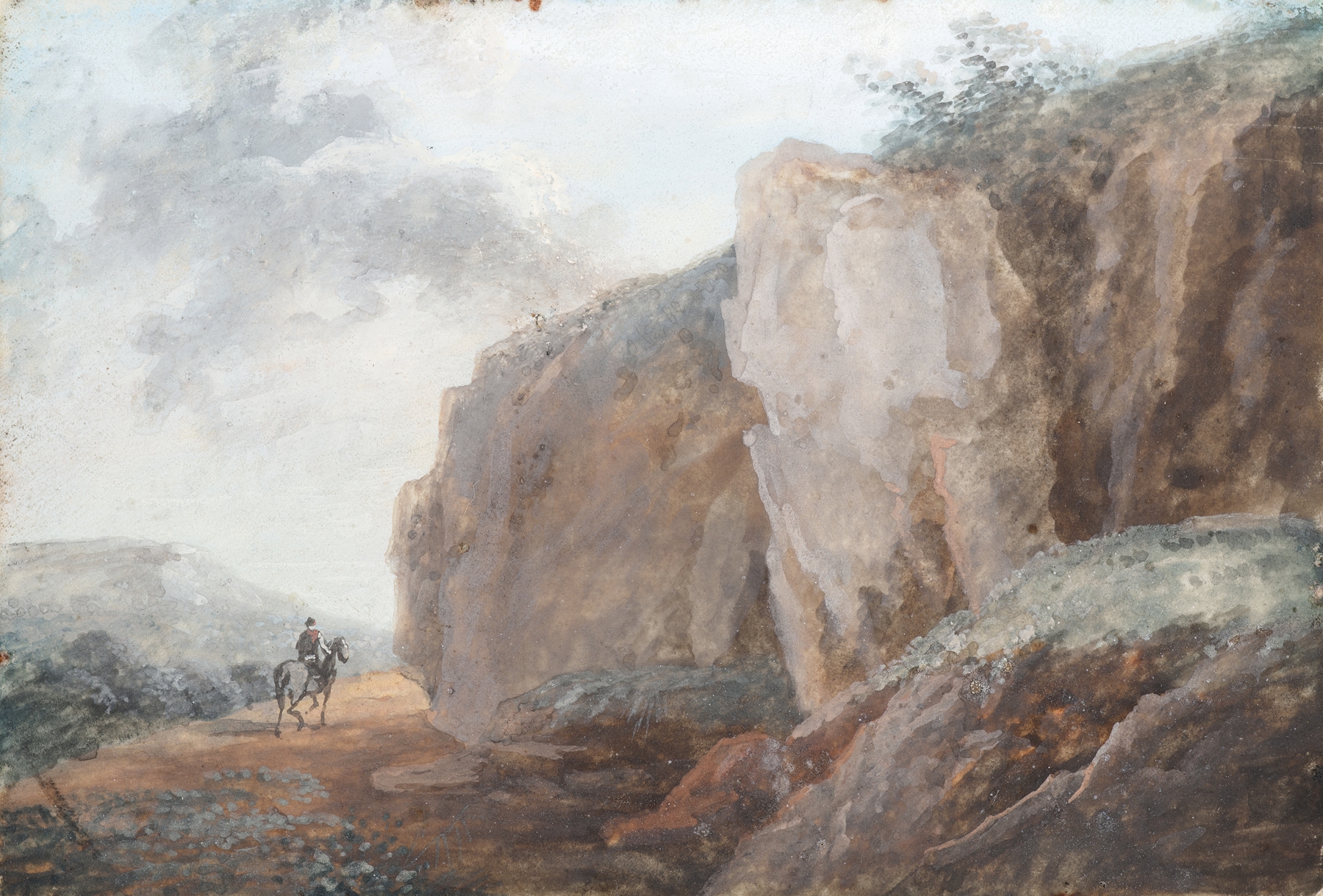
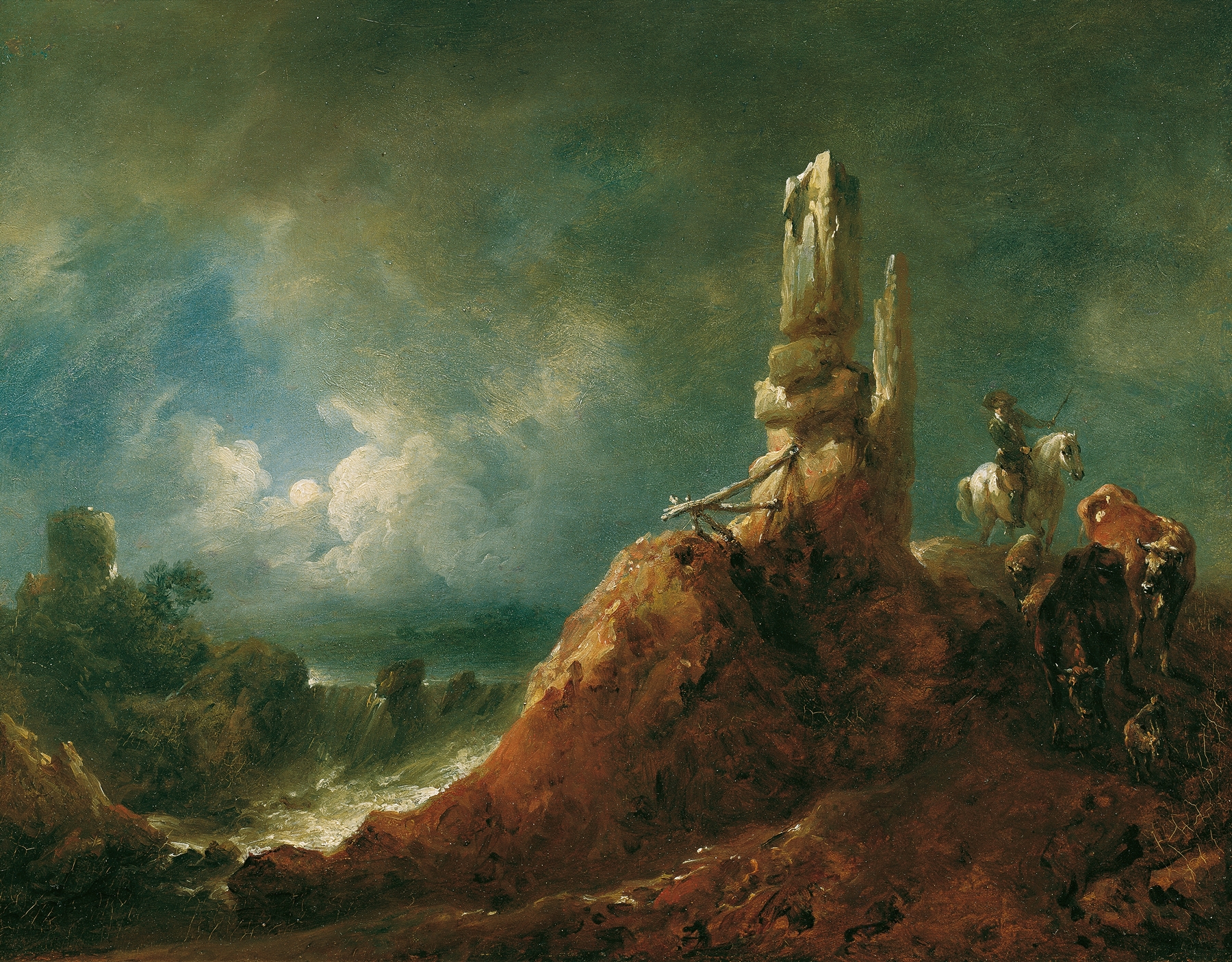
“Every brushstroke is a heartbeat remembered.” In the delicate layers of this painting lies a fragile world, suspended in a moment of serene beauty. Focus your gaze on the soft contours of the landscape, where gentle hills meet the horizon. Notice how the light dances upon the surface of a tranquil lake, mirroring the sky's pastel hues. The meticulously rendered trees frame the scene, their leaves a vibrant green, hinting at the lush vitality of nature.
The skillful blending of colors creates a soothing atmosphere, encouraging a deep inhalation of the calm air captured within this painted space. As you delve deeper, consider the contrast between the serene foreground and the distant, almost ethereal background. The distant steeple peeks through the trees, suggesting human presence yet feeling a world away, underscoring the fragility of existence. Each brushstroke reveals a harmony between nature and architecture, a fleeting moment where the two coexist, reminding us of life's transient beauty and the delicate balance we seek.
In 1758, Johann Christian Brand painted this work during a period when the art world was embracing the Rococo style's charm, focusing on elegance and emotion. Residing in Austria, Brand was influenced by the idyllic landscapes surrounding him, reflecting a burgeoning interest in capturing the nuances of nature. His contributions during this era helped pave the way for future Romantic interpretations of landscape, where feelings of nostalgia and the ephemeral nature of beauty would come to flourish.