Laxenburg vom Münkendorfer Lusthaus gegen — History & Analysis
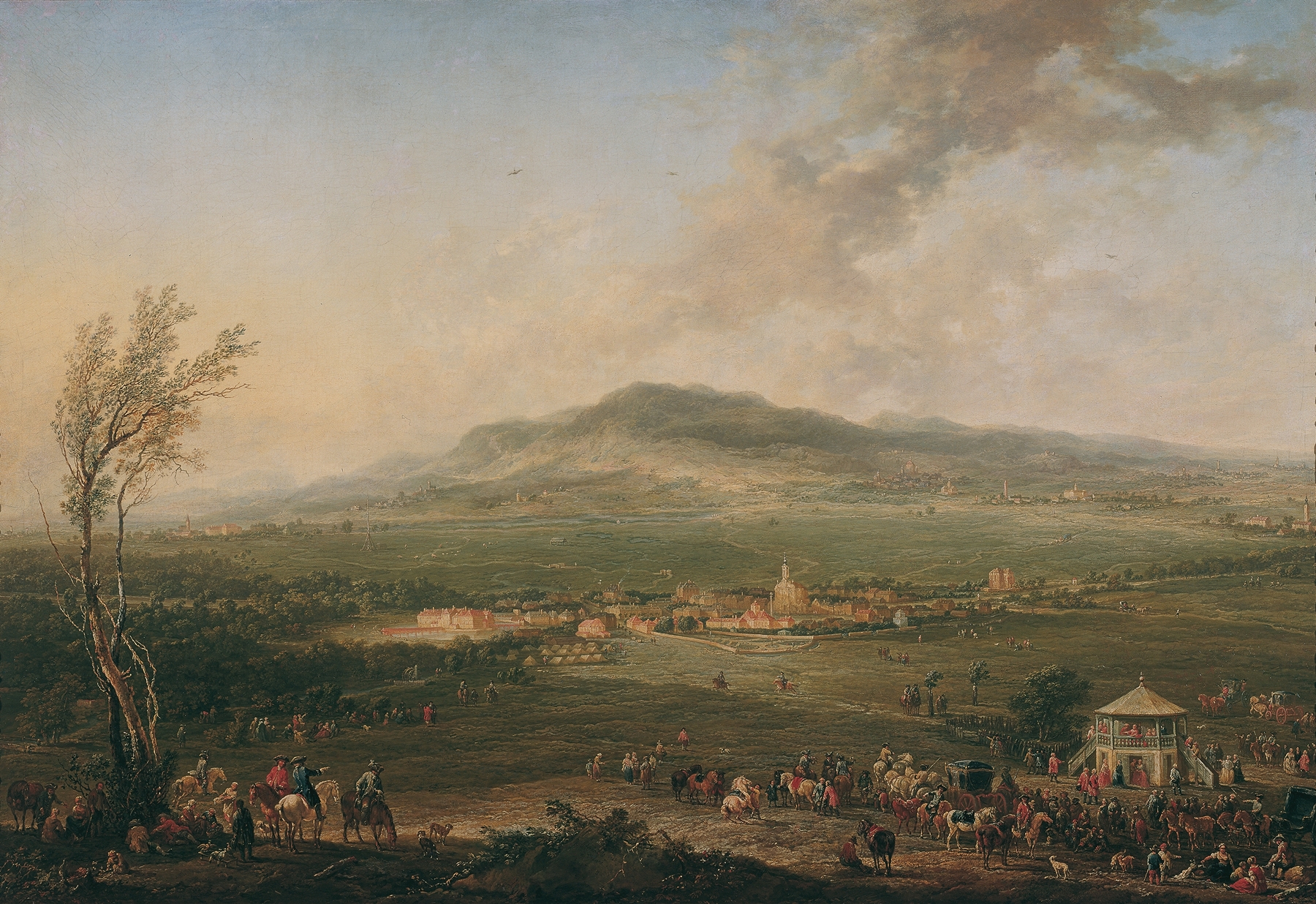
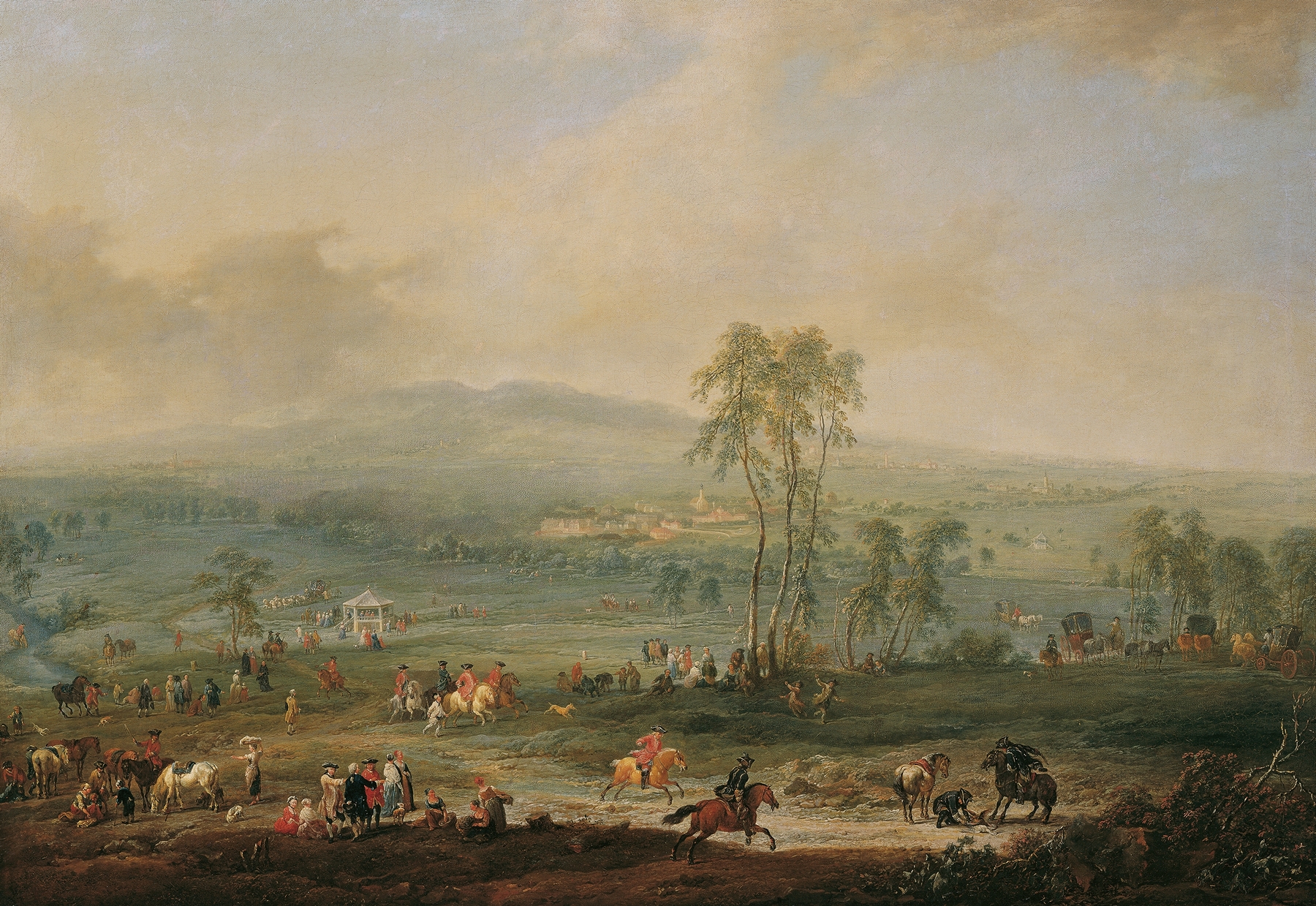
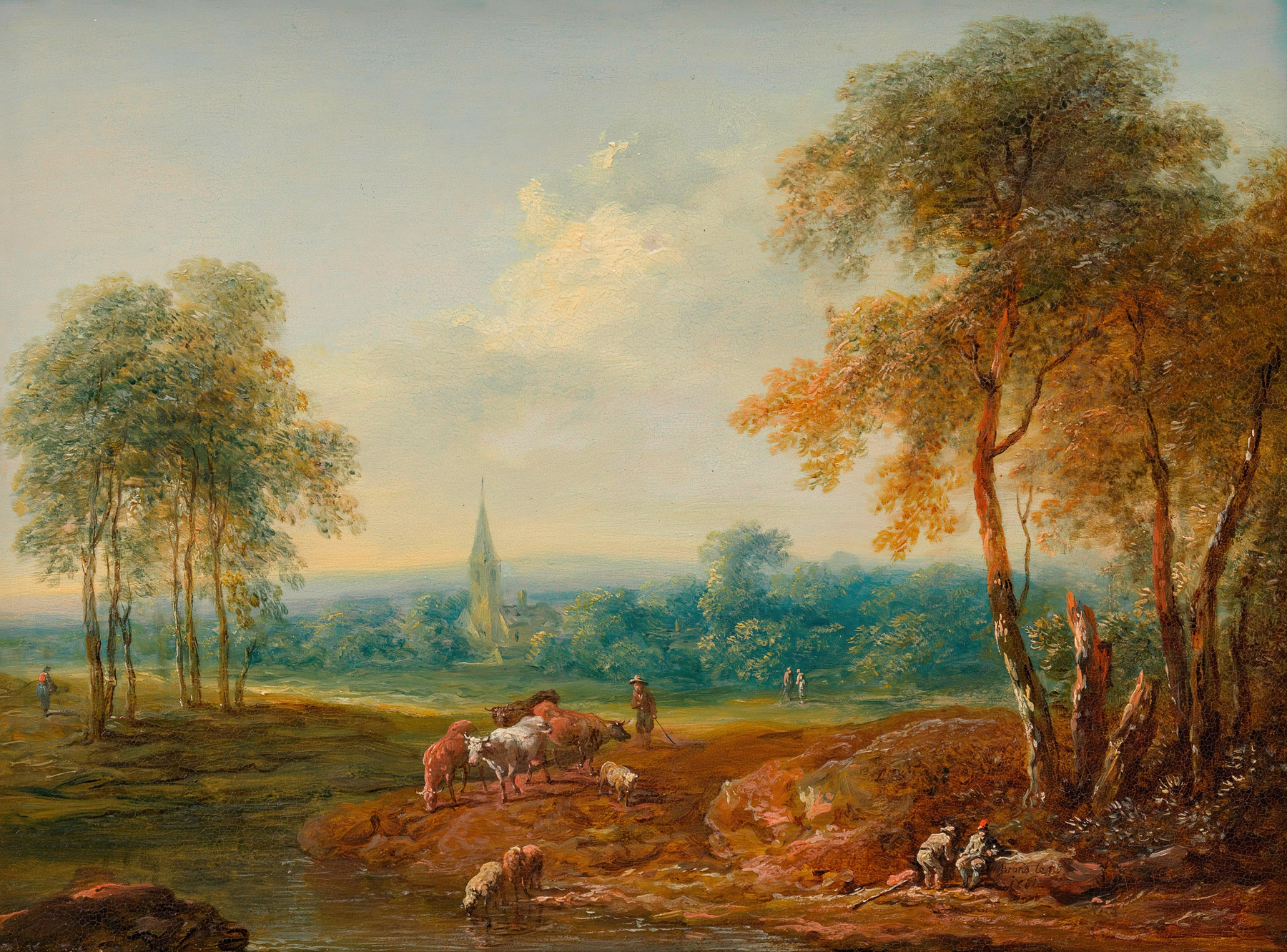
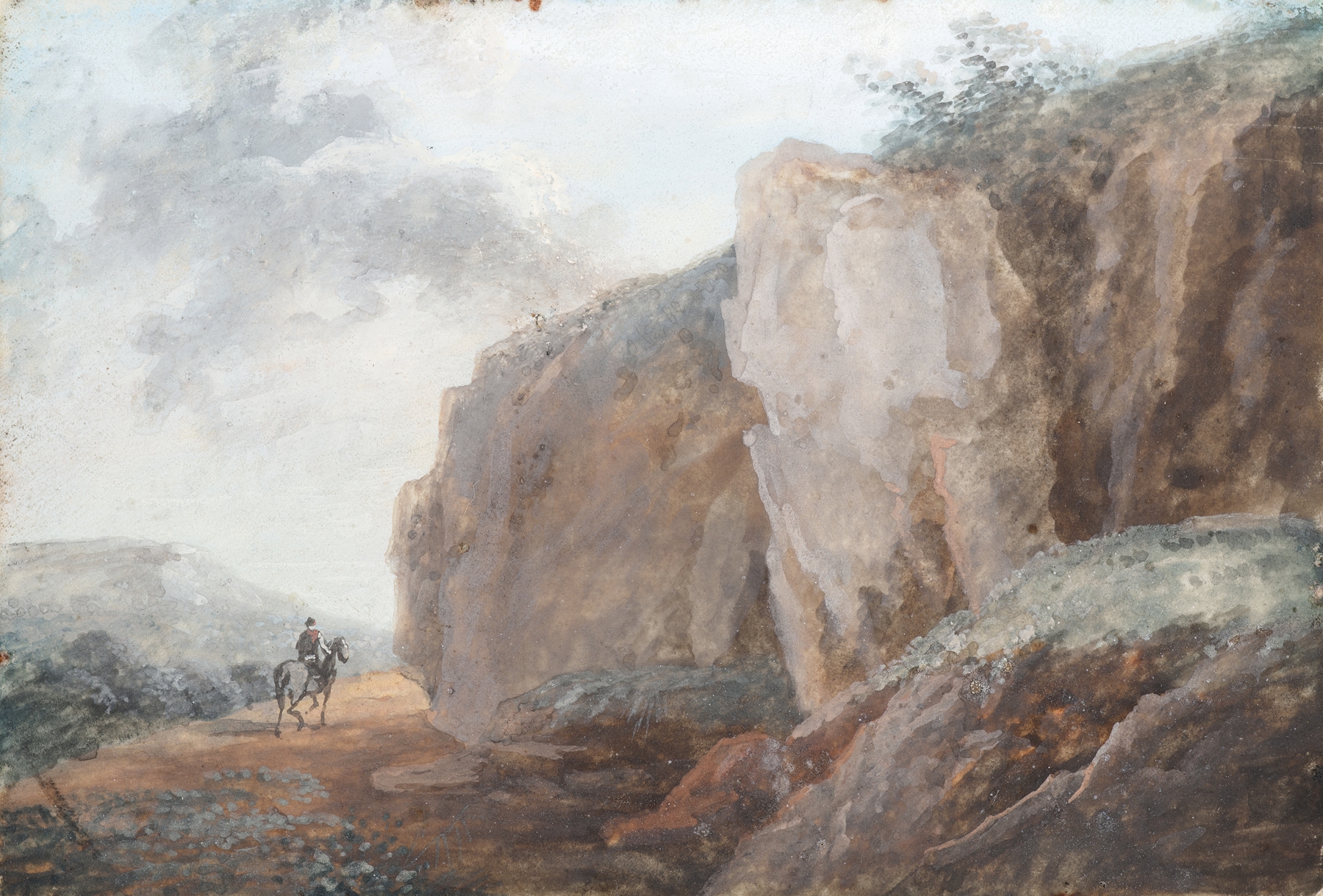
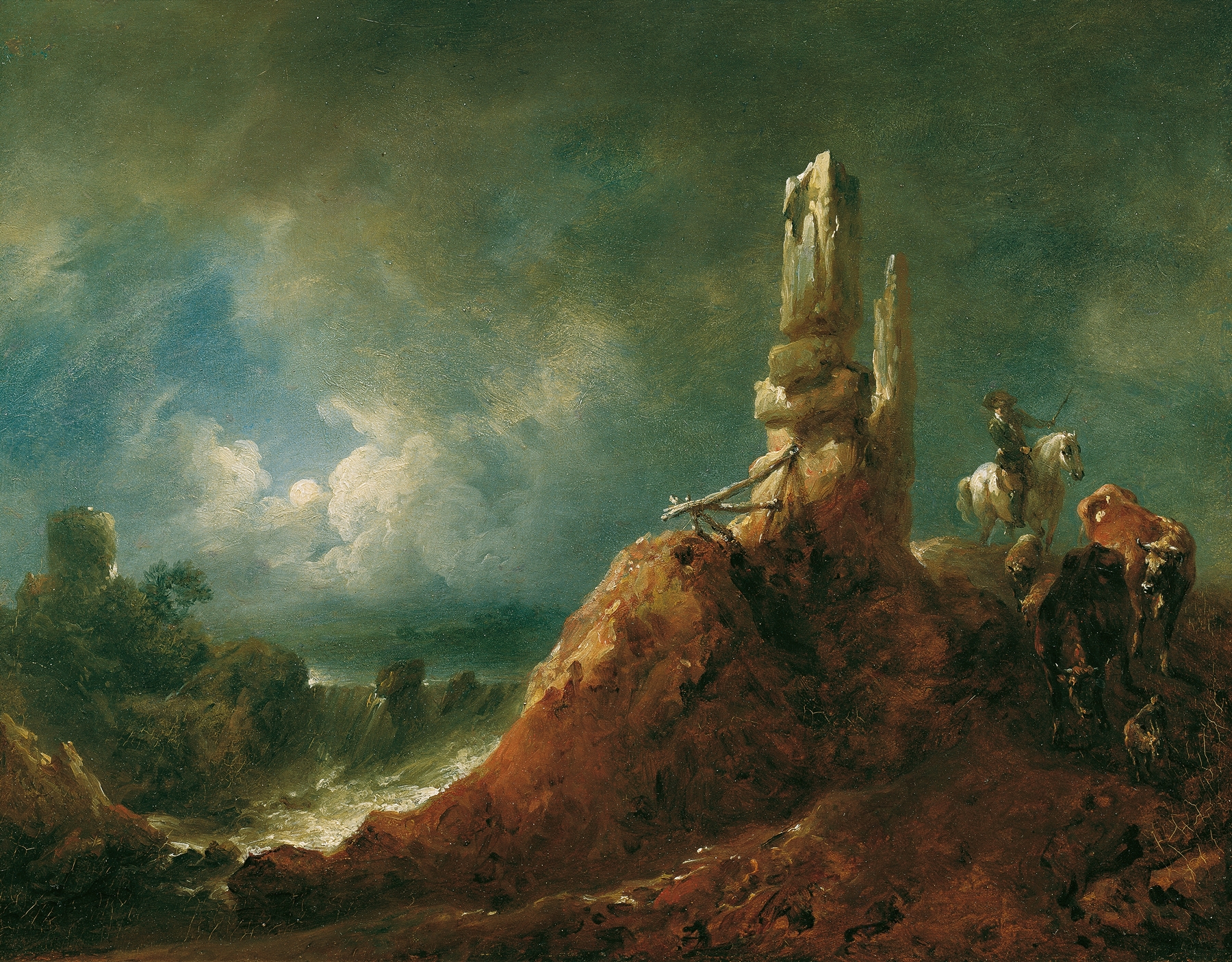
What if silence could speak through light? In Laxenburg vom Münkendorfer Lusthaus gegen, the interplay of shadow and illumination creates a dialogue that transcends time. Look to the foreground where the graceful curves of the Lusthaus elegantly frame the landscape beyond. Notice how the gentle pastel hues of the sky blend into the lush greenery, inviting the viewer to let their gaze wander into the serene expanse that stretches toward the horizon.
The soft brushstrokes lend a dreamlike quality to the surroundings, while the careful detailing of the architecture evokes a sense of harmony between man-made beauty and nature’s bounty. Yet, beneath this tranquil exterior lies a contrast worth exploring. The stillness of the water reflects not just the structures above but the weight of history, hinting at both the ephemeral nature of life and the rebirth that the landscape symbolizes. The careful placement of trees juxtaposes the geometric precision of the Lusthaus, suggesting a conversation between human endeavor and the organic world that thrives alongside it.
Each detail, from the delicate ripples in the water to the fading light of dusk, encapsulates a moment of quiet introspection, where the past and present coexist. In 1758, Johann Christian Brand painted this work against a backdrop of shifting artistic currents in Europe. It was a period not only marked by the rise of the Rococo style but also by a blossoming interest in landscape painting as a means of expressing emotional depth. Brand, who was deeply influenced by the serene beauty of nature, sought to capture these fleeting moments, creating a dialogue between tranquillity and human ambition during an era of profound change.