Le Havre. Bassin De La Barre — History & Analysis
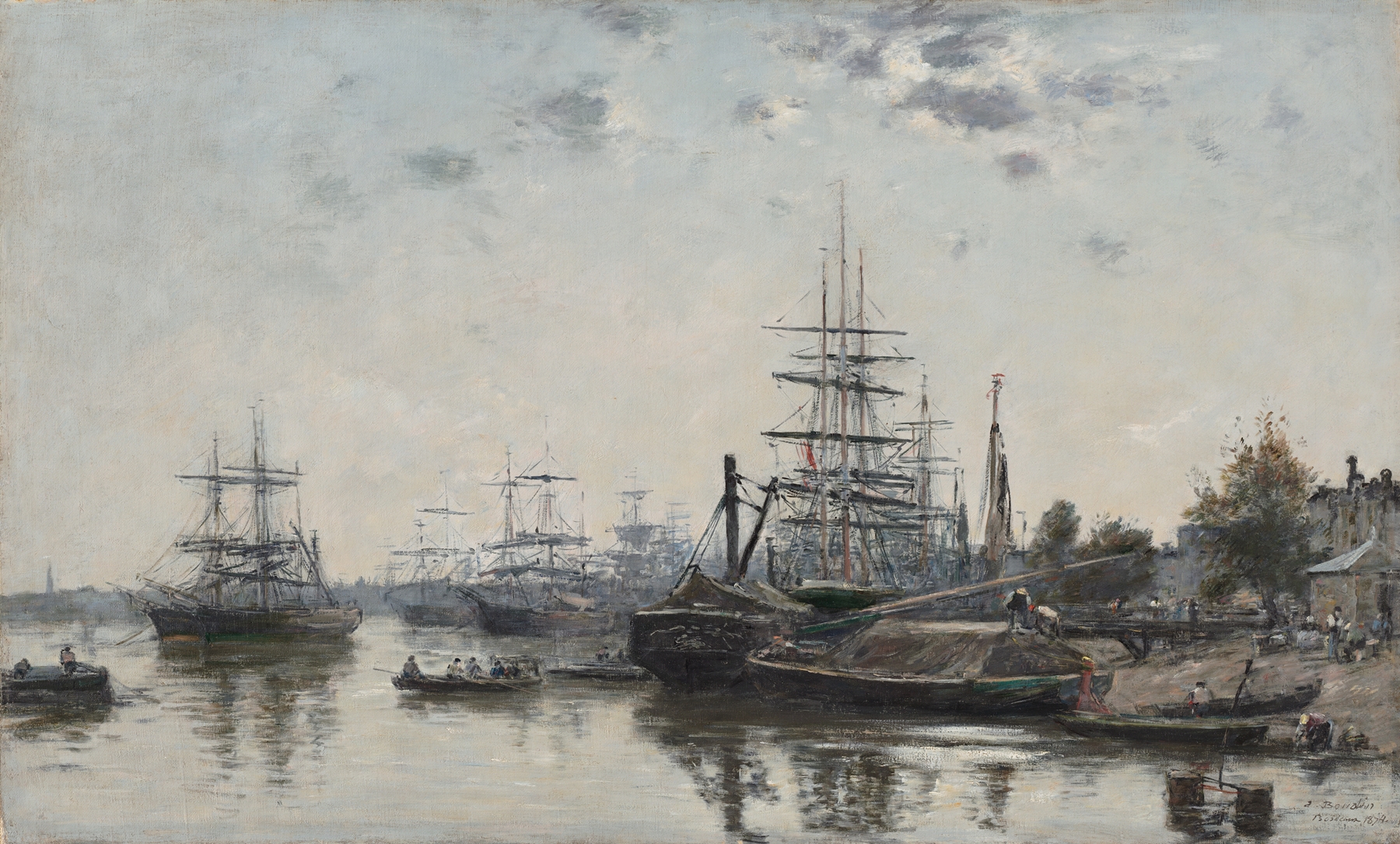
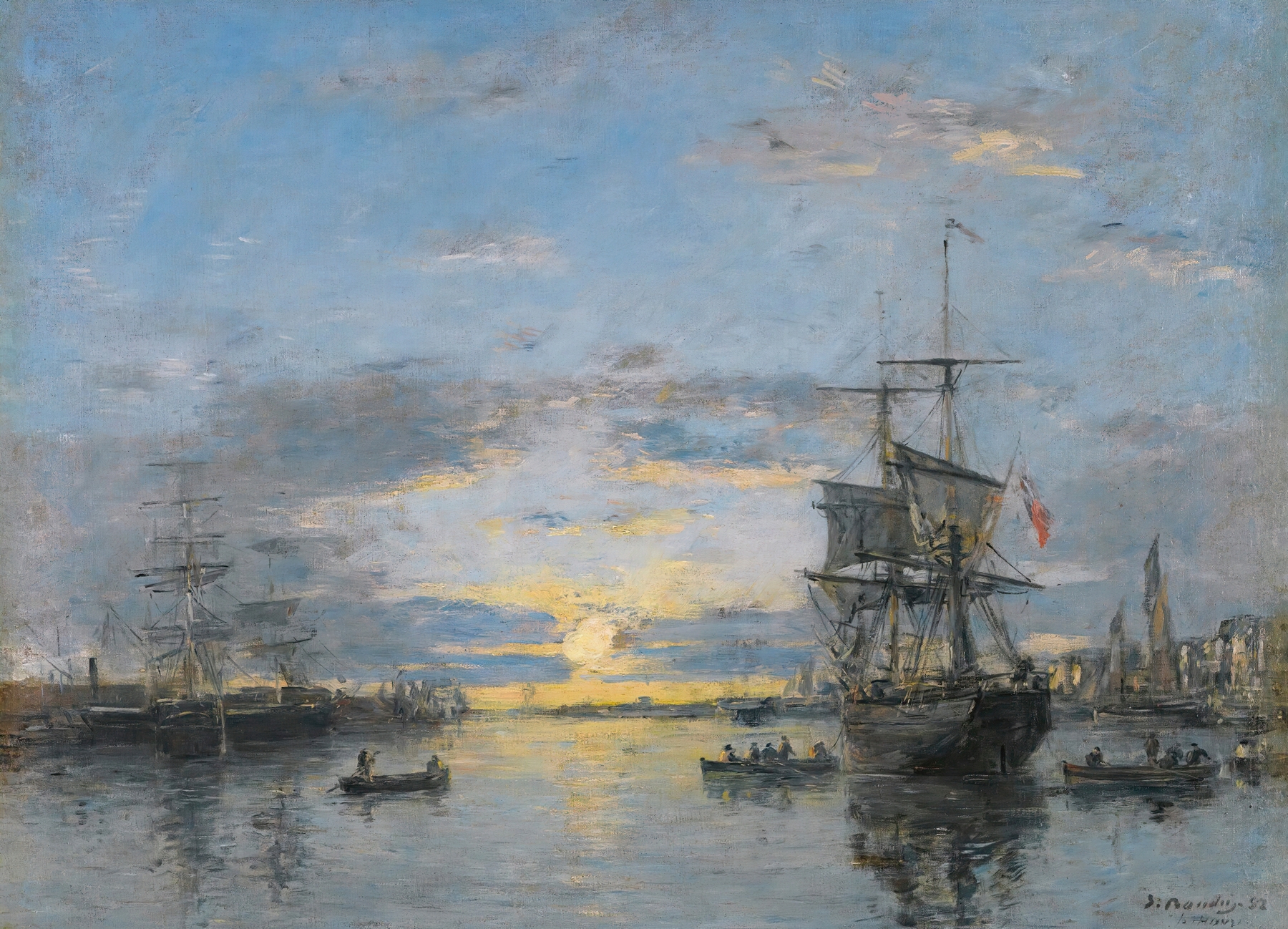
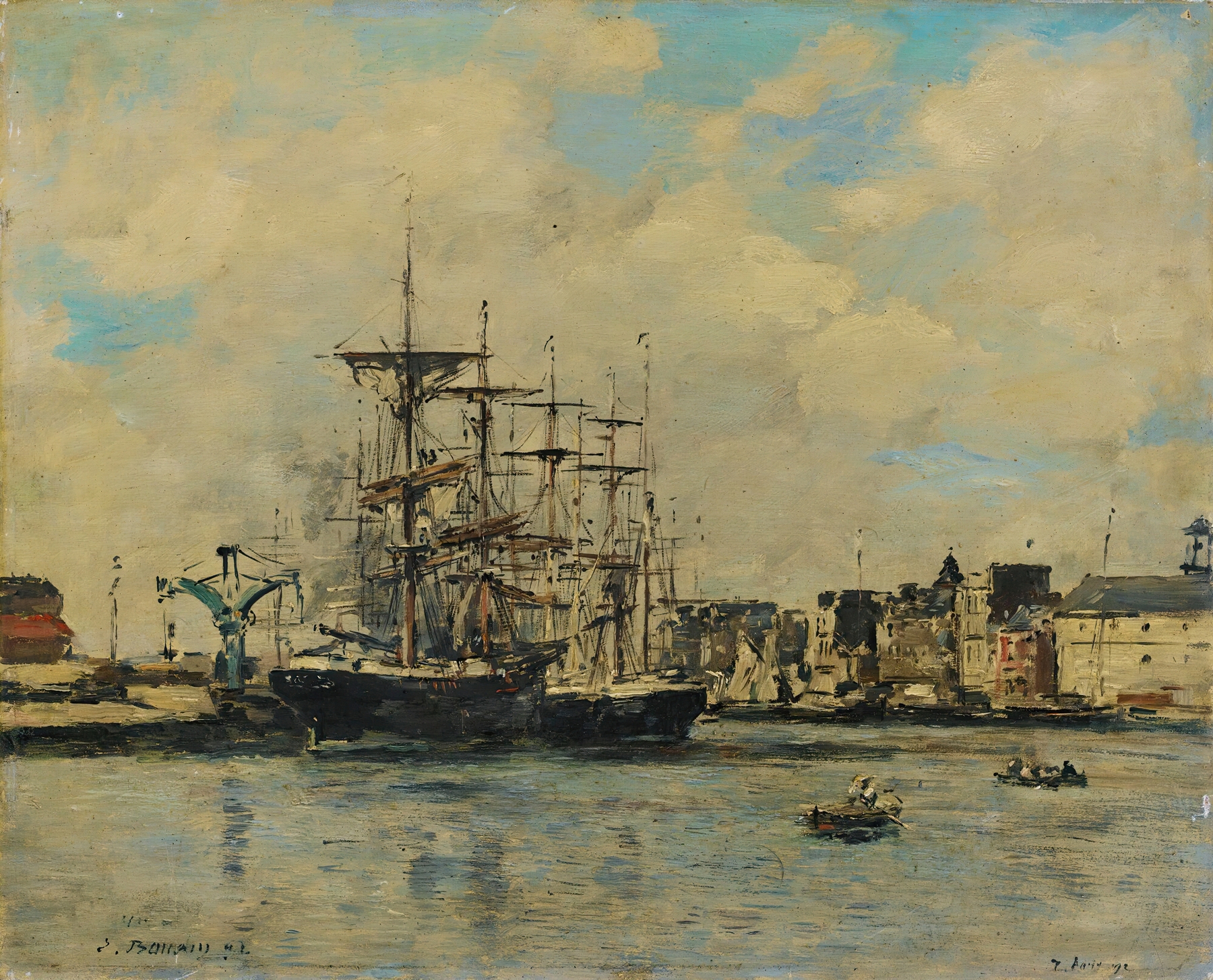
Could a single brushstroke hold eternity? In Le Havre. Bassin De La Barre, the essence of longing is captured within the gentle swell of colors and the delicate interplay of light on water, beckoning the viewer to pause and reflect. Look to the left at the soft hues of the sky, where a palette of blues and grays meets the golden glimmer of sunlight.
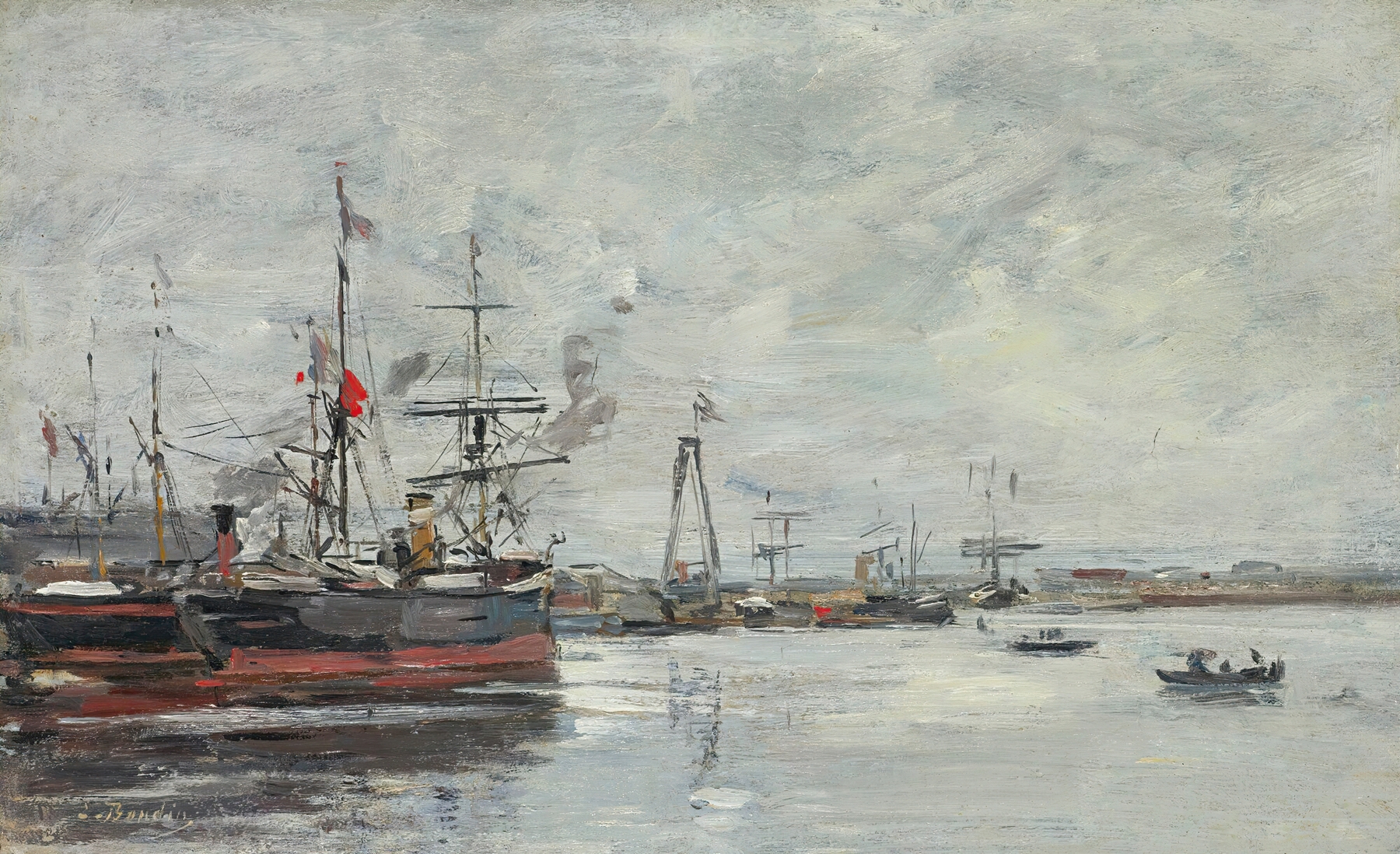
The boats, rendered with a fluid grace, bob lightly on the rippling surface, their reflections merging with the shimmering water. Notice how the brushstrokes vary — some broad and sweeping, others fine and precise — creating a rhythmic dance that guides your eye across the composition, invoking the serene atmosphere of the harbor. As the eye wanders, subtle contrasts emerge: the stillness of the water juxtaposed with the gentle movement of the vessels, each telling a story of transient moments and endless journeys. The warm light spilling onto the scene evokes a feeling of nostalgia, whispering of the lives intertwined within this maritime haven.
There’s a palpable sense of yearning, as if the artist captures not just a location but a fleeting feeling, a longing for connection and exploration. In 1892, Boudin painted this scene in Le Havre, a city deeply linked to his childhood and artistic development. At a time when Impressionism was gaining traction, he was celebrated for his ability to capture light and atmosphere, becoming a bridge between the traditional and the modern. This work reflects his lifelong dedication to the beauty of nature, anchored in personal experience and the broader shifts of the art world.