
L’entrée de l’ancienne forteresse du Grand Châtelet, un jour de Carnaval — History & Facts
Can paint confess what words never could? The silence within the frame screams of revelry and hidden trepidation, inviting us to explore the dual nature of celebration and fear lurking beneath the surface. Focus on the bustling foreground, where masked figures swirl with vibrant costumes, capturing the exuberance of carnival. The artist’s brushstrokes pulsate with energy, drawing your eye to the intricate details of the costumes, each layer of fabric reflecting a kaleidoscope of colors under the soft winter light. Notice how the ancient fortress looms in the background, its stone walls solid and unyielding, contrasting the ephemeral nature of the festivities unfolding below. Hidden meanings emerge in the juxtaposition of the joyous masks and the imposing structure behind them.
The fortress, potentially a symbol of confinement, casts a shadow over the celebration, suggesting that even in moments of joy, a sense of fear lingers in the air. The viewer may sense an underlying tension, as if the laughter masks an anxiety about societal constraints or the unpredictability of fate that the carnival festivities temporarily obscure. Auguste-Sébastien Bénard created this work during a time when the art world was transitioning toward Romanticism, likely influenced by the changing social landscape of early 19th-century France. As he portrayed this vibrant scene, he navigated a society grappling with the tension between tradition and modernity, reflecting on how deeply personal and collective fears could coexist even in moments of apparent joy.
More Artworks by Auguste-Sébastien Bénard

Le Grand Châtelet du XVIIIème siècle.
Auguste-Sébastien Bénard
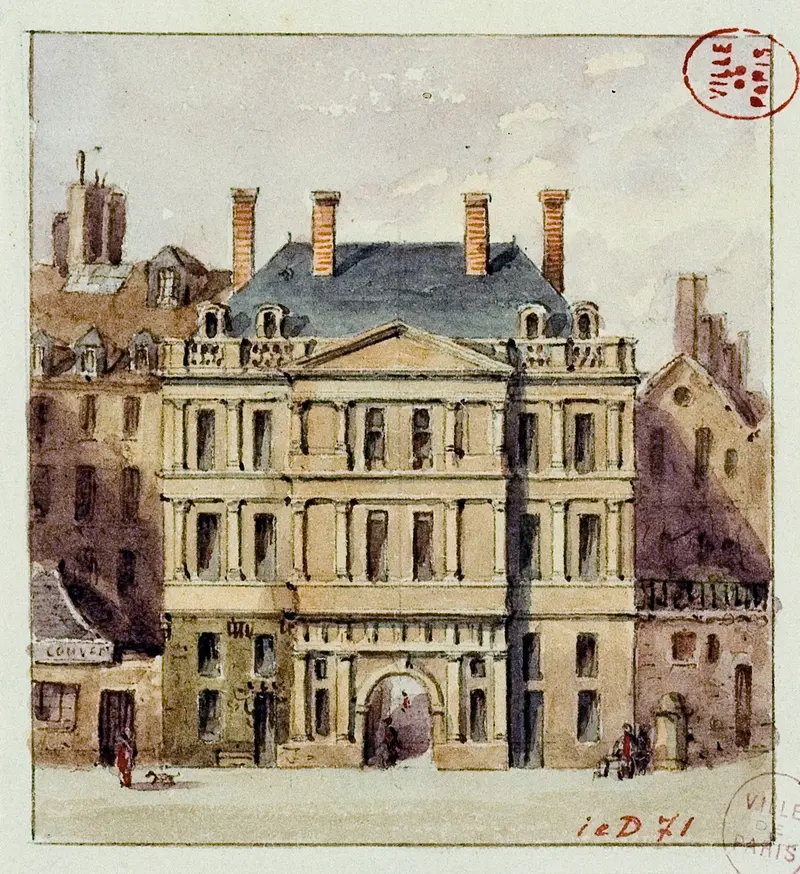
Cour de la Sainte Chapelle.
Auguste-Sébastien Bénard
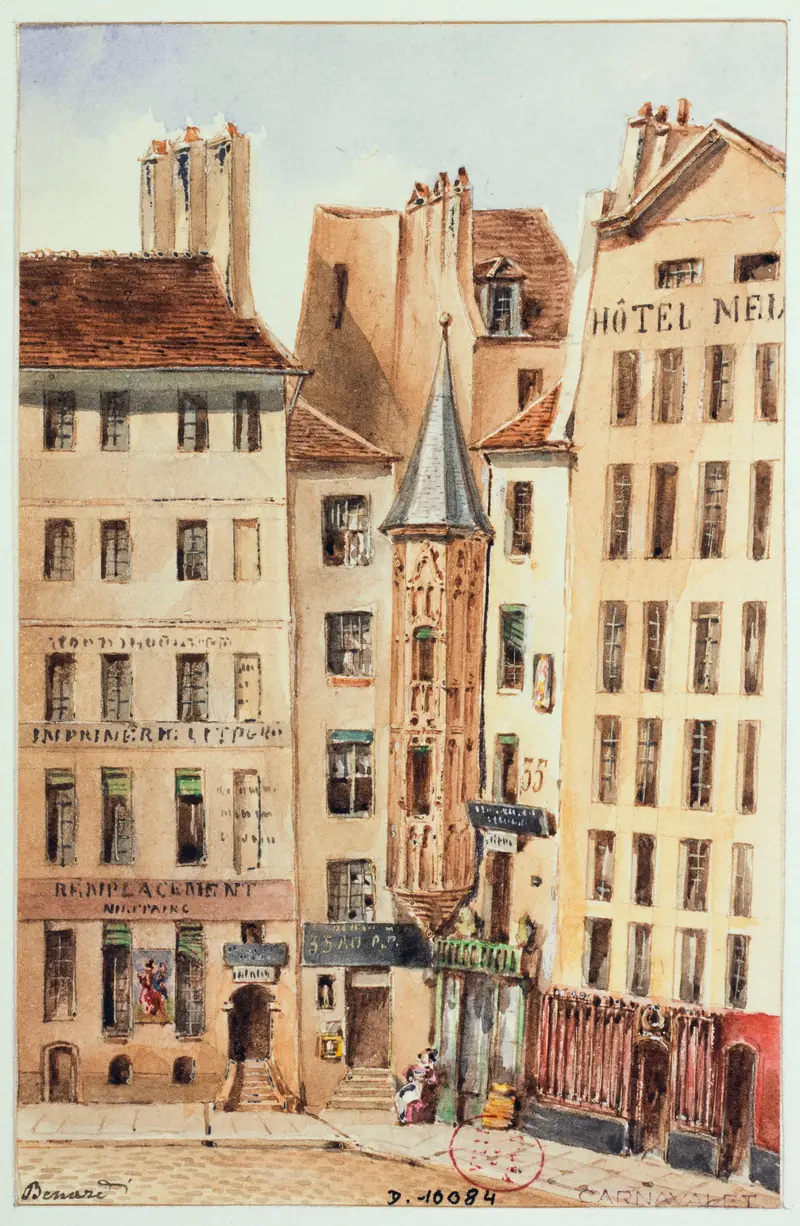
Place de l’Hôtel de Ville.
Auguste-Sébastien Bénard
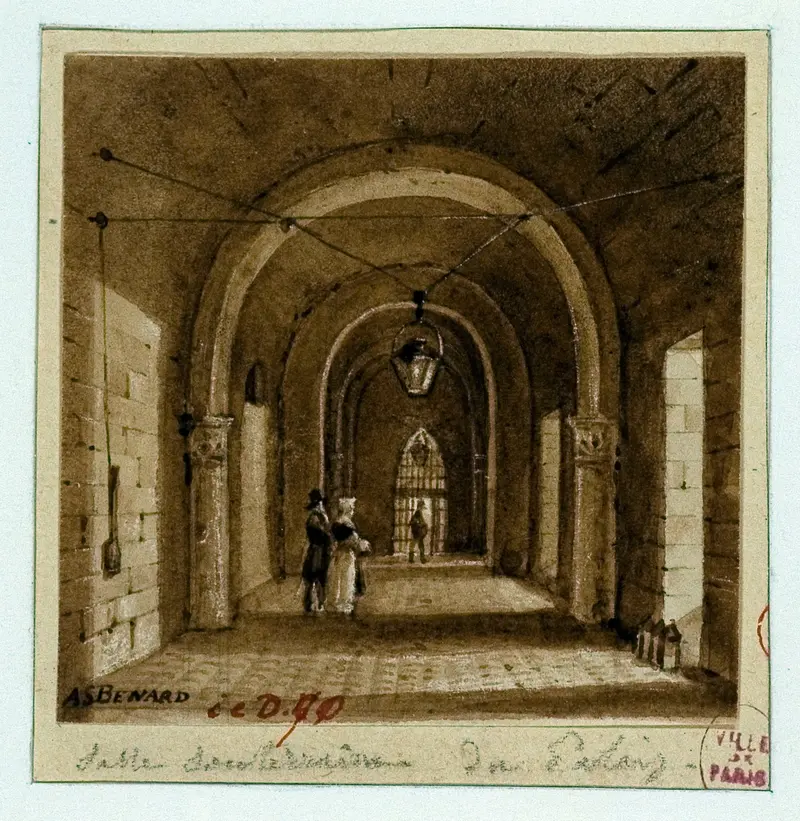
Salle souterraine du Palais de Justice.
Auguste-Sébastien Bénard
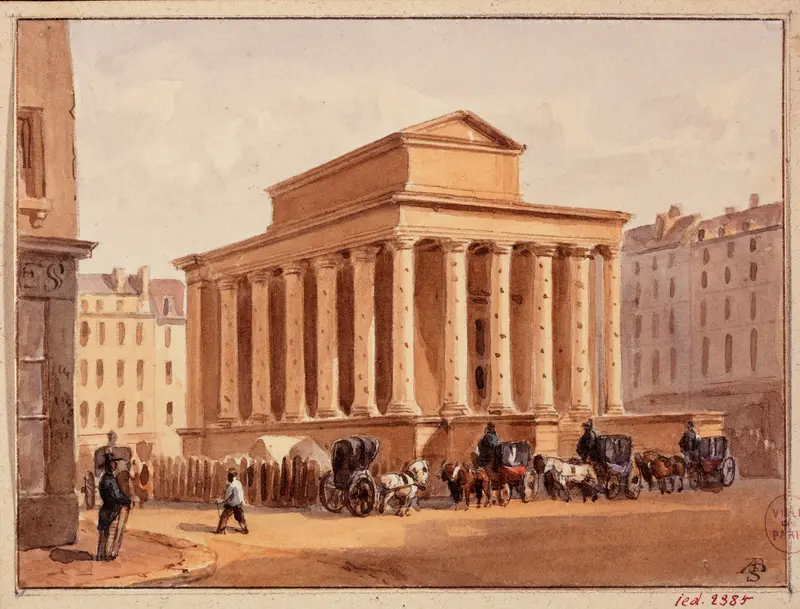
Monument expiatoire élevé à la mémoire du duc de Berry, à l’emplacement de l’ancien Opéra
Auguste-Sébastien Bénard
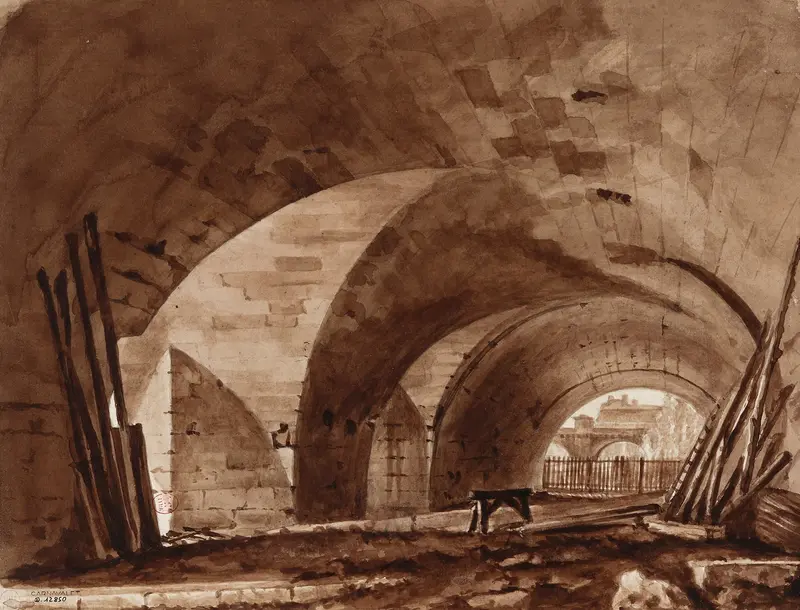
Voûtes du quai de Gesvres
Auguste-Sébastien Bénard
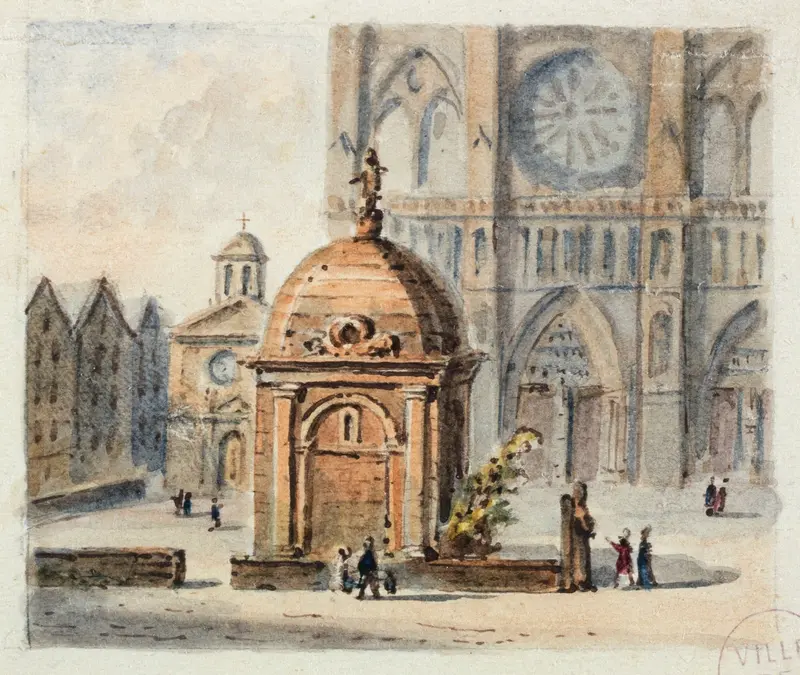
Le parvis de Notre-Dame de Paris
Auguste-Sébastien Bénard
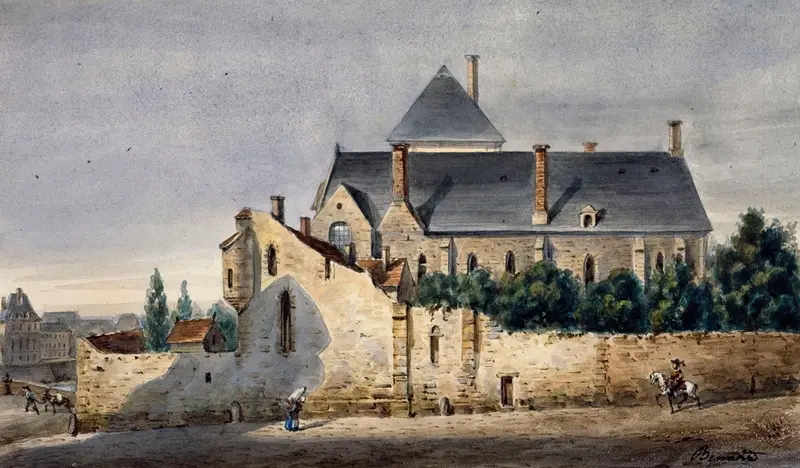
Les restes des bâtiments de l’hôtel du Petit Bourbon.
Auguste-Sébastien Bénard
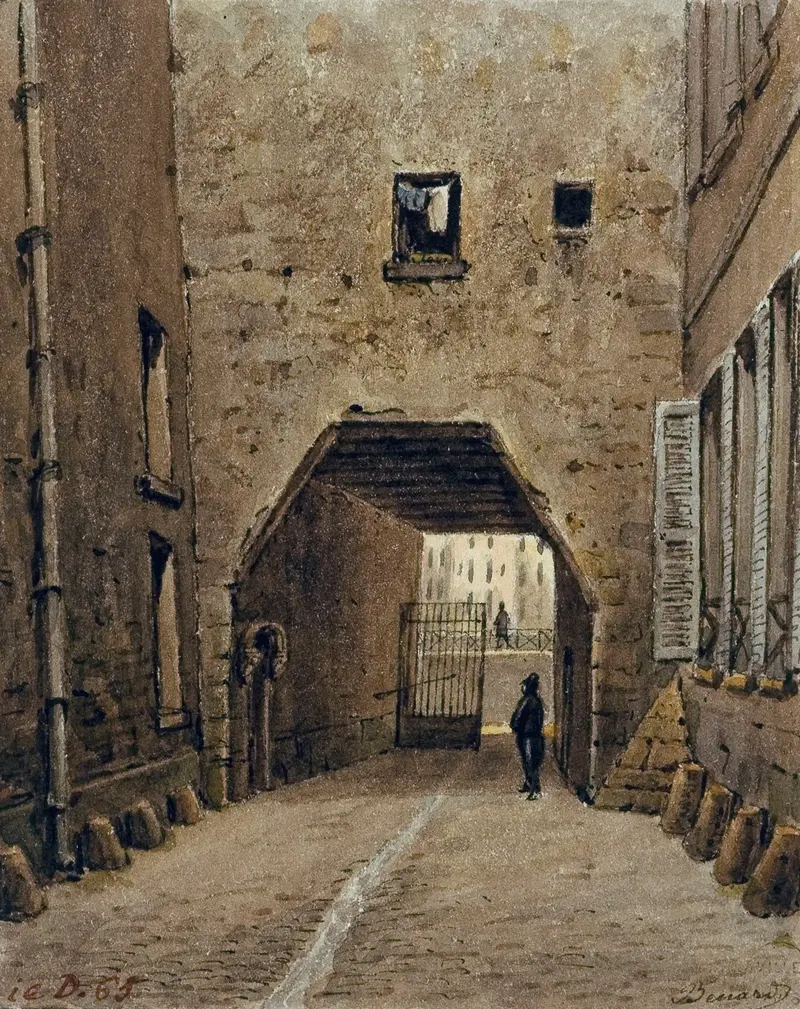
Rue des chantres (entre le quai aux fleurs et la rue Chanoinesse).
Auguste-Sébastien Bénard
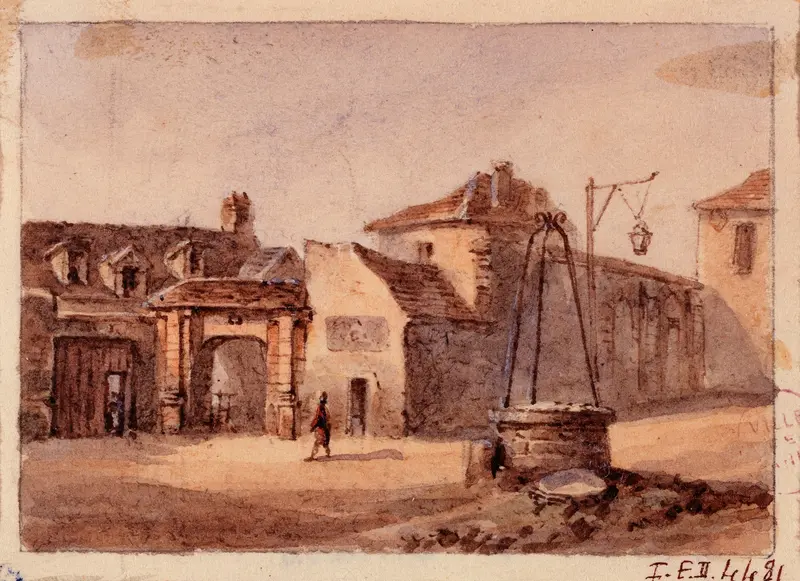
Vue des restes de l’église Saint Martin, place de la collégiale, faubourg Saint Marcel
Auguste-Sébastien Bénard
More Genre Scene Art

Banquet of the Officers of the St George Civic Guard
Frans Hals

Rembrandt and Saskia in the Scene of the Prodigal Son
Rembrandt van Rijn

Bal du moulin de la Galette
Pierre-Auguste Renoir

Quadrille at the Moulin Rouge
Henri de Toulouse-Lautrec

A Burial at Ornans
Gustave Courbet

When Will You Marry?
Paul Gauguin