Place de l’Hôtel de Ville. — History & Analysis
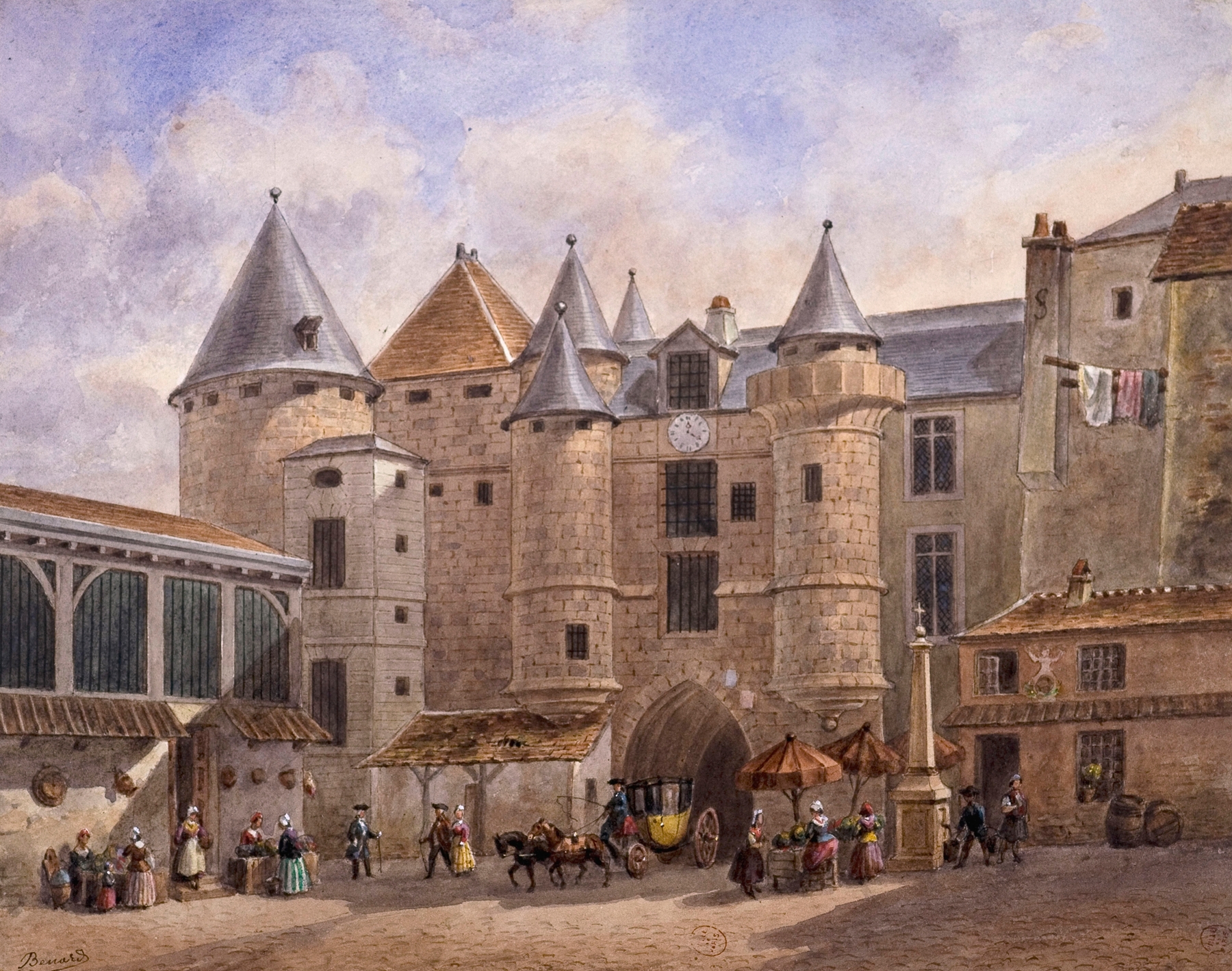
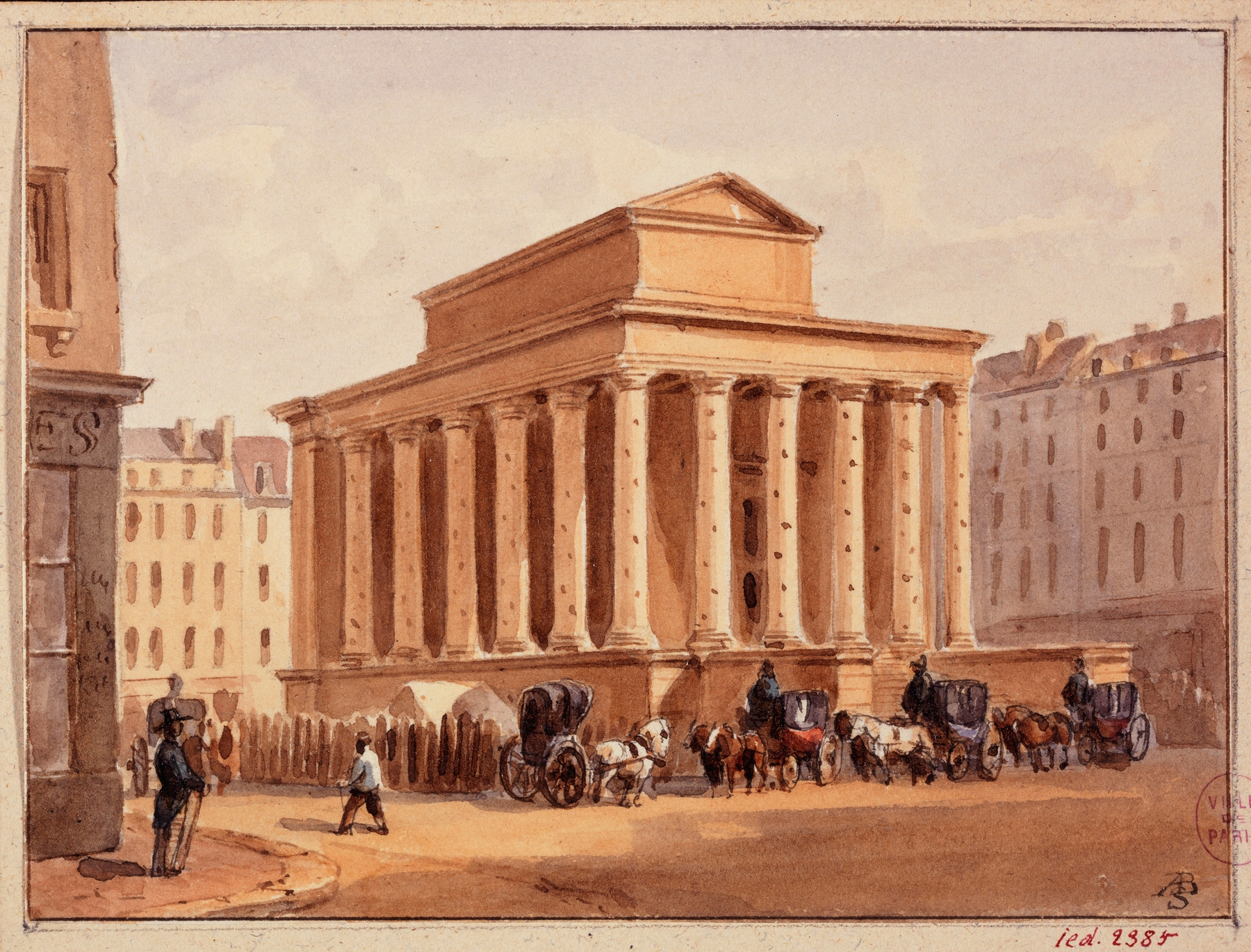
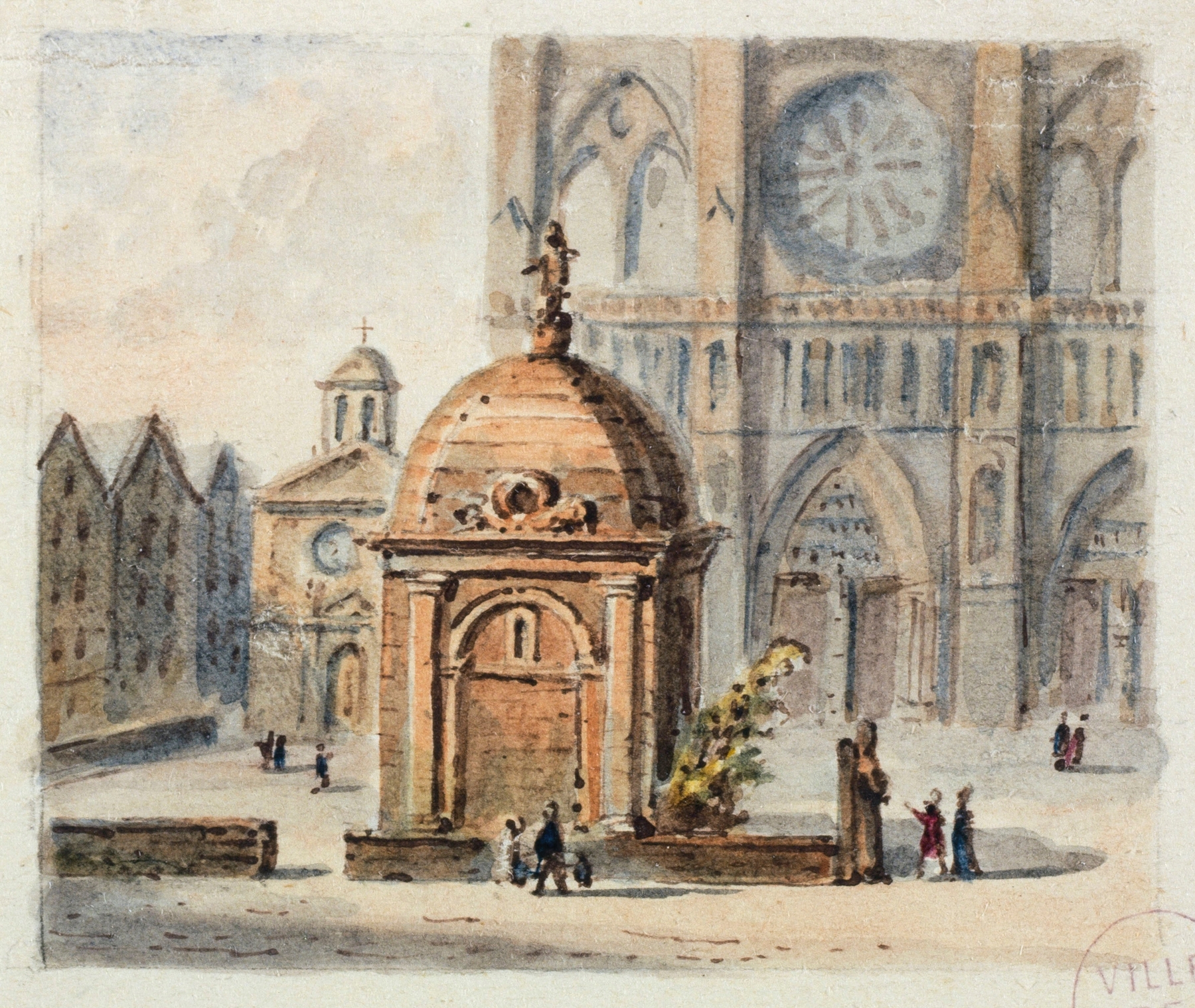
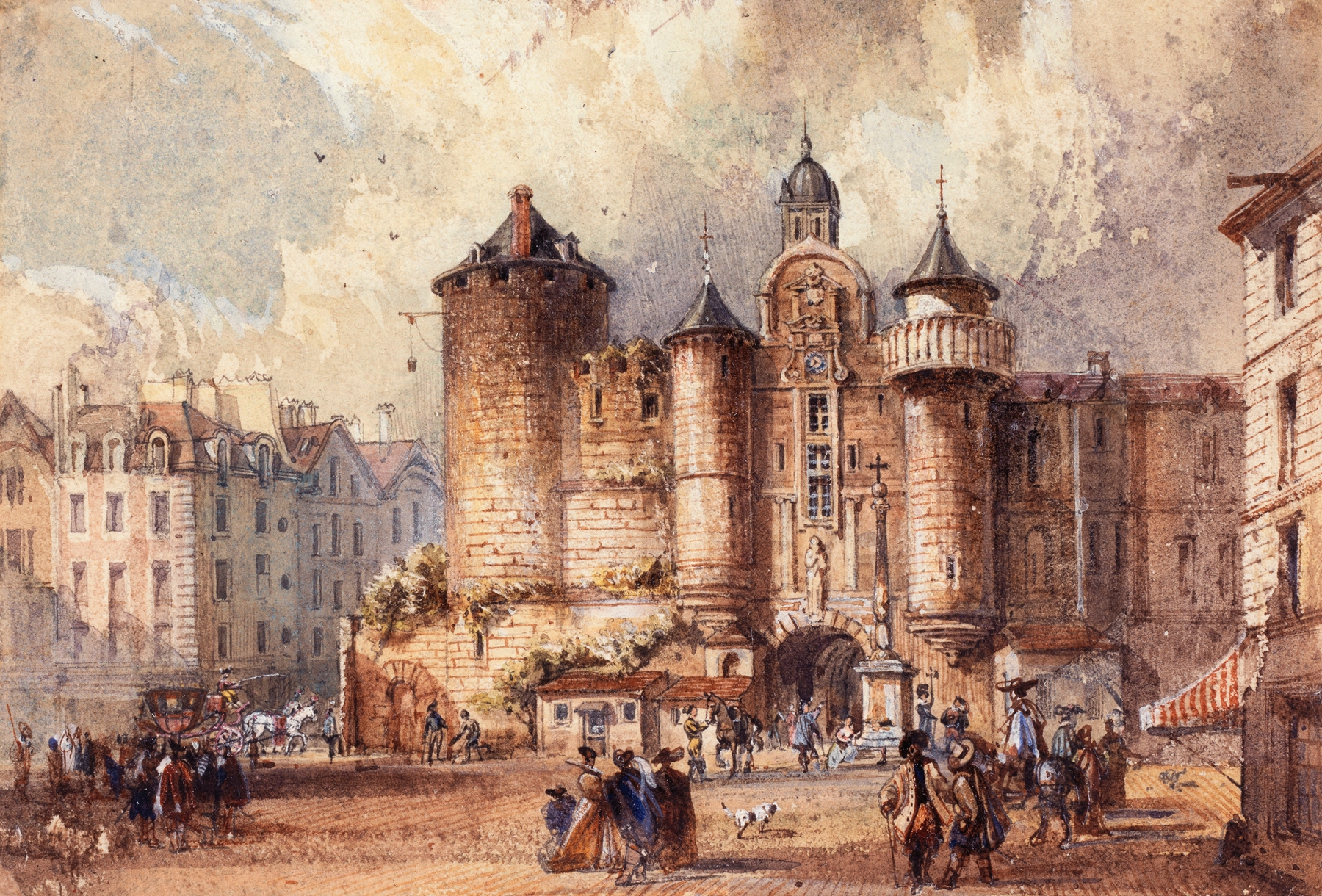
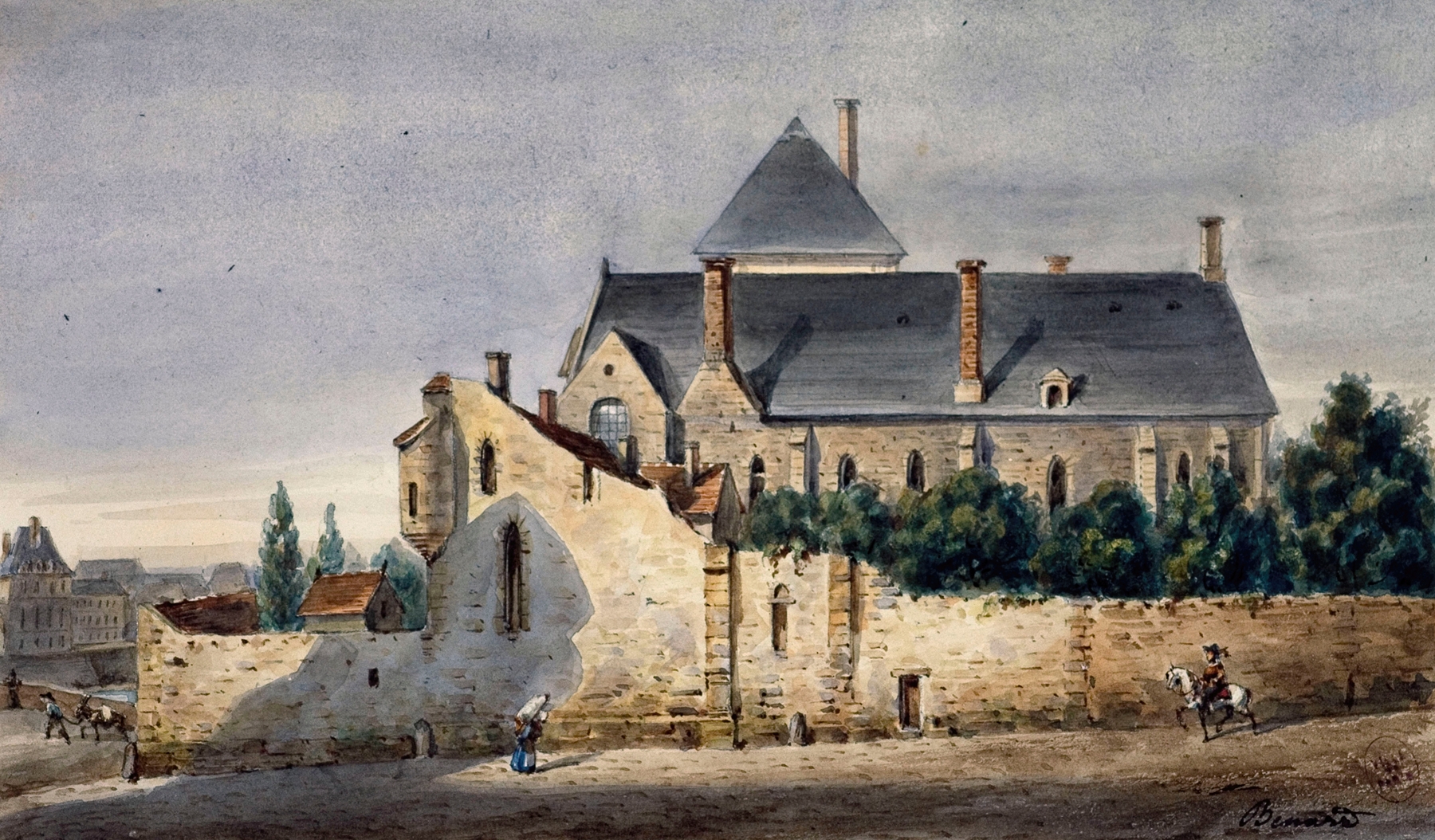
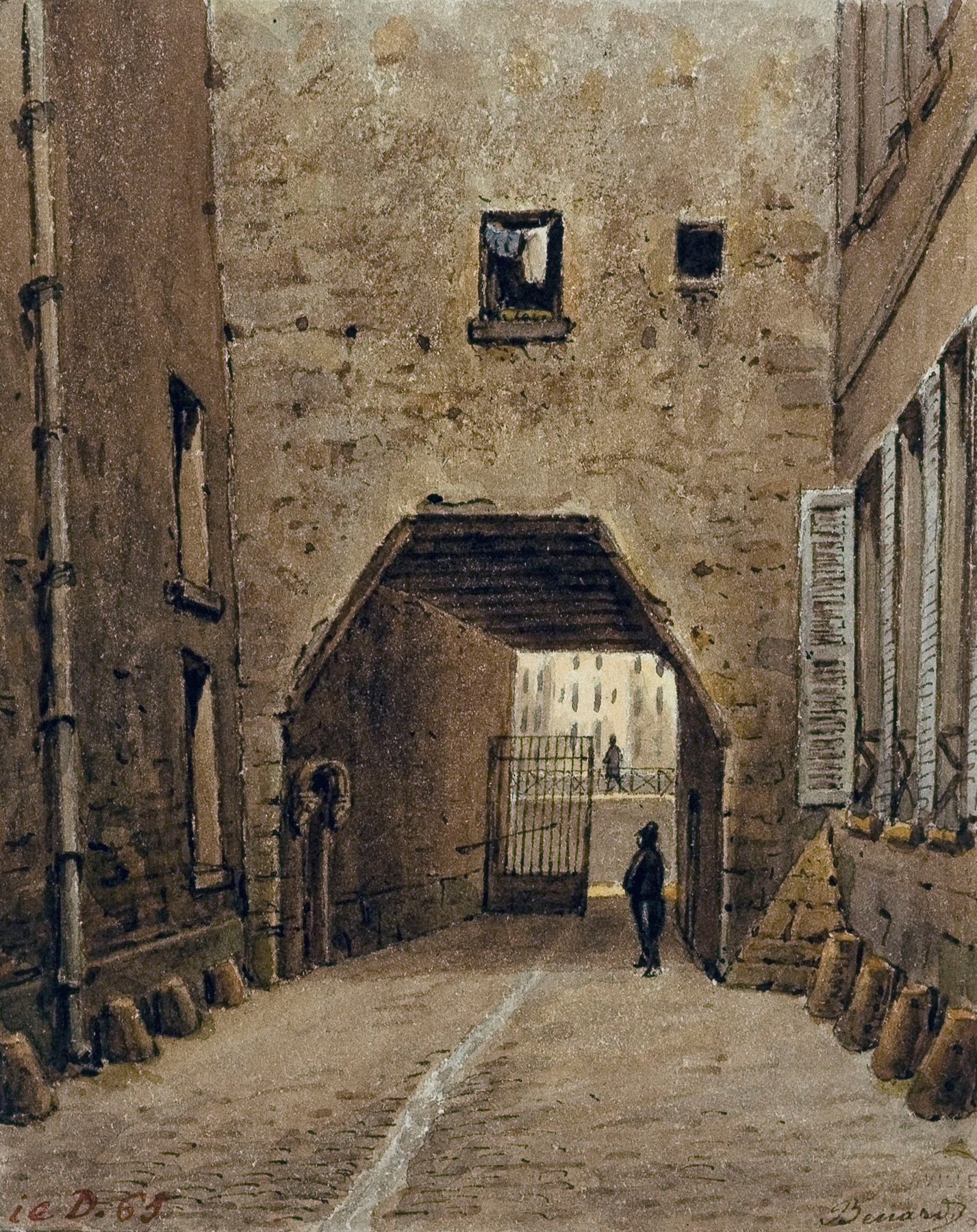
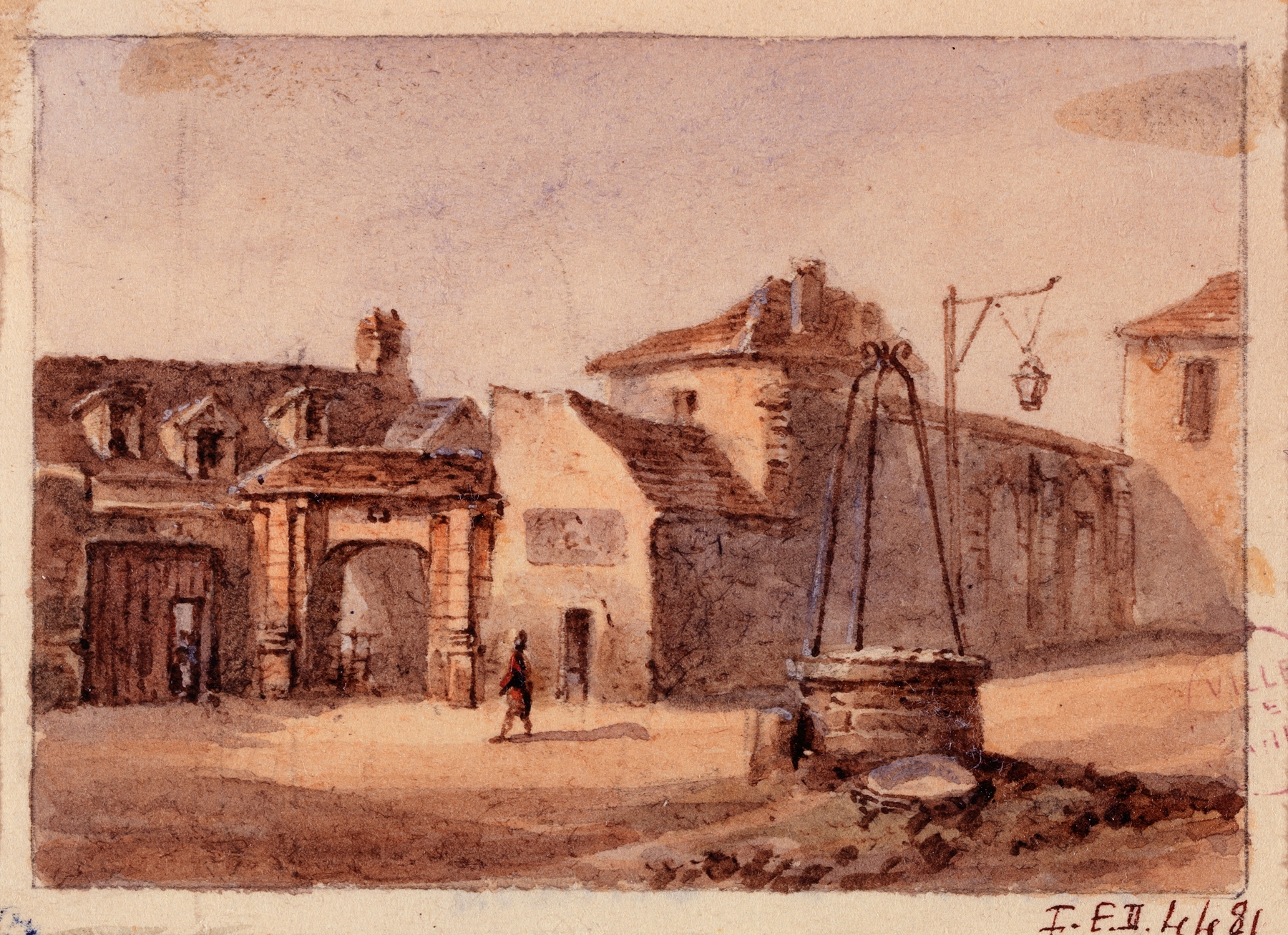
Where does light end, and longing begin? In a moment captured, the interplay of light and shadow conceals the deeper yearnings of the heart within a radiant scene of everyday life. Look to the left at the sun-drenched façade of the Hôtel de Ville, where warm yellows and soft creams blend seamlessly under the gentle caress of daylight. The architectural details emerge with a delicate precision, inviting the viewer to appreciate the intricate carvings and ornate windows.
Notice how the figures meandering through the square, bathed in dappled sunlight, evoke a sense of movement, whispering the stories of their lives amid the stillness of the painted world. Deeper insights reveal a contrast between the vibrancy of life and the stillness of architecture. The lively pedestrians, engrossed in their pursuits, seem to mirror the fleeting nature of beauty. Meanwhile, the towering building stands resolute, hinting at the permanence of history even as the transient moments of existence flow through the scene.
This duality speaks to an innate human longing for connection and stability amidst the ever-changing canvas of life. In 1839, Auguste-Sébastien Bénard captured Place de l’Hôtel de Ville during a time of artistic transition in France. The Romantic movement was gaining momentum, emphasizing emotion and individual experience, which resonated in the works of his contemporaries. As Paris underwent significant urban transformation, this painting became a reflection of both the evolving city and the artist's own exploration of beauty and human experience within that dynamic landscape.