Le Grand Châtelet du XVIIIème siècle. — History & Analysis
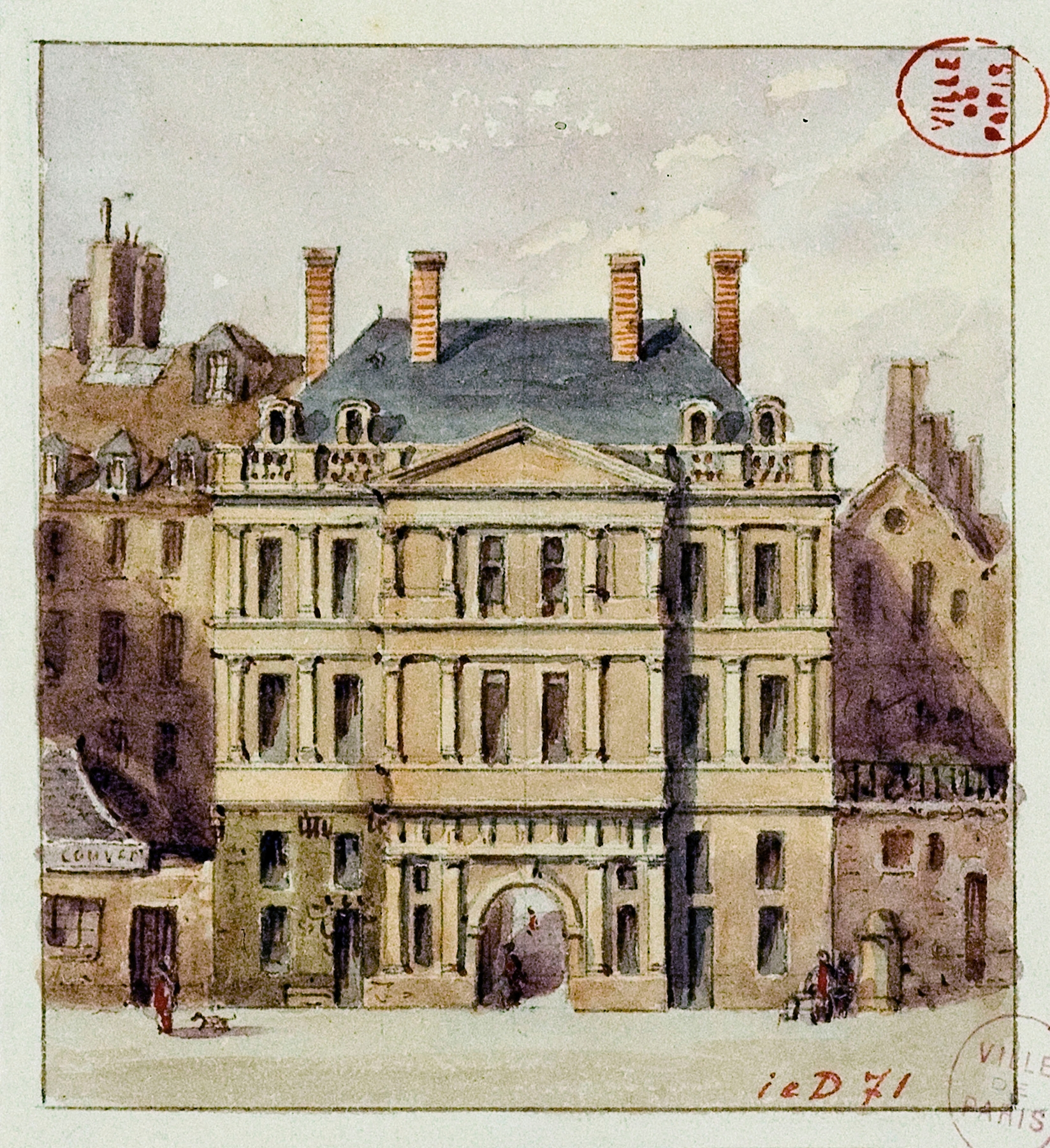
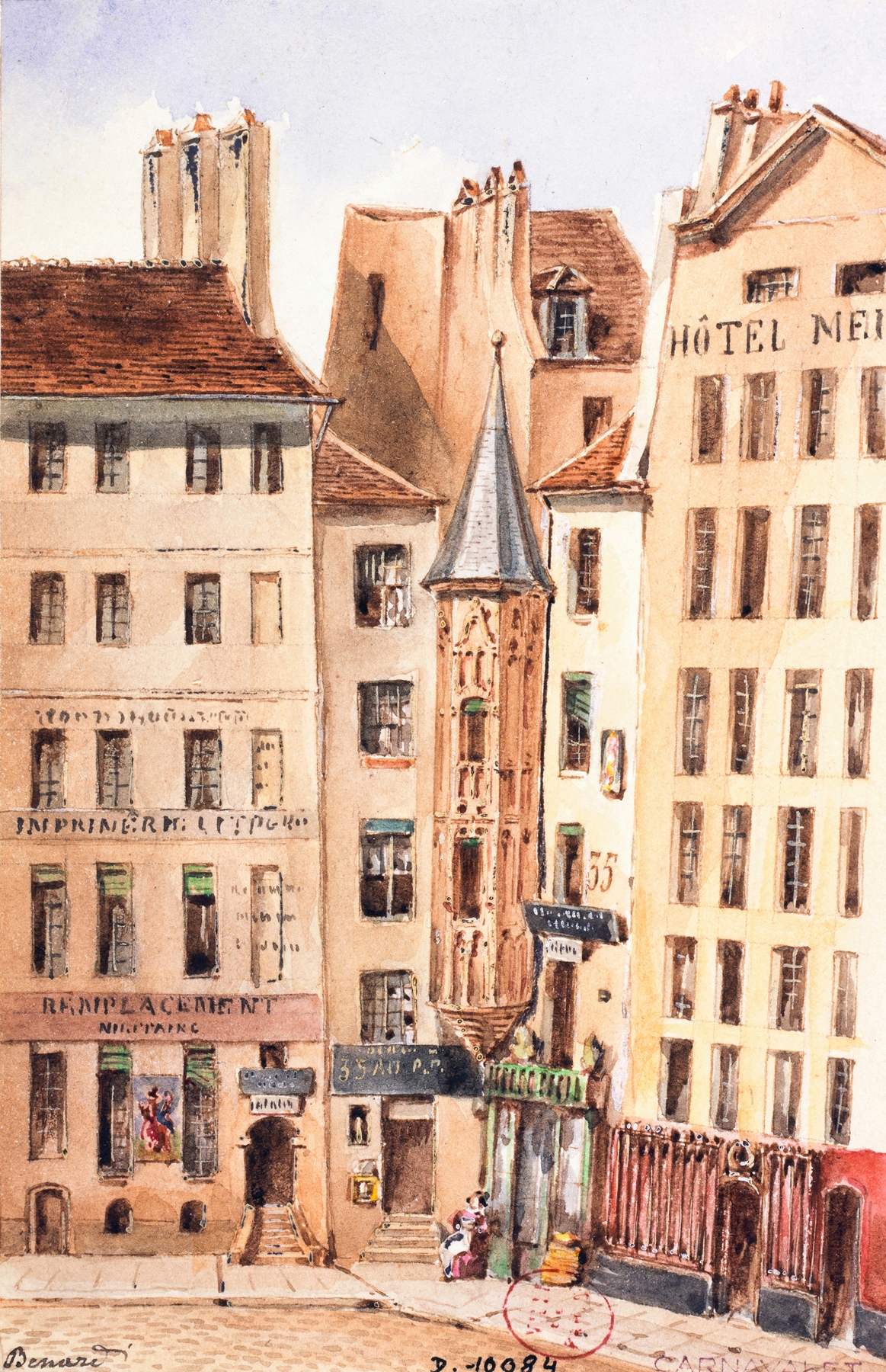
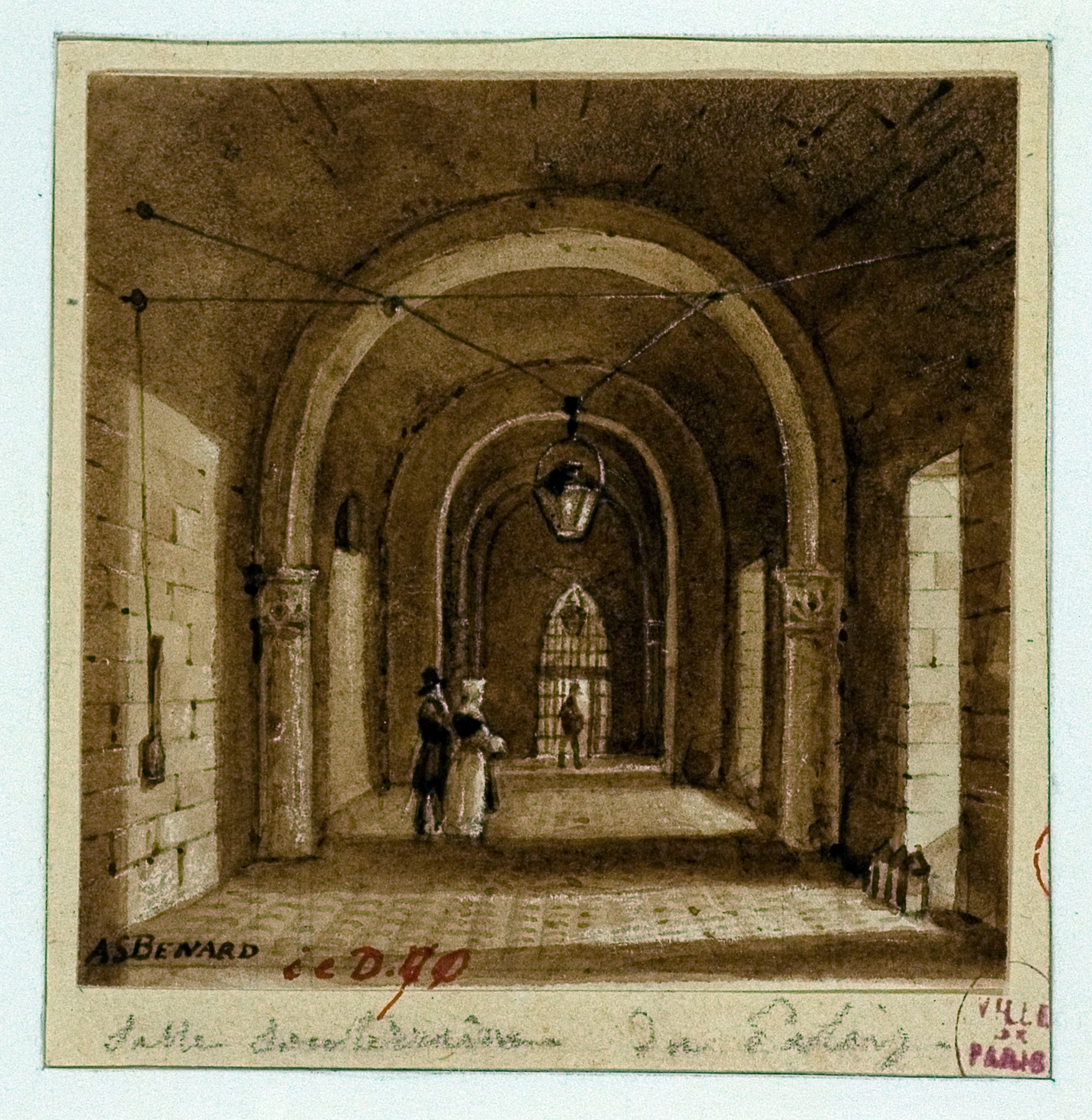
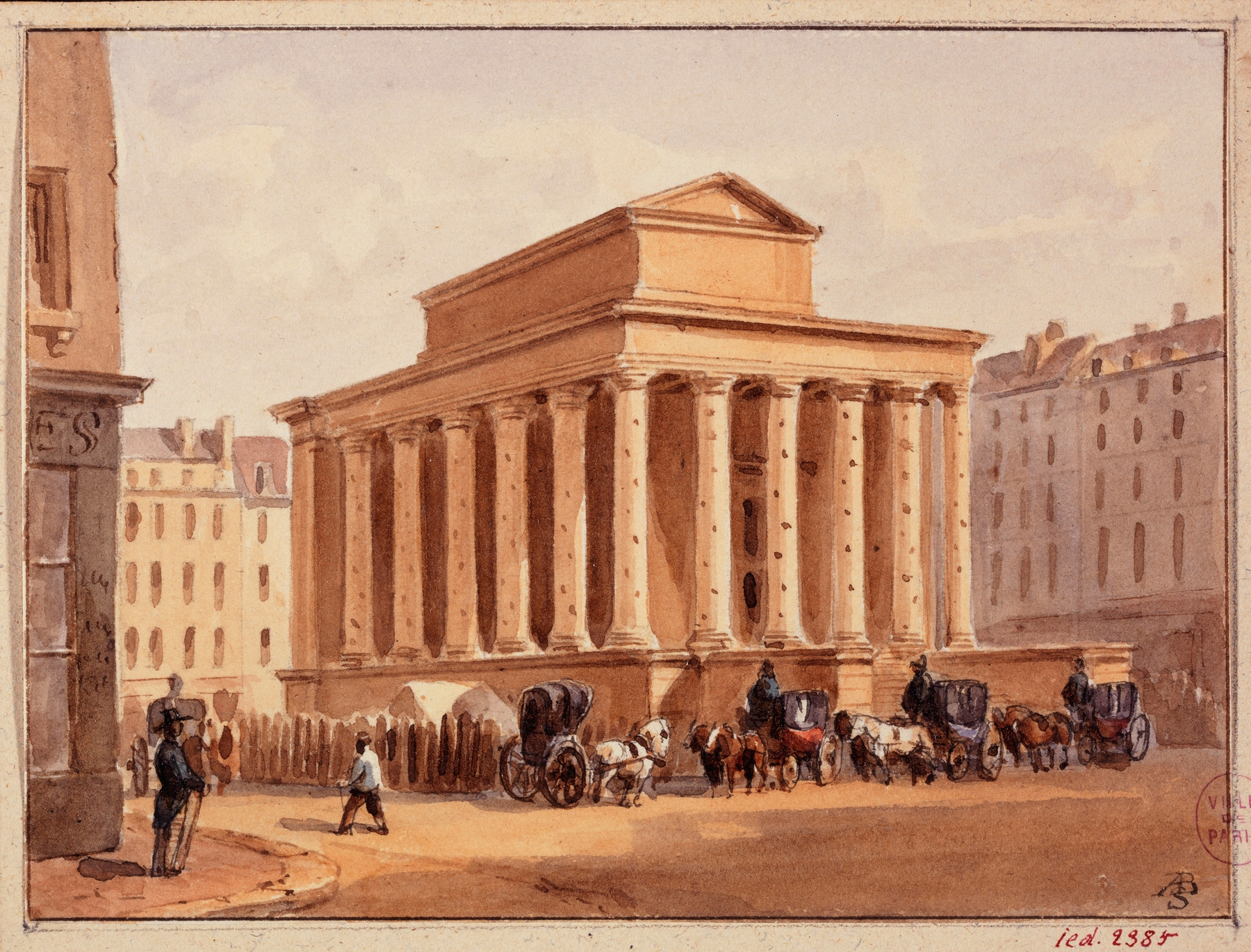
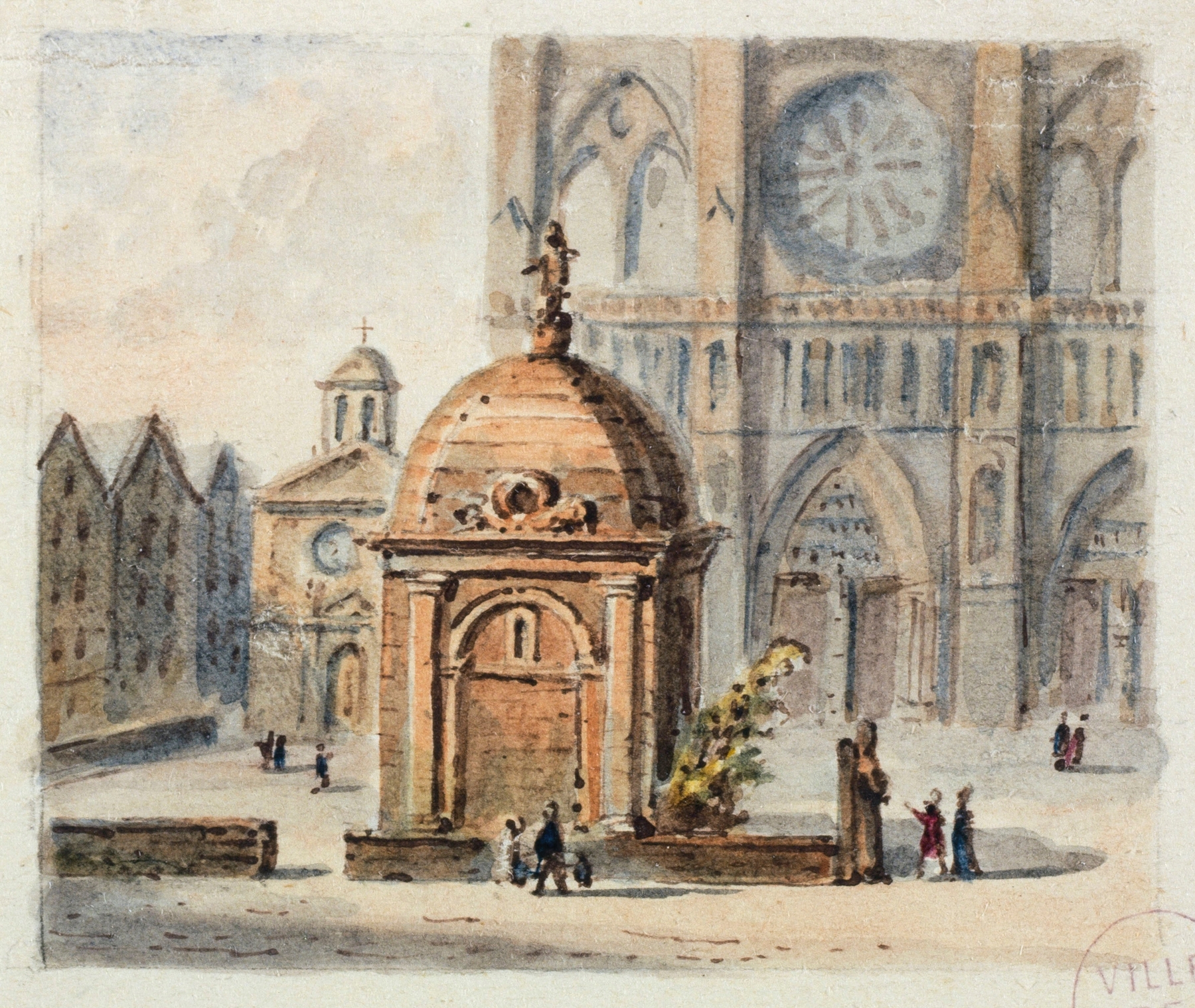
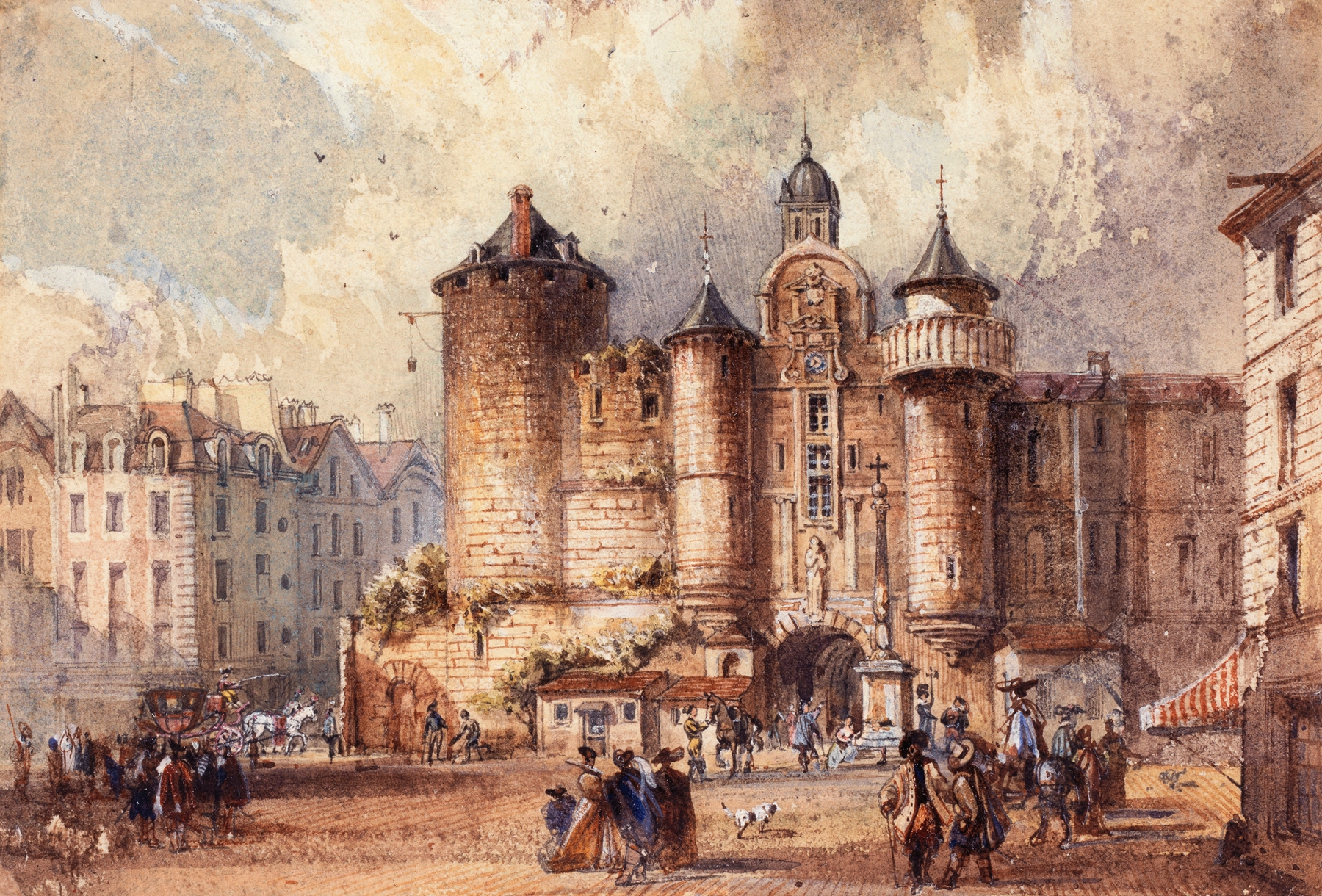
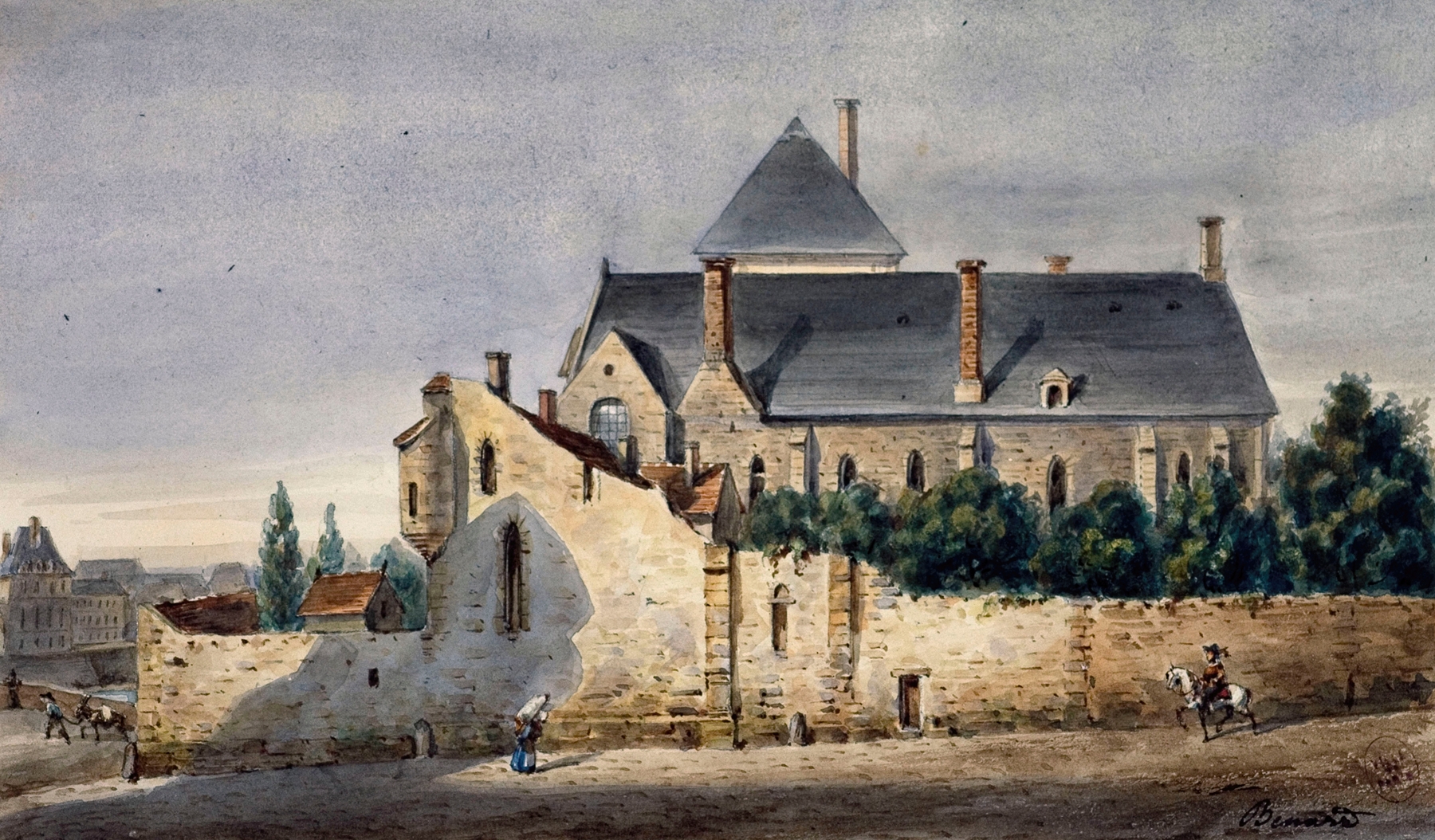
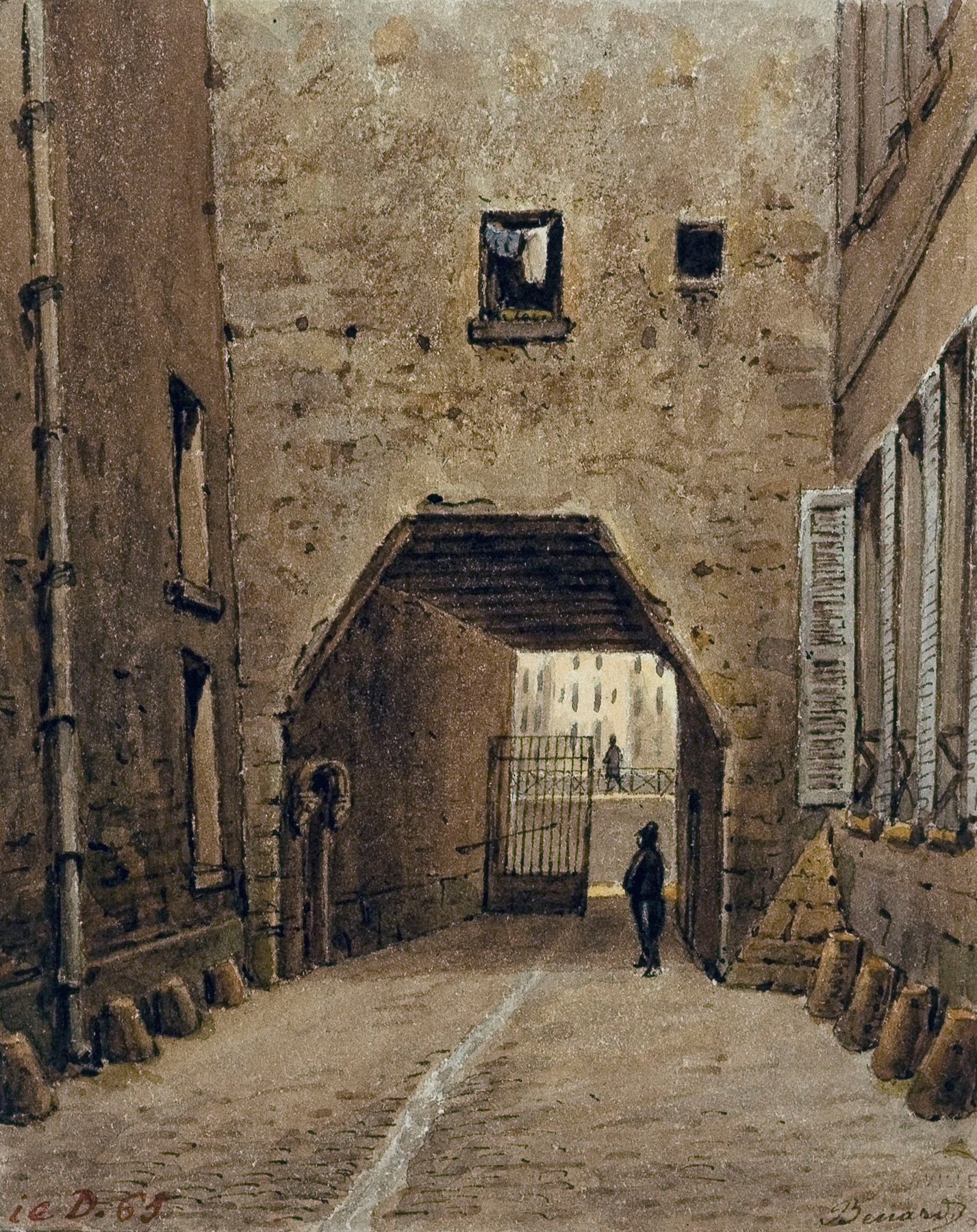
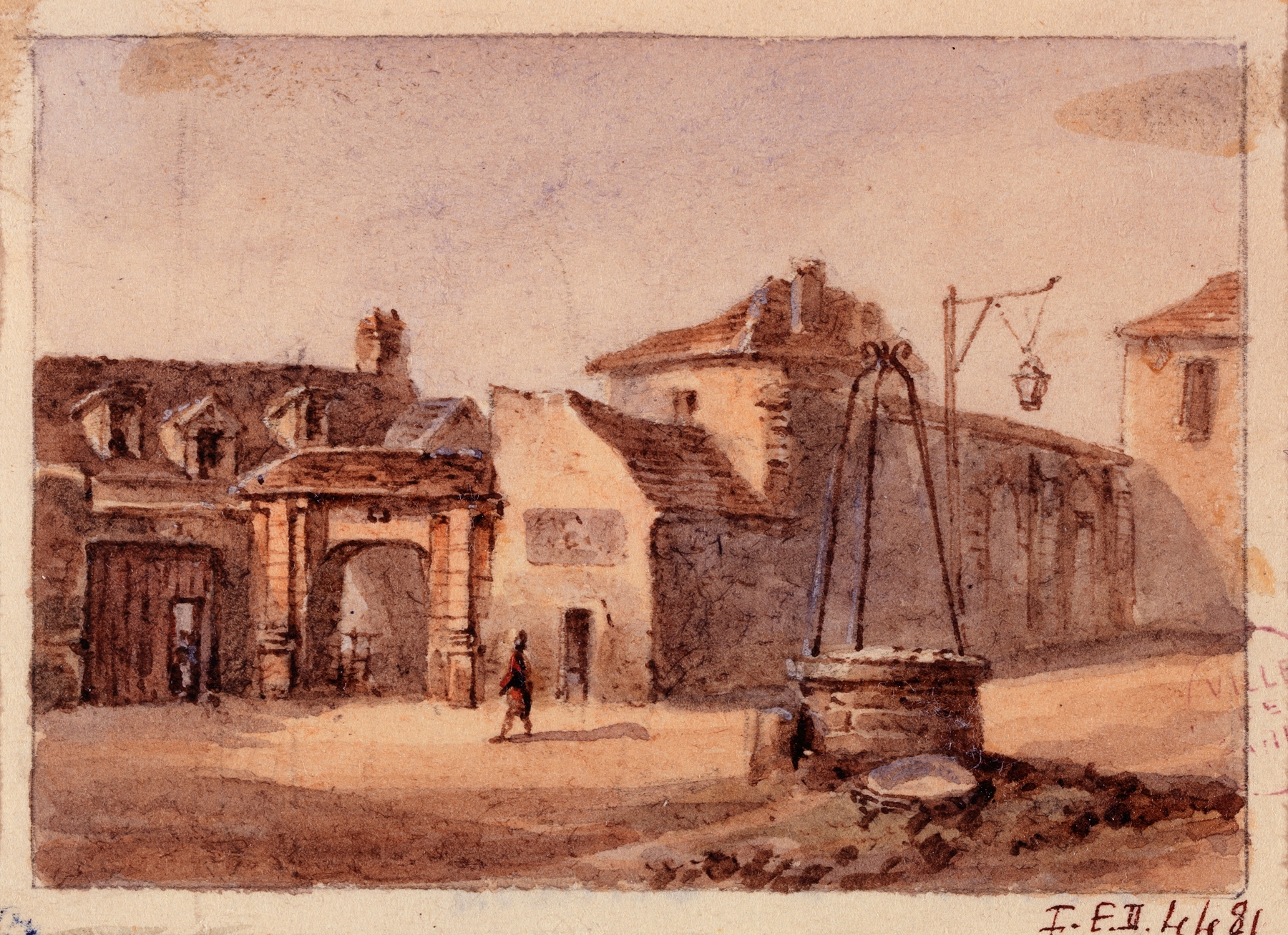
Is this a mirror — or a memory? The lines between past and present blur within this evocative scene, whispering tales of nostalgia and remembrance. Look closely at the foreground, where the architectural details of the Grand Châtelet rise majestically, their intricate carvings inviting the viewer to trace the history etched into stone. Notice how the warm, golden hues of the setting sun bathe the structure, casting elongated shadows that dance across the cobblestones.
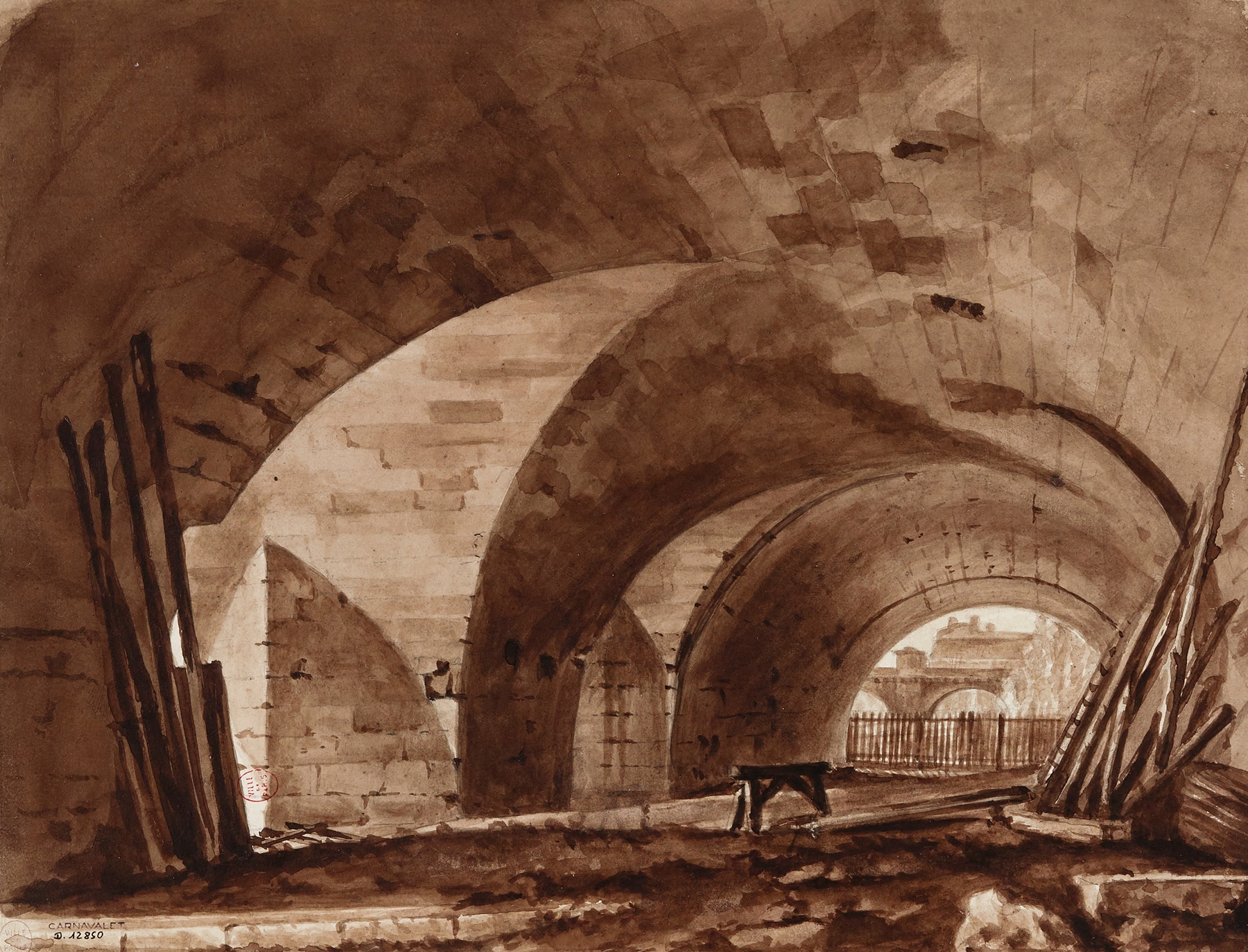
The careful brushwork reveals a sense of depth, while the subtle interplay of light and shadow creates an atmosphere thick with longing. Bénard’s composition speaks volumes about the transience of time. The vibrant colors evoke a sense of warmth and familiarity, while the emptiness of the streets suggests a poignant solitude. Each window, seemingly vacant, holds the weight of countless lives lived within its walls, reflecting a collective memory that echoes through the ages.
The contrast between light and shadow not only enhances the architecture but also symbolizes the duality of history — what remains visible and what fades away. In 1810, Bénard painted this work during a period marked by significant political change in France, following the tumultuous years of the Revolution. He was deeply influenced by the neoclassical movement, which sought to capture the grandeur of the past while grappling with contemporary realities. As he depicted the Grand Châtelet, he was not only celebrating its architectural beauty but also reflecting on the shifting tides of history that shaped both Paris and his own artistic journey.