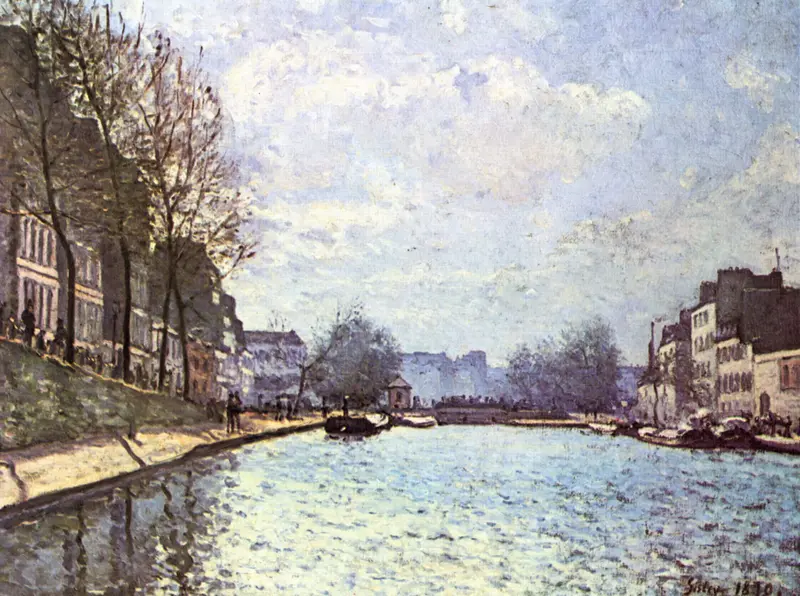
Les restes des bâtiments de l’hôtel du Petit Bourbon. — History & Facts
Where does light end, and longing begin? In the remnants of a once-grand edifice, shadows whisper the secrets of time, revealing the transience of beauty and the permanence of memory. Look to the foreground of Les restes des bâtiments de l’hôtel du Petit Bourbon, where the crumbled stone speaks volumes. The artist skillfully captures the texture of decay through delicate brush strokes, while muted earth tones convey a somber palette. Notice how the light filters through the ruins, casting elongated shadows that crisscross the ground, creating an interplay between illumination and obscurity. Deep within the painting, the contrast between the collapsing structure and the vibrant sky overhead hints at a duality.
The ruins symbolize the inevitable passage of time, while the radiant hues reflect the resilience of hope and revelation. The viewer feels a tension between despair and the promise of renewal, as if the remnants are alive with stories begging to be told, urging us to ponder what once was and what might yet emerge. In 1810, Auguste-Sébastien Bénard created this piece during a transitional period in France, marked by artistic experimentation and reflection on the past. The nation was still grappling with the remnants of the Revolution, and artists were beginning to explore themes of nostalgia and decay as a response to their changing world.
Bénard, immersed in the neoclassical and romantic movements, used this artwork to delve into the complexities of memory and identity within a historical context.
More Artworks by Auguste-Sébastien Bénard

Le Grand Châtelet du XVIIIème siècle.
Auguste-Sébastien Bénard
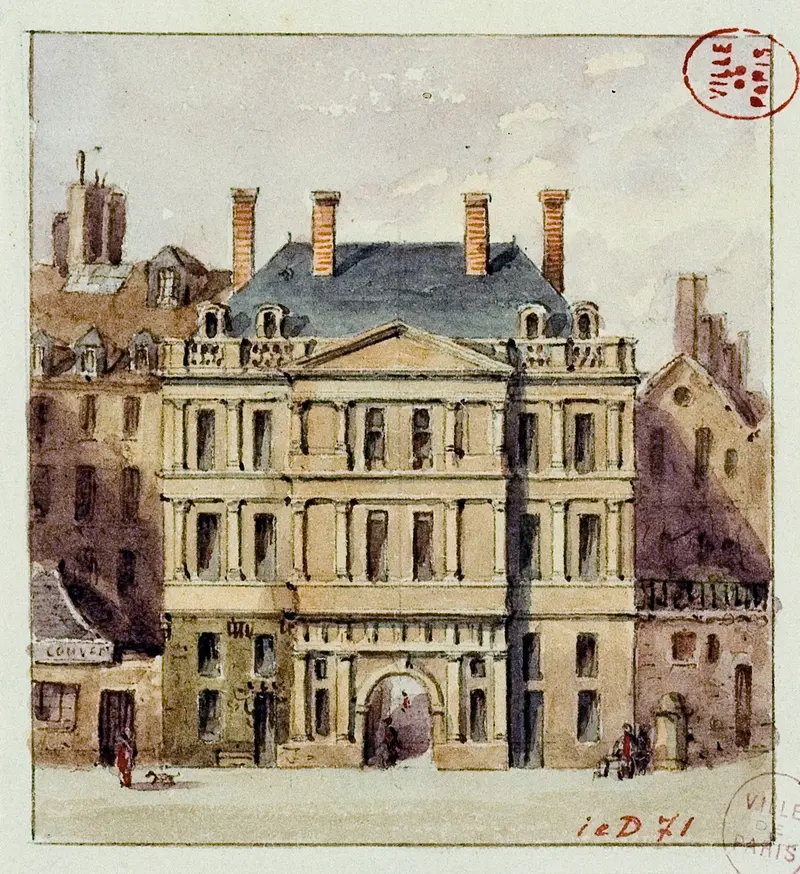
Cour de la Sainte Chapelle.
Auguste-Sébastien Bénard
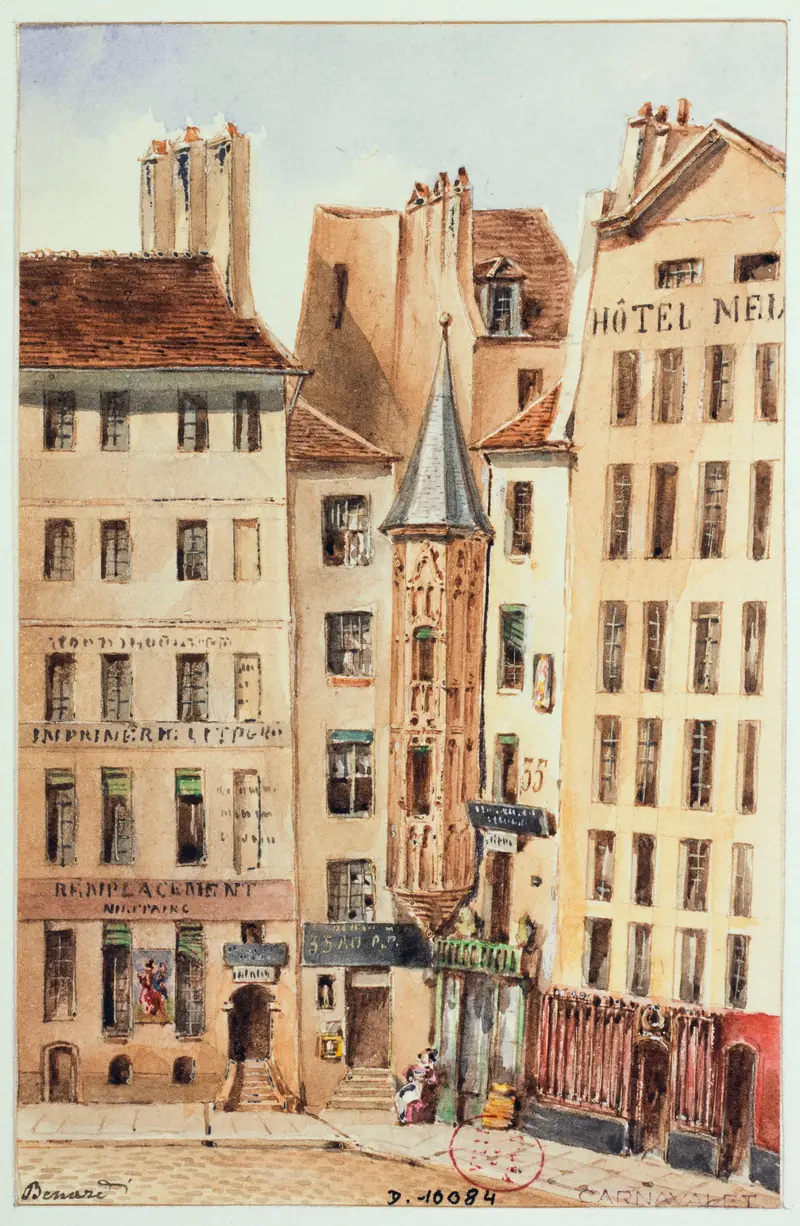
Place de l’Hôtel de Ville.
Auguste-Sébastien Bénard
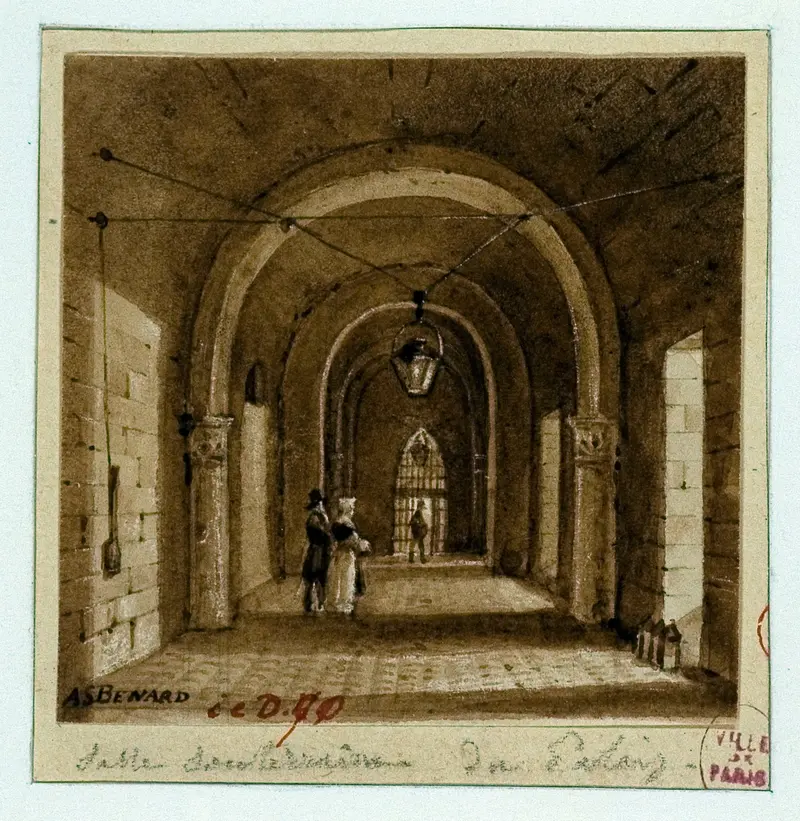
Salle souterraine du Palais de Justice.
Auguste-Sébastien Bénard
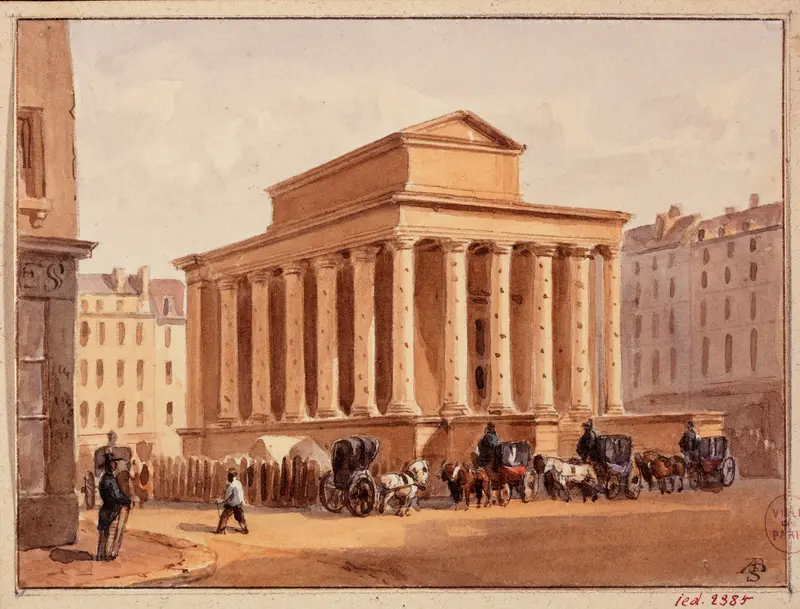
Monument expiatoire élevé à la mémoire du duc de Berry, à l’emplacement de l’ancien Opéra
Auguste-Sébastien Bénard
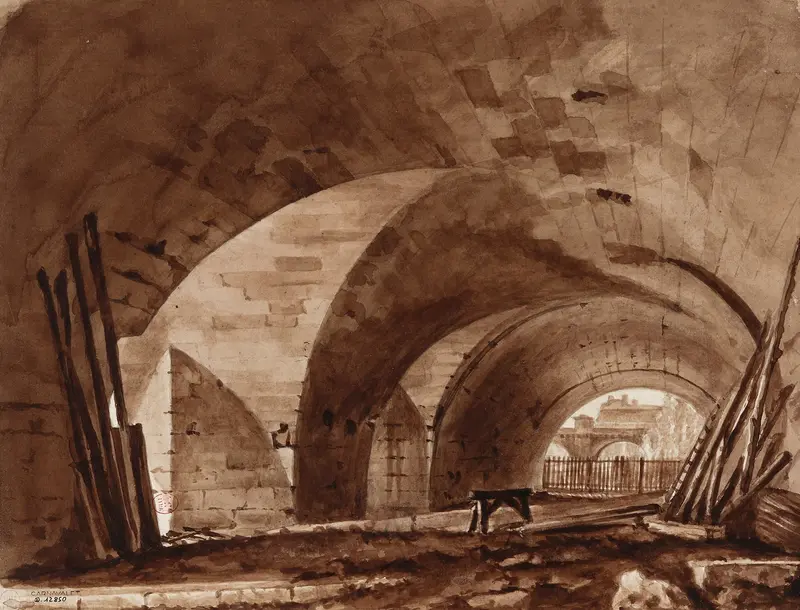
Voûtes du quai de Gesvres
Auguste-Sébastien Bénard
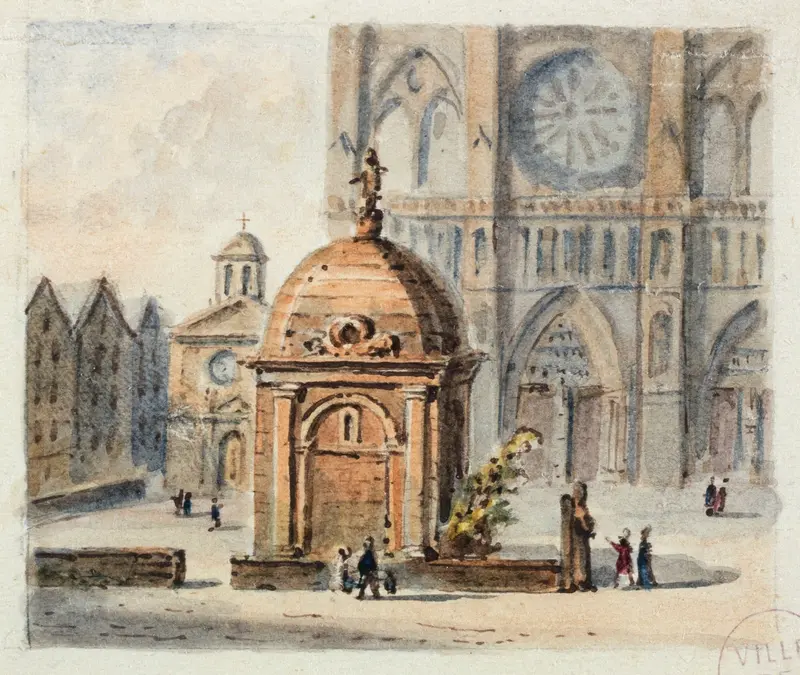
Le parvis de Notre-Dame de Paris
Auguste-Sébastien Bénard
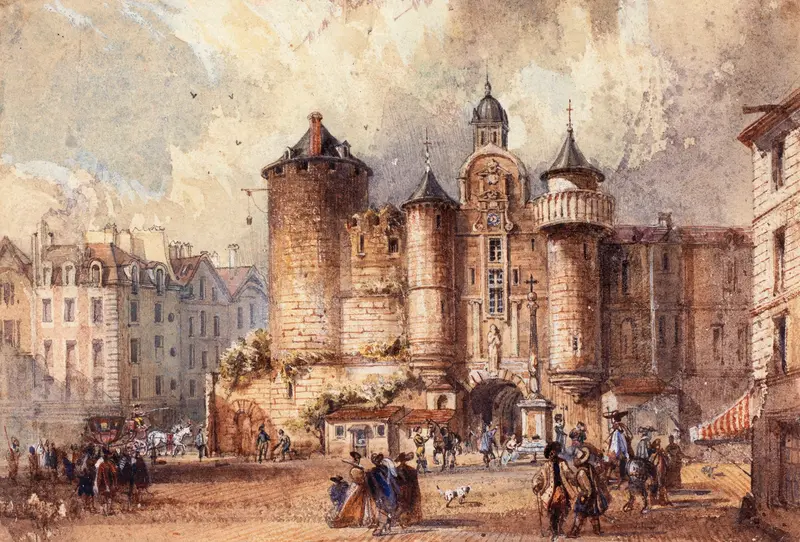
L’entrée de l’ancienne forteresse du Grand Châtelet, un jour de Carnaval
Auguste-Sébastien Bénard
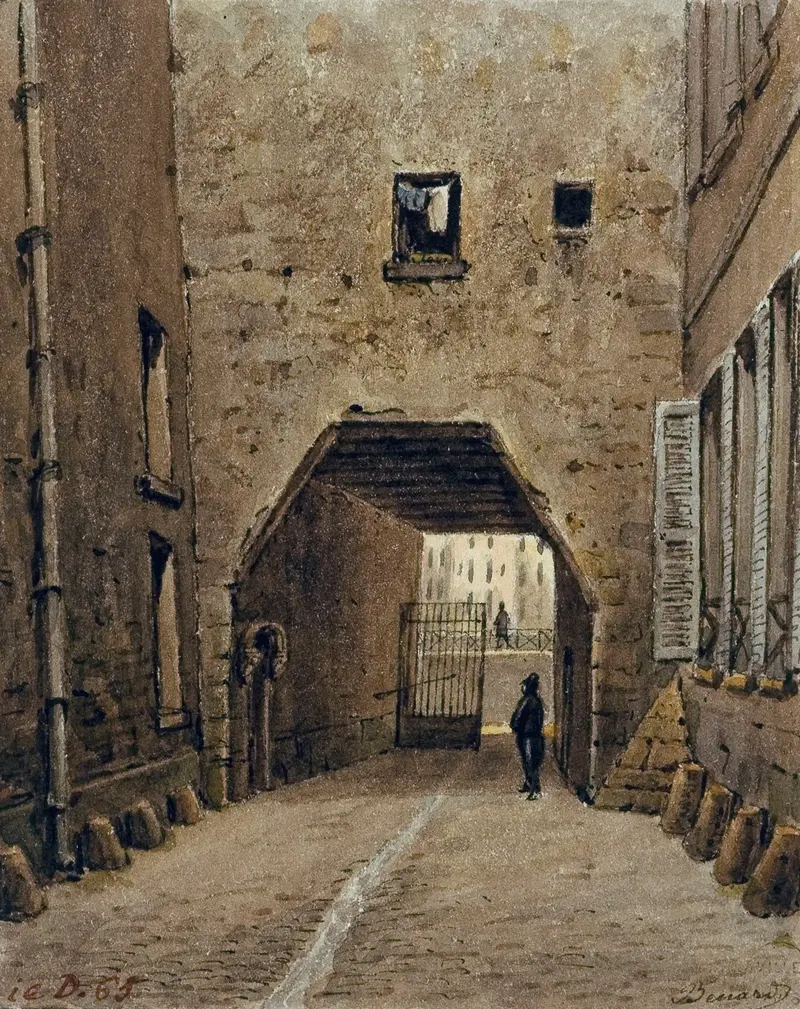
Rue des chantres (entre le quai aux fleurs et la rue Chanoinesse).
Auguste-Sébastien Bénard
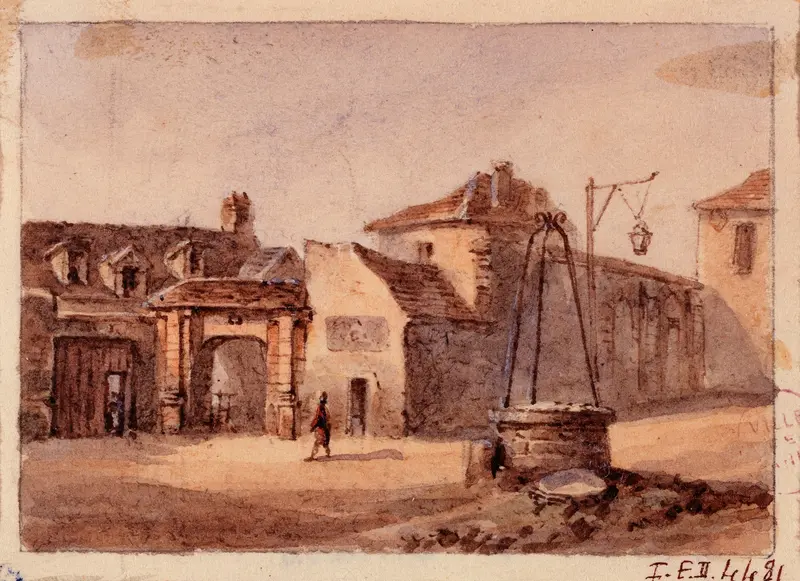
Vue des restes de l’église Saint Martin, place de la collégiale, faubourg Saint Marcel
Auguste-Sébastien Bénard