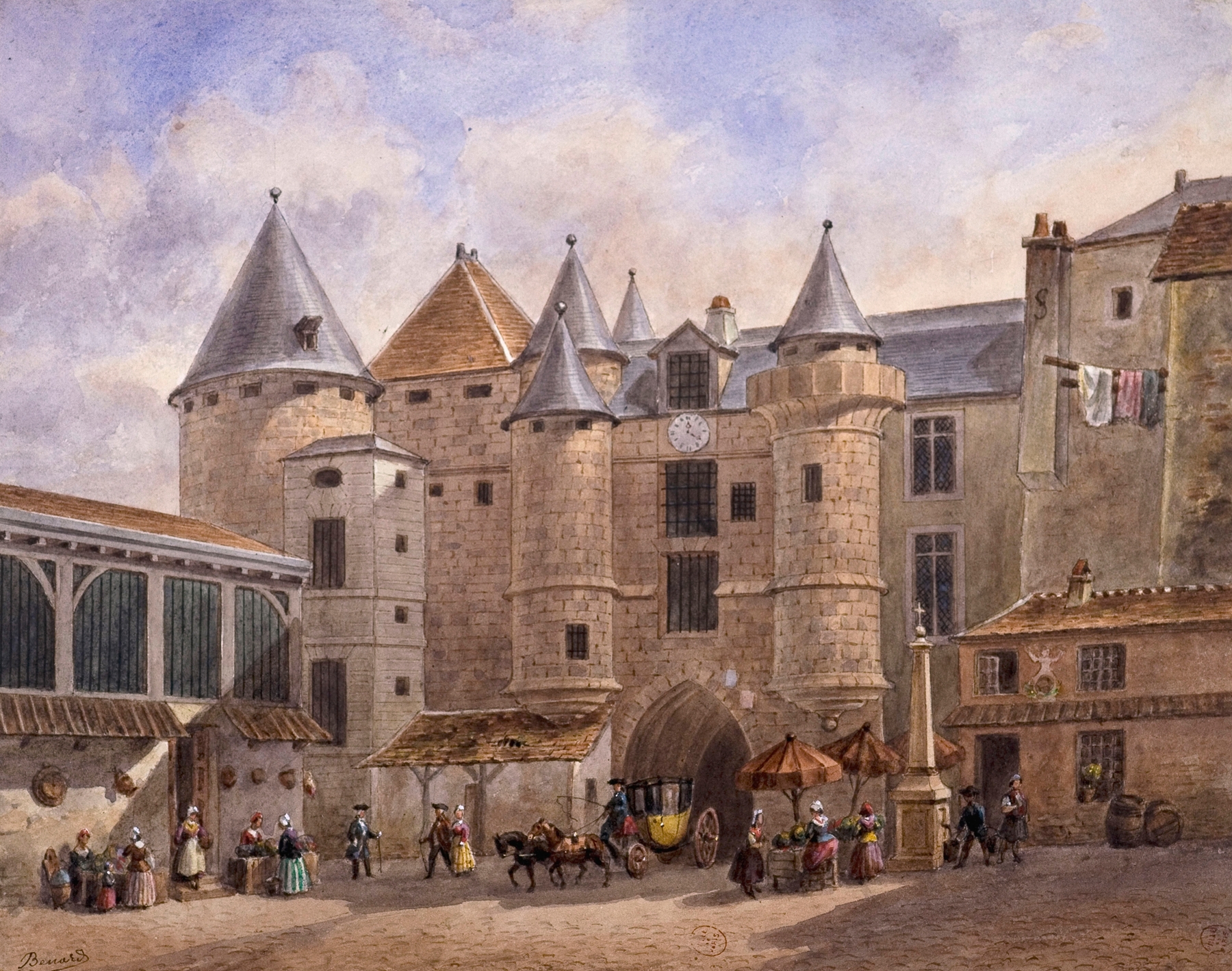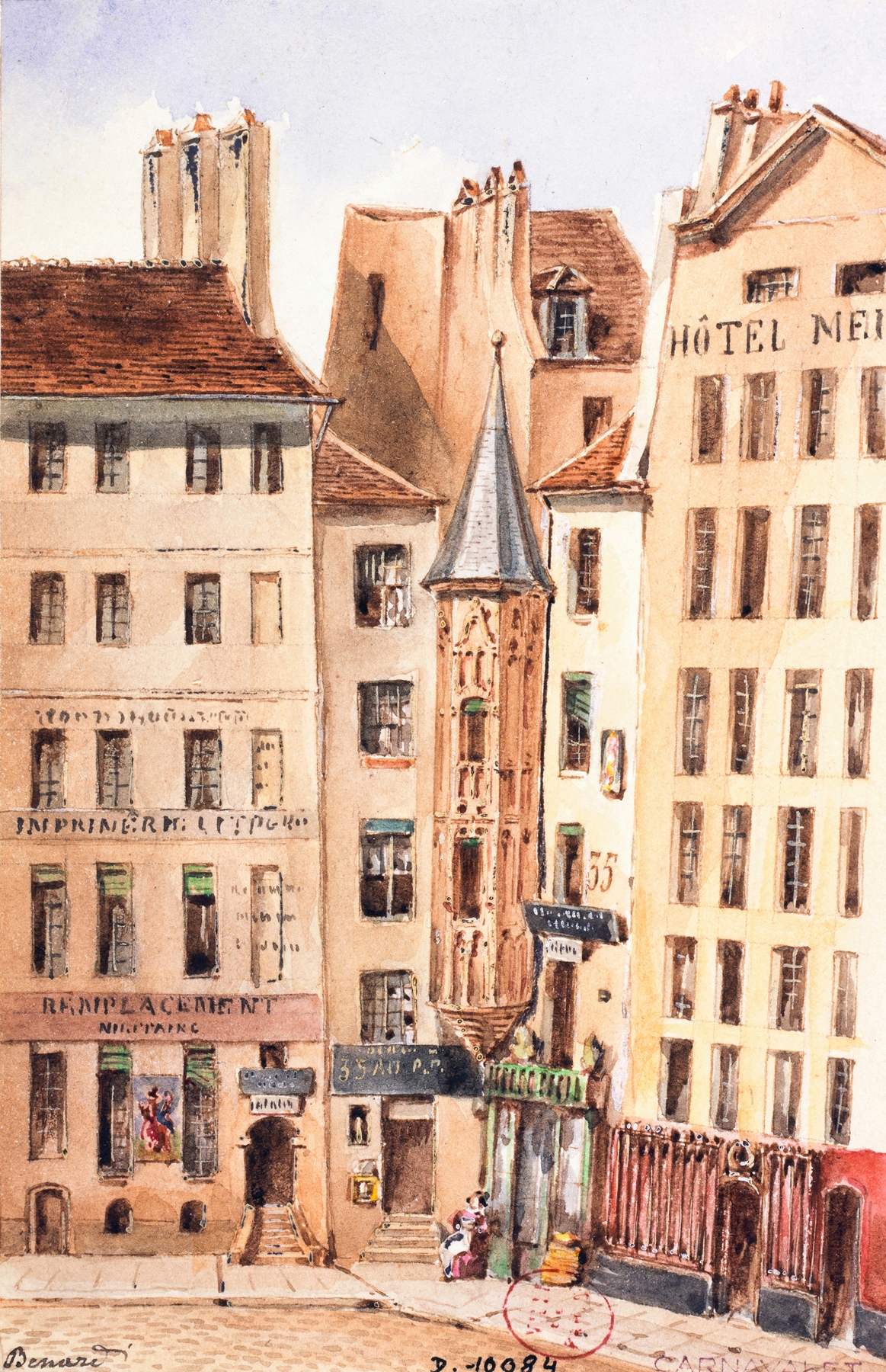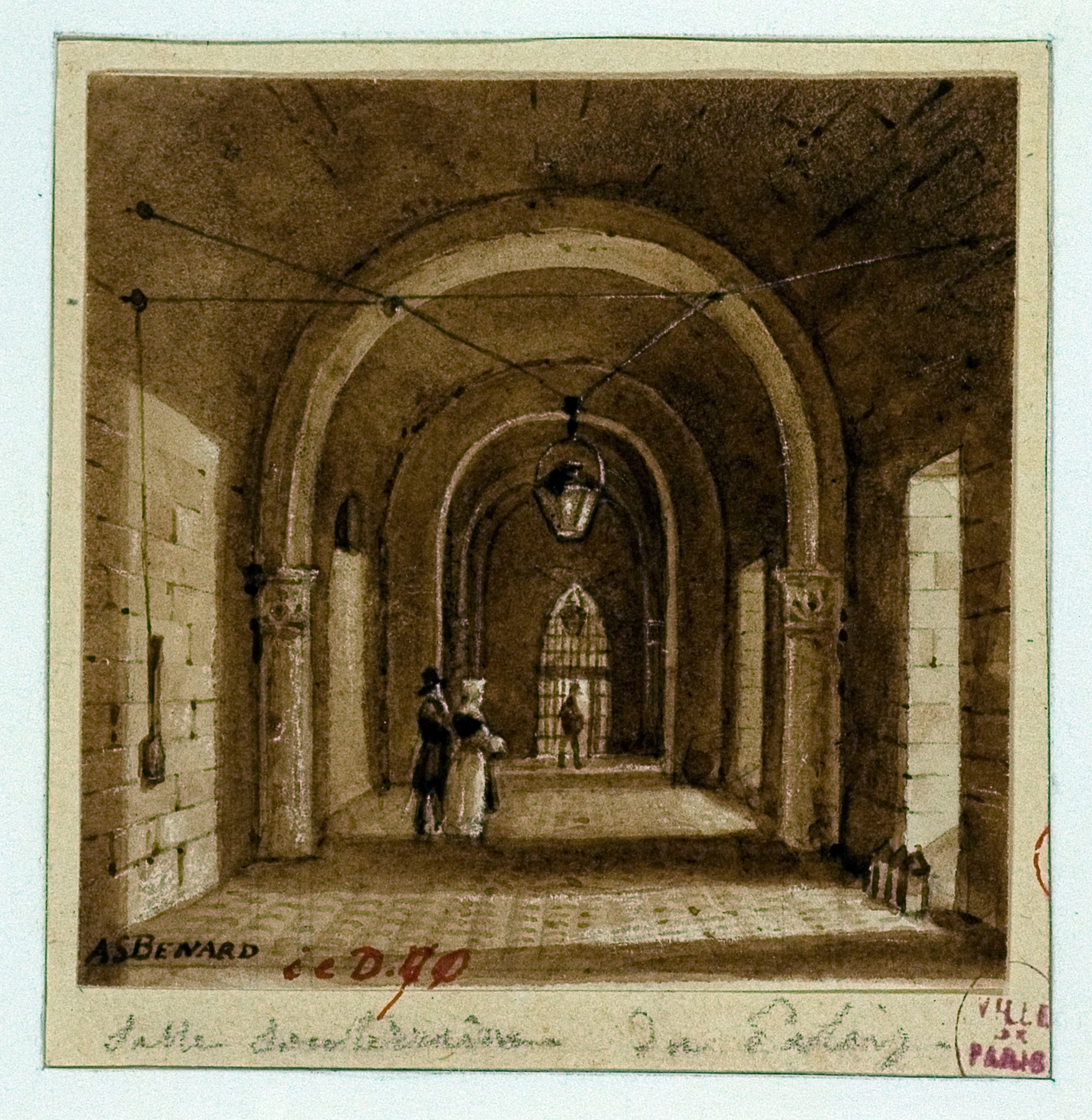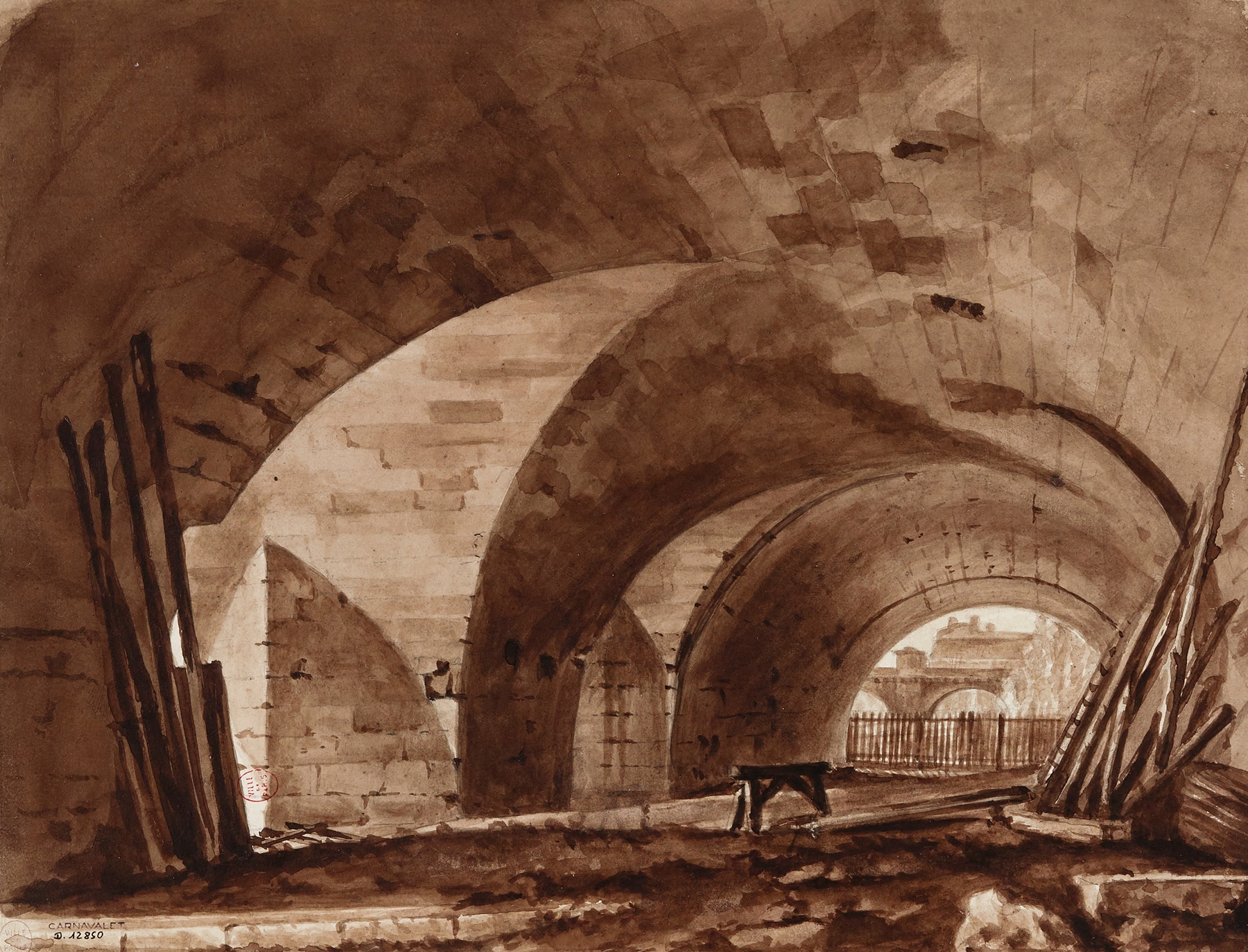
Rue des chantres (entre le quai aux fleurs et la rue Chanoinesse). — History & Analysis
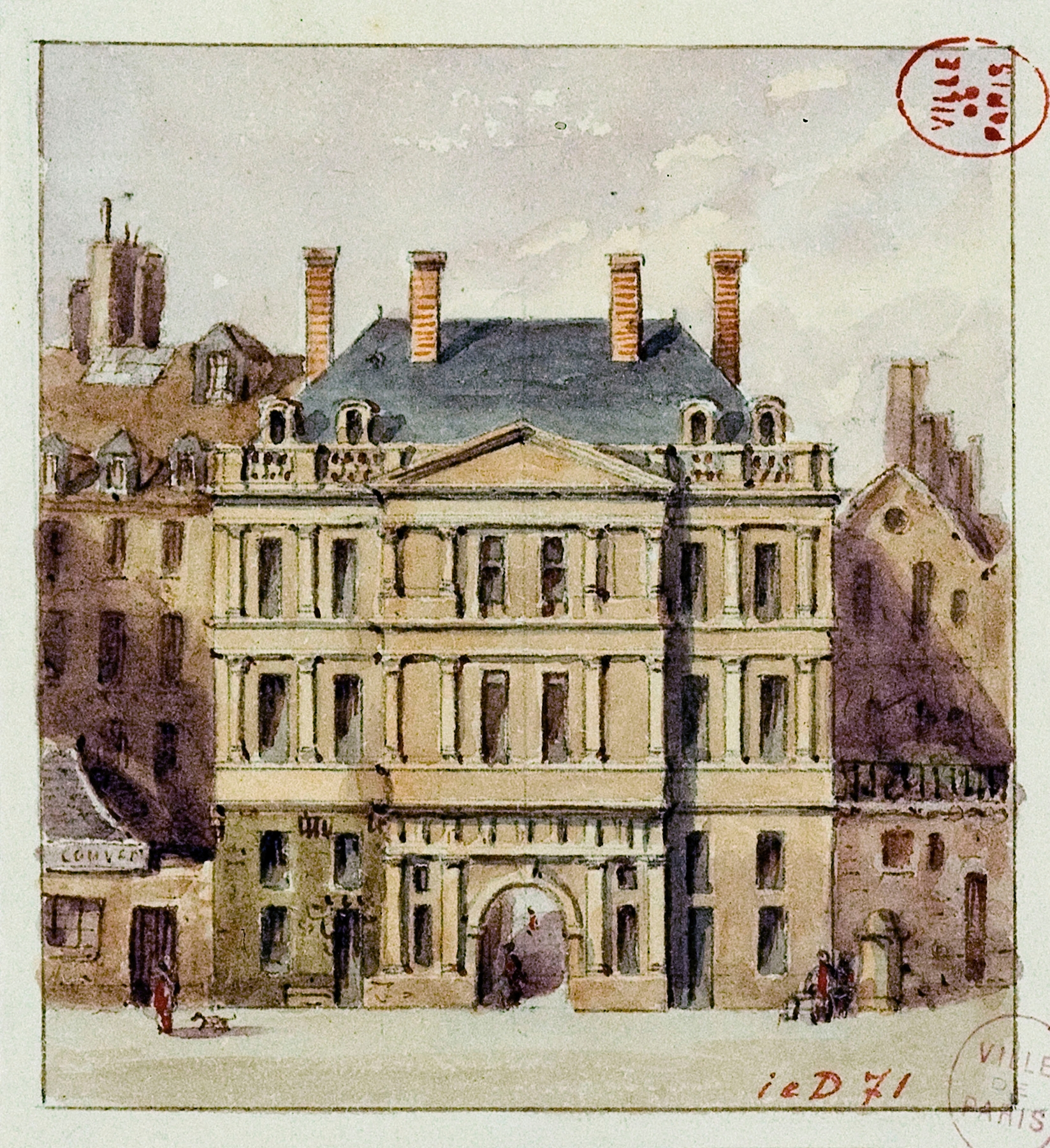
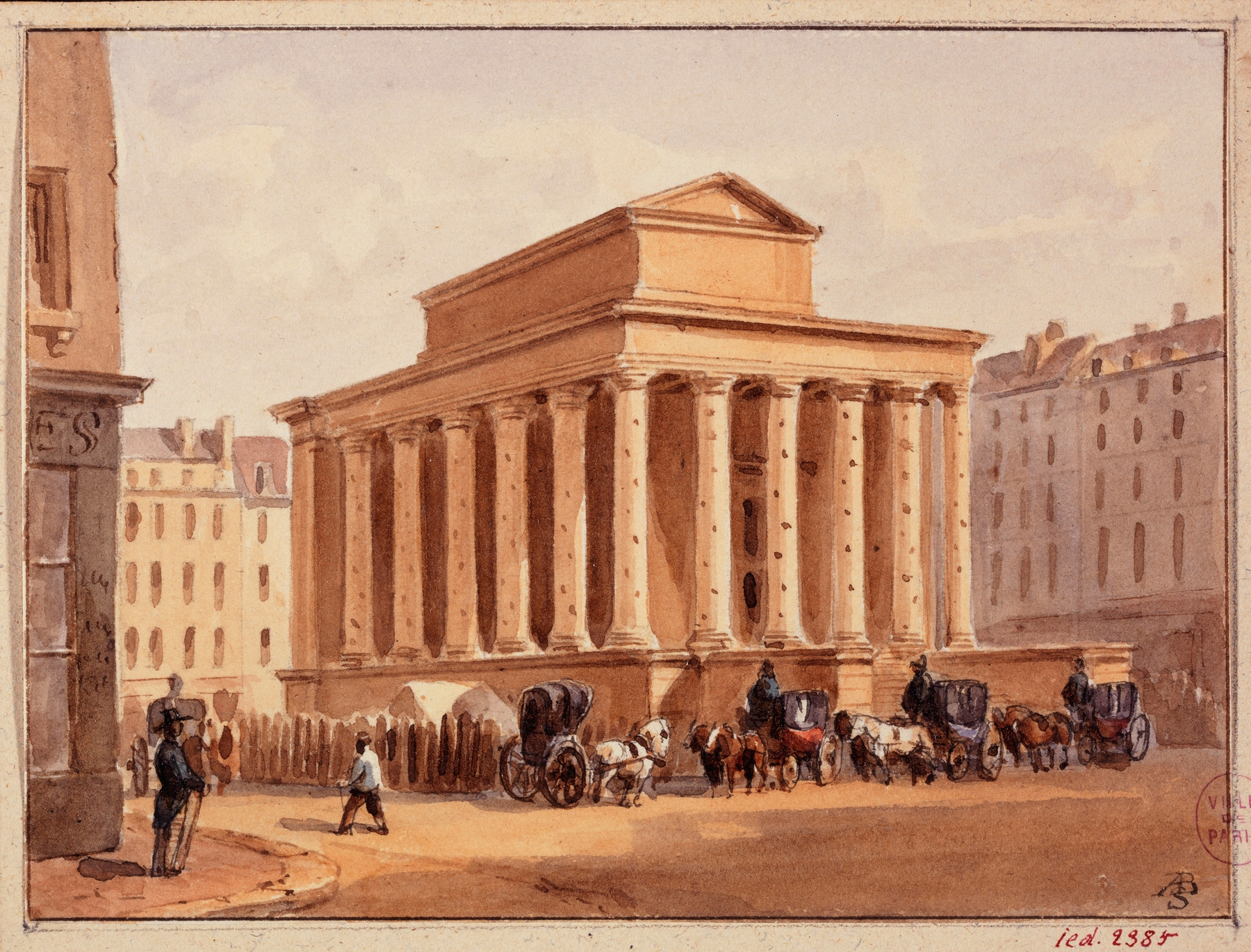
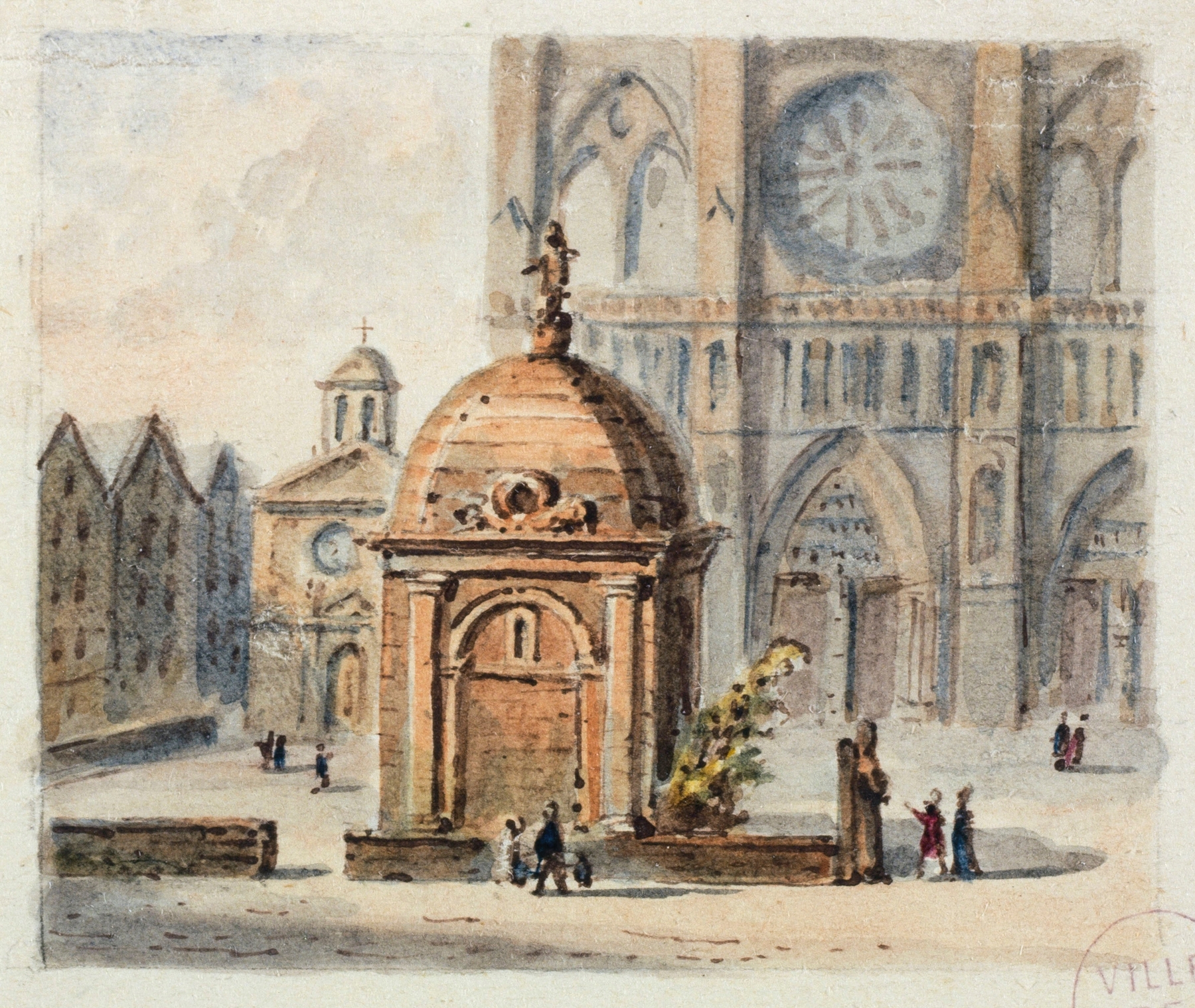
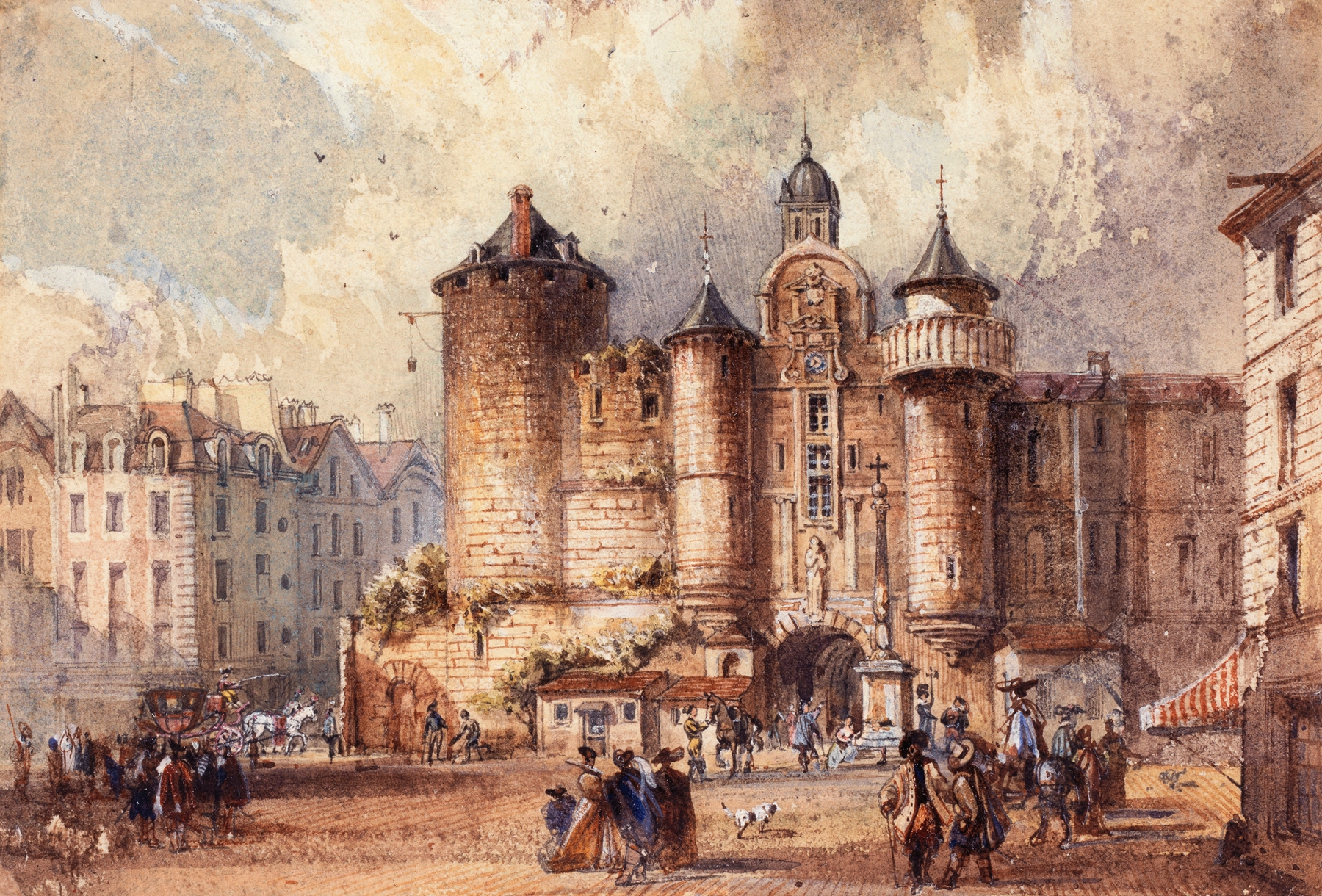
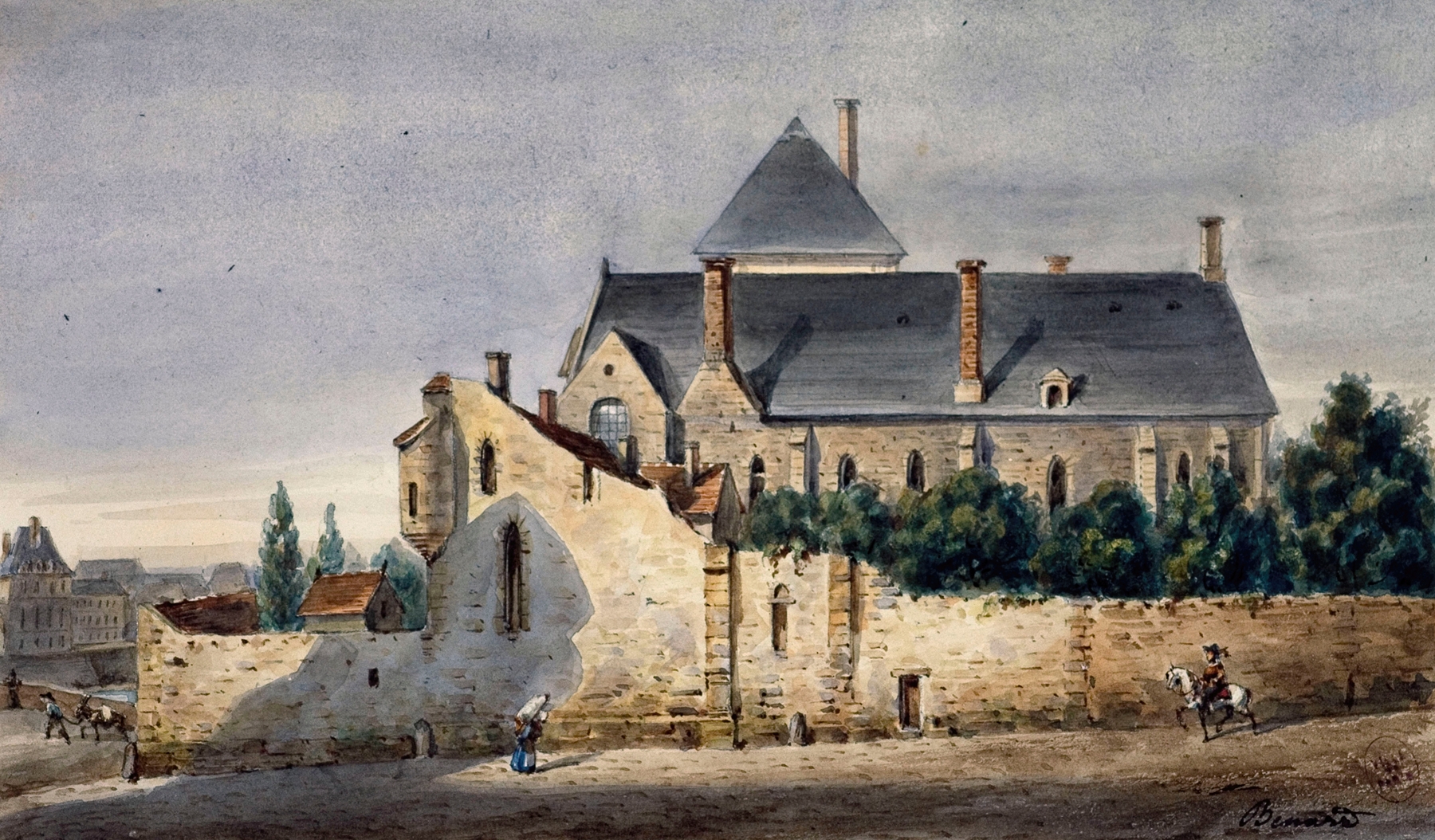
What if beauty was never meant to be finished? In the silent embrace of Rue des chantres, shadows dance in a delicate interplay, whispering the transient nature of urban life. Look to the left, where the cool tones of the cobblestone path draw your gaze, inviting you deeper into the scene. Notice how the sunlight filters through the trees, creating a dappled effect on the buildings that rise like sentinels along the street. Each structure is meticulously rendered, its windows reflecting the vibrancy of life beyond their frames.
The play of light and shadow captures a fleeting moment in time, inviting contemplation of both movement and stillness. Yet, in the stillness lies a tension. The shadows hint at stories untold, of lives passing in silence, echoing the beauty of the moment but also its impermanence. The artist's choice of muted colors fosters an atmosphere of nostalgia, evoking a longing for what is lost and what might never return.
Each detail—the careful placement of objects, the subtle nuances of expression—whispers secrets of the day-to-day, grounding the viewer in a shared reality that feels both familiar and distant. In 1837, when this piece was created, Auguste-Sébastien Bénard was immersed in a Paris experiencing the rise of modernity. Art was shifting, influenced by Romantic ideals, yet he remained rooted in the meticulous precision of earlier styles. The world was changing, bursting with energy and conflict, yet his work demonstrates a commitment to capturing the intimate beauty of everyday surroundings, reminding us that even amidst chaos, moments of tranquility can flourish.