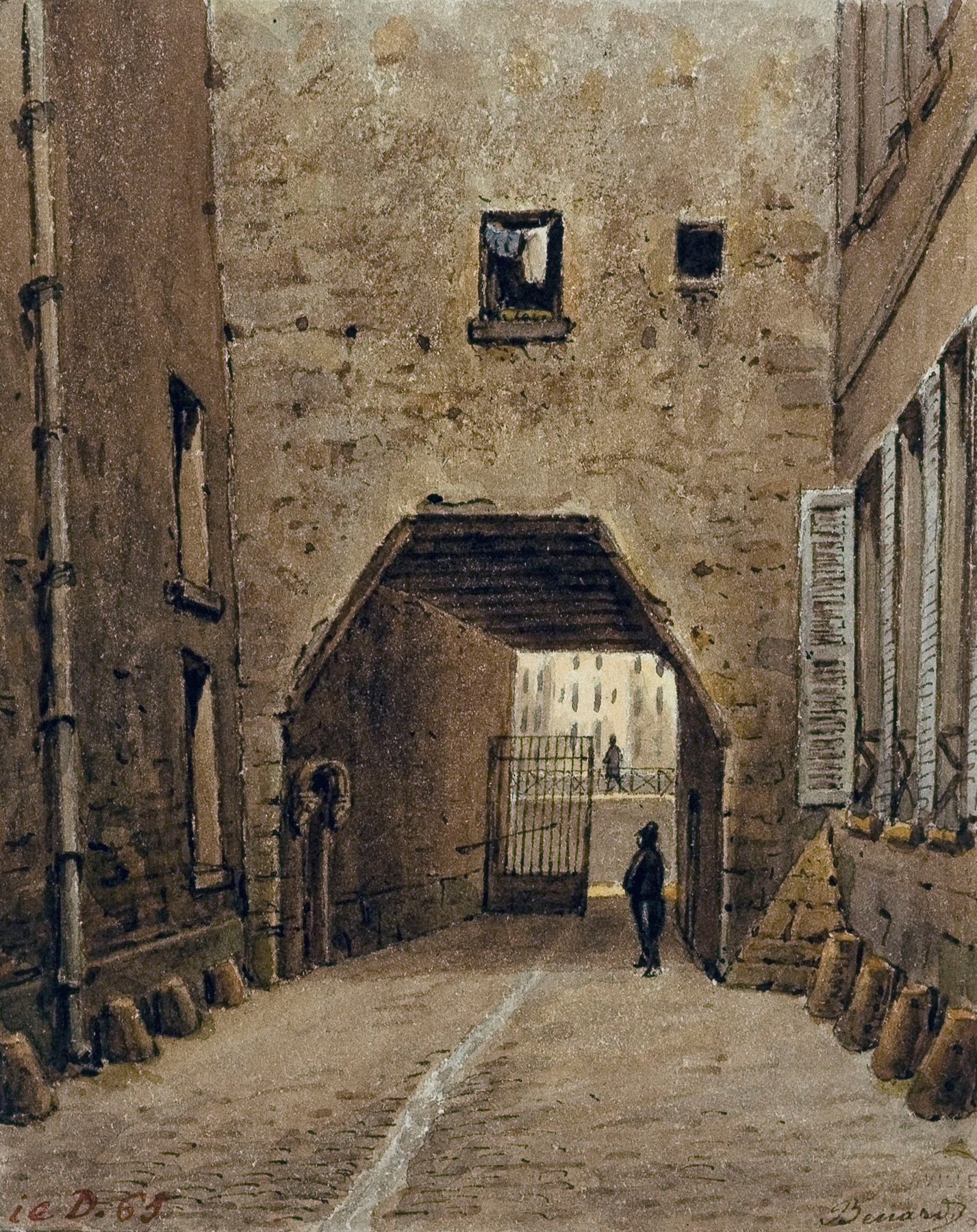
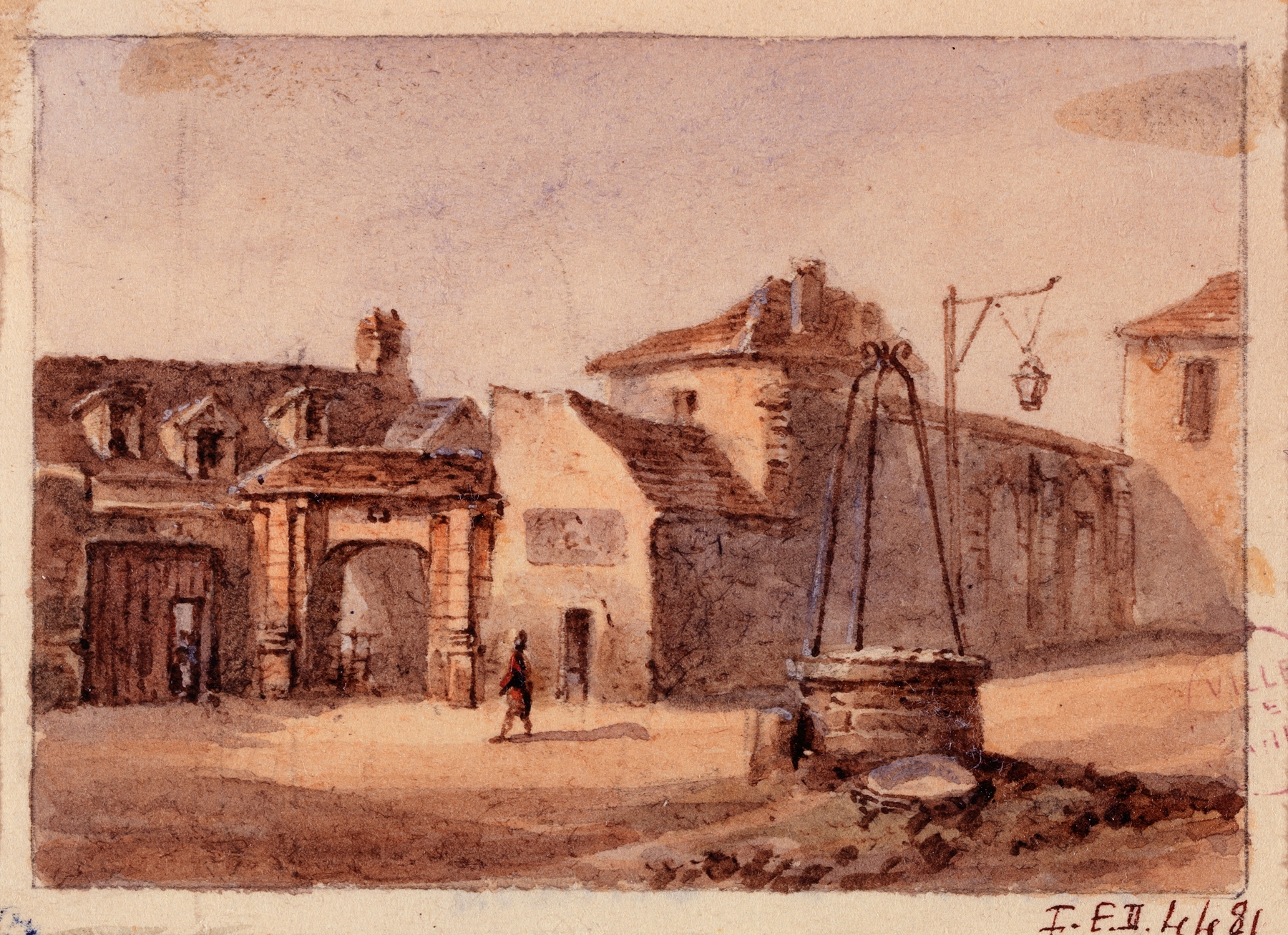
Monument expiatoire élevé à la mémoire du duc de Berry, à l’emplacement de l’ancien Opéra — History & Analysis
Could a single brushstroke hold eternity? In the delicate interplay of light and form, Monument expiatoire élevé à la mémoire du duc de Berry invites us to contemplate not only the physical monument but also the ephemeral nature of memory itself. Here, light serves as the silent custodian of history, illuminating the shadows of loss and reverence interwoven within this architectural homage. Look to the center of the composition where the elaborately sculpted monument rises majestically, its intricate details caught in a dance of light and shadow.
Notice how the artist employs a warm palette of creams and soft grays, lending a sense of serene dignity to the structure. The gentle transitions of color create depth, while the surrounding figures, rendered in softer tones, draw our gaze inward—suggesting the collective mourning of a community united in remembrance. Yet, veiled within this striking monument is a profound tension; the solidity of the structure contrasts starkly with the ethereal quality of the light that envelops it. The play of illumination hints at transience—just as monuments may endure, the memories they signify often fade.
The figures' expressions reflect a spectrum of emotions: sorrow, nostalgia, and perhaps even acceptance, all encapsulated in their gestures as they engage with the monument, bridging the past and the present. Auguste-Sébastien Bénard painted this work amid a period of artistic transformation in France, likely during the early 19th century when neoclassicism was giving way to romanticism. The political and social upheavals of the time, including the assassination of the duc de Berry, compelled artists to explore themes of memory and legacy, leading Bénard to create a tribute that not only memorializes the past but also challenges viewers to reflect on the fleeting nature of life itself.