Les Jardiniers — History & Analysis
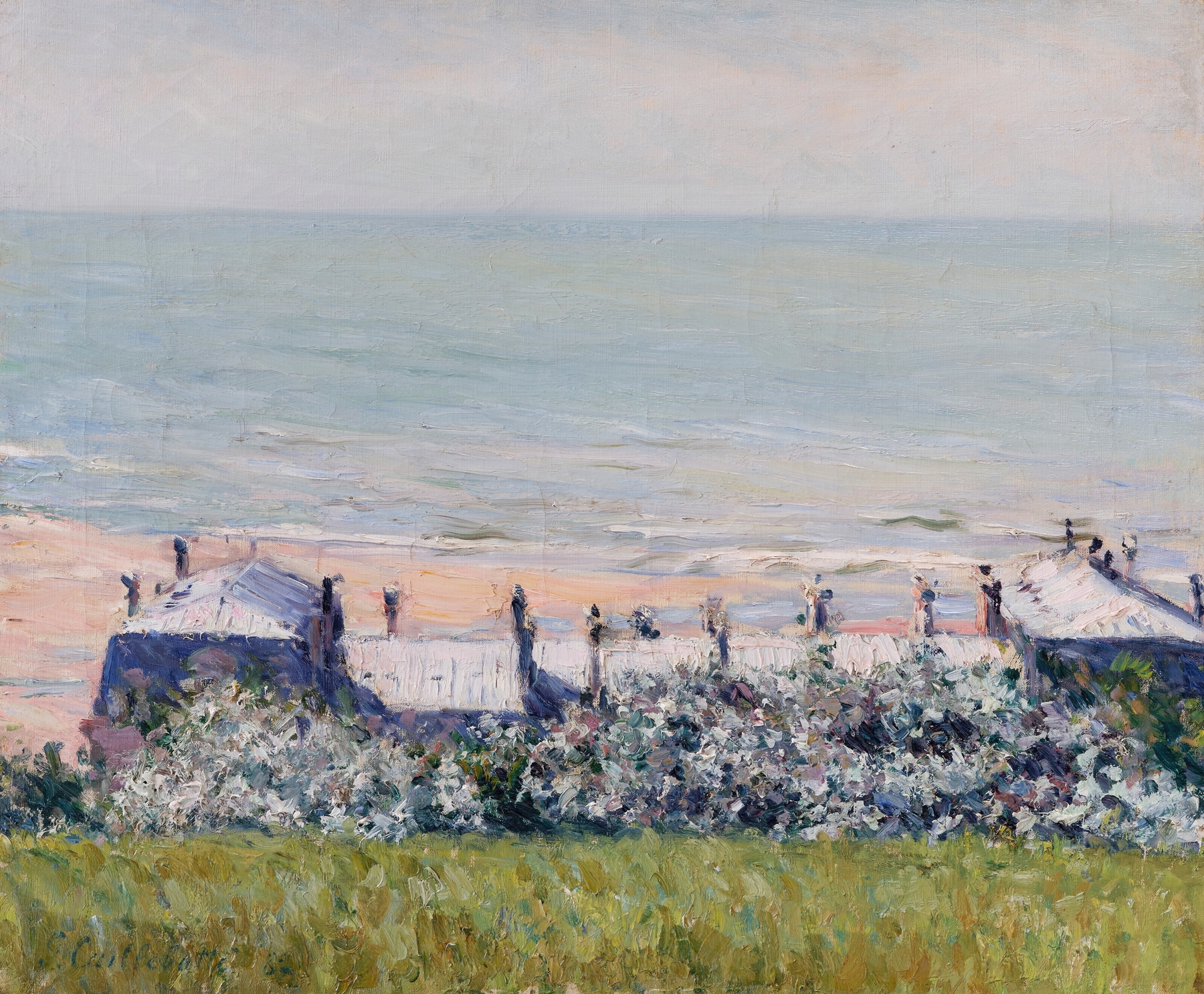
Where does light end, and longing begin? In Les Jardiniers, the boundary blurs as sun-drenched figures engage in the tender act of cultivation, each gesture evoking a profound sense of both renewal and transience. Focus on the vibrant greens and earthy browns, where the gardeners' robust forms emerge against a backdrop alive with the promise of growth. Notice how the light filters through the foliage, creating a dappled effect that dances across the scene.
The composition, marked by harmonious angles and gentle curves, guides your eye toward the interaction between man and nature — a deliberate dialogue underscored by the subtlety of the brushwork. Yet, beneath the surface, a quiet tension resonates. The act of tending to the garden speaks to the fleeting nature of life itself, the moments we cultivate slipping through our fingers even as we nurture them. The contrast between the fleeting light and the enduring earth mirrors the universal struggle against mortality, suggesting that in our efforts to shape the world around us, we are inevitably reminded of our own impermanence.
In 1877, during a period of artistic innovation in France, Caillebotte painted this piece amidst the rise of Impressionism, a movement that sought to capture the immediacy of experience. As he developed his distinctive style, blending realism with new techniques, the artist navigated personal challenges yet remained deeply connected to the evolving landscape of art. Les Jardiniers emerges as a testament to this intersection of life, artistry, and the unyielding passage of time.