Les Roches rouges à Agay — History & Analysis
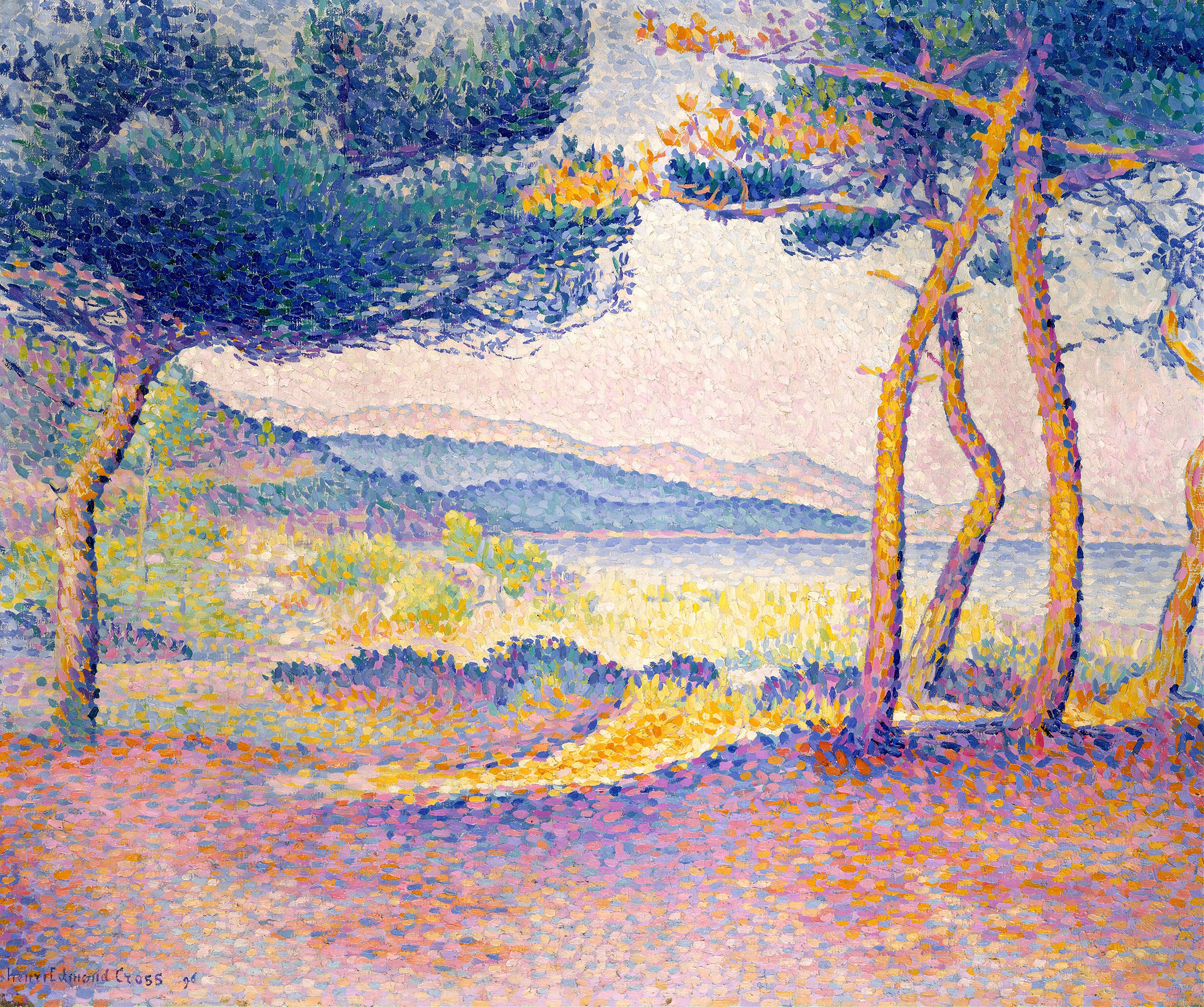
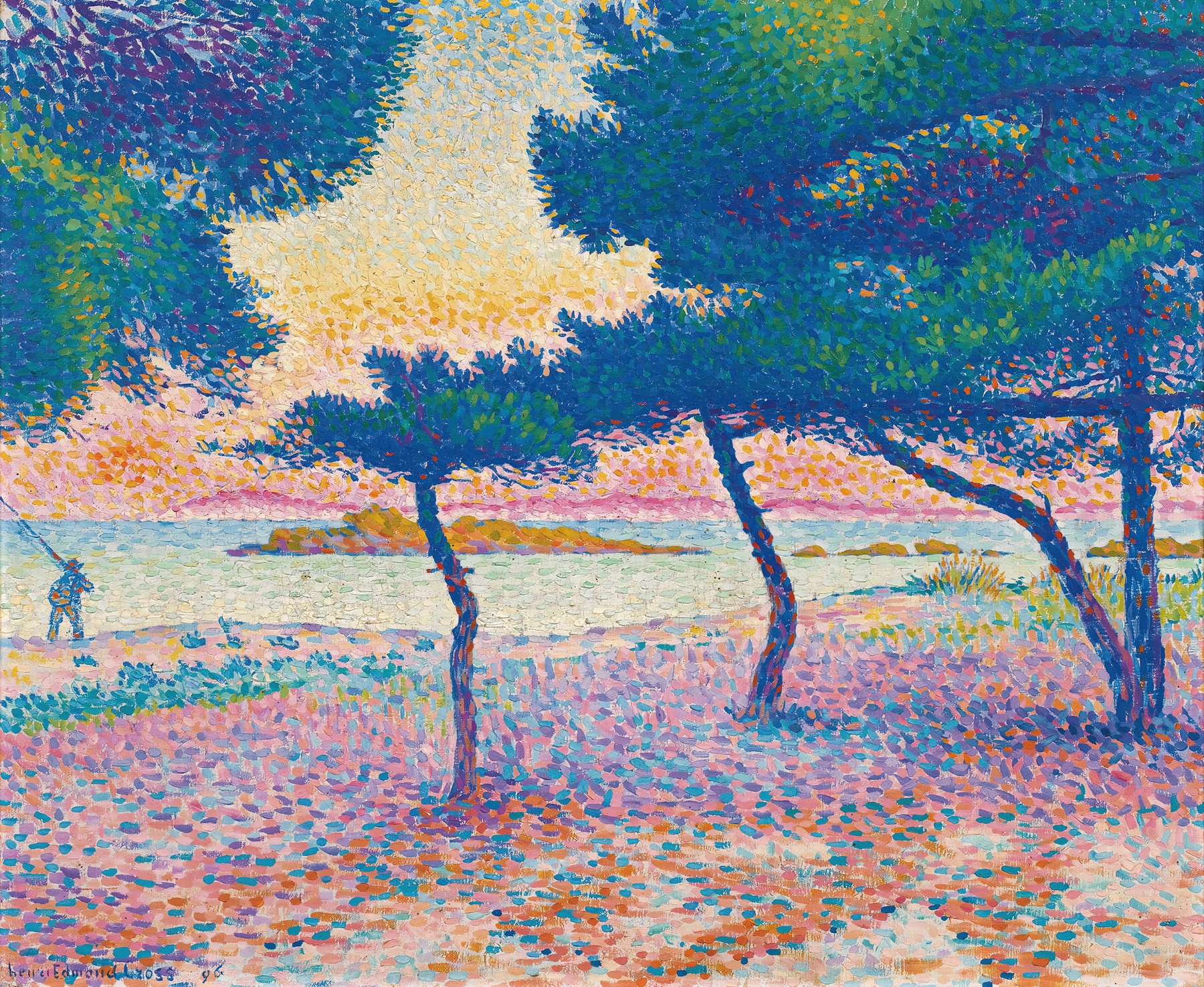
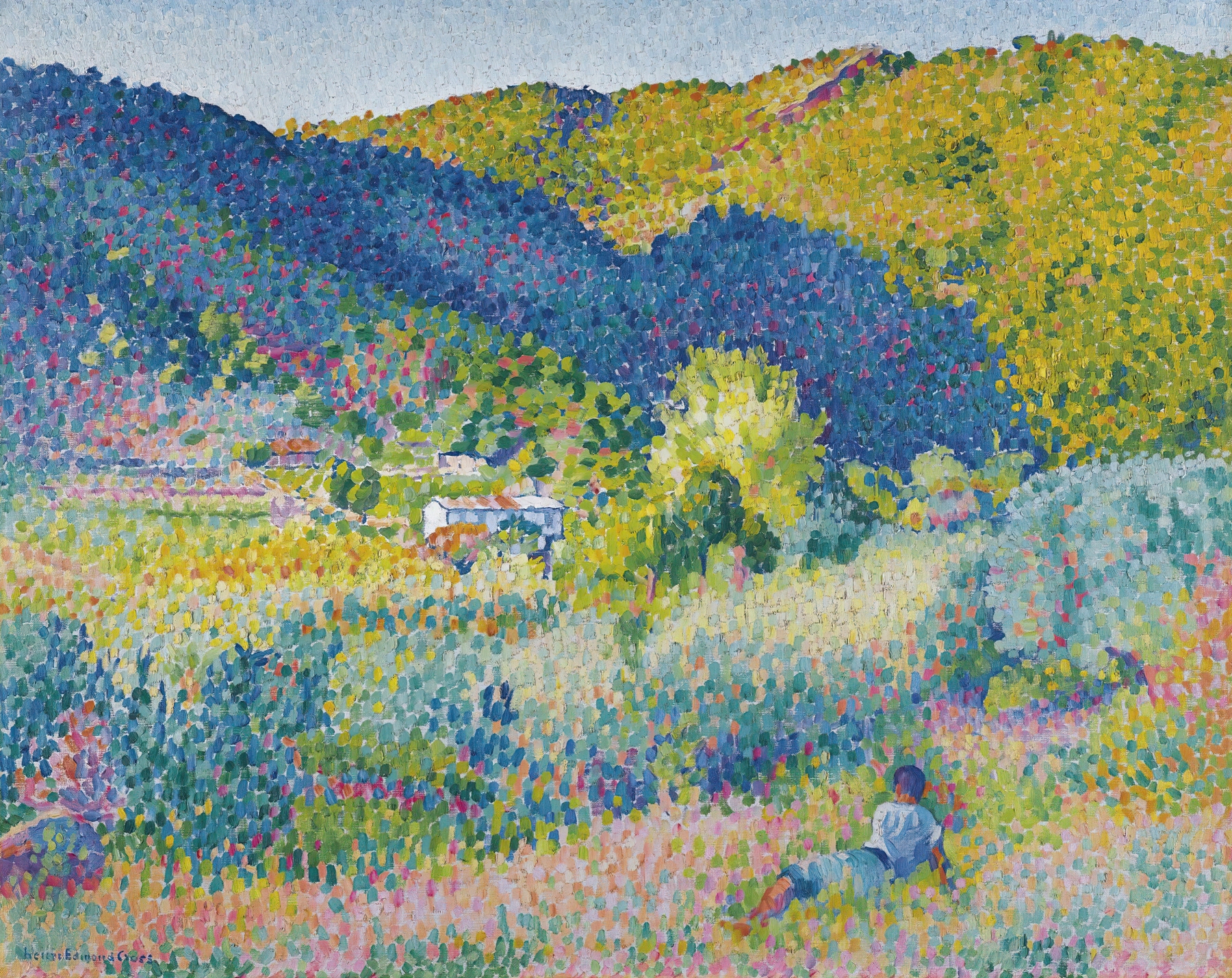
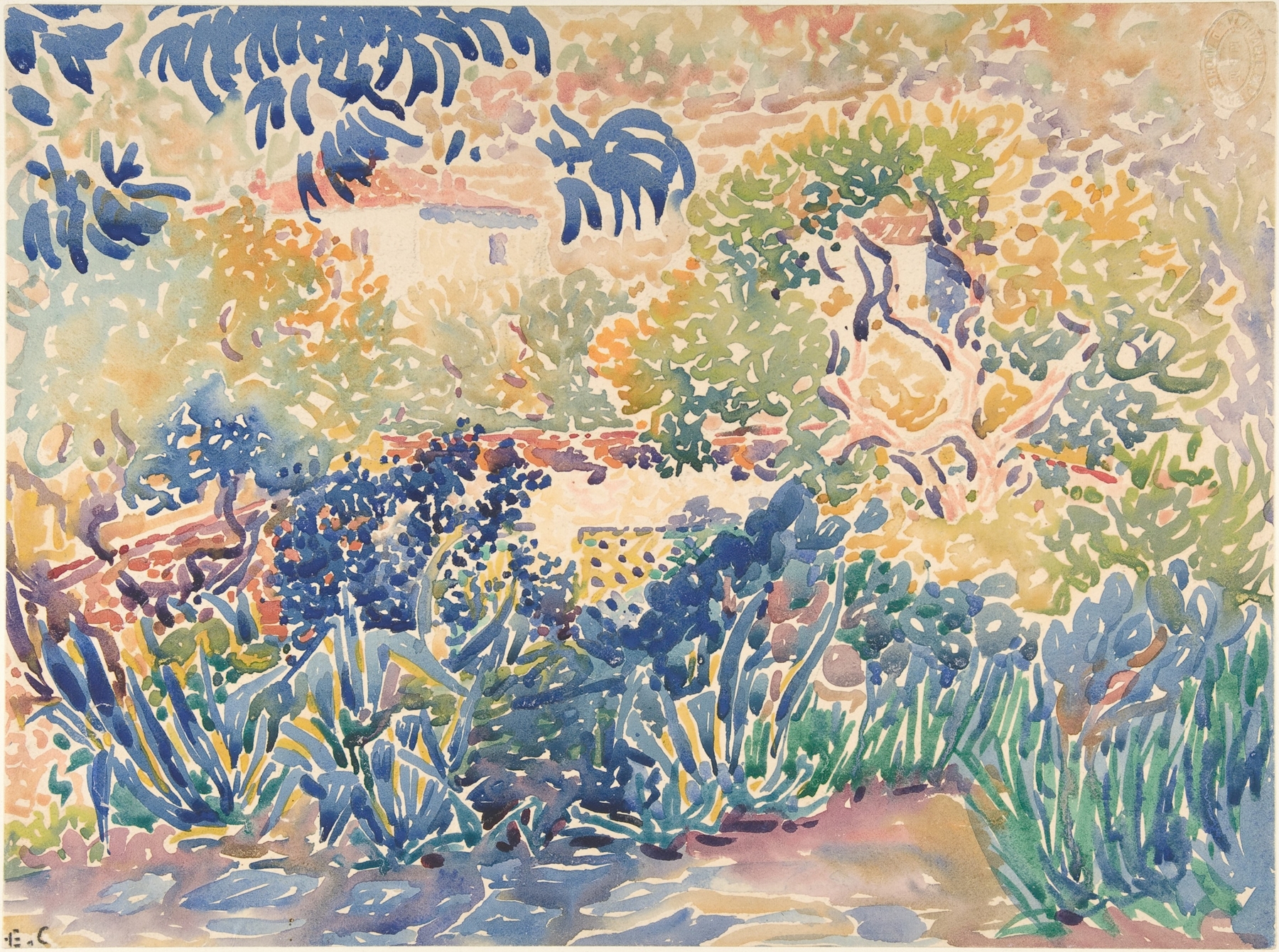
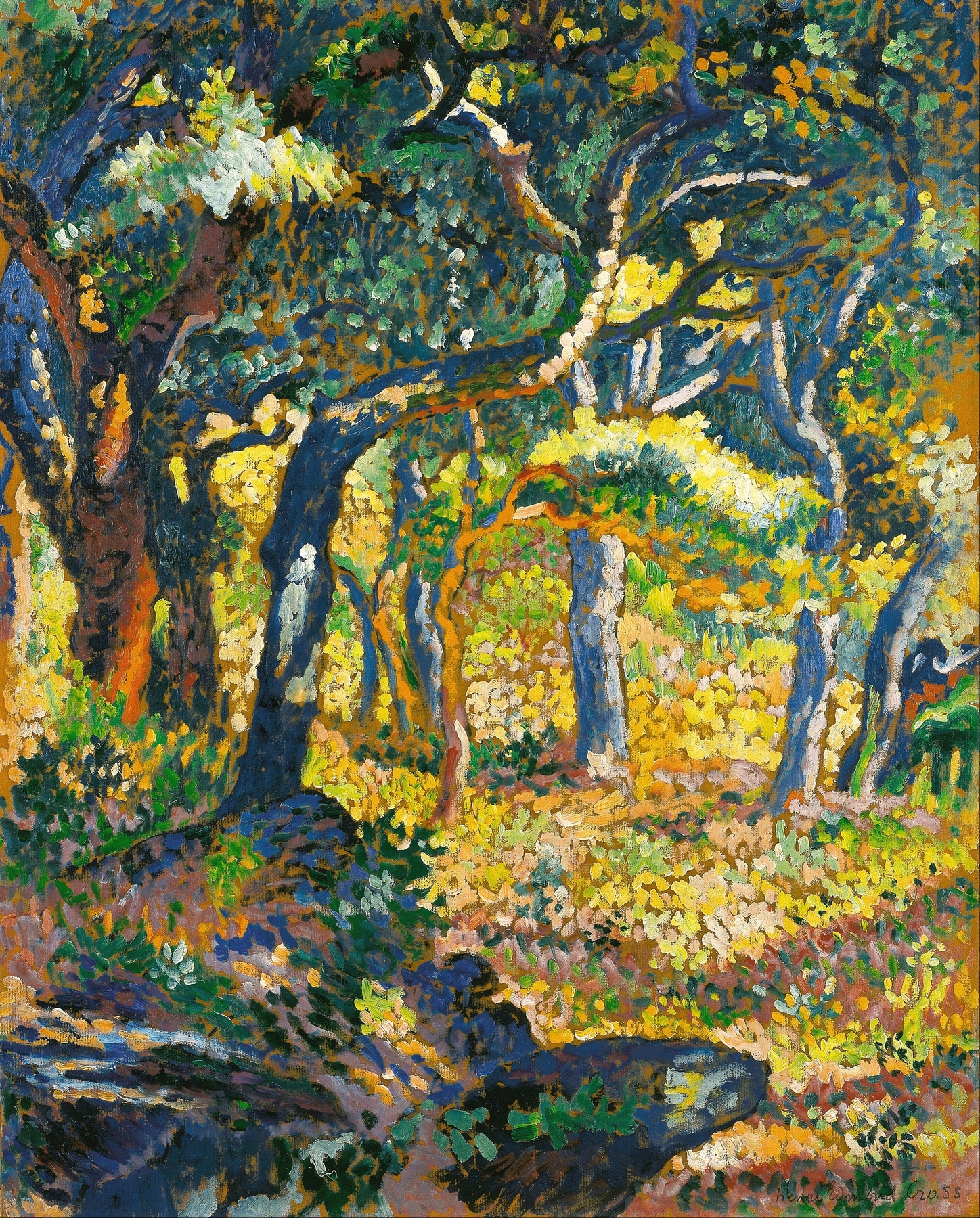
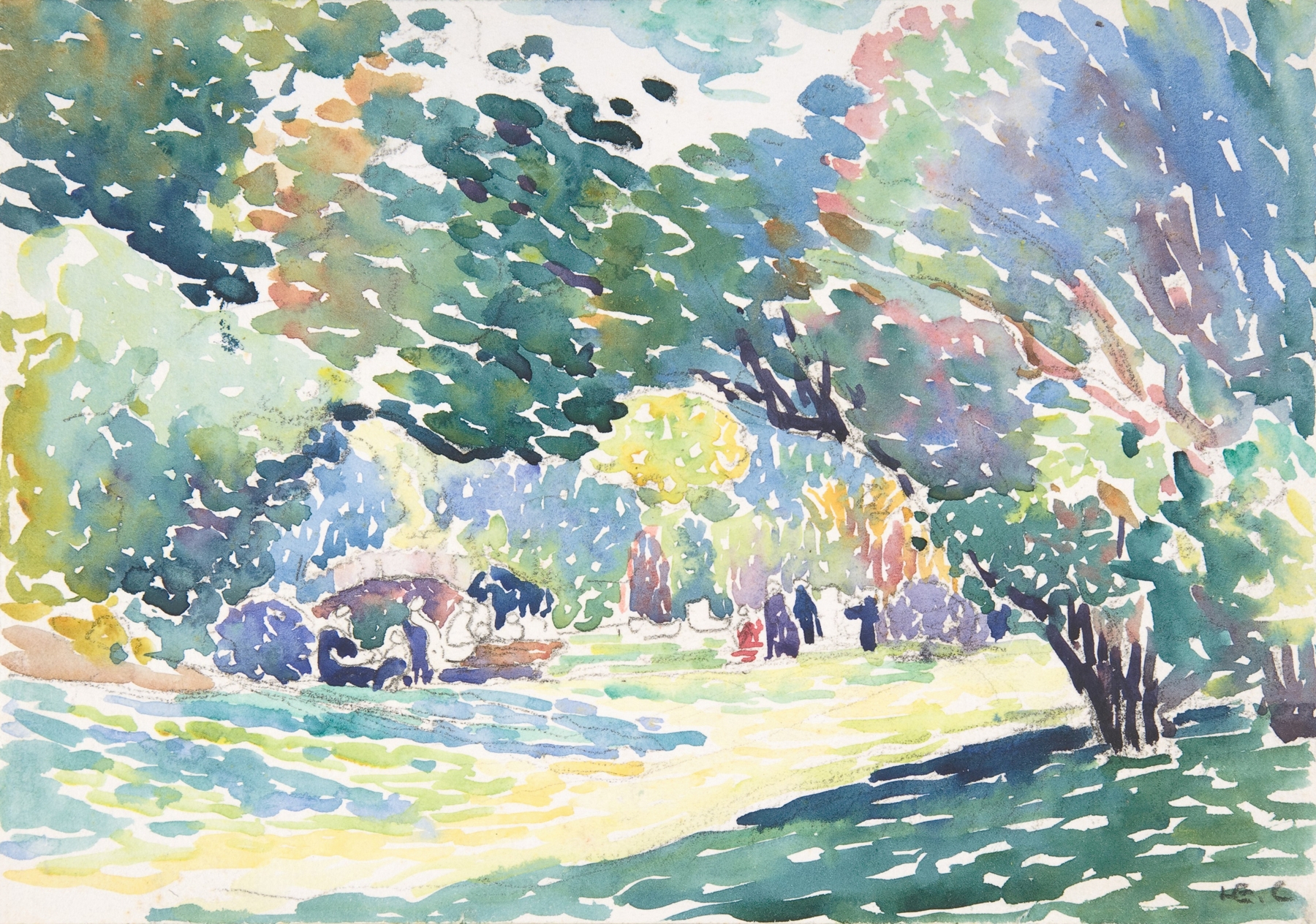
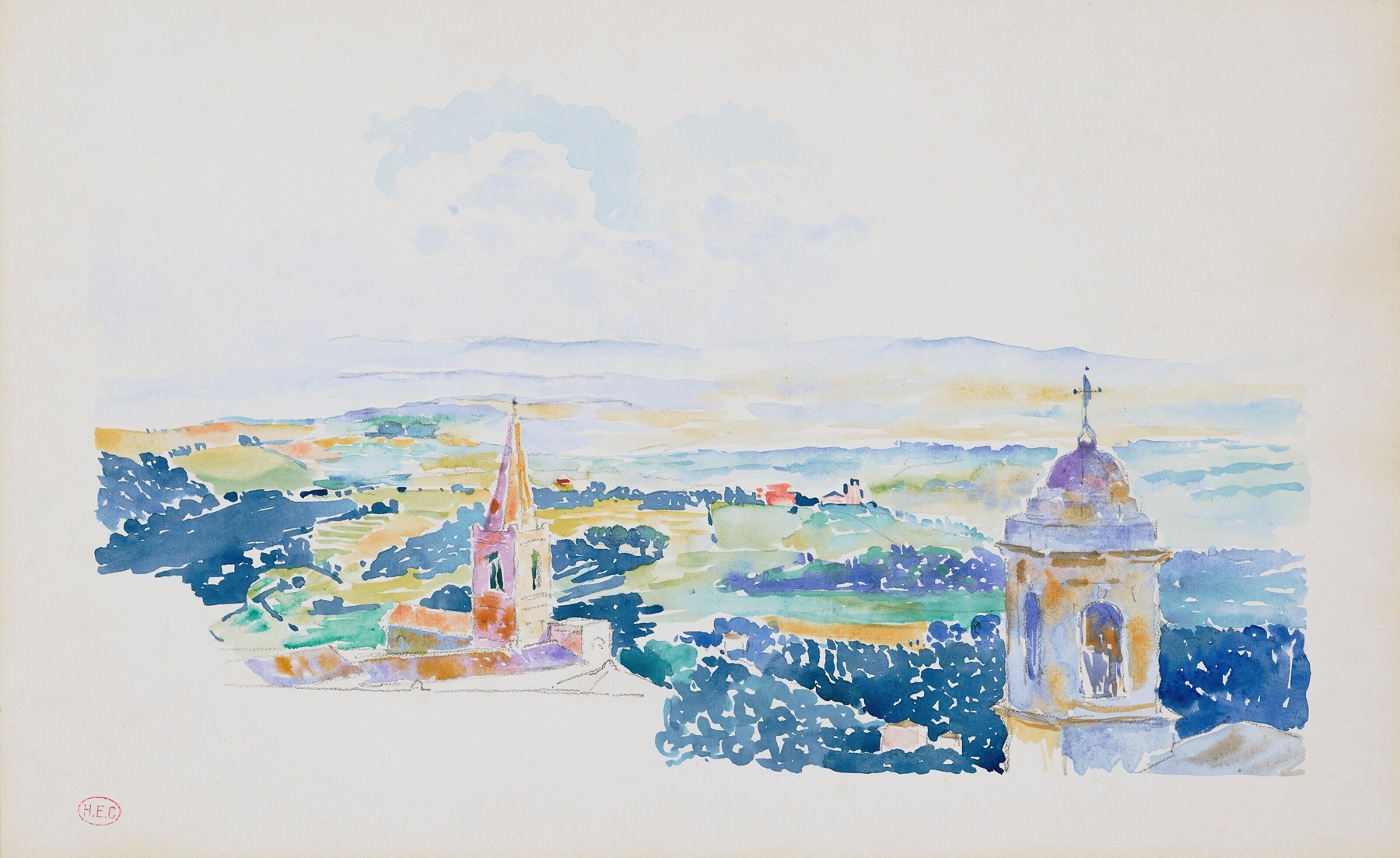
Who listens when art speaks of silence? In the tranquil embrace of Les Roches rouges à Agay, a delicate balance emerges between color and form, inviting the viewer to take a moment of pause. Look to the left at the vibrant scarlet rocks, their rich hues contrasting with the gentle blues of the sea. The brushstrokes are both fluid and deliberate, creating a sense of movement that dances across the canvas. Notice how the light falls upon the water’s surface, reflecting the sun’s warmth as it mingles with the coolness of the shadows—each color harmonizing with the next, fostering a sense of serenity.
The composition guides the eye from the foreground to the horizon, suggesting an uninterrupted flow that invites contemplation. Yet, beneath this tranquil exterior lies a tension between the jagged rocks and the smooth, lapping waves. These elements serve as metaphors for the struggle inherent in nature — the rugged permanence of stone against the ephemeral rhythm of water. The juxtaposition highlights the fragility of balance, urging the viewer to consider the interplay between stability and change in their own lives.
Each detail, from the textured surfaces of the rocks to the subtle gradations of the sky, contributes to an overarching sense of harmony interwoven with underlying discord. Henri-Edmond Cross painted this work in the early 20th century, during a period of great experimentation in the art world. Living in France, he was influenced by the burgeoning Fauvist movement, which championed bold color and expressive composition. At this time, he sought to blend Impressionism and Neo-Impressionism, embracing a unique style that conveyed both the beauty of the natural world and the complexity of human emotion.