L’Hiver, quai du Louvre, temps de neige — History & Analysis
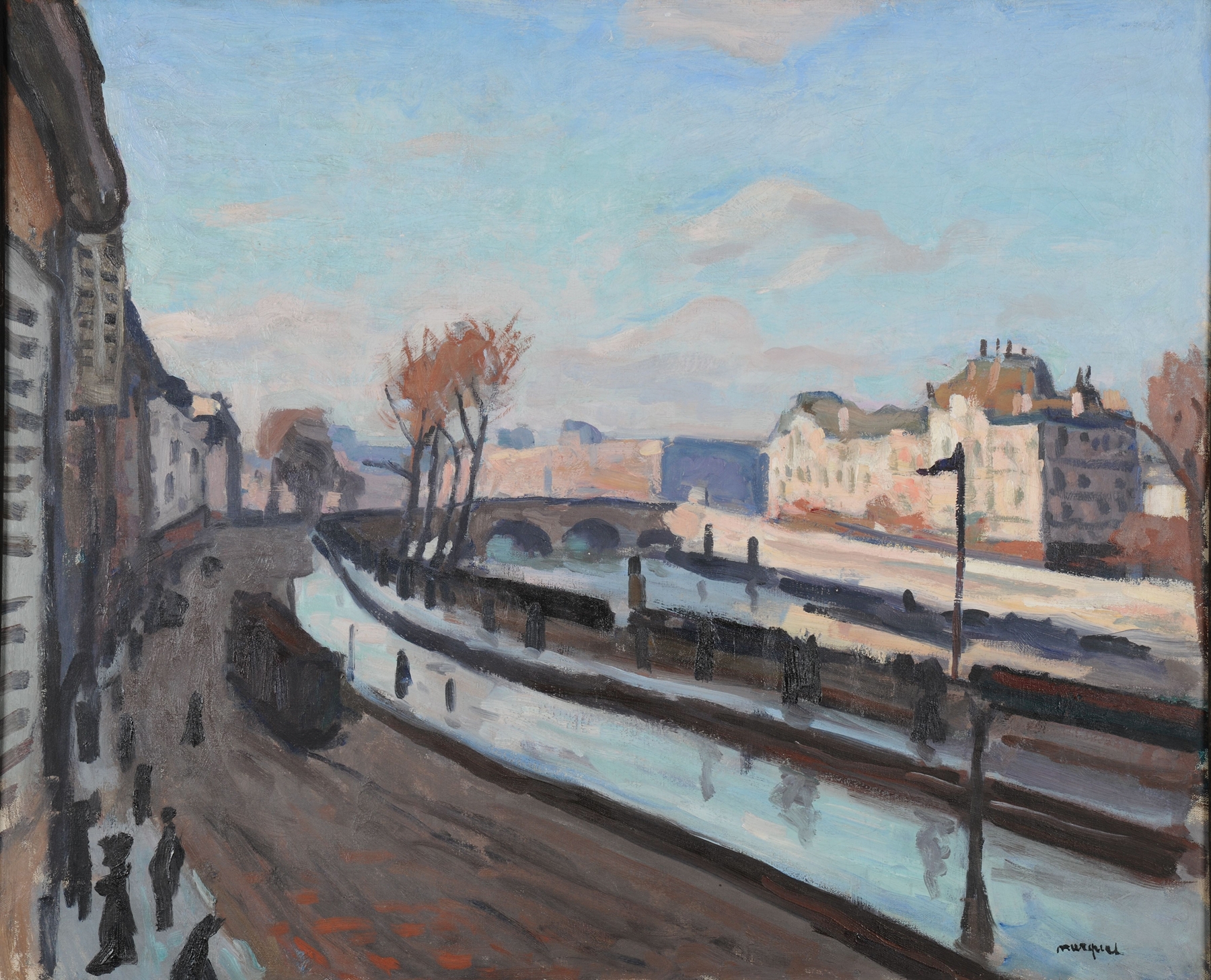
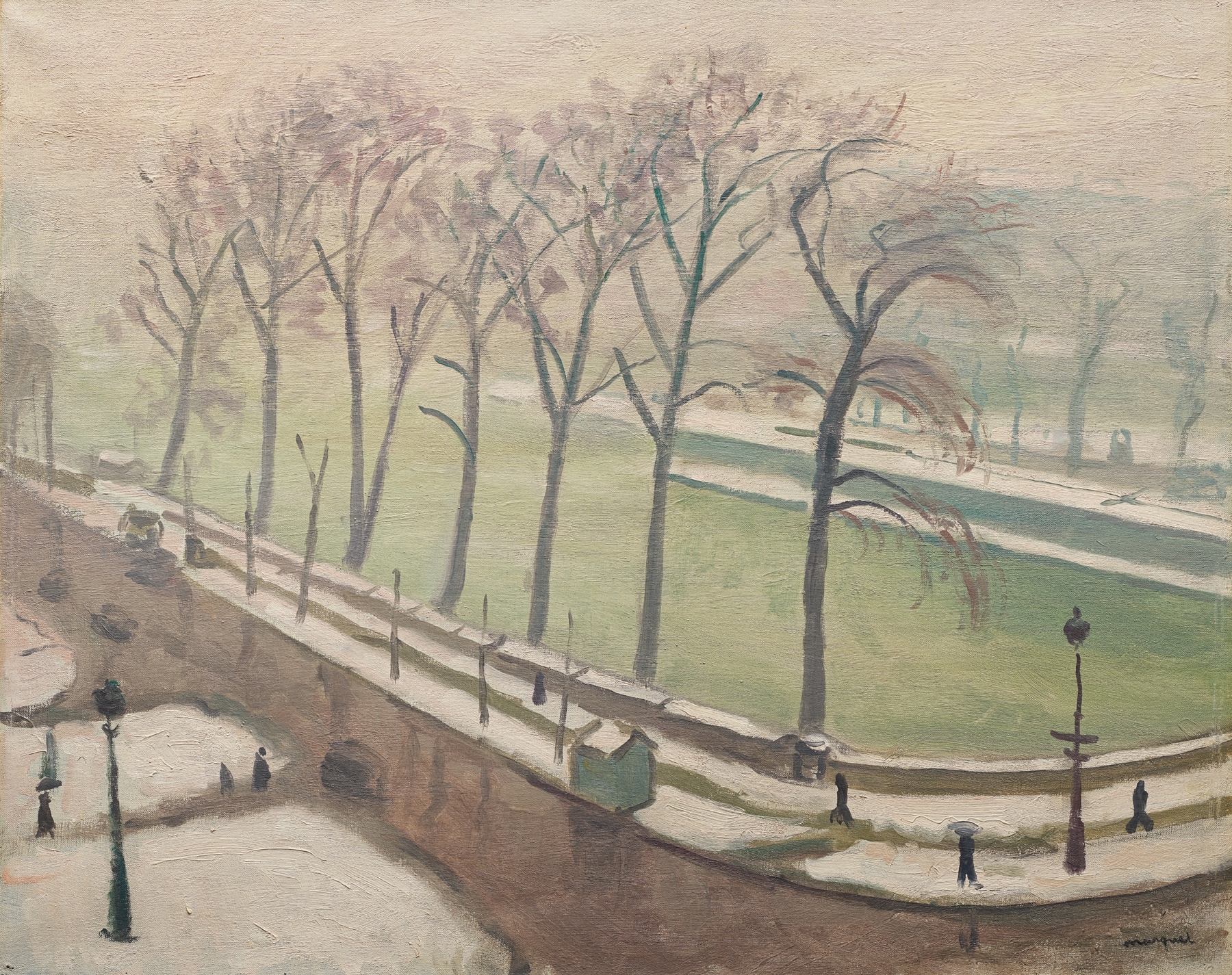
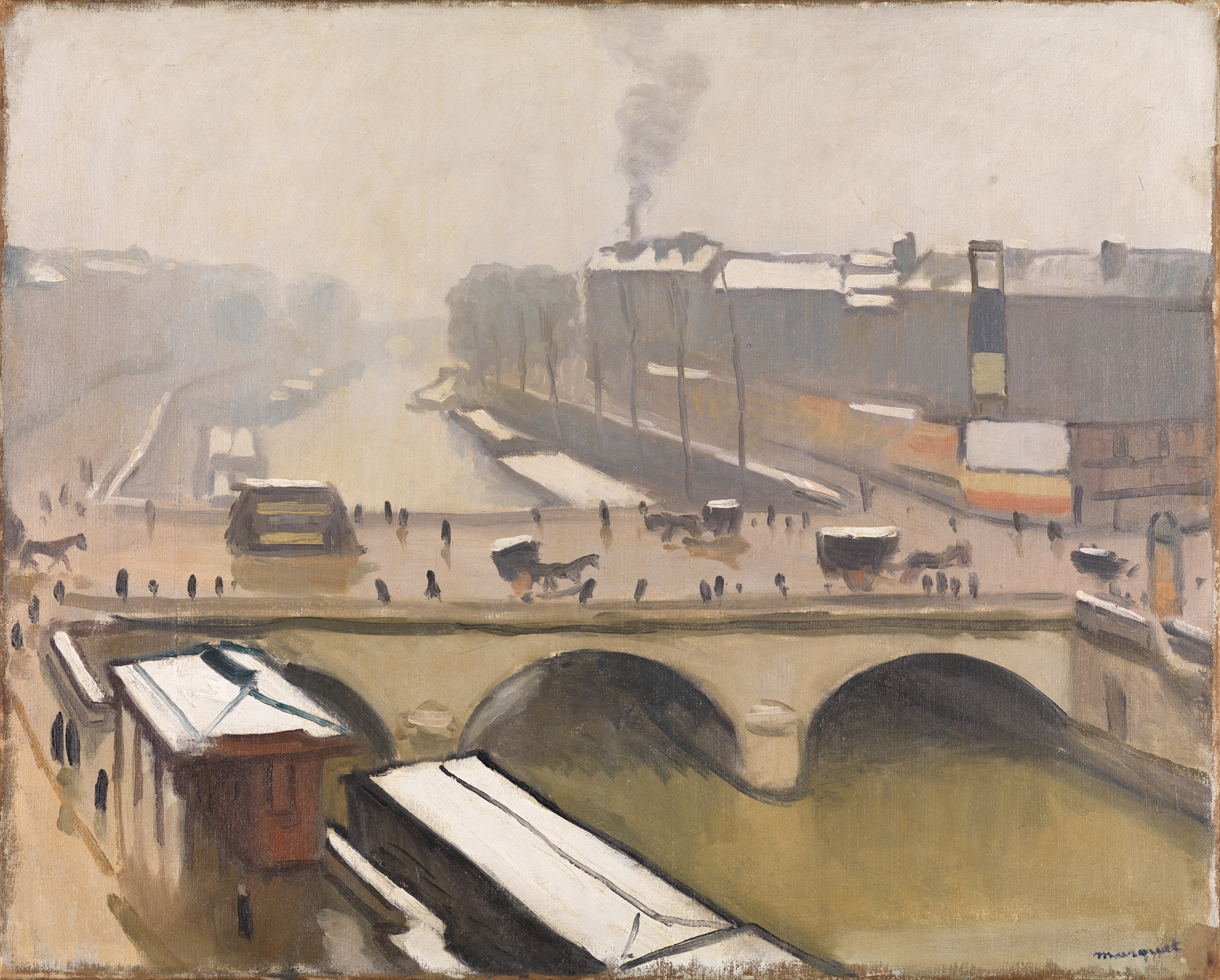
“To paint is to remember what time wants us to forget.” In moments of stillness, the heart can find ecstasy, even amid the frosty grip of winter. Look to the shimmering canvas, where soft whites and muted blues mingle gracefully under a silvery haze. The eye is drawn first to the snowflakes drifting languidly from the heavens, settling on the bare branches of trees lining the quai. Notice how the brushstrokes capture the fleeting light, creating a harmonious dance that illuminates the icy scene, evoking a sense of serene beauty amidst the chill.
Yet beneath this tranquil surface lies a deeper tension—the stark contrast between the warmth of life and the coldness of the environment. The figures in the foreground, bundled against the winter chill, embody a quiet resilience, their gestures speaking of both isolation and connection. The gentle interplay of shadows and light suggests a world that is both welcoming and impenetrable, prompting reflection on the complexities of existence in a seemingly frozen moment.
In 1906, Albert Marquet painted this piece while in Paris, at a time when the Impressionist movement was evolving, and artists began to embrace a more personal expression of natural beauty. Marquet, a key figure in Fauvism, sought to capture the essence of his surroundings with vibrant color and emotive brushwork, both a response to and a departure from previous artistic norms. This work reflects not only his artistic journey but also the changing landscape of art during a transformative period.