Lighthouse on the Norwegian Coast — History & Analysis
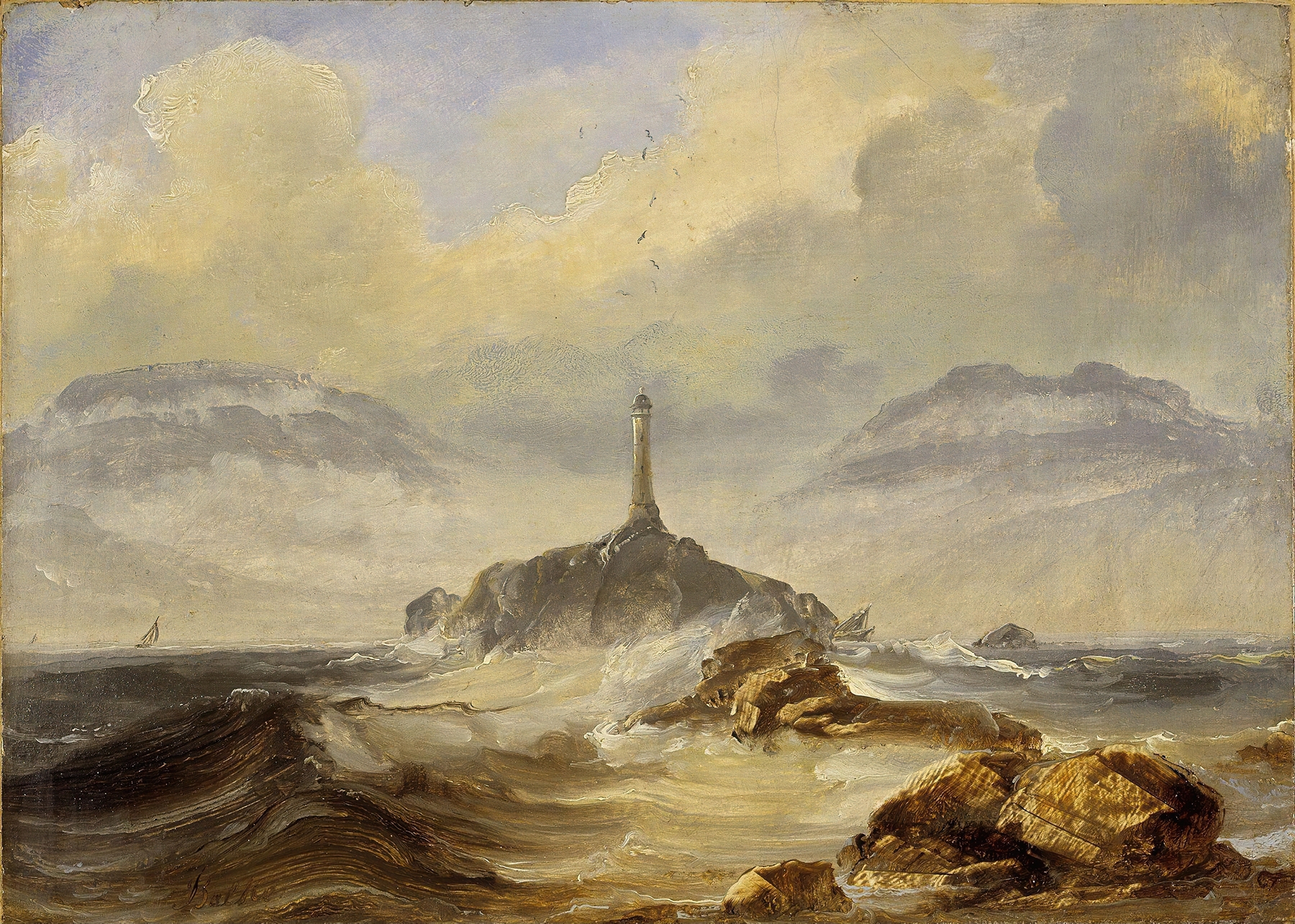
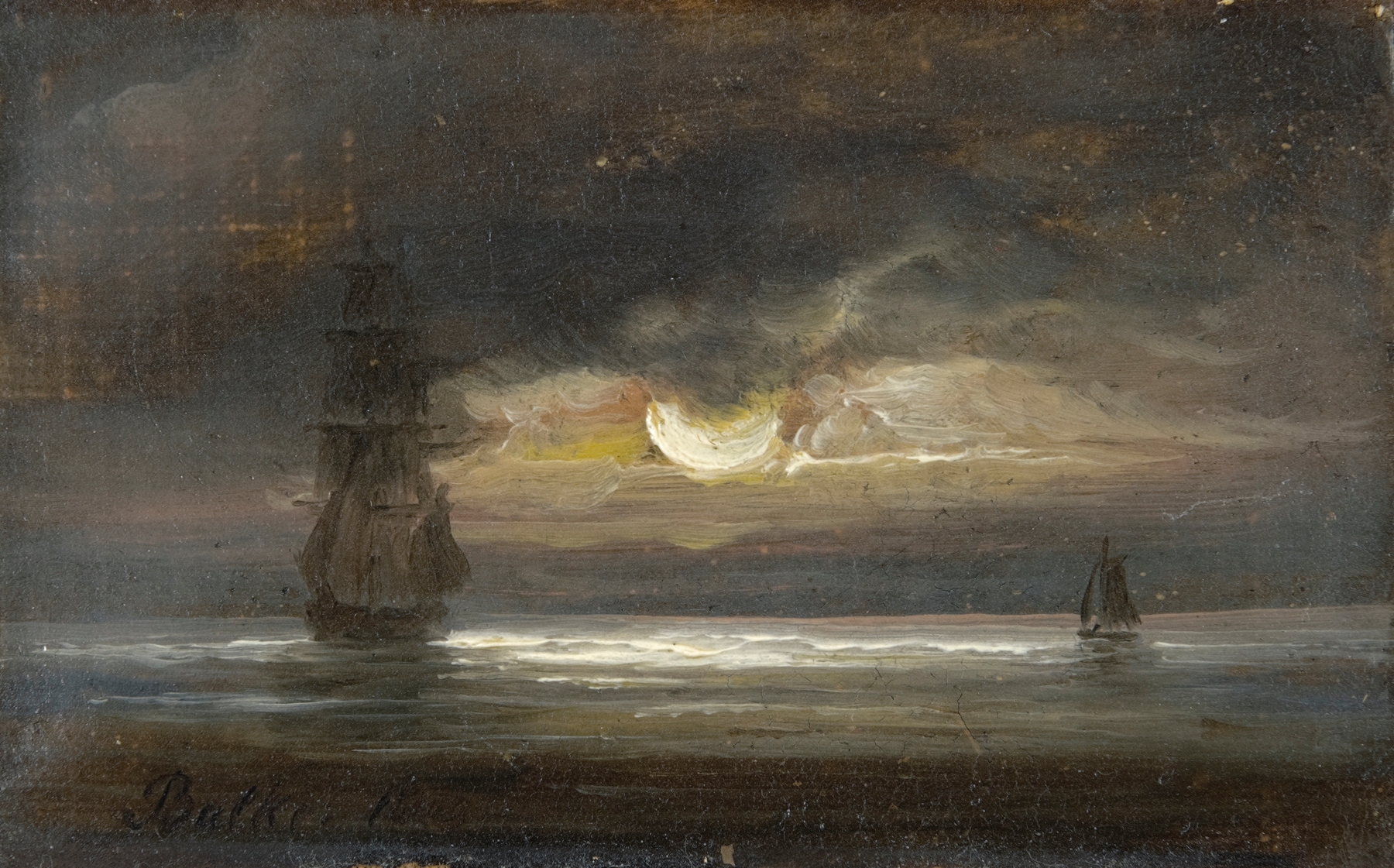
“Art reveals the soul when the world turns away.” This poignant truth resonates deeply in the quietude of a solitary lighthouse, standing resilient against the elements, a testament to human endurance amidst the vast, melancholic beauty of nature. Look to the left at the lighthouse, its stark white form cutting through the moody palette of blues and grays. The swirling clouds above seem almost alive, echoing the tumult of the sea below, while gentle strokes of light dance upon the water's surface, creating a shimmering path. The composition leans heavily on contrasts, with the sturdy structure of the lighthouse juxtaposed against the wild, unpredictable sea and sky, inviting contemplation of safety versus chaos.
Delve into the layers of emotion that unfold here. The lighthouse, while a symbol of guidance and hope, also embodies isolation, standing alone against a backdrop of nature's fury. The muted colors evoke a sense of longing, prompting reflections on solitude and the weight of existence.
The interplay of light and shadow hints at a narrative of endurance, as the structure braves the storms, quietly reflecting the fragility and strength of the human spirit. Created in 1855, this piece emerged during a period of significant change in Norwegian art, where Romanticism began to intertwine with emerging Realist conventions. Balke, working in his native Norway, sought to convey the sublime power of nature, grappling with themes of isolation and melancholy that mirrored his own experiences during a time of personal and artistic exploration.