Limitrophe du Canton de Berne et celui du Pays de Valais. près du Pont de St. Maurice — History & Analysis
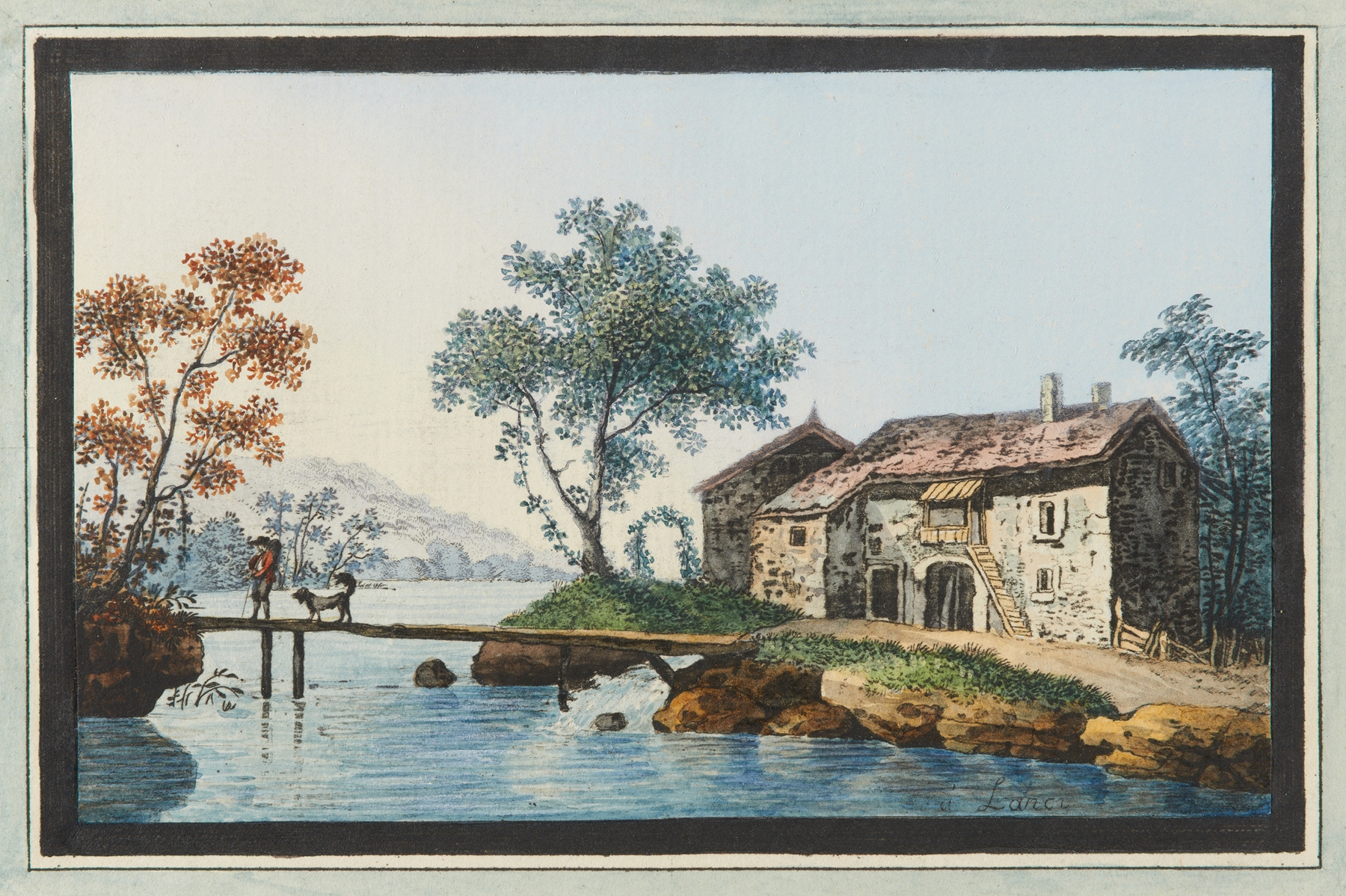
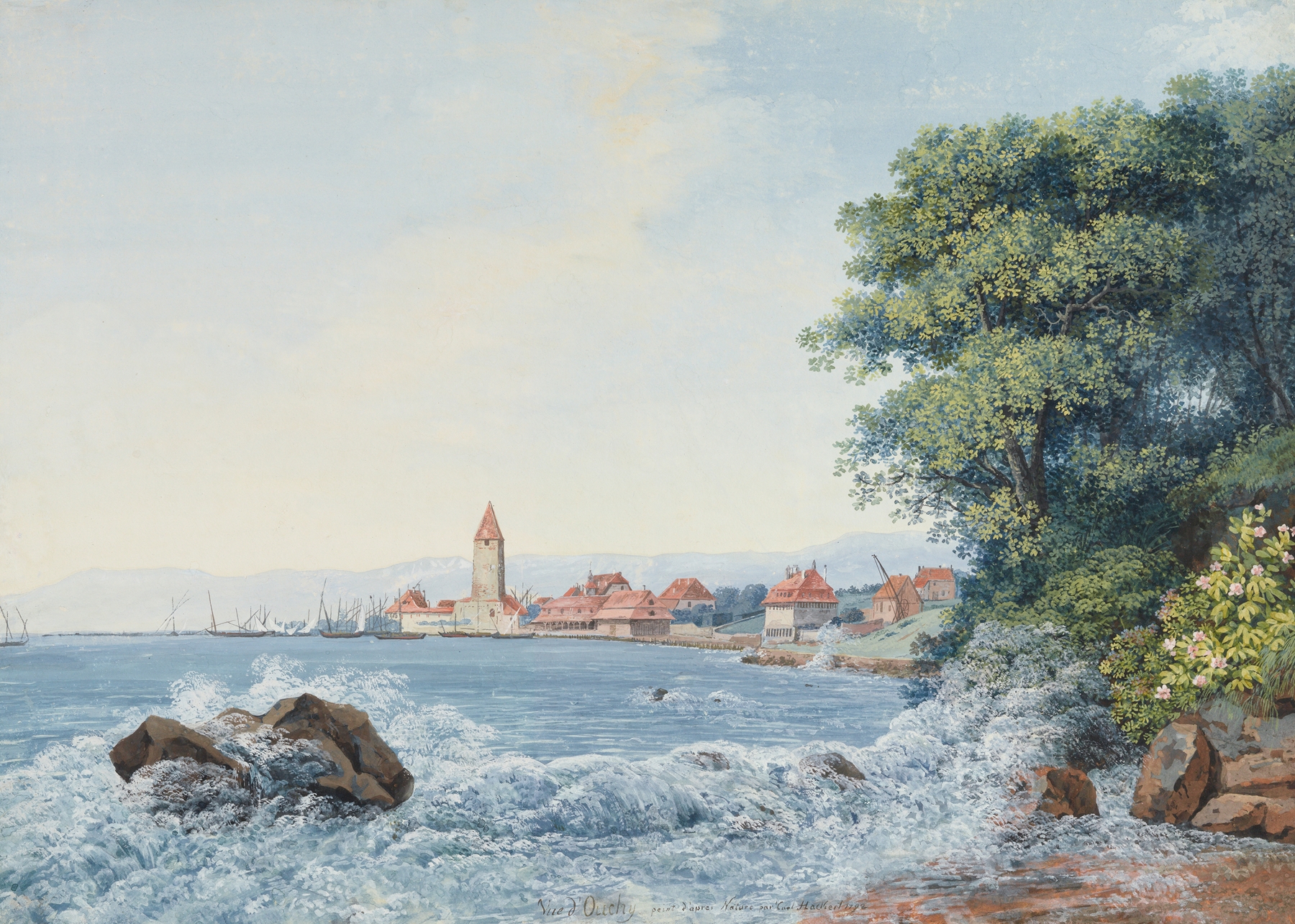
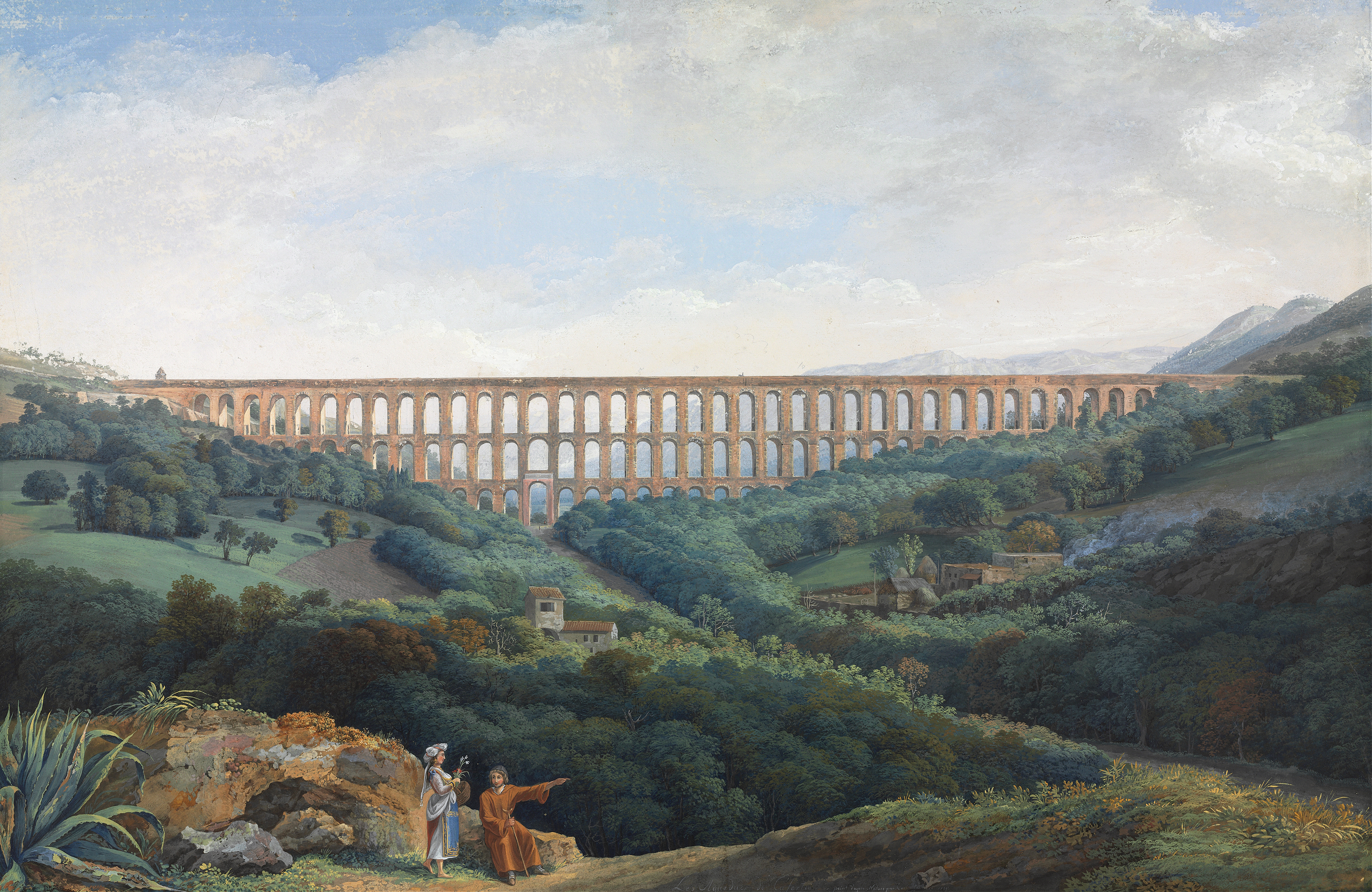
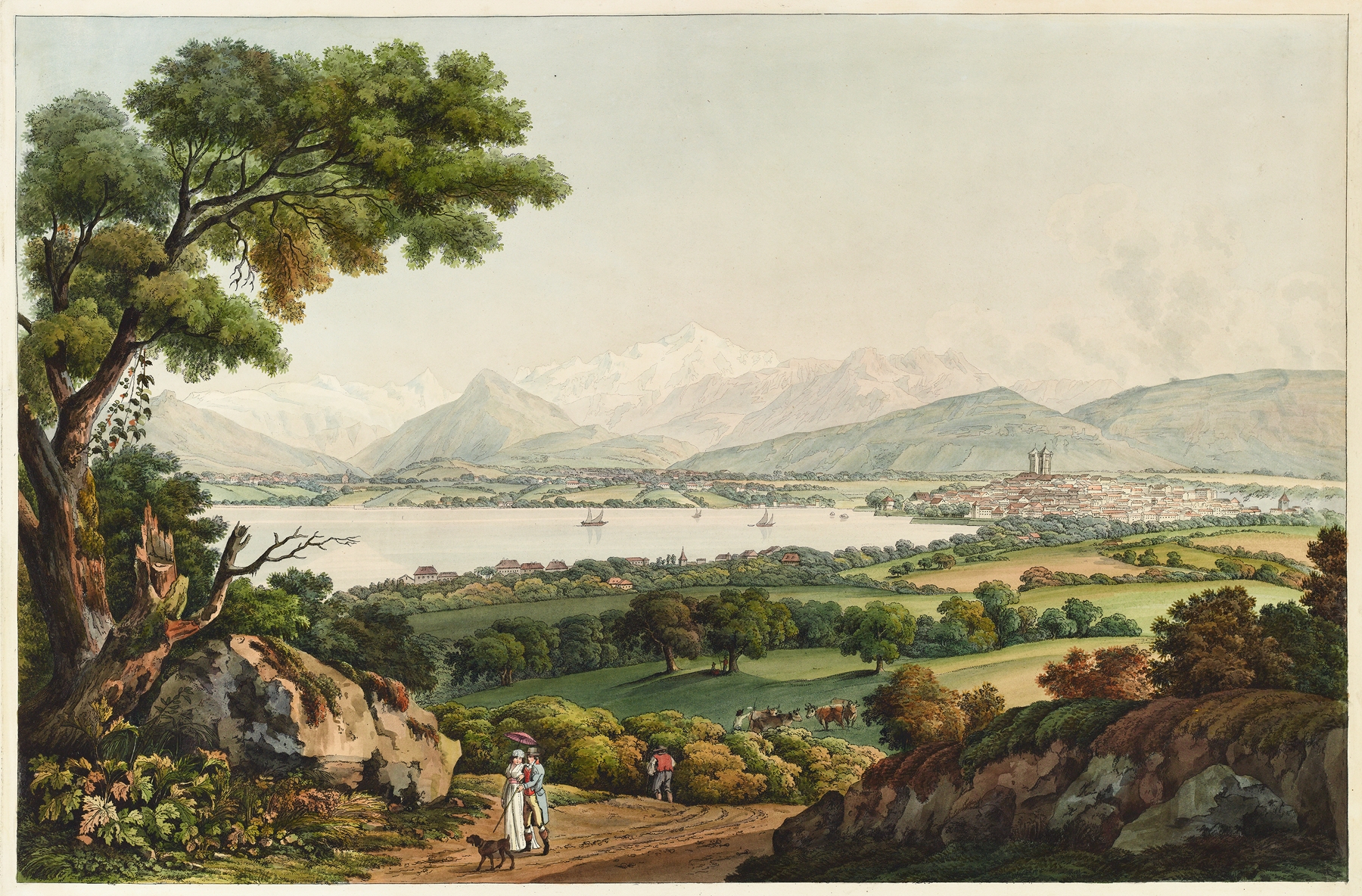
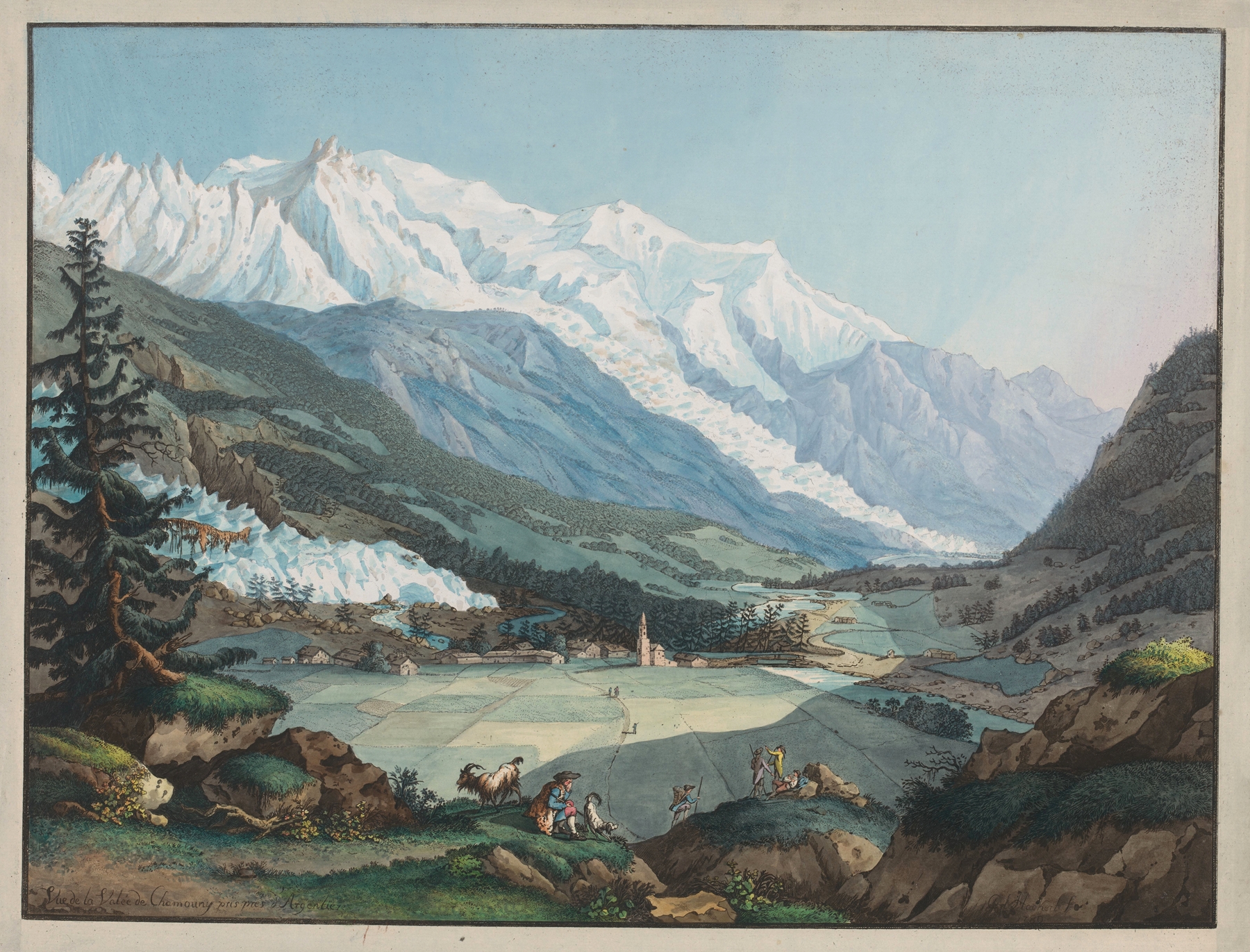
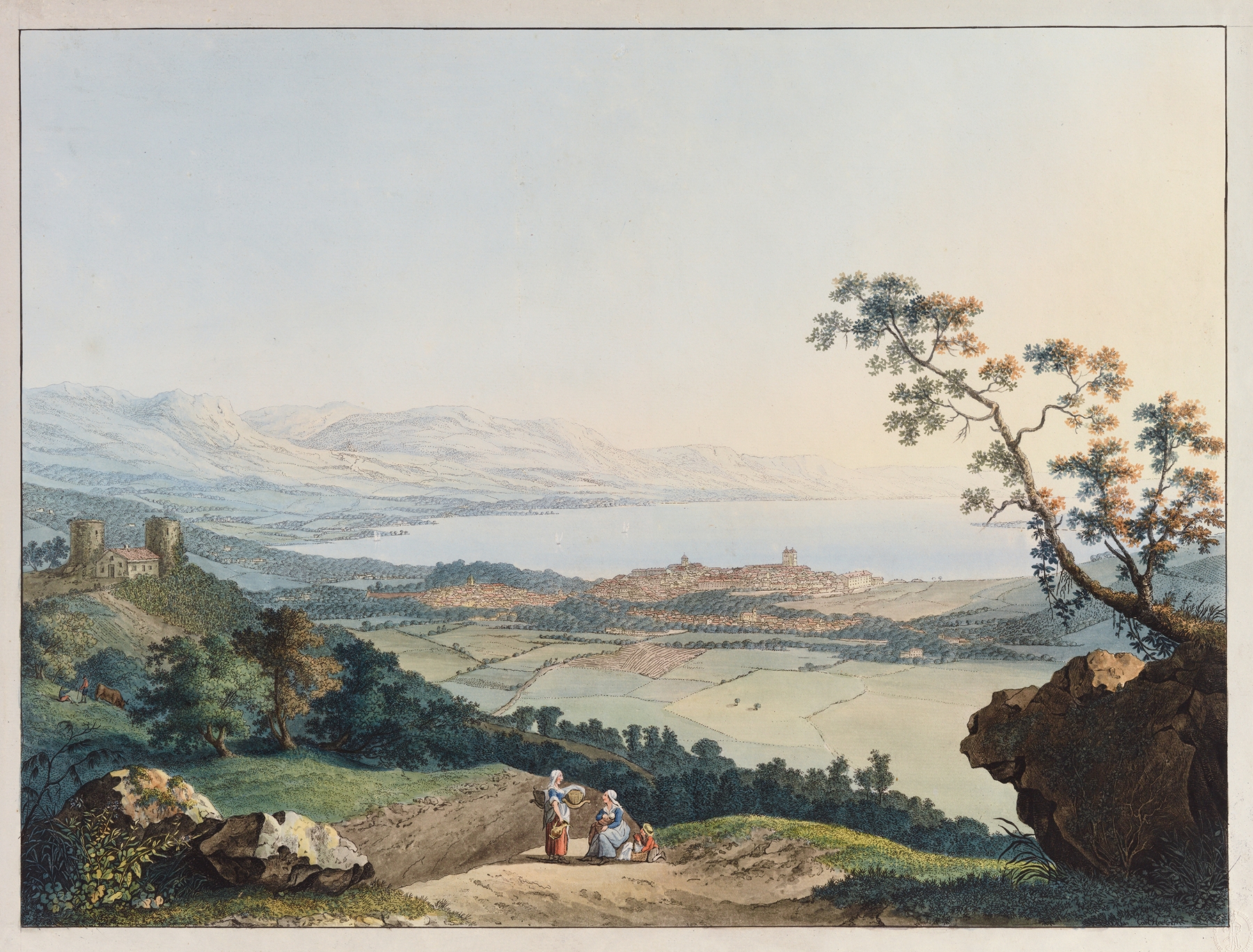
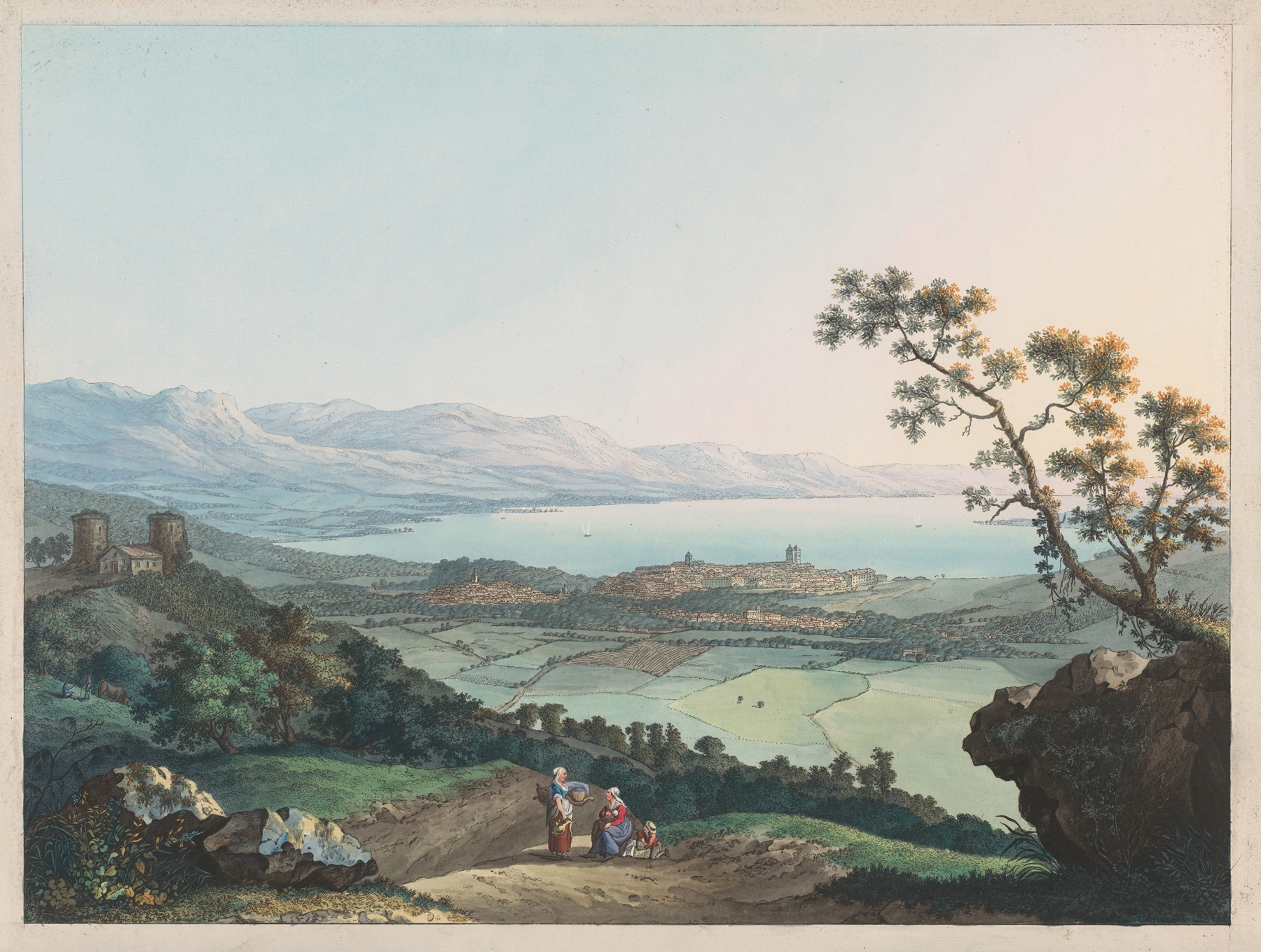
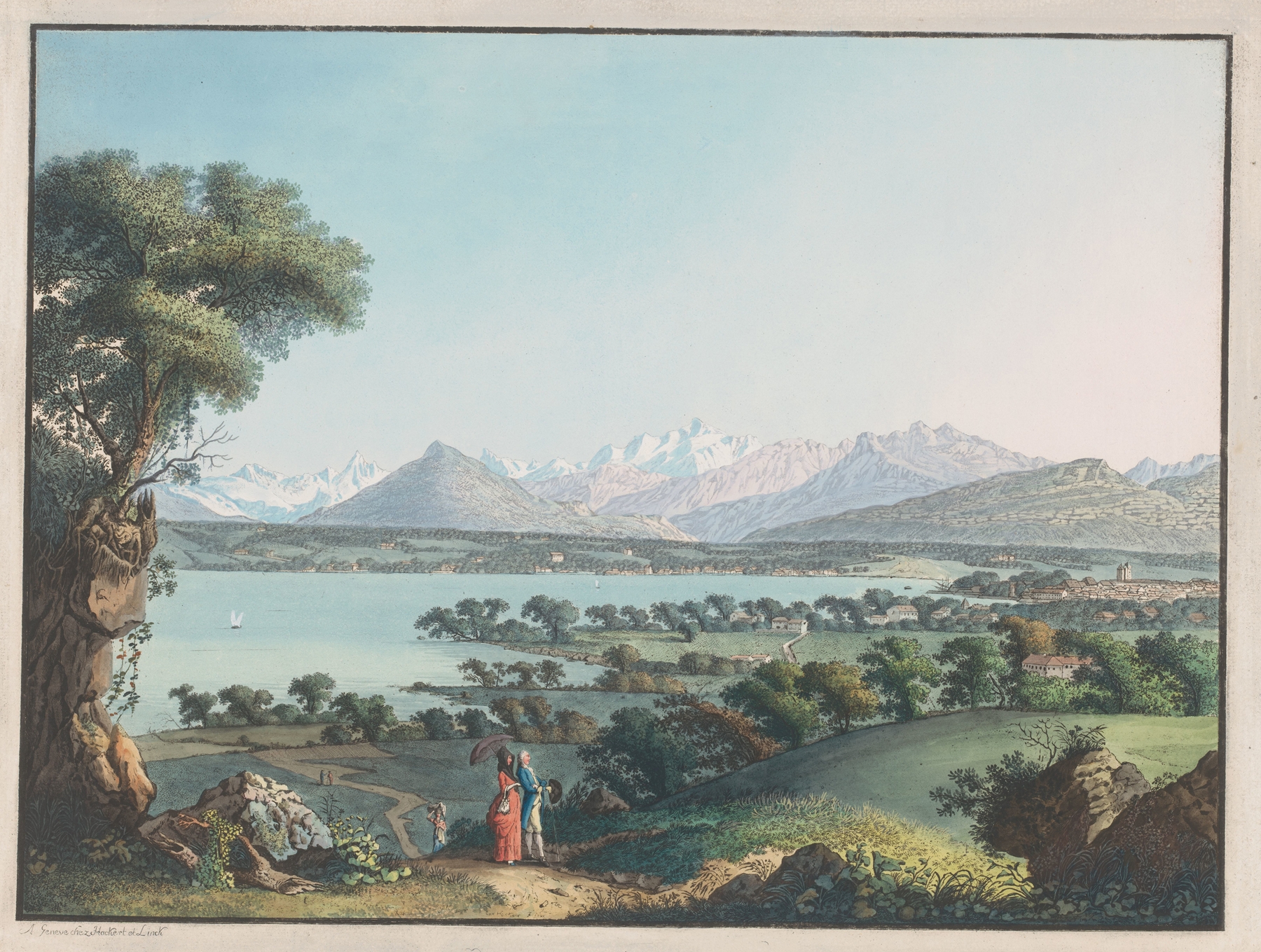
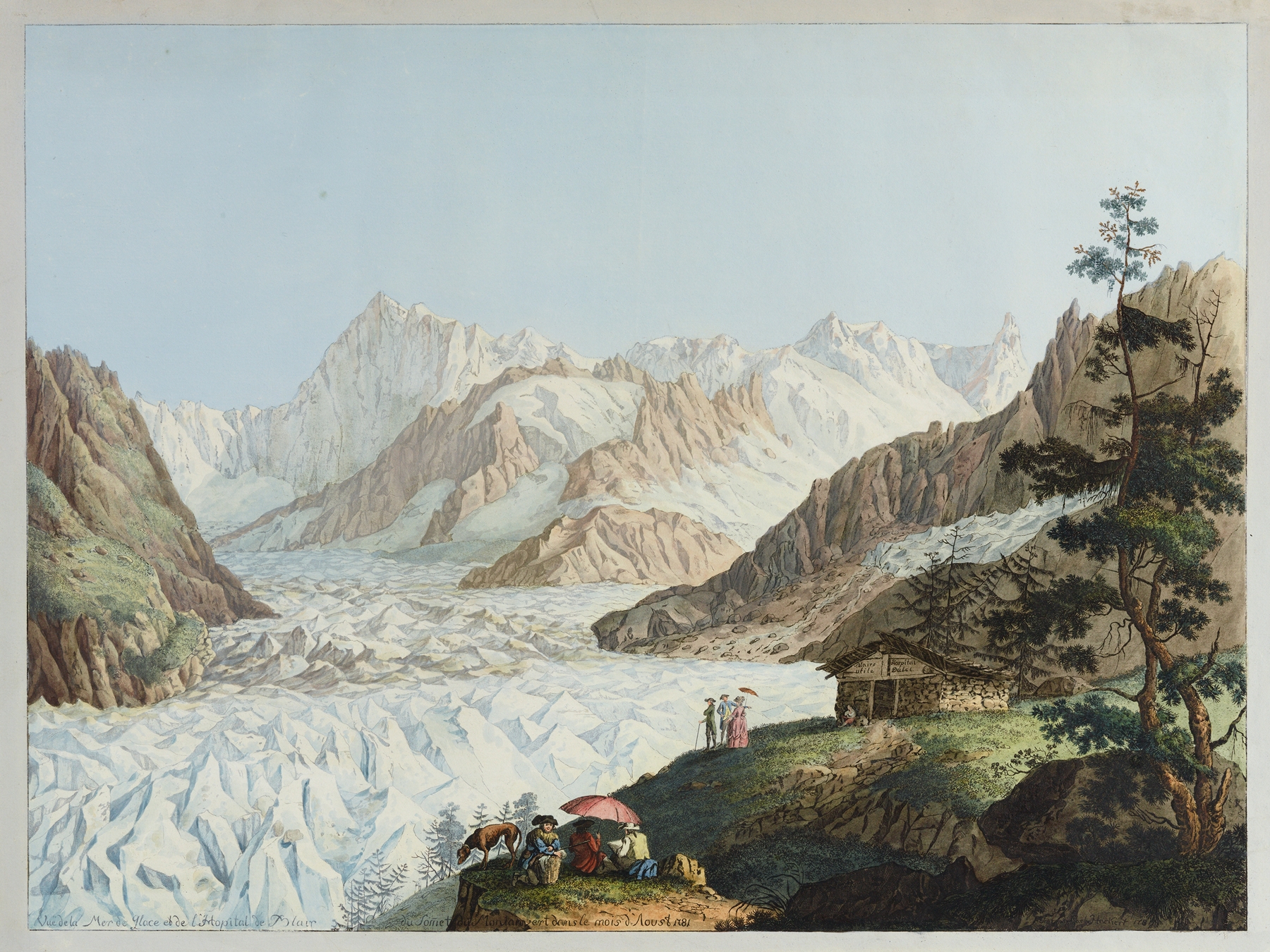
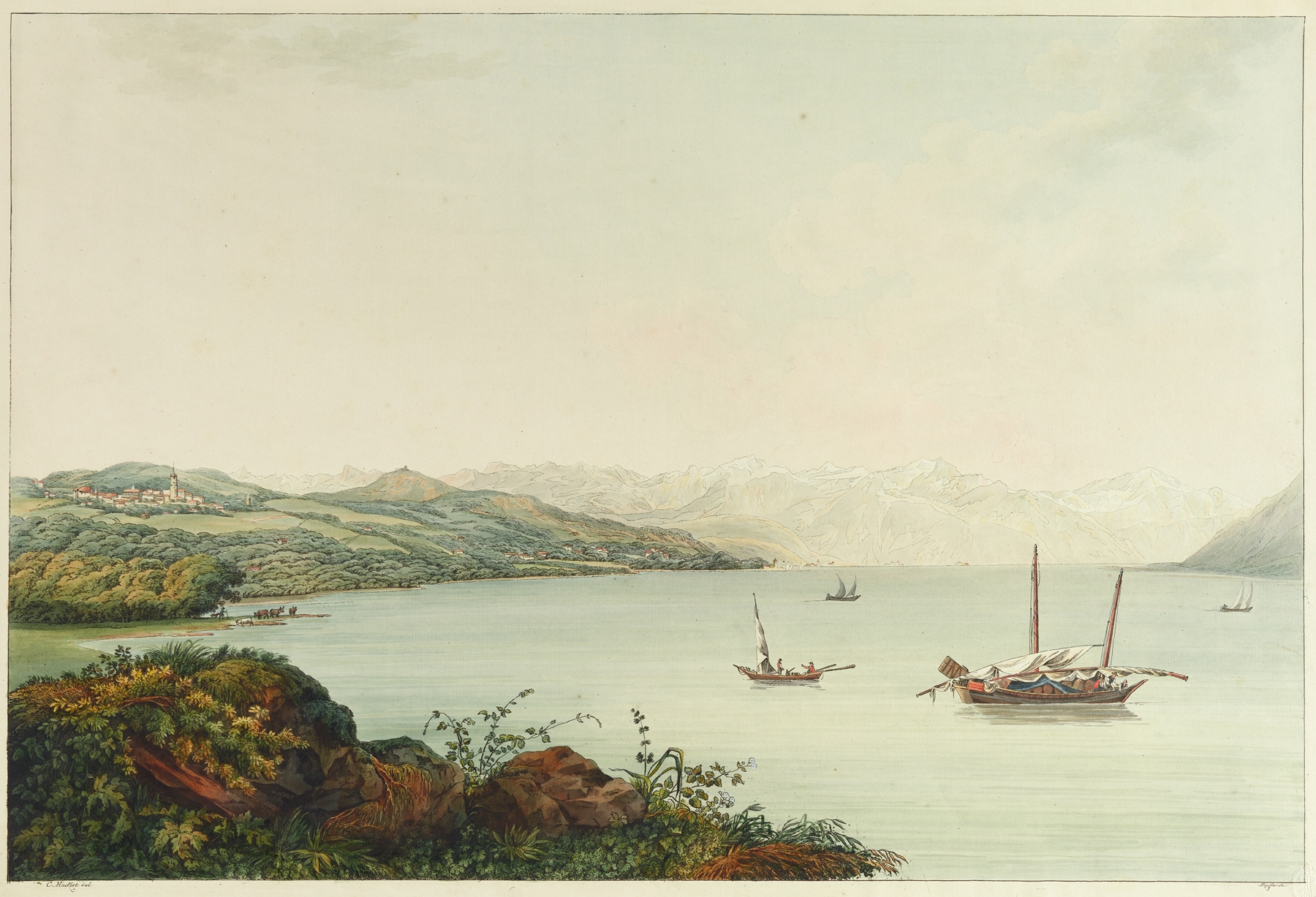
Could a single brushstroke hold eternity? In the intricate landscapes of the 18th century, Carl Ludwig Hackert expertly weaves nature and emotion into a timeless tapestry that resonates across centuries. Look to the foreground of this serene valley scene, where verdant hills rise, kissed by soft morning light. Notice how the play of shadow and illumination brings depth to the undulating terrain, as if inviting the viewer to step into the tranquil embrace of the landscape.
The gentle brushwork captures the essence of the meandering river, reflecting hues of azure and emerald that harmonize with the blossoming flora, creating a vivid sense of life and serenity. Delve deeper, and you’ll find a juxtaposition between the stillness of nature and the underlying tension of human existence. The distant mountains, grand and imposing, seem to echo the challenges of life, while the peaceful river represents the flow of time and its ceaseless movement. Each detail serves as a reminder of the delicate balance between humanity and the natural world, evoking a profound sense of introspection and connection.
Hackert painted this work during a transitional period for European art, likely around the late 18th century while residing in Italy. Influenced by the Romantic ideals surrounding nature, he sought to capture not just the visual splendor of landscapes, but also their emotional resonance. This painting emerged at a time when artists began to appreciate and elevate nature as a subject, breaking free from purely classical themes, and reflecting the shifting sensibilities of a world on the cusp of modernity.