Literary Chapel in St. John’s Cathedral in Warsaw — History & Analysis
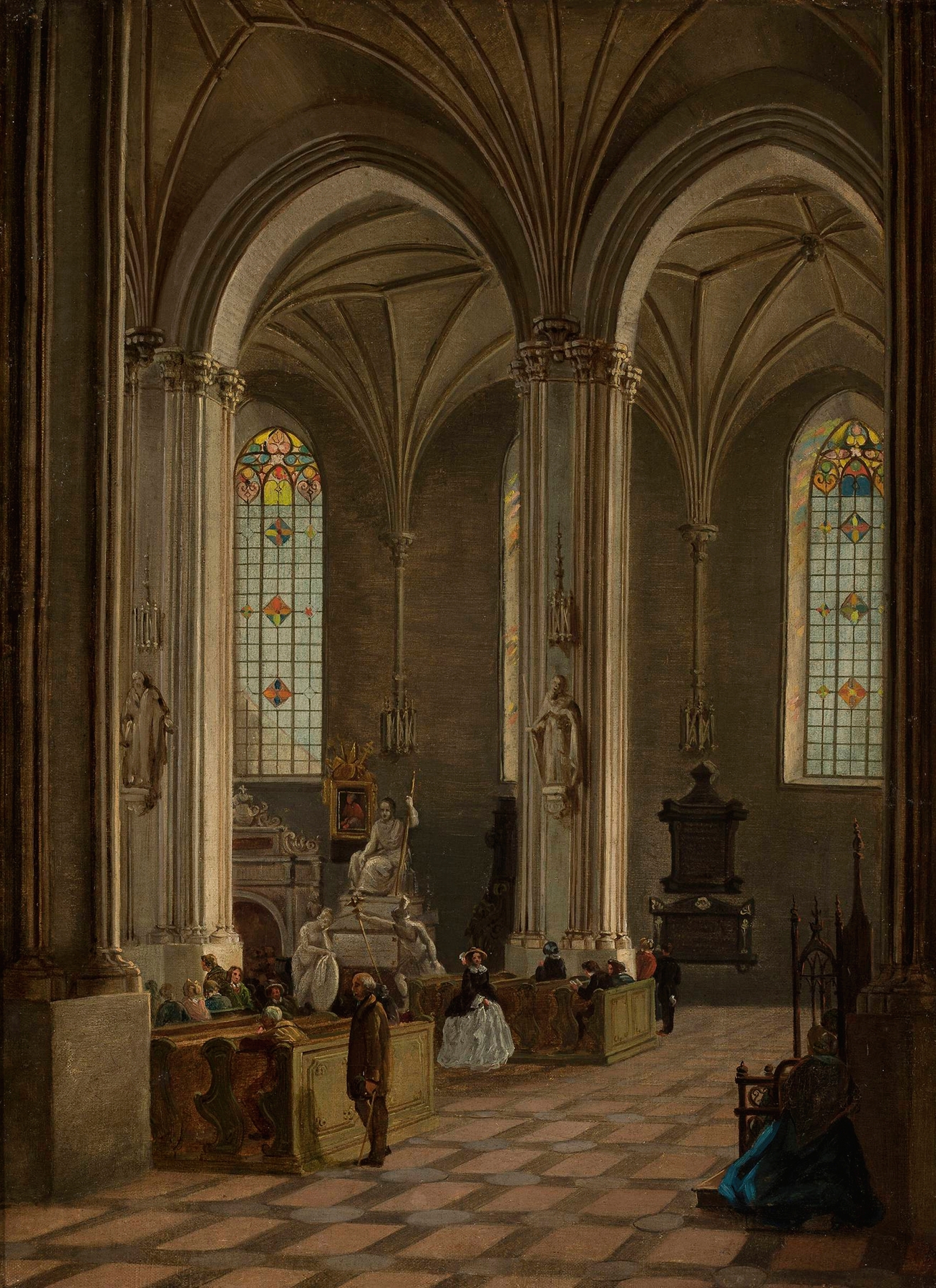
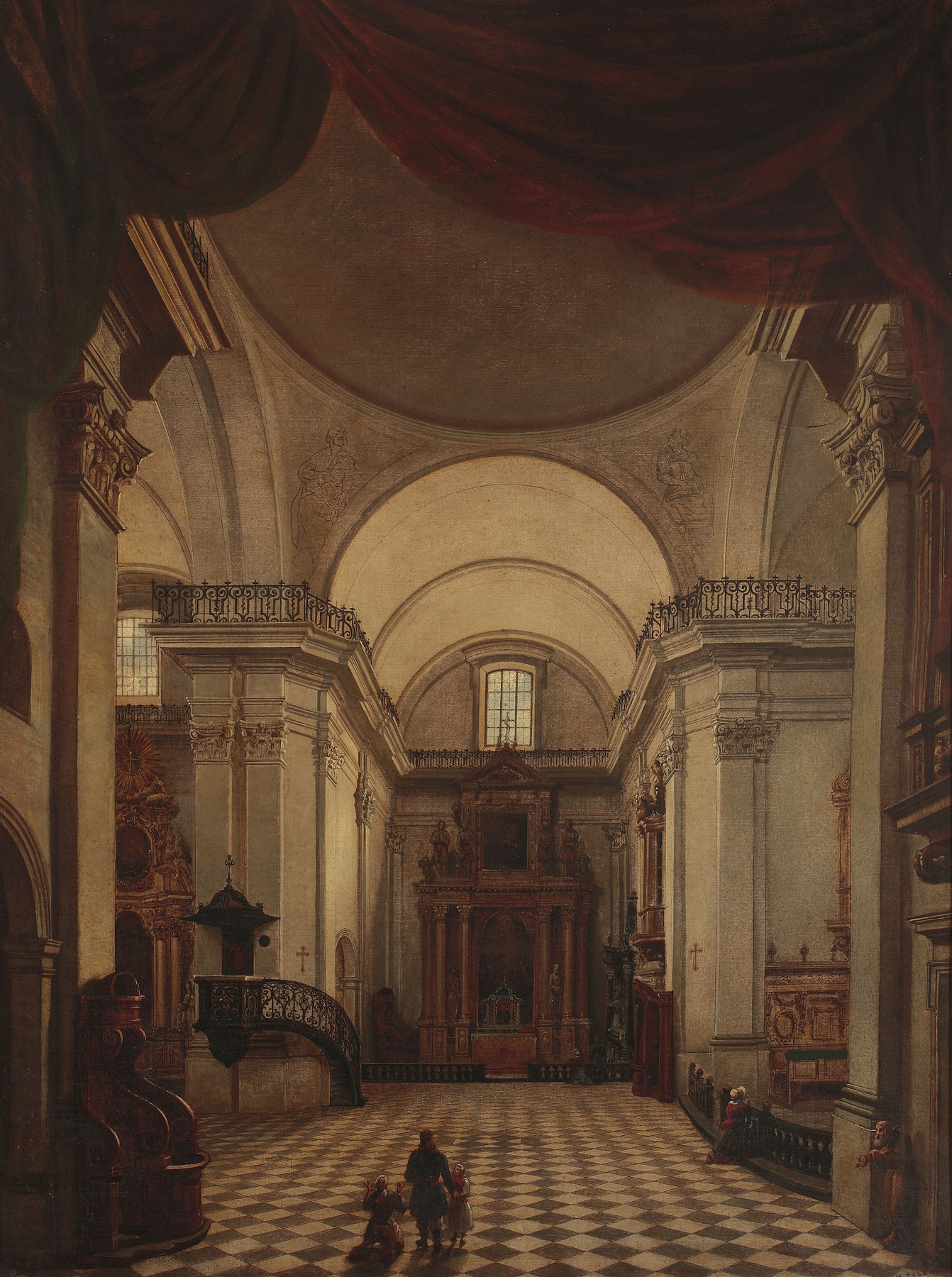
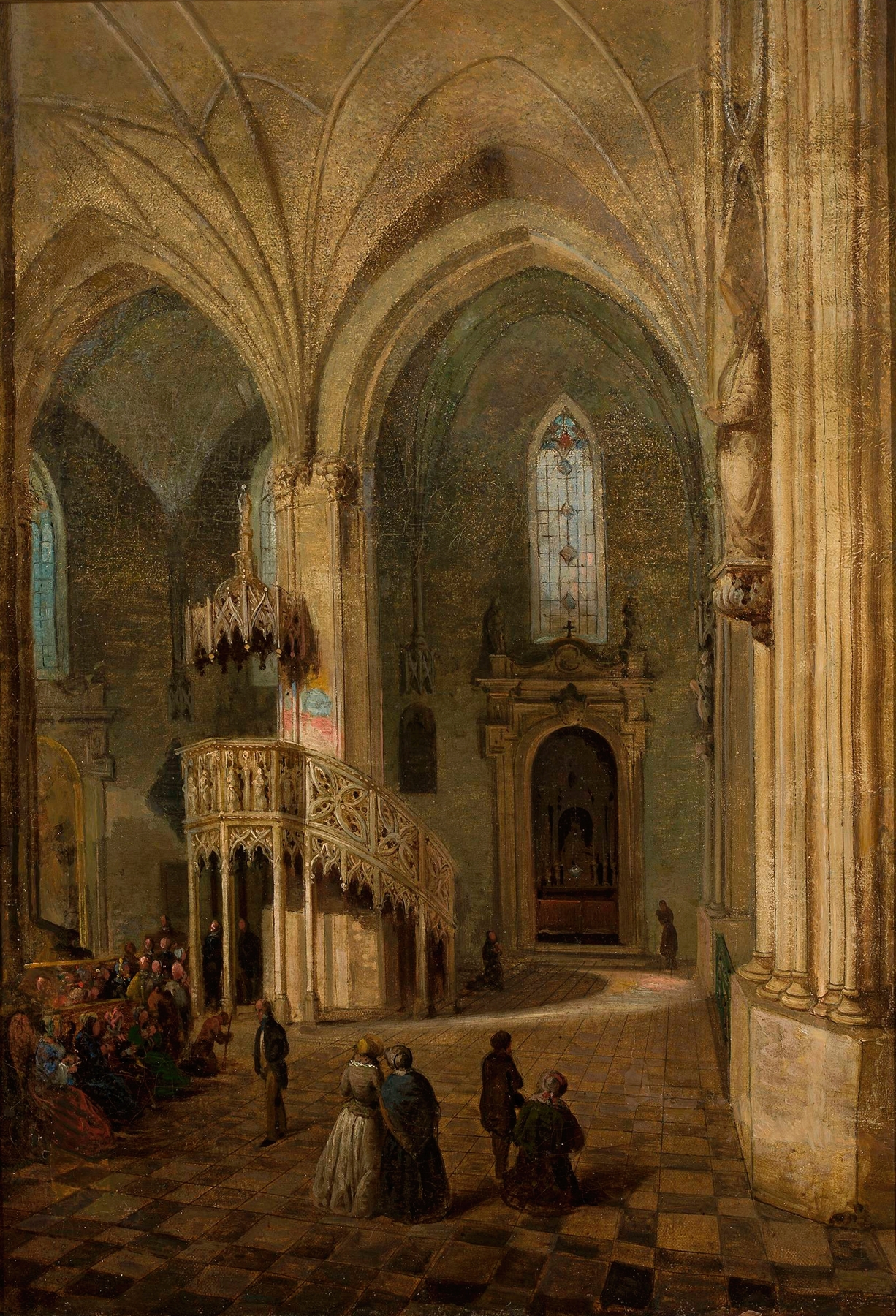
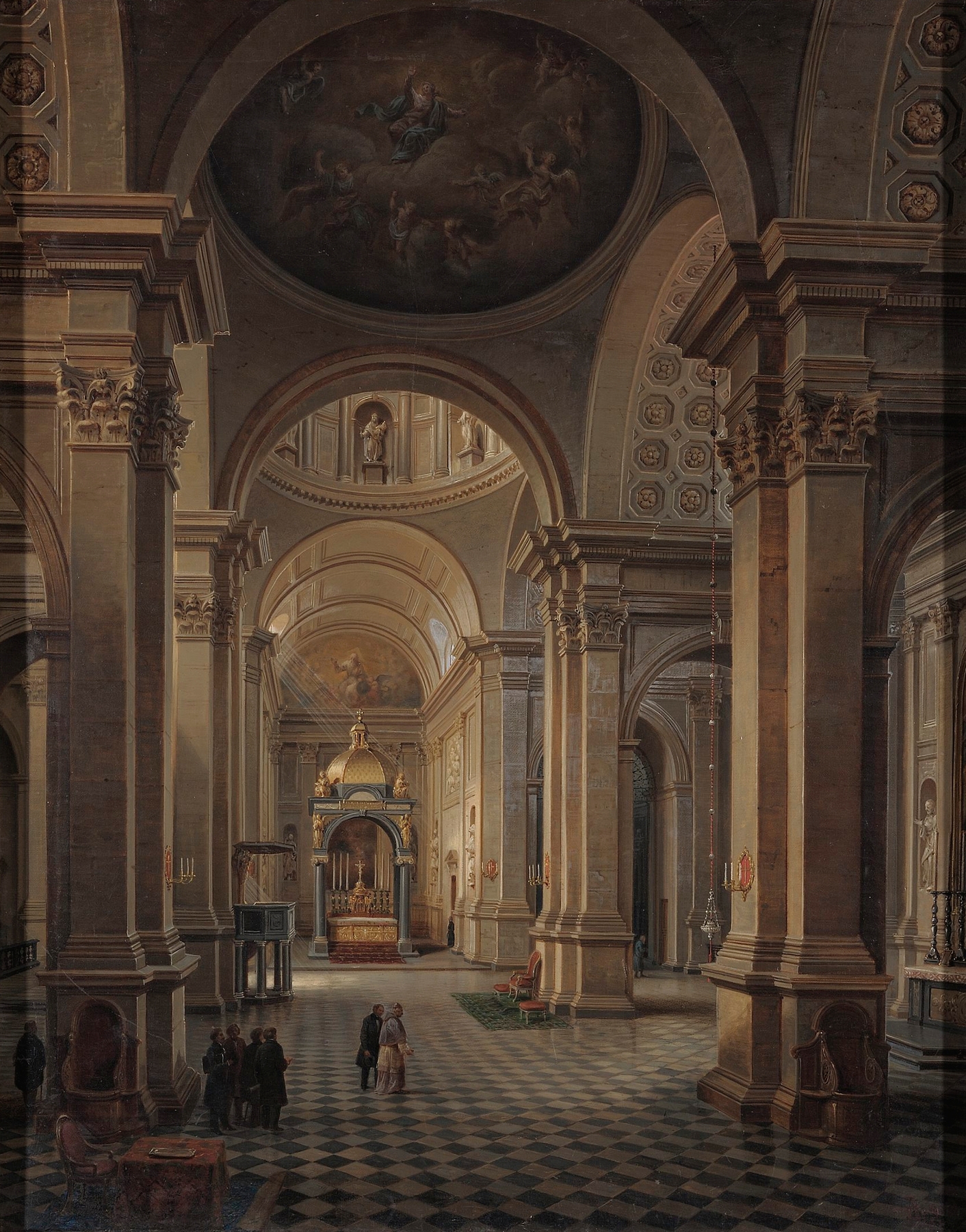
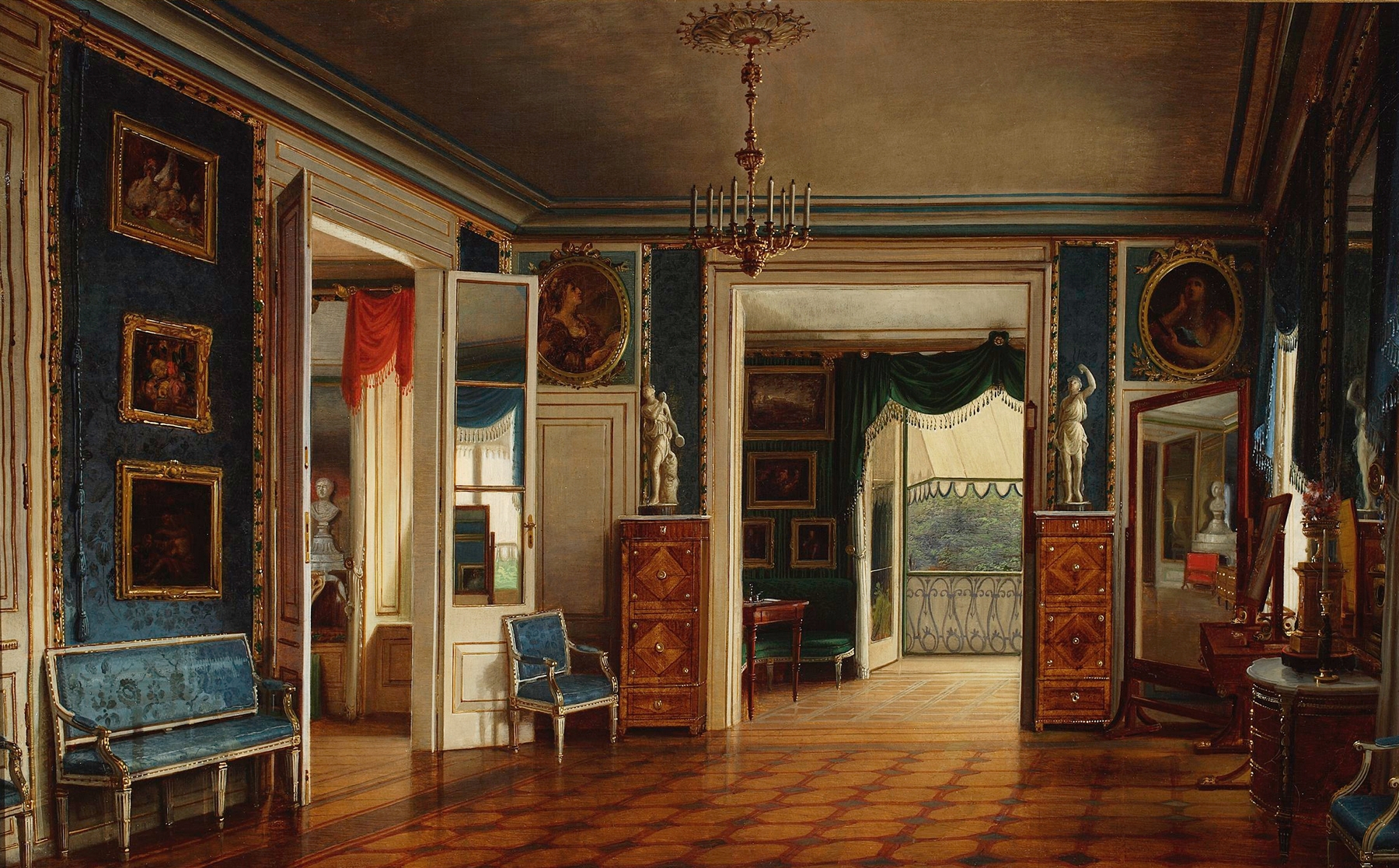
What if silence could speak through light? In the delicate interplay of shadow and illumination, the essence of memory takes form, inviting us to pause and reflect. Focus on the ethereal glow that filters through the stained glass, casting a kaleidoscope of colors onto the stone floor. Notice how the intricate details of the chapel's architecture emerge; the pointed arches and delicate tracery rise majestically, drawing the eye upward to the heavens.
The warm ambers and cool blues of the glass create a rhythmic dance of light, enveloping the viewer in a serene embrace that speaks of both reverence and nostalgia. As you delve deeper, consider the contrast between the solid permanence of the stone and the ephemeral quality of light. Each hue seems to whisper secrets of the past, invoking a sense of longing and contemplation. The silence is palpable, yet filled with the echoes of countless prayers and readings—a sanctuary of thought amongst the chaos of life outside.
The subtle tension between shadows and brightness encapsulates the fragility of memory, inviting an introspective journey. Marcin Zaleski painted this masterpiece in 1854, a time when Poland was grappling with political unrest and a struggle for identity. Working primarily in Warsaw, Zaleski was influenced by the Romantic movement, which sought to evoke emotion through the beauty of nature and the sublime. This piece reflects not only his artistic vision but also the cultural significance of a moment in history, intertwining personal and collective memories in the stillness of the chapel.