L’Île, Poissy — History & Analysis
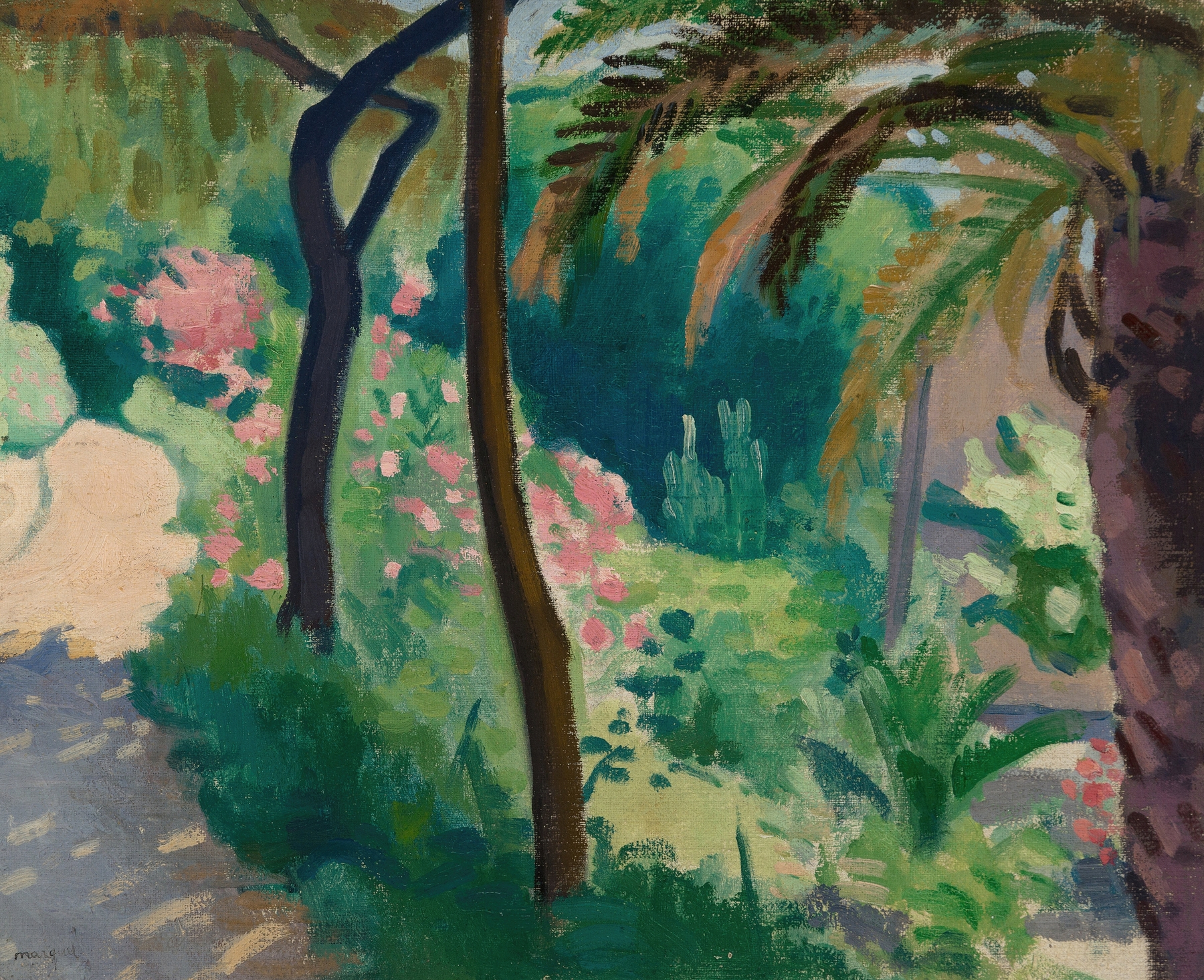
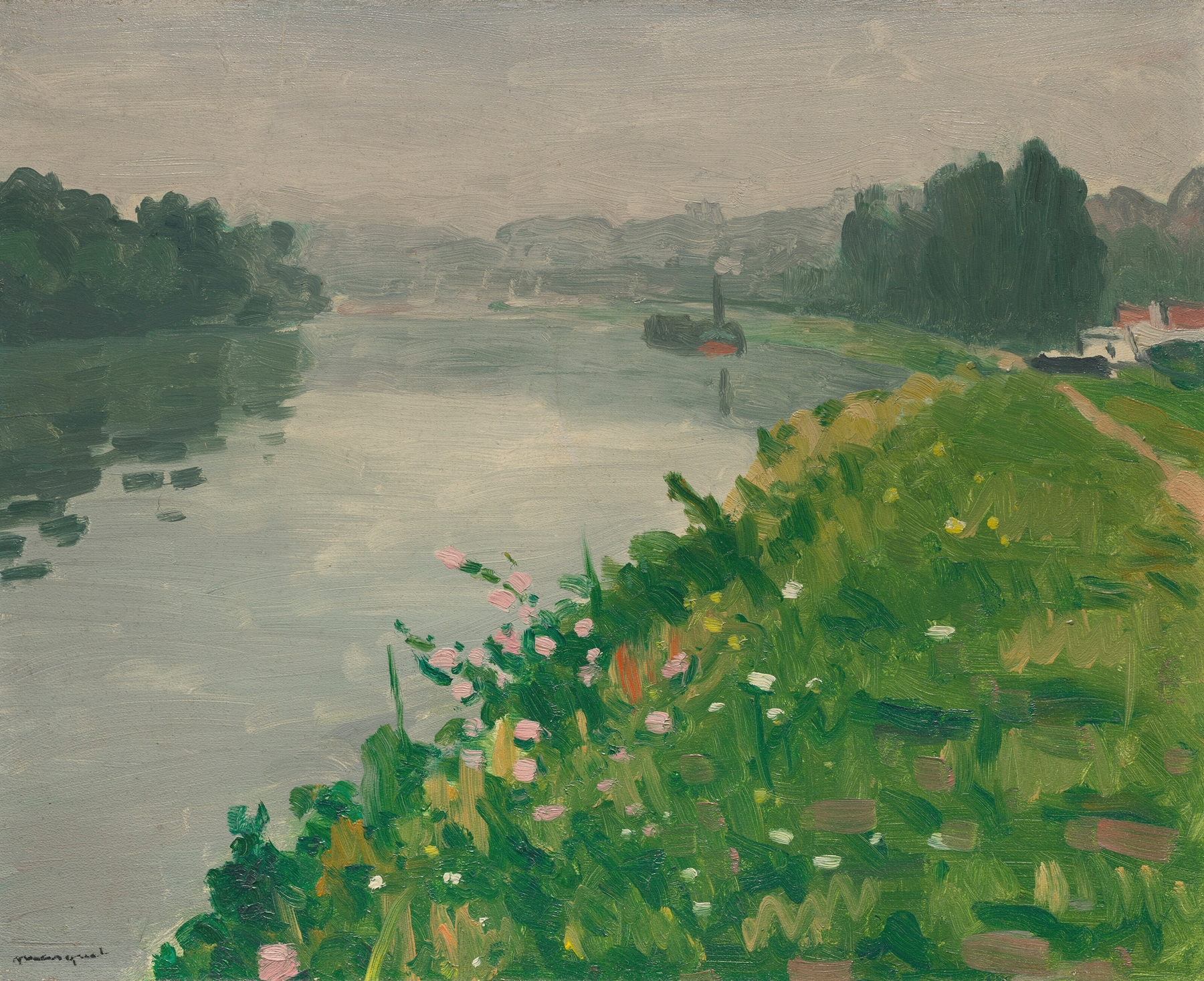
Who listens when art speaks of silence? In L’Île, the whispers of decay interlace with the tranquility of nature, drawing us into a world both serene and poignant. Look to the centre where the island floats in gentle repose, embraced by the muted strokes of blues and greens. The water’s surface glimmers softly beneath a melancholic sky, while the trees, rendered in earthy tones, lean towards the viewer, inviting contemplation.
Notice how the brushwork ebbs and flows, the fluidity of the waves echoing the passage of time, each stroke revealing a quiet yearning beneath the calm facade. Yet, amidst this serenity lies a tension—an undercurrent of impermanence. The fading light hints at the inevitable decay of both land and spirit, as the vibrant colors transform into muted shades, capturing the essence of life slowly surrendering to time. The trees, though lush, suggest an impending stillness, their full forms silently anticipating the inevitable changes of season, mirroring our own journey of change and loss.
Created in 1929, this piece reflects Albert Marquet’s exploration of color and light during a period of personal introspection. Living in Paris, he sought solace in nature, finding inspiration in the quietude of landscapes as the world faced the tensions of modernity. As he embraced a more expressive style, L’Île emerged, embodying a profound meditation on the transient beauty that surrounds us, even as it fades.