London Bridge from the Upper Landing of the Steps near Tooley Street — History & Analysis
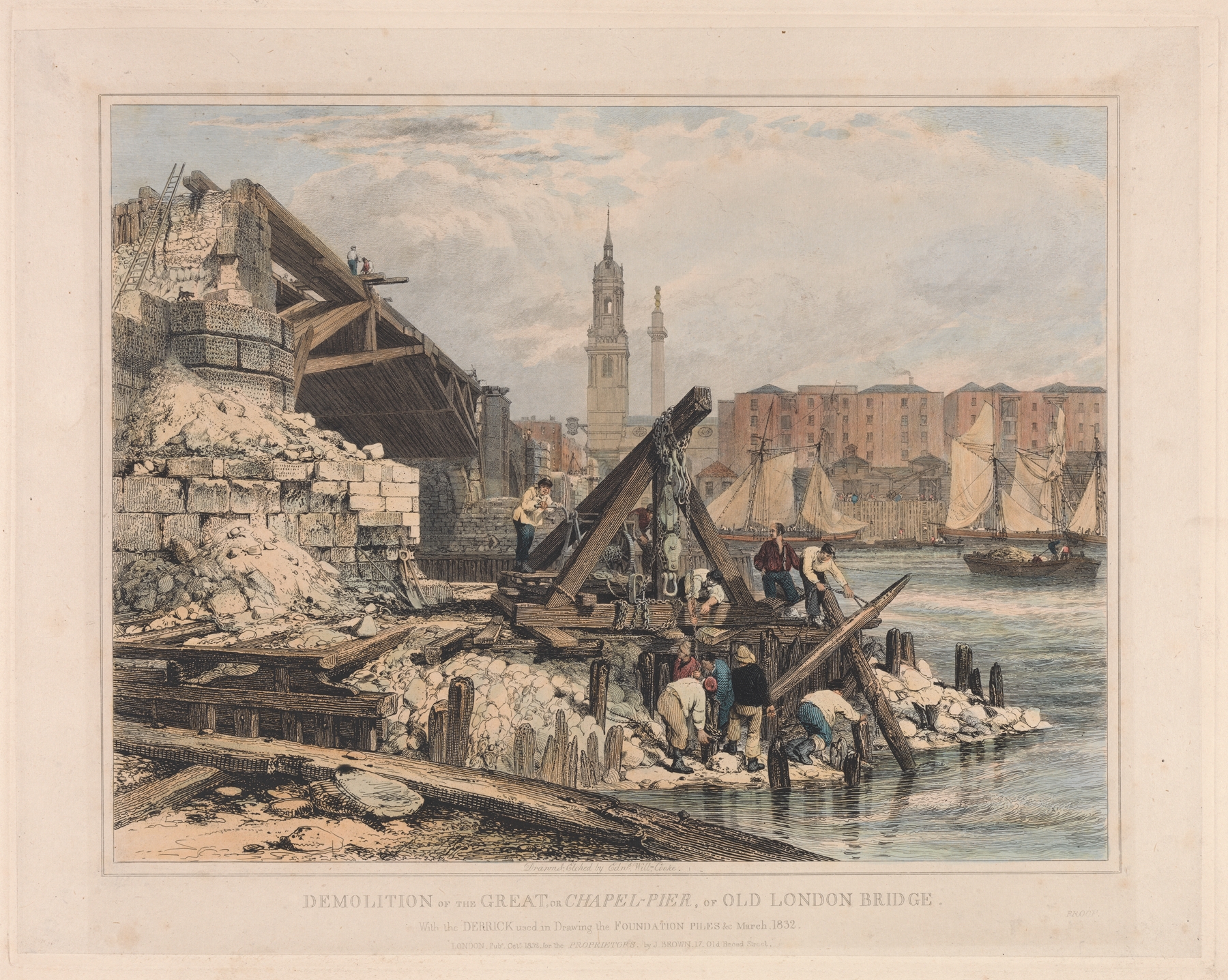
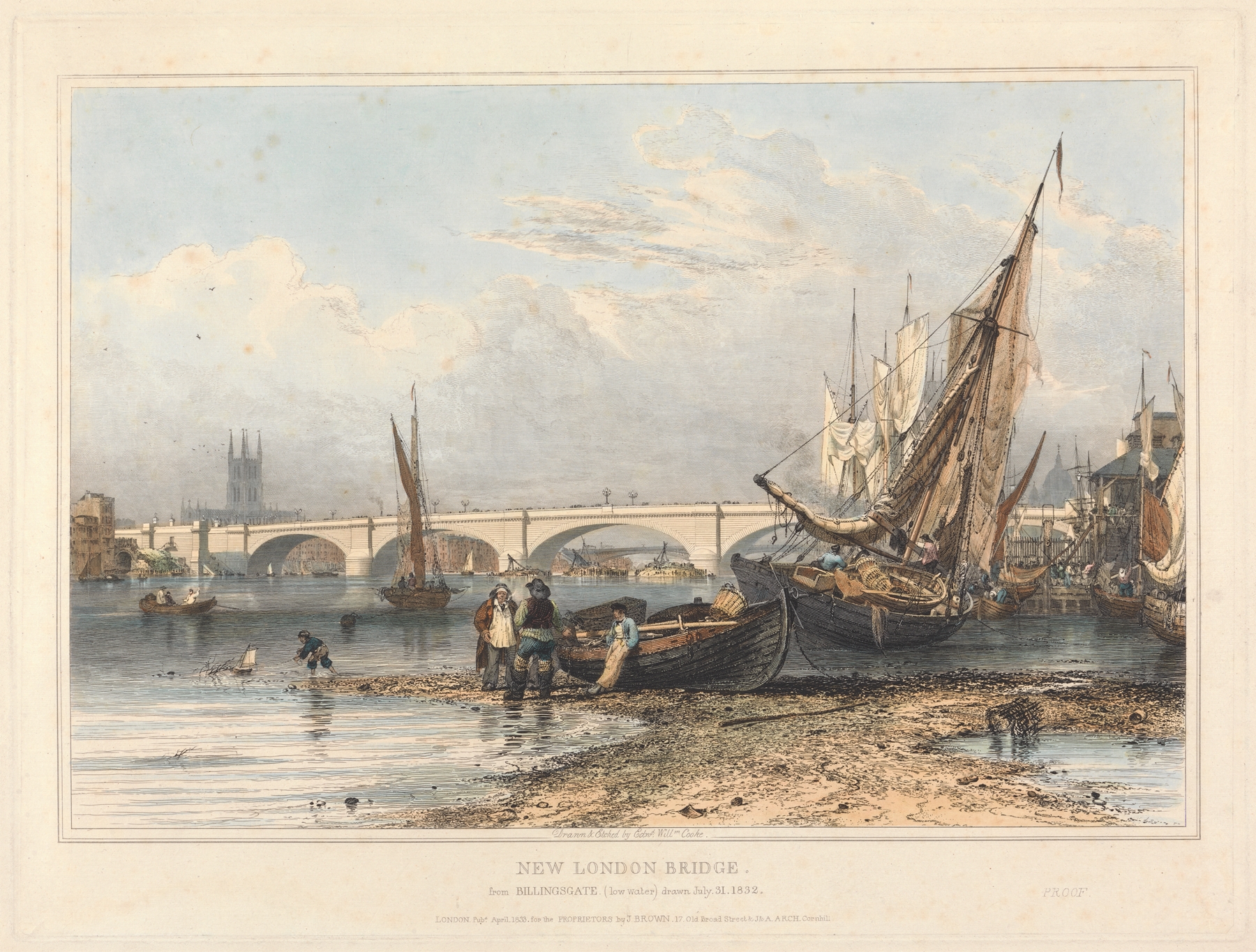
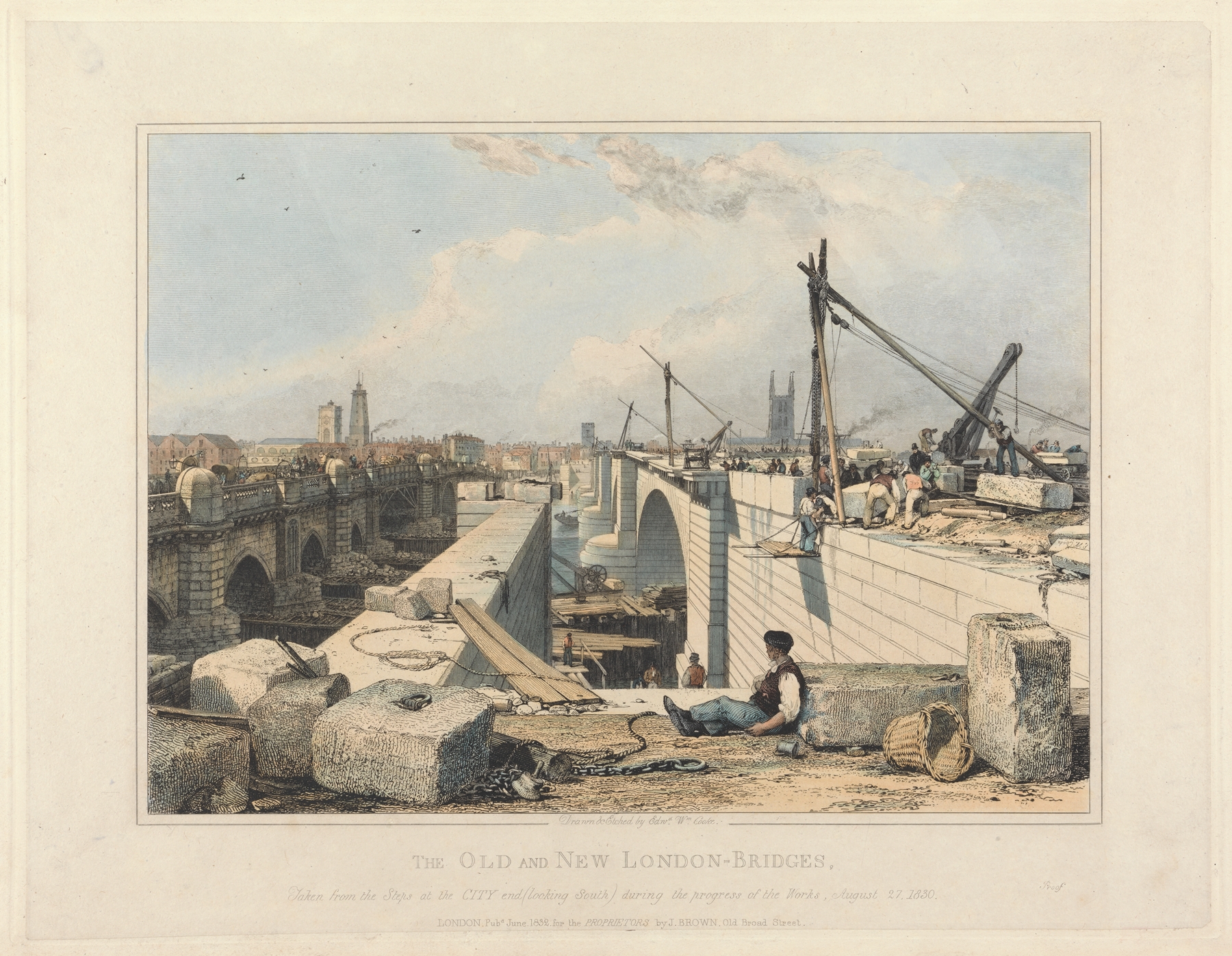
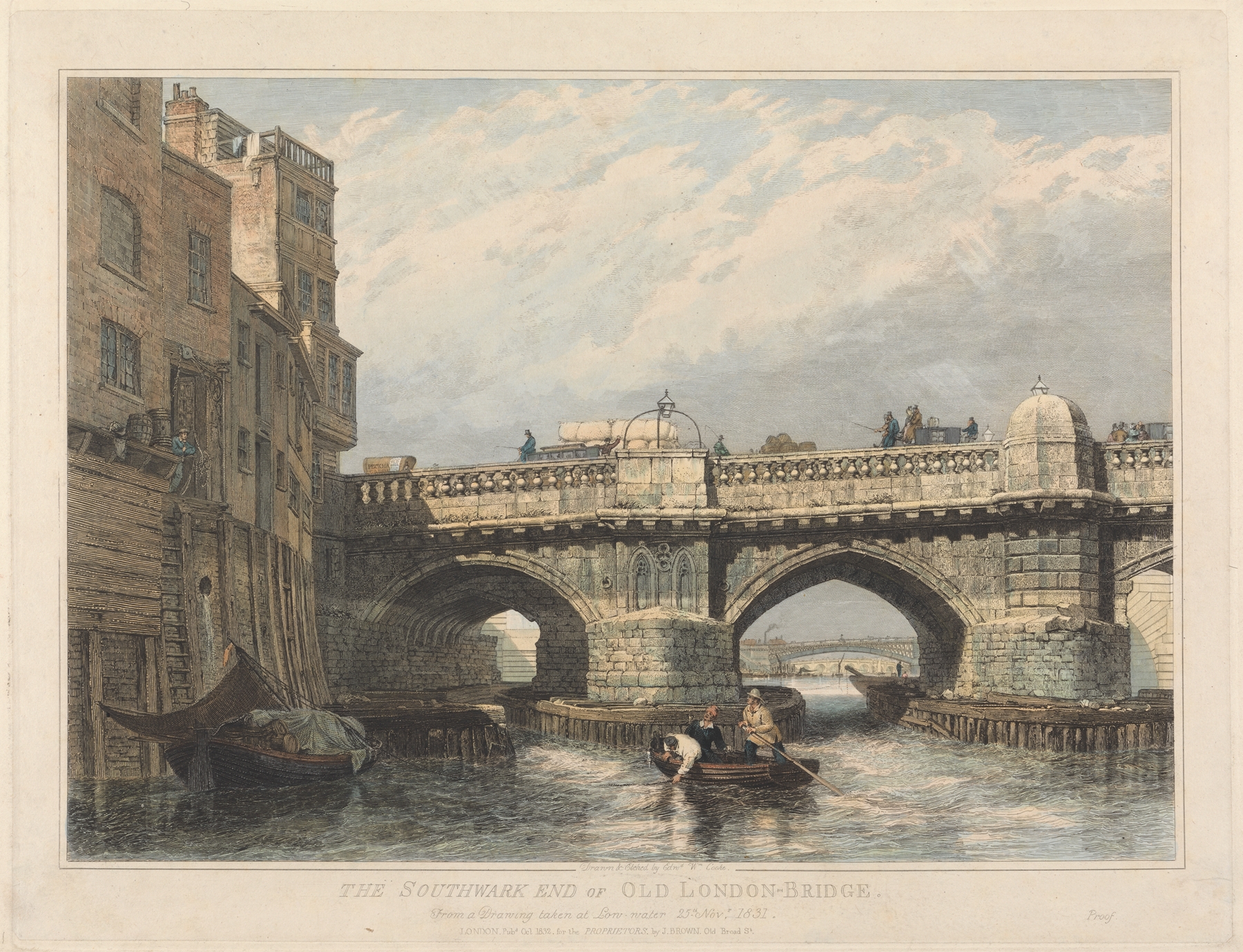
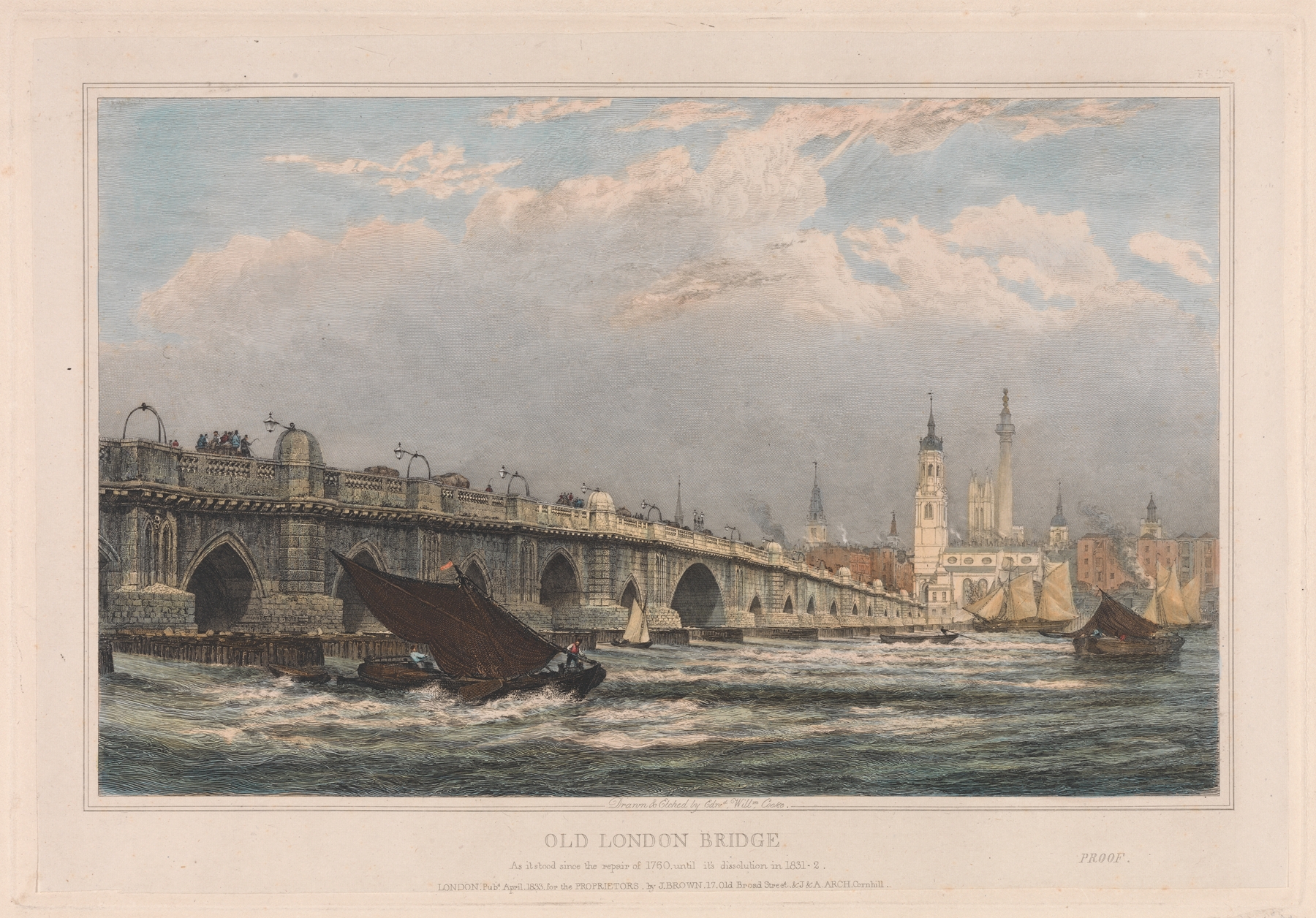
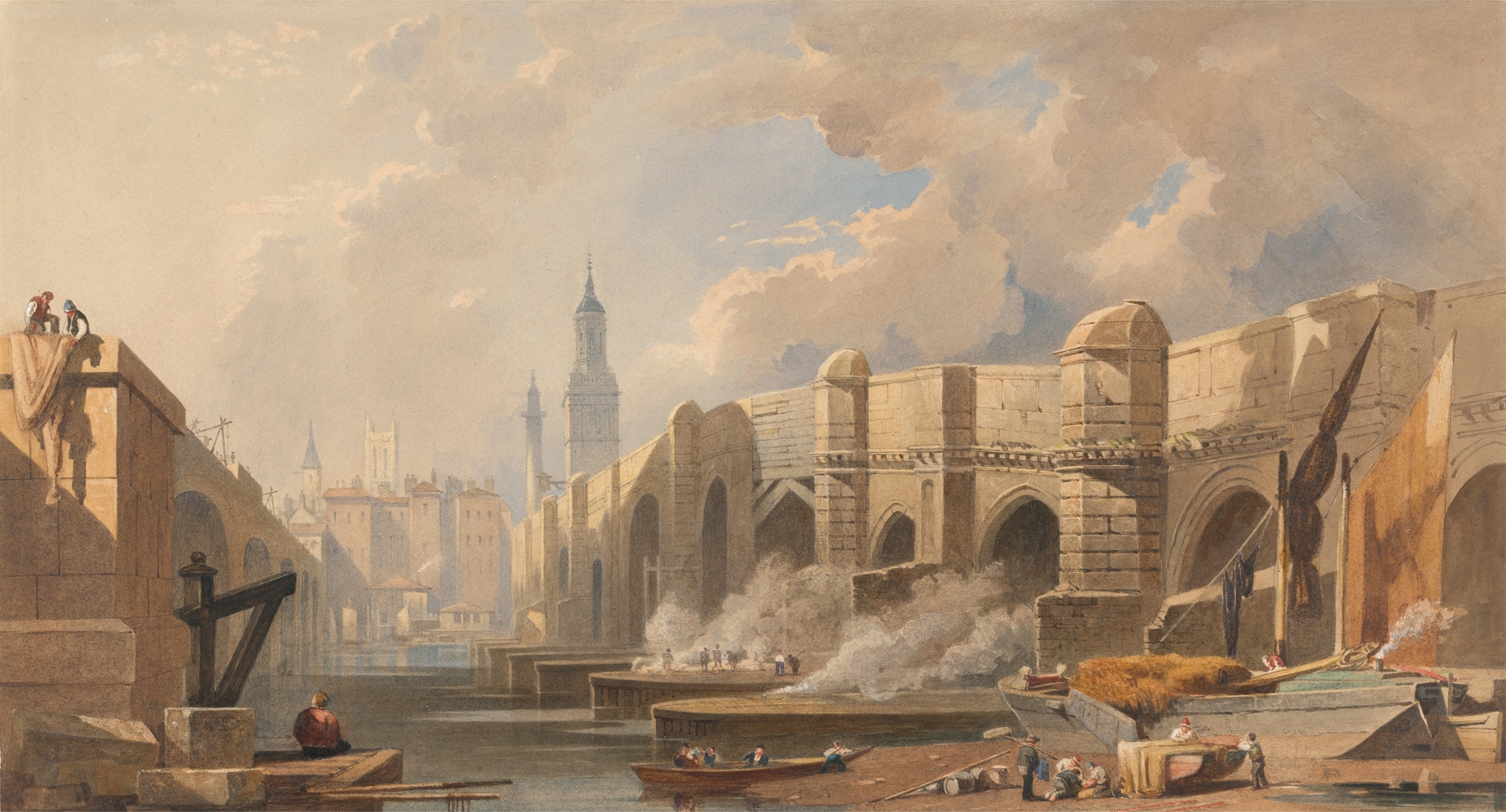
Did the painter know this moment would outlive them? In the vibrancy of color, London Bridge from the Upper Landing of the Steps near Tooley Street captures an ephemeral instant—one that resonates across time yet feels achingly present. Look to the middle of the canvas, where the bridge looms, majestic and enduring, its arches cradling the flow of water below. Notice how the warm hues of golden sunlight embrace the cool blues of the river, creating a dance of color that breathes life into the scene.
The meticulous brushwork and tonal variations draw the eye, inviting exploration of the bustling life that unfolds beneath the bridge, framed beautifully by the soft sky above. The painting juxtaposes the permanence of the bridge with the transient activity on the river—boats, figures, and movement rendered in soft strokes. Each detail, from the rippling water to the bustling pedestrians, speaks to a moment caught between stillness and motion.
This interplay of color and movement suggests an underlying narrative of connection and passage, inviting viewers to ponder the shared stories within the city. In 1833, Edward William Cooke created this work during a period of significant change in London and the broader art world, where Romanticism was giving way to Realism. As the city expanded and industrialized, Cooke's choice to immortalize this iconic structure reflects both a personal fascination with the urban landscape and a deep appreciation for its historical significance amidst the transformative tides of his time.