Long Island Cottage — History & Analysis
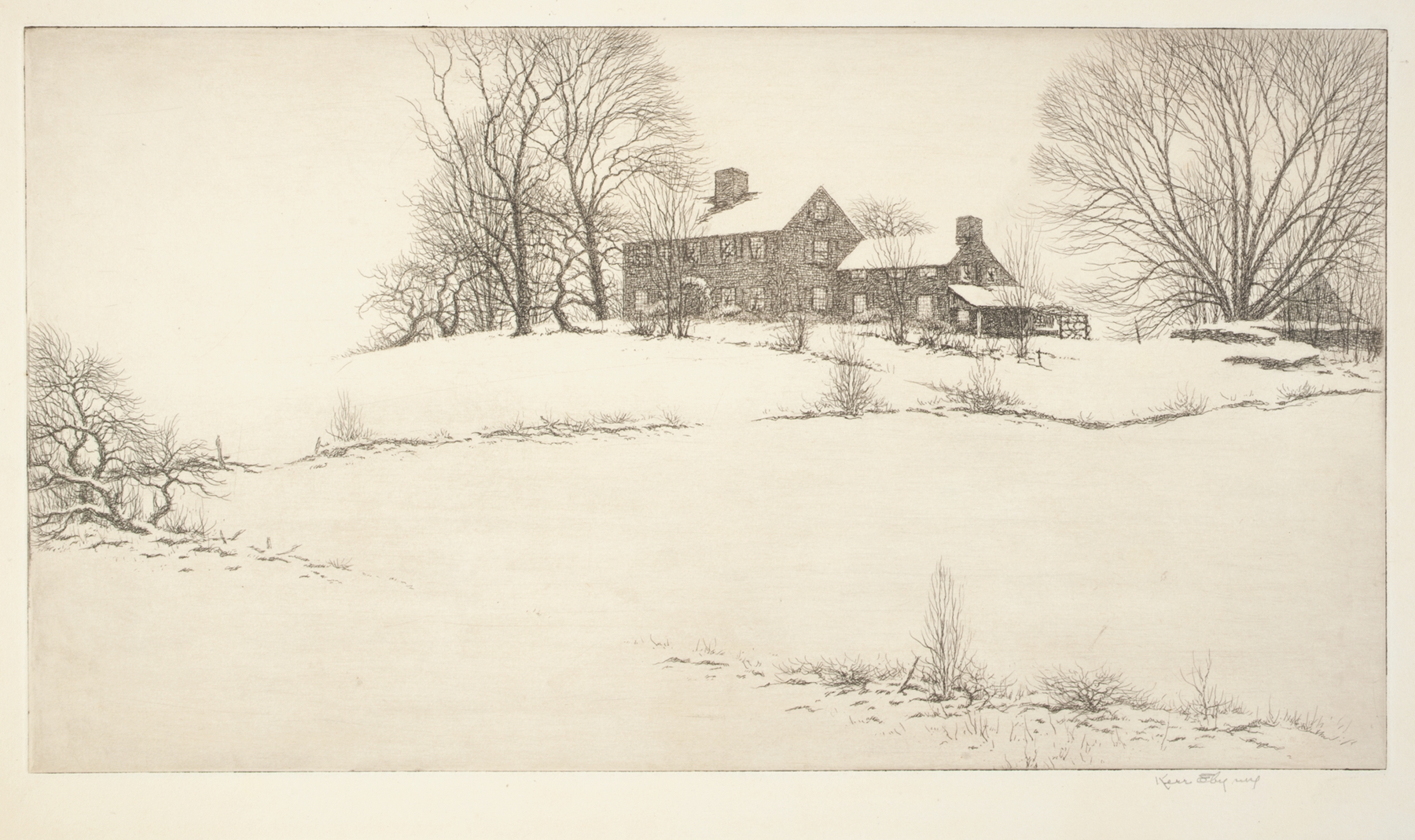
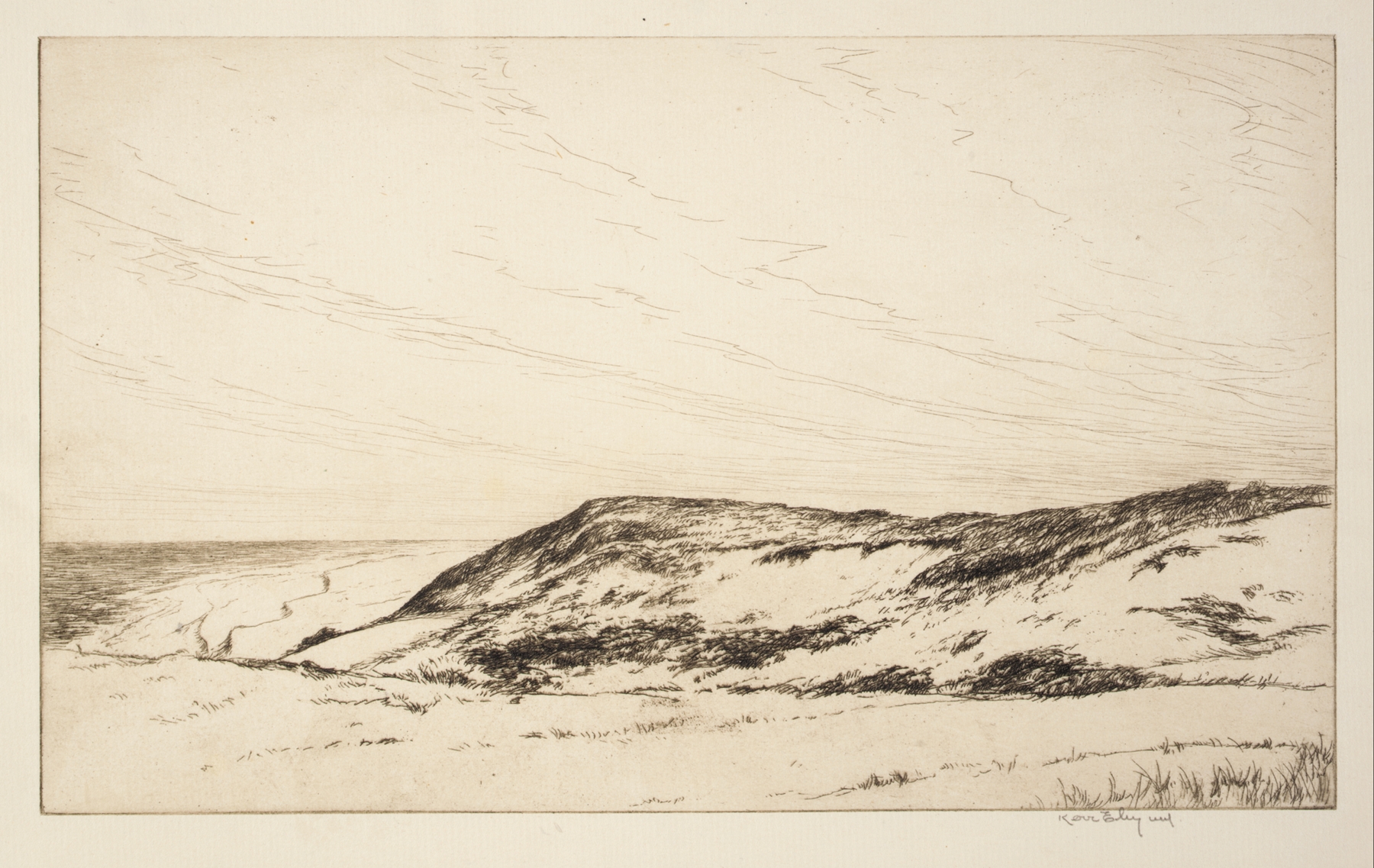
When did color learn to lie? In a world where serenity often feels elusive, some artists possess the rare gift of revealing its delicate essence. Look to the center of the canvas, where soft, muted greens intermingle with tranquil blues and whites, painting a peaceful abode nestled among tall trees. Notice how the gentle brushwork creates a sense of fluidity, as if the very air around this cottage is alive with whispered secrets.
The interplay of light and shadow dances across the scene, inviting contemplation and drawing the viewer deeper into its embrace. Here, the simplicity of the cottage belies a deeper message about the human experience. The solitude suggested by the structure evokes both comfort and isolation, a duality reflected in the contrasting hues of the foliage that surround it. The ethereal quality of the light, filtered through the trees, serves as a metaphor for transient moments of tranquility in a chaotic world.
Each stroke whispers the possibility of refuge, yet also hints at the quiet loneliness that such isolation can bring. During the years between 1920 and 1940, the artist found himself exploring themes of domesticity and nature, often influenced by the shifting social landscapes of his time. Working in the United States, he embraced the return to simplicity that resonated with many in the wake of World War I and the Great Depression. Long Island Cottage stands as a testament to Eby’s intimate connection with the American landscape, capturing a moment in time where peace felt both precious and fleeting.